
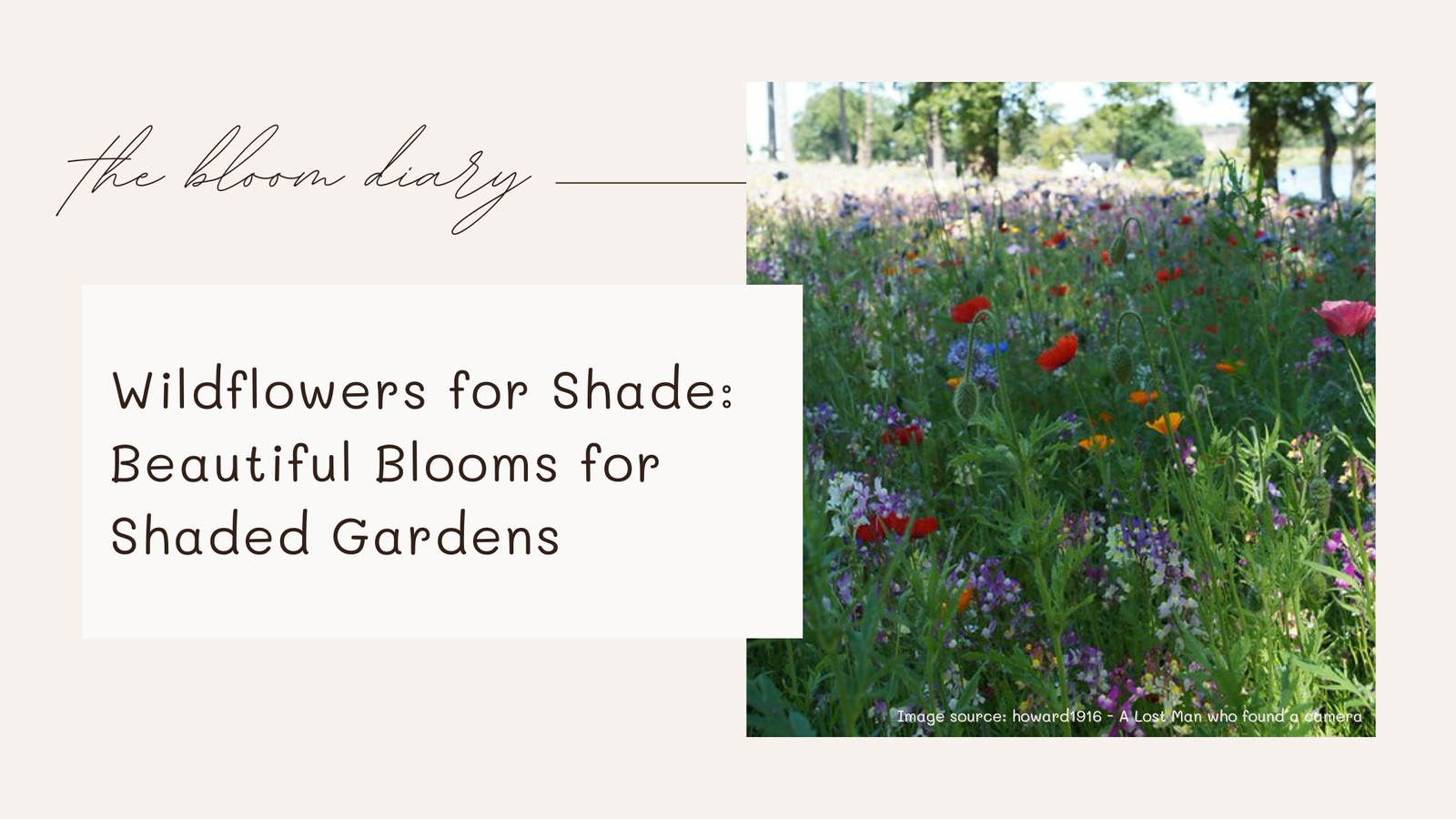
As a lover of gardening, I have always been fascinated by the beauty of wildflowers. However, finding the right wildflowers that thrive in shady areas can be a challenge. Fortunately, there are many varieties of wildflowers that can flourish in areas with limited sunlight.
One of the most popular wildflowers for shade is the Columbine. This beautiful flower has delicate, bell-shaped blooms that come in a range of colors, including pink, purple, and blue. Another great option for shady areas is the Bleeding Heart. This flower gets its name from its unique heart-shaped blooms that appear to be dripping with blood. With its vibrant colors and interesting shape, the Bleeding Heart is sure to add a touch of drama to any garden.
Why Choose Wildflowers for Shade?
When it comes to gardening in the shade, it can be challenging to find plants that will thrive without direct sunlight. That’s where wildflowers come in. As someone who loves gardening in the shade, I’ve found that wildflowers are the perfect solution for adding color and beauty to shady areas.
One of the biggest advantages of wildflowers is that they are generally low-maintenance. They are adapted to growing in natural environments, so they don’t require a lot of watering or fertilizing. This makes them an excellent choice for gardeners who don’t have a lot of time or resources to devote to their garden.
Another benefit of wildflowers is that they are often more resistant to pests and diseases than other types of plants. This is because they have evolved to survive in harsh conditions and have developed natural defenses against predators. As a result, they are less likely to require pesticides or other chemical treatments.
Wildflowers also offer a wide range of colors and textures, making it easy to create a beautiful and diverse garden. From delicate flowers to bold and vibrant blooms, there is a wildflower for every taste and style. And because they are native to many different parts of the world, you can find wildflowers that are adapted to your specific climate and soil conditions.
In summary, wildflowers are an excellent choice for shade gardens. They are low-maintenance, resistant to pests and diseases, and offer a wide range of colors and textures. So if you’re looking to add some color and beauty to your shady areas, consider planting some wildflowers.
Types of Wildflowers for Shade
Perennials
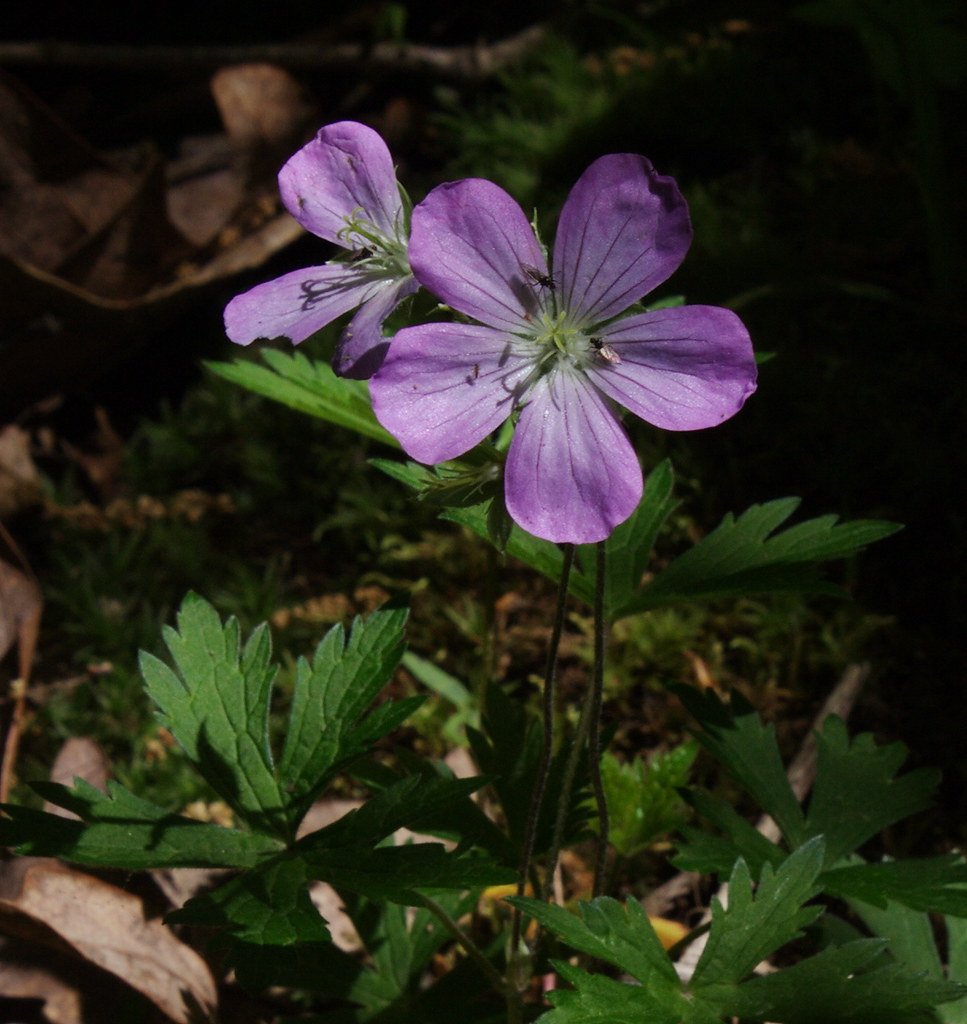
When it comes to wildflowers for shade, perennials are a great choice. These plants come back year after year, making them a low-maintenance option that can bring beauty to your shady garden for many seasons. Some popular perennial wildflowers for shade include:
- Bleeding heart (Dicentra)
- Columbine (Aquilegia)
- Hosta
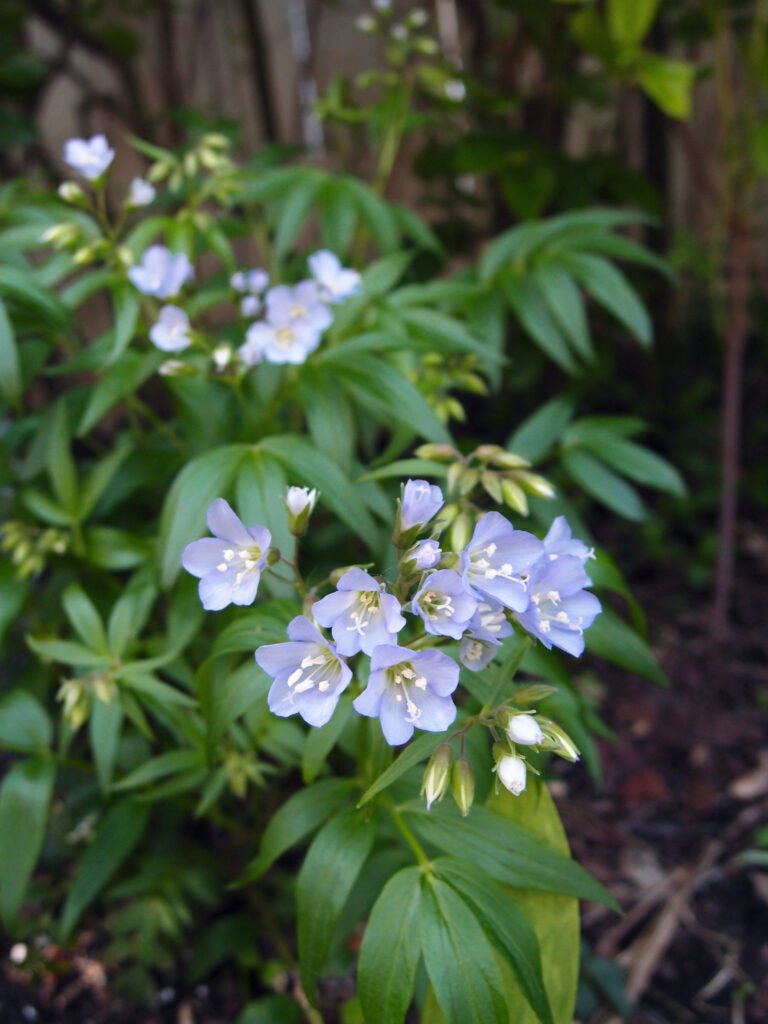
- Jacob’s ladder (Polemonium)
- Lungwort (Pulmonaria)
- Wild ginger (Asarum)
Related: Wildflower Front Yard: A Guide to Creating a Beautiful and Low-Maintenance Landscape
Annuals
Annual wildflowers are another good option for adding color and interest to shady areas of your garden. While they won’t come back year after year like perennials, they can provide a burst of color for a single season. Some annual wildflowers that do well in shade include:
- Impatiens
- Lobelia
- Nasturtium
- Pansies
- Snapdragons
- Violas
Related: Grow Wildflowers in Pots: A Beginner’s Guide
Bulbs
Bulbs are a great way to add some variety to your shady garden. While some bulbs need full sun to thrive, there are others that do well in partial or full shade. Some bulbs that can add color and texture to your shady garden include:
- Daffodils
- Snowdrops
- Bluebells
- Crocuses
- Trilliums
- Wood hyacinths
When choosing wildflowers for shade, it’s important to consider the specific conditions of your garden. Some plants may do better in dry shade, while others prefer moist soil. By doing your research and selecting the right plants for your garden, you can create a beautiful and thriving shade garden that will bring joy for years to come.
Shade Tolerant Wildflowers
As someone who loves gardening, I know how challenging it can be to find the right plants for shady areas. However, there are plenty of wildflowers that can thrive in the shade, adding color and texture to your garden. Here are 15 types of shade-tolerant wildflowers that I recommend:
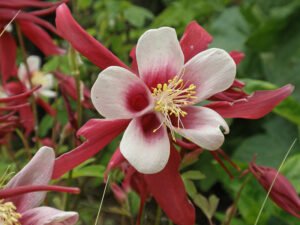
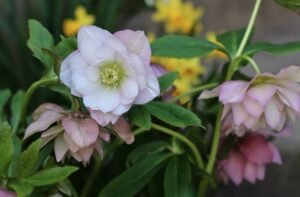
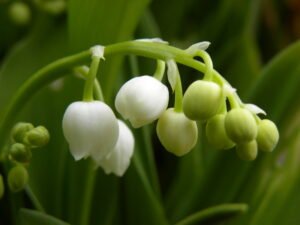
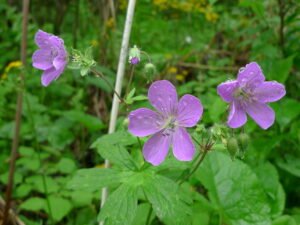
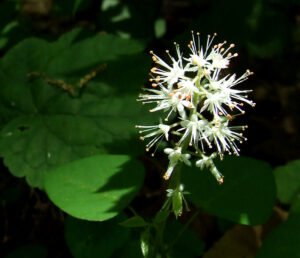
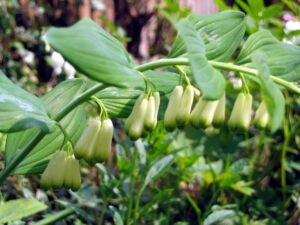
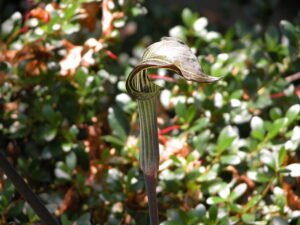

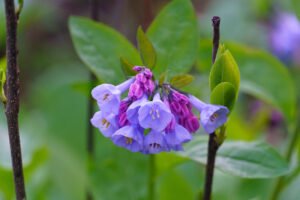
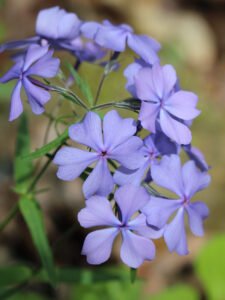
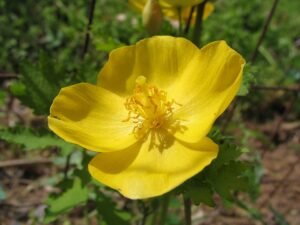
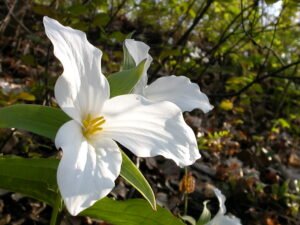
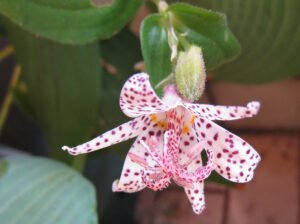
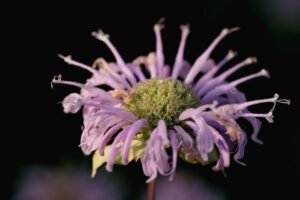
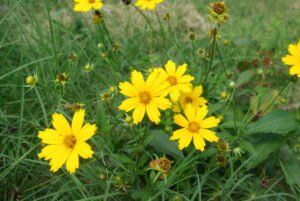

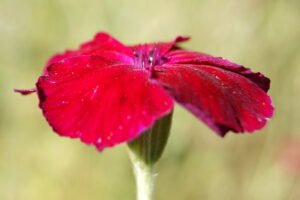
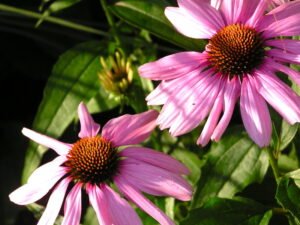
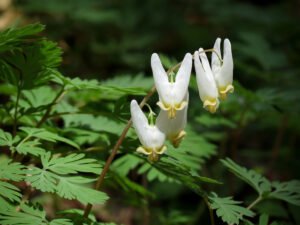
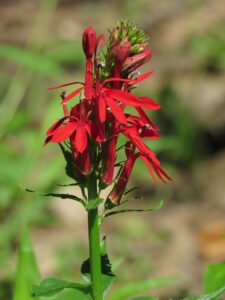
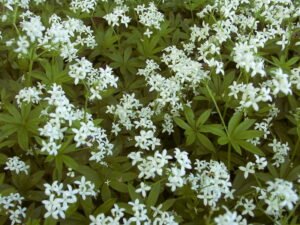
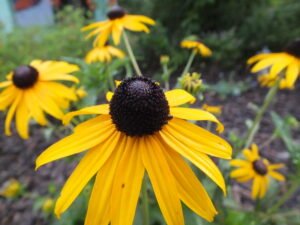
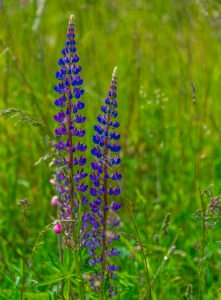
These 24 shade-tolerant wildflowers are just a few of the many options available. With a little research and experimentation, you can find the perfect wildflowers to add color and beauty to your shady garden.
How to Plant Wildflowers for Shade
Preparing the Soil
Before planting wildflowers for shade, it’s important to prepare the soil properly. First, remove any weeds or debris from the area where you plan to plant. Next, loosen the soil to a depth of at least six inches. If the soil is heavy or compacted, mix in some organic matter such as compost or leaf mold to improve drainage and provide nutrients for your wildflowers.
Sowing the Seeds
Once the soil is prepared, it’s time to sow your wildflower seeds. Choose a mix of seeds that are suitable for shade and follow the directions on the package for planting depth and spacing. Scatter the seeds evenly over the prepared soil, then gently rake the soil to cover the seeds. Water the area thoroughly, being careful not to wash away the seeds.
Watering and Fertilizing
Wildflowers for shade require regular watering to establish strong roots and promote healthy growth. Water the area deeply once a week, or more often if the weather is hot and dry. Avoid watering too frequently, as this can lead to shallow roots and poor growth.
Fertilizing is generally not necessary for wildflowers, as they prefer nutrient-poor soil. However, if your soil is particularly poor, you can apply a balanced fertilizer once or twice during the growing season. Be sure to follow the package directions carefully, as over-fertilizing can damage your wildflowers.
That’s it! With a little preparation and care, you can enjoy a beautiful display of wildflowers in your shady garden.
Maintenance Tips for Wildflowers in Shade
Weeding and Deadheading
I find that regular weeding and deadheading are essential for maintaining healthy and beautiful wildflowers in shade. Weeds can quickly take over and compete with the wildflowers for nutrients and water. Therefore, I make sure to remove any weeds by hand or with a hoe as soon as I notice them.
Deadheading is also important because it encourages the wildflowers to produce more blooms. I usually deadhead by cutting off the spent flowers just below the base of the bloom. This prevents the plant from using energy to produce seeds and redirects it towards producing more flowers.
Pest and Disease Control
While wildflowers in shade are generally hardy and resistant to pests and diseases, it’s still important to keep an eye out for any signs of trouble. I inspect my plants regularly for any signs of insect damage or disease.
If I notice any issues, I usually start by removing any affected leaves or flowers and disposing of them in the trash (not the compost pile). For more serious problems, I may use an organic insecticide or fungicide.
Cutting and Pruning
Cutting and pruning are essential for maintaining the shape and size of wildflowers in shade. I usually cut back my plants in the early spring to promote new growth and remove any dead or damaged branches.
I also prune my wildflowers throughout the growing season to encourage bushier growth and prevent them from becoming too leggy. When pruning, I make sure to cut just above a leaf node or bud to encourage new growth.
By following these maintenance tips, I’ve been able to keep my wildflowers in shade healthy and beautiful year after year.