
Identifying wildflower seedlings can be a fun and rewarding experience for nature enthusiasts. As someone who enjoys spending time outdoors and admiring the beauty of wildflowers, I have found that learning to identify seedlings is a great way to deepen my appreciation for these plants and their life cycle.
One of the most important things to keep in mind when identifying wildflower seedlings is that they can look very different from mature plants. This can make the process challenging but also exciting as you begin to recognize the unique characteristics of each species. By paying attention to details such as the shape of the leaves, the arrangement of the stems, and the color and texture of the seedling, you can start to build your knowledge and confidence in identifying these young plants.
Whether you are a seasoned botanist or a curious beginner, learning to identify wildflower seedlings is a valuable skill that can enhance your enjoyment of nature. With a little practice and patience, you can develop a keen eye for these young plants and gain a deeper understanding of the natural world around you.
Why Identify Wildflower Seedlings
As a wildflower enthusiast, I find it essential to identify wildflower seedlings. Here are a few reasons why:
- Early Identification: Identifying wildflower seedlings early on can help us determine the species and plan our garden accordingly. We can also take necessary steps to protect the seedlings from pests and diseases.
- Avoiding Weeds: Wildflower seedlings may look similar to weeds, and without proper identification, we may end up pulling out the wrong plants. By identifying the seedlings, we can avoid pulling out the wildflowers and save ourselves some trouble.
- Learning Experience: Identifying wildflower seedlings can be a fun and educational experience. It allows us to learn more about the different species, their characteristics, and their growth patterns.
- Conservation Efforts: Identifying wildflower seedlings can also help us in our conservation efforts. We can keep track of the species that are growing in our area and take necessary steps to protect them from habitat destruction and other threats.
In conclusion, identifying wildflower seedlings is an essential skill for any wildflower enthusiast. It can help us plan our garden, avoid weeds, learn more about different species, and contribute to conservation efforts.
Key Characteristics to Look For
When identifying wildflower seedlings, there are several key characteristics to look for. By paying attention to the shape of the leaves, the arrangement of the leaves, and the characteristics of the stem, you can often determine the species of the plant.
Leaf Shape
The shape of the leaves is one of the most important characteristics to look for when identifying wildflower seedlings. Some common leaf shapes include:
- Round
- Oval
- Lanceolate
- Heart-shaped
- Triangular
It’s important to note that the shape of the leaves can change as the plant matures, so it’s best to look at the shape of the leaves on young seedlings.
Leaf Arrangement
The arrangement of the leaves on the stem is another important characteristic to look for. Some common leaf arrangements include:
- Opposite
- Alternate
- Whorled
Opposite leaves are found directly across from each other on the stem, while alternate leaves are staggered along the stem. Whorled leaves are arranged in a circular pattern around the stem.
Stem Characteristics
The characteristics of the stem can also help you identify wildflower seedlings. Some key characteristics to look for include:
- Color
- Texture
- Hairiness
- Shape
Some stems may be smooth and green, while others may be hairy or have a reddish tint. The shape of the stem can also vary, with some being round and others being square.
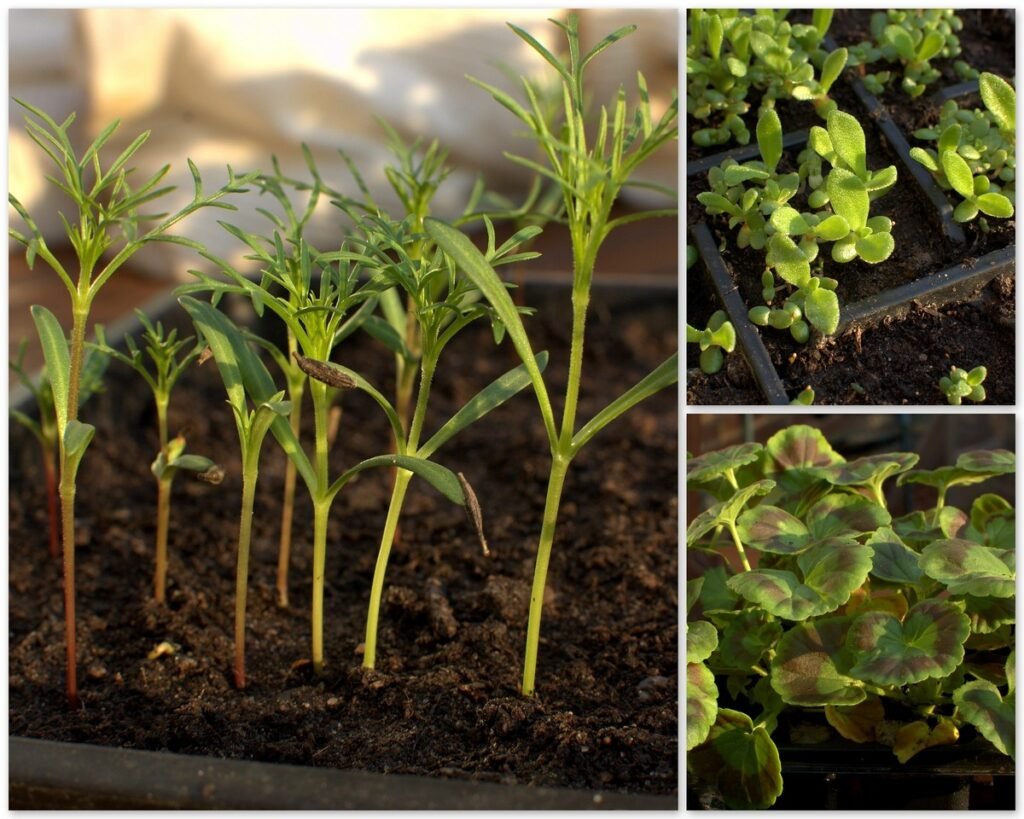
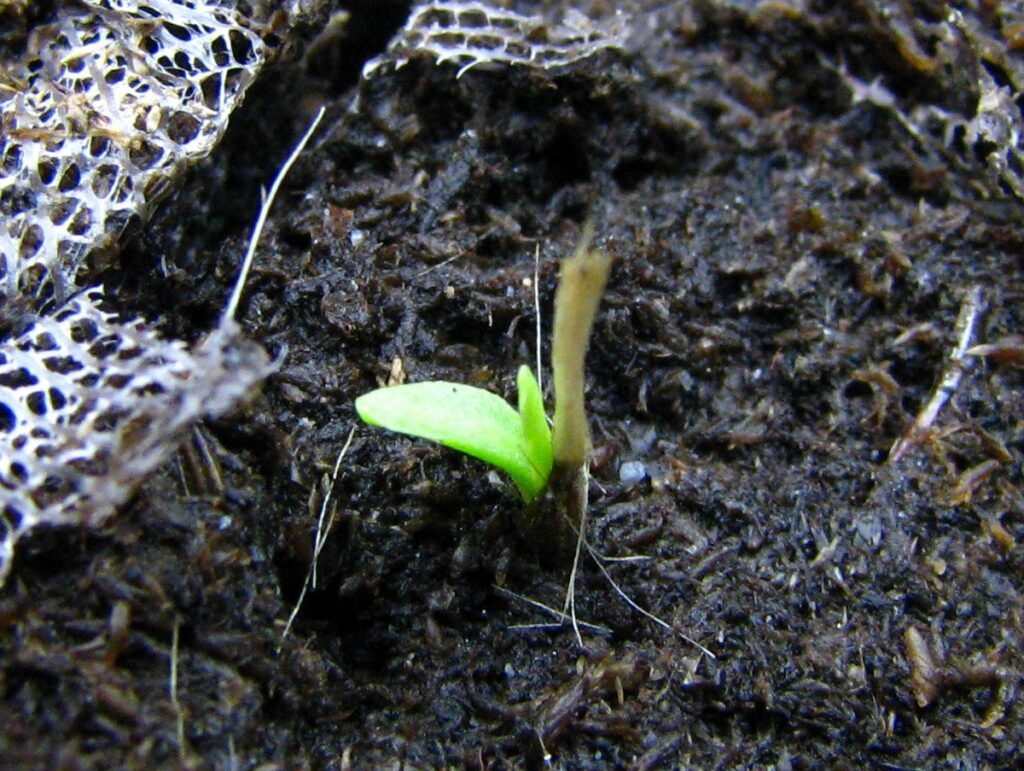
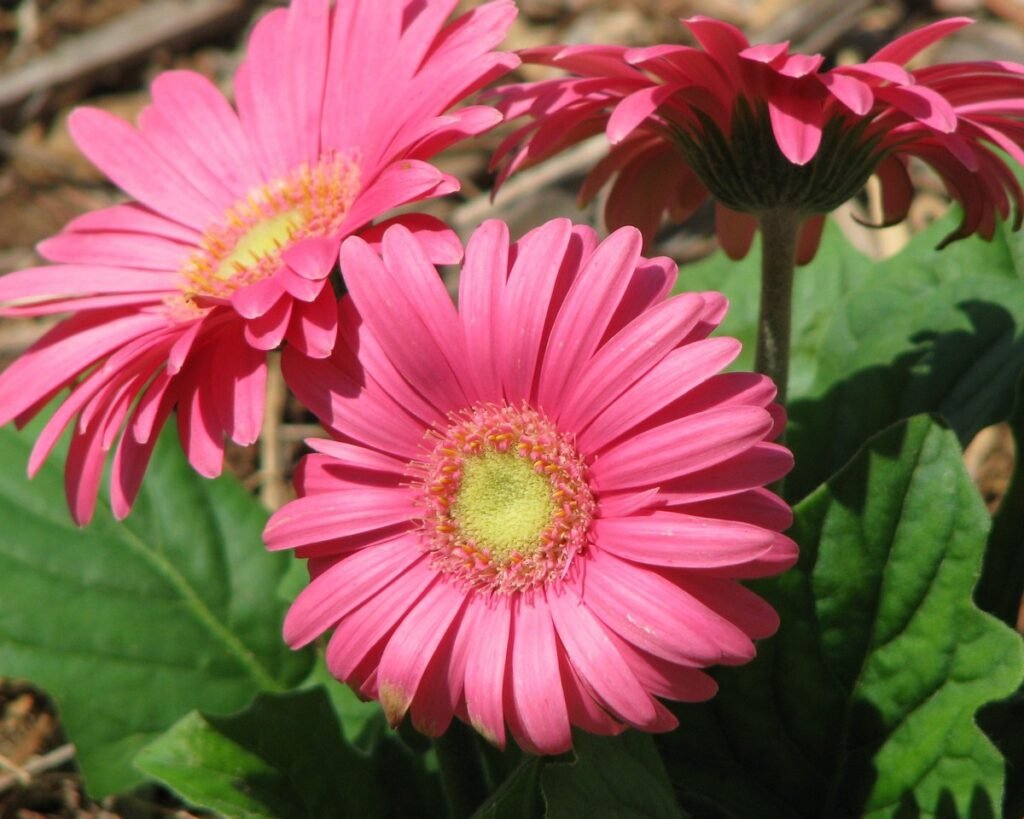
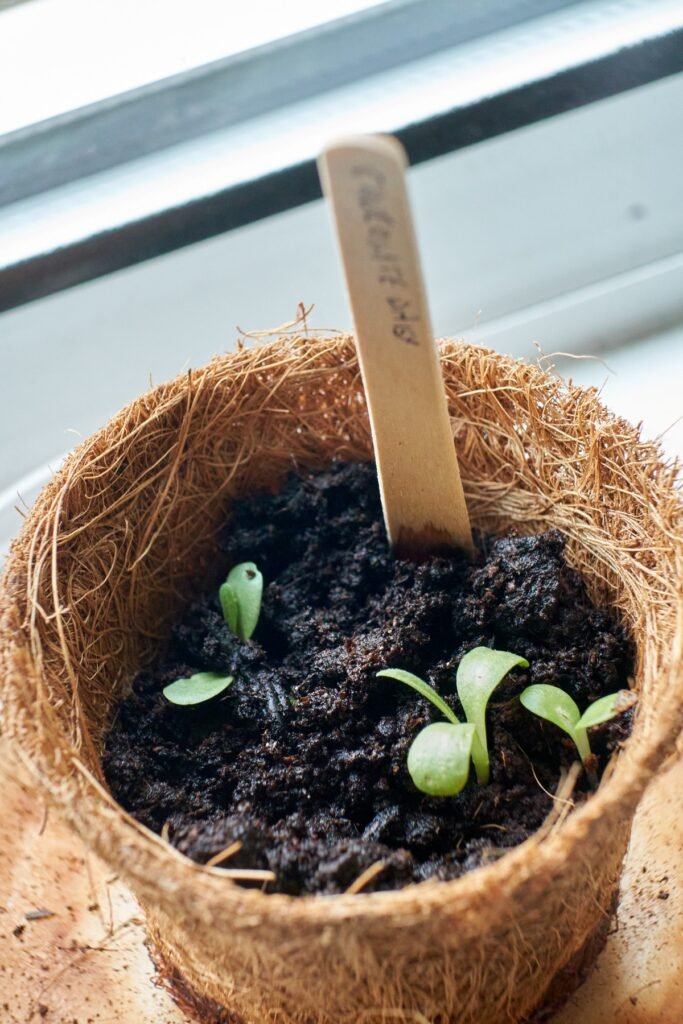
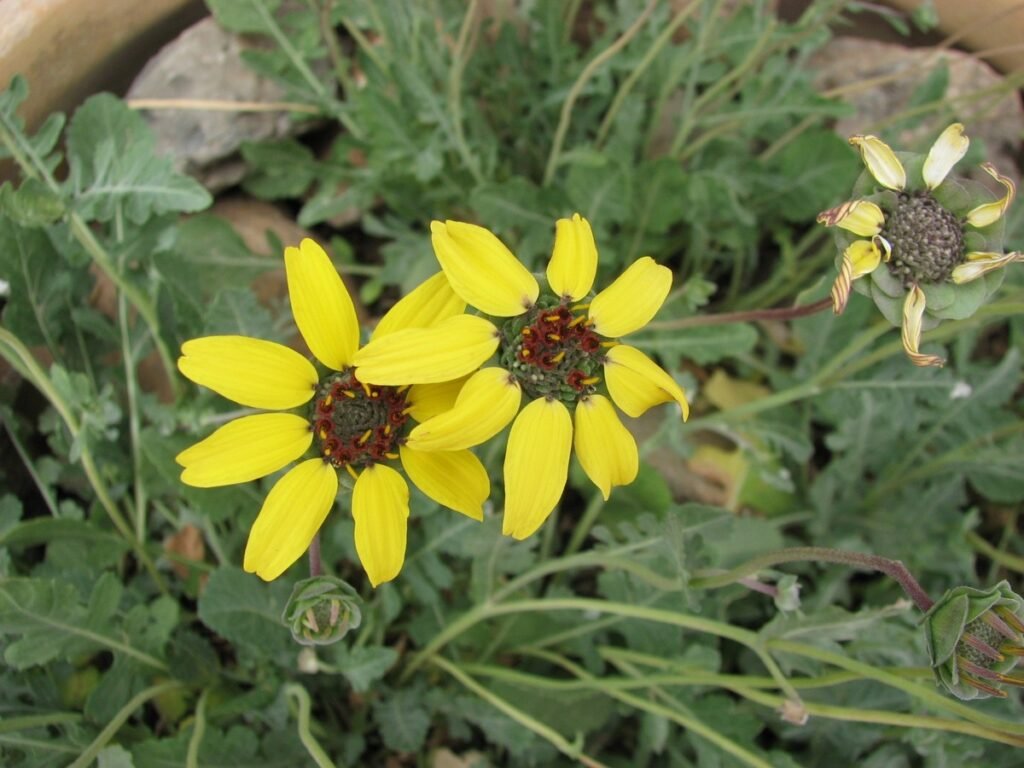
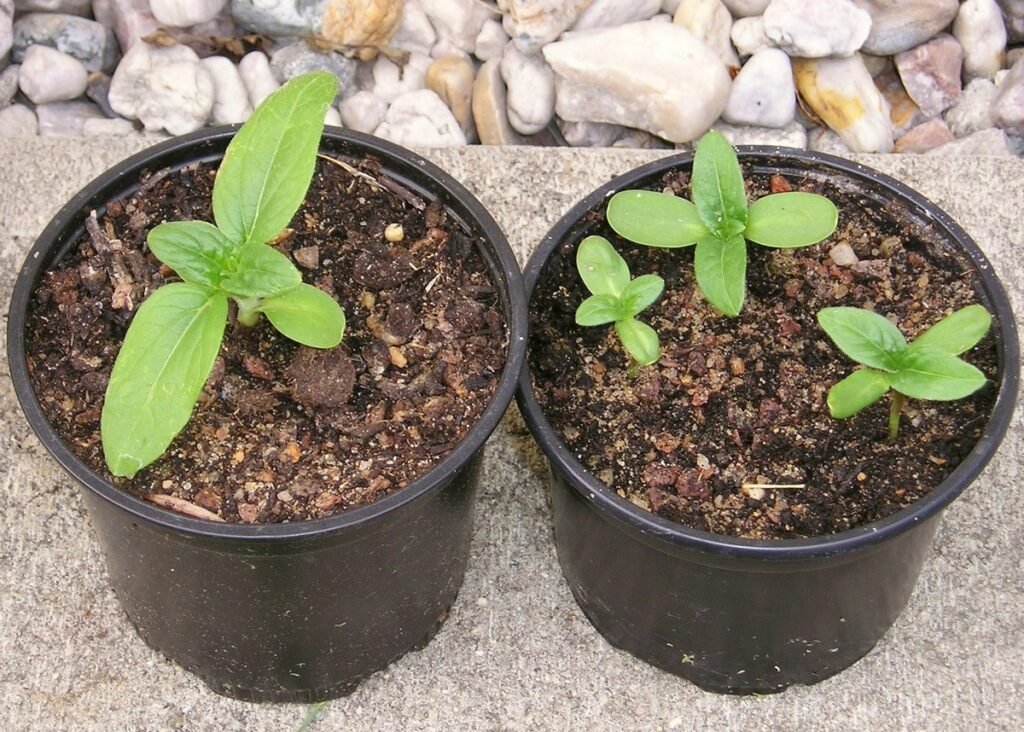
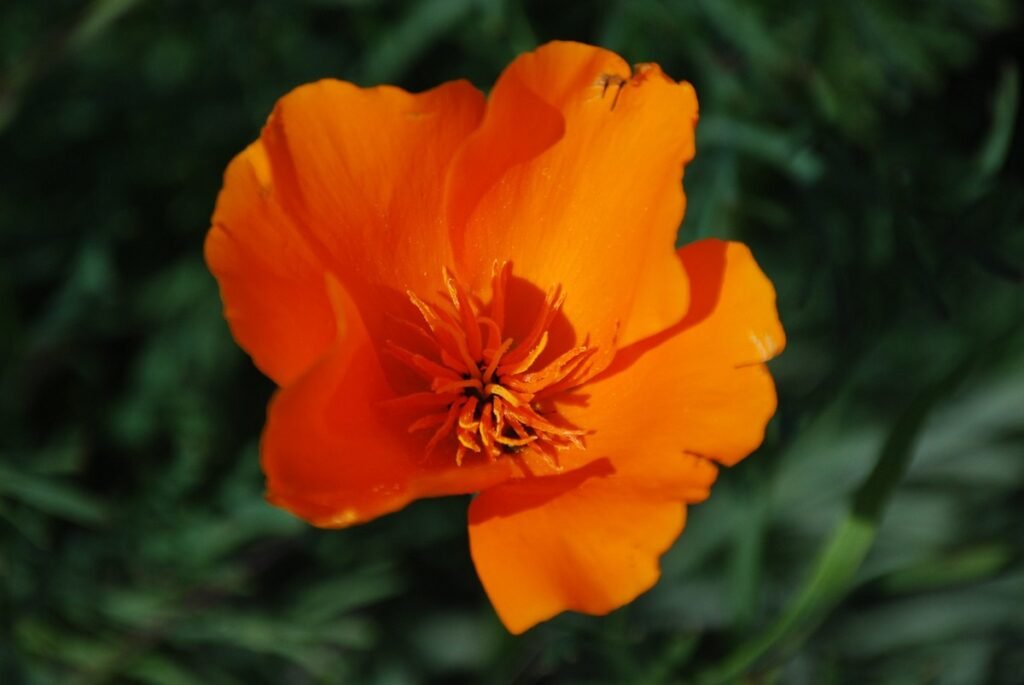
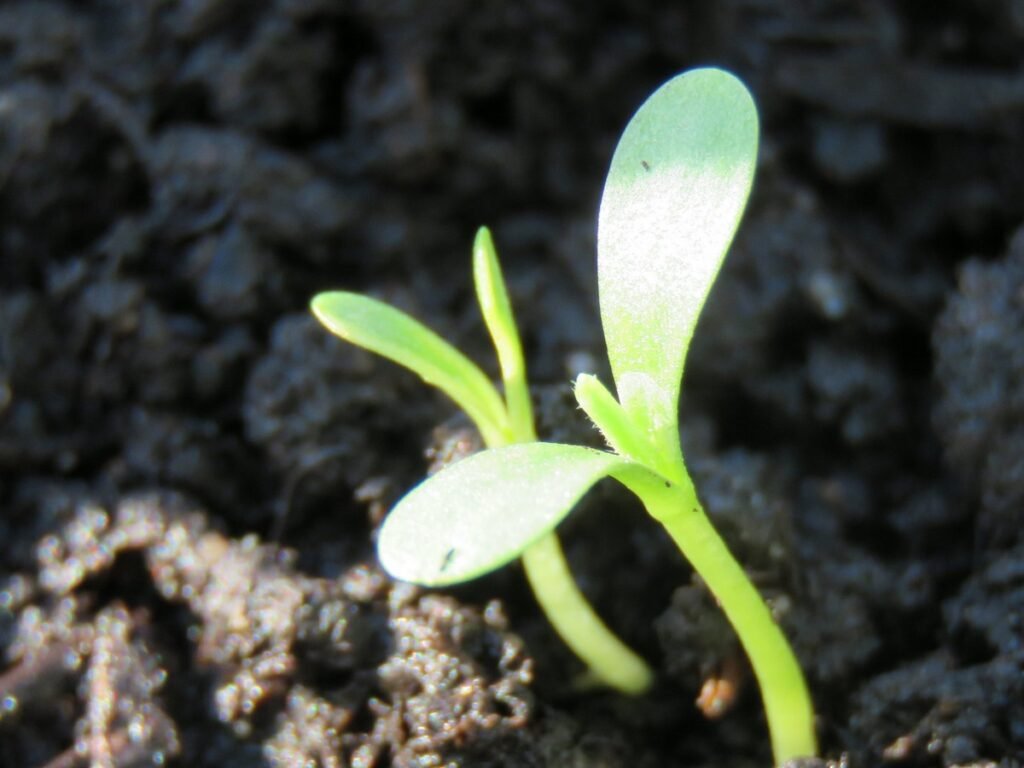
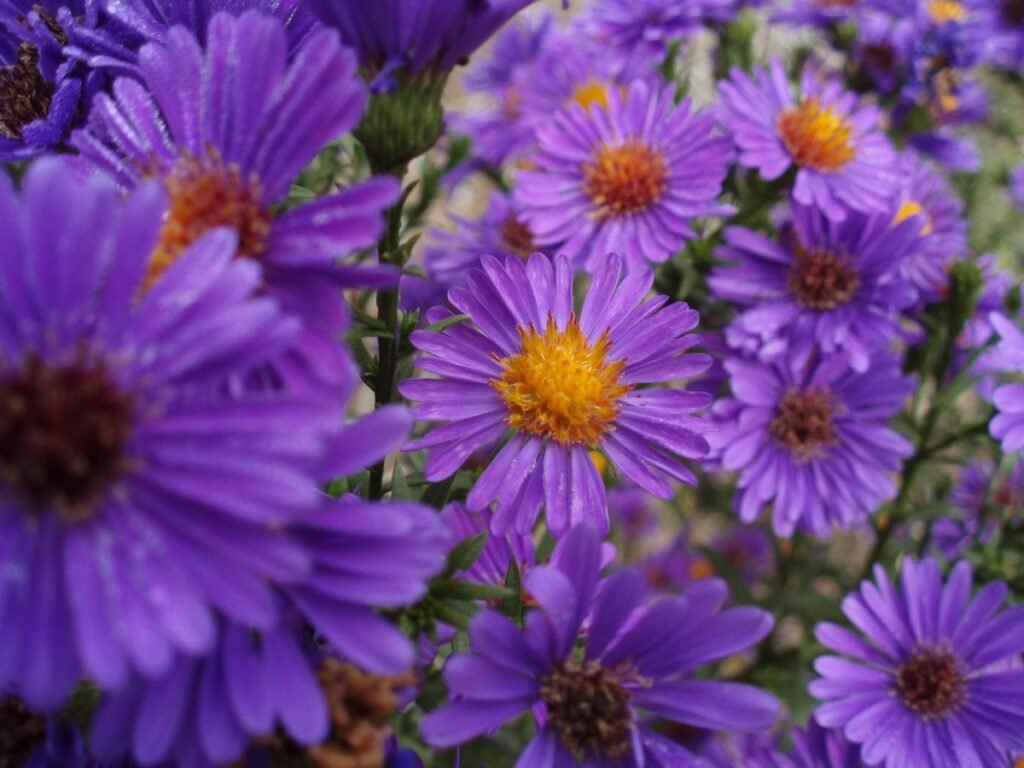
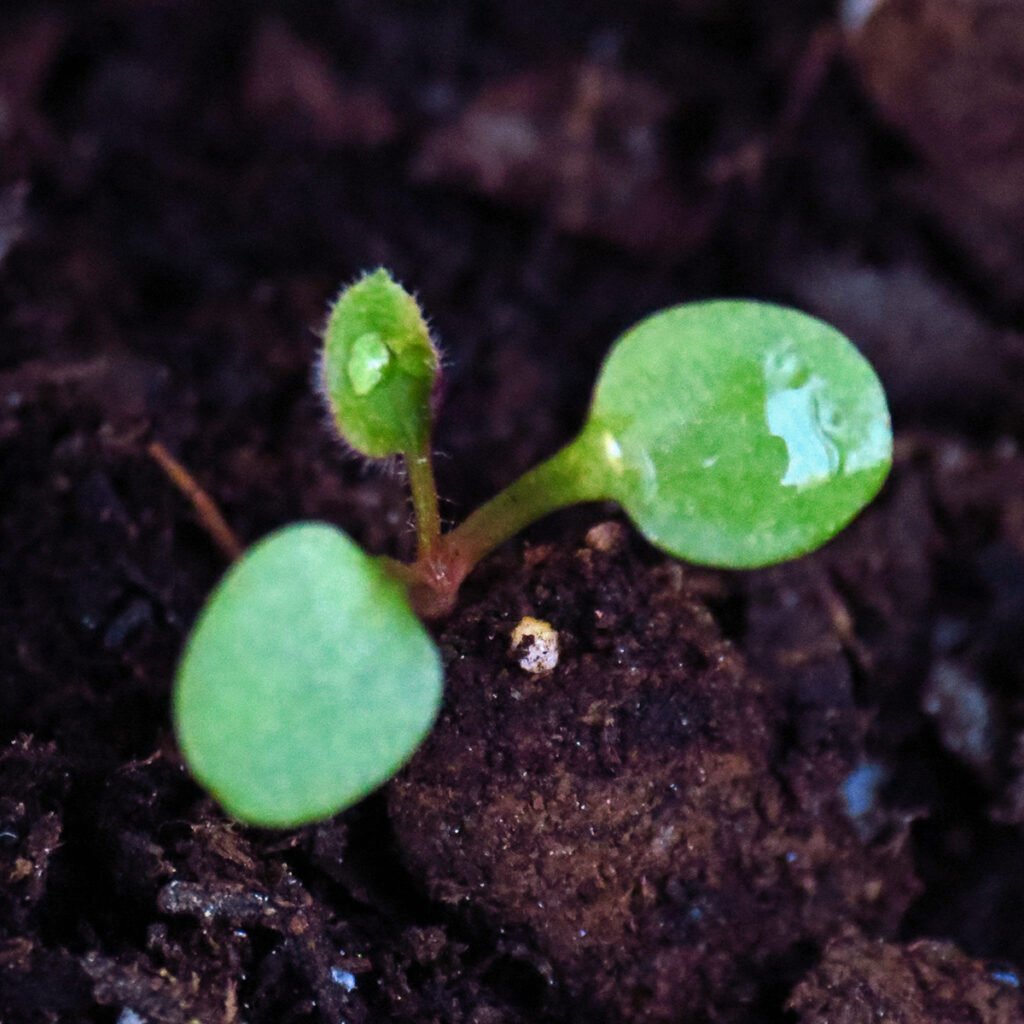
4 Top-left = Nasturtiums
Top-right = Asters
Bottom-left = Petunias
Bottom-right = Marigolds
By paying attention to these key characteristics, you can become more confident in your ability to identify wildflower seedlings. However, it’s important to remember that there can be variation within a species, so it’s always a good idea to double-check your identification with a field guide or expert.
Common Wildflower Seedlings
As I was walking through a local meadow, I noticed a variety of wildflower seedlings sprouting up. I decided to take a closer look and identify a few of the most common ones. Here are some of my findings:
Bluebells
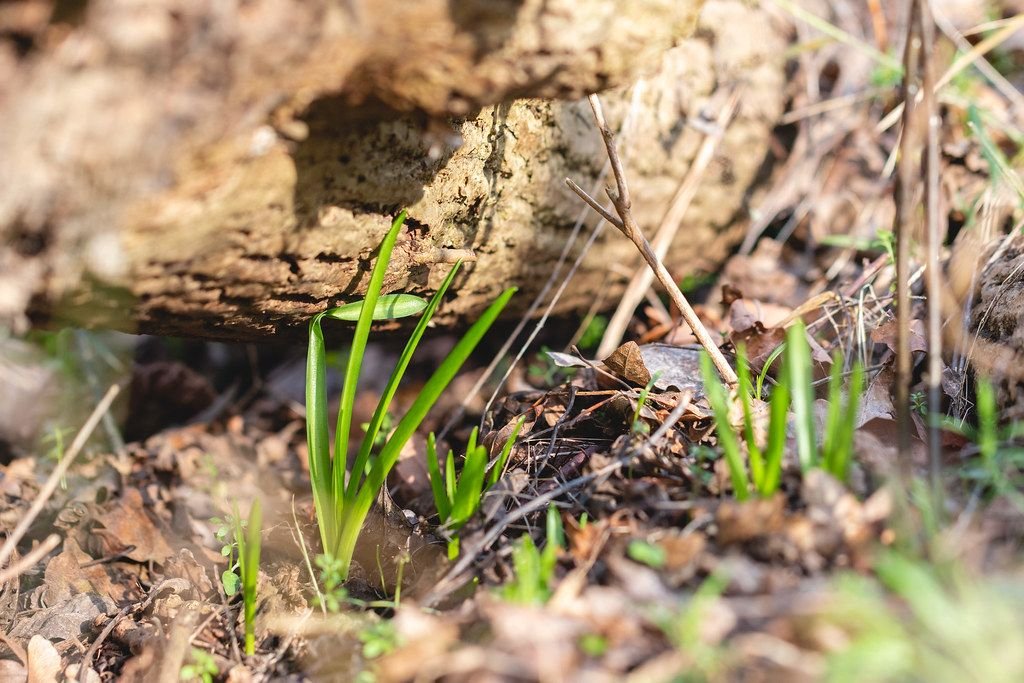
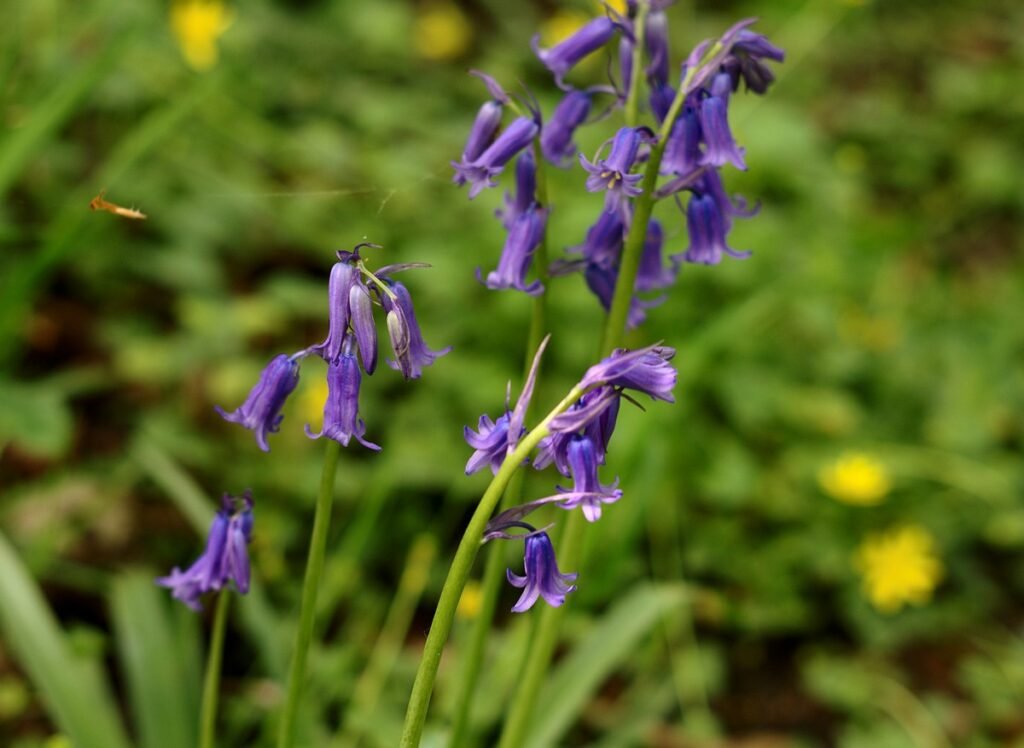
Bluebells are a common wildflower that can be identified by their slender leaves and delicate, bell-shaped flowers. These seedlings typically have two leaves that are narrow and pointed at the tip. The flowers are a pale blue color and hang from the stem on a delicate, curved stalk.
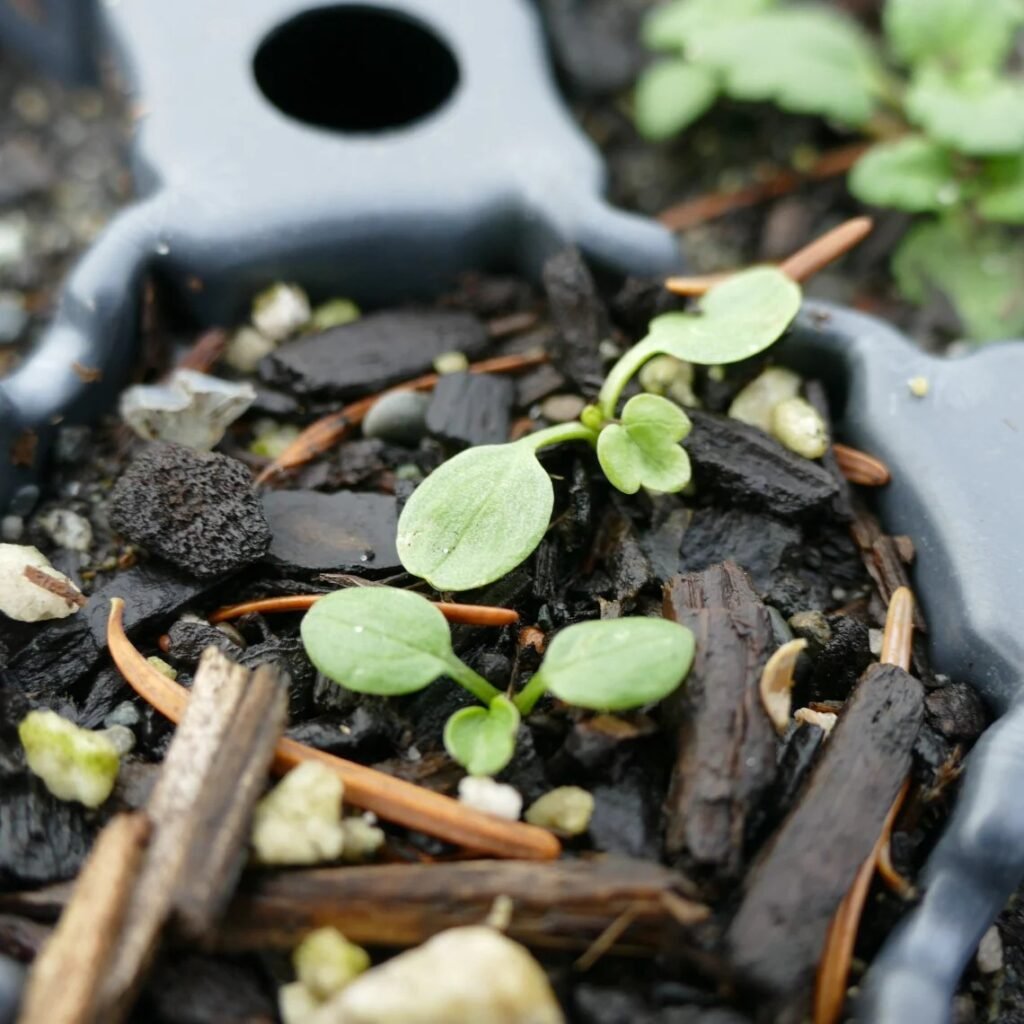
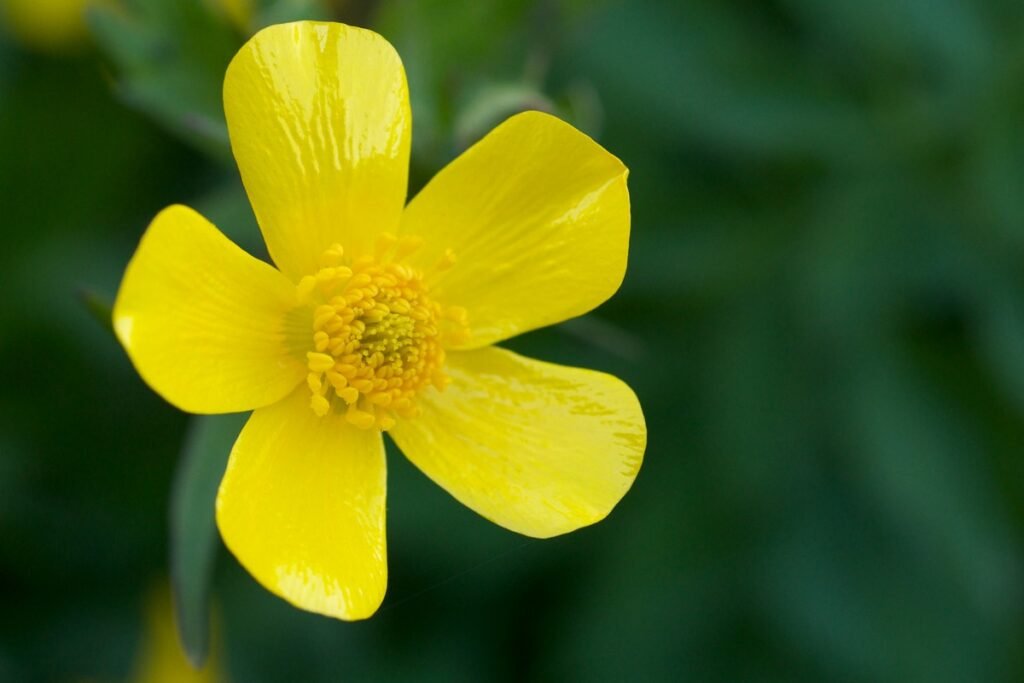
Buttercups
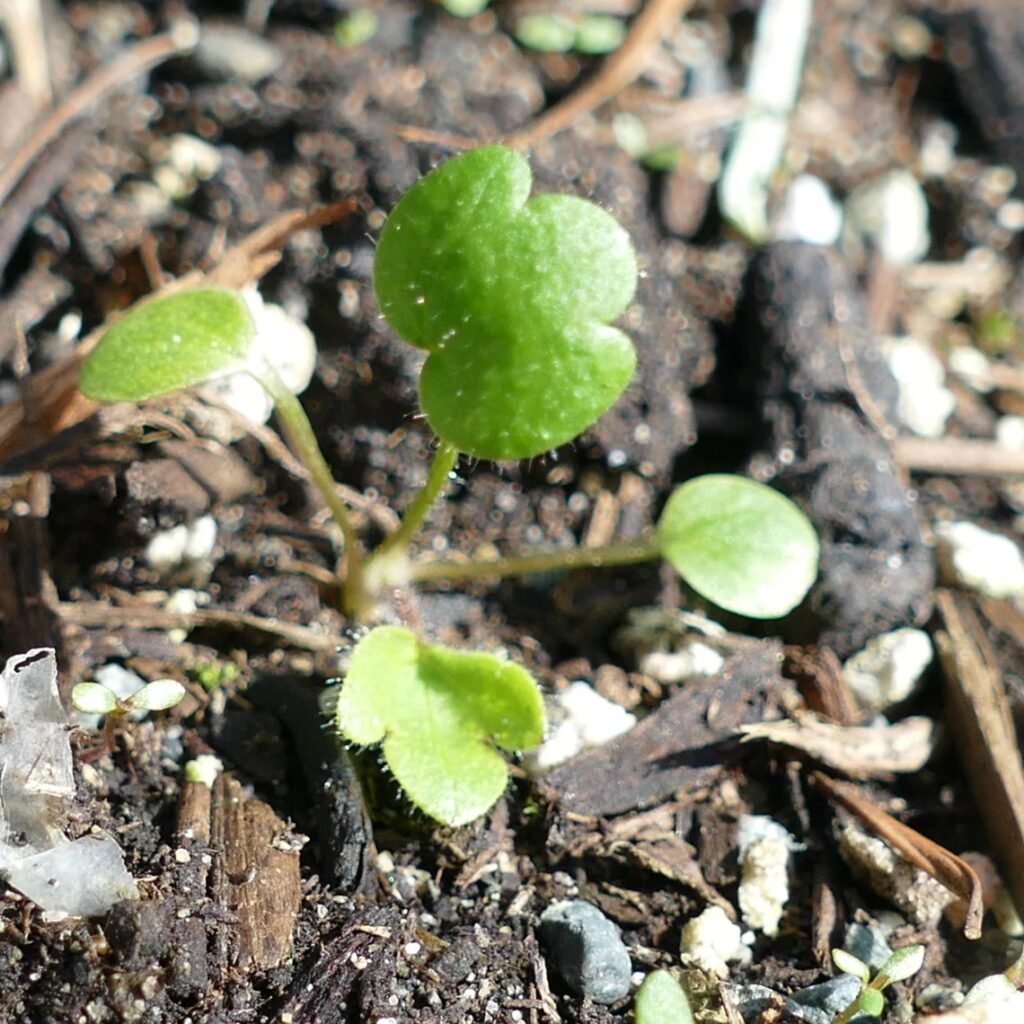
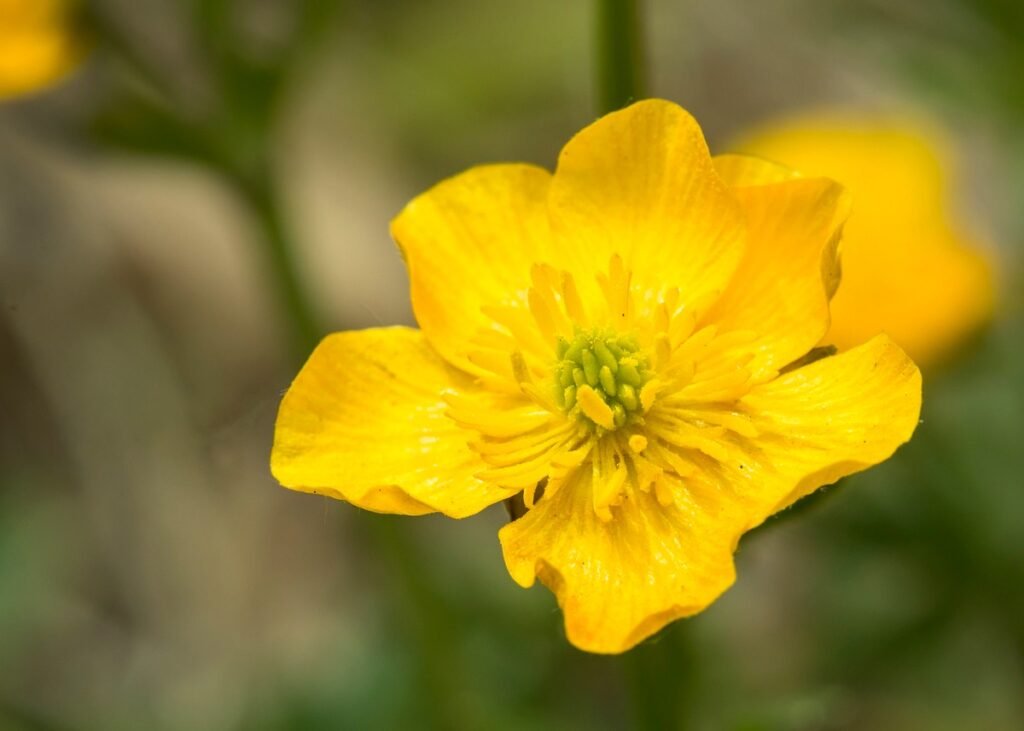
Buttercups are another common wildflower that can be easily identified by their bright yellow flowers. The seedlings have rounded leaves that are slightly hairy, and the flowers are typically on a long stalk that rises above the leaves. These seedlings can be found in meadows, fields, and along roadsides.
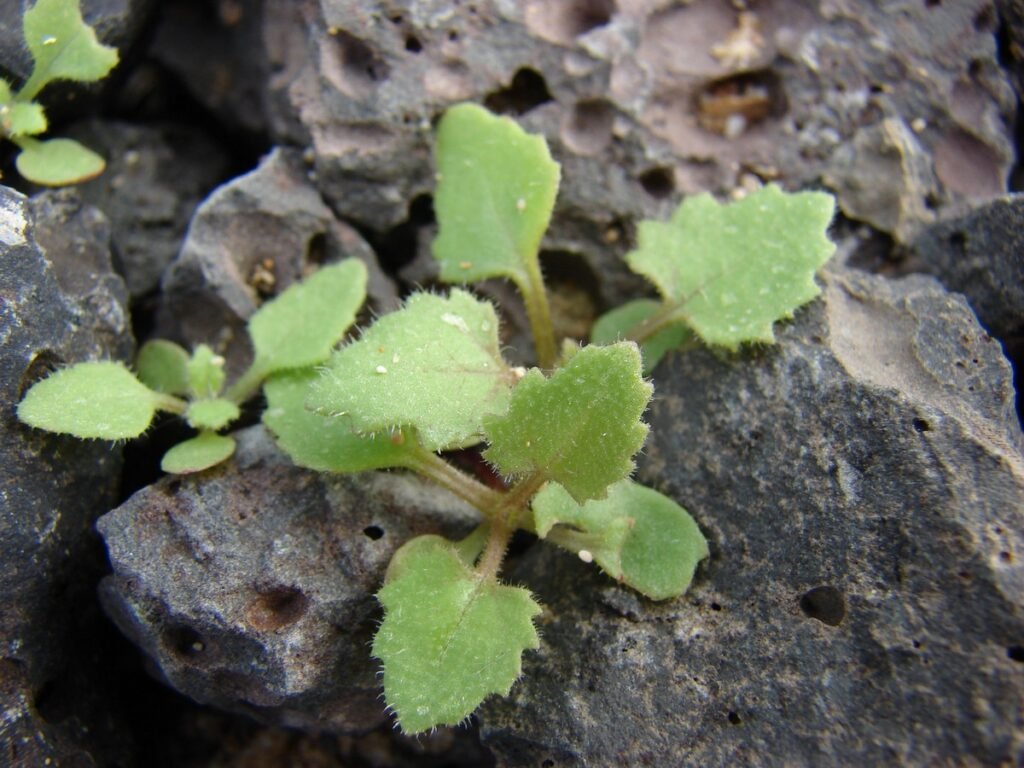
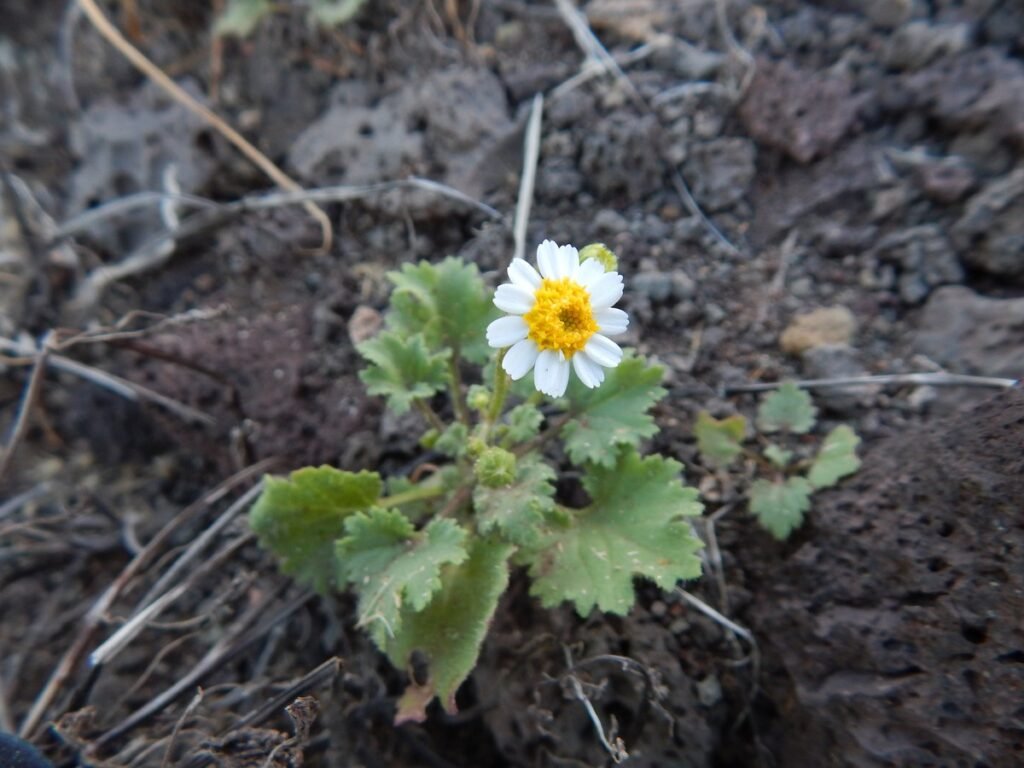
Daisies
Daisies are a classic wildflower that are easy to identify. The seedlings have a rosette of leaves at the base and a single stem that rises up to support the flower. The flowers themselves are white with a yellow center, and they have a distinctive, frilly edge.
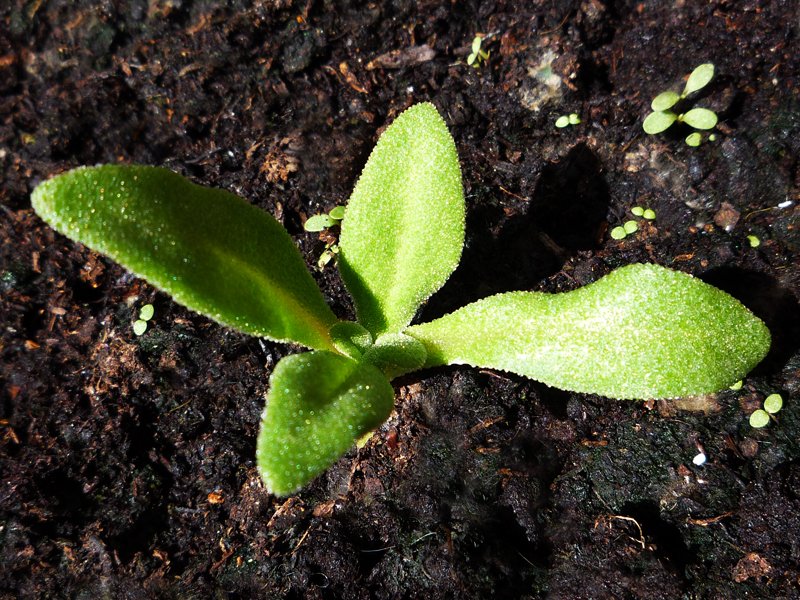
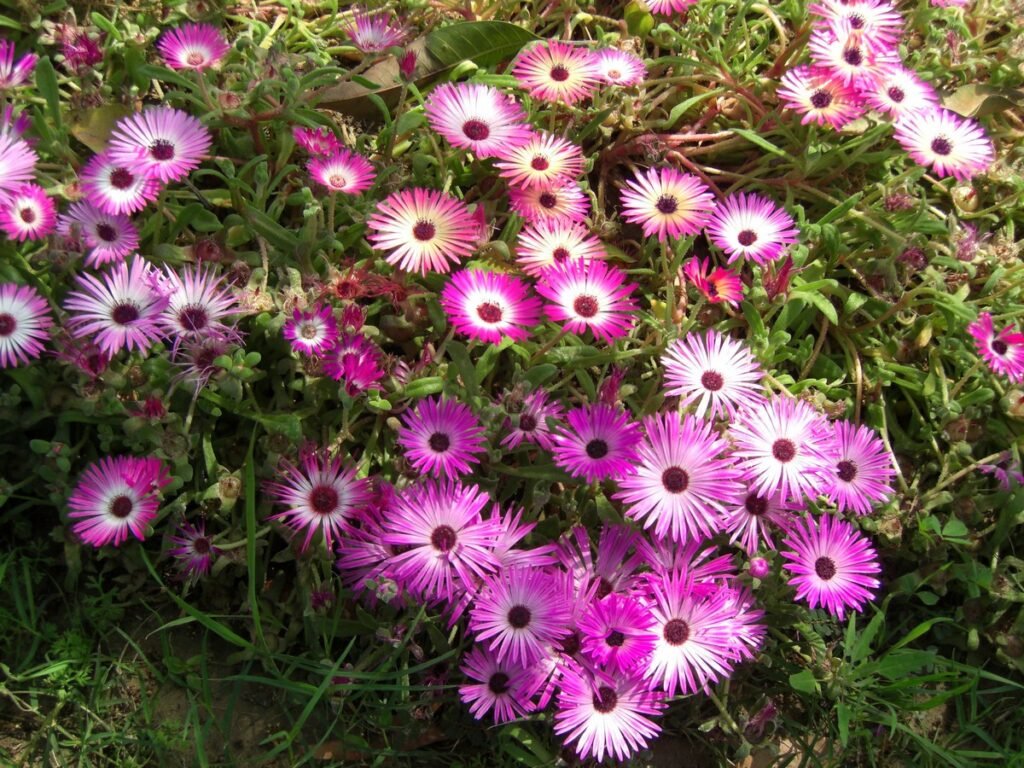
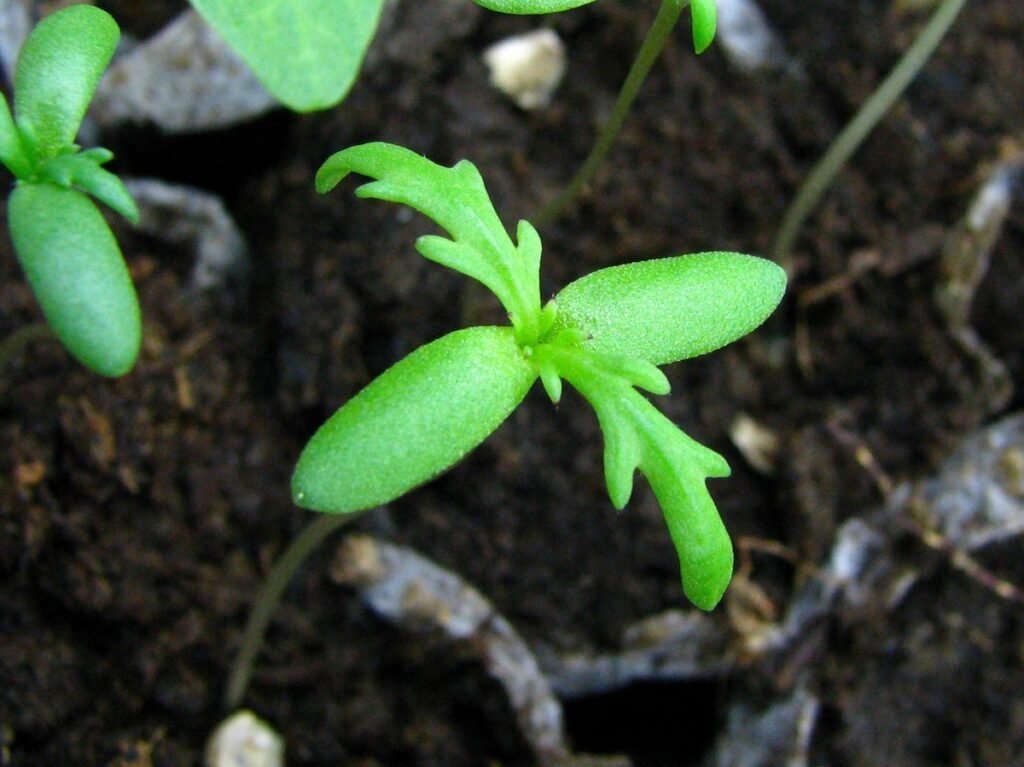
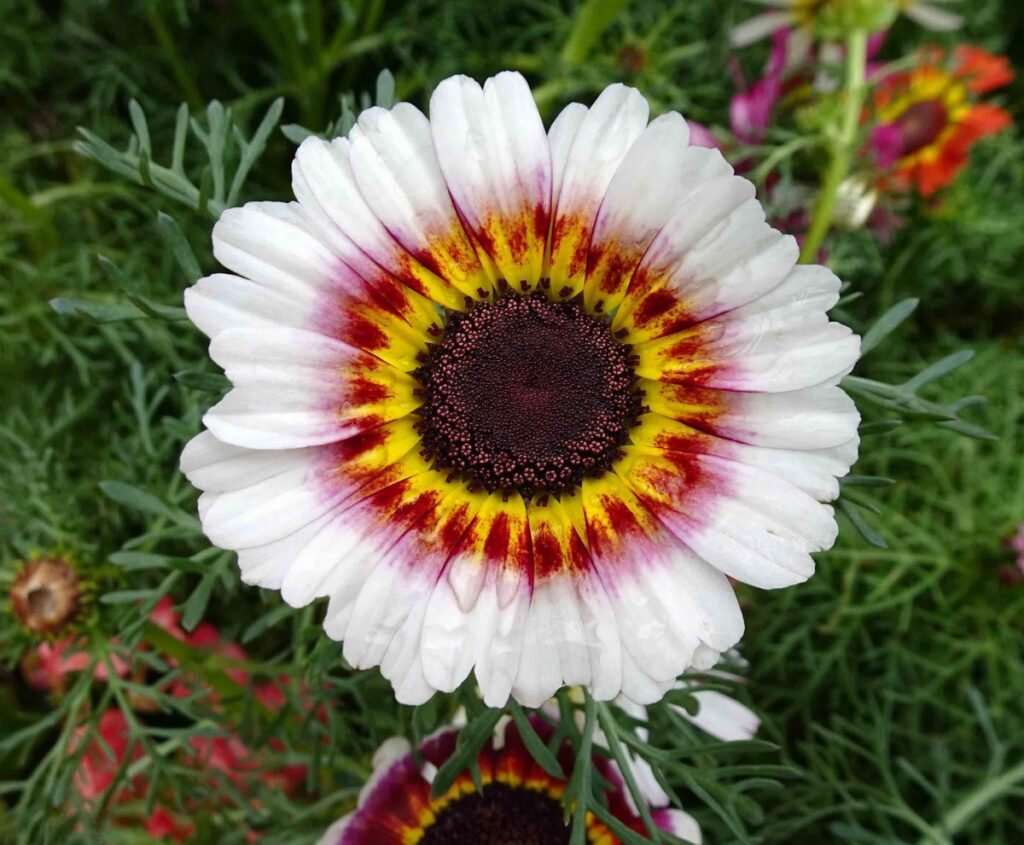
Lupines
Lupines are a taller wildflower that can be identified by their distinctive, palmate leaves. The seedlings have several leaves that radiate out from a central point, and the flowers are typically a deep purple or blue color. These seedlings can be found in meadows and along roadsides.

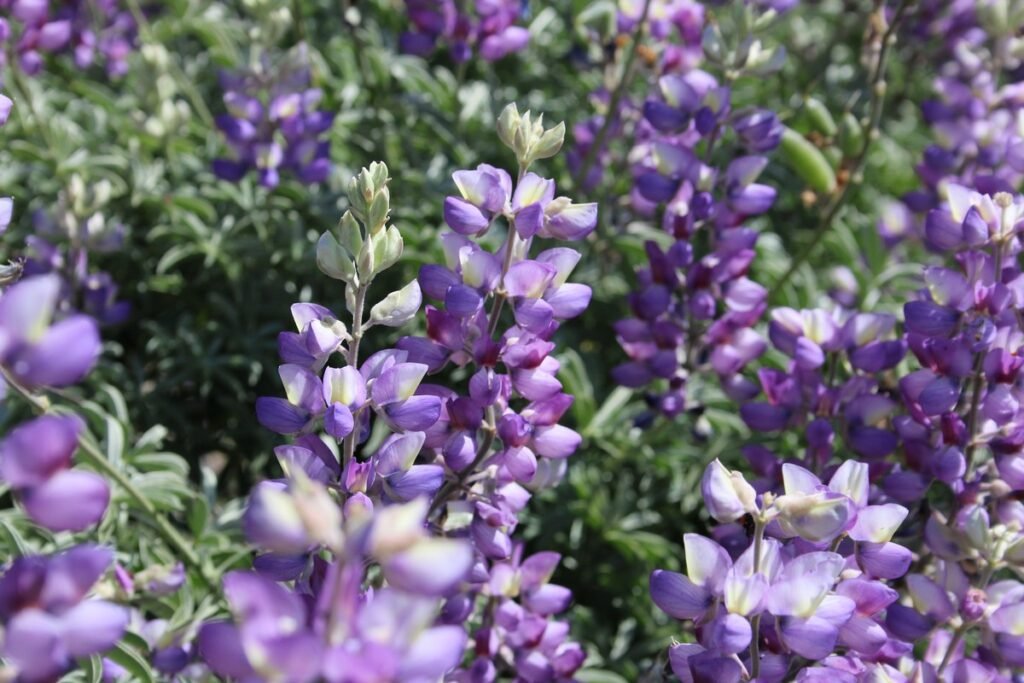
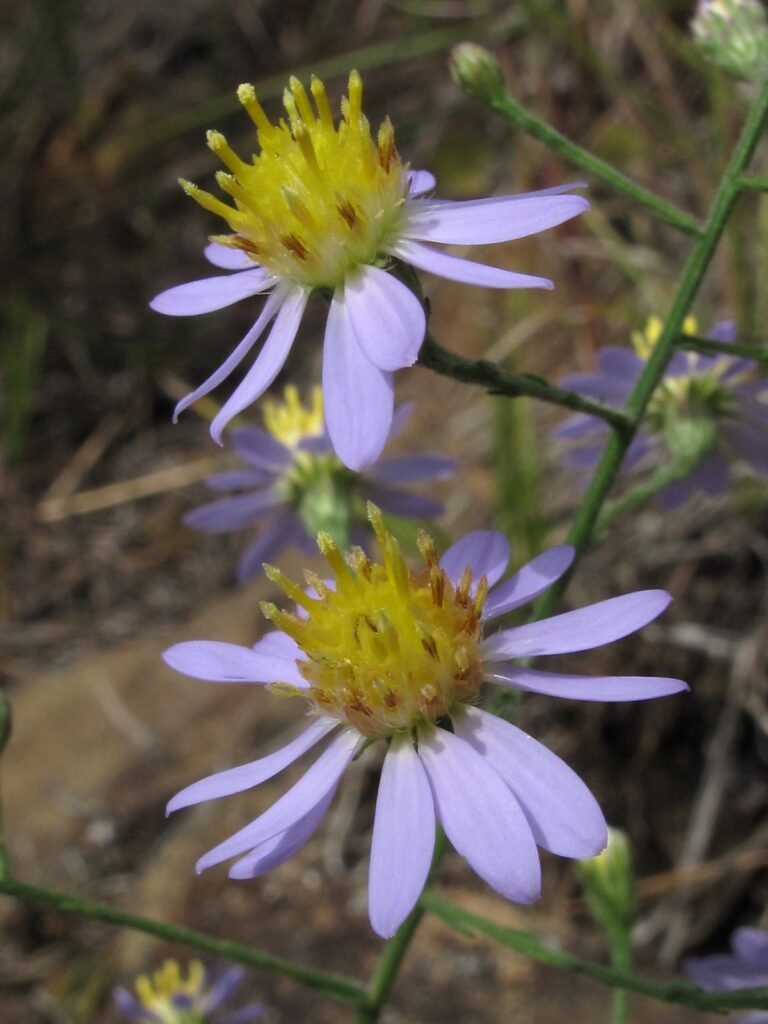
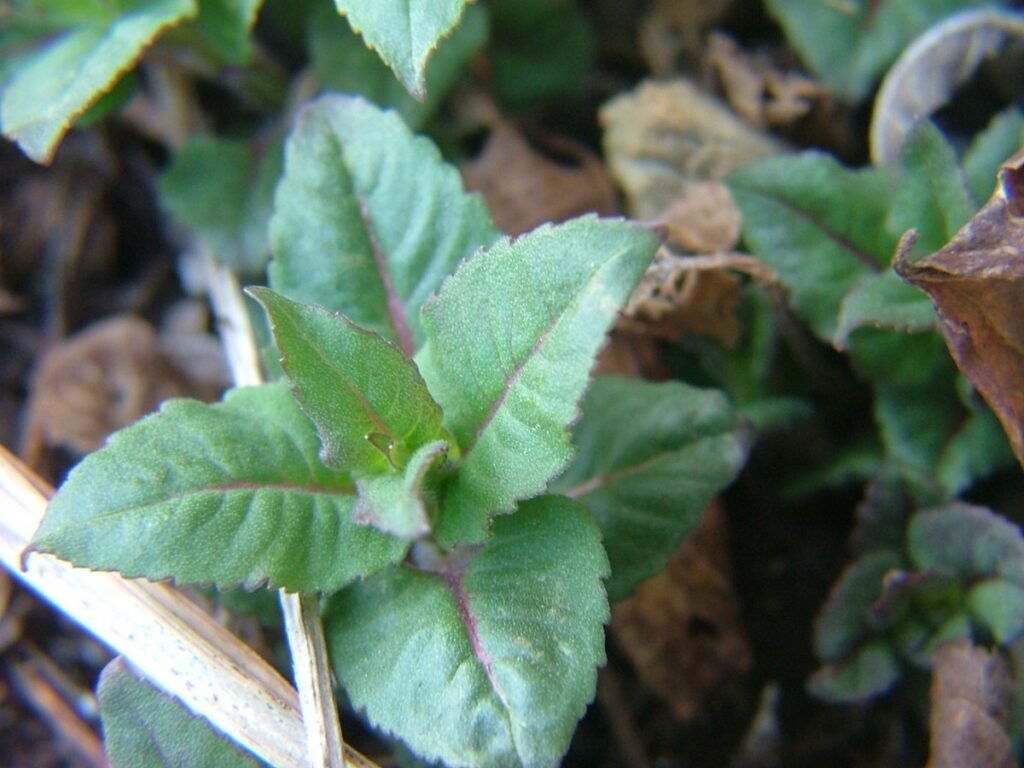
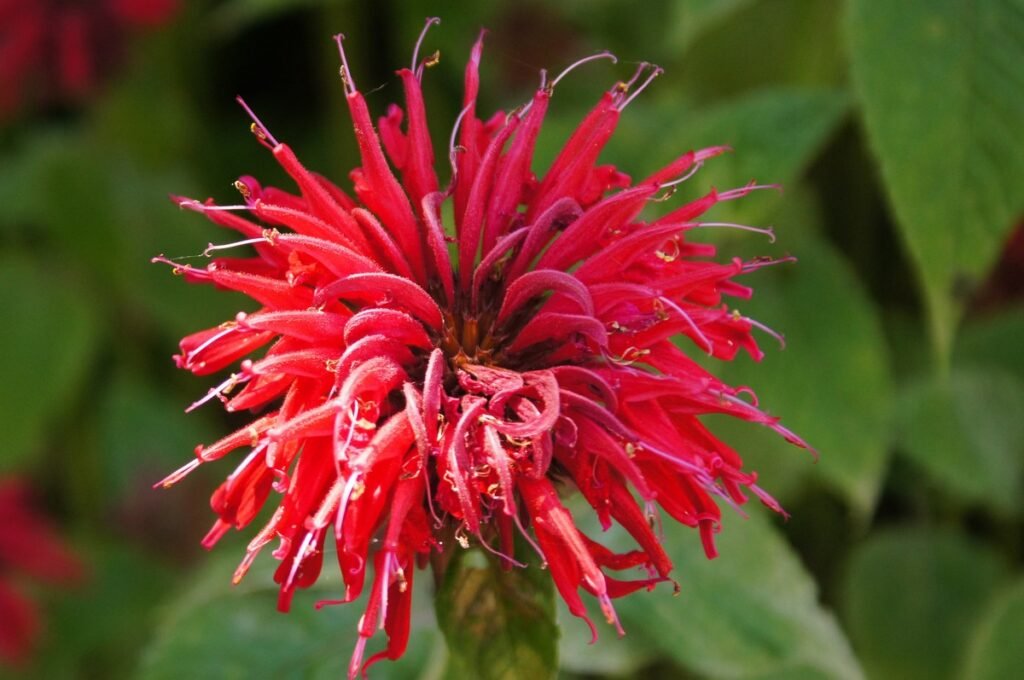
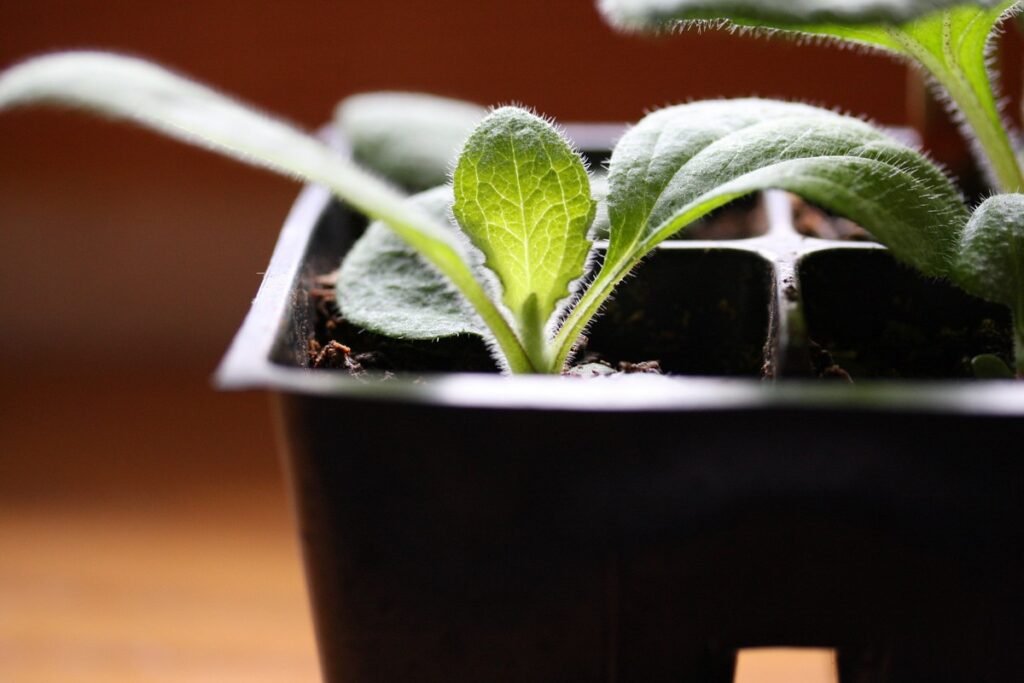
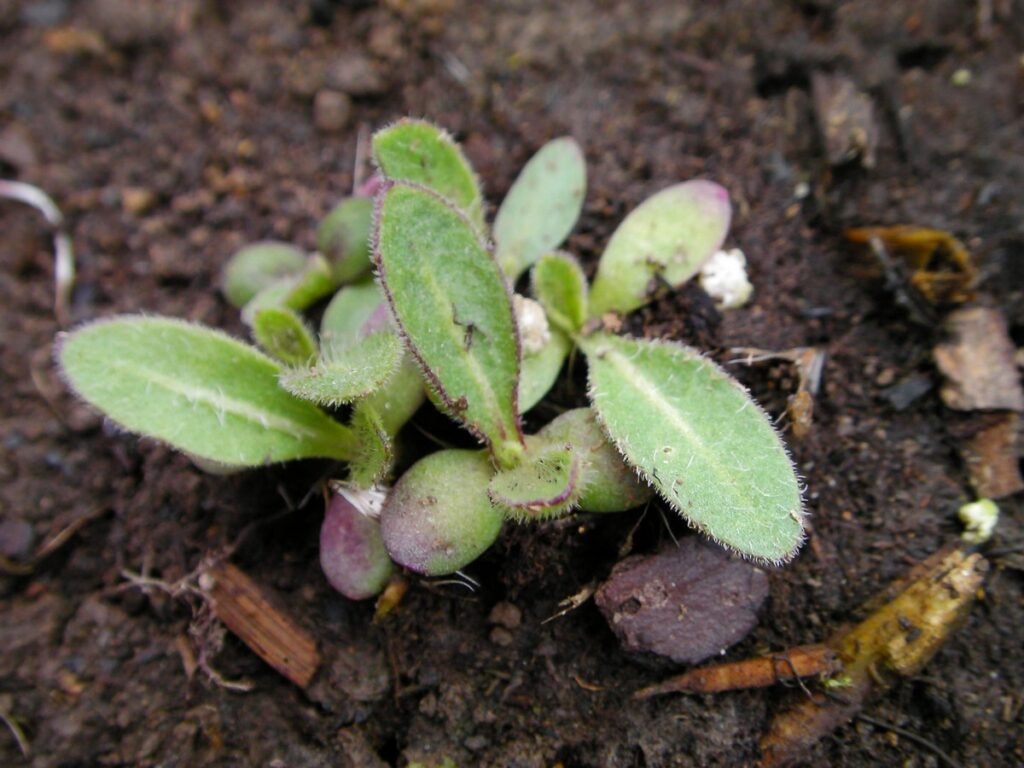
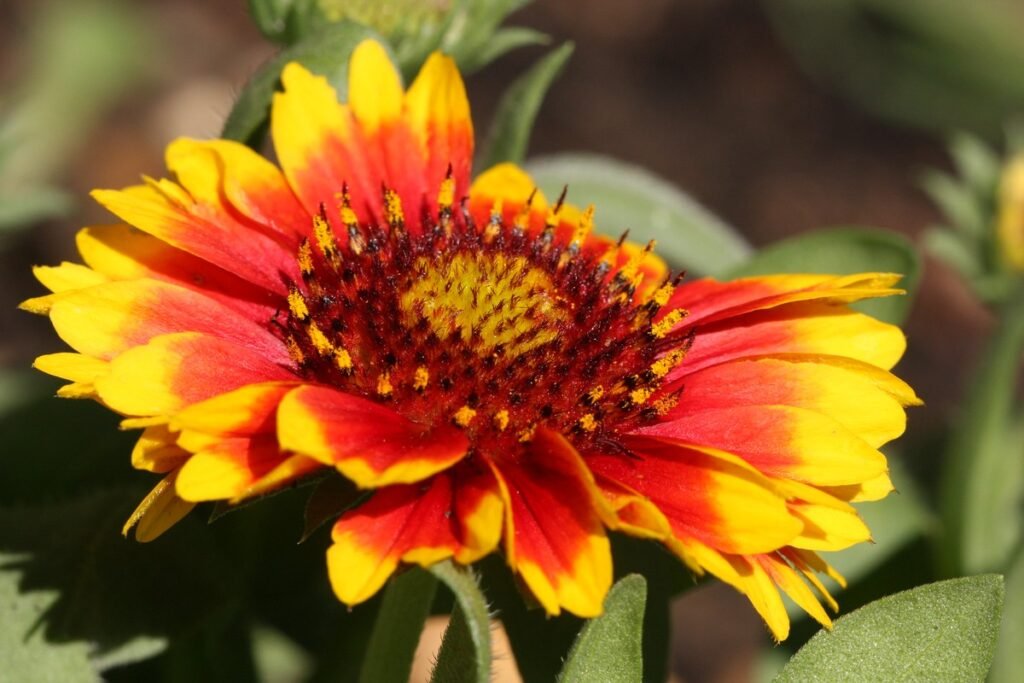
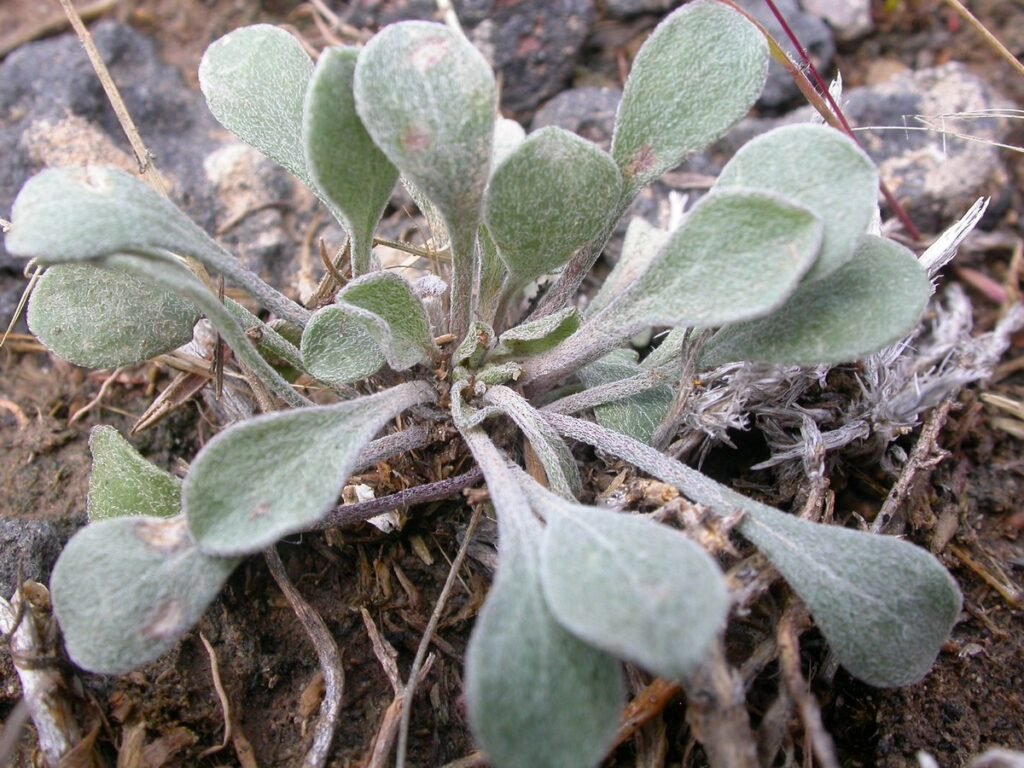
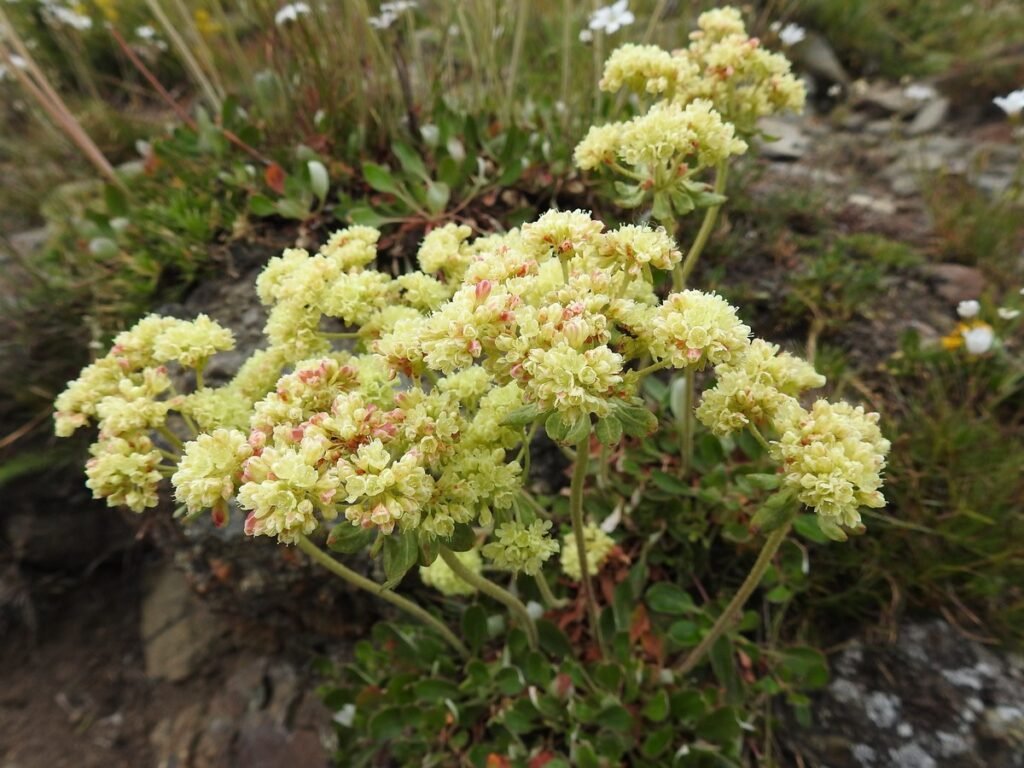
Another wildflower seedling


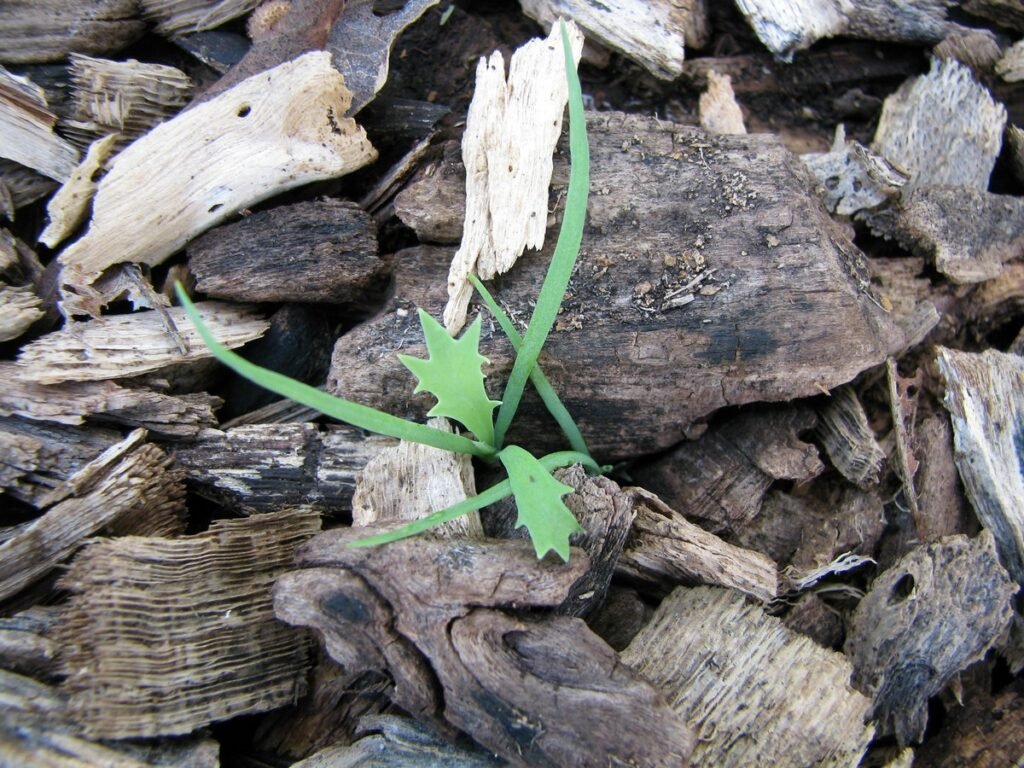
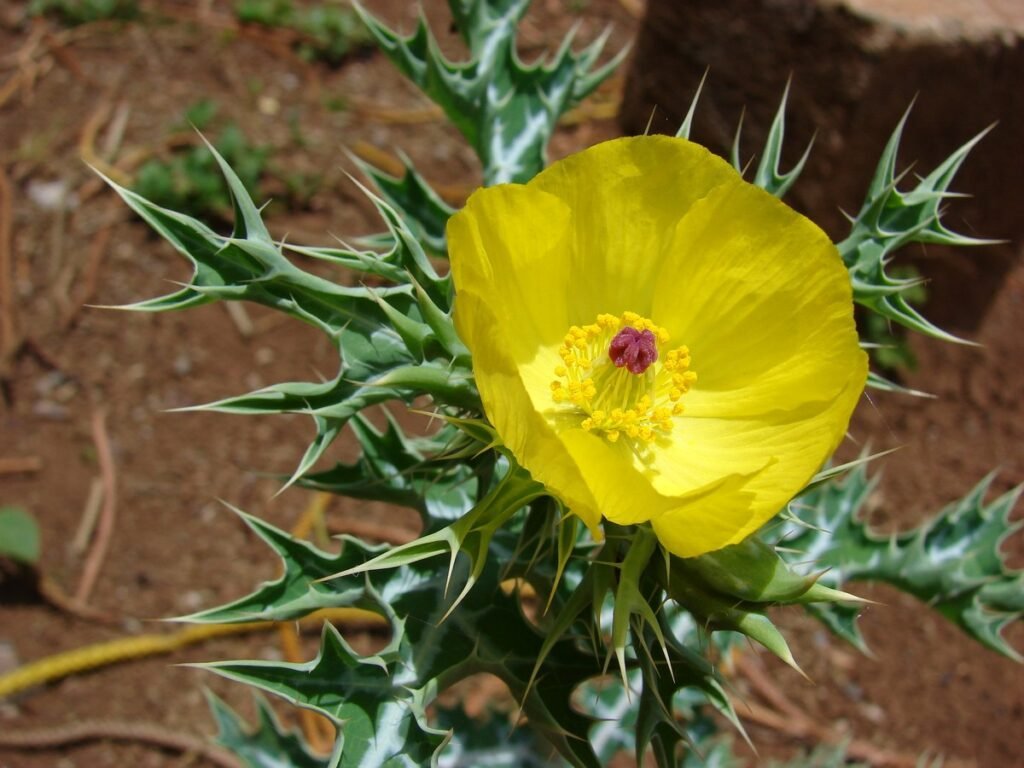
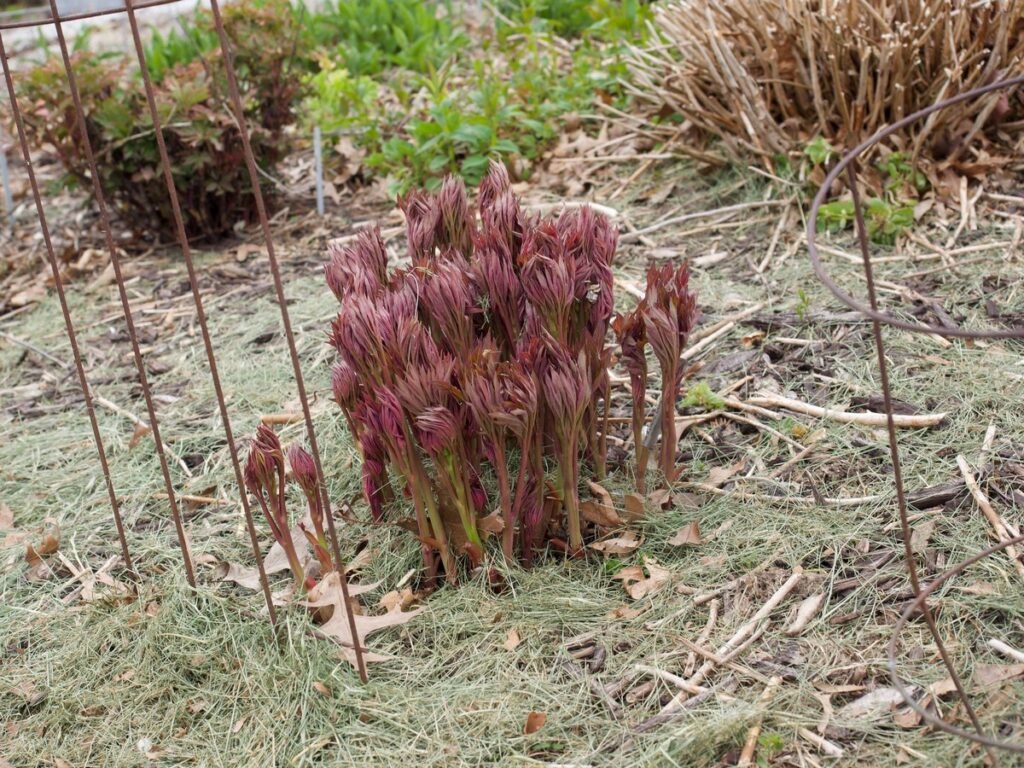
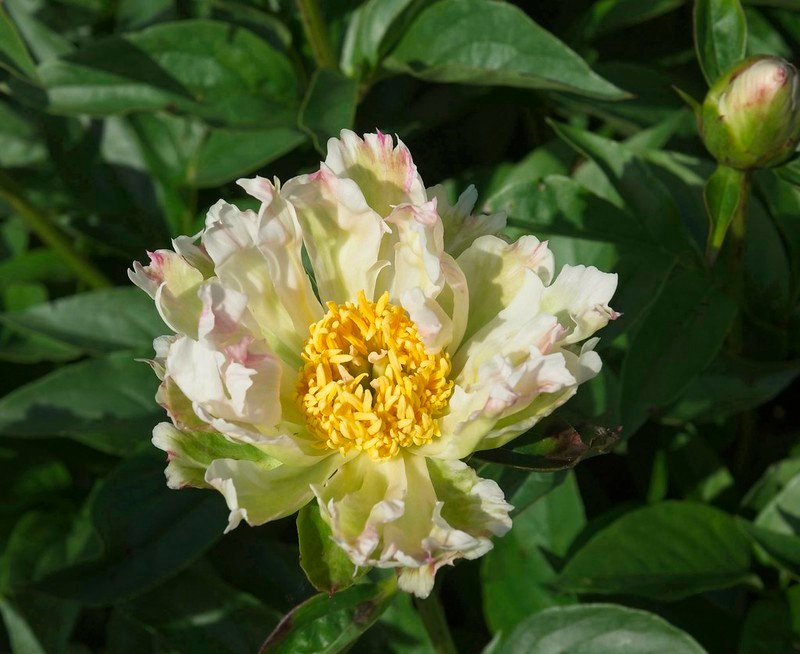
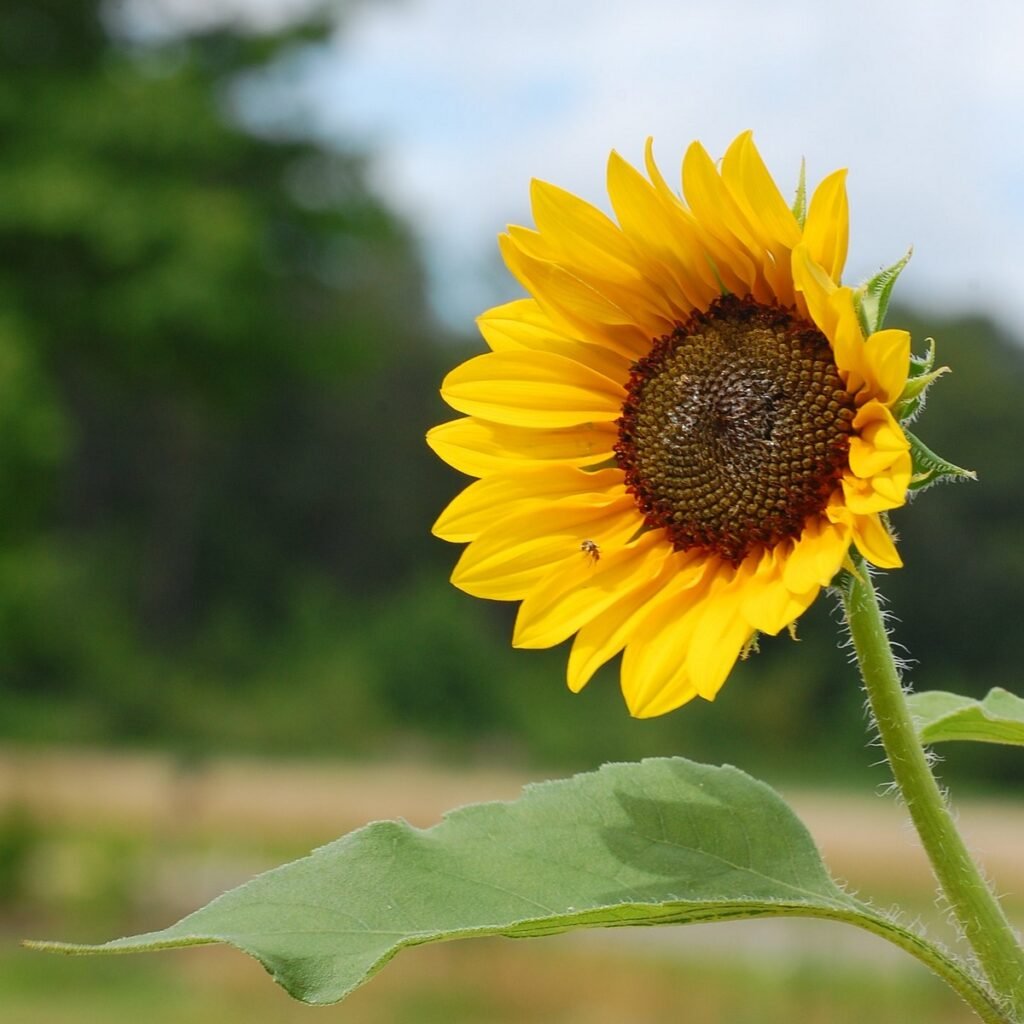
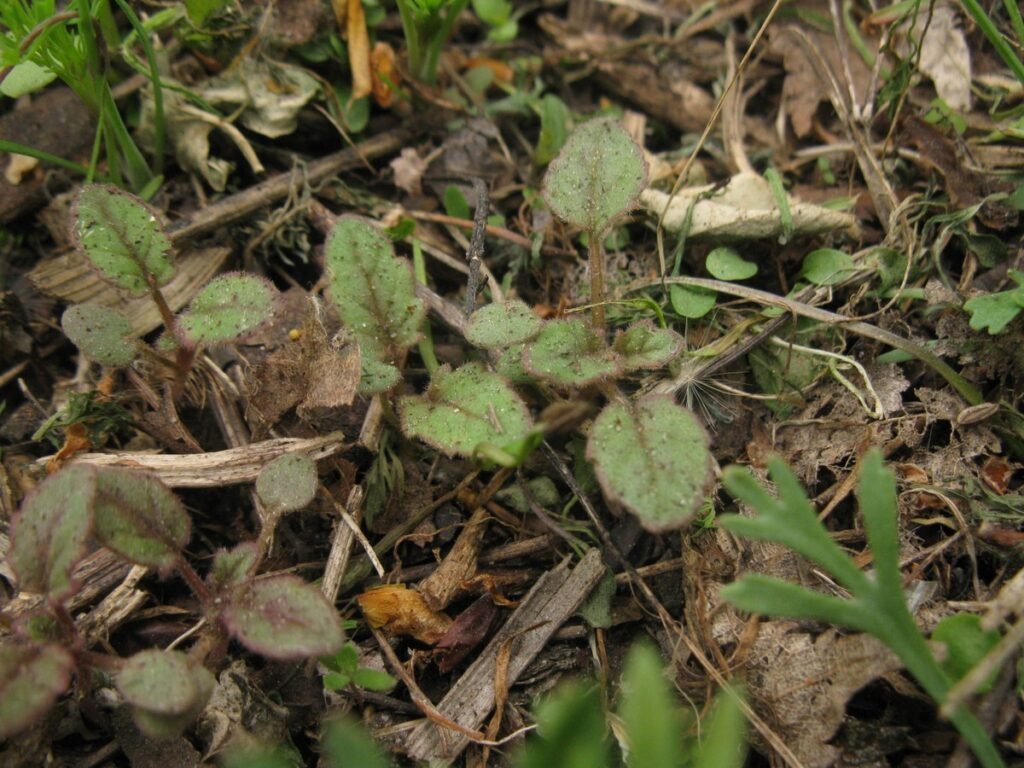
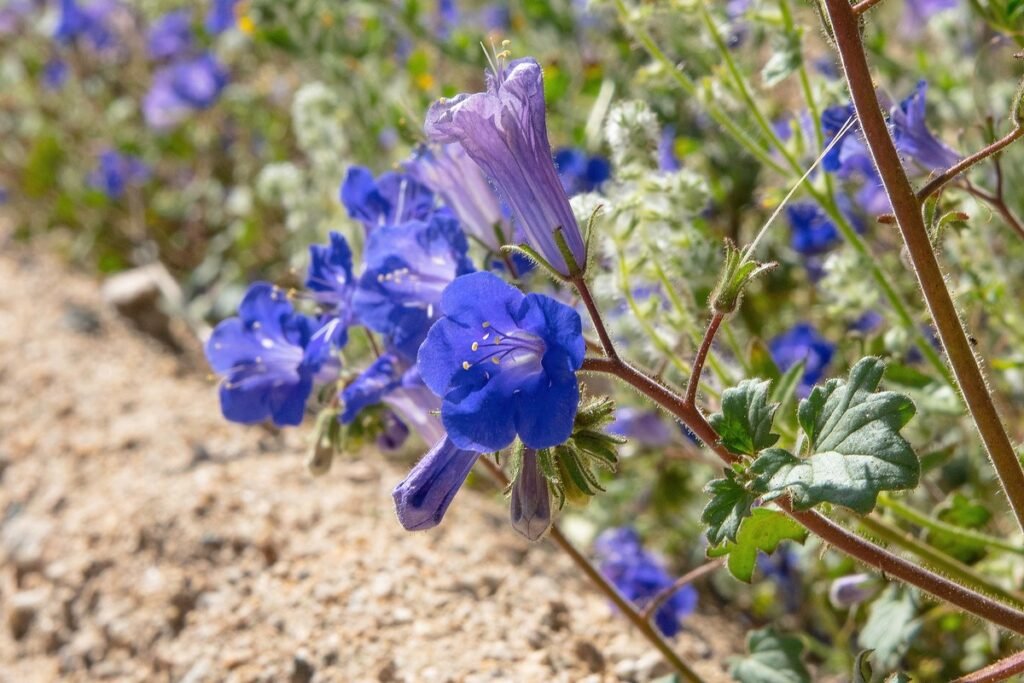
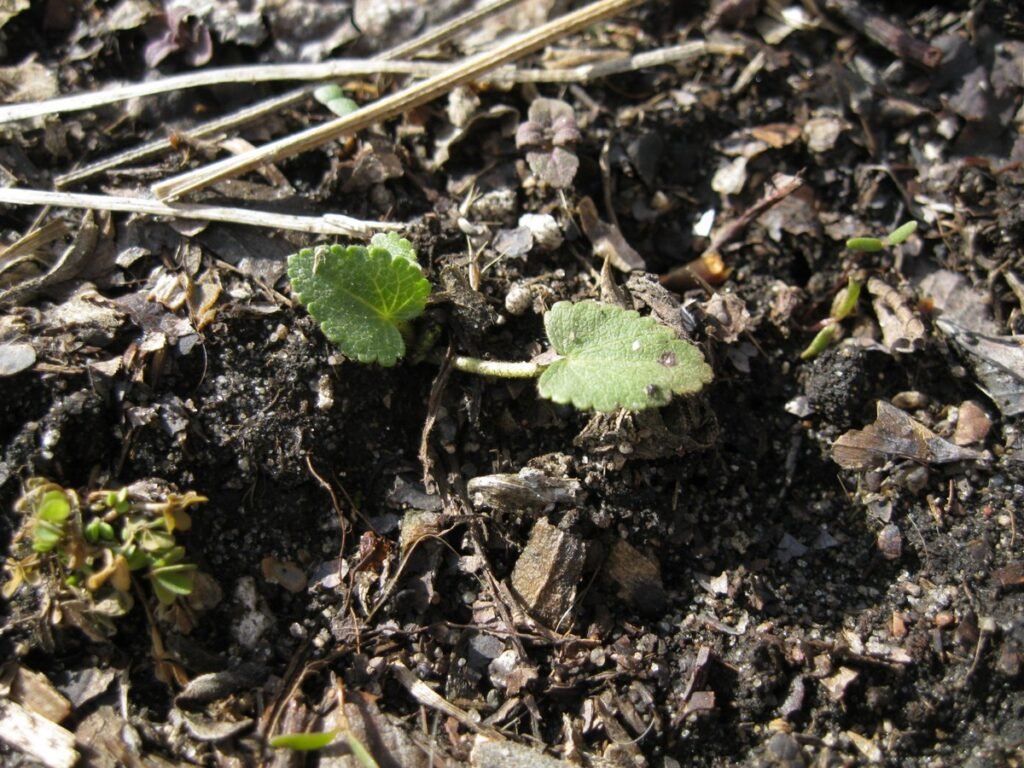
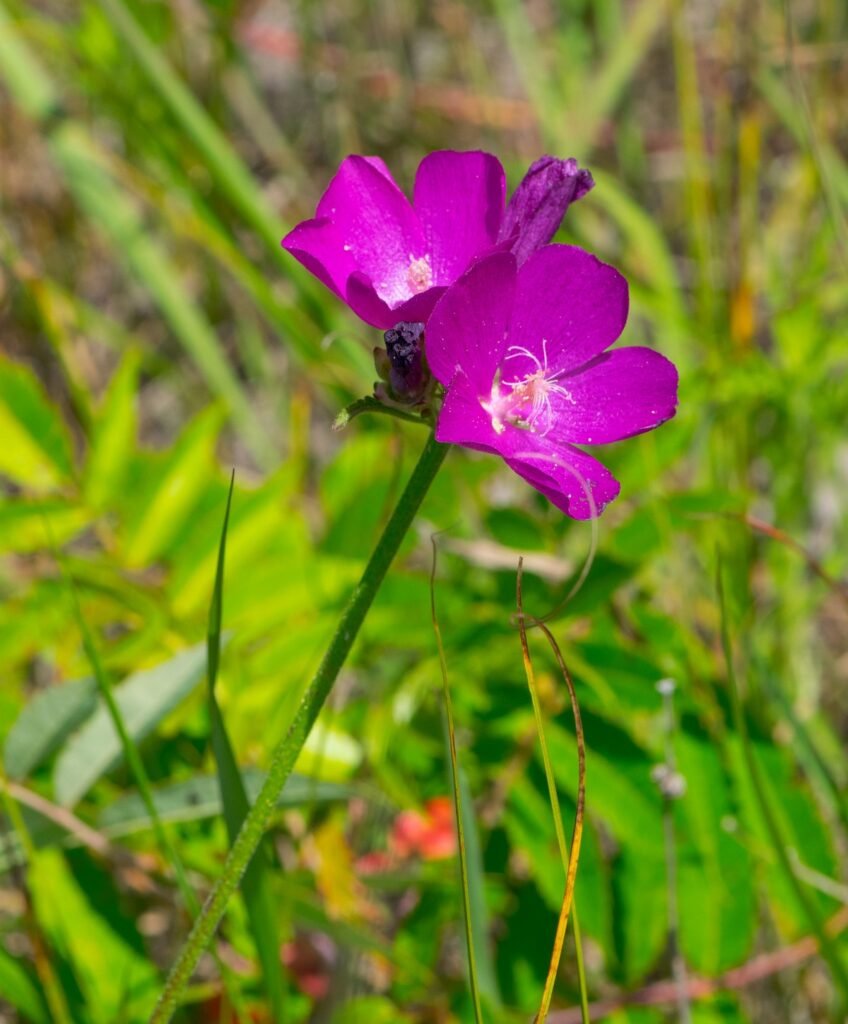
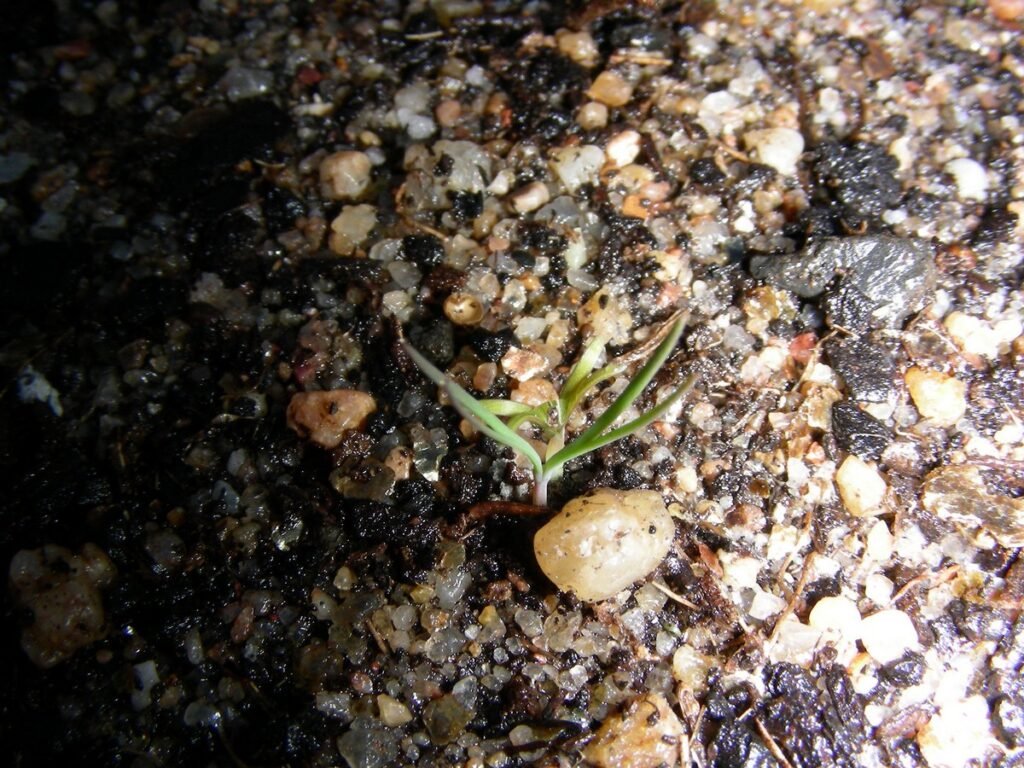
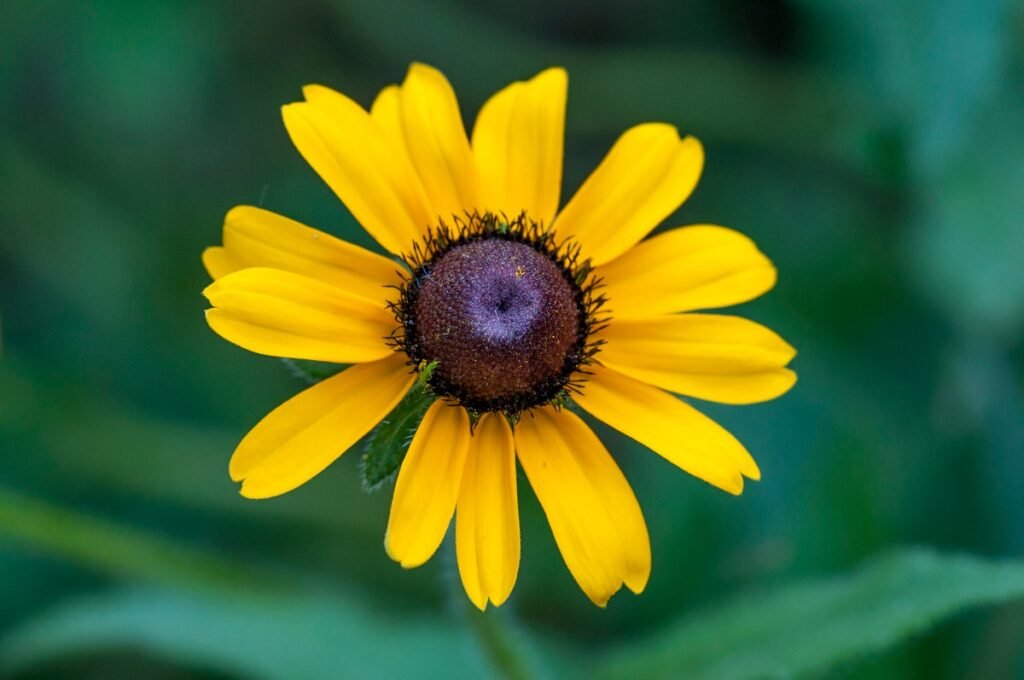

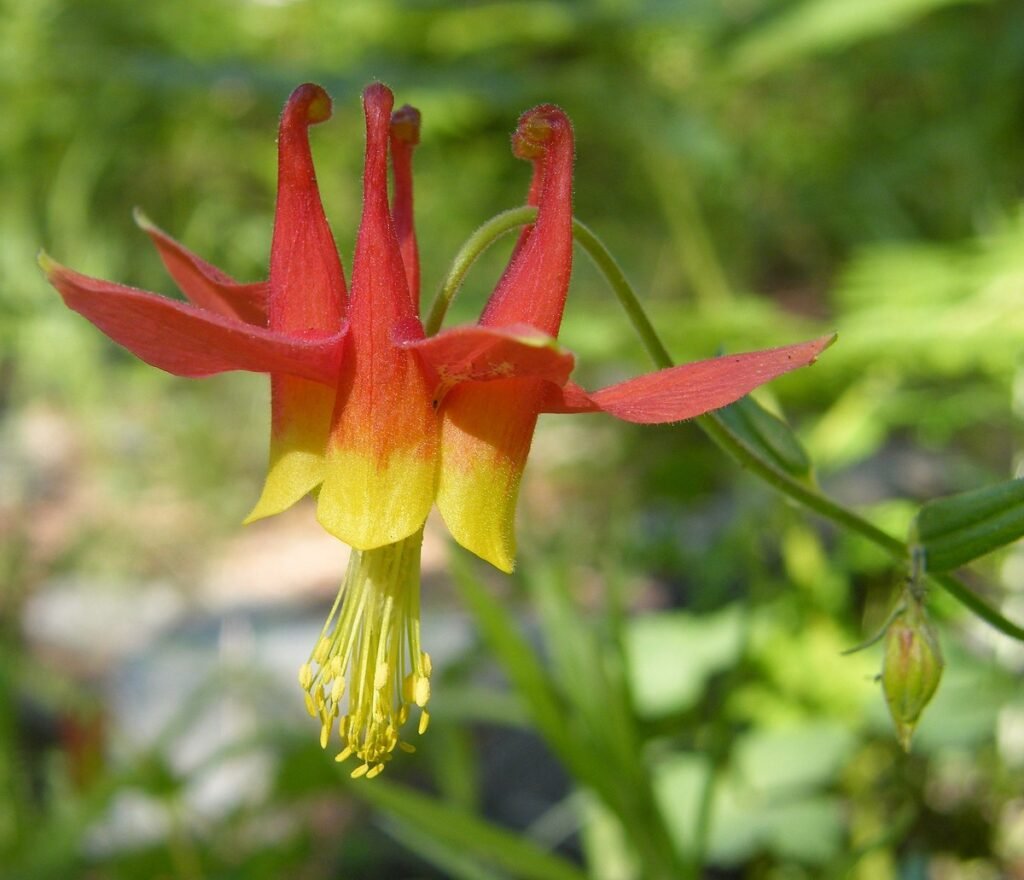
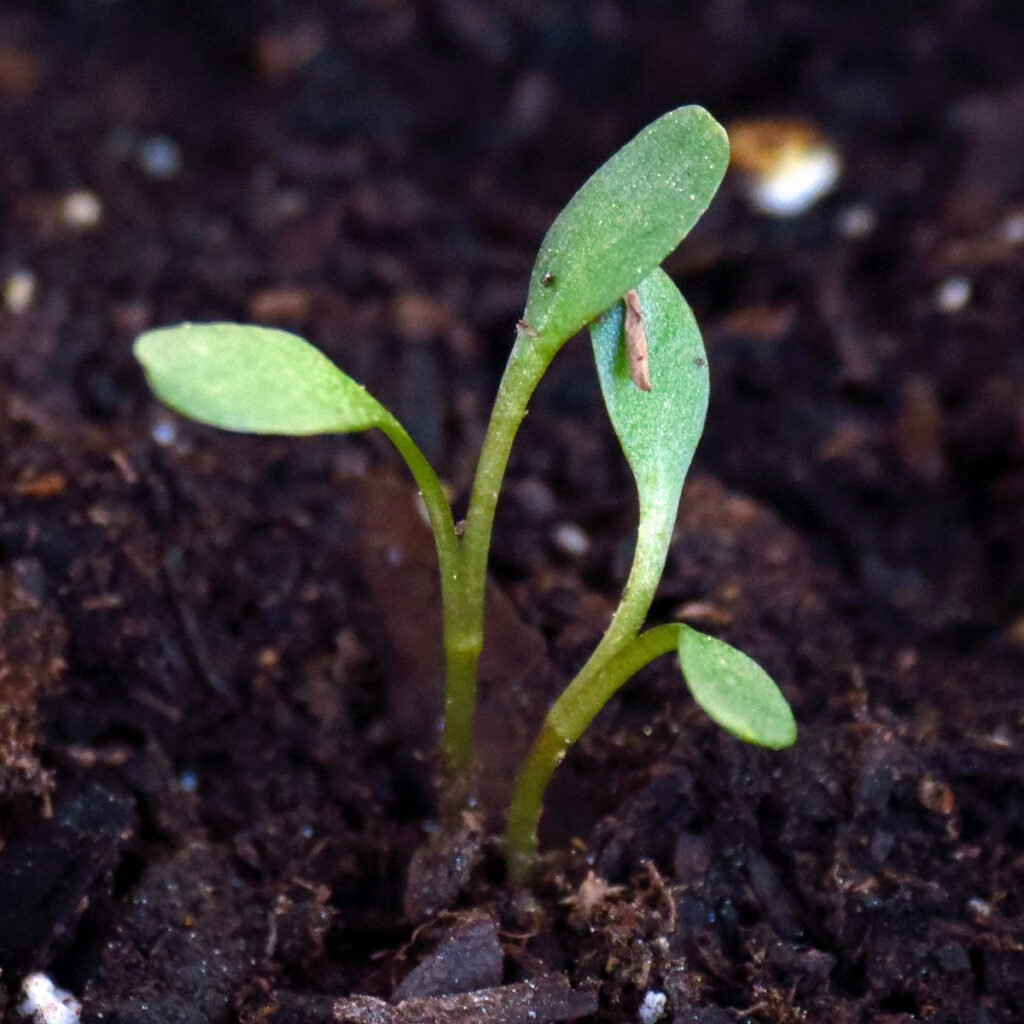
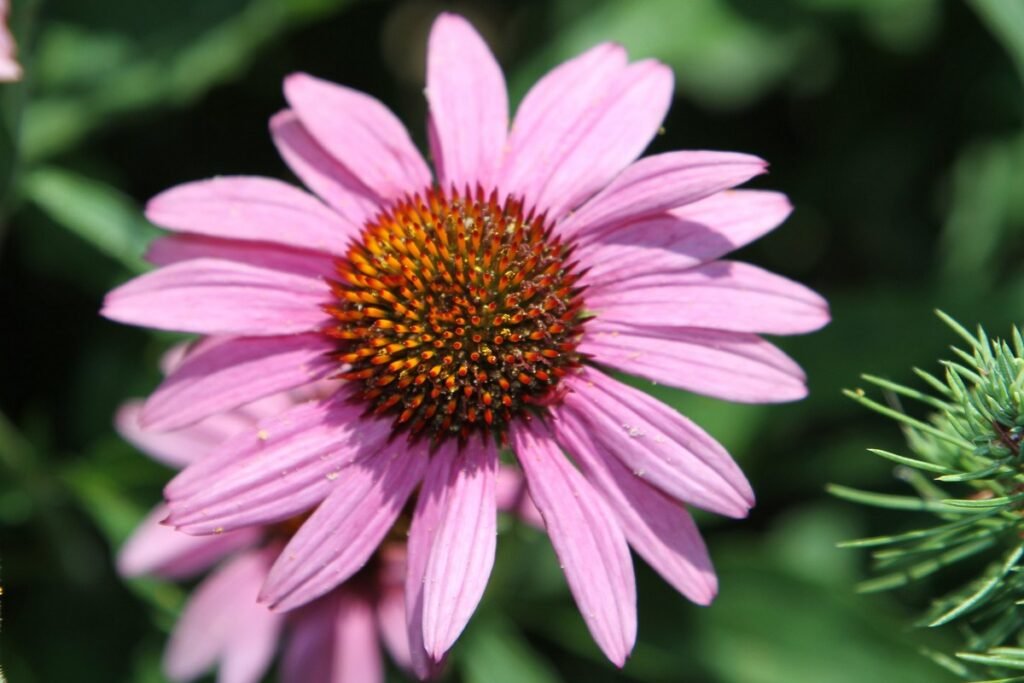
Overall, identifying wildflower seedlings can be a fun and rewarding experience. By taking a closer look at the plants around you, you can gain a deeper appreciation for the natural world and all of its beauty.
Tools for Identification
When it comes to identifying wildflower seedlings, having the right tools on hand can make all the difference. Here are a few resources that I find helpful in my own identification efforts:
Field Guides
Field guides are a classic tool for identifying plants in the wild. They typically include detailed descriptions and illustrations of various plant species, making it easier to match what you see in the field to a known species. Some popular field guides for wildflowers include “Newcomb’s Wildflower Guide” and “Wildflowers of North America” by Frank D. Venning.
Online Resources
The internet is a treasure trove of information when it comes to identifying wildflower seedlings. There are many websites that offer detailed descriptions and photos of various species, as well as forums where you can ask questions and get help from other plant enthusiasts. Some of my favorite online resources for wildflower identification include the Lady Bird Johnson Wildflower Center website and the iNaturalist app.
Plant Identification Apps
In recent years, plant identification apps have become increasingly popular. These apps use image recognition technology to identify plants based on a photo you take with your phone. While they may not be 100% accurate, they can be a great starting point for identifying unknown seedlings. Some popular plant identification apps include PlantSnap and PictureThis.
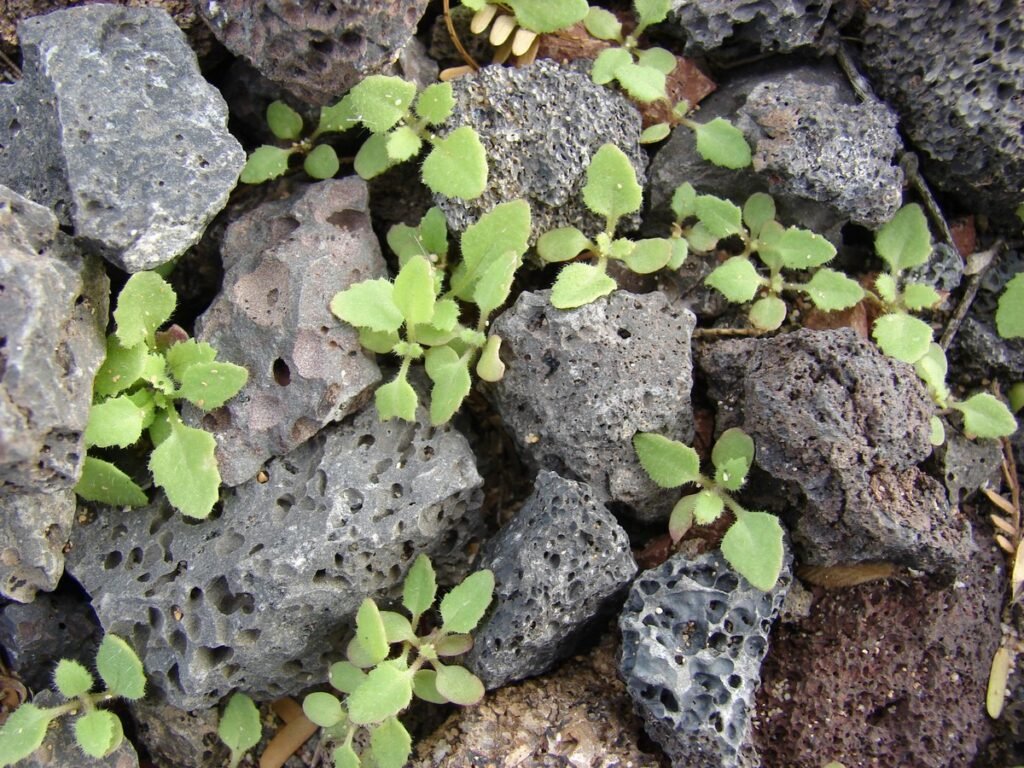
Overall, having a variety of tools at your disposal can help make wildflower seedling identification easier and more accurate. Whether you prefer using a classic field guide or the latest plant identification app, there’s something out there for everyone.
Tips for Successful Identification
As someone who loves identifying wildflower seedlings, I’ve learned a few tips and tricks along the way. Here are some things that have helped me successfully identify seedlings:
Take Clear Photos
When you come across a wildflower seedling you want to identify, take a clear photo of it. Make sure the photo is in focus and captures all the important details. If possible, take photos from different angles. This will help you see the plant’s structure and features more clearly.
Note the Habitat
Take note of where you found the seedling. Different wildflowers grow in different habitats. Some prefer sunny areas, while others thrive in shady spots. Some grow in wetlands, while others prefer dry soil. Knowing the habitat can help you narrow down the possibilities and make a more accurate identification.
Compare to Known Species
One of the best ways to identify a wildflower seedling is to compare it to known species. Look at field guides or online resources to find similar plants. Compare the seedling’s features to those of the known species. Look at the leaves, stem, flowers, and any other distinguishing features.
Remember, identifying wildflower seedlings can be challenging, but it’s also rewarding. With a little practice and these tips, you’ll be able to identify more and more plants. Happy identifying!
Conclusion
After spending countless hours identifying wildflower seedlings, I have come to the conclusion that it is both an enjoyable and challenging task. While it can be frustrating at times to differentiate between similar-looking species, the satisfaction of correctly identifying a new plant is truly rewarding.
Throughout my research, I have found that there are several key factors to consider when attempting to identify wildflower seedlings. These include the shape and color of the leaves, the arrangement of the leaves on the stem, the overall growth habit of the plant, and any distinguishing features such as hairs or spines.
One useful tool that I have found to be particularly helpful in my identification process is a field guide. There are many excellent guides available, both in print and online, that provide detailed information on the characteristics of different wildflower species. Additionally, online forums and social media groups can be a valuable resource for connecting with other wildflower enthusiasts and sharing tips and advice.
In conclusion, identifying wildflower seedlings can be a challenging but rewarding task. With a bit of patience, practice, and the right tools, anyone can become proficient at this fascinating hobby. So get out there, start exploring, and see how many new species you can identify!