
As a Texas gardener, I always look forward to planting wildflowers in my yard. However, timing is crucial when it comes to planting these beautiful blooms. So, when is the best time to plant wildflower seeds in Texas?
Generally, the best time to plant wildflower seeds in Texas is in the fall. This allows the seeds to establish roots during the cooler months and bloom in the spring. However, if you missed the fall planting window, don’t worry! You can also plant wildflower seeds in the early spring before the last frost. Just keep in mind that the hot Texas summers can be tough on young seedlings, so be sure to water them regularly and provide some shade if possible.
Best Time to Plant Wildflowers in Texas
Fall Planting
I have found that fall planting is the best time to plant wildflowers in Texas. This is because the soil is still warm from the summer sun, but the air temperature is cooler, which creates the perfect environment for seeds to germinate.
When planting in the fall, it’s important to do so before the first frost. This usually occurs in November but can vary depending on the region of Texas you’re in. I recommend planting the seeds in early October to ensure they have enough time to establish before the frost arrives.
Related: Plant Wildflower Seeds in Winter: A Guide to Year-Round Blooms
Spring Planting
If you missed the fall planting window, don’t worry. Spring is also a great time to plant wildflowers in Texas. The best time to plant in the spring is between mid-March and early May. This is when the soil is beginning to warm up, and the risk of frost has passed.
When planting in the spring, it’s important to keep an eye on the weather. If there is a late frost, it can damage or kill the young seedlings. I recommend covering the seedlings with a light layer of mulch or fabric to protect them from the cold.
Overall, the best time to plant wildflowers in Texas is either in the fall or spring. By planting during these seasons and following the tips I’ve provided, you can ensure a successful wildflower garden.
Factors to Consider
Climate Zones
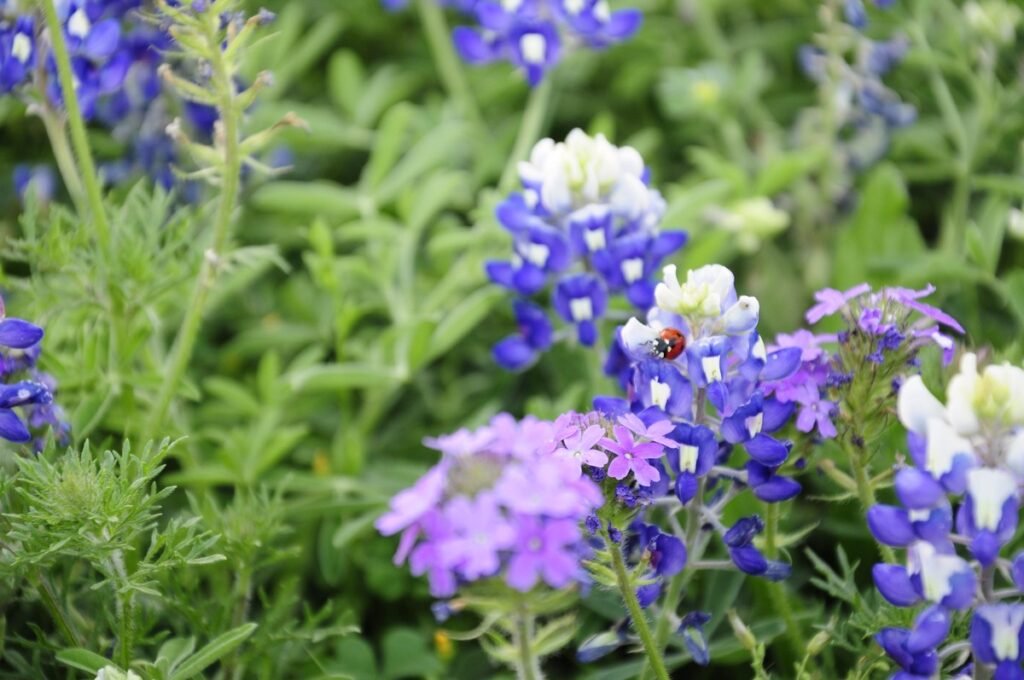
When it comes to planting wildflowers in Texas, it’s important to consider the climate zone you’re in. Texas has a variety of climate zones, ranging from humid subtropical to arid. The timing of when to plant wildflower seeds can vary depending on the climate zone you’re in. For example, if you’re in the northern part of the state, you may want to plant your seeds in the fall, while those in the southern part of the state may want to plant in the early spring.
Soil Type
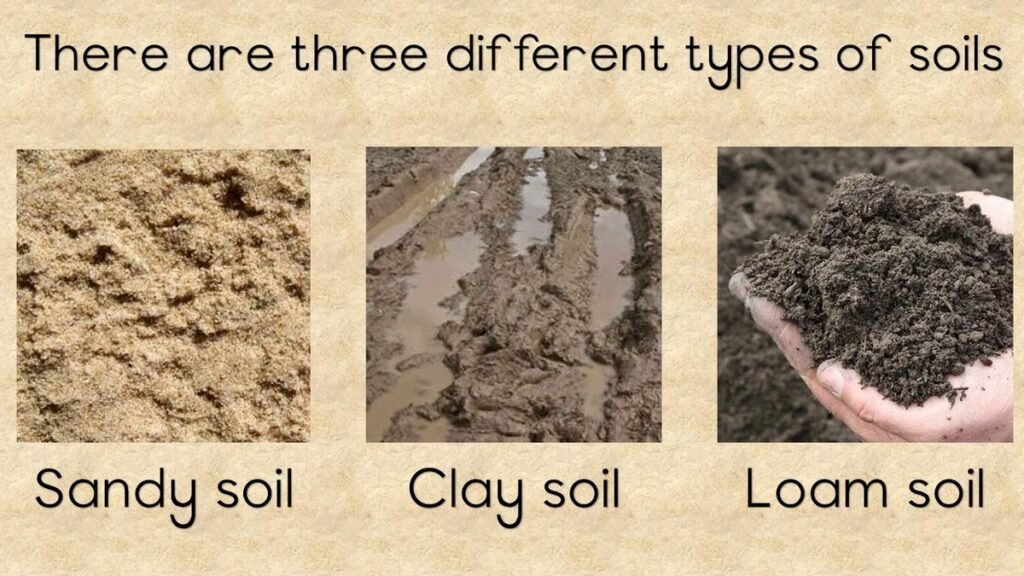
Another factor to consider when planting wildflowers in Texas is the type of soil you have. Texas has a diverse range of soil types, including sandy, clay, and loamy soils. Depending on the soil type, some wildflowers may thrive better than others. For example, wildflowers that prefer well-drained soil may need to do better in clay soils, while those that prefer moist soil may not do well in sandy soils.
Rainfall
Rainfall is another important factor to consider when planting wildflowers in Texas. Texas is known for its unpredictable weather patterns, and rainfall can vary greatly depending on the region. Some wildflowers require a lot of water to grow, while others are more drought-tolerant. It’s important to choose wildflowers that are well-suited to the rainfall your region receives.
Overall, when planting wildflowers in Texas, it’s important to consider the climate zone, soil type, and rainfall in your region. By taking these factors into account, you can ensure that your wildflowers will thrive and provide a beautiful display of color for years to come.
Preparing the Soil
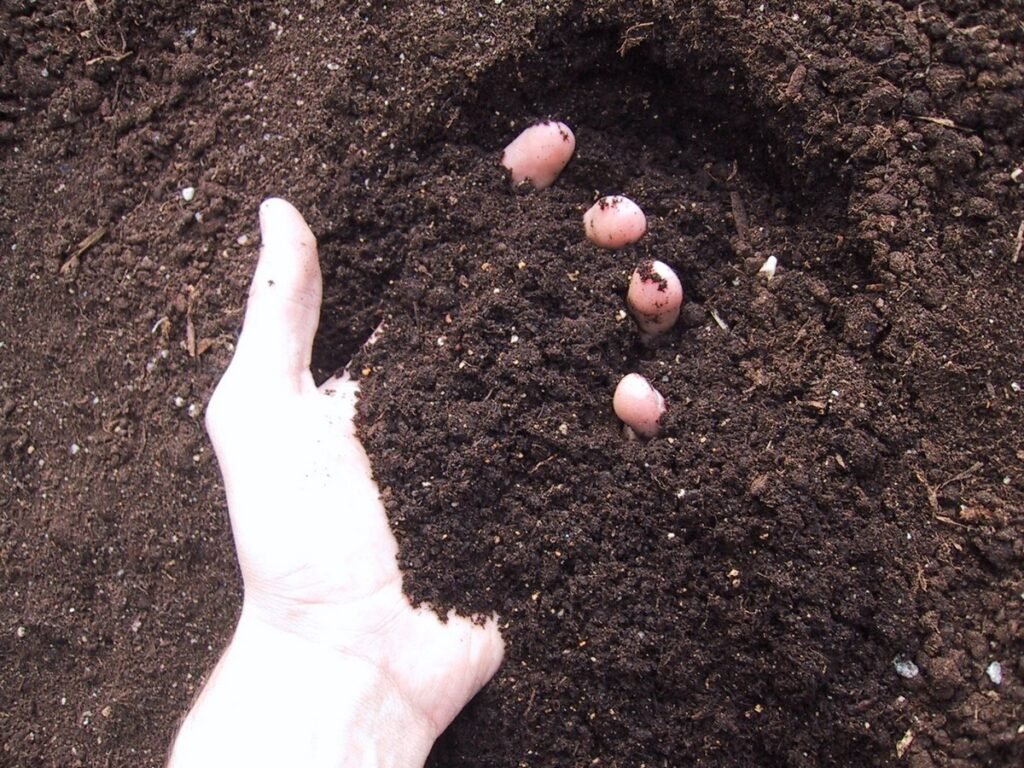
Before planting wildflower seeds in Texas, it’s important to prepare the soil properly. Here are some steps I follow when preparing my soil:
- Clear the area: Remove any weeds, rocks, or debris from the area where you plan to plant your wildflower seeds. This will give your seeds the best chance to grow without competition from other plants or obstacles.
- Loosen the soil: Use a rake or hoe to loosen the soil to a depth of about 2-3 inches. This will help the seeds to take root easier and allow for better water absorption.
- Amend the soil: If your soil is lacking in nutrients, you may want to amend it with organic matter such as compost or peat moss. This will help your wildflowers to grow stronger and healthier.
- Level the soil: Use a rake to level the soil so it’s even and flat. This will help ensure that your wildflowers grow evenly and don’t get crowded out by other plants.
- Water the soil: Before planting your seeds, water the soil thoroughly. This will help the seeds to take root and establish themselves more quickly.
By following these steps, you can ensure that your wildflower seeds have the best chance to grow and thrive in your Texas garden.
Planting Techniques
Broadcasting
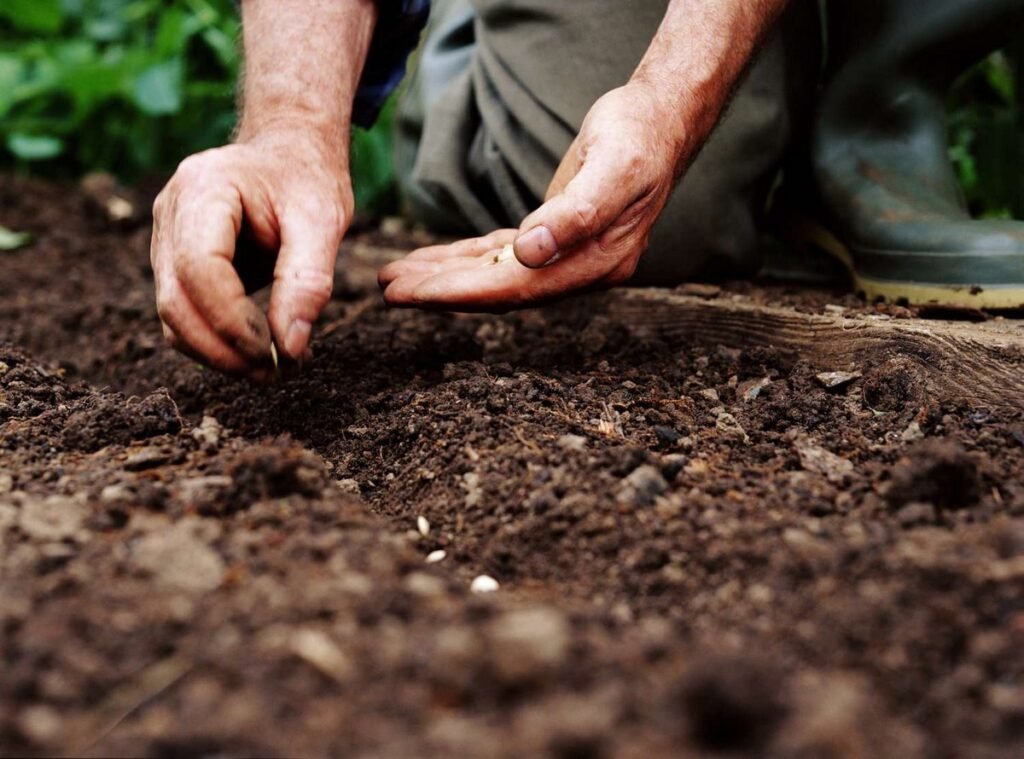
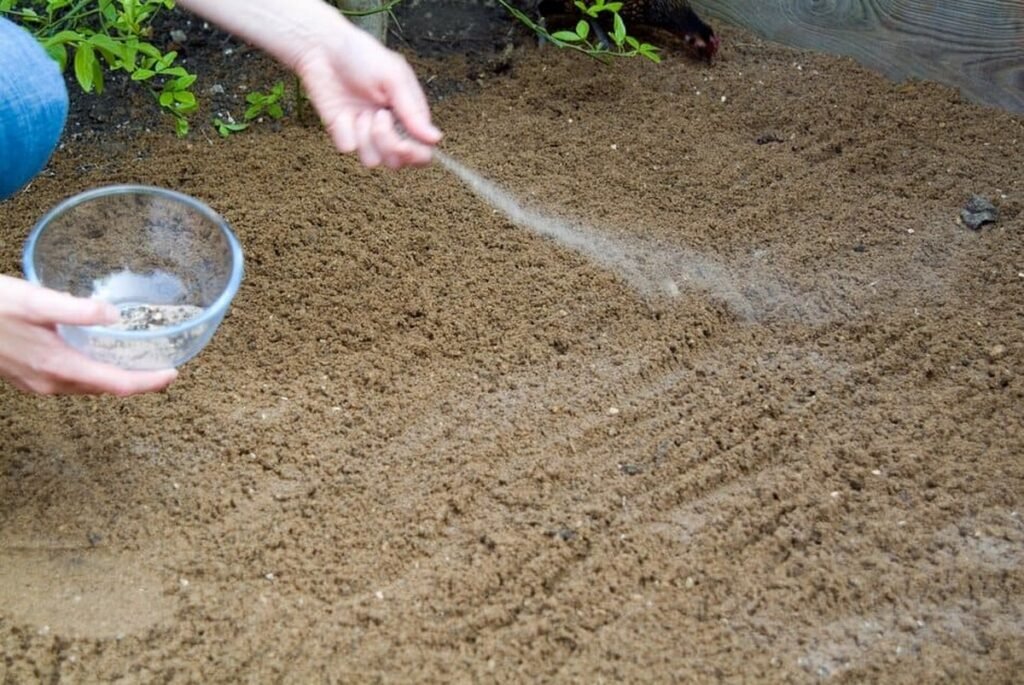
When planting wildflower seeds in Texas, one of the most popular techniques is broadcasting. This method involves scattering the seeds over a large area, allowing them to fall where they may. Broadcasting is a great way to cover a large area quickly and efficiently. However, it can be difficult to control the distribution of seeds with this method.
To ensure even distribution, I recommend mixing the seeds with sand or soil before broadcasting. This will help prevent clumping and ensure that the seeds are spread out evenly. It’s also important to choose a calm day with little wind to prevent the seeds from blowing away.
Drilling
Another popular planting technique is drilling. This method involves using a seed drill to plant the seeds at a specific depth and spacing. Drilling is a more precise method of planting and allows for better control over the distribution of seeds.
When drilling, I recommend planting the seeds at a depth of 1/4 to 1/2 inch. This will help protect the seeds from birds and other animals while still allowing them to germinate. It’s also important to space the seeds out evenly to prevent overcrowding.
Overall, both broadcasting and drilling are effective techniques for planting wildflower seeds in Texas. The method you choose will depend on the size of the area you want to cover and your personal preference. With proper preparation and attention to detail, you can enjoy a beautiful wildflower garden in no time.
Maintenance and Care
Watering
I recommend watering your wildflower seeds regularly, especially during the first few weeks after planting. You don’t want to overwater, but you don’t want the soil to dry out completely. I typically water my wildflowers once or twice a week, depending on the weather. If it’s particularly hot or dry, I may water more frequently.
Fertilizing
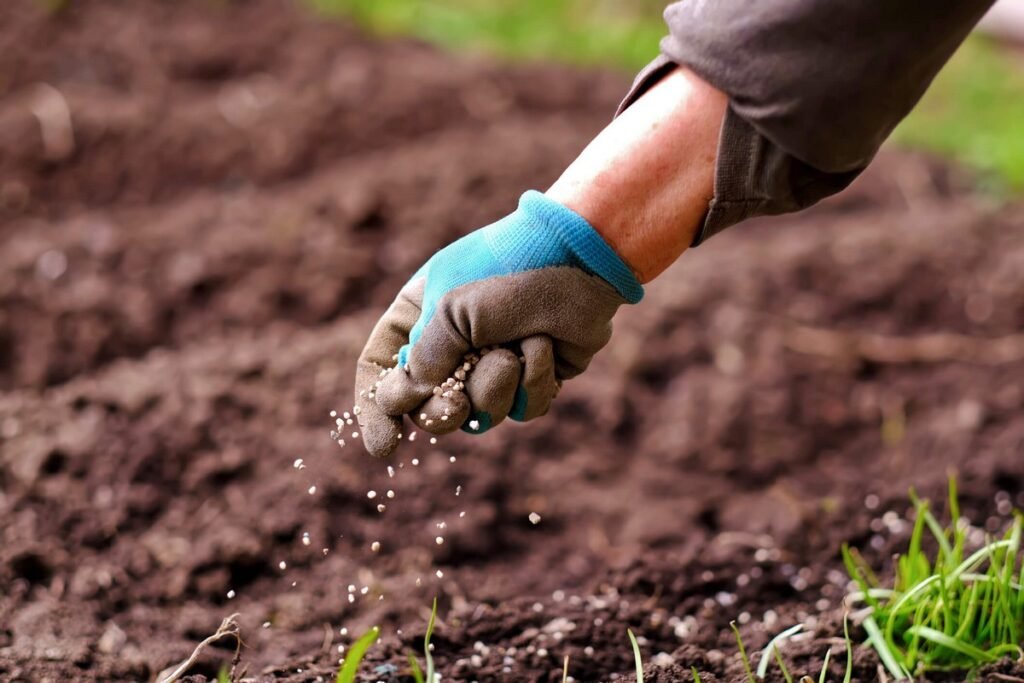
While wildflowers don’t require a lot of fertilizer, a little bit can go a long way. I recommend using a slow-release fertilizer when planting your seeds and adding a small amount every few weeks during the growing season. Be sure to follow the instructions on the fertilizer package, as over-fertilizing can actually harm your plants.
Weed Control
Weeds can be a problem for any garden, and wildflowers are no exception. I recommend hand-pulling weeds as soon as you see them, being careful not to disturb your wildflowers. You can also use a hoe or other weeding tool to remove weeds, but be careful not to damage your plants in the process. If you have a particularly bad weed problem, you may want to consider using an herbicide, but be sure to choose one that is safe for your wildflowers and follow the instructions carefully.
That’s it for maintenance and care! With a bit of attention and care, your wildflowers should thrive and provide a beautiful display of color and life.