
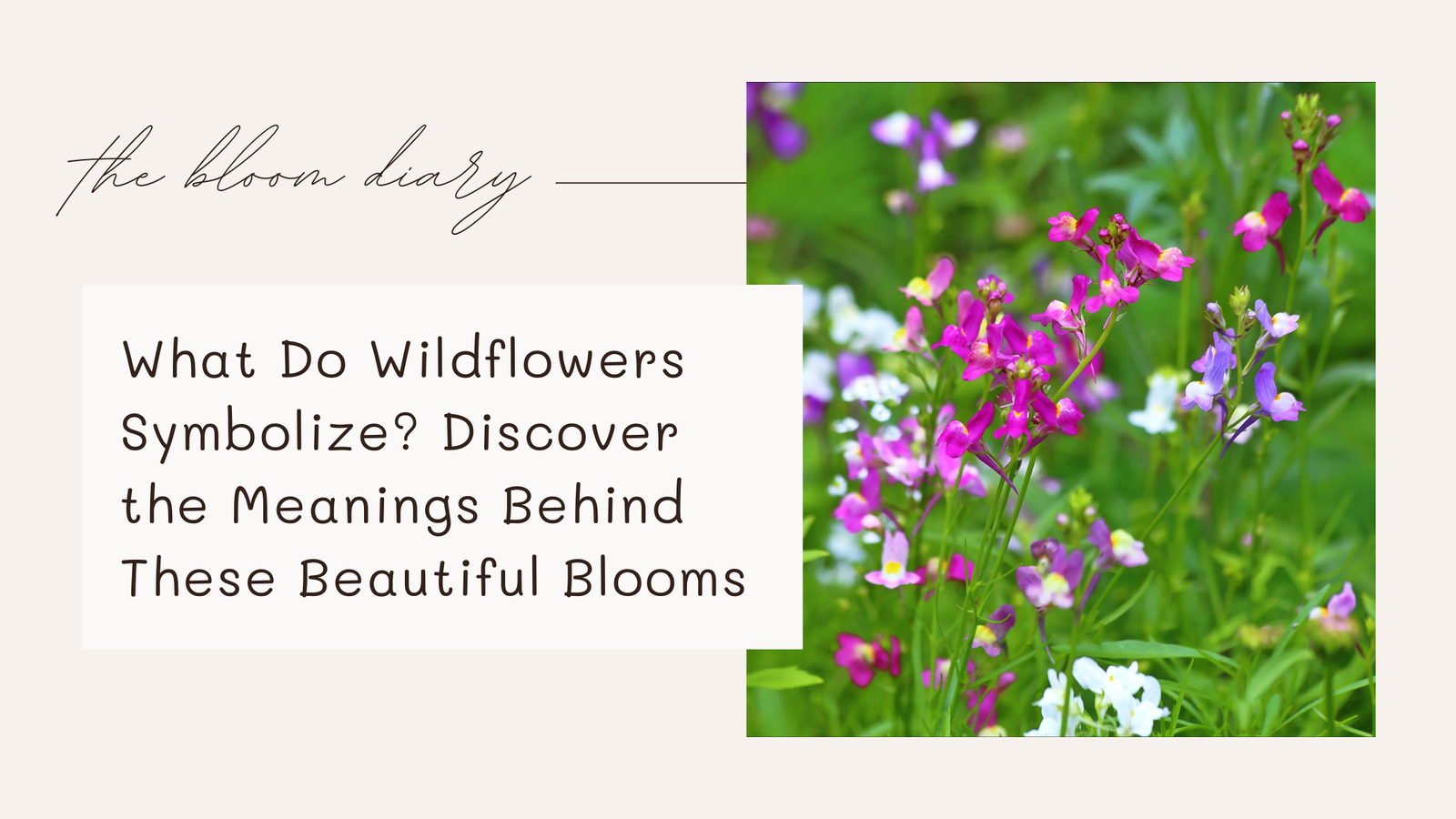
Wildflowers are a beautiful and diverse group of plants that can be found in various habitats around the world. For many people, wildflowers hold a special meaning and significance beyond their aesthetic appeal. Throughout history, these flowers have been used to convey messages of love, friendship, and remembrance, among other things.
So what do wildflowers symbolize? The answer to that question is not straightforward, as the meaning of a particular flower can vary depending on the culture, context, and even the color of the flower itself. However, there are some common themes and associations that are often attributed to wildflowers. For example, the daisy is often associated with innocence and purity, while the poppy is a symbol of remembrance and sacrifice.
Meaning of Wildflowers
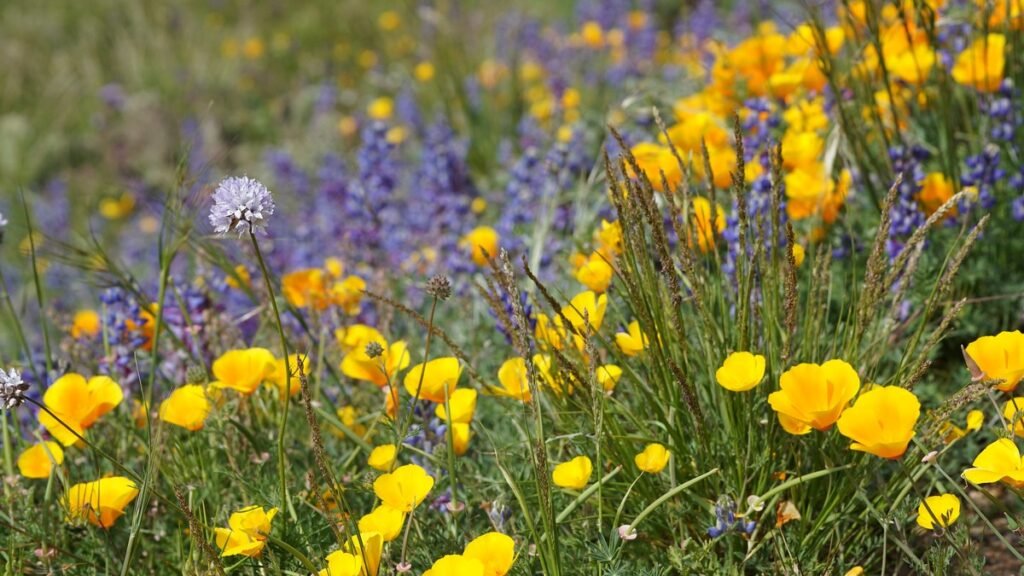
Wildflowers are a beautiful and colorful sight to behold. They are often seen growing naturally in fields, meadows, and along roadsides. But did you know that wildflowers also have symbolic meanings? In this section, I will explore the historical and cultural significance of wildflowers.
Historical Significance
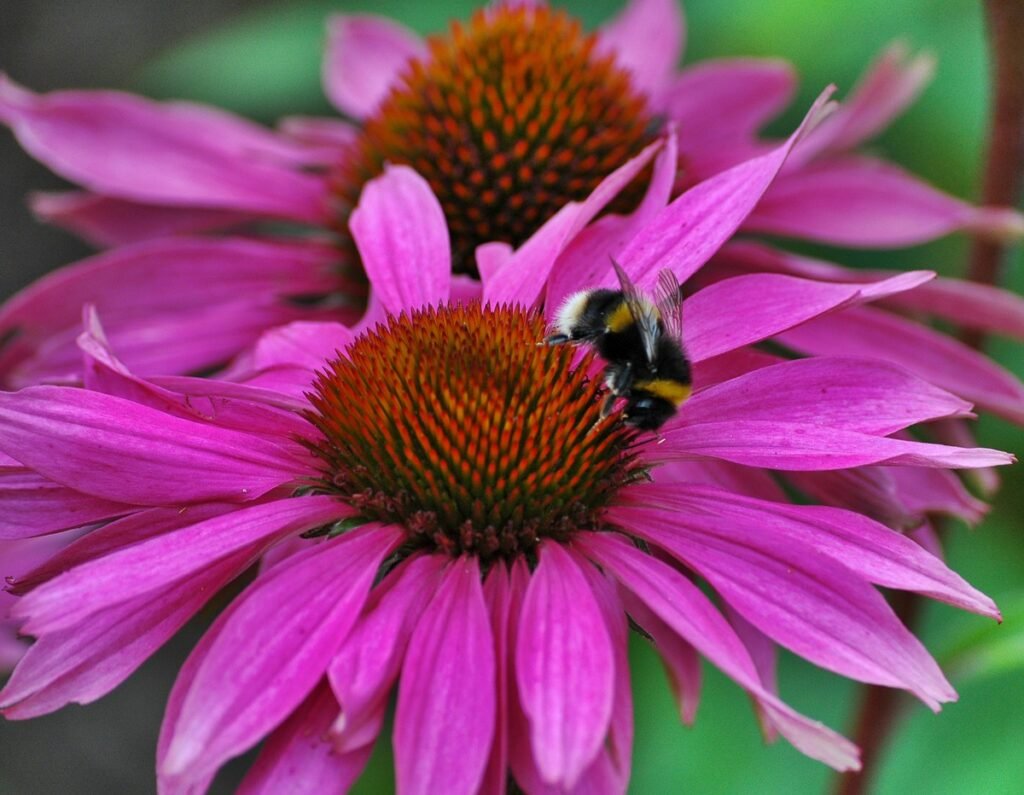
Wildflowers have been around for centuries, and they have been used for many purposes. In ancient times, wildflowers were used for medicinal purposes. For example, the Purple Coneflower was used to treat infections, while the Black-Eyed Susan was used to relieve pain. Wildflowers were also used for culinary purposes. For example, the Dandelion was used to make tea, and the Nasturtium was used in salads.
Cultural Significance
Wildflowers have played a significant role in various cultures throughout history. In Greek mythology, the Narcissus flower symbolized vanity and self-love. In Native American culture, the Sunflower was a symbol of the sun and was used in religious ceremonies. In Victorian times, giving someone a bouquet of flowers had a specific meaning. For example, a bouquet of Daisies meant innocence, while a bouquet of Roses meant love.
Overall, wildflowers have a rich history and cultural significance. They are not just beautiful to look at, but they also have symbolic meanings that have been passed down through generations.
Types of Wildflowers and Their Meanings
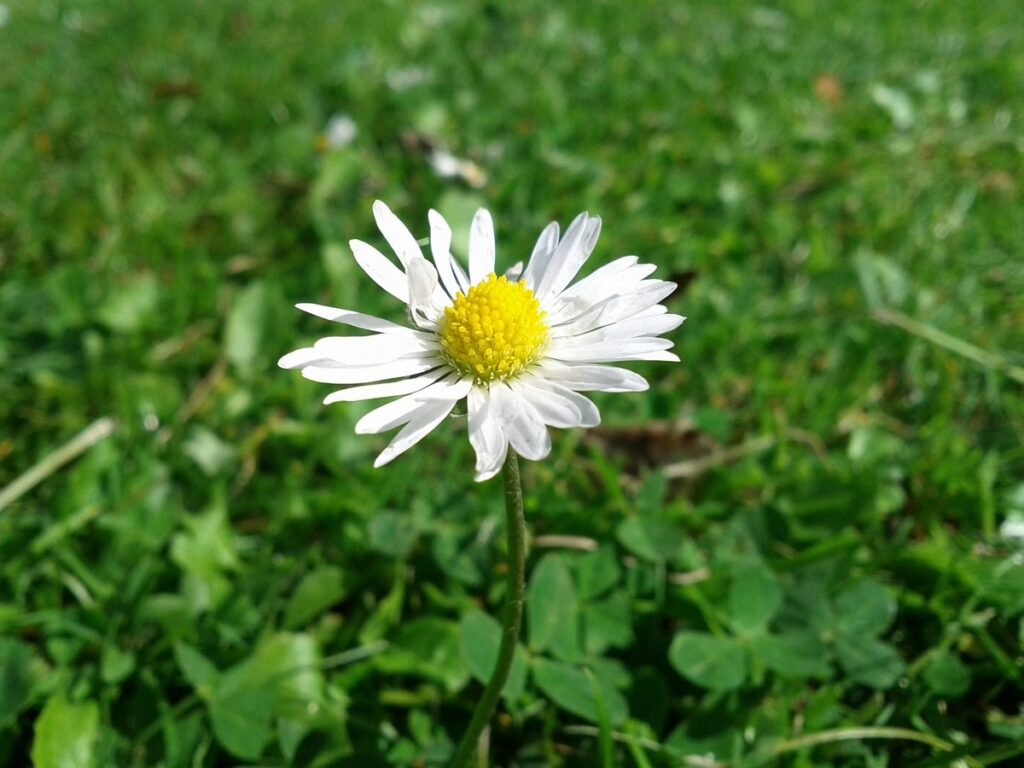
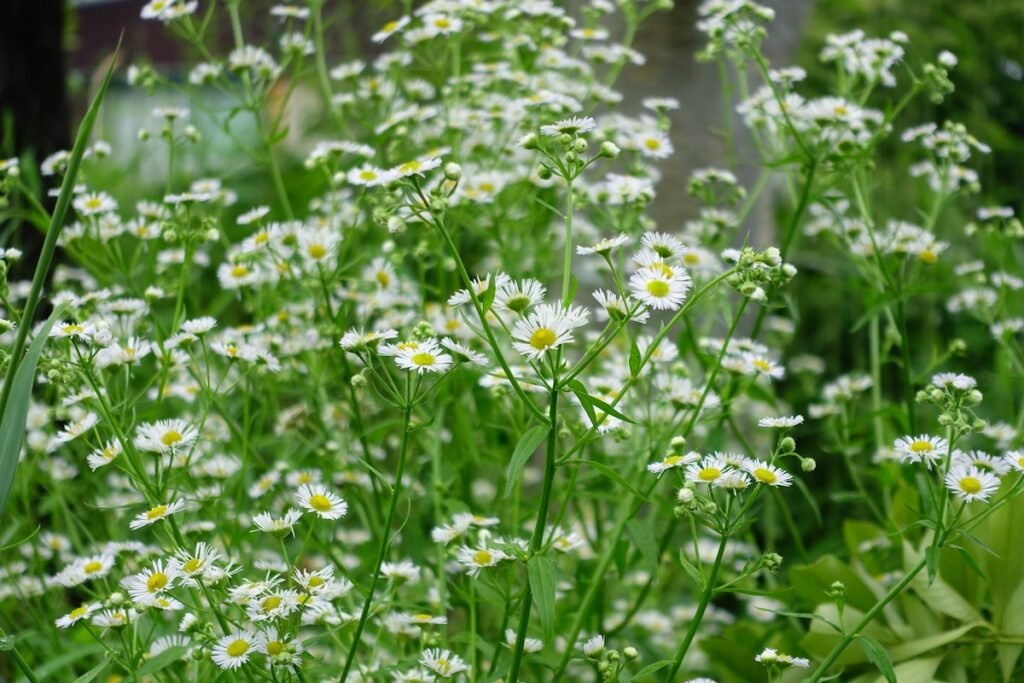
Daisy
Daisies are a symbol of innocence, purity, and new beginnings. They are often given as a gift to someone who is starting a new chapter in their life, such as a graduation or a new job.
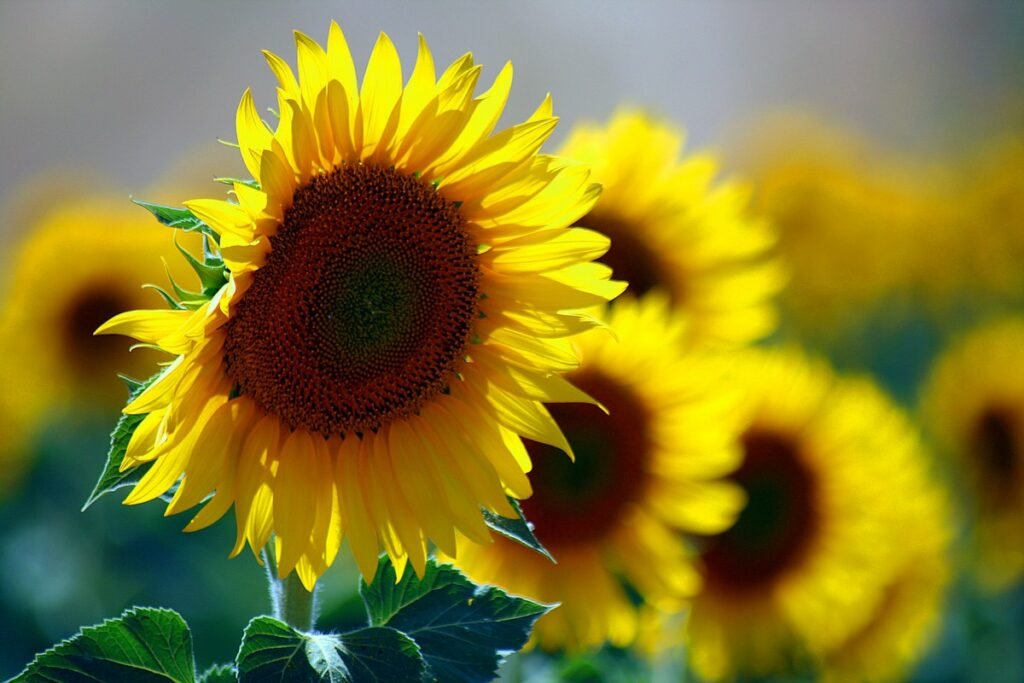
Sunflower
Sunflowers are a symbol of happiness, loyalty, and longevity. They are often given as a gift to someone who brings joy and light into your life, such as a close friend or family member.
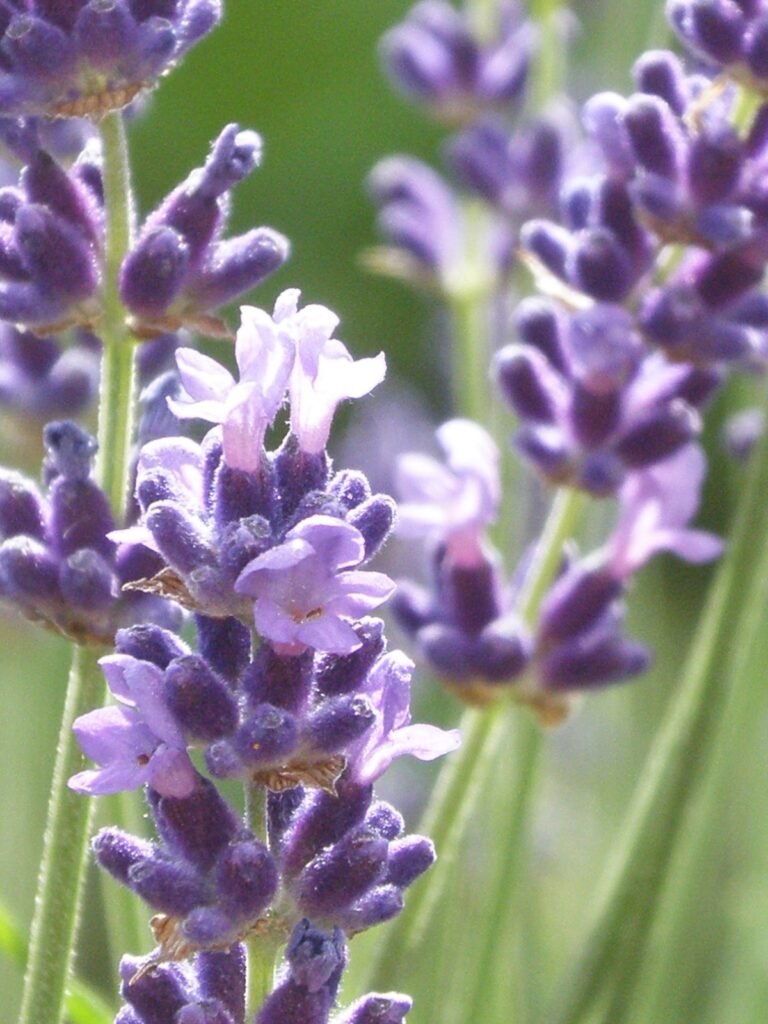
Lavender
Lavender is a symbol of grace, elegance, and refinement. It is often used in weddings and other formal occasions to add a touch of sophistication and beauty.
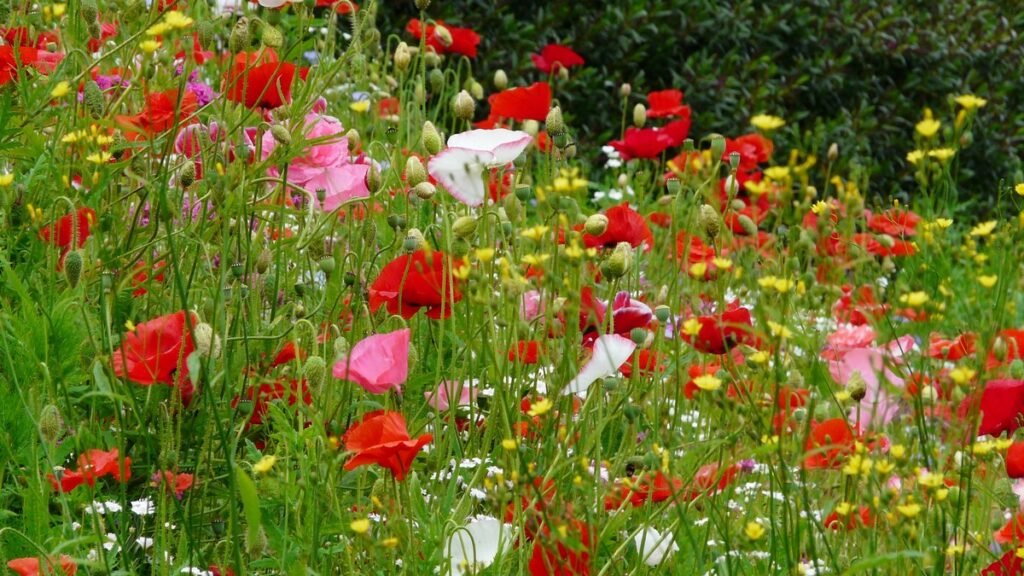
Poppy
Poppies are a symbol of remembrance, sacrifice, and peace. They are often used to honor fallen soldiers and veterans, and to commemorate important historical events.
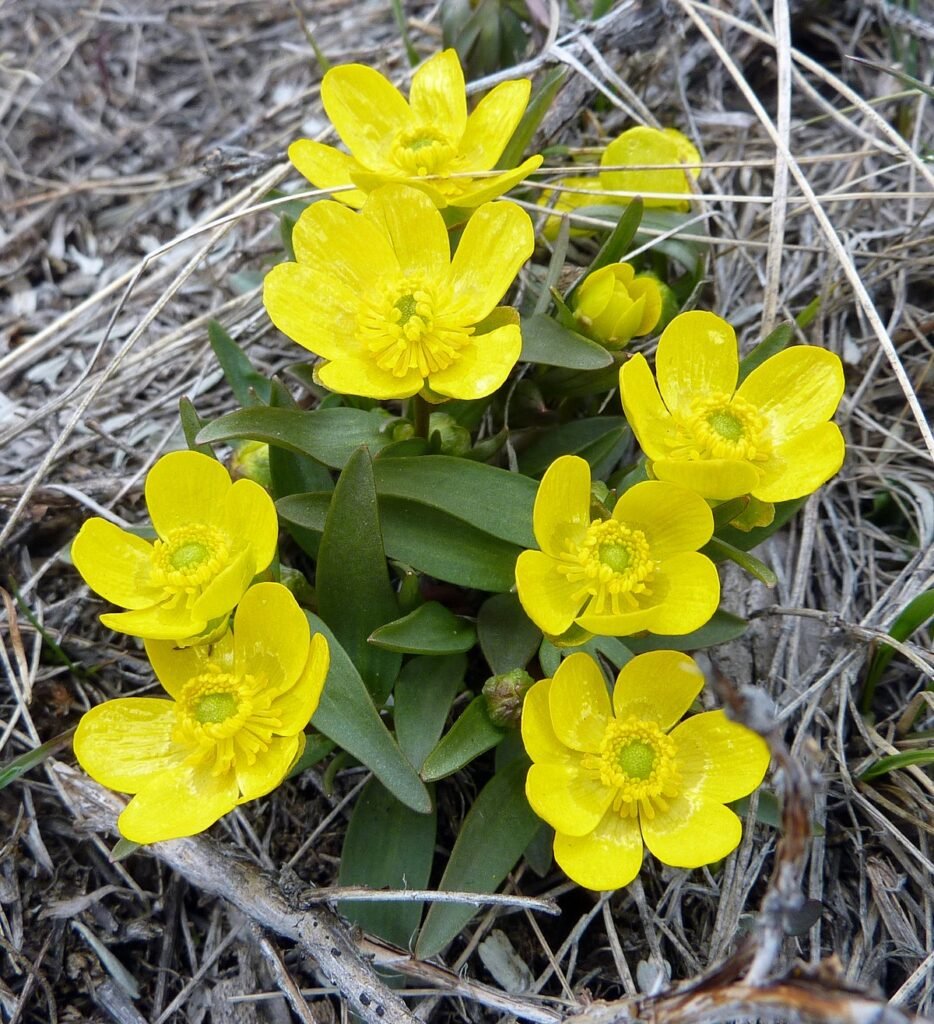
Buttercup
Buttercups are a symbol of joy, happiness, and cheerfulness. They are often given as a gift to someone who needs a little pick-me-up or to brighten up a room.
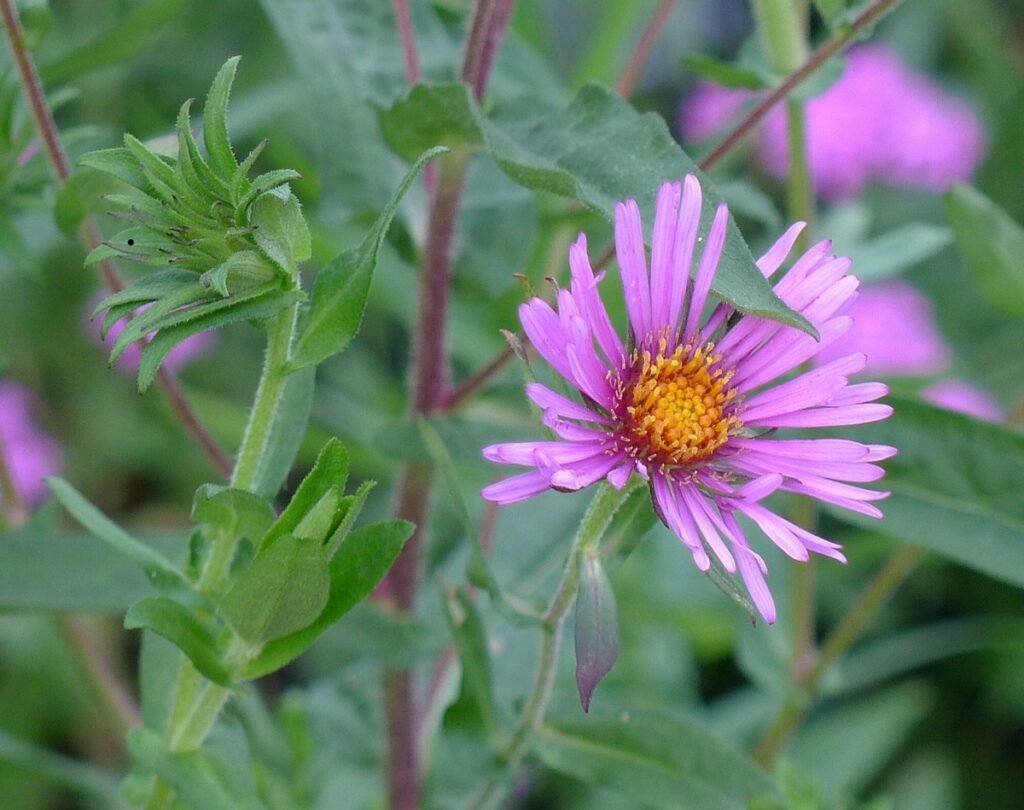
Asters
Asters are a symbol of love, patience, and elegance. They are often used in wedding bouquets and other romantic occasions to express deep affection and devotion.
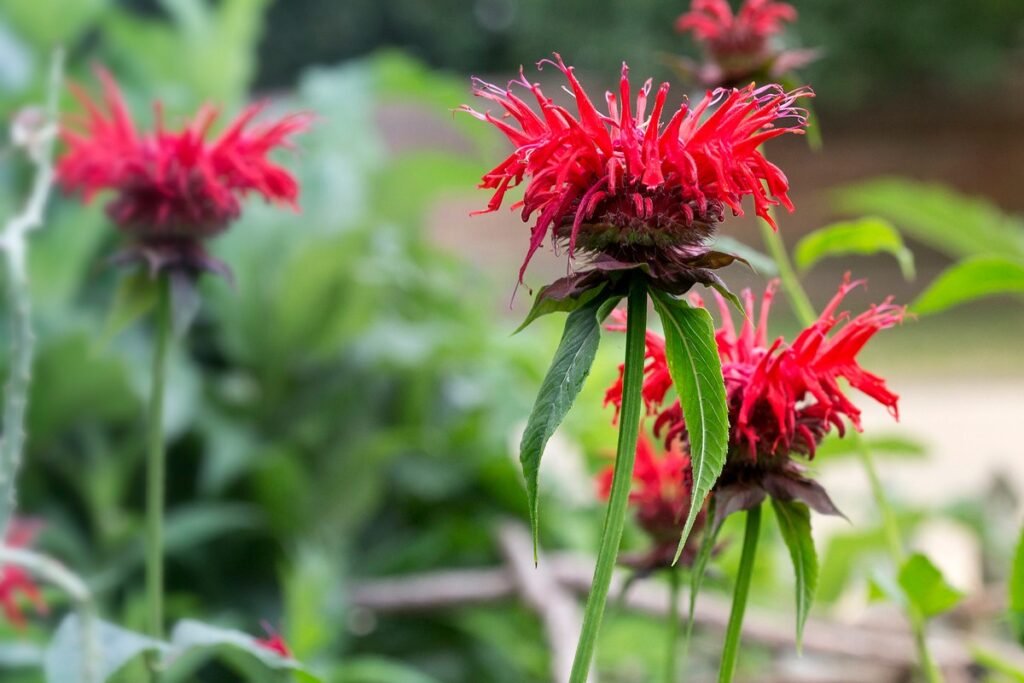
Bee Balm
Bee Balm is a symbol of healing, renewal, and vitality. It is often used in herbal remedies and teas to promote wellness and balance.
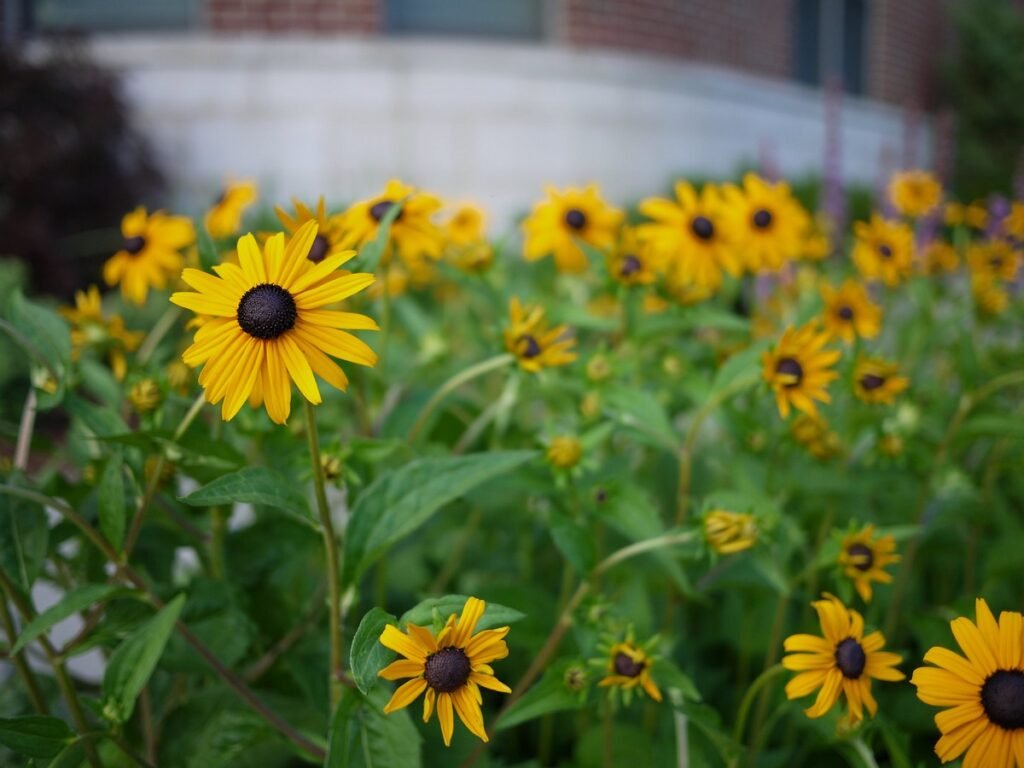
Black-eyed Susan
Black-eyed Susans are a symbol of encouragement, motivation, and inspiration. They are often given as a gift to someone who is going through a difficult time or needs a little extra support.
California Poppy
California Poppies are a symbol of creativity, imagination, and inspiration. They are often used in artistic and creative endeavors to spark new ideas and insights.
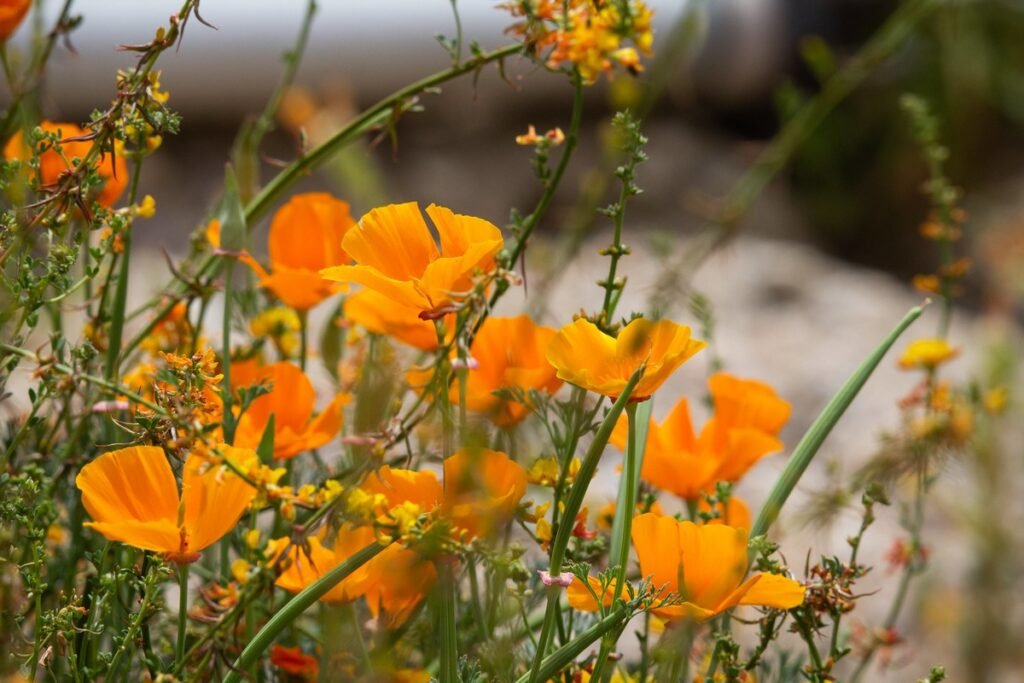
Columbines
Columbines are a symbol of peace, harmony, and balance. They are often used in meditation and spiritual practices to promote inner peace and tranquility.
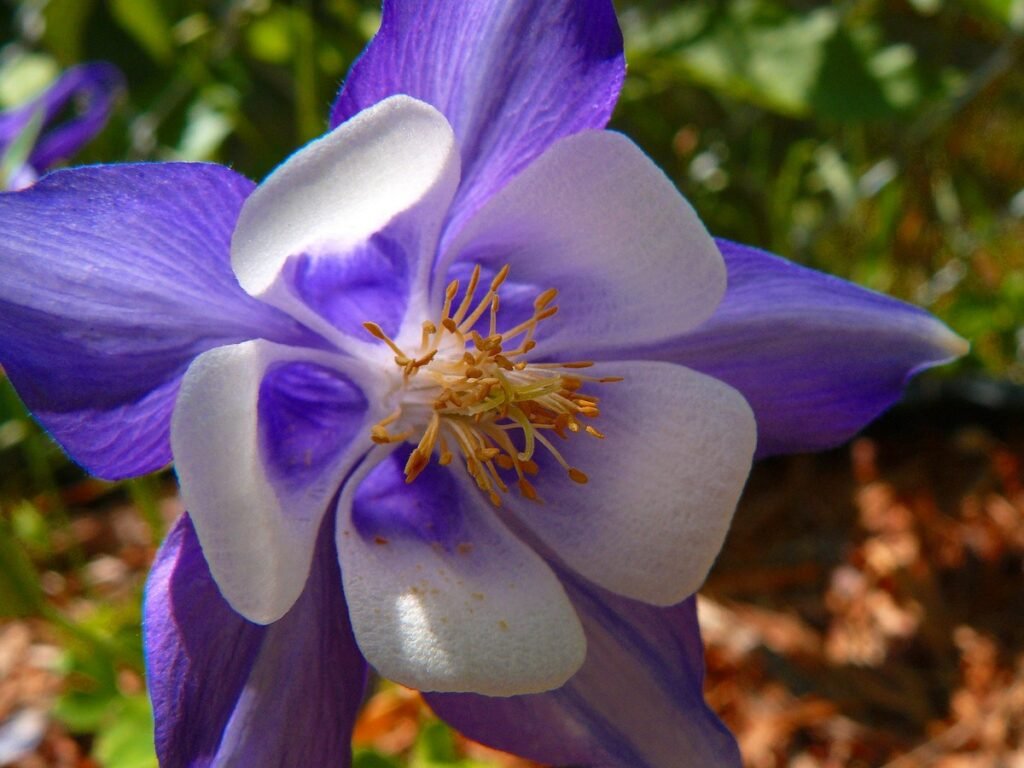
Coneflowers
Coneflowers are a symbol of strength, resilience, and endurance. They are often used in gardens and landscaping to add a touch of rugged beauty and durability.
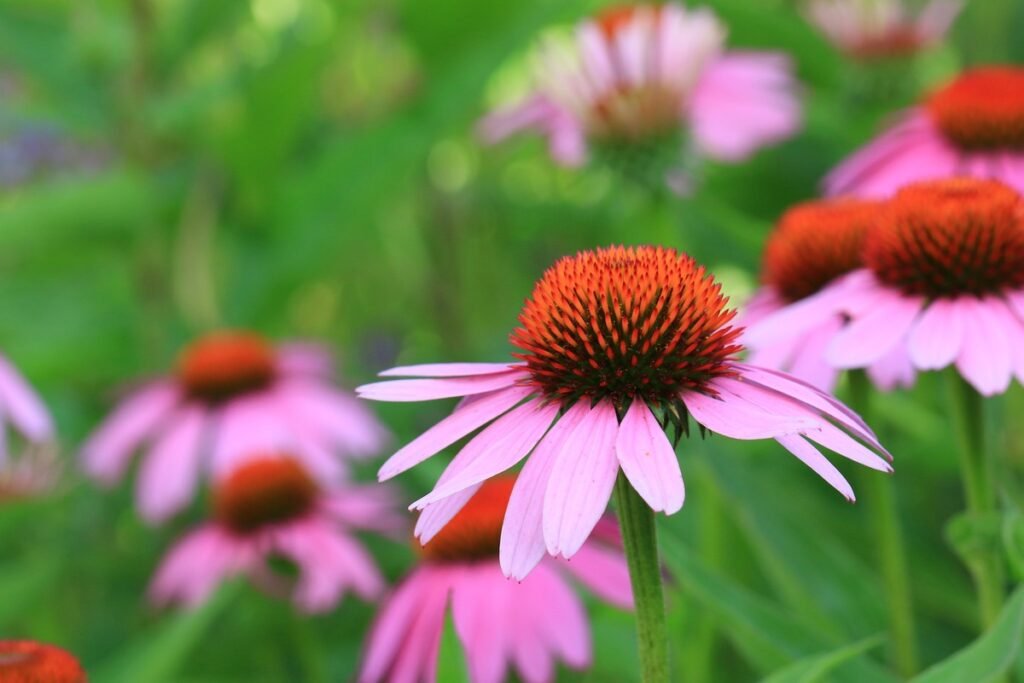
Gaillardia
Gaillardia is a symbol of courage, bravery, and determination. It is often used in military and patriotic settings to honor those who have served and sacrificed for their country.
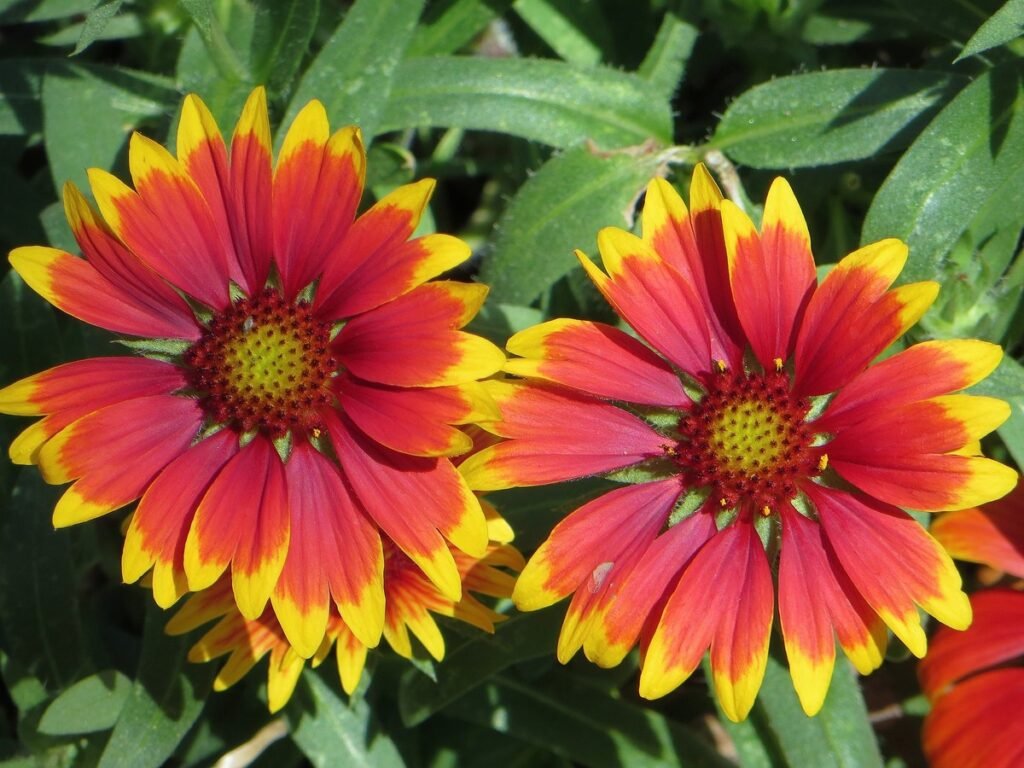
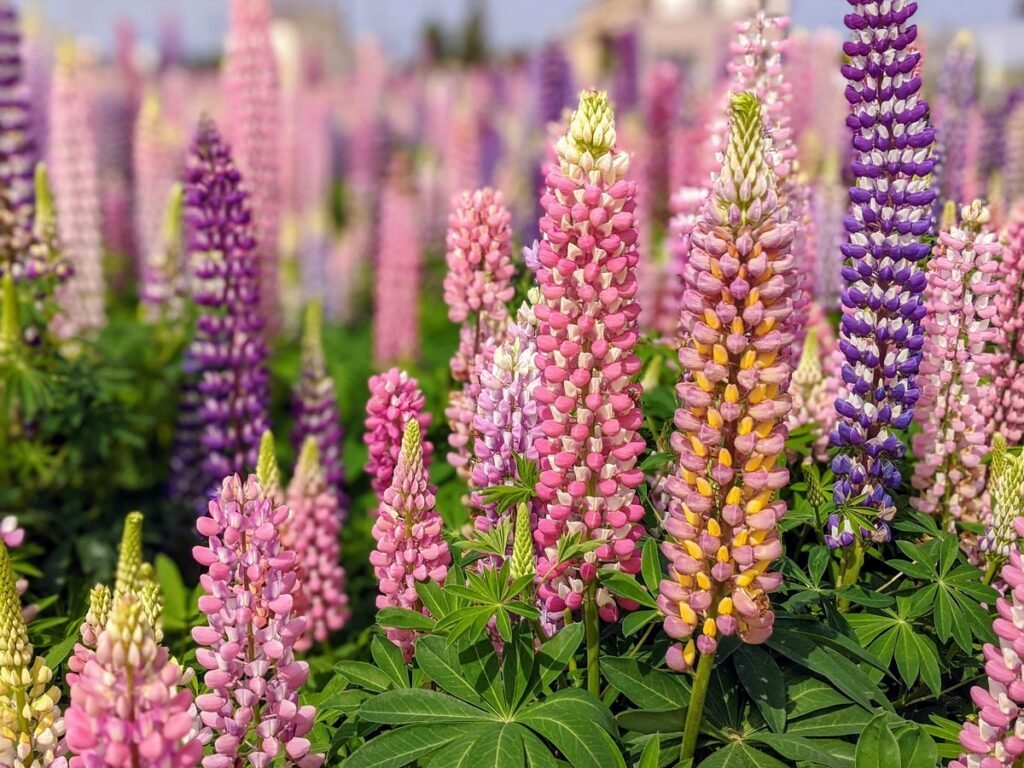
Lupines
Lupines are a symbol of imagination, creativity, and whimsy. They are often used in children’s literature and artwork to inspire wonder and curiosity.
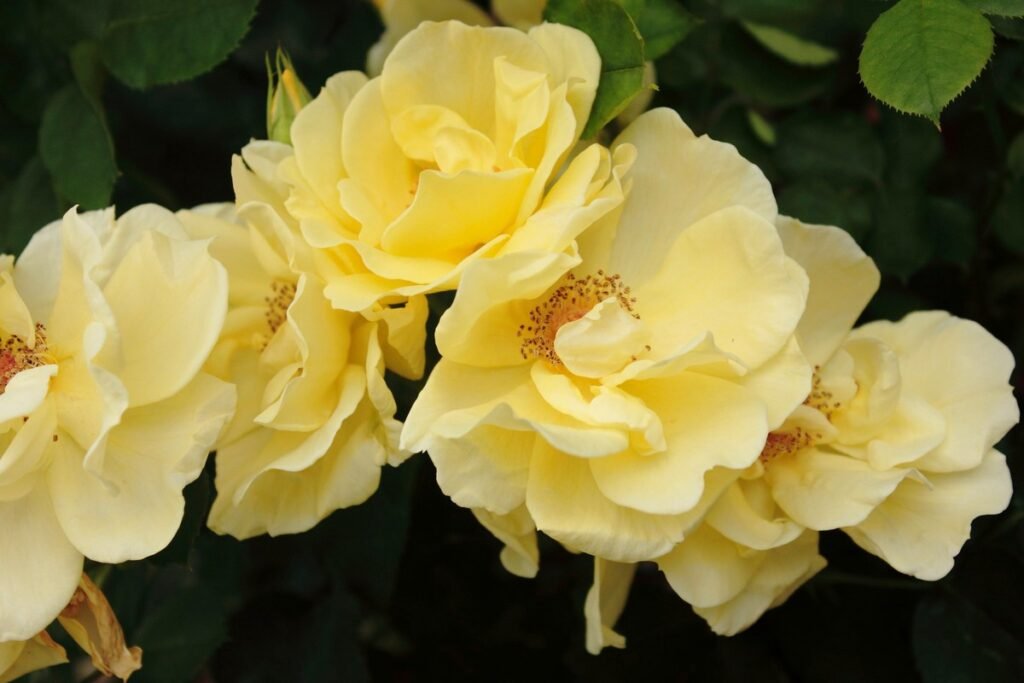
Roses
Roses are a symbol of love, passion, and romance. They are often used in weddings and other romantic occasions to express deep affection and devotion.
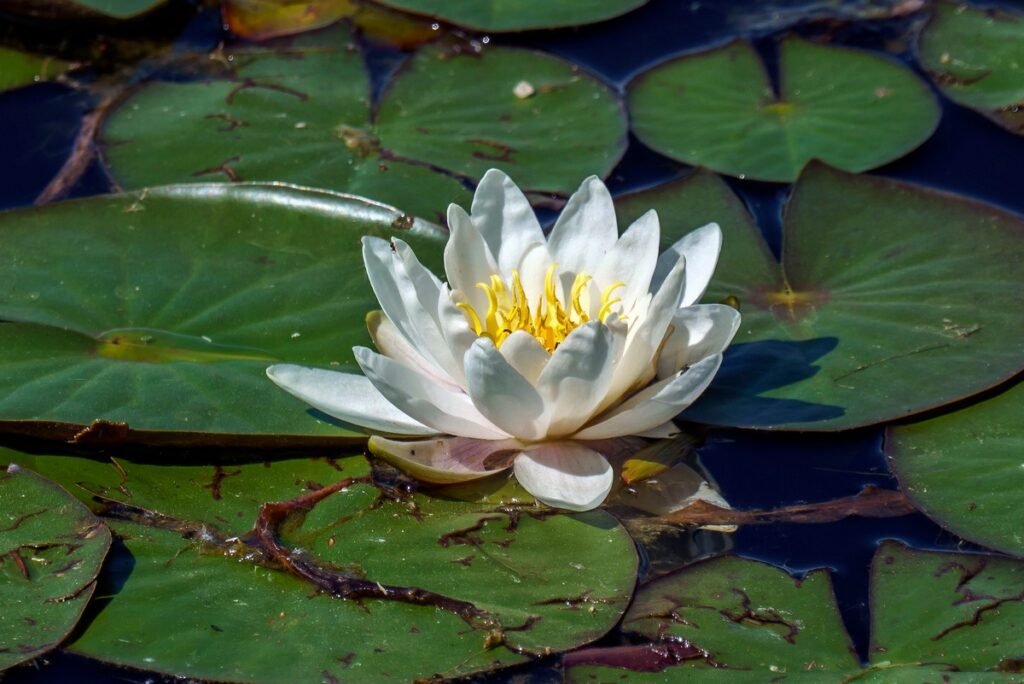
Water Lilies
Water Lilies are a symbol of purity, enlightenment, and spiritual awakening. They are often used in meditation and spiritual practices to promote inner peace and clarity.
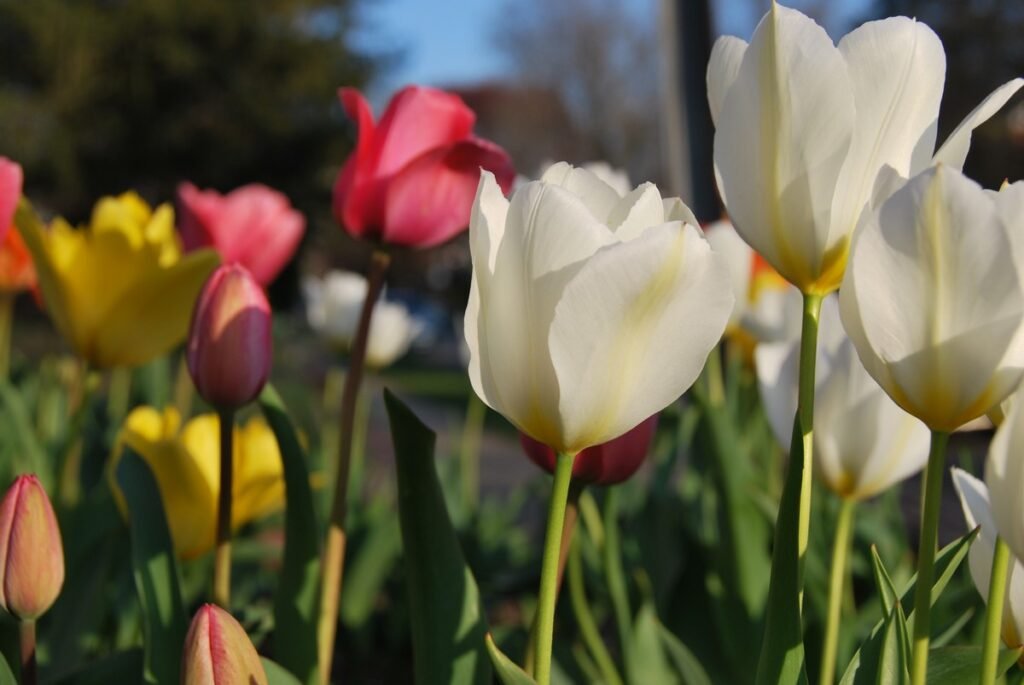
Tulips
Tulips are a symbol of beauty, elegance, and grace. They are often used in formal occasions and events to add a touch of refinement and sophistication.
Freesias
Freesias are a symbol of friendship, loyalty, and trust. They are often given as a gift to a close friend or family member to show appreciation and gratitude.
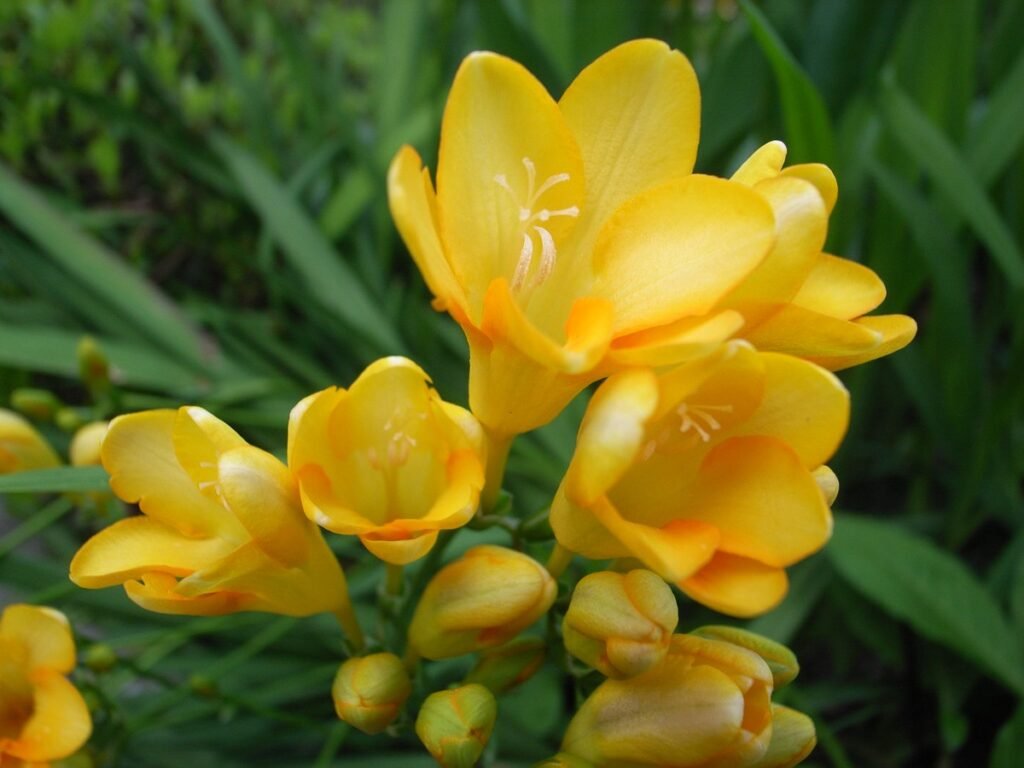
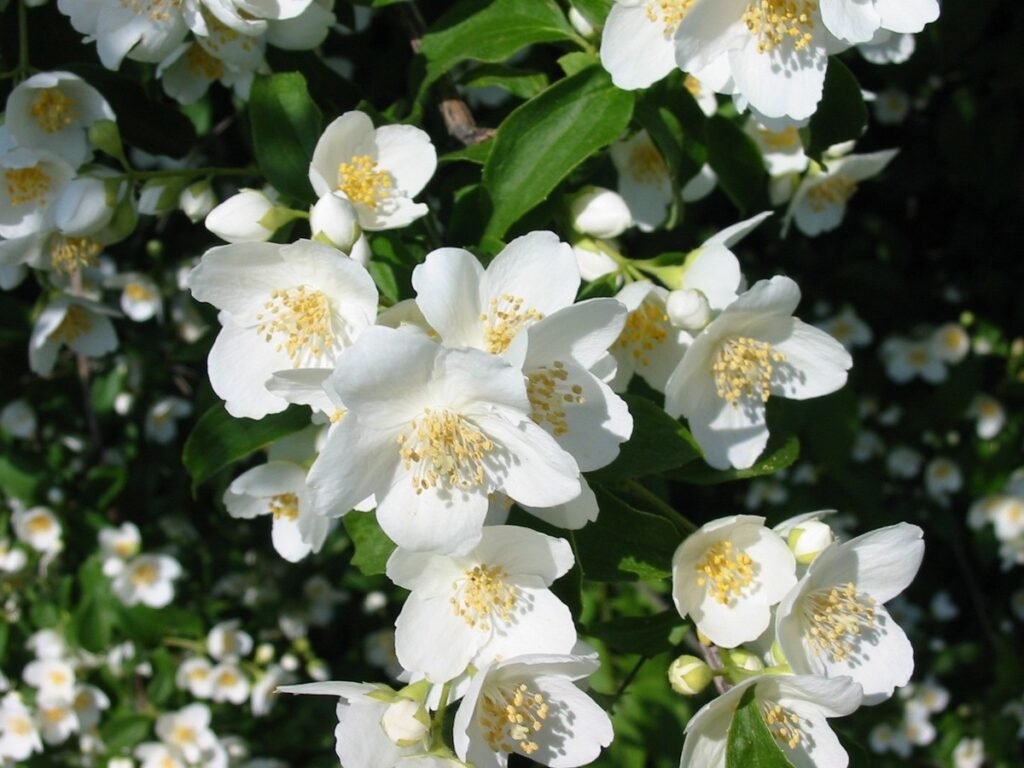
Jasmines
Jasmines are a symbol of purity, innocence, and sweetness. They are often used in perfumes and fragrances to add a touch of delicate beauty and charm.
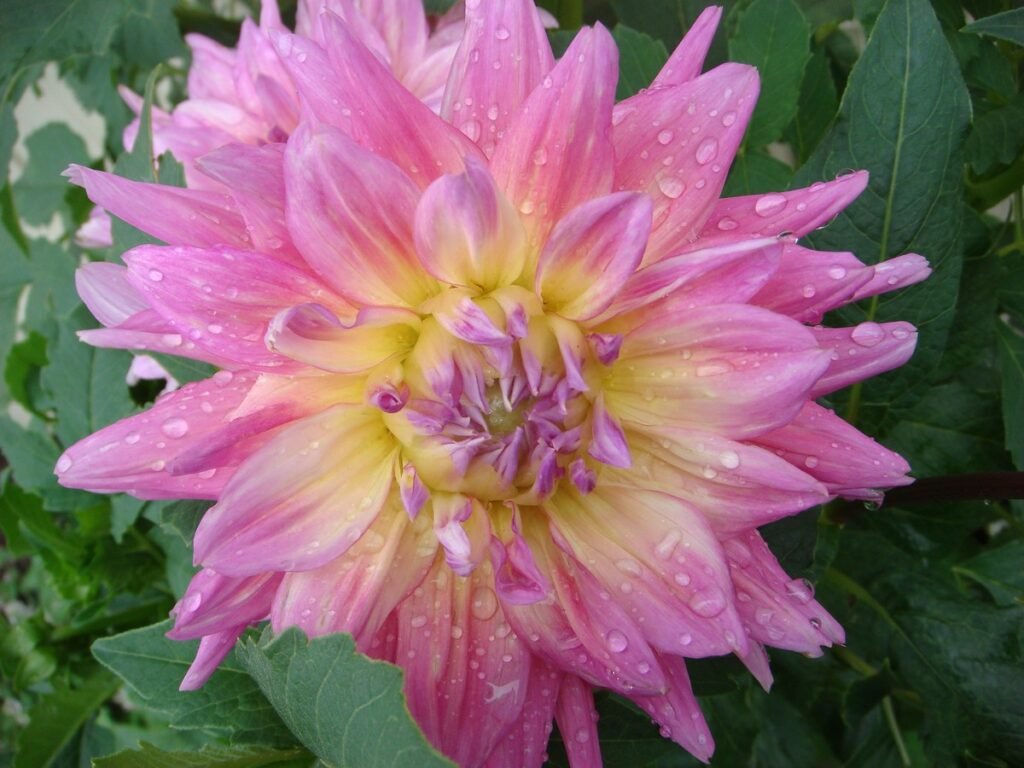
Dahlias
Dahlias are a symbol of strength, power, and dignity. They are often used in formal occasions and events to add a touch of regal beauty and elegance.
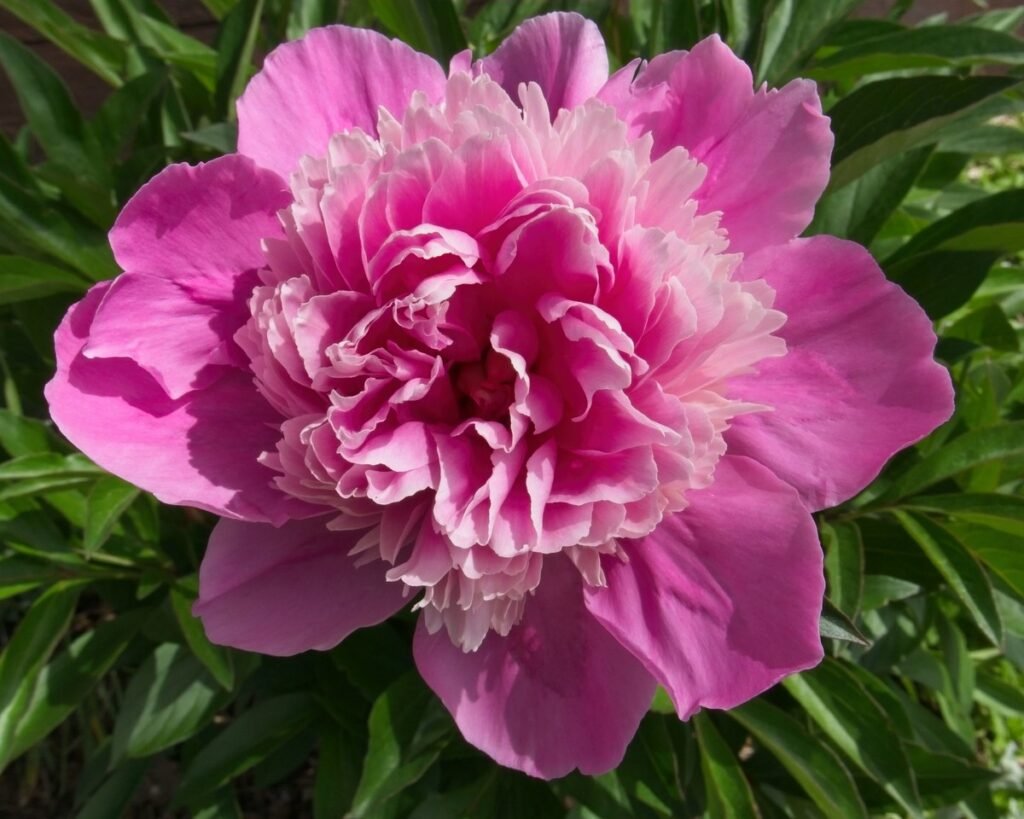
Peonies
Peonies are a symbol of prosperity, abundance, and good fortune. They are often used in weddings and other celebratory occasions to express joy and happiness.
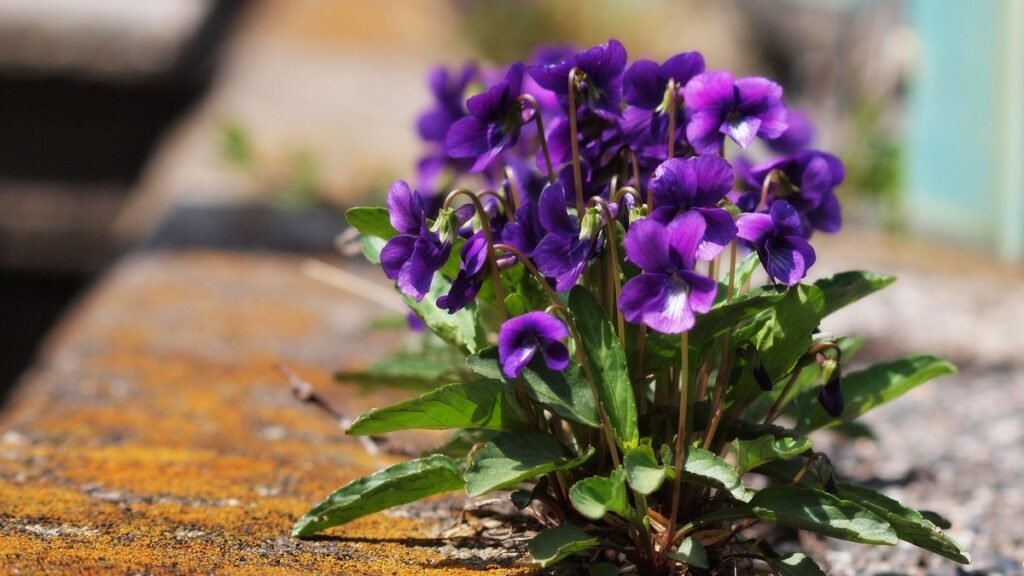
Violets
Violets are a symbol of humility, modesty, and simplicity. They are often used in religious and spiritual settings to promote humility and reverence.
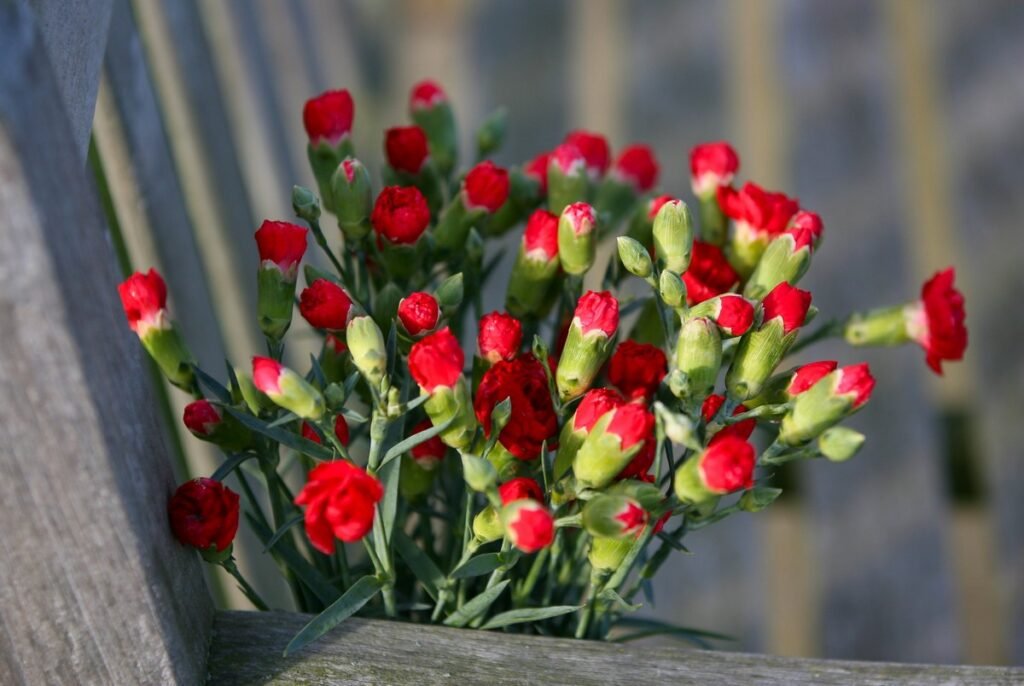
Carnations
Carnations are a symbol of love, admiration, and affection. They are often used in bouquets and arrangements to express deep feelings of love and devotion.
Wildflowers in Art and Literature
Paintings
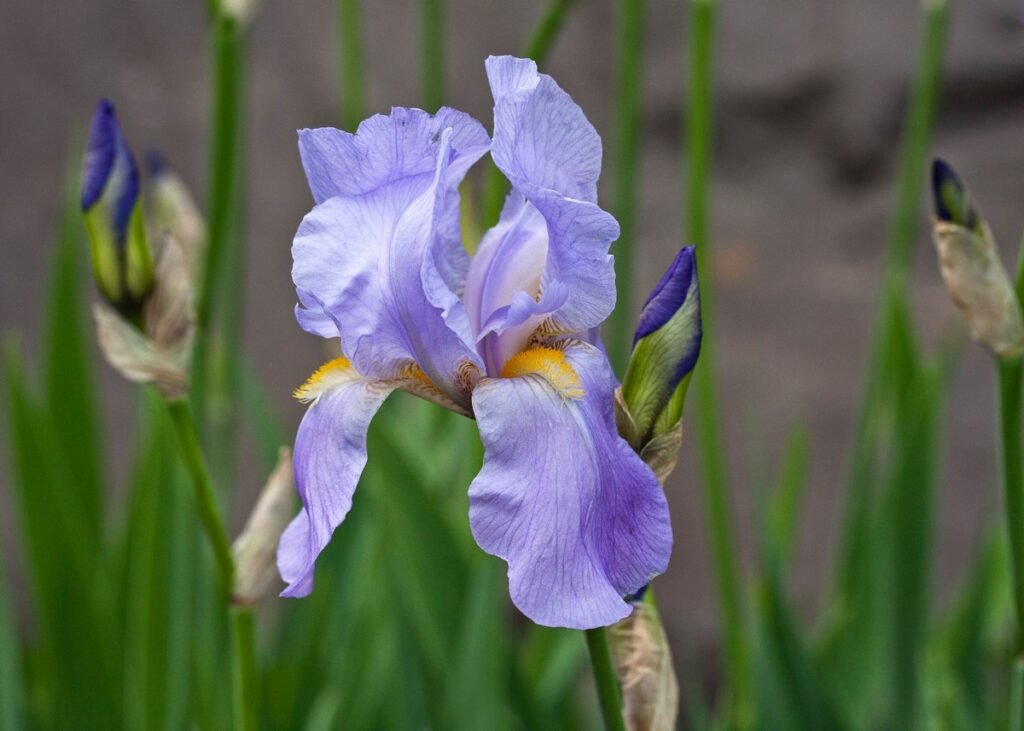
I love admiring paintings that feature wildflowers. They are often depicted in fields, meadows, and other natural settings, and they can symbolize a variety of things. For example, Vincent van Gogh’s famous painting “Irises” is thought to represent the artist’s mental state during his time in a sanatorium. The vibrant colors and swirling shapes of the flowers are said to reflect his emotions and inner turmoil.
Poetry
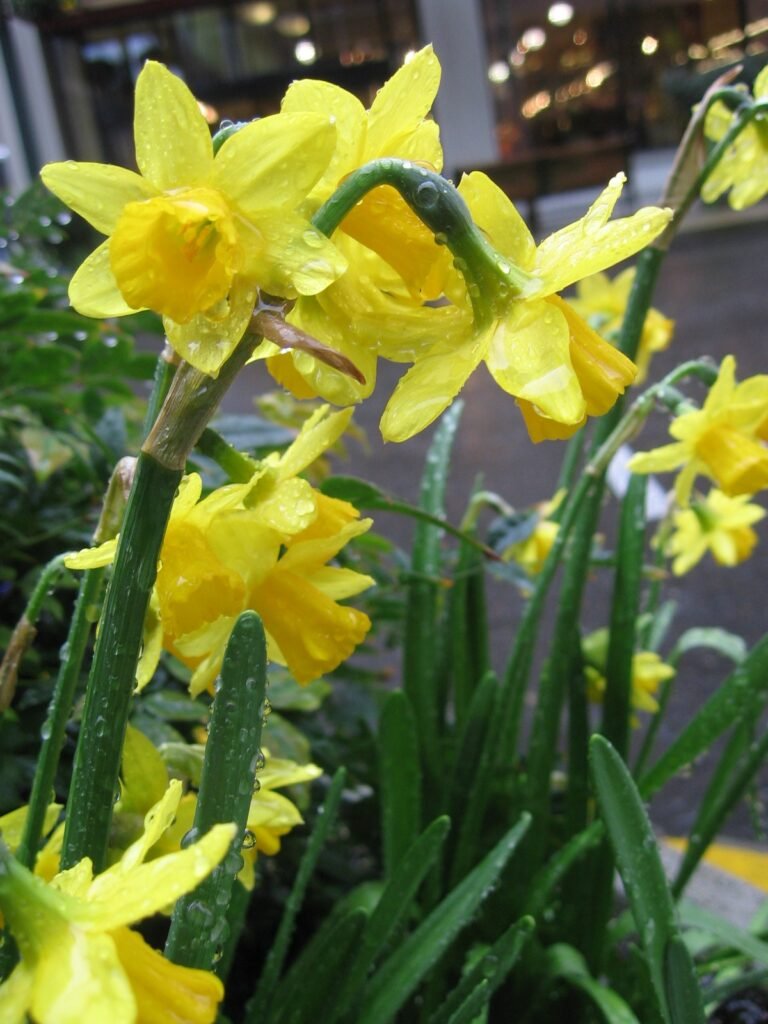
Wildflowers have inspired countless poets over the years. In fact, they are a common motif in romantic and pastoral poetry. For example, William Wordsworth’s poem “I Wandered Lonely as a Cloud” is often referred to as the “daffodils” poem because it describes the author’s encounter with a field of blooming daffodils. The poem celebrates the beauty and tranquility of nature and the way it can lift our spirits.
Folklore
Wildflowers have also played a significant role in folklore and mythology. For example, in Greek mythology, the narcissus flower is said to have sprung up from the blood of a young man named Narcissus, who was so in love with his own reflection that he wasted away and died. The flower is now associated with vanity and self-love. Similarly, the poppy flower has long been associated with sleep and death. In some cultures, it is believed that the scent of poppies can lull a person into a deep sleep that lasts for years.
That’s it for my brief section on wildflowers in art and literature. I hope you found it interesting!
Conclusion
As I researched the symbolism of wildflowers, I found that they represent a variety of meanings. From love and friendship to hope and happiness, wildflowers have been used for centuries to convey emotions and sentiments.
One of the most common meanings of wildflowers is their association with love and romance. Flowers like roses and daisies have long been associated with love, but wildflowers like bluebells and forget-me-nots also hold a special place in the hearts of many. These flowers symbolize fidelity, loyalty, and true love.
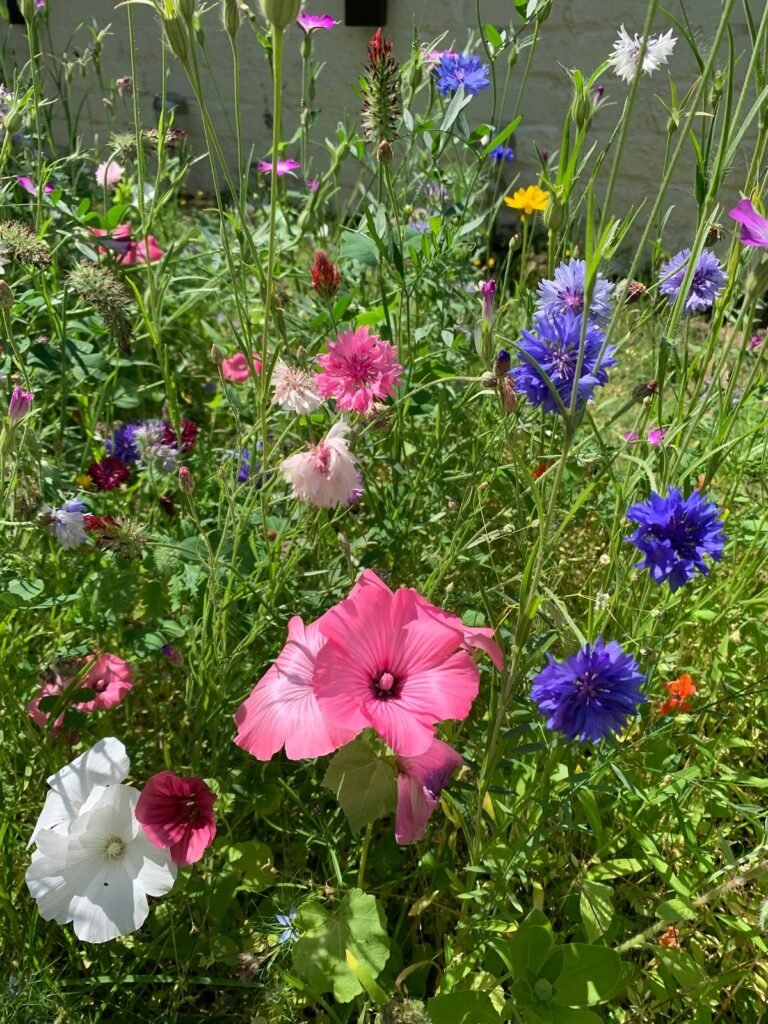
Wildflowers also represent hope and new beginnings. They often bloom in the spring, which is a time of renewal and growth. Flowers like daffodils and crocuses are a sign that winter is over and warmer days are ahead. This makes them a popular choice for weddings and other celebrations.
In addition to their beauty, wildflowers are also known for their healing properties. Many cultures have used wildflowers for medicinal purposes for centuries. Flowers like chamomile and lavender are known for their calming and soothing effects, while others like echinacea and yarrow are believed to have immune-boosting properties.
Overall, wildflowers are a beautiful and meaningful addition to any occasion. Whether you’re looking to express love, hope, or healing, there’s a wildflower out there that can help you convey your message.