When I think of wildflowers, I imagine fields of vibrant colors and a gentle breeze blowing through the petals. Wildflowers are a beautiful addition to any landscape and can brighten up even the dullest of spaces. There are many different types of wildflowers, each with their own unique characteristics and beauty.
As a nature enthusiast, I have spent countless hours exploring different types of wildflowers and learning about their individual qualities. From the delicate petals of the Bluebell to the striking colors of the Indian Paintbrush, each wildflower has its own story to tell. In this article, I will be sharing some of my favorite types of wildflowers and what makes them so special. So, let’s dive in and explore the world of wildflowers together.
Sunflowers
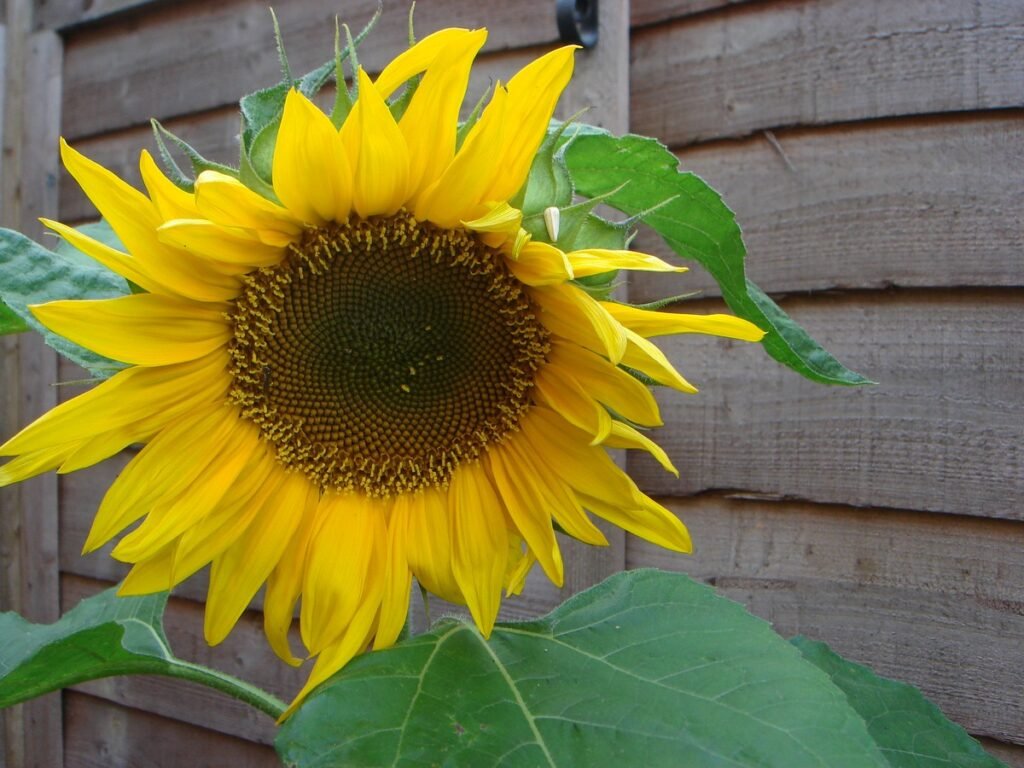
Sunflowers are a beautiful and iconic type of wildflower that can add a cheerful touch to any garden. As someone who loves gardening, I enjoy growing sunflowers because they are easy to care for and add a pop of color to my yard.
When it comes to growing sunflowers, it’s important to keep in mind the USDA plant zones. Sunflowers grow best in zones 1-10, but they can also thrive in other zones with proper care.
Sunflowers can be either annual or perennial, depending on the variety you choose. Annual sunflowers will need to be replanted each year, while perennial sunflowers will come back year after year.
Sunflowers need plenty of sun, as the name suggests. They should be planted in an area that receives at least six hours of direct sunlight per day.
When it comes to soil, sunflowers prefer well-draining soil that is slightly acidic. Adding compost or other organic matter to the soil can help improve its quality and provide the nutrients that sunflowers need to thrive.
Watering is also an important consideration when growing sunflowers. They should be watered regularly, but not overwatered. Too much water can lead to root rot, while too little water can cause the plants to wilt and die.
To grow sunflowers successfully, plant them in a sunny area with well-draining soil, water them regularly, and provide them with the nutrients they need to thrive. With a little bit of care, you can enjoy these beautiful wildflowers in your garden year after year.
Poppies
I love poppies! They are such a beautiful and colorful addition to any garden. Here are some things to know about this lovely flower.
Introduction and Description
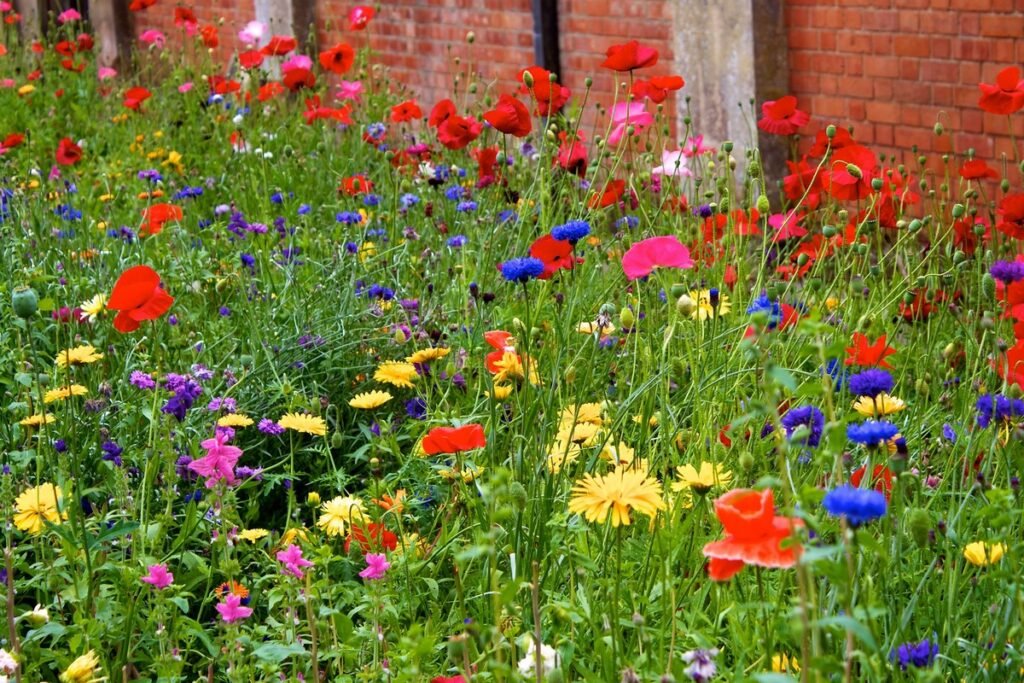
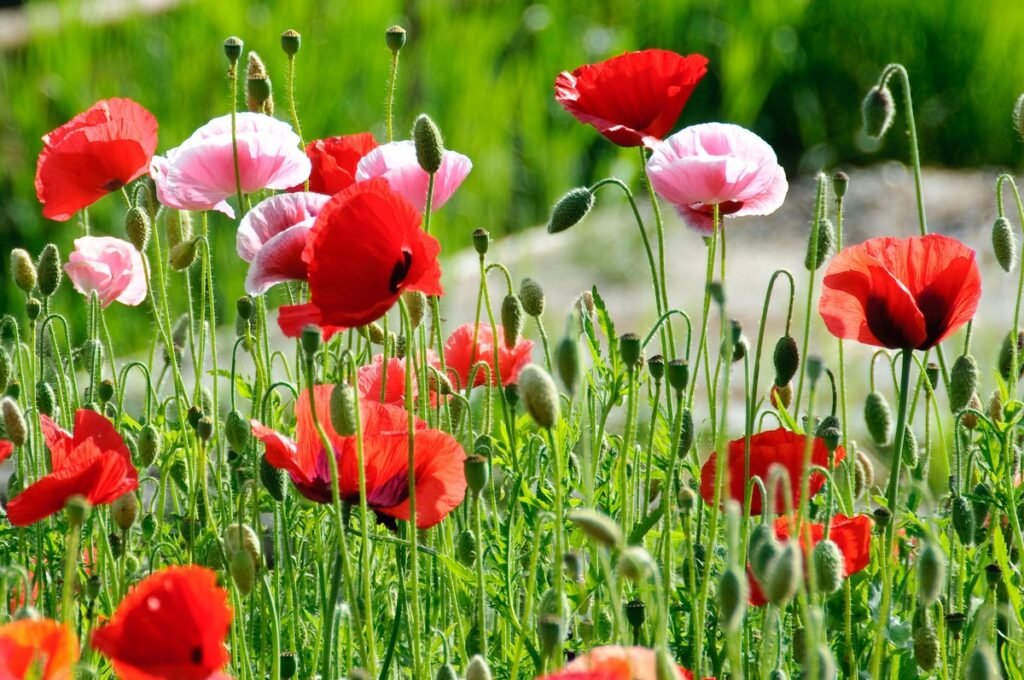
Poppies come in a variety of colors, including red, pink, orange, yellow, and white. They have a delicate, papery texture and a large, showy bloom. Poppies are also known for their medicinal properties, and have been used for centuries to treat pain, anxiety, and insomnia.
USDA Plant Zones
Poppies can be grown in USDA Plant Zones 3-9.
Annual or Perennial
Poppies can be grown as both annuals and perennials. Annual poppies will bloom for one season and then die, while perennial poppies will come back year after year.
Sun Needs
Poppies love the sun! They need at least six hours of direct sunlight each day to thrive.
Soil Needs
Poppies prefer well-draining soil that is slightly acidic. They don’t like wet feet, so make sure the soil is not too moist.
Water Needs
Poppies don’t need a lot of water. In fact, they can be quite drought-tolerant once established. Water them deeply once a week, or whenever the soil feels dry to the touch.
How to Grow
To grow poppies, start by choosing a sunny spot in your garden with well-draining soil. Plant the seeds in the spring, after the last frost. Cover them lightly with soil and water well. Once the seedlings emerge, thin them out so that they are spaced about 6 inches apart. Water deeply once a week, or whenever the soil feels dry to the touch. Deadhead the spent blooms to encourage more flowers to grow. Enjoy the beauty of your poppies all season long!
Butterfly Weed
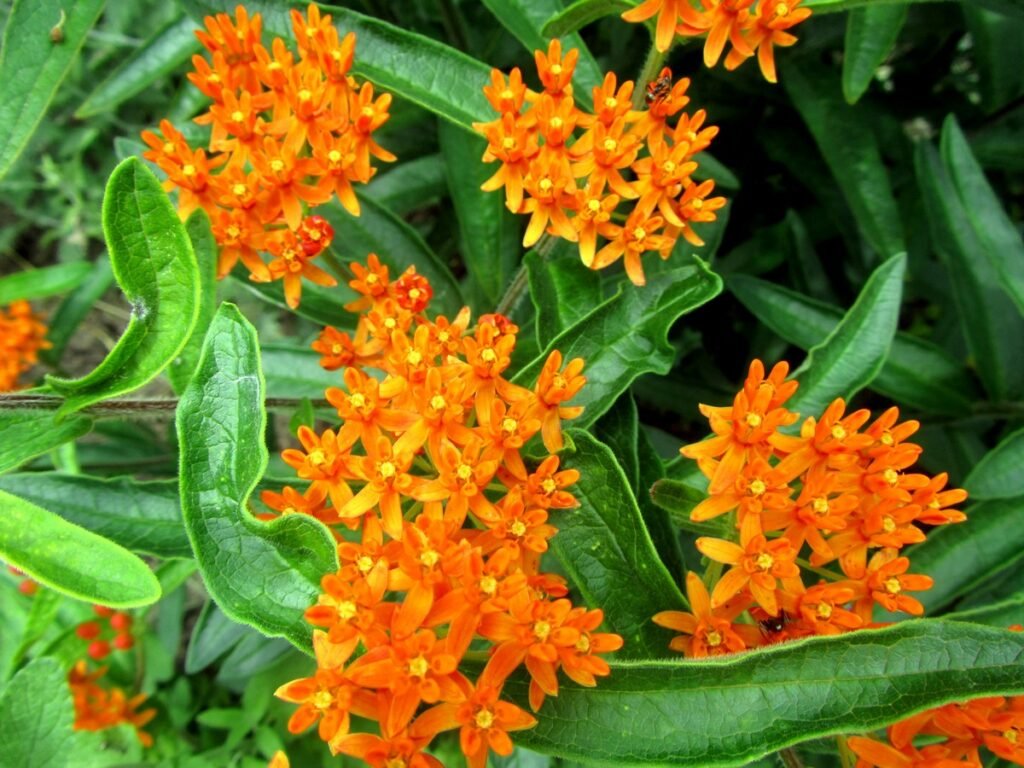
Butterfly weed is a beautiful and vibrant wildflower that is native to many parts of North America. As someone who loves wildflowers, I always make sure to include butterfly weed in my garden. Here are some important things to know about this plant:
- USDA Plant Zones: Butterfly weed grows best in USDA Plant Zones 3-9.
- Annual or Perennial: Butterfly weed is a perennial plant, which means that it will come back year after year.
- Sun Needs: This plant needs full sun in order to thrive. Make sure to plant it in an area that receives at least 6 hours of sunlight per day.
- Soil Needs: Butterfly weed prefers well-drained soil that is slightly acidic. It can grow in a range of soil types, but it does not do well in soil that is too wet or too dry.
- Water Needs: Once established, butterfly weed is a relatively drought-tolerant plant. However, it does need regular watering during its first growing season in order to establish a strong root system.
To grow butterfly weed, plant it in a sunny area with well-drained soil. Water it regularly during its first growing season, and then let it do its thing! This plant is relatively low-maintenance and will attract butterflies to your garden.
Coneflowers
Coneflowers, also known as Echinacea, are a beautiful and easy-to-grow wildflower. As a lover of wildflowers, I always recommend these vibrant plants to anyone looking to add some color to their garden.
Introduction and Description
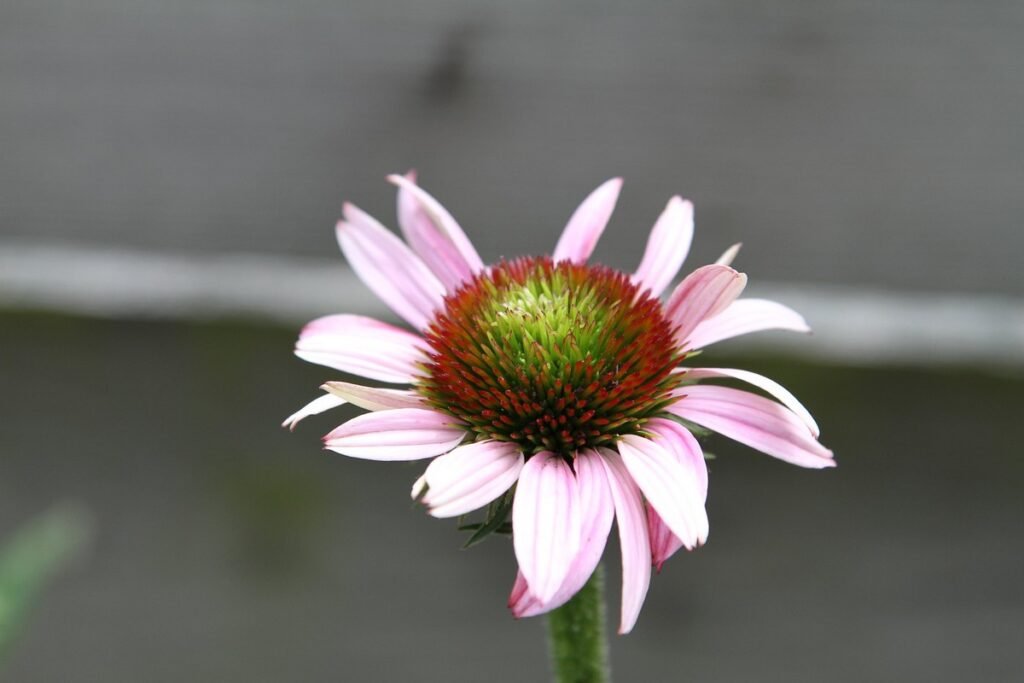
Coneflowers are native to North America and are known for their striking blooms that come in shades of pink, purple, white, and yellow. These flowers have a distinctive cone-shaped center that is surrounded by petals. They are a favorite of bees and butterflies and can add a pop of color to any garden.
USDA Plant Zones
Coneflowers are hardy plants that can grow in a wide range of climates. They are best suited for USDA plant zones 3-9.
Annual or Perennial
Coneflowers are perennial plants, which means they will come back year after year. They are also self-seeding, which means they will spread and create new plants.
Sun Needs
Coneflowers love the sun and need at least 6 hours of direct sunlight every day. They can tolerate some shade, but too much shade can cause them to become leggy and not bloom as well.
Soil Needs
Coneflowers prefer well-draining soil that is slightly alkaline. They can tolerate a wide range of soil types, but they do not like wet or soggy soil.
Water Needs
Coneflowers are drought-tolerant and do not need a lot of water. They prefer to be watered deeply but infrequently. Overwatering can cause root rot and other problems.
Summarize how best to grow this plant in 1 or 2 sentences
To grow coneflowers, plant them in well-draining soil in a sunny location. Water deeply but infrequently and fertilize once a year with a balanced fertilizer. Deadhead spent blooms to encourage more blooms throughout the season.
Bluebells
Bluebells are a beautiful addition to any garden or natural setting. As a lover of wildflowers, I am always excited to see these delicate blue flowers in bloom.
Introduction and Description
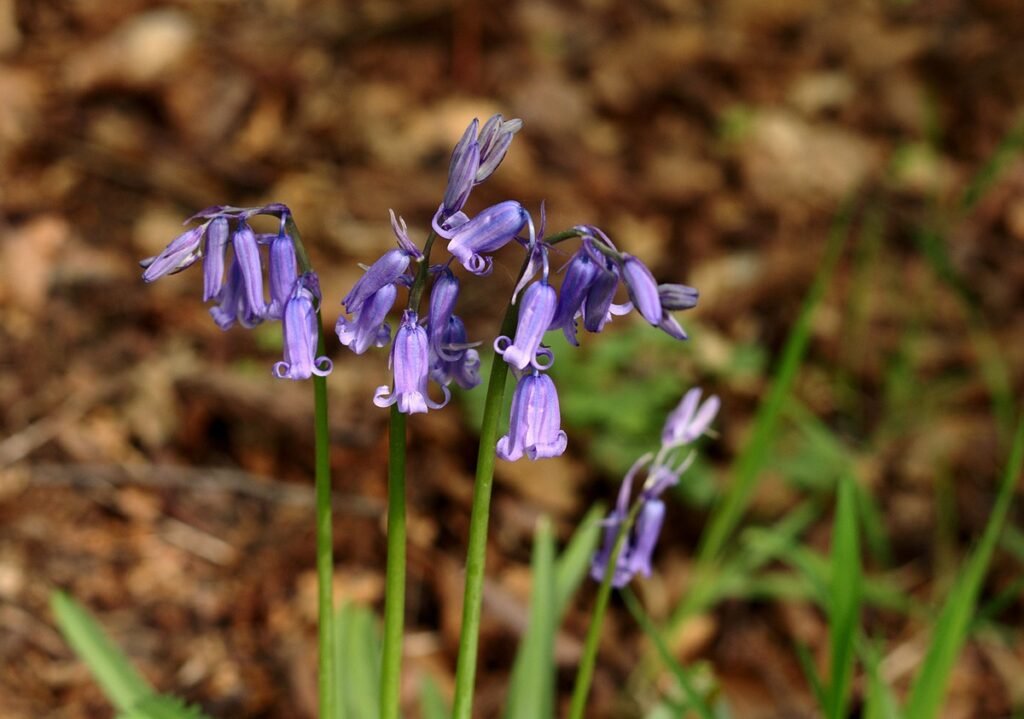
Bluebells, also known as Virginia bluebells, are native to eastern North America. They are a member of the borage family and are known for their beautiful blue, bell-shaped flowers. The flowers bloom in early spring and can last for several weeks.
USDA Plant Zones
Bluebells are hardy in USDA plant zones 3-8.
Annual or Perennial
Bluebells are a perennial plant, meaning they will come back year after year.
Sun Needs
Bluebells prefer partial shade to full shade. They can tolerate some sun, but too much can cause the flowers to wilt.
Soil Needs
Bluebells prefer moist, well-draining soil. They can tolerate a variety of soil types, but prefer soil that is rich in organic matter.
Water Needs
Bluebells require regular watering, especially during the growing season. They prefer soil that is consistently moist but not waterlogged.
Growing Tips
To grow bluebells, plant them in a partially shaded area with moist, well-draining soil. Water regularly, especially during the growing season. Deadhead the flowers to encourage more blooms. Bluebells can be propagated by dividing the plants in the fall or early spring.
In summary, bluebells are a beautiful and easy-to-grow wildflower that will add a touch of blue to any garden or natural setting.
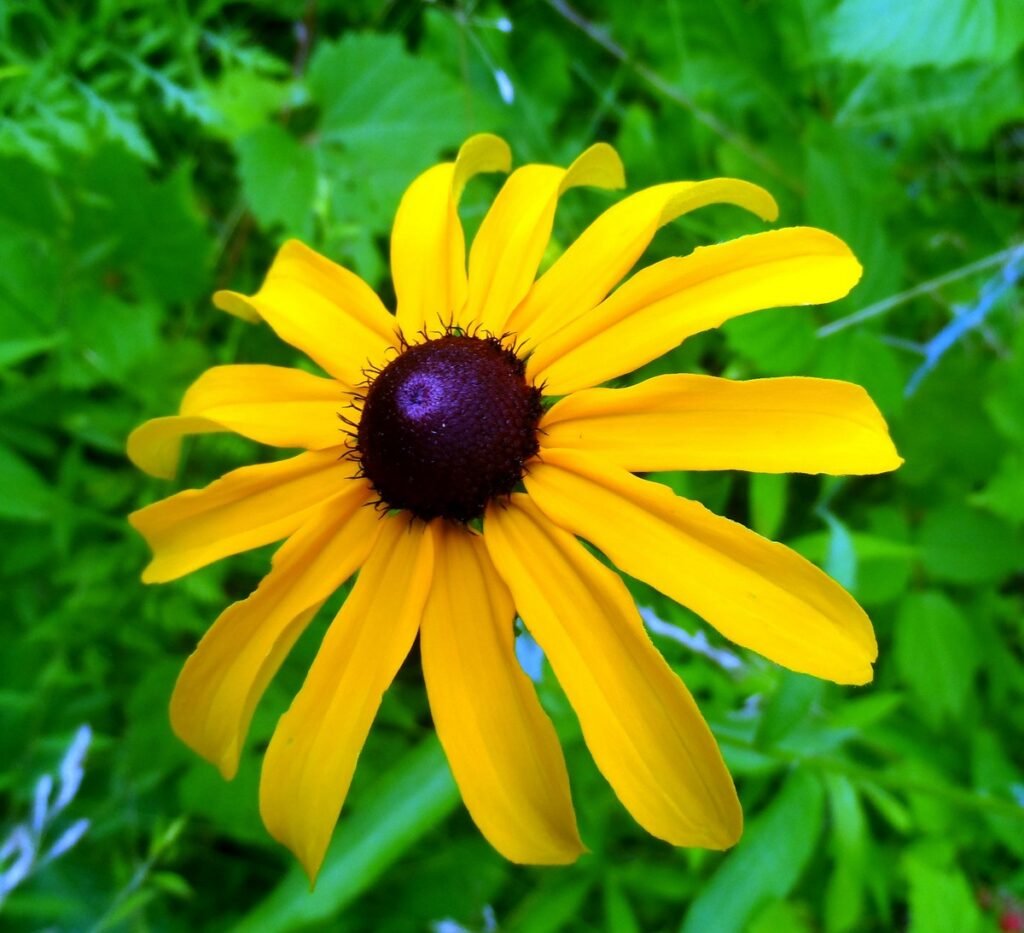
Black-Eyed Susan
Black-Eyed Susan is a beautiful wildflower that is native to North America. I have always been fascinated by this flower, and I decided to do some research to learn more about it.
Introduction and Description
Black-Eyed Susan is a member of the sunflower family, and it is known for its bright yellow petals and dark brown center. The flower typically blooms in the summer and fall, and it can grow up to 3 feet tall. Black-Eyed Susan is a popular choice for gardens and landscaping due to its attractive appearance and easy maintenance.
USDA Plant Zones
Black-Eyed Susan is a hardy plant that can grow in a wide range of climates. It is typically found in USDA Plant Zones 3-9, which covers most of the United States.
Annual or Perennial
Black-Eyed Susan is a perennial plant, which means that it will come back year after year if it is properly cared for. This makes it a great choice for those who want to add some color to their garden without having to replant every year.
Sun Needs
Black-Eyed Susan is a sun-loving plant and it requires at least 6 hours of direct sunlight each day. It can grow in partial shade, but it will not bloom as well as it would in full sun.
Soil Needs
Black-Eyed Susan prefers well-draining soil that is rich in organic matter. It can tolerate a wide range of soil types, but it will not grow well in heavy clay or compacted soil.
Water Needs
Black-Eyed Susan is a drought-tolerant plant that does not require a lot of water. It can survive on rainfall alone, but it will grow and bloom better if it is watered regularly during dry periods.
How to Grow
To grow Black-Eyed Susan, plant it in a sunny location with well-draining soil. Water it regularly, but do not overwater. Deadhead the flowers to encourage more blooms, and divide the plant every 3-4 years to prevent overcrowding. With proper care, Black-Eyed Susan will provide you with beautiful blooms year after year.
Lupines
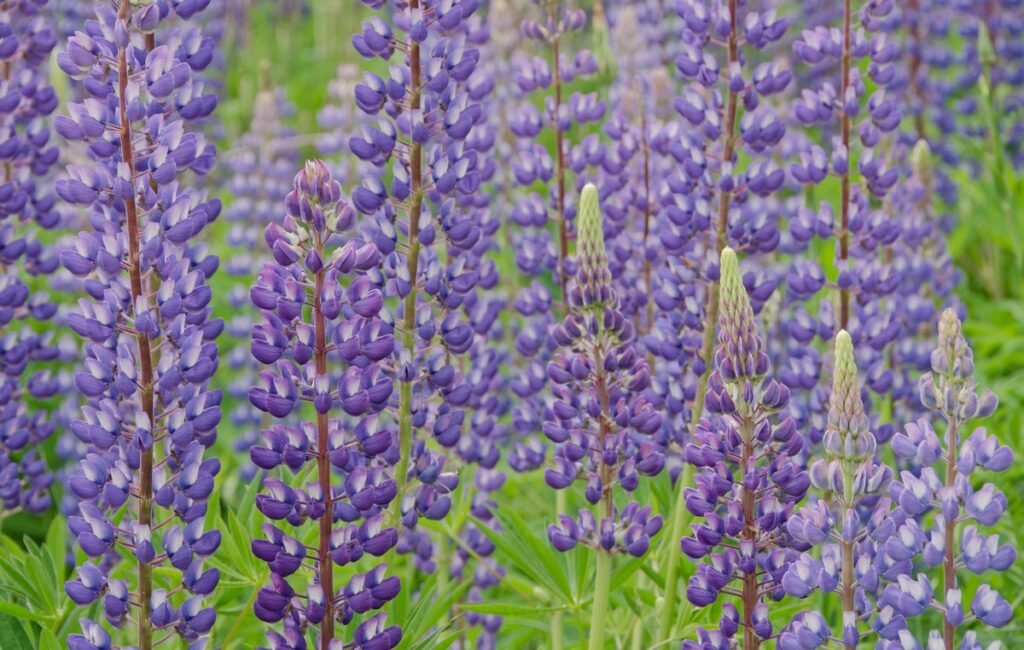
Lupines are one of my favorite wildflowers. They come in a variety of colors, including purple, pink, and white. Lupines are easy to grow and make a great addition to any garden.
Introduction and Description
Lupines are a type of wildflower that are known for their vibrant colors and unique shape. They are a member of the legume family and are often used as a cover crop to improve soil health. Lupines are also a popular choice for gardeners because they are easy to grow and require little maintenance.
USDA Plant Zones
Lupines are hardy in USDA plant zones 4-8. They can tolerate cold temperatures and are often used as a winter cover crop in northern regions.
Annual or Perennial
Lupines can be grown as either an annual or a perennial plant. Annual lupines will only last for one growing season, while perennial lupines will come back year after year.
Sun Needs
Lupines prefer full sun but can tolerate partial shade. They will grow best in a location that receives at least 6 hours of direct sunlight per day.
Soil Needs
Lupines prefer well-draining soil that is slightly acidic. They do not like soil that is too wet or too dry. Adding compost or other organic matter to the soil can help improve its quality and provide the nutrients that lupines need to thrive.
Water Needs
Lupines require regular watering, especially during periods of drought. However, they do not like to be overwatered and will not tolerate standing water.
How to Grow Lupines
To grow lupines, start by selecting a location that receives at least 6 hours of direct sunlight per day. Prepare the soil by adding compost or other organic matter to improve its quality. Plant the lupine seeds in the soil and water them regularly.
Once the lupines have sprouted, thin them out so that they are spaced about 12 inches apart. This will help prevent overcrowding and ensure that each plant has enough room to grow.
Lupines do not require a lot of maintenance, but they should be watered regularly and fertilized once a month during the growing season. Deadheading the flowers can also help promote new growth and prolong the blooming period.
In summary, lupines are a beautiful and easy-to-grow wildflower that can add color and interest to any garden. They prefer full sun, well-draining soil, and regular watering. With a little bit of care and attention, anyone can grow lupines successfully.
Birds of Paradise
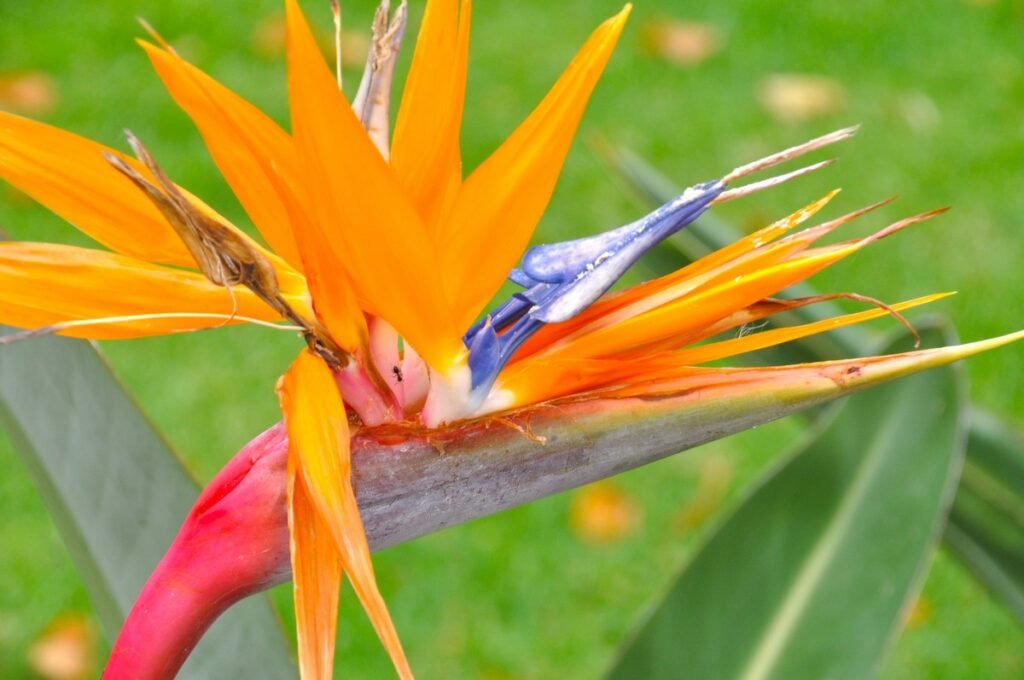
Birds of Paradise are a unique and exotic type of wildflower that are native to South Africa. They are known for their vibrant and colorful blooms that resemble the shape of a bird in flight. In this section, I will provide some information on how to grow and care for Birds of Paradise.
Introduction and Description
Birds of Paradise are a type of wildflower that belong to the Strelitzia genus. They are commonly grown for their stunning blooms, which come in a range of colors including orange, yellow, and blue. The flowers are shaped like a bird’s beak and can reach up to 18 inches in length. Birds of Paradise are a popular choice for gardeners who want to add a touch of exotic flair to their landscape.
USDA Plant Zones
Birds of Paradise are best suited for USDA plant zones 9-11. They prefer warm and humid climates and can be damaged by frost or freezing temperatures.
Annual or Perennial
Birds of Paradise are perennial plants, which means they will come back year after year if properly cared for.
Sun Needs
Birds of Paradise prefer full sun to partial shade. They need at least 6-8 hours of direct sunlight per day in order to thrive.
Soil Needs
Birds of Paradise prefer well-draining soil that is rich in organic matter. They do best in soil with a pH between 6.0 and 7.5.
Water Needs
Birds of Paradise require regular watering to keep their soil moist. During the growing season, they should be watered once or twice a week. In the winter, they can be watered less frequently.
How to Grow Birds of Paradise
To grow Birds of Paradise, start by planting them in a location that receives plenty of sunlight. Make sure the soil is well-draining and rich in organic matter. Water them regularly and fertilize them once a month during the growing season. Prune any dead or damaged foliage as needed. With proper care, Birds of Paradise will thrive and produce stunning blooms year after year.
Cornflower
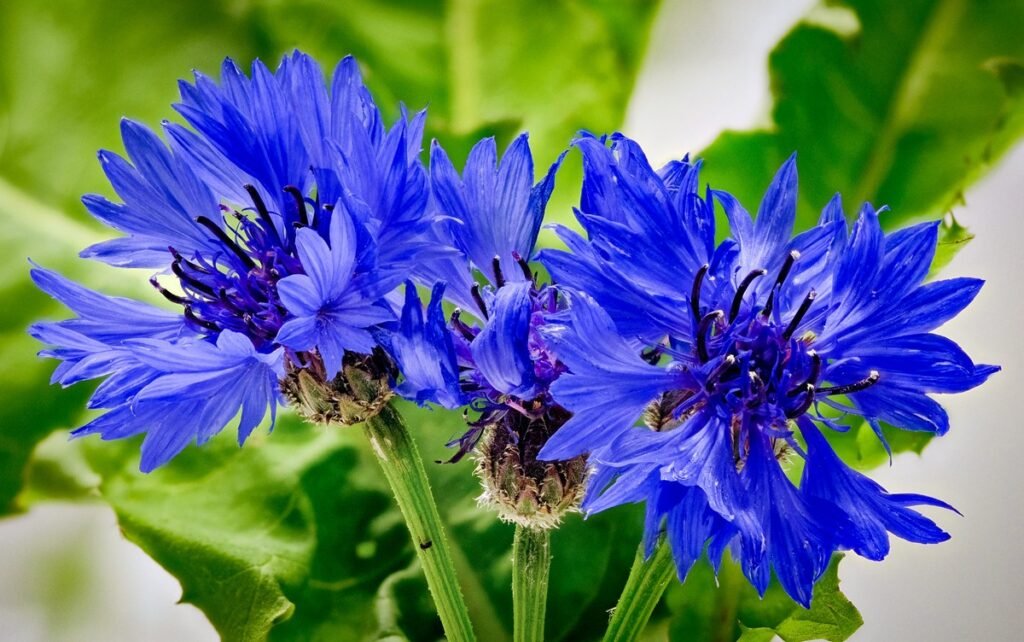
Cornflowers, also known as Bachelor’s Buttons, are a colorful addition to any wildflower garden. I love these flowers for their vibrant blue color and their ability to attract pollinators like bees and butterflies.
In terms of USDA Plant Zones, Cornflowers are hardy in zones 3-9, making them a great option for a wide range of climates. These flowers can be grown as annuals or perennials, depending on your preference and growing conditions.
Cornflowers thrive in full sun, so make sure to plant them in a location that receives at least 6 hours of direct sunlight per day. They also prefer well-draining soil that is neutral to slightly alkaline, with a pH of 6.0-7.5.
When it comes to watering, Cornflowers prefer moderate moisture levels. Be sure to water them regularly, especially during dry spells, but be careful not to overwater as this can lead to root rot.
To grow Cornflowers successfully, plant them in full sun with well-draining soil and moderate moisture levels. Deadhead spent blooms regularly to encourage new growth and enjoy their beautiful blooms all season long.
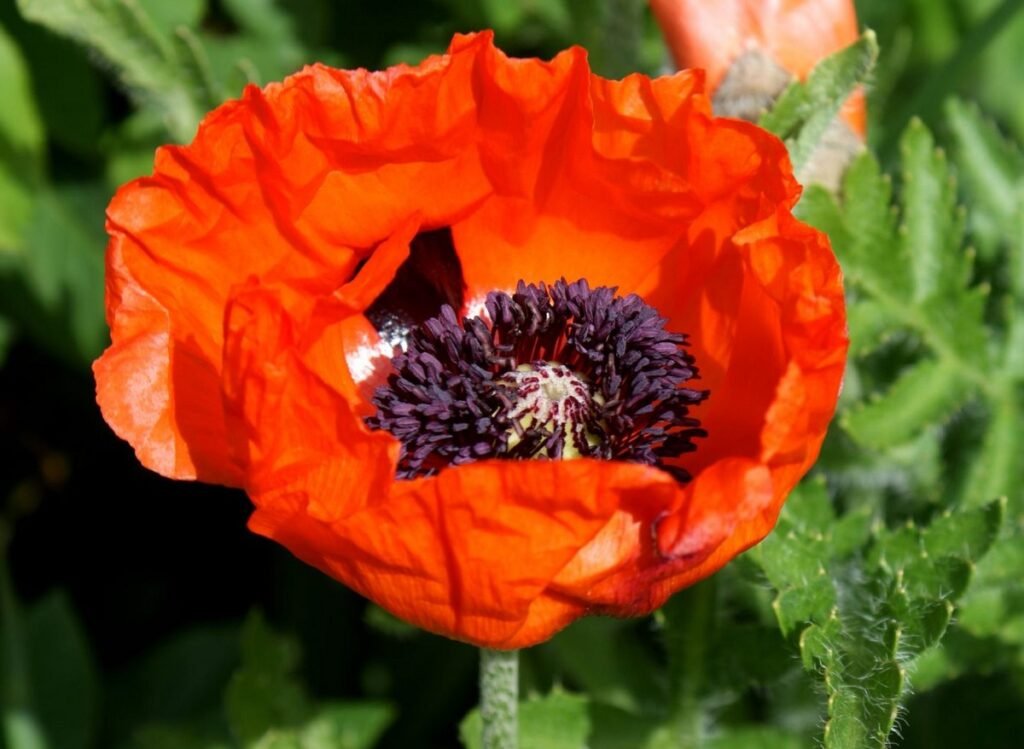
Red Poppy
Red poppies are some of the most beautiful wildflowers you can find. They are known for their vibrant red color and delicate petals. Here is what you need to know about growing red poppies.
Introduction and Description
Red poppies are a type of wildflower that are native to Europe and Asia, but are now found all over the world. They are a member of the Papaveraceae family and are known for their bright red color and distinctive shape. The flowers have four petals and a black center, and can grow up to three feet tall.
USDA Plant Zones
Red poppies can be grown in USDA plant zones 3-9.
Annual or Perennial
Red poppies are an annual plant, which means they complete their life cycle in one growing season.
Sun Needs
Red poppies need full sun to thrive. They should be planted in an area that receives at least six hours of direct sunlight per day.
Soil Needs
Red poppies prefer well-draining soil that is slightly acidic. They can tolerate a range of soil types, including sandy, loamy, and clay soils.
Water Needs
Red poppies do not require a lot of water. They can tolerate drought conditions, but should be watered regularly during dry spells.
How to Grow
To grow red poppies, start by preparing the soil. Remove any weeds or debris, and loosen the soil to a depth of at least six inches. Plant the seeds in the spring, after the last frost date. Scatter the seeds over the soil and cover with a thin layer of soil. Water lightly, and keep the soil moist until the seeds germinate. Once the plants are established, they do not require a lot of care. Water them during dry spells, and remove any dead flowers to encourage new growth.
In conclusion, red poppies are a beautiful addition to any garden. They are easy to grow and require minimal care. Plant them in a sunny location with well-draining soil, and enjoy their vibrant blooms all season long.
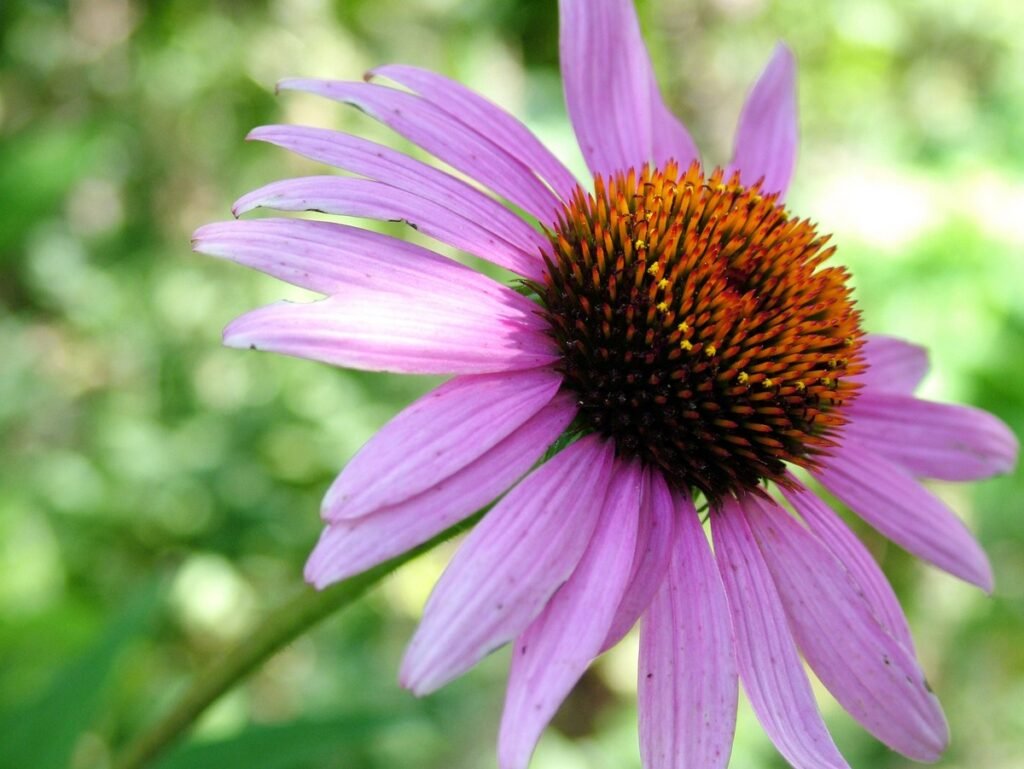
Purple Coneflower
Purple coneflower (Echinacea purpurea) is a beautiful and hardy wildflower that is native to North America. I love growing purple coneflowers in my garden because they are not only stunning to look at, but also attract a variety of pollinators like bees and butterflies.
Introduction and Description
Purple coneflowers have large, daisy-like flowers with a cone-shaped center that is surrounded by drooping petals. The petals are usually a bright shade of pink or purple, but can sometimes be white. The flowers bloom from mid-summer to early fall and can grow up to 4 feet tall.
USDA Plant Zones
Purple coneflowers can be grown in USDA plant zones 3 to 9, which means they are hardy in most parts of the United States.
Annual or Perennial
Purple coneflowers are perennial plants, which means they come back year after year.
Sun Needs
Purple coneflowers prefer full sun to partial shade. They can tolerate some shade, but will produce fewer flowers.
Soil Needs
Purple coneflowers prefer well-drained soil that is rich in organic matter. They can tolerate a wide range of soil types, including clay and sandy soil.
Water Needs
Purple coneflowers are drought-tolerant once established, but they do need regular watering during their first year of growth.
How to Grow
To grow purple coneflowers, plant them in a sunny location with well-drained soil. Water regularly during the first year of growth, but reduce watering once the plants are established. Deadhead the flowers regularly to encourage more blooms. In the fall, cut back the stems to about 6 inches above the ground.
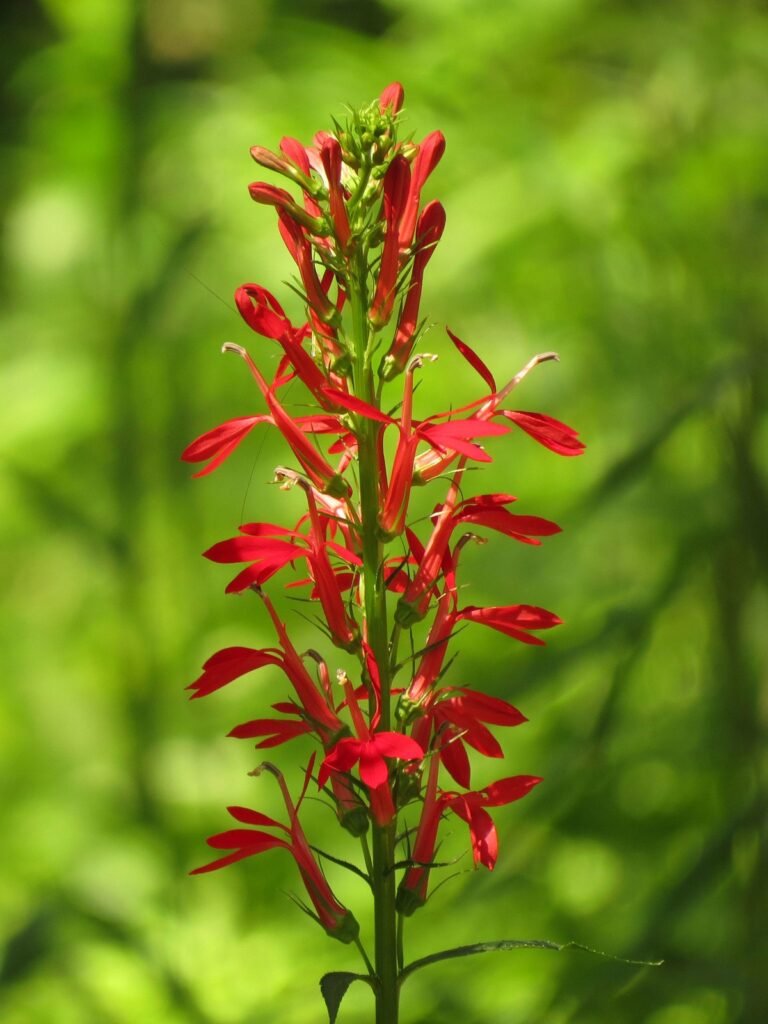
Cardinal Flower
Cardinal flower (Lobelia cardinalis) is a stunning wildflower that is native to North America. As its name suggests, the plant produces bright red flowers that resemble the color of a cardinal’s feathers. In this section, I will discuss the cardinal flower’s growing requirements and how to best cultivate this beautiful plant.
Introduction and Description
The cardinal flower is a perennial wildflower that can grow up to 4 feet tall. It produces tall spikes of flowers that bloom in mid to late summer. The flowers are a magnet for hummingbirds and butterflies, making it a great addition to any garden.
USDA Plant Zones
Cardinal flowers are hardy in USDA plant zones 2-9, which means they can tolerate a wide range of temperatures and climates.
Annual or Perennial
Cardinal flowers are perennials, which means they will come back year after year. They die back in the winter and reemerge in the spring.
Sun Needs
Cardinal flowers prefer partial shade to full sun. They can tolerate some shade, but they will produce fewer flowers.
Soil Needs
Cardinal flowers prefer moist, rich soil. They can tolerate some dryness, but they will do best in soil that is consistently moist.
Water Needs
Cardinal flowers require regular watering, especially during dry spells. They do not tolerate drought well and will wilt if they do not receive enough water.
How to Grow
To grow cardinal flowers, plant them in a location that receives partial shade to full sun. Make sure the soil is consistently moist and well-draining. Water regularly, especially during dry spells. Deadhead spent flowers to encourage more blooms. In the fall, cut the plant back to the ground and mulch to protect the roots during the winter.
In conclusion, cardinal flowers are a beautiful addition to any garden. With the right growing conditions, they will produce stunning red flowers that will attract hummingbirds and butterflies.
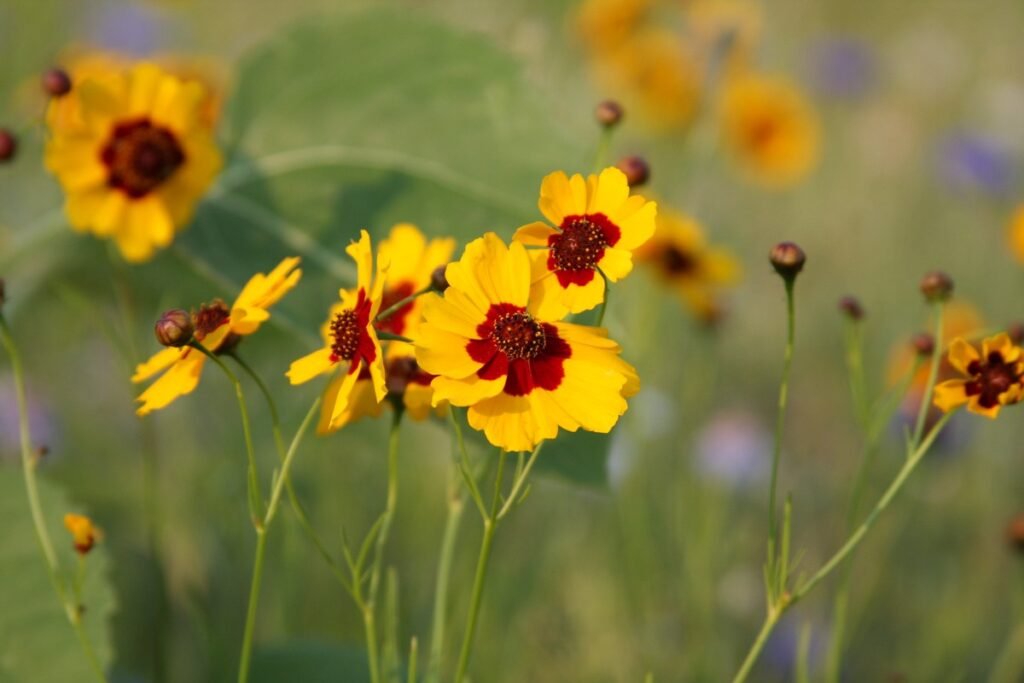
Coreopsis
Coreopsis, also known as tickseed, is a beautiful wildflower that is native to the Americas. I love this flower because it adds a pop of color to any garden and attracts pollinators like bees and butterflies.
Introduction and Description
Coreopsis flowers come in a variety of colors, including yellow, pink, and red. They have daisy-like petals and a dark center. The plant can grow up to 3 feet tall and has a long blooming season, from early summer to fall.
USDA Plant Zones
Coreopsis can grow in a wide range of USDA plant zones, from 3 to 9. This means that it can tolerate both cold and warm temperatures.
Annual or Perennial
Coreopsis can be either an annual or a perennial, depending on the variety. Annuals will only last for one growing season, while perennials will come back year after year.
Sun Needs
Coreopsis loves the sun and needs at least 6 hours of direct sunlight each day. It can tolerate some shade, but too much shade will result in fewer flowers.
Soil Needs
Coreopsis prefers well-draining soil that is slightly acidic to neutral. It can tolerate poor soil, but adding compost or other organic matter will help the plant thrive.
Water Needs
Coreopsis is drought-tolerant and can handle periods of dryness. However, it will bloom more profusely with regular watering.
How to Grow
To grow Coreopsis, plant the seeds in the spring after the last frost. Water regularly until the plant is established, then reduce watering to once a week. Deadhead spent flowers to encourage more blooms. In the fall, cut the plant back to about 6 inches tall. Coreopsis is a low-maintenance plant that is perfect for beginners or anyone looking to add some color to their garden.
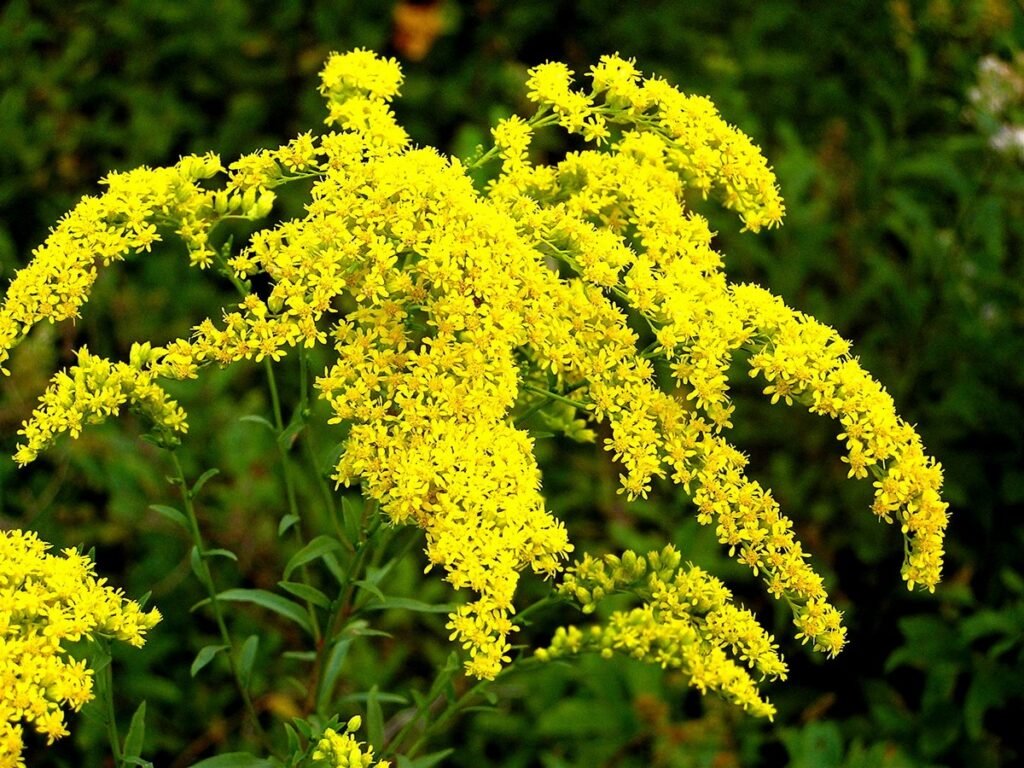
Goldenrod
Goldenrod is a beautiful wildflower that is commonly found across North America. It is a member of the Asteraceae family, which includes daisies and sunflowers. In this section, I will share some information about Goldenrod, including its USDA Plant Zones, whether it is an annual or perennial plant, its sun and soil needs, and how much water it requires.
Goldenrod is a hardy plant that can grow in a wide range of USDA Plant Zones, from Zone 2 to Zone 9. This means that it can thrive in both cold and warm climates. It is a perennial plant, which means that it will come back year after year, unlike annuals that only last for one growing season.
Goldenrod prefers full sun and well-draining soil. It can tolerate a variety of soil types, including sandy, loamy, or clay soils. However, it is important to ensure that the soil is not waterlogged, as this can cause root rot.
Goldenrod is a relatively low-maintenance plant when it comes to watering. It can tolerate periods of drought, but it will do best with consistent moisture. Water the plant deeply once a week, especially during hot and dry spells.
To grow Goldenrod successfully, plant it in a sunny spot with well-draining soil and water it deeply once a week. It doesn’t require much fertilizer, but you can add a slow-release fertilizer in the spring if desired. With proper care, Goldenrod can add a beautiful touch of gold to your garden for years to come.
Blanket Flowers
Blanket flowers are a beautiful addition to any garden or wildflower meadow. As an avid gardener, I have always been drawn to their bright colors and unique shape. In this section, I will provide you with some information on the different aspects of blanket flowers.
Introduction and Description
Blanket flowers, also known as Gaillardia, are native to North and South America. They are named for their resemblance to the brightly colored blankets used by Native Americans. Blanket flowers are members of the sunflower family and have a daisy-like appearance with red, yellow, and orange petals surrounding a central disk. They typically bloom from early summer to fall and attract pollinators such as bees and butterflies.
USDA Plant Zones
Blanket flowers are hardy in USDA plant zones 3-10, making them a great option for a wide range of climates. They thrive in hot, dry conditions and are often found in prairies and meadows.
Annual or Perennial
Blanket flowers are typically grown as perennials, meaning they will come back year after year. However, they can also be grown as annuals in colder climates where they may not survive the winter.
Sun Needs
Blanket flowers need full sun to thrive. They require at least 6 hours of sunlight per day and prefer hot, dry conditions.
Soil Needs
Blanket flowers prefer well-draining soil and do not tolerate wet conditions. They can grow in a range of soil types, but prefer slightly acidic to neutral soil.
Water Needs
Blanket flowers are drought-tolerant and do not require much water once established. However, they will benefit from occasional watering during prolonged dry spells.
Summarize How Best to Grow This Plant
To grow blanket flowers, plant them in a sunny, well-draining area with slightly acidic to neutral soil. Water occasionally during prolonged dry spells, but otherwise, they are drought-tolerant. As perennials, they will come back year after year, adding a pop of color to your garden or wildflower meadow.

Coreopsis Tinctoria
Coreopsis Tinctoria, also known as Plains Coreopsis or Golden Tickseed, is a beautiful wildflower that can add a pop of color to any garden or landscape. As someone who loves gardening, I have always been fascinated by this plant and its vibrant blooms.
Introduction and Description
The Coreopsis Tinctoria plant is native to North America and is a member of the Asteraceae family. It typically grows to be about 1-3 feet tall and 1-2 feet wide. The flowers are bright yellow with maroon centers, and they bloom from June to September. The plant has a bushy growth habit and can be a great addition to any garden.
USDA Plant Zones
Coreopsis Tinctoria can grow in a wide range of USDA plant hardiness zones, from 3 to 9. This means that it can tolerate a wide range of temperatures and climates, making it a versatile plant for gardeners across the country.
Annual or Perennial
Coreopsis Tinctoria is an annual plant, which means that it completes its life cycle in one growing season. However, it readily self-seeds, so it can often reappear in the same spot year after year.
Sun Needs
This plant loves full sun and can tolerate partial shade, but it will produce fewer blooms in shadier areas. Make sure to plant it in a location that gets at least six hours of direct sunlight per day.
Soil Needs
Coreopsis Tinctoria prefers well-draining soil that is slightly acidic to neutral (pH 6.0-7.0). It can grow in poor soil conditions, but it will thrive in soil that is rich in organic matter.
Water Needs
Coreopsis Tinctoria is a drought-tolerant plant that prefers dry to medium moisture levels. It can survive in periods of drought, but it will produce fewer blooms and may not grow as tall.
How to Grow
To grow Coreopsis Tinctoria, plant the seeds in well-draining soil in a sunny location. Water the seeds regularly until they germinate, then reduce watering to once a week. Deadhead the flowers regularly to encourage more blooms, and cut back the plant in the fall after it has finished blooming. With proper care, this plant can add a beautiful splash of color to any garden.

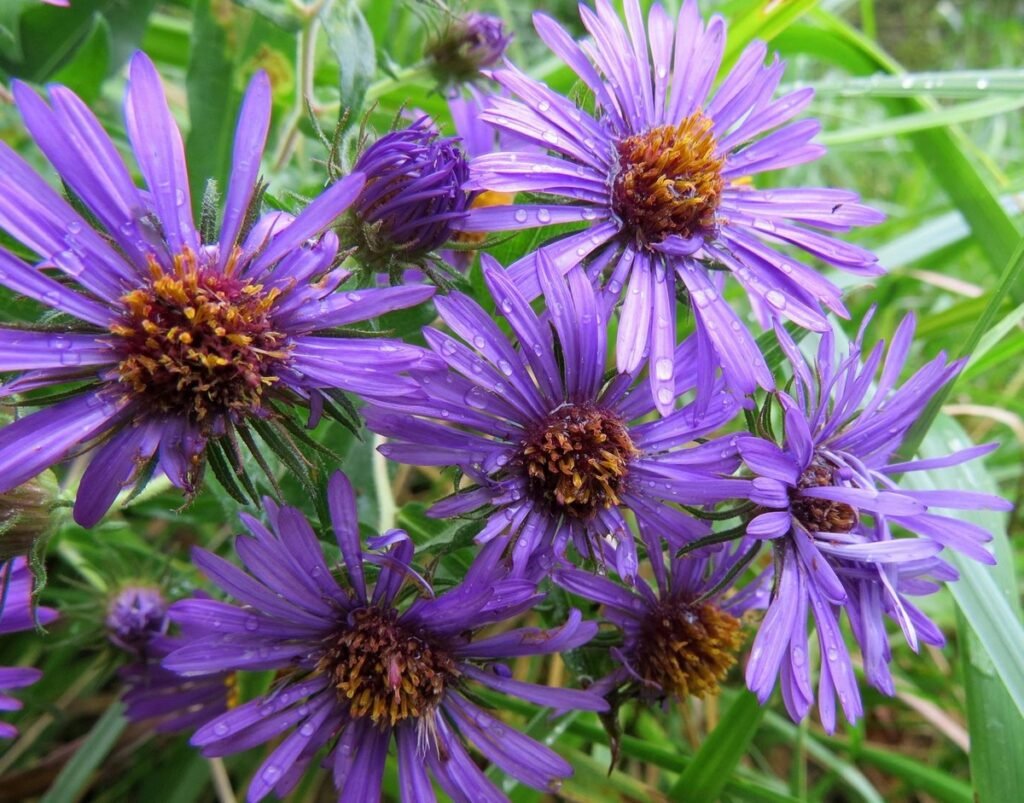
New England Aster
New England Aster is a beautiful wildflower that can add color and life to any garden. As someone who loves gardening, I highly recommend this plant to anyone looking to add some natural beauty to their yard.
Introduction and Description
The New England Aster is a native wildflower that is found in many parts of North America. It is a tall plant that can grow up to 6 feet in height and has large, vibrant purple flowers that bloom in late summer and early fall. The flowers are daisy-like in appearance and can be up to 2 inches in diameter.
USDA Plant Zones
This plant can grow in USDA plant zones 3 to 8, which makes it a great choice for many regions in the United States.
Annual or Perennial
New England Aster is a perennial plant, which means that it will come back year after year. This makes it a great investment for your garden.
Sun Needs
This plant needs full sun to thrive. It should be planted in an area that gets at least 6 hours of direct sunlight per day.
Soil Needs
The New England Aster prefers well-draining soil that is rich in organic matter. It can grow in a variety of soil types, but it does best in soil that is slightly acidic.
Water Needs
This plant needs regular watering, especially during the first year after planting. It should be watered deeply once a week, or more often during dry spells.
How to Grow
To grow the New England Aster, plant it in a sunny location with well-draining soil. Water it regularly and fertilize it once a year with a balanced fertilizer. Deadhead the flowers as they fade to encourage more blooms. In the fall, cut the plant back to about 6 inches above the ground to promote healthy growth in the spring.
Overall, the New England Aster is a great choice for anyone looking to add some natural beauty to their garden. With a little bit of care and attention, this plant can thrive in many different environments.
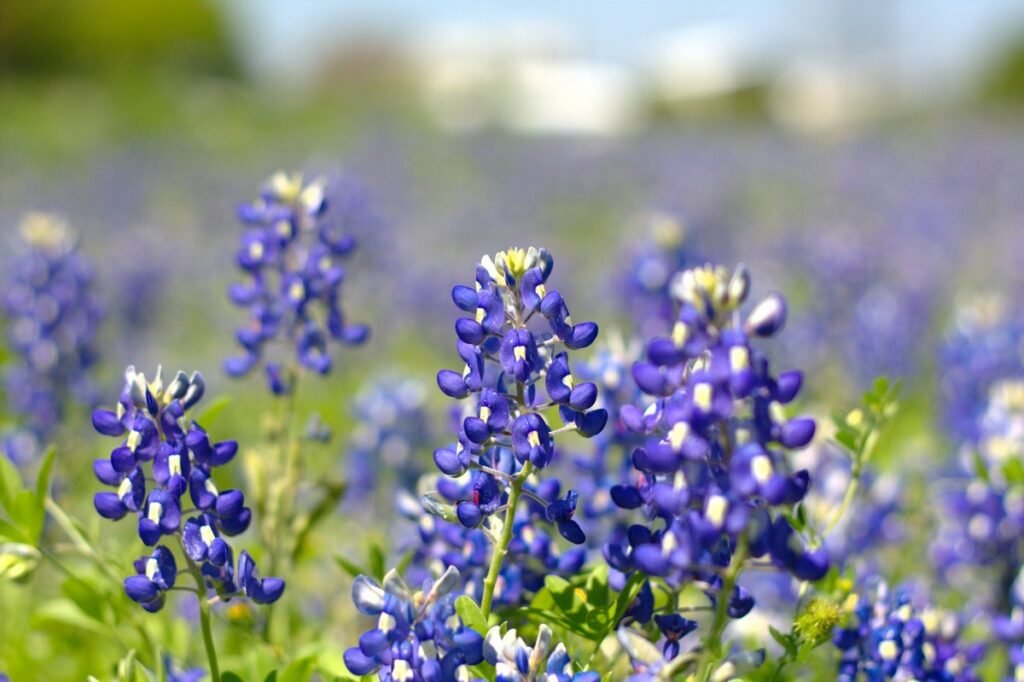
Bluebonnet
Bluebonnets are one of my favorite wildflowers. They are a type of lupine that is native to Texas, but they can also be found in other parts of the United States.
Introduction and Description
The bluebonnet is a beautiful flower that has a distinct blue color. It has a unique shape and is often compared to a butterfly. The flower has five petals that are arranged in a way that makes it look like a butterfly in flight.
USDA Plant Zones
Bluebonnets are well-suited for USDA plant zones 7-10. They can tolerate cold temperatures, but they do not do well in areas with high humidity.
Annual or Perennial
Bluebonnets are annuals, which means that they only live for one growing season. They will reseed themselves, though, so they can come back year after year.
Sun Needs
Bluebonnets need full sun to thrive. They will not do well in shaded areas.
Soil Needs
Bluebonnets prefer well-drained soil that is slightly acidic. They do not do well in heavy or clay soils.
Water Needs
Bluebonnets are drought-tolerant and do not need a lot of water. They can survive on rainfall alone, but they will benefit from occasional watering during dry spells.
How to Grow Bluebonnets
To grow bluebonnets, you should plant them in well-drained soil in a sunny location. They should be planted in the fall so that they have time to establish themselves before the winter. Water them occasionally during dry spells, but do not overwater them. Allow the plants to reseed themselves so that they can come back year after year.
That’s it! With a little bit of care, you can enjoy the beauty of bluebonnets in your garden or in the wild.
Common Milkweed
I love the Common Milkweed! It’s a beautiful plant that is easy to grow and provides food for monarch butterflies. Here are some things you should know if you want to grow this wildflower in your garden.
Introduction and Description
Common Milkweed (Asclepias syriaca) is a native wildflower found throughout most of the United States. It grows to be about 3-6 feet tall and produces clusters of pink or purple flowers in mid-summer. The flowers are followed by large seed pods that split open in the fall to release seeds that are carried by the wind.
USDA Plant Zones
Common Milkweed is hardy in USDA Plant Zones 3-9. It can tolerate a wide range of temperatures, but it prefers a moderate climate.
Annual or Perennial
Common Milkweed is a perennial plant, which means it will come back year after year. It dies back to the ground in the winter and then regrows in the spring.
Sun Needs
Common Milkweed prefers full sun, but it can also grow in partial shade. If you want it to grow tall and produce more flowers, then plant it in an area that gets at least 6 hours of direct sunlight per day.
Soil Needs
Common Milkweed can grow in a variety of soils, but it prefers well-drained soil that is rich in organic matter. It can tolerate dry soil, but it will grow better in soil that is kept consistently moist.
Water Needs
Common Milkweed does not need a lot of water once it is established. It can tolerate drought, but it will grow better if it is watered regularly during dry periods.
How to Grow
To grow Common Milkweed, plant seeds in the spring after the last frost. You can also transplant seedlings or root cuttings. Make sure to plant them in an area that gets plenty of sun and has well-drained soil. Water them regularly until they are established, and then let them grow on their own. Common Milkweed can spread quickly, so be sure to give it plenty of room to grow.
In summary, Common Milkweed is a beautiful and easy-to-grow wildflower that can provide food for monarch butterflies. It prefers full sun and well-drained soil, and it can tolerate drought once it is established. If you want to grow this plant in your garden, just make sure to give it plenty of room to spread.

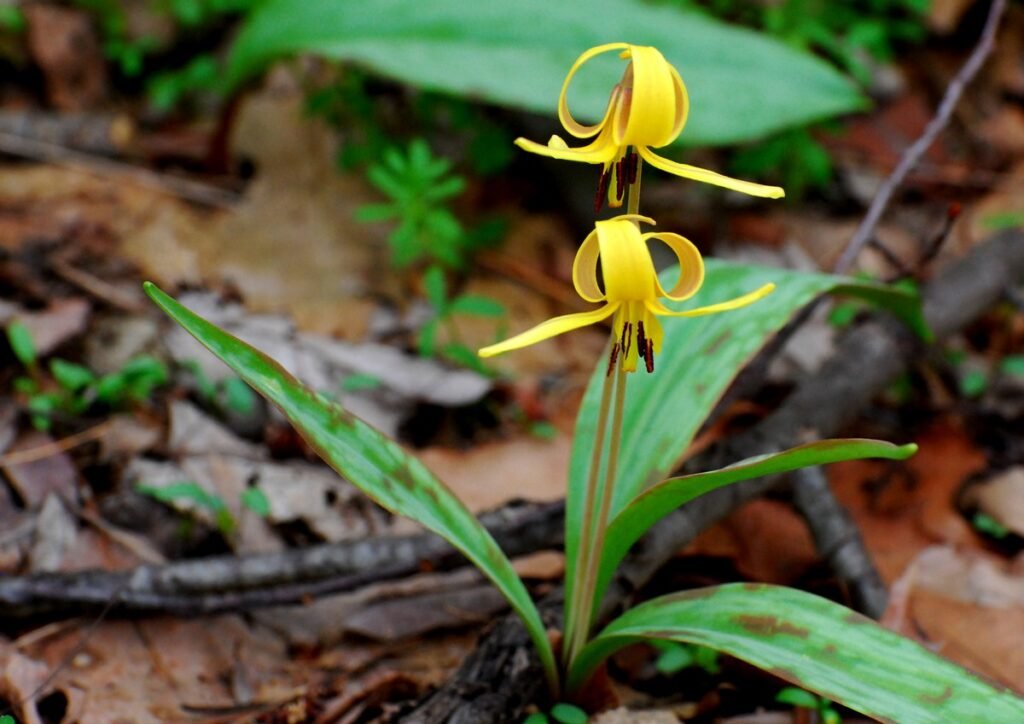
Dogtooth Violet
Dogtooth Violet, also known as Erythronium americanum, is a beautiful wildflower that blooms in early spring. I love seeing them pop up in the woods and along streams near my home.
According to the USDA Plant Zones, Dogtooth Violet can be found in zones 3 through 8. This means they can tolerate a wide range of temperatures and climates.
Dogtooth Violet is a perennial plant, which means it will come back year after year. It prefers to grow in partial shade, making it an excellent addition to woodland gardens.
When it comes to soil needs, Dogtooth Violet prefers well-drained soil that is rich in organic matter. It is also important to note that this plant does not like wet feet, so make sure the area has good drainage.
Water needs for Dogtooth Violet are moderate. It prefers to be kept moist but not waterlogged. It is important to water it regularly during the growing season, especially during dry spells.
To grow Dogtooth Violet, plant the bulbs in the fall, about 3 inches deep and 4 to 6 inches apart. Mulch the area to help retain moisture and protect the bulbs during the winter. In the spring, when the plant begins to grow, remove the mulch and water regularly.
In summary, Dogtooth Violet is a beautiful wildflower that prefers partial shade and well-drained soil. It requires moderate watering and is best planted in the fall. With a little care, this perennial plant will come back year after year, adding beauty to any garden.
Prairie Gentian
Prairie Gentian is a beautiful wildflower that can add a pop of color to any garden. In this section, I will provide some information about this plant that will help you grow it successfully.
Introduction and Description
Prairie Gentian, also known as Eustoma exaltatum, is a wildflower that is native to North America. It is a member of the Gentian family and is known for its striking blue or purple flowers. The flowers are trumpet-shaped and can grow up to 2 inches in diameter. Prairie Gentian can grow up to 2 feet tall and has a spread of about 1 foot.
USDA Plant Zones
Prairie Gentian is a plant that can grow in USDA Plant Zones 5 to 9. It is a hardy plant that can withstand cold temperatures and can grow in a variety of soil types.
Annual or Perennial
Prairie Gentian is a perennial plant. This means that it will come back year after year if it is cared for properly.
Sun Needs
Prairie Gentian needs full sun to grow properly. It can tolerate some shade, but it will not flower as well if it is not in full sun.
Soil Needs
Prairie Gentian can grow in a variety of soil types, but it prefers well-draining soil that is rich in organic matter. It can tolerate some drought, but it needs to be watered regularly to keep the soil moist.
Water Needs
Prairie Gentian needs to be watered regularly to keep the soil moist. It can tolerate some drought, but it will not grow well if it is not watered regularly.
Summarize how best to grow this plant in 1 or 2 sentences.
To grow Prairie Gentian successfully, plant it in full sun in well-draining soil that is rich in organic matter. Water it regularly to keep the soil moist, and it will reward you with beautiful blue or purple flowers year after year.
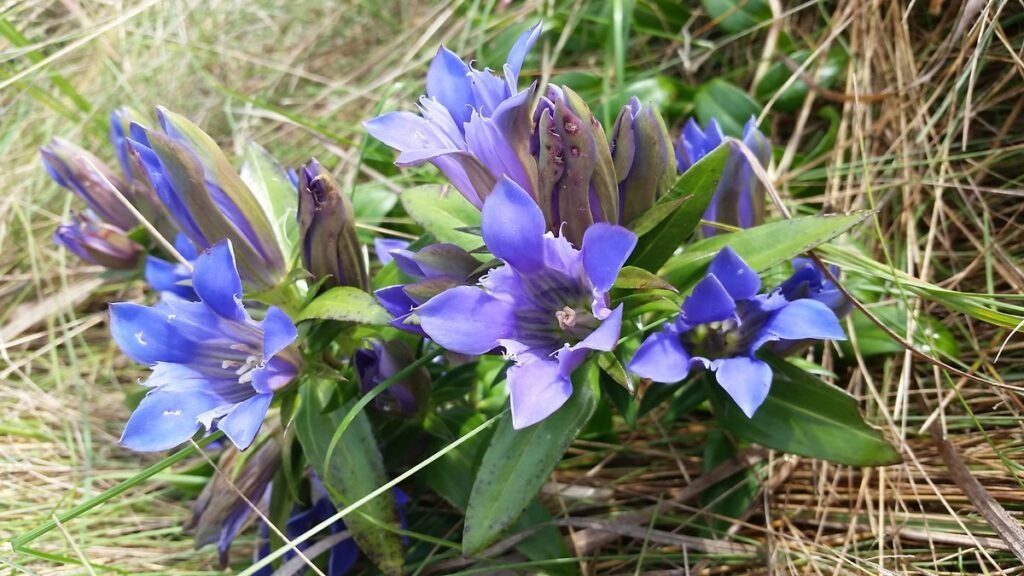
Fringed Gentian
Fringed Gentian is a beautiful wildflower that blooms in the late summer and fall, adding a splash of vibrant blue to the landscape. As a lover of wildflowers, I always look forward to seeing these delicate blooms.
Introduction and Description
Fringed Gentian, or Gentianopsis crinita, is a native wildflower in North America. It is a member of the Gentian family and is known for its striking blue flowers with fringed petals. The blooms are about 1-2 inches in diameter and are borne on stems that can reach up to 2 feet tall.
USDA Plant Zones
Fringed Gentian is found in USDA Plant Zones 3-8, which covers most of the United States.
Annual or Perennial
Fringed Gentian is a perennial plant, which means it will come back year after year.
Sun Needs
Fringed Gentian prefers full sun to partial shade. It will bloom best in areas with at least 6 hours of direct sunlight per day.
Soil Needs
Fringed Gentian prefers well-drained soils that are slightly acidic. It can grow in a variety of soil types, but it does not do well in heavy clay soils.
Water Needs
Fringed Gentian prefers consistently moist soils and will not tolerate drought. It is important to keep the soil evenly moist, but not waterlogged.
Growing Tips
To grow Fringed Gentian, start by selecting a location with well-drained soil and full to partial sun. Plant the seeds in the spring or fall, and keep the soil consistently moist. Once the plants are established, they will require minimal care. Deadhead the spent blooms to encourage more flowers, and divide the plants every few years to prevent overcrowding.
In summary, Fringed Gentian is a beautiful wildflower that is easy to grow and adds a splash of blue to the garden in late summer and fall. With the right growing conditions and minimal care, this perennial plant will thrive for years to come.
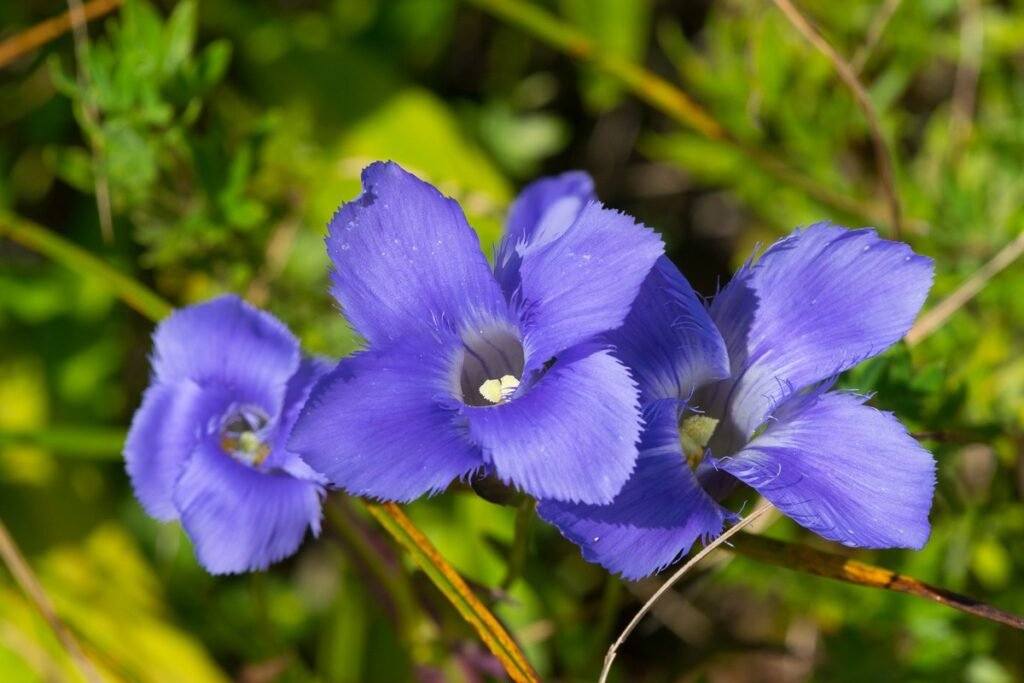
Bee Balm
Bee balm is a beautiful wildflower that is native to North America. It is also known as wild bergamot, horsemint, and Oswego tea. I love the vibrant colors of its flowers and the sweet scent that they give off.
Introduction and Description
Bee balm is a member of the mint family and is a popular choice for gardens and landscaping. It is a hardy plant that can grow up to 4 feet tall and produces clusters of flowers that bloom in mid-summer. The flowers come in a variety of colors, including pink, purple, red, and white, and are a favorite of bees, butterflies, and hummingbirds.
USDA Plant Zones
Bee balm can be grown in USDA plant zones 4-9.
Annual or Perennial
Bee balm is a perennial plant, meaning that it will come back year after year.
Sun Needs
Bee balm prefers full sun, but it can also tolerate partial shade.
Soil Needs
Bee balm prefers well-draining soil that is rich in organic matter. It can also tolerate a range of soil types, including clay, loam, and sandy soil.
Water Needs
Bee balm needs regular watering, especially during hot and dry weather. However, it is important not to overwater the plant, as this can lead to root rot.
Summary
To grow bee balm successfully, plant it in well-draining soil in a sunny location. Water it regularly and make sure not to overwater it. With the right care, bee balm can add a beautiful pop of color to any garden or landscape.
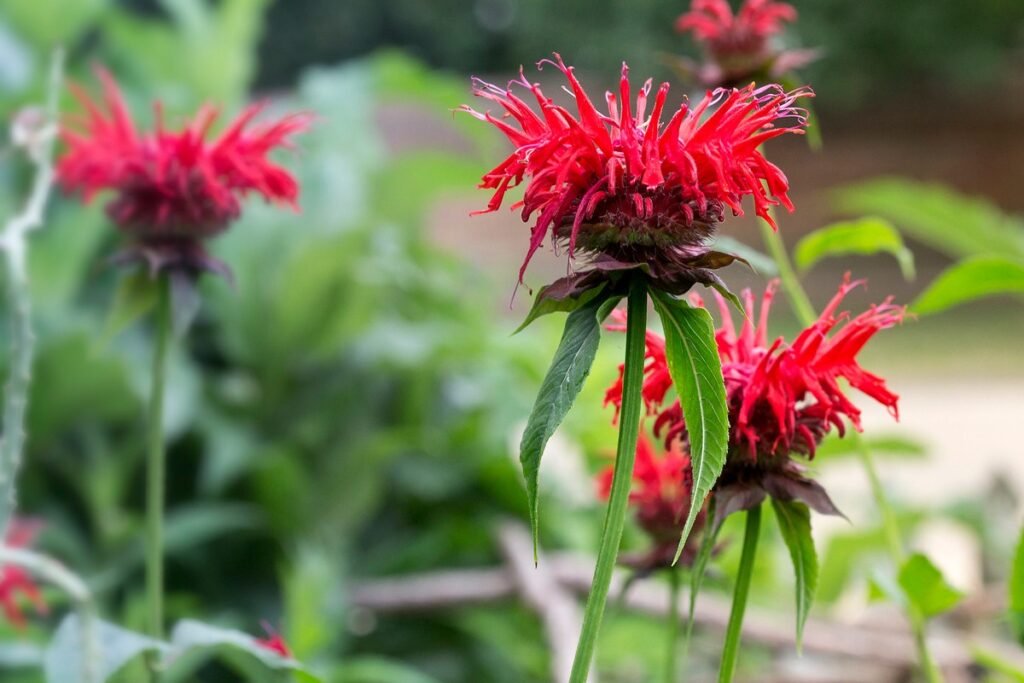
Blazing Star
Blazing Star is a beautiful wildflower that has long spikes of purple or white flowers. I love seeing them in the wild and in my garden. Here are some things to know about this stunning plant.
Introduction and Description
Blazing Star, also known as Liatris, is a member of the Asteraceae family. It is native to North America and can be found in many regions of the United States. This plant is known for its tall spikes of flowers that bloom in mid to late summer. The flowers are typically purple or white and have a unique shape that makes them stand out in any garden.
USDA Plant Zones
Blazing Star is a hardy plant that can grow in a variety of climates. It is typically found in USDA Plant Zones 3-9.
Annual or Perennial
Blazing Star is a perennial plant, which means it will come back year after year. This makes it a great choice for gardeners who want a low-maintenance plant that will continue to bloom for many years.
Sun Needs
Blazing Star is a sun-loving plant and needs at least 6 hours of direct sunlight each day. It can tolerate some shade, but will not bloom as well in shady areas.
Soil Needs
Blazing Star prefers well-drained soil that is rich in organic matter. It can tolerate a range of soil types, but does not like soil that is too wet or too dry.
Water Needs
Blazing Star is a drought-tolerant plant and does not need a lot of water. It can survive on natural rainfall, but will benefit from occasional watering during dry spells.
How to Grow
To grow Blazing Star, plant it in a sunny location with well-drained soil. Water it occasionally during dry spells, but avoid over-watering. Deadhead the flowers after they bloom to encourage more blooms later in the season. Blazing Star can be propagated by dividing the roots in the spring or fall.
Blazing Star is a beautiful and easy-to-grow plant that will add color and interest to any garden. Give it a try and enjoy the stunning spikes of flowers year after year.
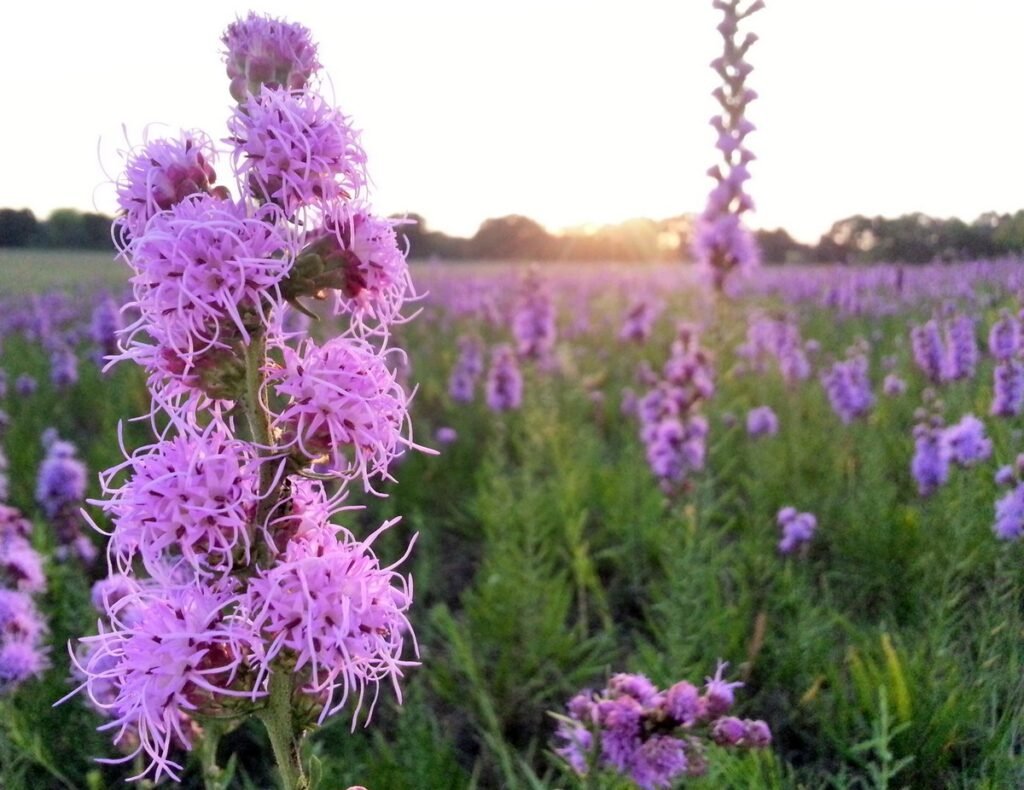
Yarrow
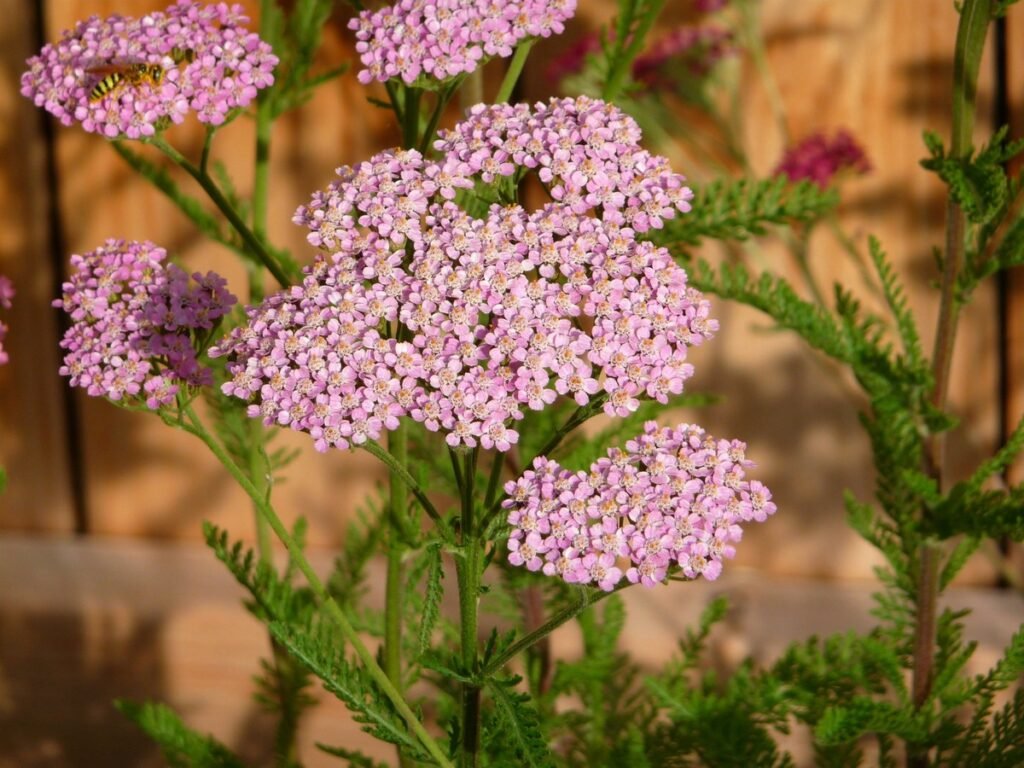
Yarrow is a beautiful wildflower that I love to grow in my garden. It has fern-like leaves and clusters of small, delicate flowers that come in shades of white, pink, and yellow. Here’s what you need to know about growing yarrow:
USDA Plant Zones
Yarrow is a hardy plant that can grow in a wide range of climates. It is suitable for USDA plant zones 3-9.
Annual or Perennial
Yarrow is a perennial plant, which means it will come back year after year. It is a great choice for gardeners who want a low-maintenance plant that will provide beautiful blooms for many years.
Sun Needs
Yarrow needs full sun to thrive. It can tolerate some shade, but it will produce fewer flowers in shady conditions. Make sure to plant it in a spot that gets at least 6 hours of direct sunlight each day.
Soil Needs
Yarrow prefers well-draining soil that is not too rich. It can tolerate poor soil, but it will not do well in soil that is too wet or too fertile. If your soil is heavy and clay-like, add some sand or perlite to improve drainage.
Water Needs
Yarrow is a drought-tolerant plant that does not need a lot of water. Water it deeply once a week during dry spells, but do not overwater it. Too much water can cause the roots to rot.
To grow yarrow successfully, plant it in a sunny spot with well-draining soil. Water it deeply once a week during dry spells, but do not overwater it. With a little bit of care, you can enjoy beautiful blooms from this lovely wildflower year after year.