
As someone who loves gardening, I am always looking for ways to make the process easier and more sustainable. One method that has caught my attention recently is planting wildflowers without tilling. Tilling can be a time-consuming and labor-intensive process, and it can also disrupt the delicate ecosystem of your garden. By skipping tilling and planting wildflowers directly into the soil, you can save time, energy, and resources while still enjoying a beautiful and vibrant garden.
One of the benefits of planting wildflowers without tilling is that it can help to preserve the soil’s natural structure. Tilling can break up the soil and disrupt the delicate balance of microorganisms that live within it. This can lead to soil erosion, nutrient loss, and other problems that can negatively impact your garden’s health. By planting wildflowers directly into the soil, you can avoid these issues and create a more sustainable and resilient garden.
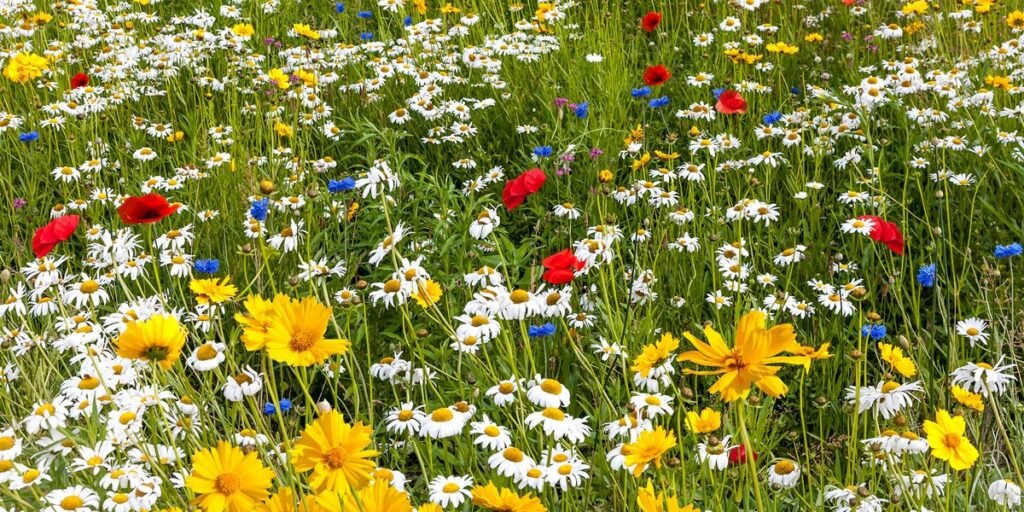
Another advantage of this method is that it can help to attract beneficial insects and pollinators to your garden. Wildflowers are a great source of food and habitat for bees, butterflies, and other important pollinators. By planting them directly into the soil, you can create a welcoming environment that supports these creatures and helps to ensure the health and vitality of your garden.
Why Plant Wildflowers Without Tilling?
As a gardener, I always strive to find the best ways to grow plants without harming the environment. When it comes to planting wildflowers, I have found that tilling is not always necessary. In fact, there are several reasons why planting wildflowers without tilling is beneficial.
Firstly, tilling can disrupt the natural ecosystem of the soil. When you till the soil, you are breaking up the soil structure, which can damage the delicate balance of microorganisms and beneficial insects that live in the soil. This can lead to soil erosion and a decrease in soil fertility.

Secondly, tilling can also bring dormant weed seeds to the surface, which can lead to an increase in weed growth. By planting wildflowers without tilling, you can avoid disturbing the soil and potentially bringing weed seeds to the surface.
Lastly, planting wildflowers without tilling can save you time and energy. Tilling can be a labor-intensive process, especially if you have a large area to plant. By skipping the tilling process, you can save time and energy and still achieve a beautiful wildflower garden.
Overall, planting wildflowers without tilling is a great way to promote a healthy and sustainable garden. It can help preserve the soil’s natural ecosystem, reduce weed growth, and save you time and energy.
Preparing the Site
Before planting wildflowers without tilling, it’s important to prepare the site properly. This will help ensure that your wildflowers thrive and grow strong. In this section, I’ll cover two important site preparation steps: clearing the area and soil testing.
Clearing the Area
The first step in preparing the site is to clear the area of any weeds, grasses, or other unwanted vegetation. This can be done by hand or with a weed trimmer. If the area is large, you might consider renting a brush cutter or hiring a professional to clear the area for you.
Related: Planting Wildflowers in Grass
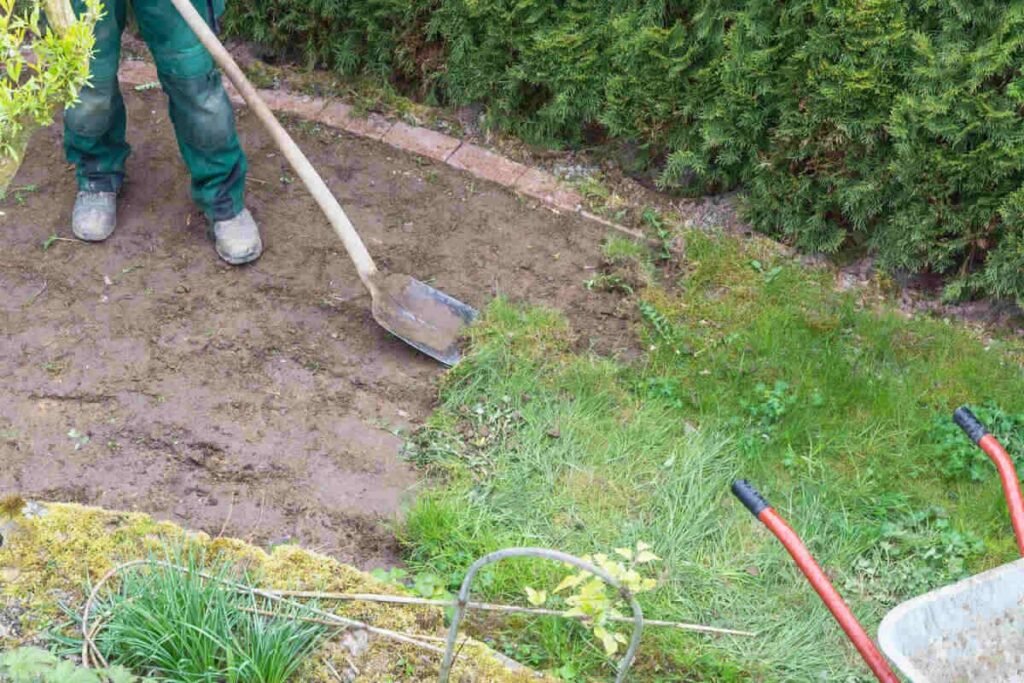
Once the area is clear, it’s important to remove any roots or debris that might interfere with the wildflowers’ growth. This can be done by raking the area or using a leaf blower.
Soil Testing
The second step in preparing the site is to test the soil. This will help you determine the pH level, nutrient content, and texture of the soil. You can purchase a soil testing kit at your local garden center or online.
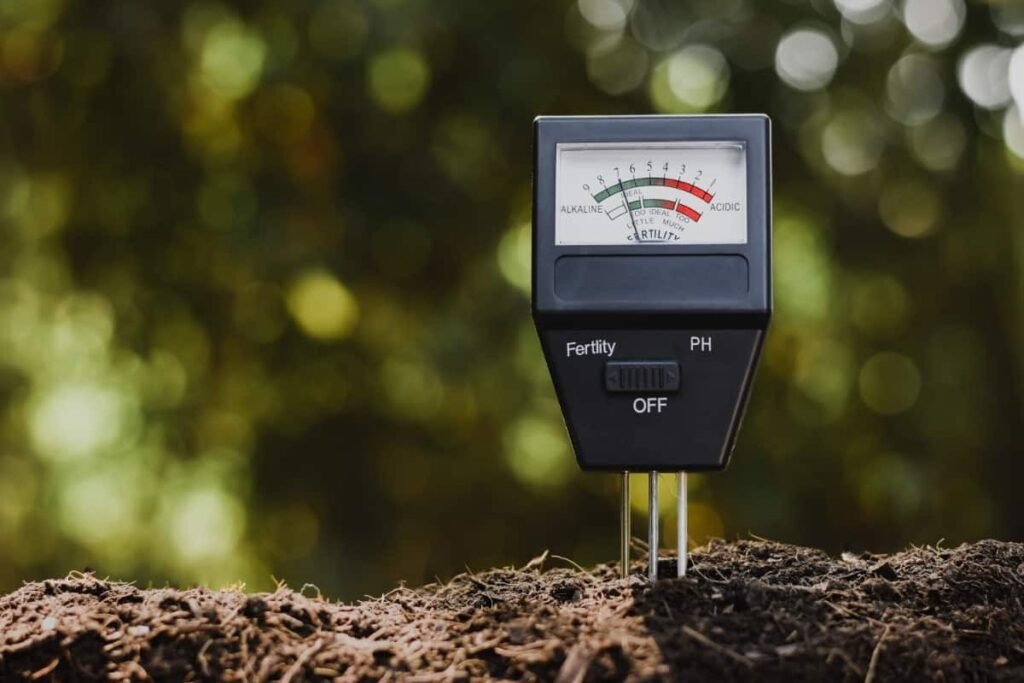
Once you have your soil test results, you can amend the soil as necessary. If the pH level is too low, you can add lime to raise it. If the pH level is too high, you can add sulfur to lower it. If the soil is lacking in nutrients, you can add compost or fertilizer to improve it.
In conclusion, preparing the site is an important step in planting wildflowers without tilling. By clearing the area and testing the soil, you can ensure that your wildflowers have the best chance of growing strong and healthy.
Choosing Wildflowers
Native vs. Non-Native
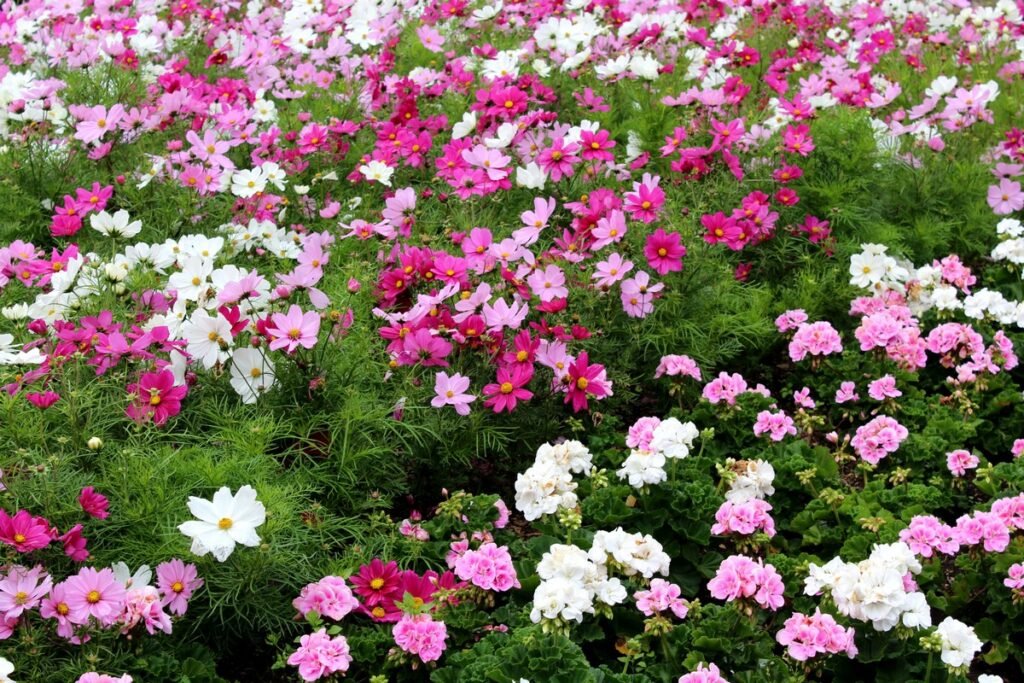
When choosing wildflowers to plant without tilling, it is important to consider whether you want to plant native or non-native species. Native wildflowers are plants that have evolved in a specific region over time and have adapted to the local climate and soil conditions. They provide important habitat and food sources for local wildlife and insects. Non-native wildflowers, on the other hand, are plants that have been introduced from other regions or countries. While they may be beautiful and easy to grow, they can sometimes become invasive and outcompete native species, disrupting the local ecosystem.
Annual vs. Perennial
Another factor to consider when choosing wildflowers is whether you want to plant annual or perennial species. Annual wildflowers complete their life cycle in one growing season and will need to be replanted each year. Perennial wildflowers, on the other hand, will come back year after year, providing a more long-term solution.
When selecting wildflowers, choosing species well-suited to your local climate and soil conditions is important. When selecting, consider factors such as sun exposure, soil type, and moisture levels. You may also want to choose a mix of species that bloom at different times throughout the growing season to provide a continuous source of nectar and pollen for pollinators.
Overall, selecting the right wildflowers for your garden can be a fun and rewarding process. By choosing native and well-adapted species, you can create a beautiful and ecologically beneficial garden without the need for tilling.
[Planting wildflowers without tilling] is a great way to create a low-maintenance garden that provides important habitat for wildlife and supports pollinators.
Planting Wildflowers Without Tilling
Seed Sowing Techniques
When planting wildflowers without tilling, it is important to choose the right seed-sowing technique. One option is to scatter the seeds directly onto the soil surface. This can be done by hand or with a seed spreader. Another option is to mix the seeds with sand or soil to help distribute them evenly.
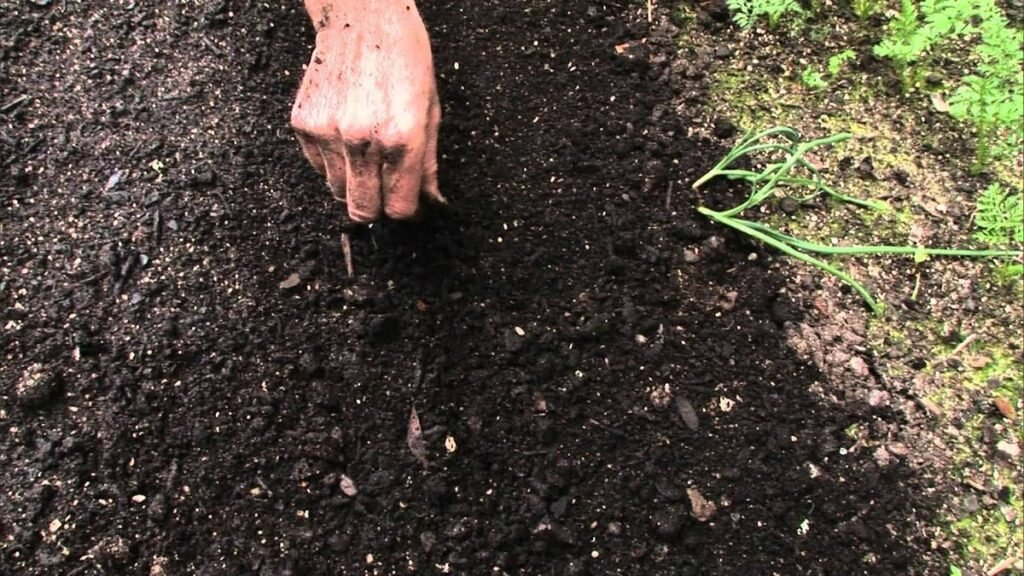
It is important to note that not all wildflowers are suitable for direct sowing. Some species require stratification, which involves exposing the seeds to cold temperatures for a period of time to break their dormancy. Be sure to research the specific requirements of the wildflowers you want to plant before sowing.
Watering and Maintenance
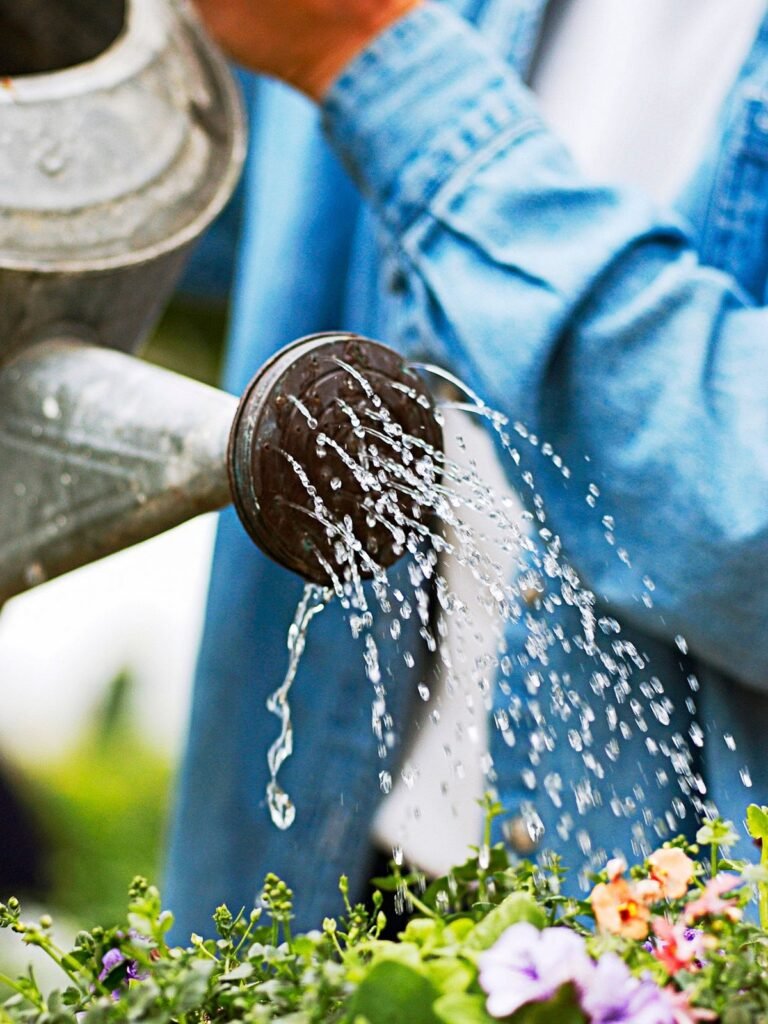
Watering is crucial for the success of your wildflower garden. During the first few weeks after sowing, it is important to keep the soil consistently moist. Once the plants have established, they will require less water.
In terms of maintenance, it is important to remove any weeds that may compete with your wildflowers for nutrients and water. However, avoid using herbicides, as they can harm the wildflowers. Instead, hand-pull weeds or use a hoe to remove them.
Another important aspect of maintenance is deadheading. This involves removing spent flowers to encourage the plant to produce more blooms. Deadheading also prevents the plant from producing seeds, which can lead to overcrowding and reduced blooms in future years.
Planting wildflowers without tilling can be a great way to create a beautiful, low-maintenance garden. By choosing the right seed-sowing technique and providing proper watering and maintenance, you can enjoy a stunning display of wildflowers for years to come.
Conclusion
Planting wildflowers without tilling has been a rewarding experience for me. I have found that it is a great way to improve soil health and promote biodiversity without disrupting the natural ecosystem. By following a few simple steps, I was able to create a beautiful wildflower garden that requires minimal maintenance.
One of the biggest advantages of planting wildflowers without tilling is that it helps to preserve the soil structure and prevent erosion. Tilling can destroy the soil structure, making it more vulnerable to erosion and nutrient loss. By avoiding tilling, I could maintain a healthy soil structure and promote the growth of beneficial microorganisms that help break down organic matter and release nutrients.
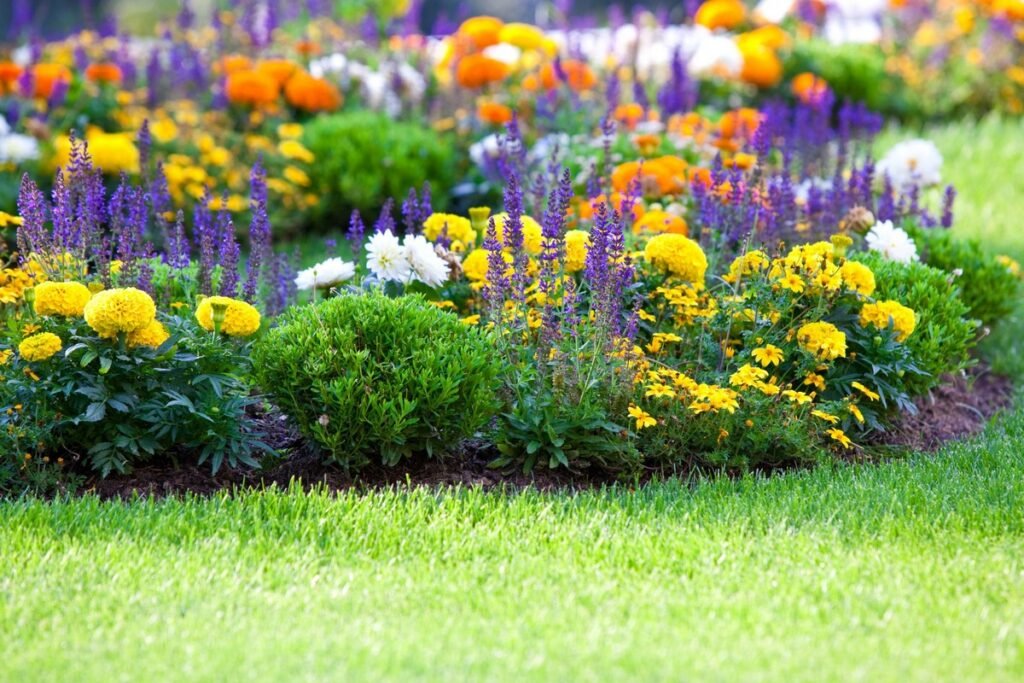
Another benefit of planting wildflowers without tilling is that it can help to reduce weed growth. By planting a diverse mix of wildflowers, I was able to create a natural barrier that prevented weeds from taking over my garden. This not only reduced the time and effort I had to spend weeding, but it also helped promote biodiversity by providing a habitat for beneficial insects and other wildlife.
Overall, I would highly recommend planting wildflowers without tilling to anyone who is looking for a low-maintenance and environmentally-friendly way to improve their garden. Whether you are a seasoned gardener or a beginner, this approach is easy to implement and can provide a wide range of benefits for both you and the environment.