
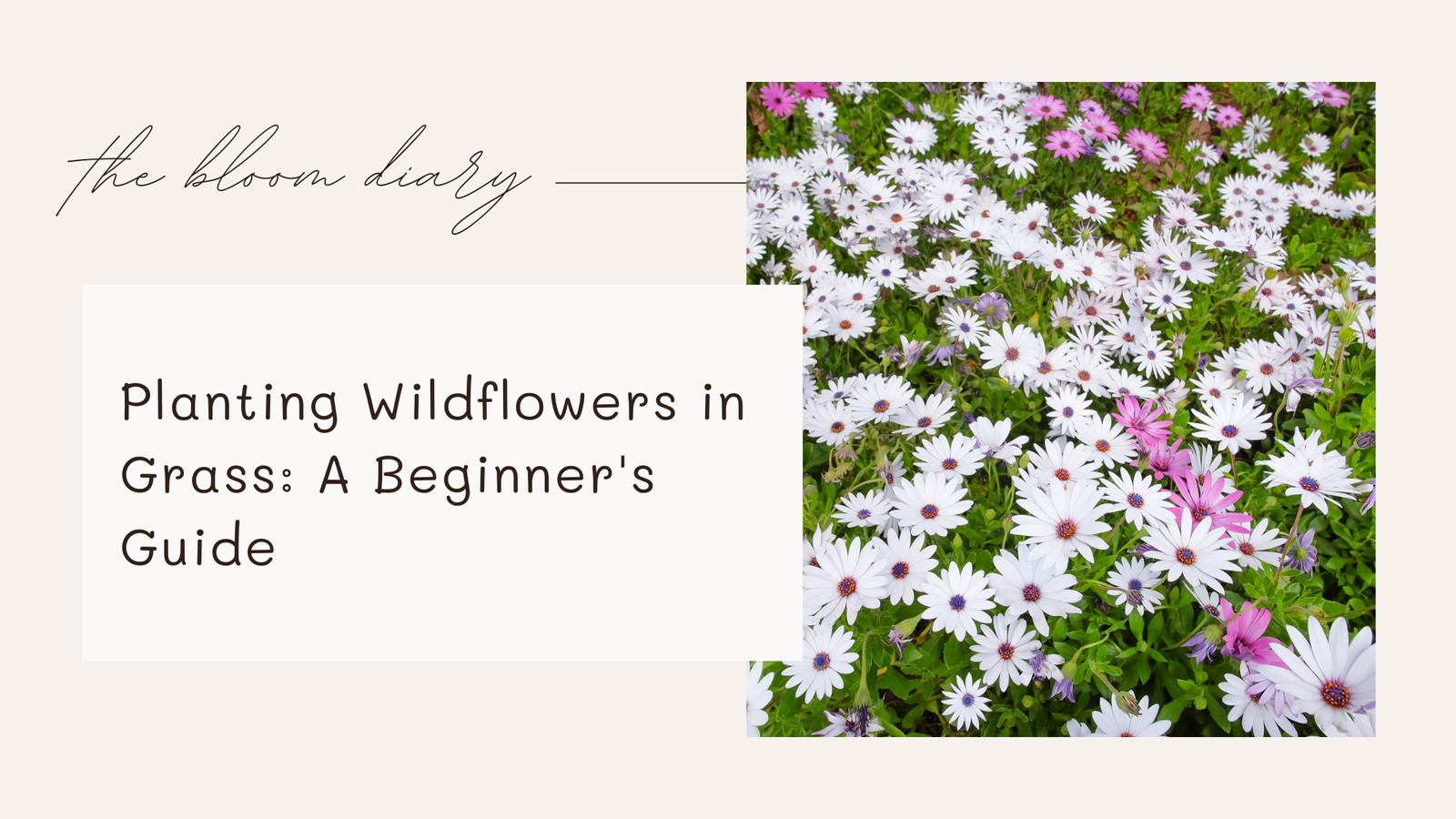
Are you tired of having a boring, plain lawn? Do you want to add some color and life to your yard? Planting wildflowers in your grass can be a great solution! Not only do wildflowers add beauty to your yard, but they also provide a habitat for pollinators like bees and butterflies.
In this blog post, I will share with you my tips and tricks for planting wildflowers in your grass. Whether you have a large yard or a small patch of grass, you can easily incorporate wildflowers into your landscape. With a little bit of planning and some patience, you can transform your lawn into a beautiful, vibrant meadow. So, let’s get started!
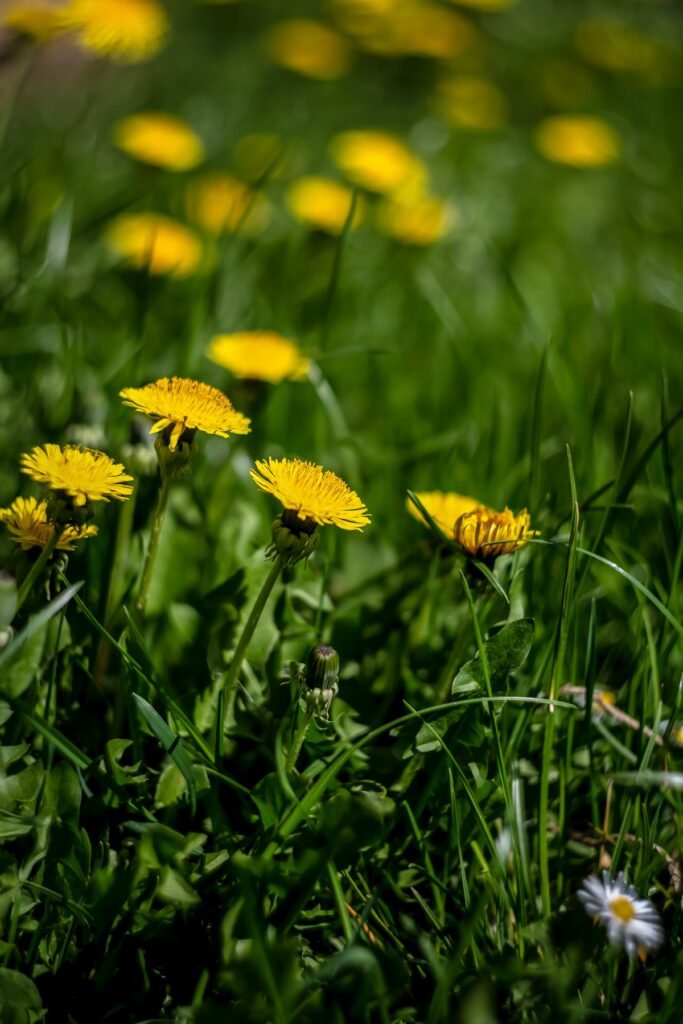
Choosing the Right Wildflowers
When it comes to planting wildflowers in the grass, choosing the right wildflowers is crucial. Here are some things to consider when selecting the right wildflowers for your lawn.
Consider Your Climate
The first thing to consider is your climate. Different wildflowers thrive in different climates, so it’s essential to choose wildflowers that are native to your area. For example, if you live in a hot and dry climate, you might want to consider planting wildflowers like sunflowers, black-eyed Susans, and zinnias. On the other hand, if you live in a cooler climate, you might want to consider planting wildflowers like lupines, poppies, and daisies.
Find out when to plant wildflower seeds in Texas
Choose the Right Wildflower Seeds
Once you’ve considered your climate, the next step is to choose the right wildflower seeds. Many different types of wildflower seeds are available, so it’s essential to choose appropriate seeds for your lawn. Here are some things to keep in mind when selecting wildflower seeds:
- Soil type: Different wildflowers thrive in different soil types, so it’s important to choose seeds that are appropriate for your soil type.
- Sunlight: Some wildflowers require full sun, while others can tolerate partial shade. Make sure to choose appropriate seeds for the amount of sunlight your lawn receives.
- Bloom time: Different wildflowers bloom at different times of the year, so it’s important to choose seeds that will bloom at the right time for your lawn.
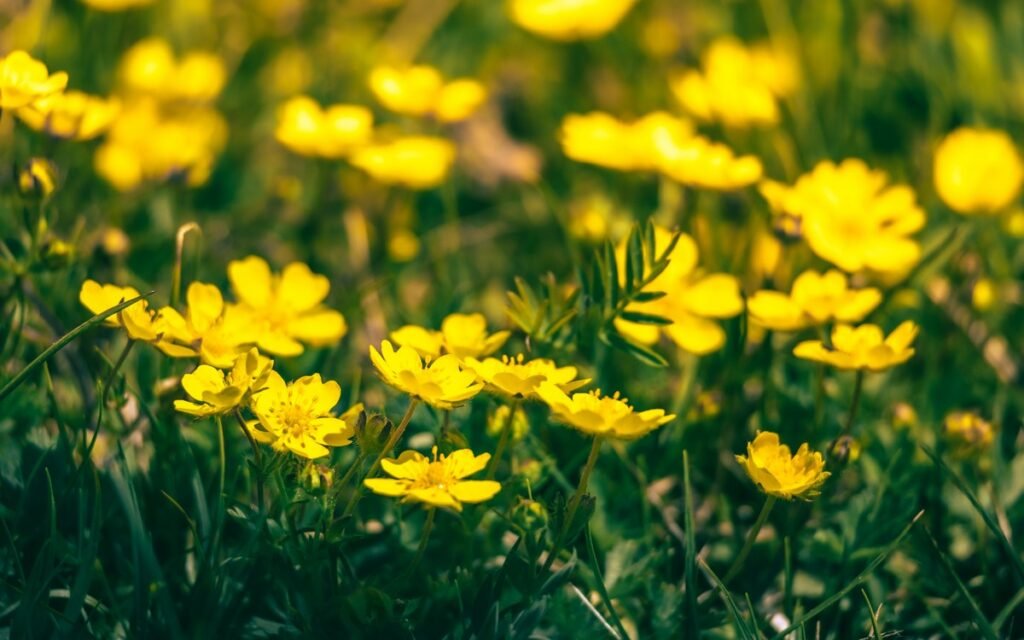
When selecting wildflower seeds, it’s also important to choose high-quality seeds from a reputable supplier. This will ensure that your wildflowers grow strong and healthy.
In summary, choosing the right wildflowers is crucial when planting wildflowers in the grass. Consider your climate and choose the right wildflower seeds for your lawn. You can create a beautiful and vibrant wildflower lawn by following these tips.
Preparing the Soil
When planting wildflowers in the grass, it’s important to prepare the soil properly to ensure the best chance of success. Here are the three main steps to follow:
Remove Any Existing Grass or Weeds
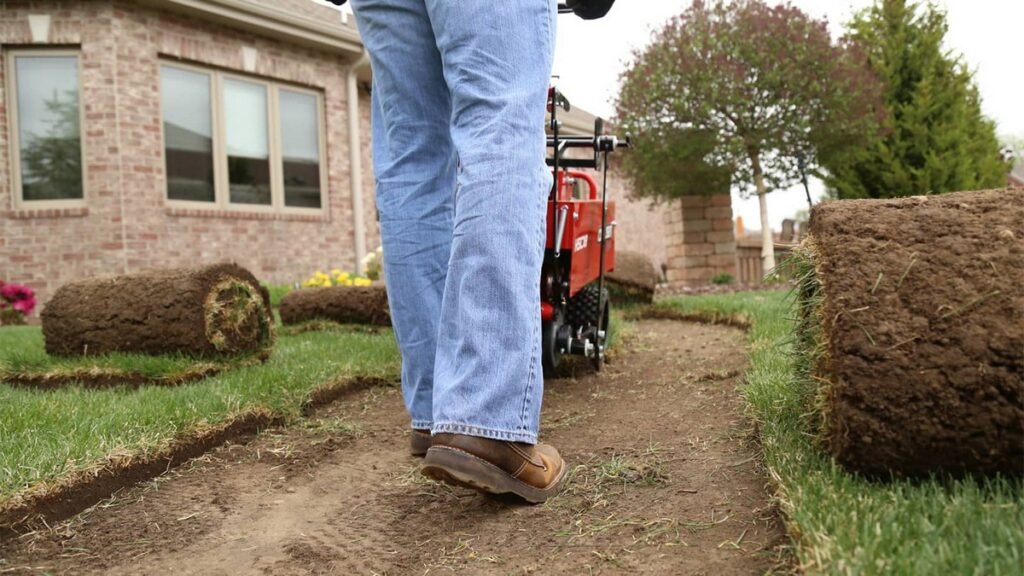
The first step is to remove any existing grass or weeds from the area where you want to plant the wildflowers. You can do this by using a shovel or a garden fork to dig up the grass and roots or by using an herbicide to kill the grass and weeds. If you choose to use an herbicide, be sure to follow the instructions carefully and use it in a well-ventilated area.
Till the Soil
Once you’ve removed the grass and weeds, it’s time to till the soil. This will loosen the soil and make it easier for the wildflower seeds to take root. You can use a garden tiller or a hand-held cultivator to till the soil. Be sure to till to a depth of at least 6 inches to ensure the soil is loose enough for the wildflower seeds to grow.
This step is pretty important, but if you’re short on time for soil prep, you should check out planting wildflowers without tilling. It saves time, and your plants will still grow strong.
Add Compost or Fertilizer
Finally, you’ll want to add compost or fertilizer to the soil to give the wildflower seeds the nutrients they need to grow. You can use commercial fertilizer or make your own compost by mixing organic matter like leaves, grass clippings, and kitchen scraps. Spread the compost or fertilizer evenly over the tilled soil and mix it in thoroughly.
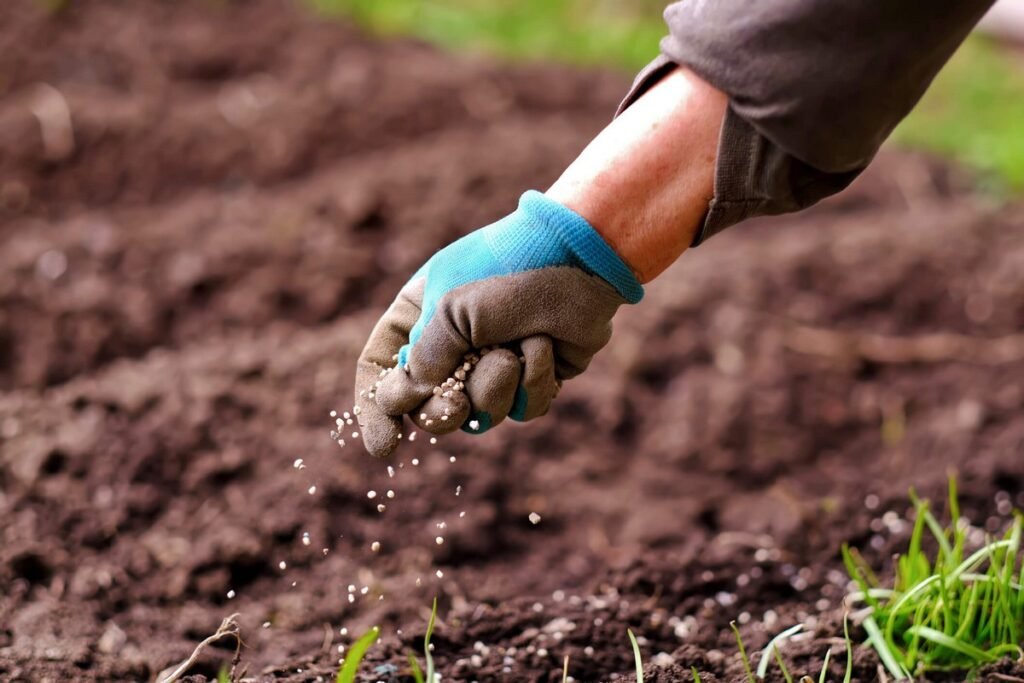
By following these steps, you’ll be well on your way to planting beautiful wildflowers in your grassy area. Happy gardening!
If you’re a total beginner and not sure where to start, check out our guide on how to plant wildflower seeds.
Planting the Wildflowers in Grass
When it comes to planting wildflowers in the grass, there are a few things to keep in mind to ensure success. In this section, I will cover the steps to plant wildflowers in the grass.
Spread the Seeds Evenly
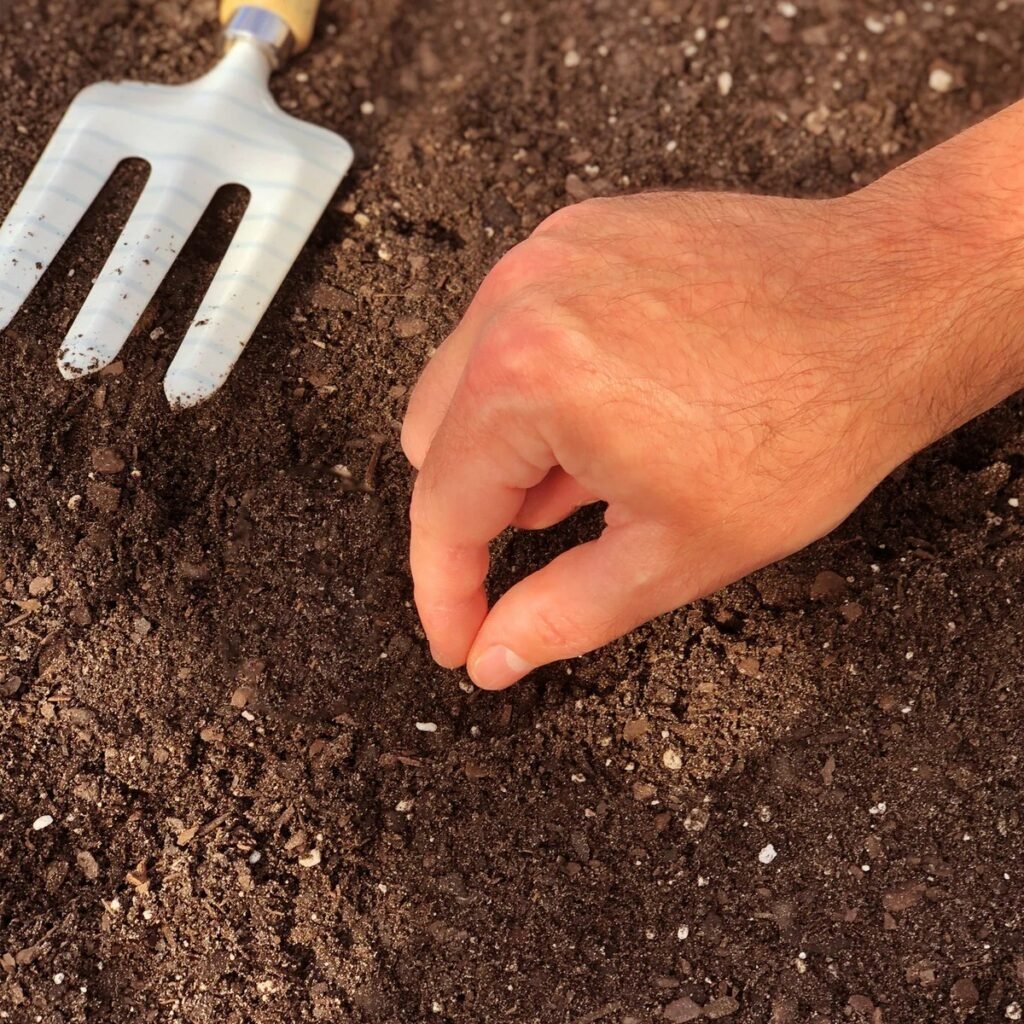
To begin, it’s important to spread the wildflower seeds evenly across the grass. This can be done by hand or with a seed spreader. If you’re doing it by hand, make sure to spread the seeds in a back-and-forth motion to ensure even coverage. If using a seed spreader, make sure to adjust the settings to the recommended rate for the type of seeds you’re using.
Water the Seeds
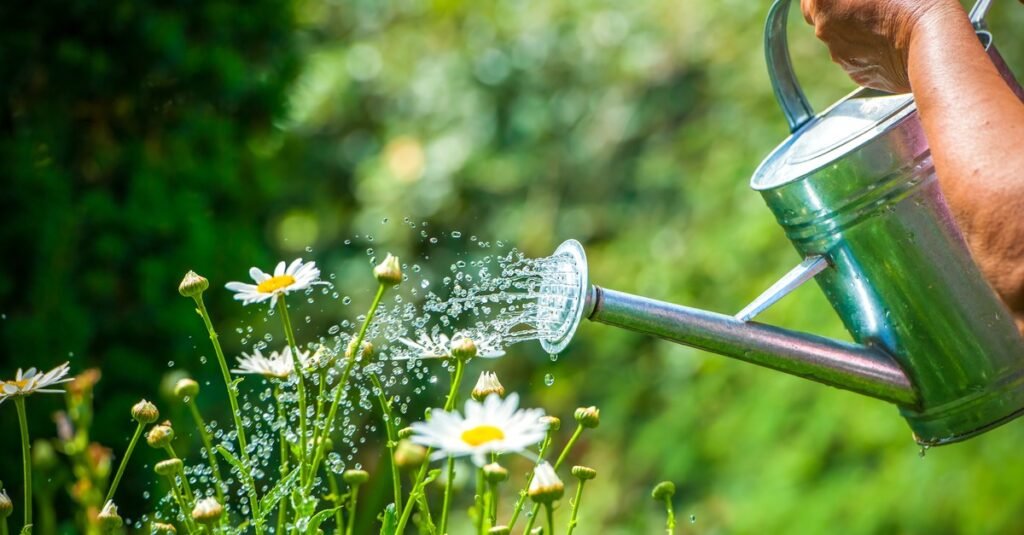
Once the seeds are spread, it’s important to water them well. This will help them to germinate and grow. Ensure to water the seeds immediately after planting, and then continue to water them regularly until they are established. Depending on the climate and soil conditions, this may require watering every few days or once a week.
Cover the Seeds
Finally, covering the seeds with a thin layer of soil or compost is important. This will help to protect them and keep them moist while they germinate. Ensure not to cover the seeds too deeply, as this can prevent them from growing. A depth of 1/8 to 1/4 inch is usually sufficient.
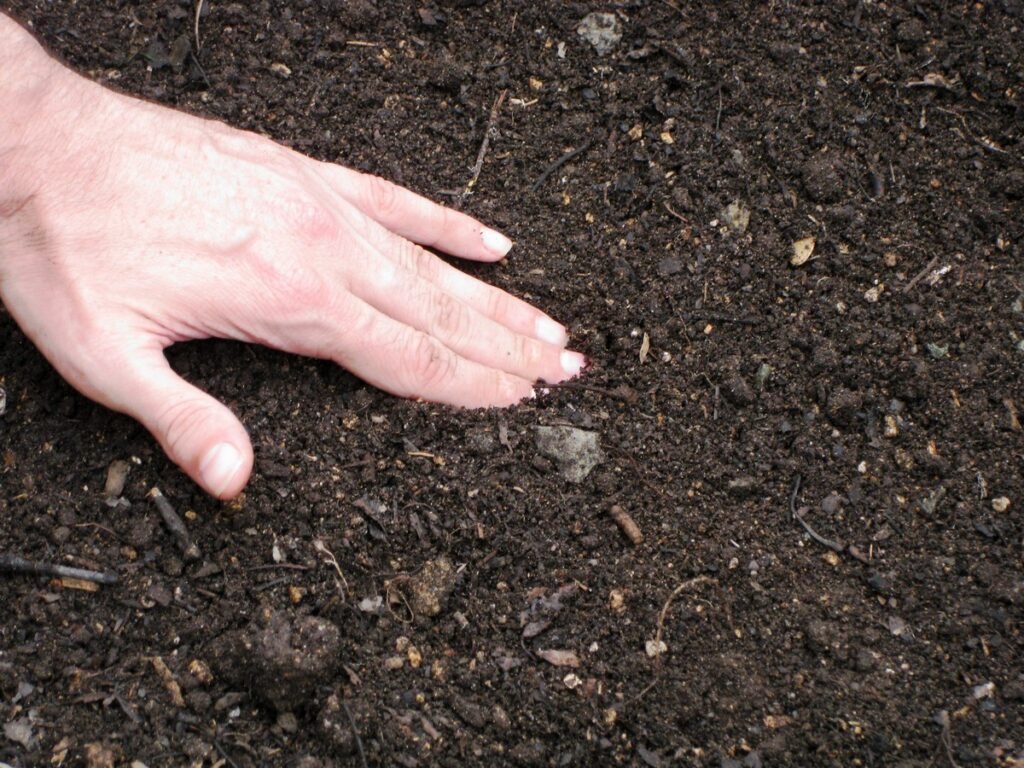
In conclusion, planting wildflowers in the grass can be a great way to add color and beauty to your lawn or garden. By following these steps and spreading the seeds evenly, watering them well, and covering them with a thin layer of soil or compost, you can ensure success in growing wildflowers in your grass.
Caring for Your Wildflowers
Watering
When planting wildflowers in the grass, it is important to ensure they receive enough water to thrive. I recommend watering your wildflowers regularly, especially during dry spells. However, be careful not to overwater them, which can lead to root rot and other issues.
To determine if your wildflowers need watering, simply stick your finger into the soil around the roots. If it feels dry to the touch, it’s time to water. I suggest using a watering can or hose with a gentle spray nozzle to avoid flooding the area.
Mowing
Mowing your grass is important, but it can also affect your wildflowers. I suggest mowing your grass to a height of 3-4 inches to allow your wildflowers to grow and thrive. Be sure to avoid mowing over your wildflowers, as this can damage or kill them.
If you have a large area of wildflowers, you may want to consider using a brush cutter or scythe instead of a lawn mower. This will allow you to mow around your wildflowers without damaging them.
Fertilizing
Wildflowers do not require as much fertilizer as other plants but can benefit from a little extra nutrition. I suggest using a slow-release fertilizer that is low in nitrogen, as too much nitrogen can cause your wildflowers to grow too quickly and become weak.
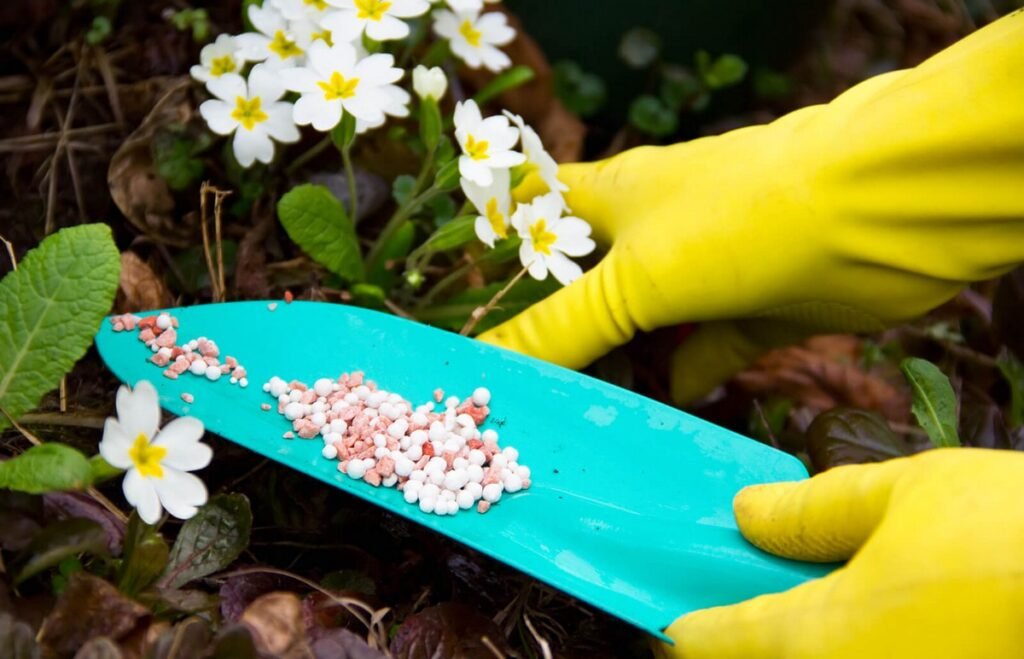
You can apply fertilizer to your wildflowers once or twice a year, depending on your fertilizer type. Be sure to follow the instructions on the package carefully to avoid over-fertilizing.
Overall, caring for your wildflowers is relatively simple. With regular watering, proper mowing, and a little extra nutrition, your wildflowers will thrive and add beauty to your grassy areas.
Is it necessary to clear out the grass before planting wildflowers?
When I started planting wildflowers in my grass, I wondered if it was necessary to clear the grass before planting the wildflowers. After researching and experimenting, I found that it depends on the type of grass you have and the wildflowers you want to plant.
If your grass is thick and healthy, it may be difficult for wildflowers to establish themselves. In this case, removing the grass before planting the wildflowers may be necessary. This can be done using a sod cutter or manually removing the grass with a shovel.
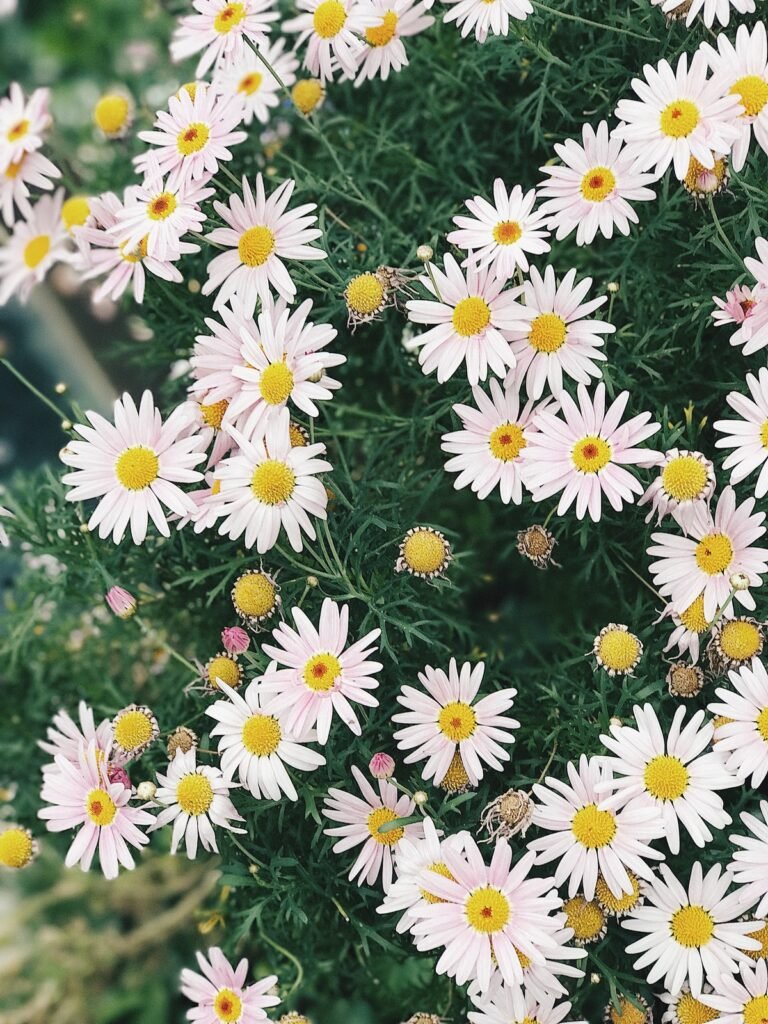
However, if your grass is sparse or thin, you may not need to remove it before planting wildflowers. In fact, leaving the grass in place can help protect the soil from erosion and provide a natural mulch for the wildflowers.
Another factor to consider is the type of wildflowers you want to plant. Some wildflowers, such as poppies and lupines, prefer to be planted in bare soil. In this case, it may be necessary to remove the grass before planting. Other wildflowers, such as black-eyed Susans and coneflowers, can be planted directly into the grass.
In conclusion, whether or not you need to clear out the grass before planting wildflowers depends on the type of grass you have and the wildflowers you want to plant. It’s always a good idea to do some research and experiment to see what works best for your specific situation.
Can I Throw Wildflower Seeds on Grass?
Can you throw wildflower seeds on grass? The answer is yes, but there are a few things to consider before doing so. First, you need to make sure the grass is not too thick or tall. If it is, the wildflower seeds may not be able to reach the soil and germinate properly. To solve this problem, you can mow the grass before planting the seeds.
Second, you need to choose the right type of wildflower seeds for the area where you live. Some wildflowers may not grow well in certain climates or soil types. You can consult with a local nursery or gardening center to find out which wildflowers are best suited for your area.
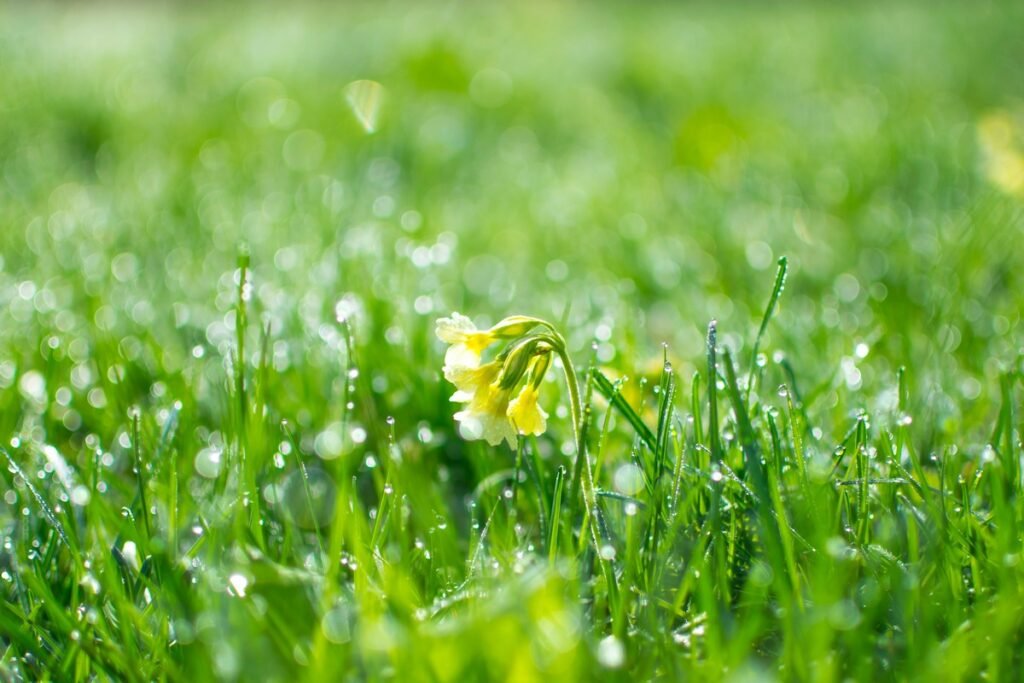
Third, you need to prepare the soil before planting the seeds. You can use a rake to loosen the top layer of soil and remove any debris or weeds. You can also add compost or fertilizer to improve the soil quality and provide nutrients for the wildflowers.
Once you have prepared the soil, you can scatter the wildflower seeds evenly over the area. You can use a seed spreader or simply toss the seeds by hand. After planting, you can lightly rake the soil to cover the seeds and press them into the soil.
Finally, you need to water the area regularly to keep the soil moist. You can use a sprinkler or hose to water the area, but be careful not to overwater. Too much water can cause the seeds to rot or wash away.
In conclusion, throwing wildflower seeds on grass can be a simple and effective way to add color and beauty to your yard or garden. With a little preparation and care, you can create a beautiful wildflower meadow that will attract bees, butterflies, and other pollinators.