
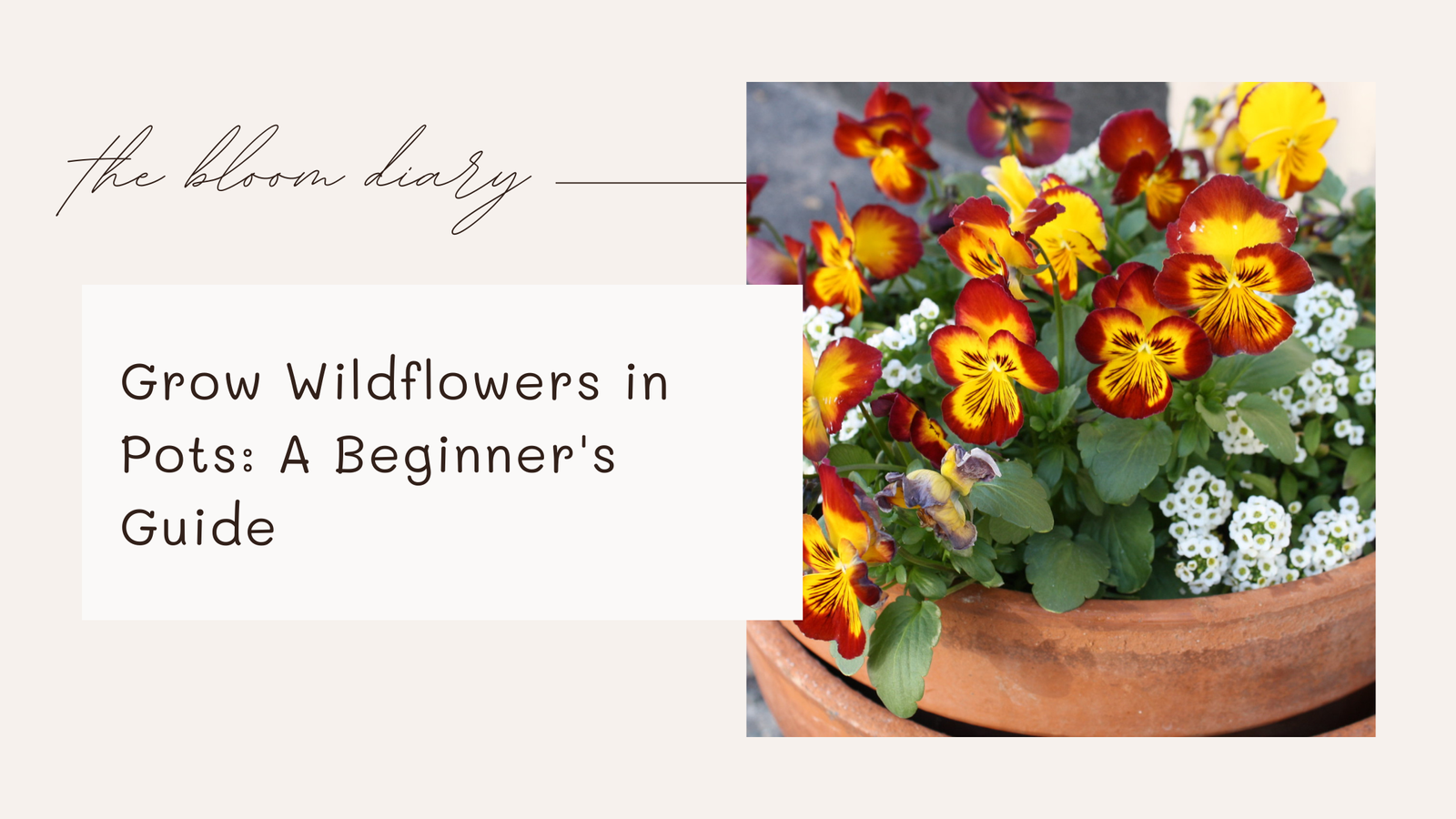
Growing wildflowers in pots is a fun and easy way to add color and beauty to any outdoor space. Whether you have a small balcony or a large patio, you can create a stunning display of wildflowers that will attract bees, butterflies, and other pollinators. In this article, I will share my tips and tricks for growing wildflowers in pots, from choosing the right container to selecting the best soil and seeds.
One of the first things to consider when growing wildflowers in pots is the container. Choose a container that is large enough to accommodate the roots of your plants and has drainage holes to prevent water from pooling at the bottom. You can use any type of container, from traditional terracotta pots to recycled containers such as buckets or old watering cans. Just make sure that the container is clean and has drainage holes before planting.
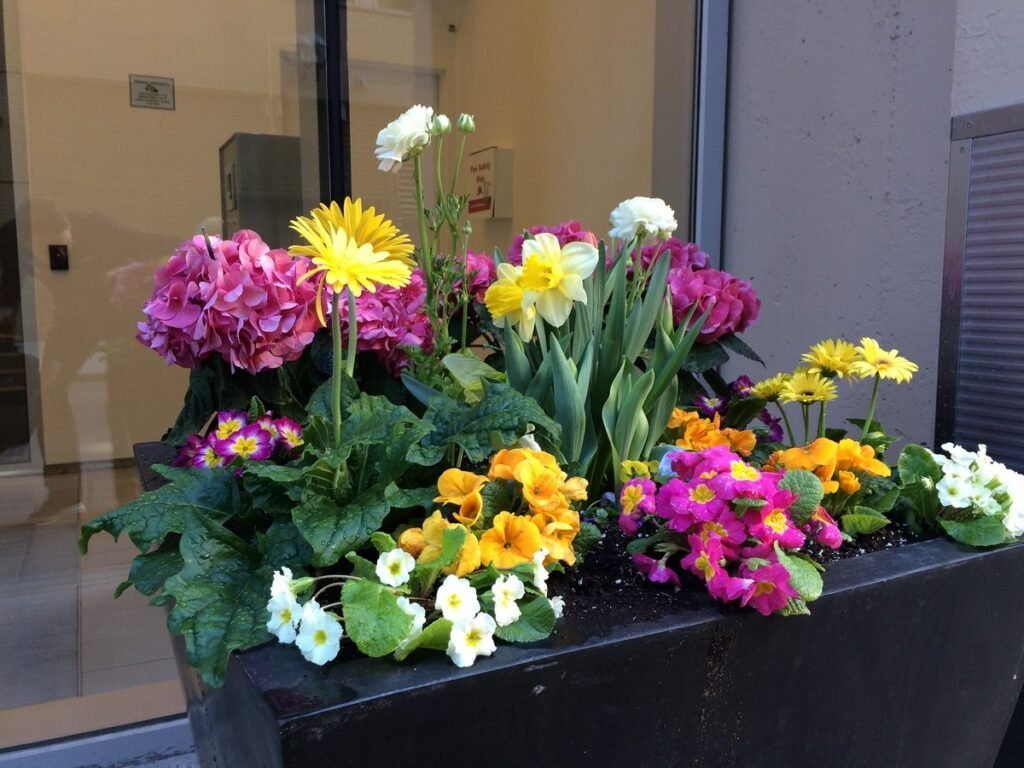
Importance of Growing Wildflowers in Pots
As a gardening enthusiast, I highly recommend growing wildflowers in pots. Not only are they beautiful and versatile, but they also offer numerous benefits that make them an ideal choice for any gardener, regardless of their experience.
One of the main advantages of growing wildflowers in pots is their space-saving nature. Whether you live in a small apartment or have limited outdoor space, potted wildflowers can bring color and beauty to any setting without taking up too much room.
Another benefit of growing wildflowers in pots is their versatility. You can choose from a wide variety of wildflower species, each with its unique colors, shapes, and sizes, to create a stunning and diverse display.
Wildflowers are also generally low-maintenance and can thrive in various growing conditions, making them an ideal choice for beginner gardeners or those who don’t have much time to devote to gardening. Plus, with the right care and attention, wildflowers can bloom for months, providing a long-lasting source of beauty and joy.
So, whether you’re looking to add some color to your balcony, patio, or indoor space, or simply want to enjoy the beauty and benefits of wildflowers without the hassle of traditional gardening, growing wildflowers in pots is an excellent choice.

Choosing the Right Wildflowers for Your Pot
When it comes to growing wildflowers in pots, choosing the right plants is crucial for success. Here are some tips for selecting the best wildflowers for your container garden:
Consider the Growing Conditions:
Different wildflower species have different growing requirements, so it’s important to choose plants that are well-suited to your specific growing conditions. Some factors to consider include:
- Sunlight: Most wildflowers require full sun, but some varieties can tolerate partial shade. Make sure to choose plants that are appropriate for the amount of sunlight your container will receive.
- Soil Type: Wildflowers prefer well-draining soil that is rich in organic matter. If your potting mix is heavy or clay-like, consider adding perlite or sand to improve drainage.
- Water Needs: Some wildflowers are drought-tolerant, while others require consistent moisture. Be sure to choose plants that have similar water requirements to avoid over- or under-watering.
Here are some wildflower varieties that are well-suited for container gardening:
- California poppy (Eschscholzia California)
- Black-eyed Susan (Rudbeckia hirta)
- Cosmos (Cosmos bipinnatus)
- Dwarf sunflower (Helianthus annuus)
- Lobelia (Lobelia erinus)
- Alyssum (Lobularia maritima)
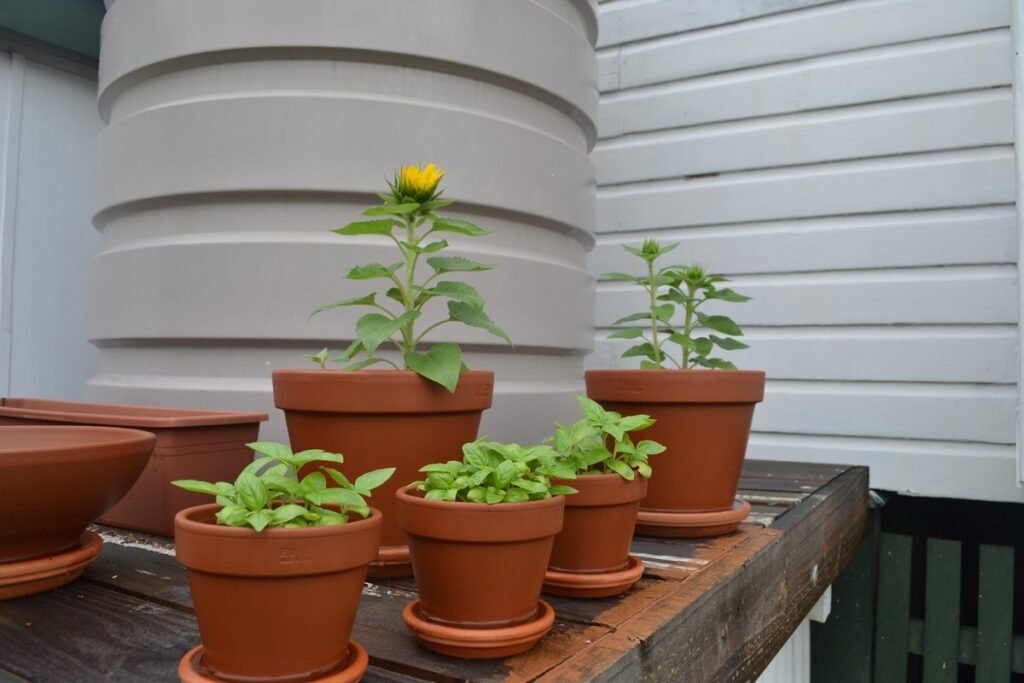
Seasonal Selection:
To ensure a continuous display of color throughout the year, it’s important to choose wildflowers that bloom during the desired season. Here are some examples of wildflowers suitable for different seasons:
- Early Spring: Crocus (Crocus spp.), daffodils (Narcissus spp.), and tulips (Tulipa spp.) are all great choices for early spring.
- Summer: Coneflower (Echinacea purpurea), zinnias (Zinnia elegans), and marigolds (Tagetes spp.) are all popular summer bloomers.
- Fall and Winter: Pansies (Viola spp.), snapdragons (Antirrhinum majus), and ornamental kale (Brassica oleracea) are all great choices for fall and winter containers.
By considering these factors and selecting the right wildflowers for your pot, you can enjoy a beautiful and thriving container garden all season long.
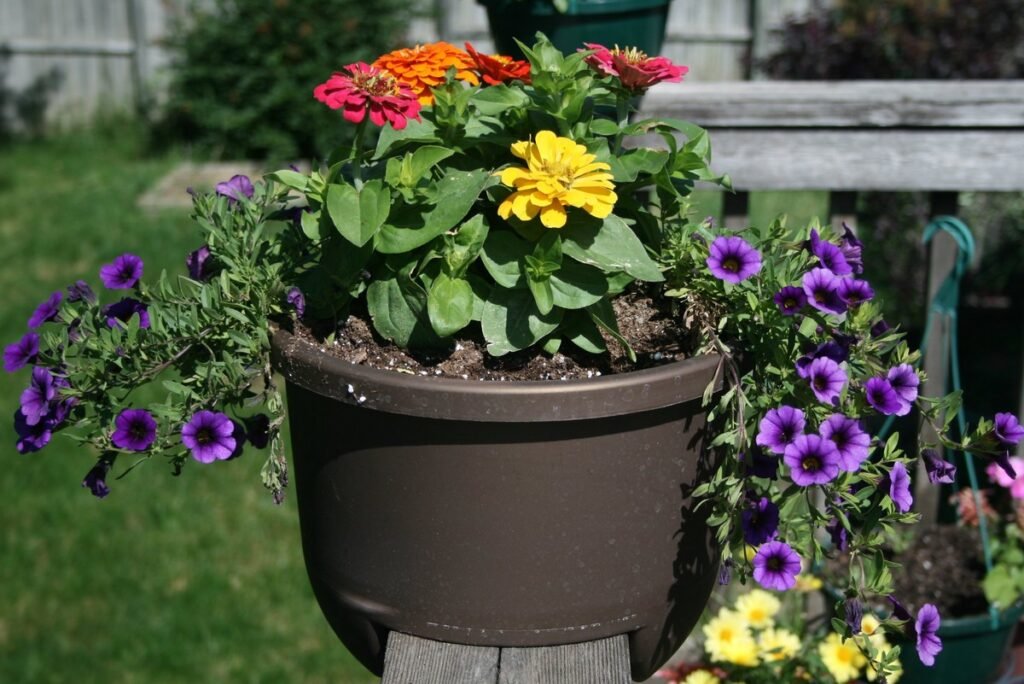
Selecting the Ideal Pot
When growing wildflowers in pots, selecting the right pot is crucial for the success of your plants. Here are some things to consider when choosing the ideal pot:
Size of the Pot
The size of the pot you choose will depend on the type of wildflowers you want to grow. Generally, the bigger the pot, the better, as it will provide more room for the roots to grow. However, if you are short on space, a smaller pot will work just fine.
Drainage
Proper drainage is essential for growing healthy wildflowers in pots. Make sure the pot you choose has drainage holes at the bottom to allow excess water to escape. If your pot does not have drainage holes, you can drill some yourself.
Material
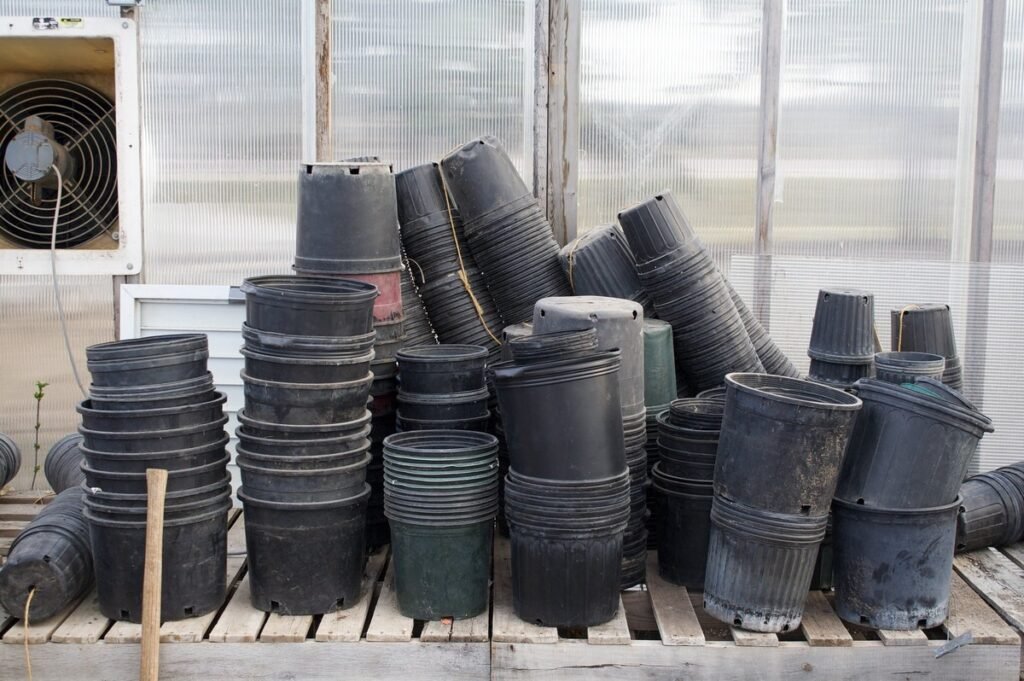
The material of the pot you choose can also impact the growth of your wildflowers. Clay pots are a popular choice as they are porous and allow for air and water to circulate around the roots. However, they can also dry out quickly, so you will need to water your plants more frequently. Plastic pots are a good option if you are looking for something lightweight and easy to move around. They also retain moisture well, which can be beneficial for certain types of wildflowers.
When selecting a pot for your wildflowers, consider the size, drainage, and material to ensure your plants have the best chance of thriving.
Preparing the Pot
When it comes to growing wildflowers in pots, preparing the pot is a crucial step to ensure the success of your plants. Here are some tips on how to prepare your pot for planting wildflowers.
Potting Soil Selection
The first step in preparing your pot is selecting the right potting soil. Wildflowers require a well-draining soil that allows for good airflow and moisture control. I recommend using a potting mix specifically formulated for wildflowers or a general-purpose potting mix mixed with perlite or coarse sand.
When selecting a potting mix, avoid using heavy soils that can retain too much moisture, leading to root rot. It’s also important to choose a soil that is free of weed seeds and pathogens that can harm your plants.
Layering the Pot
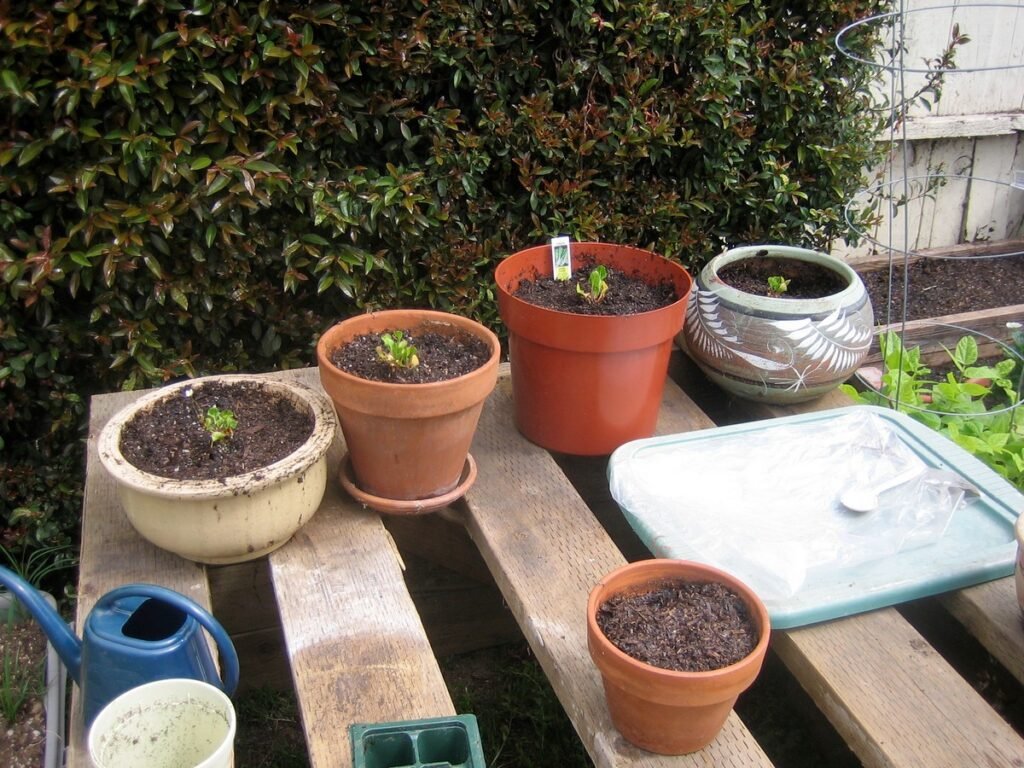
Once you have selected the right potting mix, it’s time to layer the pot. Start by filling the bottom of the pot with a layer of gravel or broken pottery to improve drainage. Then, add a layer of potting mix on top of the gravel, making sure to leave enough room for the roots of your plants.
Next, add your wildflower seeds or plants to the pot, making sure to space them out evenly. Cover the seeds or roots with another layer of potting mix, pressing down gently to ensure good soil-to-seed contact.
Finally, water the pot thoroughly, making sure the soil is evenly moist. Place the pot in a sunny location and continue to water regularly, making sure not to overwater.
By following these simple steps, you can prepare your pot for planting wildflowers and enjoy a beautiful display of colorful blooms all season long.
Planting Wildflowers in Pots
Growing wildflowers in pots is an easy and enjoyable way to add color to your outdoor space. Here are some tips on planting wildflowers in pots:
Seeding Method
First, choose a pot that is at least 6 inches deep and has drainage holes at the bottom. Fill the pot with a good quality potting mix, leaving about an inch of space at the top.
Next, sprinkle the wildflower seeds over the soil, following the recommended spacing on the seed packet. Gently press the seeds into the soil, making sure they are in good contact with the soil.
Cover the seeds with a thin layer of soil, about 1/8 inch thick. Water the pot gently, being careful not to wash away the seeds. Place the pot in a sunny spot, and keep the soil moist but not waterlogged.
Watering After Planting
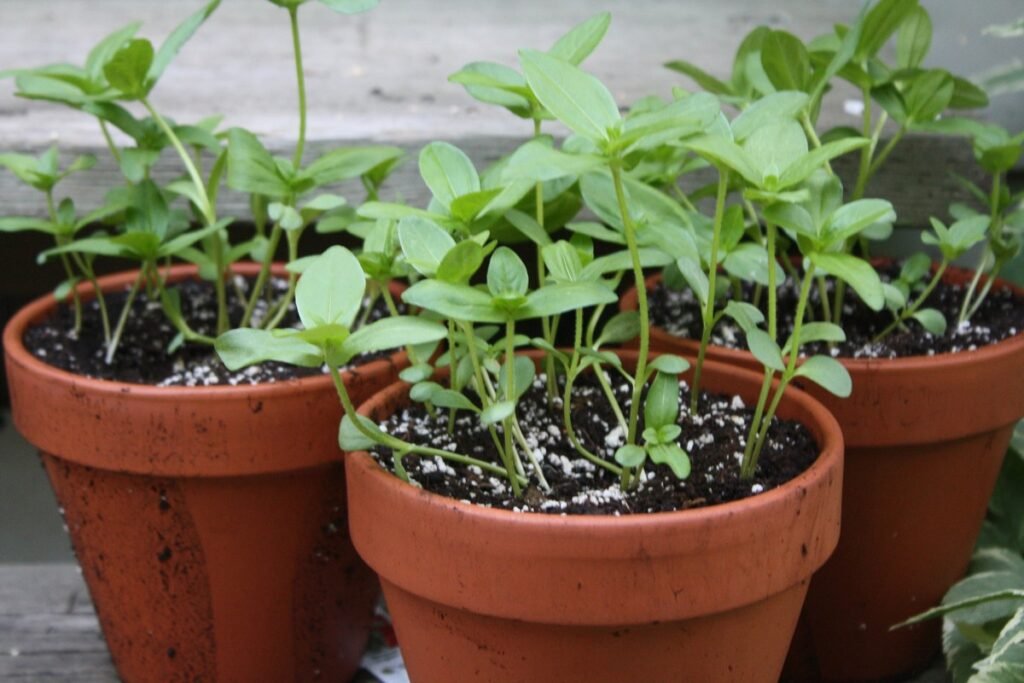
After planting, it is important to keep the soil moist until the seeds germinate. Water the pot gently every few days, or whenever the soil feels dry to the touch. Once the seedlings have emerged, you can water the pot deeply once a week, or as needed depending on weather conditions.
It is also important to avoid overwatering, as this can lead to root rot and other problems. Make sure the pot has good drainage and that excess water can escape through the drainage holes at the bottom.
By following these simple steps, you can enjoy a beautiful display of wildflowers in pots all season long.
Caring for Your Potted Wildflowers
Growing wildflowers in pots can be a rewarding experience, but it’s important to care for them properly to ensure they thrive. Here are some tips on caring for your potted wildflowers.
Watering Regime
Watering is an essential part of caring for your potted wildflowers. It’s important to water them regularly, but not too much. Overwatering can lead to root rot and other problems, while allowing the soil to become completely dry can cause the plants to wilt and die.
I recommend checking the soil moisture level regularly. Stick your finger about an inch into the soil – if it feels dry, it’s time to water. Be sure to water deeply, so that the water reaches the roots. Avoid getting water on the leaves, as this can lead to fungal diseases.
Fertilizing
Wildflowers in pots benefit from occasional fertilization to promote healthy growth and continuous blooming. I recommend using a balanced, water-soluble fertilizer every two to three weeks during the growing season.
Be sure to follow the instructions on the fertilizer package carefully, as over-fertilizing can be harmful to your plants. Also, avoid fertilizing during periods of drought or extreme heat, as this can stress the plants.
Pruning
Pruning is an important part of caring for your potted wildflowers. It helps to keep the plants compact and promotes bushier growth, which can lead to more flowers.
I recommend pruning your wildflowers regularly throughout the growing season. Use clean, sharp pruning shears to remove any dead or damaged stems, as well as any spent flowers. This will encourage the plants to produce new growth and more blooms.
Deadheading
Deadheading is another important part of caring for your potted wildflowers. It involves removing spent flowers before they have a chance to go to seed. This helps to promote continuous blooming and prevents the plants from becoming leggy.
I recommend deadheading your wildflowers regularly throughout the growing season. Use clean, sharp scissors or pruning shears to snip off the spent flowers. Be sure to cut just above a set of healthy leaves or buds, as this will encourage new growth and more blooms.
By following these tips, you can ensure that your potted wildflowers thrive and produce beautiful blooms all season long.
Pest and Disease Management
As much as I love growing wildflowers in pots, I know that pests and diseases can be a real headache. Here are some tips to help you keep your plants healthy and thriving:
- Start with healthy plants. Before you even begin planting, make sure you are starting with healthy plants. Look for signs of disease or pests, such as yellowing leaves, wilted stems, or tiny insects. If you notice any of these, choose a different plant or treat the issue before planting.
- Water properly. Overwatering can lead to root rot, while underwatering can stress the plants and make them more susceptible to disease. Make sure to water your plants deeply but infrequently, allowing the soil to dry out slightly between waterings.
- Use natural pest control methods. Chemical pesticides can harm beneficial insects and pollinators, so it’s best to use natural methods whenever possible. For example, you can attract ladybugs, lacewings, and other beneficial insects that eat pests by planting flowers like daisies, marigolds, and yarrow.
- Keep an eye out for common pests. Some of the most common pests that affect wildflowers in pots include aphids, spider mites, and thrips. If you notice any of these pests, you can try spraying your plants with a mixture of water and dish soap or using neem oil.
- Watch for signs of disease. Diseases like powdery mildew and leaf spot can quickly take over your plants if left untreated. Keep an eye out for yellowing or spotted leaves, wilting, or stunted growth. If you notice any of these signs, remove affected leaves or plants and treat with a fungicide if necessary.
By following these tips, you can help ensure that your wildflowers in pots stay healthy and beautiful all season long.
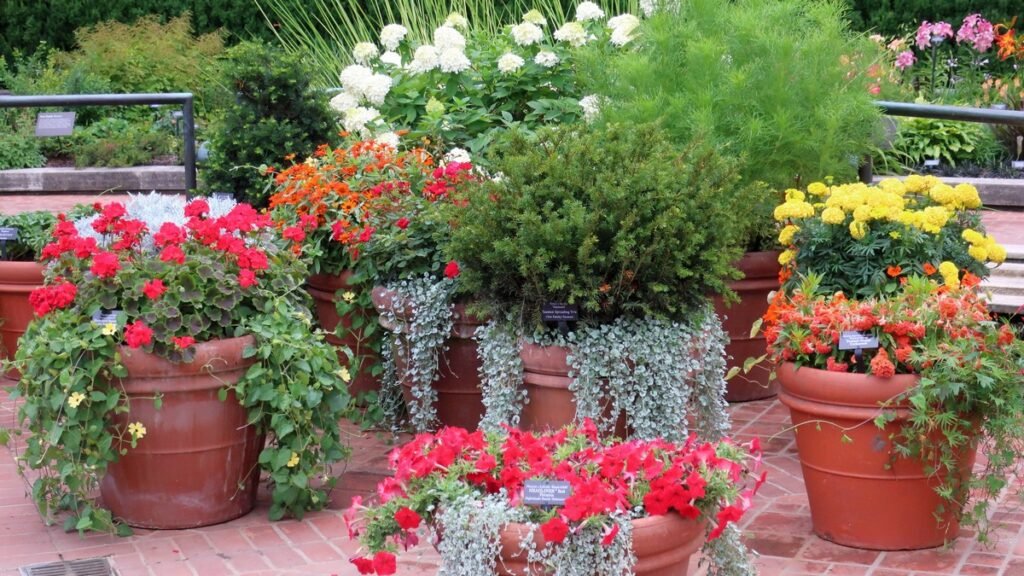
Winter Care for Potted Wildflowers
As the colder months approach, it’s important to take extra care of your potted wildflowers to ensure they survive the winter. Here are a few tips to help you keep your wildflowers healthy and thriving:
- Protect your pots from freezing temperatures: If you live in an area where temperatures regularly drop below freezing, it’s important to protect your pots from the cold. One way to do this is to move your pots to a sheltered location, such as a garage or shed. You can also wrap your pots in insulating materials, such as bubble wrap or burlap.
- Reduce watering: During the winter months, wildflowers go dormant and require less water. Overwatering can cause root rot, so it’s important to reduce watering frequency. Only water your wildflowers when the soil is dry to the touch.
- Mulch your pots: Adding a layer of mulch to the top of your pots can help insulate the soil and protect the roots from freezing temperatures. Use a natural mulch, such as straw or shredded leaves, and avoid using synthetic materials, which can harm the environment.
- Prune dead foliage: As your wildflowers go dormant, they may start to lose their leaves and flowers. It’s important to remove any dead foliage to prevent disease and pests from taking hold. Use clean, sharp scissors to prune away any dead or dying foliage.
By taking these simple steps, you can ensure that your potted wildflowers survive the winter and come back to life in the spring. Remember to keep an eye on your plants and adjust your care routine as needed to ensure their health and longevity.
Conclusion
Growing wildflowers in pots is a great way to add color and beauty to your home garden or balcony. With the right soil, pots, and seeds, you can easily grow a variety of wildflowers in containers.
In this article, I have shared some useful tips and techniques for growing wildflowers in pots. I have explained how to choose the right pot size, soil type, and seed variety for your wildflowers. I have also discussed the importance of watering, fertilizing, and pruning your wildflowers regularly.
To summarize, here are some key takeaways from this article:
- Choose a pot that is at least 6 inches deep and wide enough to accommodate your wildflowers.
- Use a well-draining potting mix that is rich in organic matter and nutrients.
- Sow the seeds according to the instructions on the packet and cover them with a thin layer of soil.
- Water your wildflowers regularly, but avoid overwatering or letting the soil dry out completely.
- Fertilize your wildflowers once a month with a balanced fertilizer to promote healthy growth.
- Prune your wildflowers regularly to remove dead or damaged leaves and flowers.
By following these simple tips, you can grow beautiful wildflowers in pots that will brighten up your home and garden. So why not give it a try and see the results for yourself? Happy gardening!