
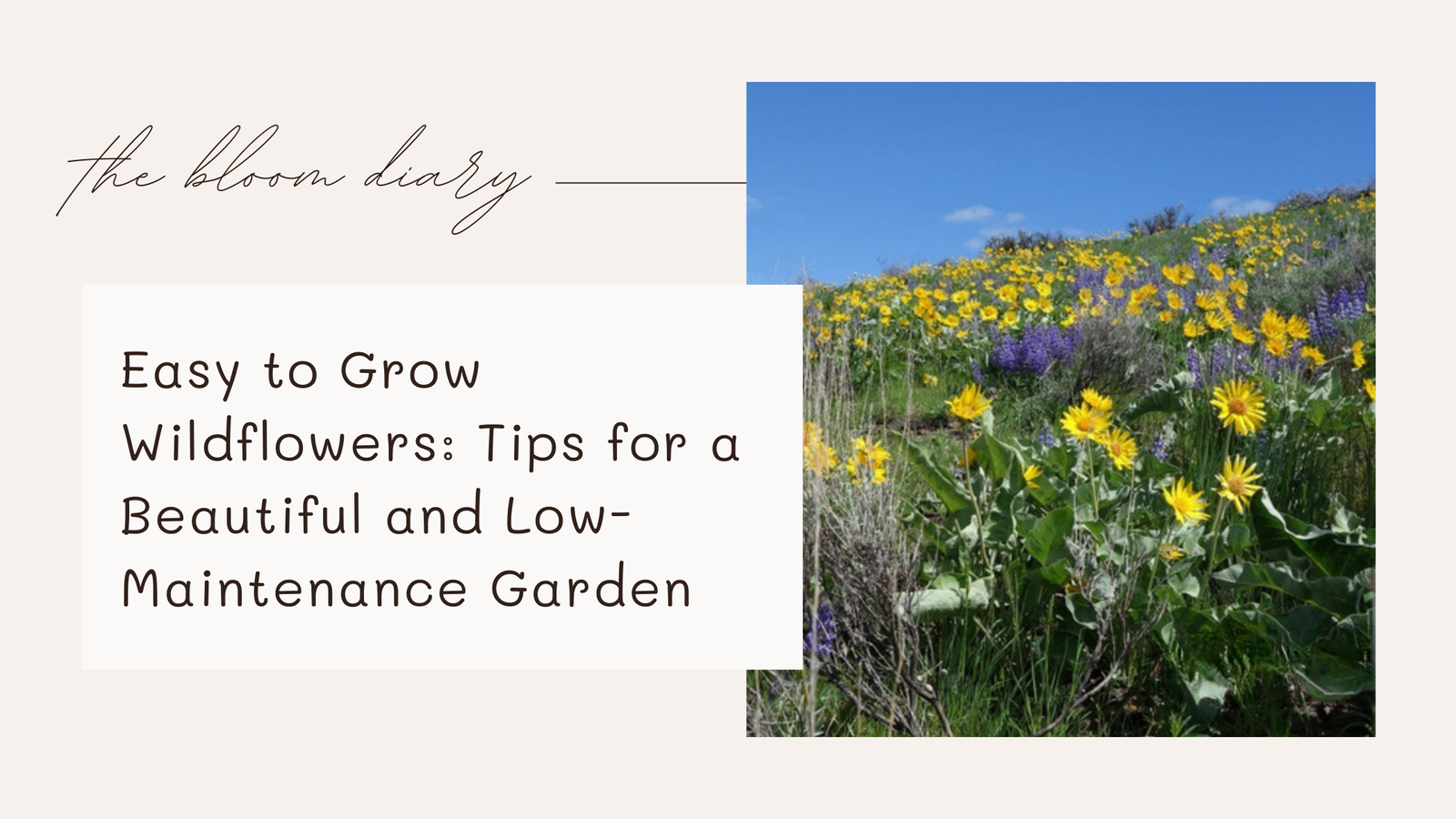
Wildflowers are a great addition to any garden or outdoor space. Not only do they provide a beautiful burst of color, but they are also incredibly easy to grow. Whether you are an experienced gardener or a beginner, there are many types of wildflowers that are low-maintenance and can thrive in a variety of conditions.
One of my personal favorites is the Black-eyed Susan. These bright yellow flowers with dark centers add a cheerful touch to any garden. They are drought-tolerant and can grow in a variety of soil types, making them a great choice for those who want a low-maintenance option. Another easy-to-grow wildflower is the California Poppy. These orange and yellow flowers are perfect for adding a pop of color to any garden and can even be planted in containers. They are also drought-tolerant and can thrive in poor soil conditions.
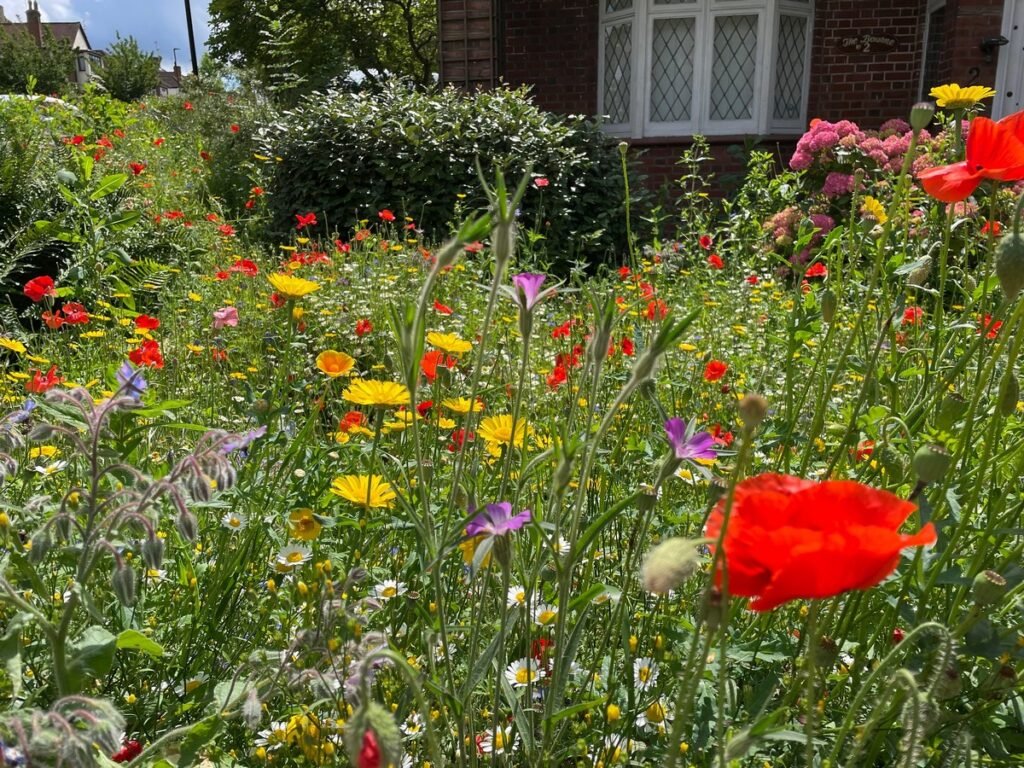
Exploring the Wonders of Easy-to-Grow Wildflowers
As a gardening enthusiast, I’m always on the lookout for low-maintenance plants that can add color and life to my outdoor space. That’s why I’m excited to share my love for easy-to-grow wildflowers!
Easy-to-grow wildflowers are plants that require minimal effort to cultivate and thrive in various conditions. They’re perfect for beginners and seasoned gardeners alike, as they don’t need constant attention or specialized care.
One of the best things about easy-to-grow wildflowers is their ability to attract pollinators, such as bees and butterflies, to your garden. Not only do these pollinators add to the beauty of your space, but they also contribute to a sustainable ecosystem by helping plants reproduce.
Another benefit of growing easy-to-grow wildflowers is the vibrant colors they bring to your outdoor space. From soft pinks to bold yellows, these plants can add a pop of color to any garden or flower bed.
Overall, I highly recommend giving easy-to-grow wildflowers a try. With their low-maintenance nature and ability to attract pollinators and add color to your outdoor space, they’re a fantastic addition to any gardening enthusiast’s collection.
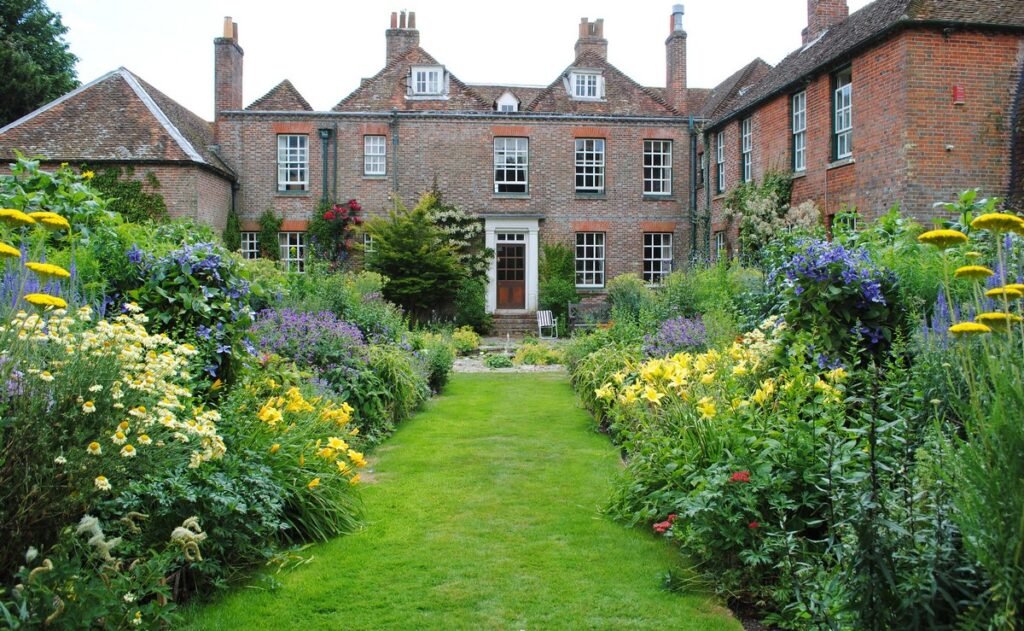
Top Easy-to-Grow Wildflowers
As a wildflower enthusiast, I always recommend starting with easy-to-grow varieties that can thrive in a wide range of conditions. Here are some of my favorite wildflowers that are perfect for novice gardeners:
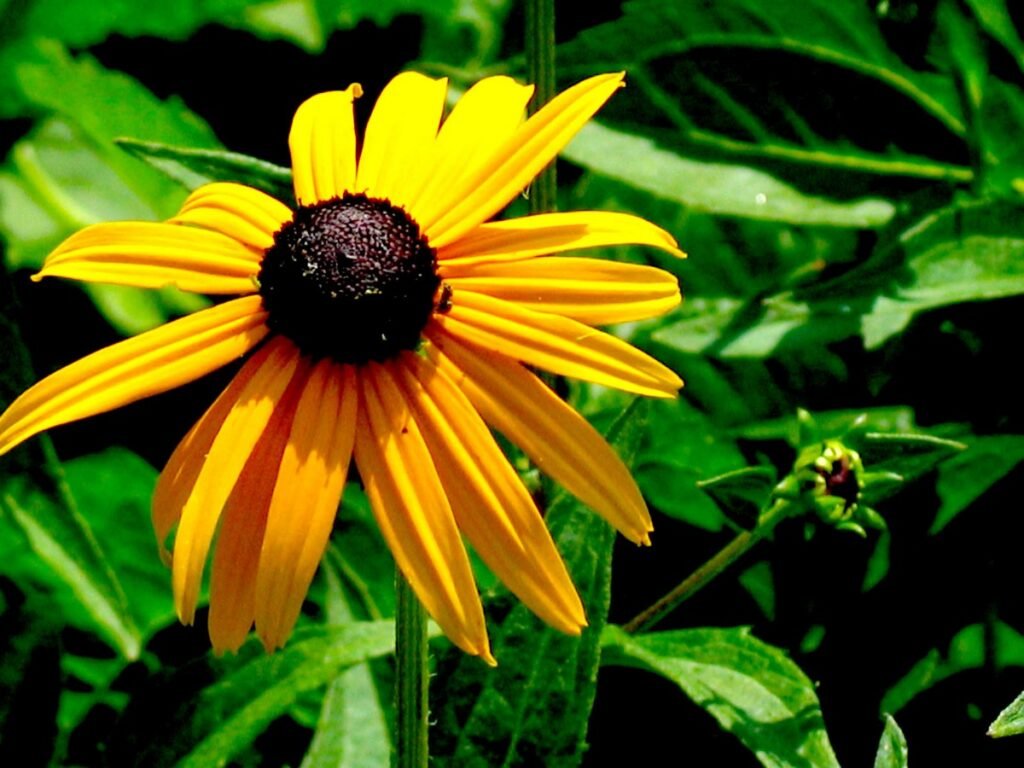
Black-Eyed Susan (Rudbeckia hirta)
I love the bright and cheerful blooms of Black-Eyed Susans, which can add a splash of color to any garden. These wildflowers are incredibly adaptable, tolerating various soil types and drought conditions. They also attract pollinators like bees and butterflies, making them an excellent choice for wildlife-friendly gardens.
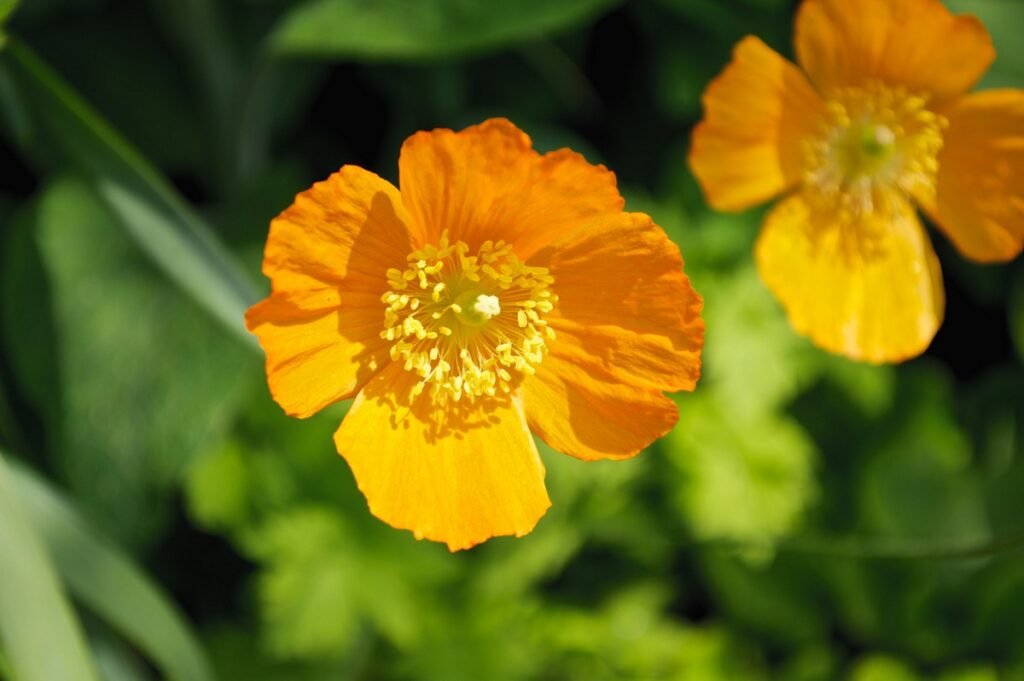
California Poppy (Eschscholzia californica)
California Poppies are iconic wildflowers that feature vibrant orange or yellow cup-shaped flowers. These self-seeding annuals are incredibly easy to grow, thriving in sunny locations with well-drained soil. They are also drought-tolerant, making them a great option for low-maintenance gardens.
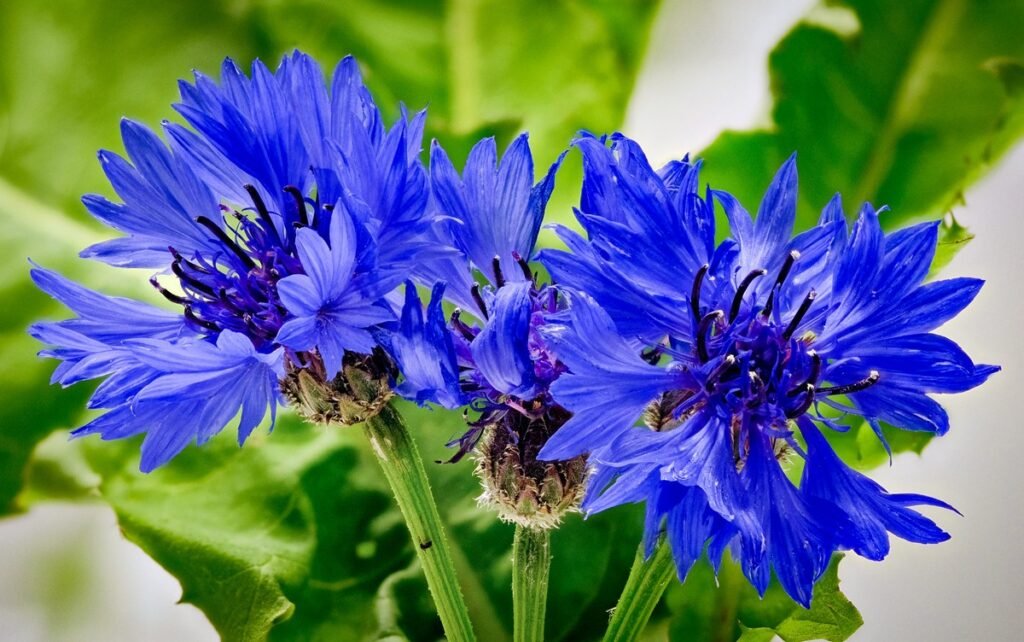
Cornflower (Centaurea cyanus)
Bachelor’s Button, also known as Cornflower, is a charming wildflower that produces beautiful blue, pink, or white blooms. These hardy plants can tolerate a wide range of soil conditions and require minimal maintenance, making them an excellent choice for beginner gardeners.
Cosmos (Cosmos bipinnatus)
Cosmos is a popular choice for its delicate, feathery foliage and vibrant flowers in shades of pink, white, and purple. These annual wildflowers are incredibly easy to grow, thriving in full sun and well-drained soil. They also attract butterflies and other pollinators, making them a great choice for wildlife gardens.

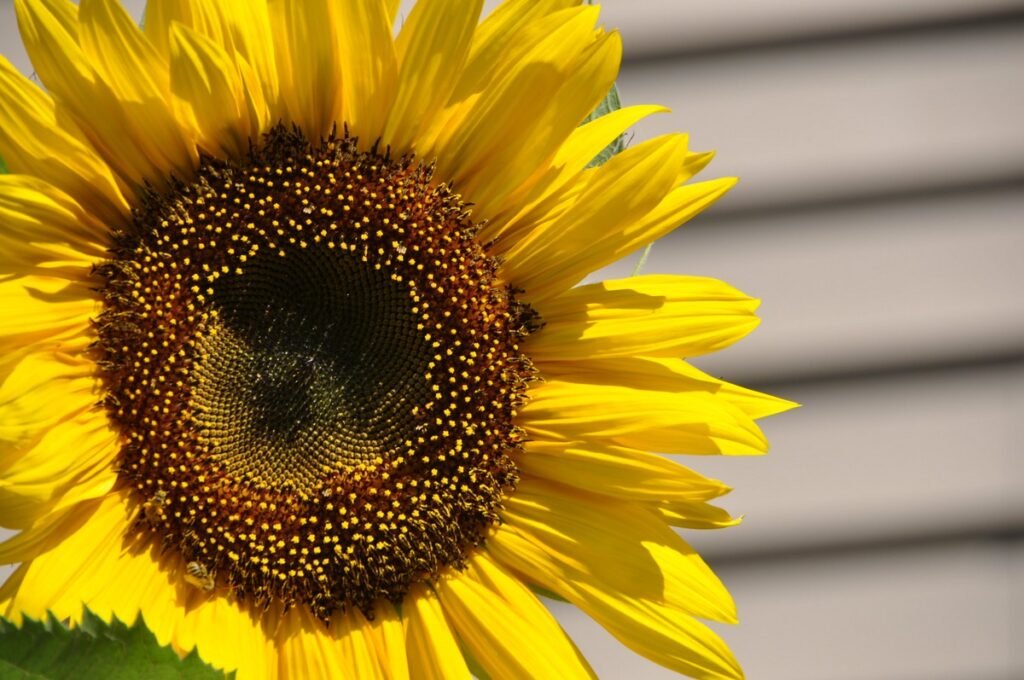
Sunflower (Helianthus annuus)
Sunflowers are iconic and easy-to-grow wildflowers that can add a dramatic touch to any garden. They thrive in full sun and fertile, well-drained soil, and can reach impressive heights. Sunflowers also provide food for birds and bees, making them a great choice for wildlife-friendly gardens.
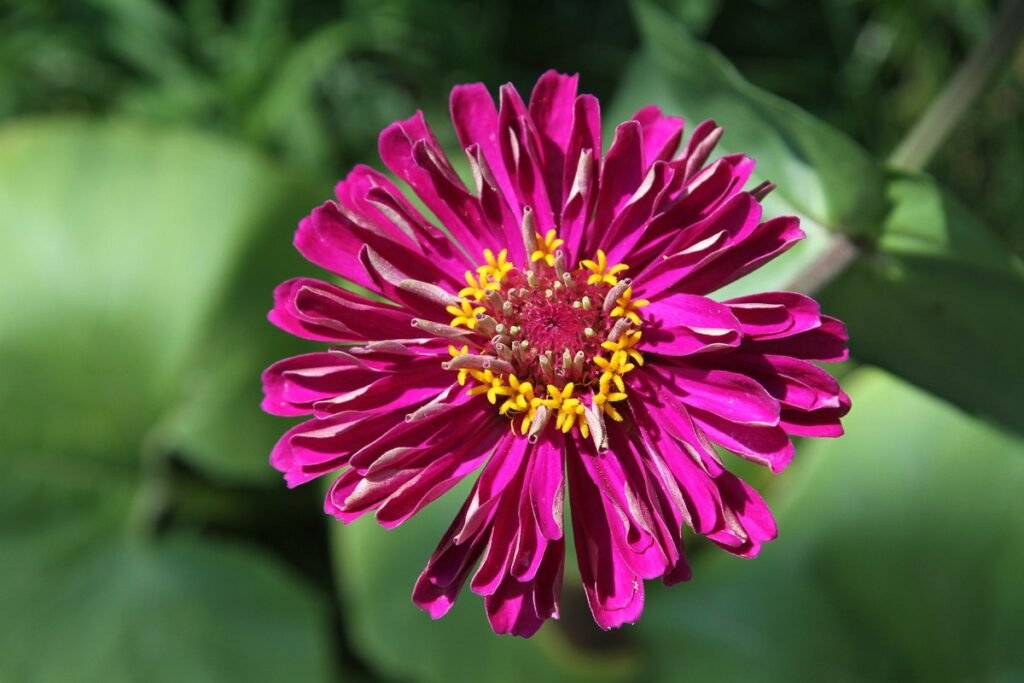
Zinnia (Zinnia elegans)
Zinnias are colorful, long-lasting flowers available in a wide range of sizes and vibrant hues. These heat-tolerant annuals are easy to grow from seeds and can tolerate various soil conditions. They attract butterflies and make excellent cut flowers, making them a great choice for both garden and vase.
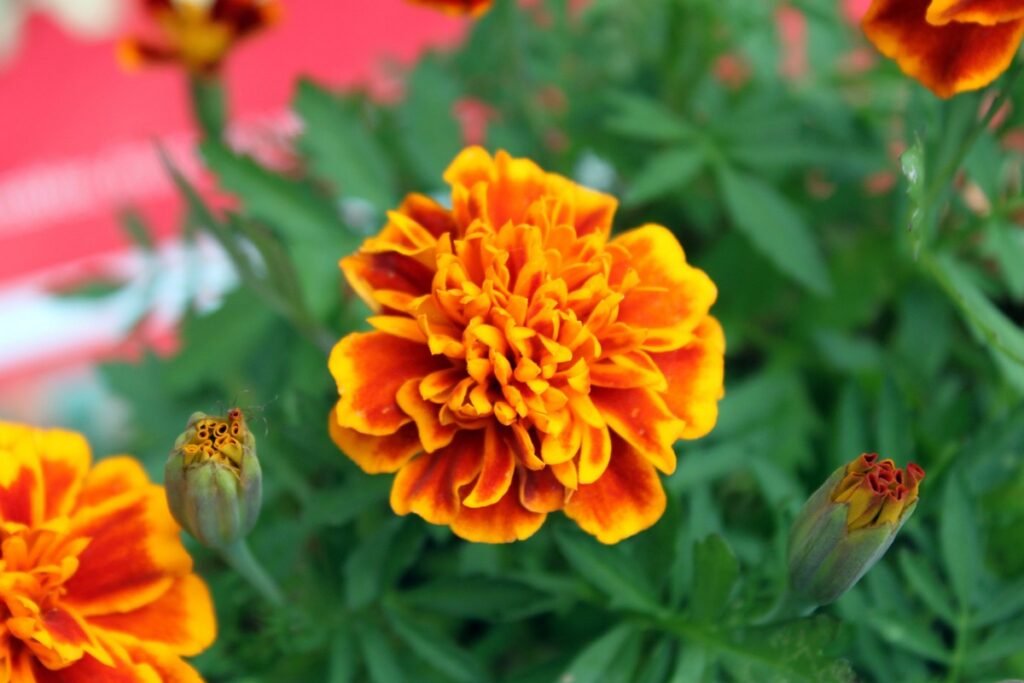
Marigold (Tagetes spp.)
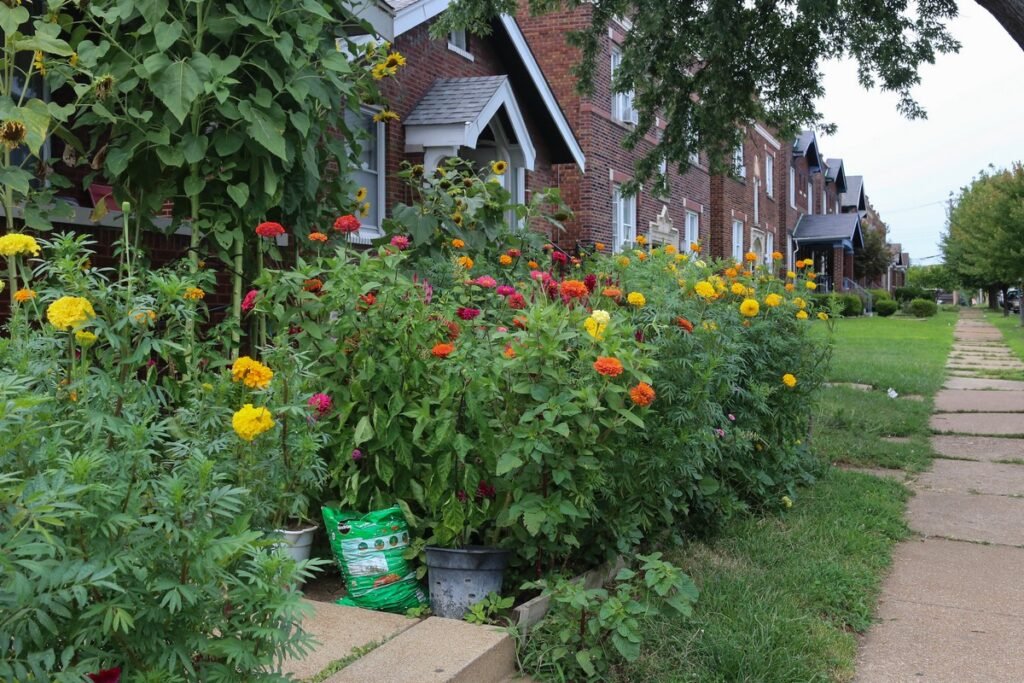
Marigolds are cheerful and versatile annual flowers that come in various sizes and colors, including shades of yellow, orange, and red. They are known for their ability to repel pests and attract beneficial insects to the garden. Marigolds prefer full sun and well-drained soil, making them a great choice for sunny gardens.
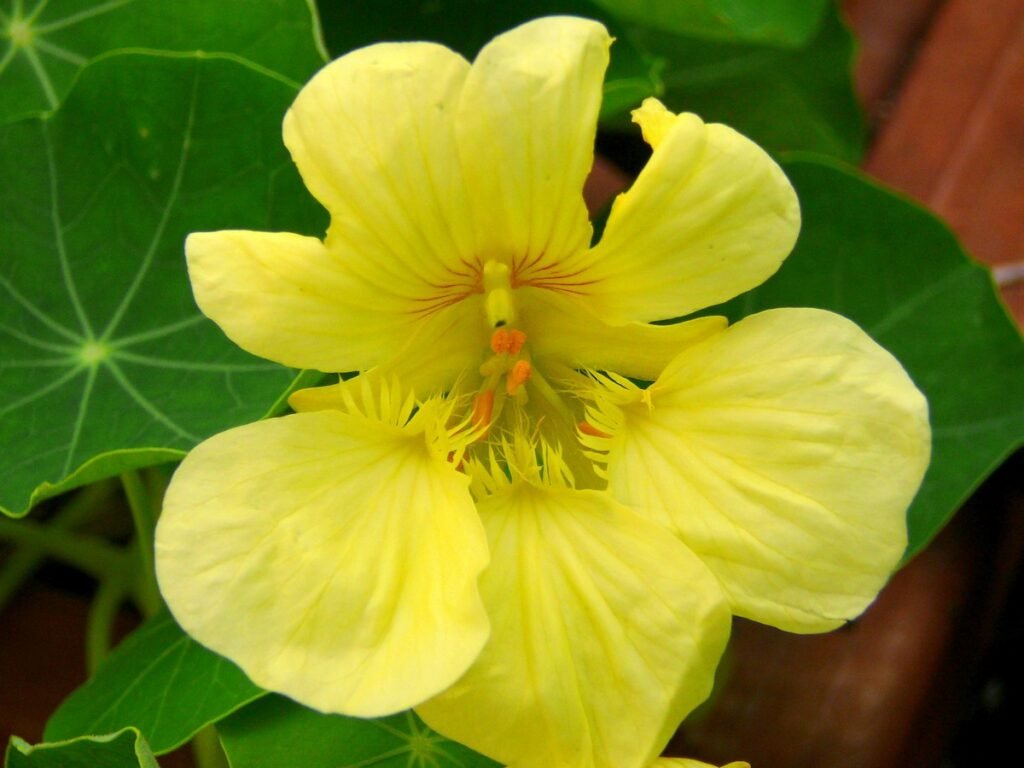
Nasturtium (Tropaeolum spp.)
Nasturtiums are vibrant and edible annual flowers that are easy to grow from seeds. They feature round, bright-colored blooms in shades of orange, red, and yellow. Nasturtiums thrive in poor soil conditions, making them a great choice for gardeners with less-than-ideal soil. They are also edible, with a peppery flavor that can add a unique touch to salads and other dishes.
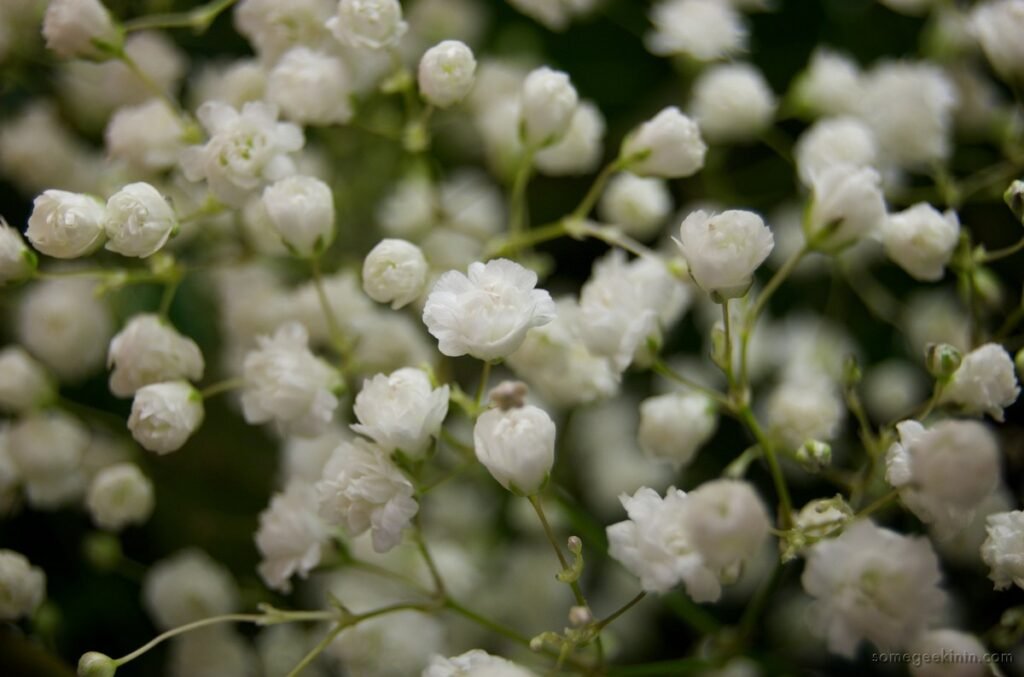
Baby’s Breath (Gypsophila spp.)
Baby’s Breath is a delicate and airy perennial flower often used as a filler in bouquets. It produces clusters of tiny white or pink flowers on slender stems. Baby’s Breath prefers full sun and well-drained soil and is known for its drought tolerance and low maintenance requirements.
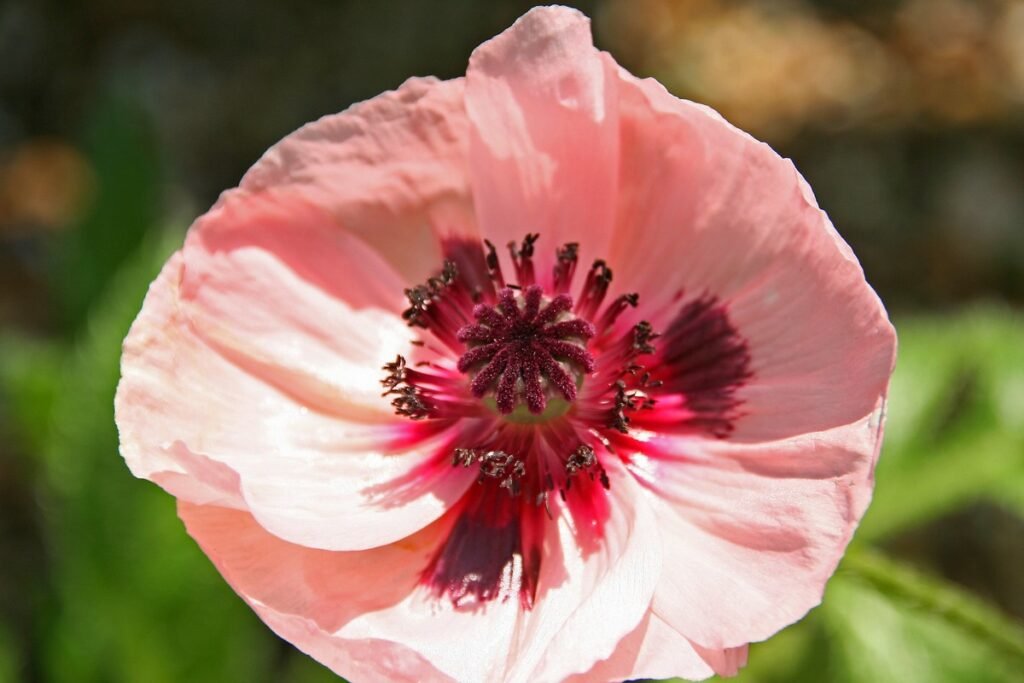
Poppy (Papaver spp.)
Poppies are beloved wildflowers that come in various species and colors, including shades of red, orange, pink, and white. They are generally easy to grow from seeds, and some species self-sow readily. Poppies prefer full sun and well-drained soil, and their vibrant blooms add beauty to any garden.
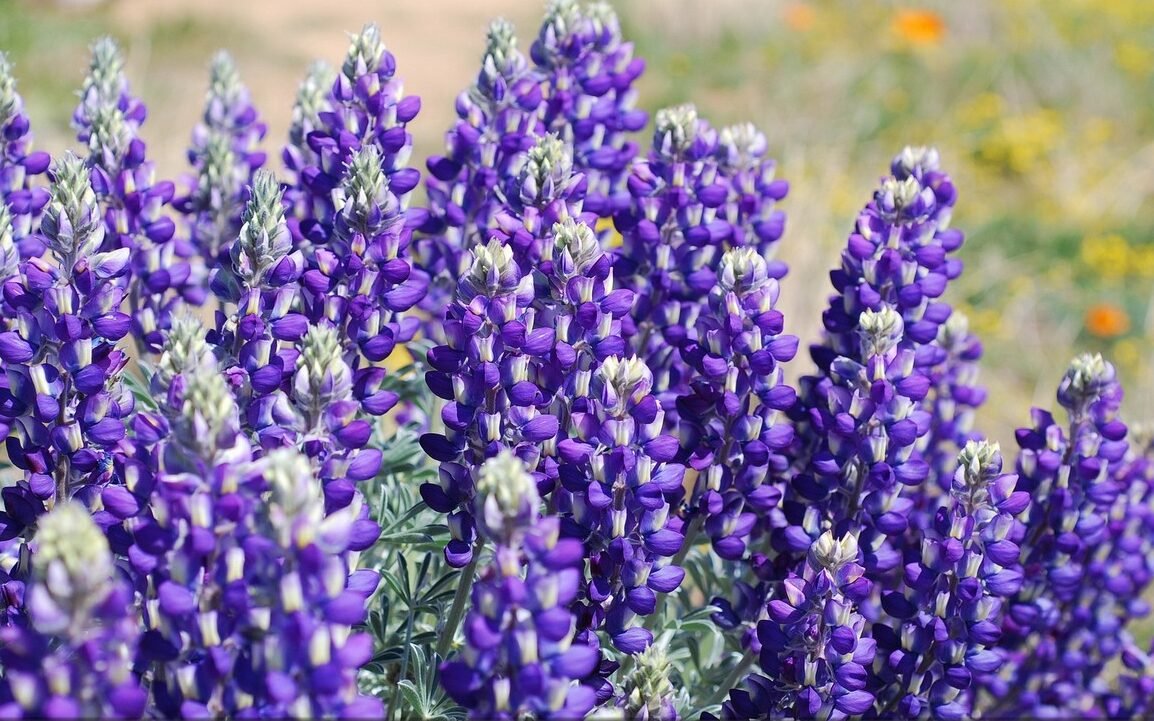
Lupine (Lupinus spp.)
Lupines are perennial wildflowers with tall spikes of colorful flowers, including shades of blue, purple, pink, and white. They are well-suited to sunny locations with well-drained soil. Lupines are known for attracting pollinators and adding vertical interest to garden landscapes.
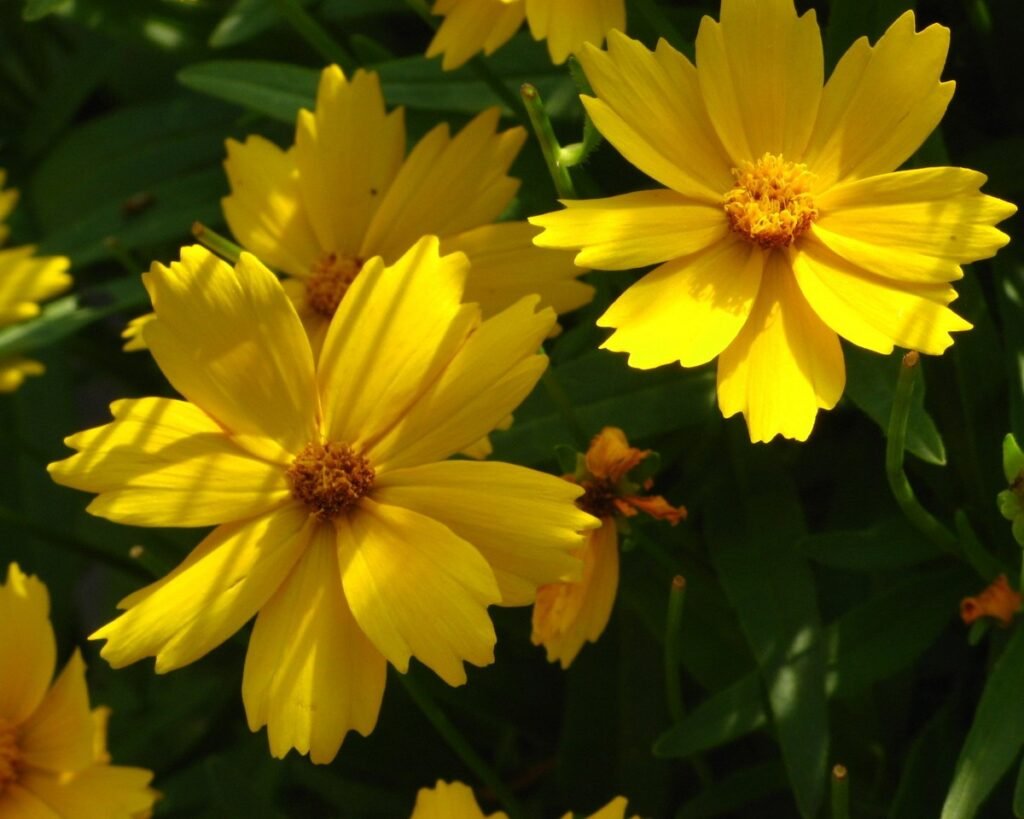
Coreopsis (Coreopsis spp.)
Coreopsis, also known as Tickseed, is a hardy perennial wildflower with bright yellow or golden flowers. It is easy to grow and thrives in full sun and well-drained soil. Coreopsis blooms from spring to fall and attracts bees and butterflies to the garden.
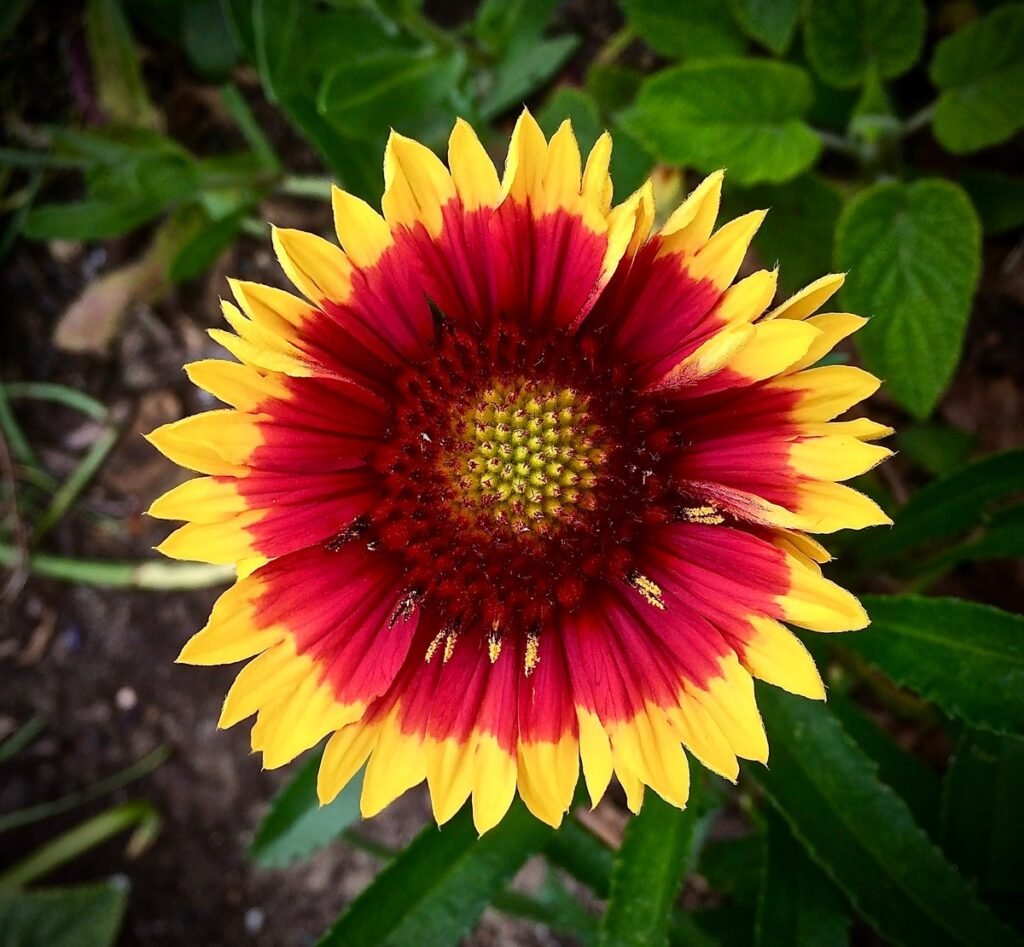
Blanket Flower (Gaillardia spp.)
Blanket Flowers are perennial wildflowers known for their vibrant red, yellow, and orange daisy-like blooms. They are drought-tolerant and can thrive in various soil types, making them an excellent choice for low-maintenance gardens.
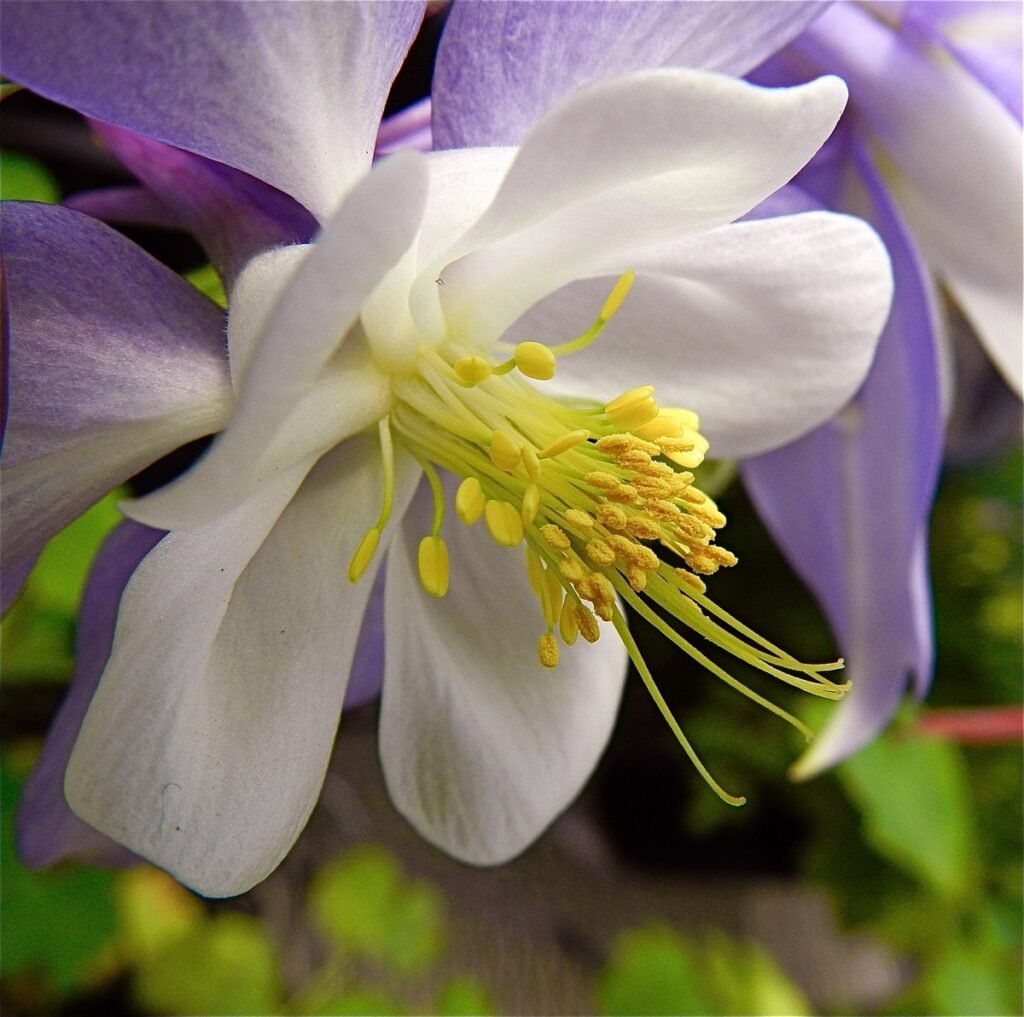
Columbine (Aquilegia spp.)
Columbines are perennial wildflowers with unique spurred flowers in various colors, including shades of blue, purple, pink, and yellow. They are adaptable and can grow well in both sun and partial shade. Columbines also attract hummingbirds to the garden.
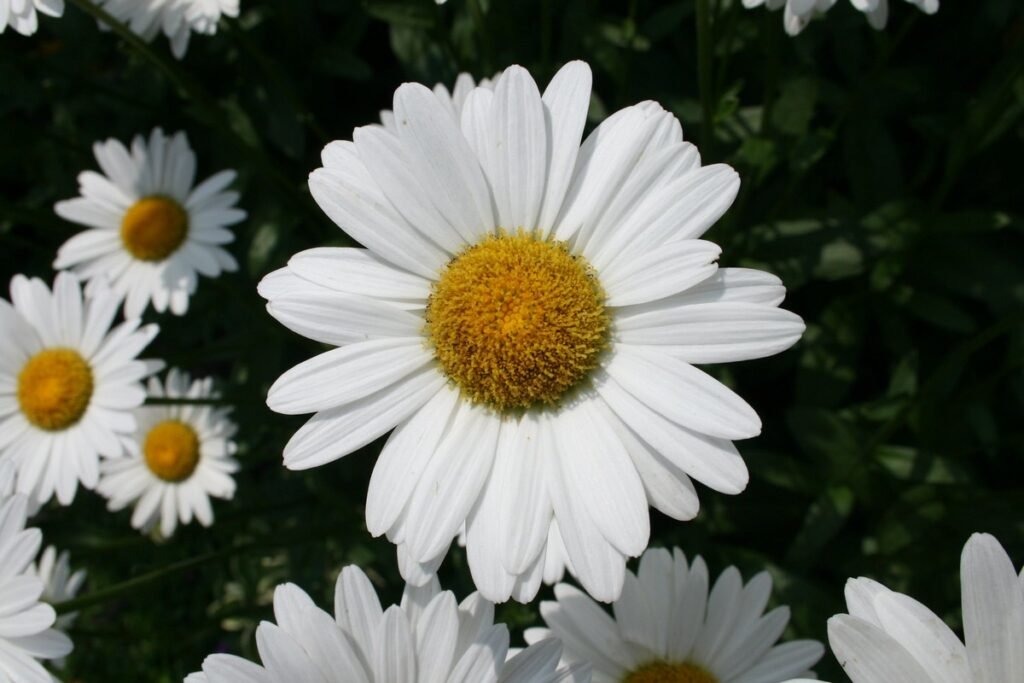
Shasta Daisy (Leucanthemum x superbum)
Shasta Daisies are classic perennial wildflowers with large, white, daisy-like flowers and yellow centers. They are easy to grow and require minimal care. Shasta Daisies prefer full sun and well-drained soil.
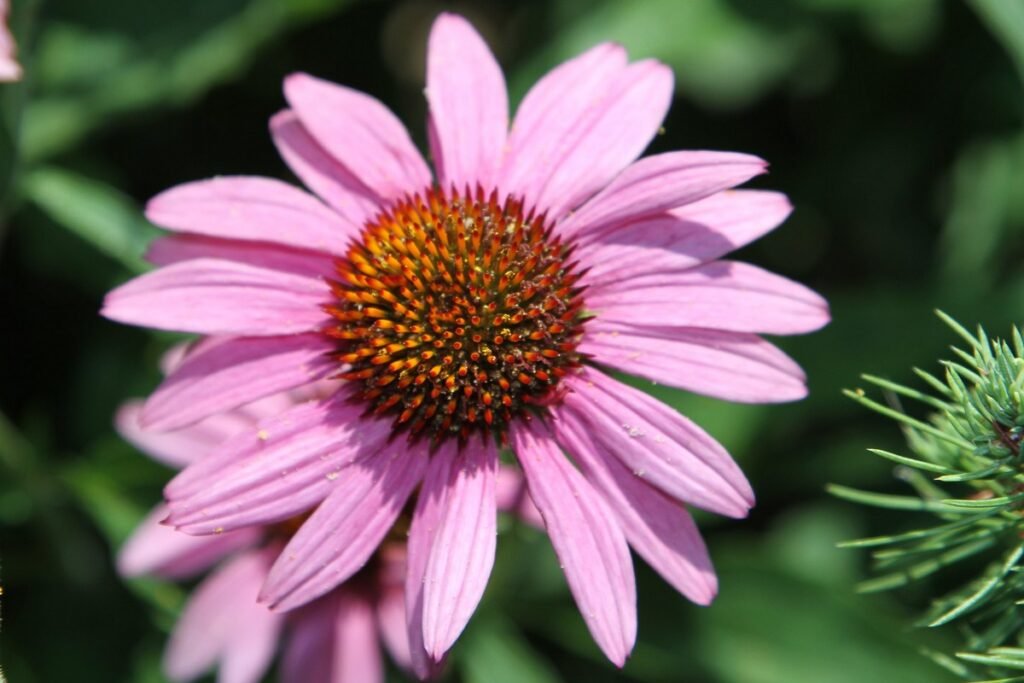
Coneflower (Echinacea spp.)
Coneflowers are popular perennial wildflowers that come in various colors, including shades of purple, pink, and white. They are known for their distinctive cone-shaped centers and their ability to attract pollinators. Coneflowers are drought-tolerant and adaptable to different soil conditions.
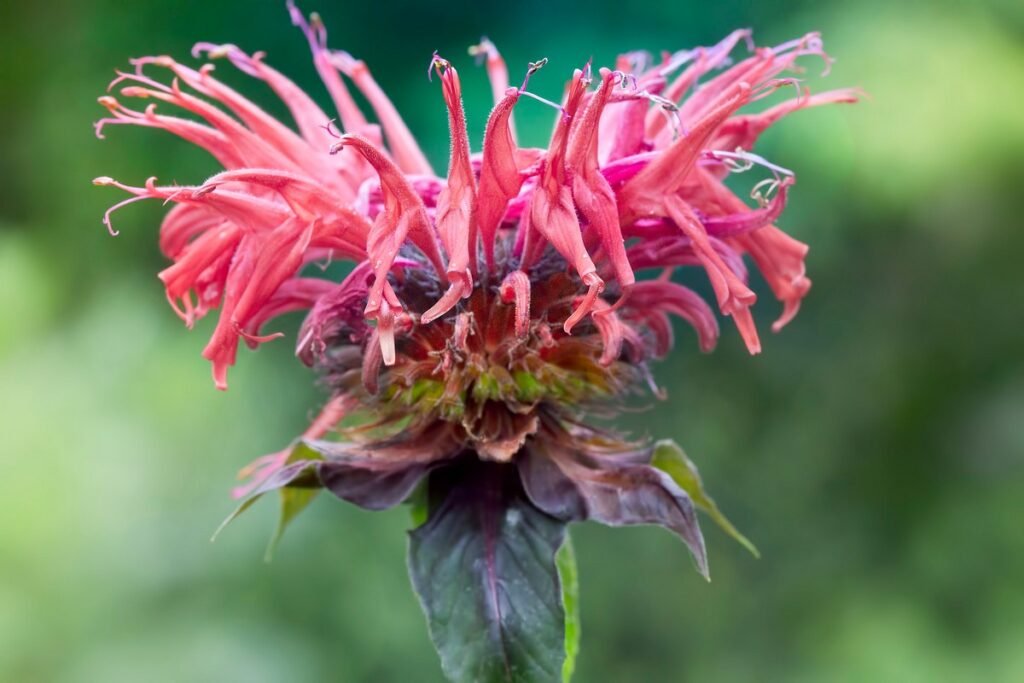
Bee Balm (Monarda spp.)
Bee Balm, also known as Bergamot, is a perennial wildflower that produces showy flower clusters in shades of pink, red, or purple. It is highly attractive to bees, butterflies, and hummingbirds. Bee Balm prefers full sun to partial shade and well-drained soil.
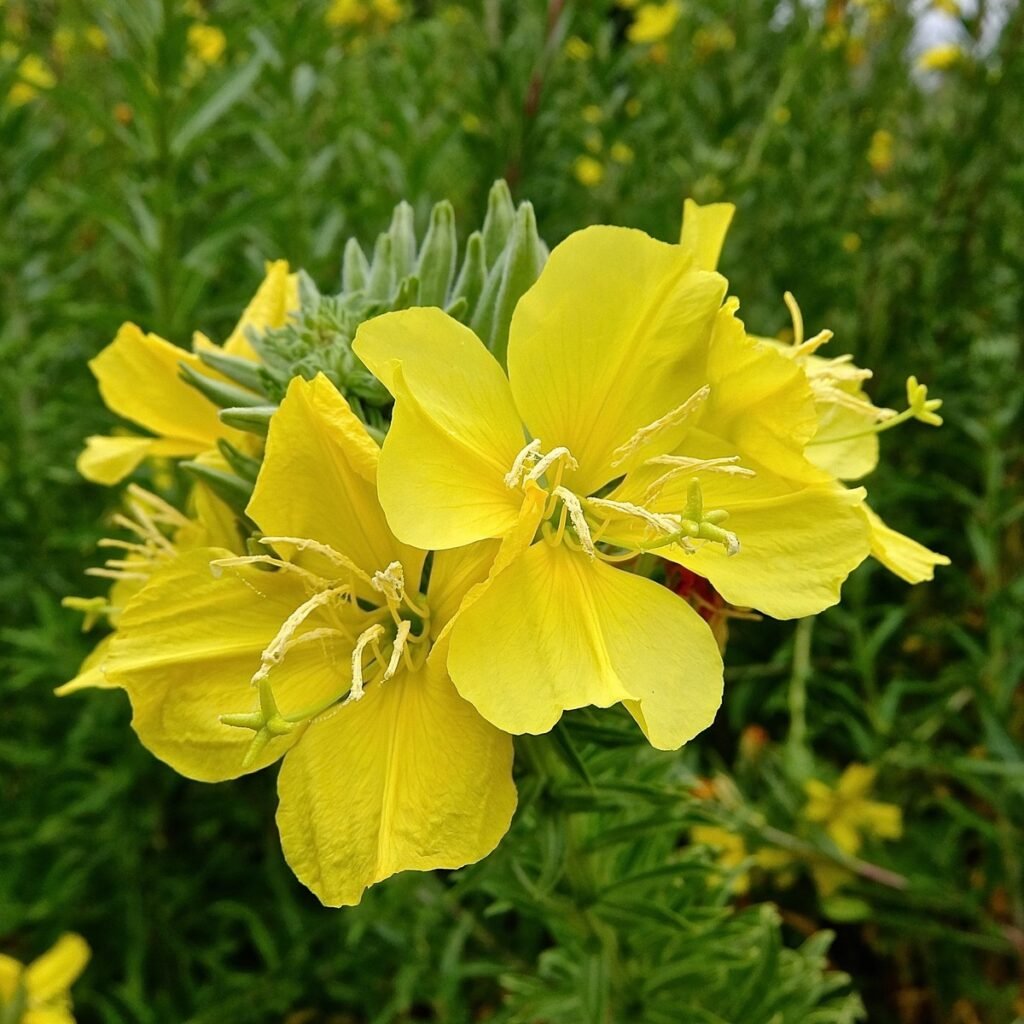
Evening Primrose (Oenothera spp.)
Evening Primroses are hardy perennial wildflowers with delicate yellow, pink, or white flowers that open in the evening. They are drought-tolerant and can grow in various soil types. Evening Primroses add beauty and fragrance to the garden.
Troubleshooting and Common Challenges
While many wildflowers are easy to grow, there are still some potential challenges that gardeners may encounter. Poor germination, weed competition, pest infestations, and diseases are all common issues that can affect wildflowers. To address these challenges, it’s important to start with high-quality seeds, keep the soil moist but not waterlogged, and provide adequate sunlight and nutrients. Regular weeding and pest control can also help prevent problems before they arise.
Further Resources
If you’re interested in learning more about wildflower gardening, there are many great resources available. Books like “The Wildflower Handbook” by Rick Darke and “Wildflowers of the United States” by Harold William Rickett can provide in-depth information on different wildflower species and how to grow them. Online communities like the North American Native Plant Society and the Wildflower Society of America can also connect you with fellow enthusiasts and offer inspiration for your garden.
Tips for Success and Additional Resources
As someone who has grown easy-to-grow wildflowers for many years, I’ve learned a few things along the way. Here are some tips and tricks to help you succeed in your own wildflower garden:
- Prepare your soil: Wildflowers grow best in well-draining soil that is rich in organic matter. Before planting, loosen the soil to a depth of at least 6 inches and add compost or other organic matter to improve soil quality. Avoid using chemical fertilizers or pesticides whenever possible.
- Water wisely: Most wildflowers require regular watering, especially during the first few weeks after planting. However, be careful not to overwater, as this can lead to root rot and other problems. Water deeply and infrequently, rather than shallowly and frequently.
- Mulch to retain moisture: A layer of mulch around your wildflowers can help retain moisture in the soil and prevent weed growth. Use organic mulches such as shredded leaves, straw, or grass clippings.
- Fertilize sparingly: Most wildflowers do not require heavy fertilization. In fact, too much fertilizer can lead to excessive foliage growth at the expense of flowers. Use a balanced, slow-release fertilizer sparingly, if at all.
- Identify and address problems promptly: Keep an eye out for signs of pests, diseases, or other problems in your wildflower garden. Early identification and treatment can prevent the problem from spreading and damaging your plants.
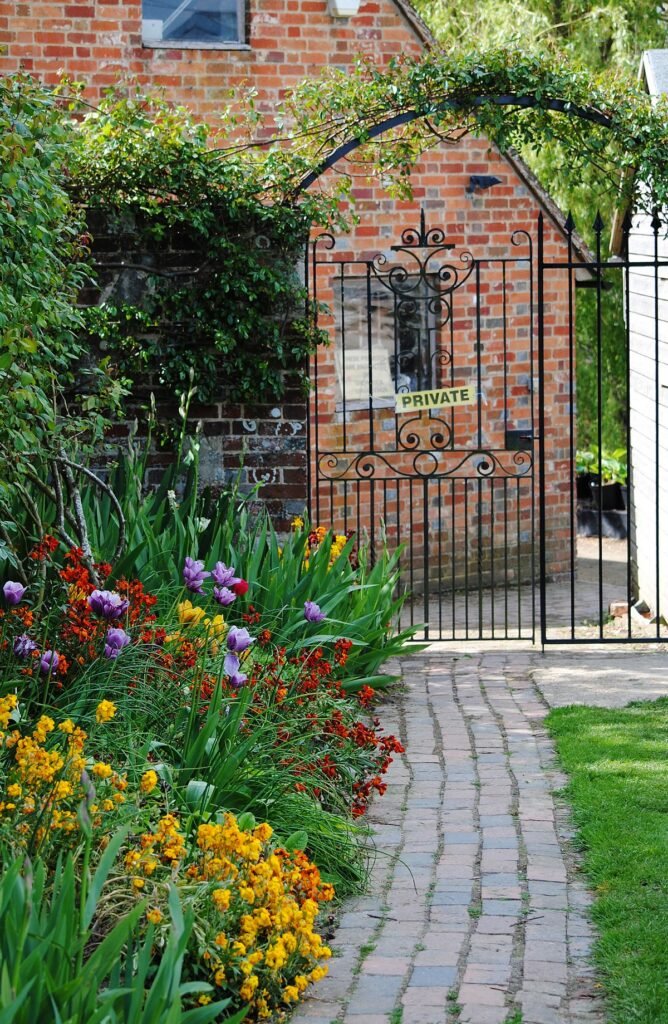
If you encounter any challenges along the way, don’t get discouraged! Here are some common problems and solutions:
- Poor germination: If your wildflowers are slow to germinate or fail to sprout at all, make sure you are planting them at the correct depth and in the right conditions. Some wildflowers require light to germinate, while others need darkness. Follow the seed packet instructions carefully and be patient.
- Weed competition: Weeds can quickly overtake a wildflower garden, especially in the early stages. Pull weeds by hand or use a hoe to remove them carefully, being careful not to disturb your wildflowers.
- Pest infestations: Common pests that can attack wildflowers include aphids, spider mites, and caterpillars. Use organic pest control methods such as insecticidal soap or neem oil to control these pests.
- Diseases: Fungal diseases such as powdery mildew or rust can affect wildflowers. Remove infected plant material promptly and avoid overhead watering, which can spread fungal spores.
Finally, if you’re looking for more information and inspiration, check out these additional resources:
- Books: The “Wildflowers of North America” series by Lady Bird Johnson Wildflower Center is an excellent resource for identifying and learning about different types of wildflowers.
- Websites: The North American Native Plant Society (NANPS) and the Lady Bird Johnson Wildflower Center both offer extensive information on wildflower gardening and conservation.
- Online Communities: Joining an online community such as the GardenWeb Wildflower Forum or the Wildflower Watch group on Facebook can connect you with other wildflower enthusiasts and provide a wealth of information and inspiration.
Remember, wildflower gardening is all about experimentation and discovery. Don’t be afraid to try new things and learn from your successes and failures. Happy gardening!