
Wildflowers are a beautiful and essential part of our natural environment. Many people wonder if wildflowers come back every year, and the answer is not a simple yes or no. It depends on the type of wildflower and the conditions in which it grows.
Some wildflowers are annuals, meaning they only live for one growing season. These wildflowers grow from seed, bloom, and produce new seeds before dying off. Other wildflowers are perennials, meaning they live for multiple years. Perennial wildflowers may die back to the ground in the winter, but they will regrow from their roots the following spring. Understanding the life cycle of a wildflower is important when considering whether it will come back every year.
Understanding Wildflowers
What are Wildflowers?
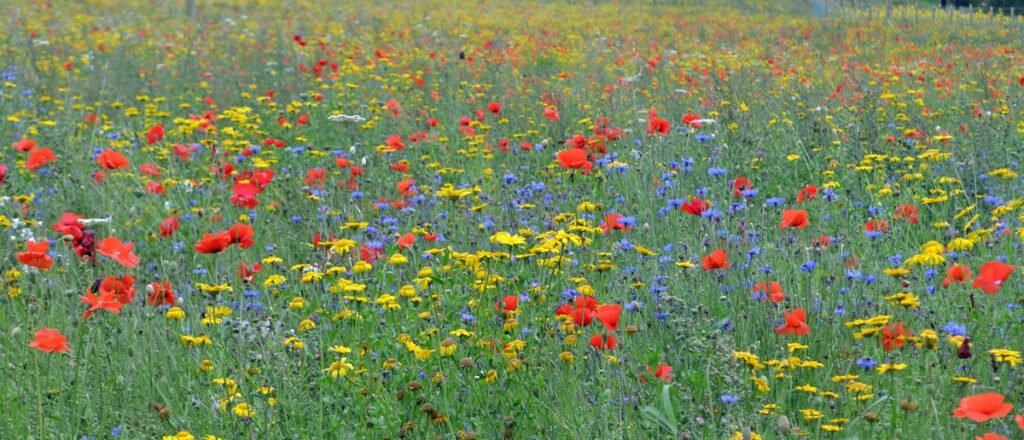
As an avid nature lover, I have always been fascinated by wildflowers. Wildflowers are simply flowers that grow in the wild without any human intervention. They can be found in various habitats, including forests, meadows, and even alongside roadsides.
Wildflowers are important for several reasons. Firstly, they add to the natural beauty of the environment, making it more appealing to the eye. Secondly, they play a vital role in the ecosystem, providing food and shelter for various animals and insects. Finally, they have cultural significance, being used in various traditions and ceremonies.
Related: Are Wildflowers Weeds? Debunking the Common Misconception
Wildflower Life Cycle
Wildflowers have a unique life cycle that enables them to regenerate and bloom year after year. The life cycle of wildflowers can be divided into several stages, starting with germination and ending with seed production.
Learn more: How Long Does It Take for Wildflowers to Grow?
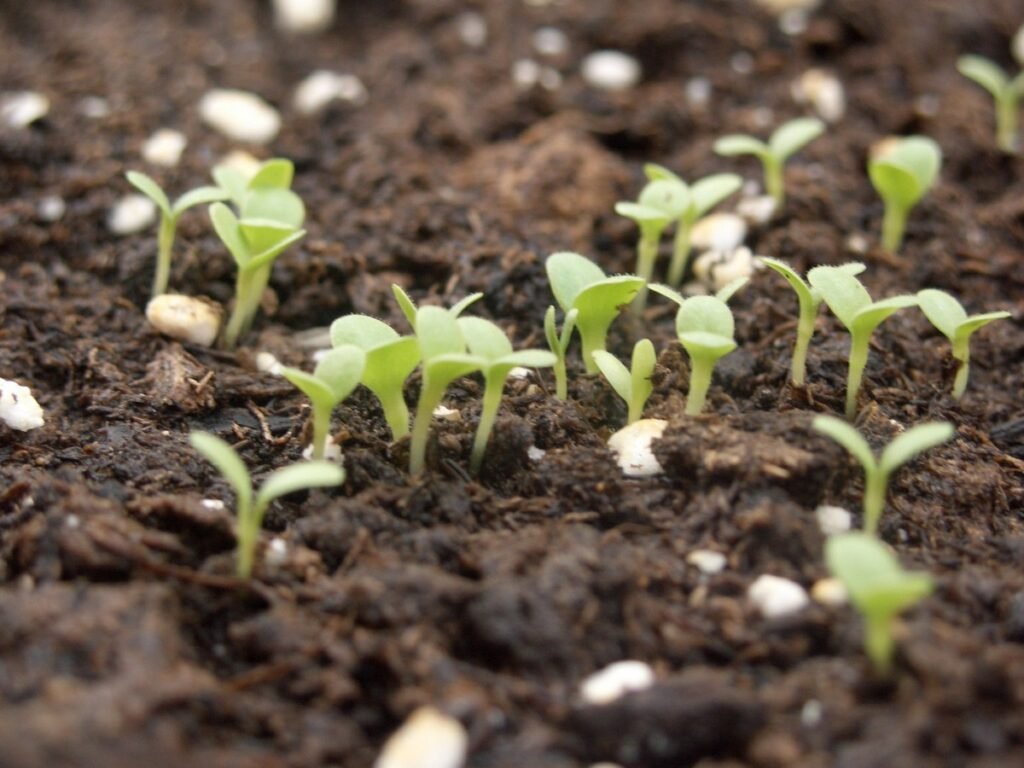
During the germination stage, the seeds of wildflowers are planted in the soil. They then begin to sprout, forming roots that anchor them to the ground. As they grow, they develop stems and leaves, which enable them to absorb sunlight and nutrients from the soil.
The next stage is flowering, where the wildflowers produce beautiful blooms that attract pollinators such as bees and butterflies. The pollinators help to fertilize the flowers, leading to the formation of seeds.
Finally, the wildflowers enter the seed production stage, where they produce seeds that can be dispersed by the wind, animals, or water. These seeds can then germinate and grow into new wildflowers, continuing the cycle.
In conclusion, wildflowers are an essential part of the natural environment, providing beauty, ecological benefits, and cultural significance. Their ability to regenerate and bloom year after year makes them a valuable addition to any ecosystem.
Wildflower Perennials
Characteristics of Perennial Wildflowers
Perennial wildflowers are plants that come back year after year. They are a great addition to any garden because they require less maintenance than annuals, which need to be replanted every year. Perennial wildflowers have deep roots that allow them to survive harsh weather conditions, such as drought or extreme cold. They also tend to have a longer blooming period than annuals, which means you can enjoy their colorful blooms for a longer time.
Examples of Perennial Wildflowers
There are many different types of perennial wildflowers that you can choose from for your garden. Here are a few examples:
- Black-eyed Susan: This wildflower has bright yellow petals with a dark brown center. It blooms from mid-summer to early fall and attracts bees and butterflies.
- Coneflower: This wildflower has pink or purple petals with a spiky center. It blooms from mid-summer to early fall and attracts bees and butterflies.
- Blanketflower: This wildflower has red and yellow petals that resemble a blanket. It blooms from mid-summer to early fall and attracts bees and butterflies.
- Milkweed: This wildflower has pink or orange petals and is an important food source for monarch butterflies. It blooms from mid-summer to early fall and attracts bees and butterflies.
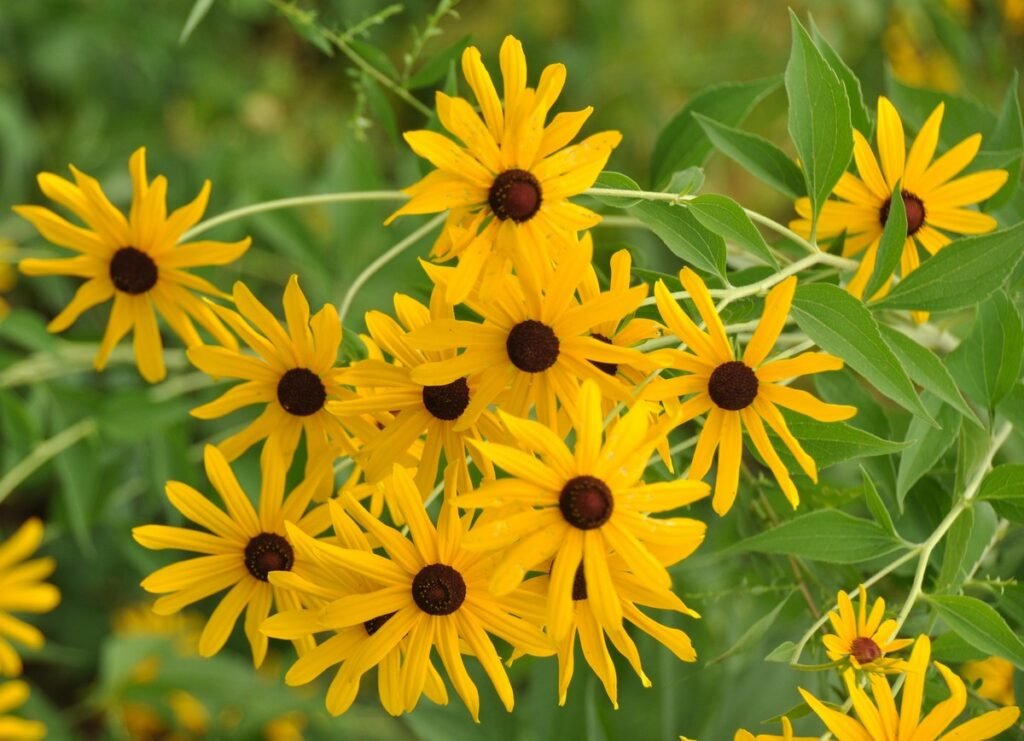
In conclusion, perennial wildflowers are a great choice for any garden because they require less maintenance than annuals and have a longer blooming period. There are many different types of perennial wildflowers to choose from, so you can find the perfect ones to suit your garden’s needs.
Wildflower Annuals
Characteristics of Annual Wildflowers
As I research wildflowers, I’ve learned that annuals are a type of wildflower that completes its lifecycle in one growing season. This means that they grow from seed, bloom, produce seeds, and die all within the same year. Unlike perennial wildflowers, annuals do not come back year after year.
Annual wildflowers grow quickly and bloom profusely, making them a popular choice for gardeners who want to add a burst of color to their landscape. They are also a favorite of pollinators such as bees and butterflies.
Examples of Annual Wildflowers
Some popular annual wildflowers include:
- California poppy
- Cosmos
- Marigold
- Sunflower
- Zinnia
These wildflowers come in a variety of colors and sizes, making them a versatile choice for any garden.
In addition to their beauty, annual wildflowers are also easy to grow. They do best in full sun and well-drained soil. Many varieties can be directly sown into the ground in early spring, making them a low-maintenance choice for gardeners.
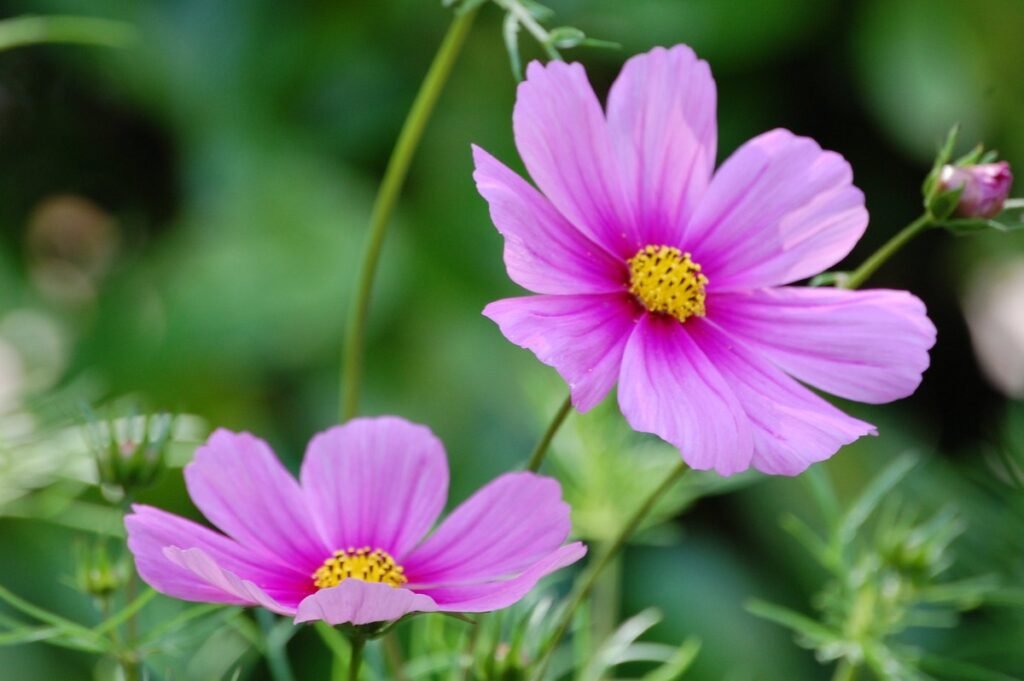
Overall, annual wildflowers are a great choice for gardeners who want to add color and attract pollinators to their landscape. While they may not come back year after year, they are a beautiful and easy-to-grow addition to any garden.
Factors Affecting Wildflower Perenniality
Climate and Adaptation
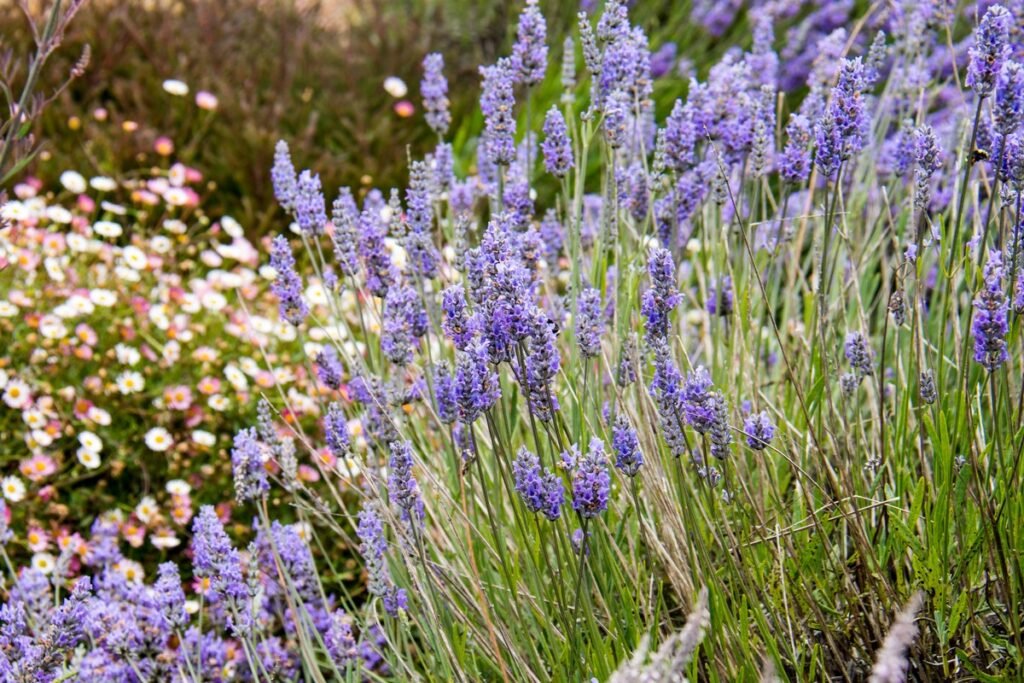
As a nature enthusiast, I have always been fascinated by the resilience of wildflowers. These beautiful plants are adapted to specific climatic conditions, which play a crucial role in their ability to come back each year. Temperature, rainfall patterns, and sunlight are some of the key factors that determine their survival and growth.
For instance, some wildflowers are adapted to thrive in hot and dry conditions, while others prefer cooler and wetter climates. Their ability to tolerate extreme temperatures and drought conditions is critical for their survival. Additionally, some wildflowers require full sunlight to grow and bloom, while others can thrive in partially shaded areas.
Soil Requirements
The soil composition and fertility are also significant factors that influence the growth and perenniality of wildflowers. As I researched for my article, I discovered that specific soil types, pH levels, and nutrient availability play a crucial role in their ability to reemerge annually.
For example, some wildflowers prefer well-drained soils, while others thrive in wetlands and marshy areas. The pH level of the soil also affects their growth, with some wildflowers preferring acidic soils, while others prefer alkaline soils. Furthermore, the availability of essential nutrients such as nitrogen, phosphorus, and potassium is critical for their growth and flowering.
Seed Dormancy and Dispersal
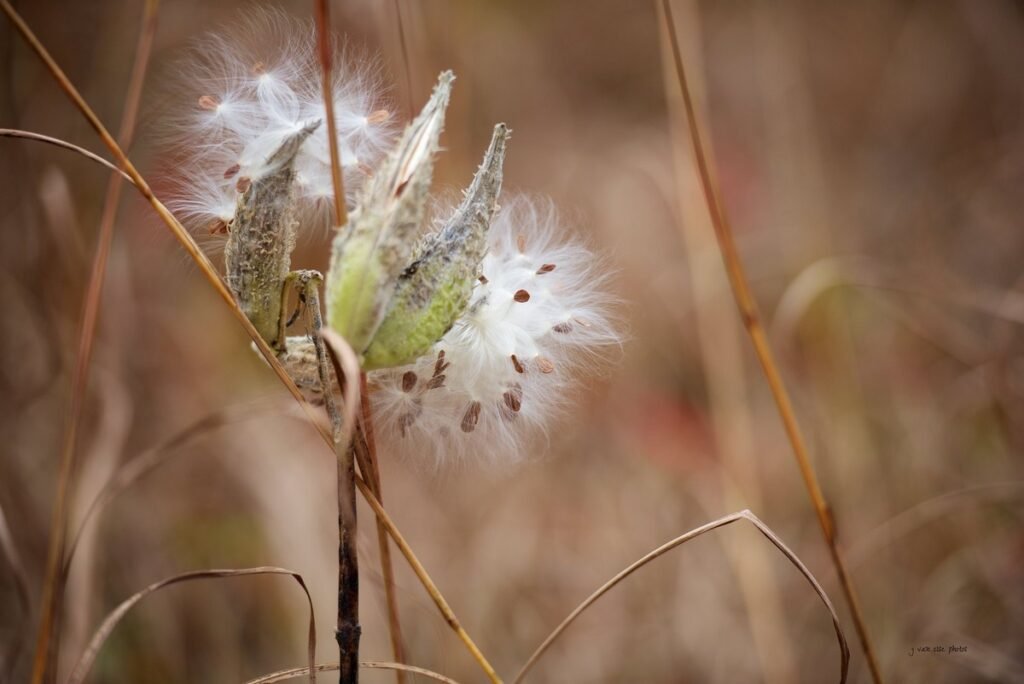
Wildflower seeds can remain dormant in the soil for extended periods, waiting for favorable conditions to germinate and grow. As I delved deeper into my research, I learned that the mechanisms of seed dispersal also contribute to the reseeding and reappearance of wildflowers.
Some wildflowers rely on wind dispersal, while others use animal dispersal. For instance, some seeds have hooks or barbs that attach to the fur or feathers of animals, allowing them to be carried to new locations. Additionally, some wildflowers have evolved to produce seeds that can survive harsh environmental conditions, such as extreme temperatures and drought.
In conclusion, the perenniality of wildflowers is influenced by several factors, including climate and adaptation, soil requirements, and seed dormancy and dispersal. Understanding these factors is crucial for anyone interested in growing and maintaining wildflowers in their gardens or natural areas.
Wildflower Maintenance and Encouraging Their Return
Proper Gardening Techniques
As a gardener, I have found that implementing appropriate gardening practices is crucial for supporting wildflowers’ return. To create a favorable environment for wildflower growth, I recommend preparing the soil by removing any debris and adding organic matter. This helps to improve the soil’s texture, water retention, and nutrient content.
Related: Easy to Grow Wildflowers: Tips for a Beautiful and Low-Maintenance Garden
When it comes to watering, it’s essential to avoid overwatering, as this can lead to root rot and other issues. Instead, I suggest watering deeply but infrequently, allowing the soil to dry out slightly between watering sessions. Additionally, I recommend using mulch to help retain moisture and suppress weed growth.
Weeding is another critical aspect of wildflower maintenance. While it may be tempting to remove all weeds, some of them may actually be beneficial to wildflowers by providing shade or attracting pollinators. I suggest hand-pulling weeds instead of using herbicides, which can harm both wildflowers and other wildlife.
Native Plant Selection
Using native wildflowers in gardens or natural landscapes is an excellent way to enhance their chances of returning every year. Native plants are adapted to local conditions, making them more resilient to pests, diseases, and climate fluctuations. They also provide habitat and food for local wildlife, such as bees, butterflies, and birds.
When selecting native wildflowers, it’s essential to choose species that are well-suited to the specific site conditions, such as sun exposure and soil type. I recommend consulting with a local nursery or gardening expert to determine which plants will thrive in your area.
Conservation and Protection
Conserving wildflower habitats and protecting them from human activities is crucial for ensuring their long-term survival. As a gardener, I believe it’s essential to be mindful of how my actions can impact the surrounding environment.
I encourage readers to participate in conservation efforts, such as joining local initiatives or preserving natural areas. Additionally, it’s important to avoid disturbing natural habitats by staying on designated trails, refraining from picking wildflowers, and properly disposing of trash.
By implementing proper gardening techniques, selecting native plants, and supporting conservation efforts, we can help ensure that wildflowers continue to return year after year.
Conclusion
Throughout this article, I have explored the perennial nature of wildflowers. From discussing the different types of wildflowers to explaining the conditions necessary for their growth, we have learned that wildflowers can be a reliable source of beauty in our gardens year after year. By planting the right varieties and providing them with the right care, we can enjoy their vibrant colors and delicate blooms for many seasons to come.
As we have seen, wildflowers are not only beautiful but also important for the preservation of biodiversity. By creating spaces that promote wildflower growth, we can help support ecosystems and provide habitats for pollinators such as bees and butterflies.
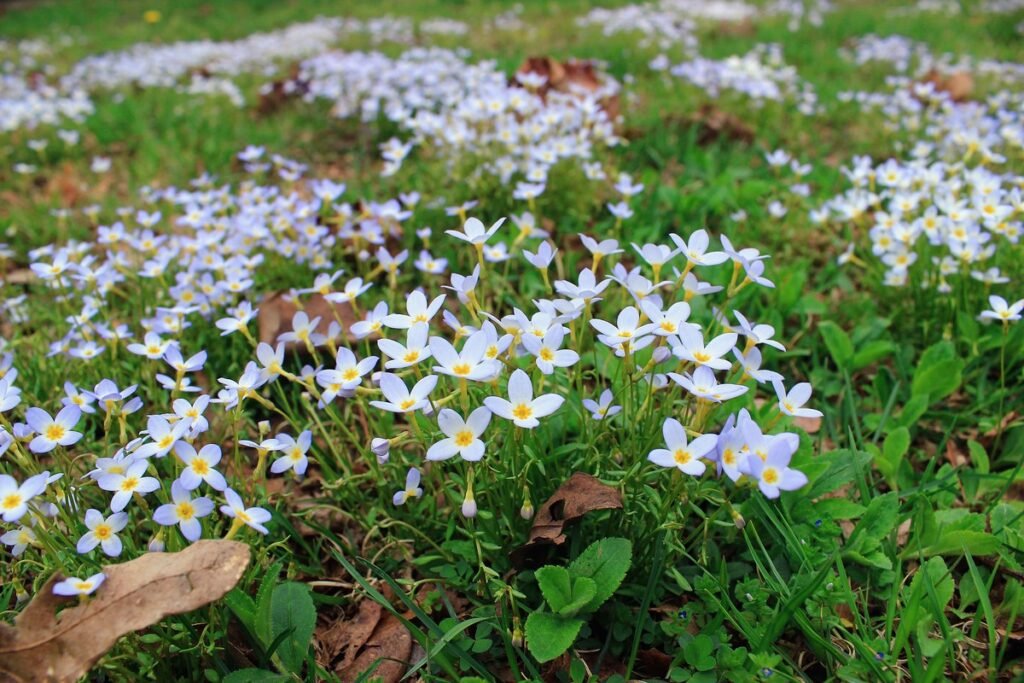
I encourage you to take the time to appreciate the wildflowers in your environment and to consider ways to support them. Whether it’s by planting a wildflower garden or simply leaving a patch of your yard to grow naturally, we can all play a role in preserving these delicate and important plants. Let’s work together to ensure that future generations can also enjoy the beauty and benefits of wildflowers.