
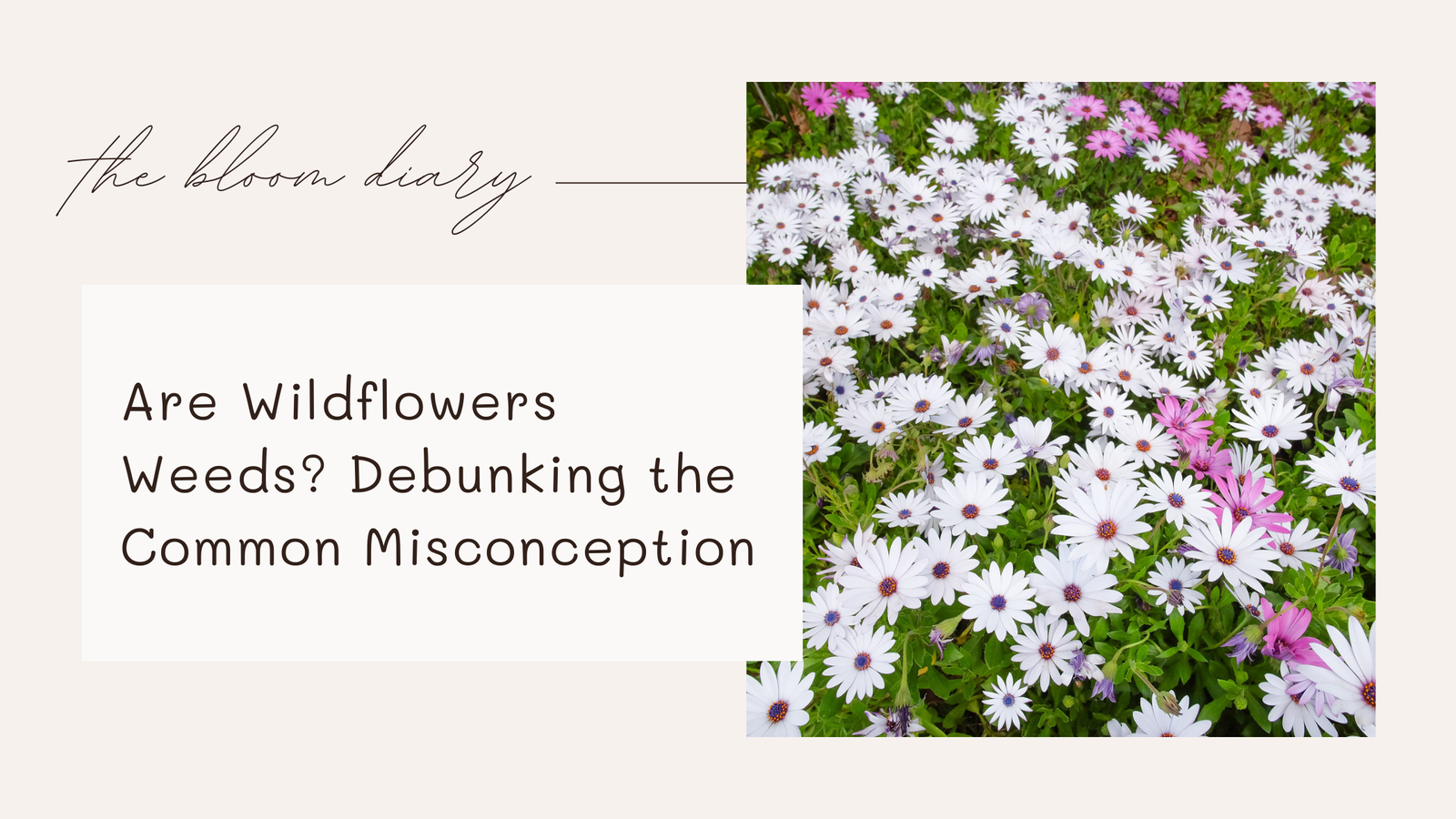
As a nature enthusiast, I have always been fascinated by the colorful and diverse wildflowers that bloom in the fields and meadows during spring and summer. However, I have often heard people refer to these beautiful plants as weeds, which made me wonder: are wildflowers really weeds?
To answer this question, we need first to understand what a weed is. Generally speaking, a weed is any plant that grows where it is not wanted and interferes with the growth of other plants. By this definition, some wildflowers could be considered weeds if they grow in areas where they are not desired or if they compete with other plants for resources. However, it is important to note that not all wildflowers are weeds, and many of them play an important role in the ecosystem by providing food and habitat for wildlife.
So, are wildflowers weeds? The answer is not a simple yes or no. It depends on the context and the specific species of wildflowers in question. In the following article, we will explore this topic in more detail and take a closer look at some of the most common wildflowers that are often mistaken for weeds.
Defining Wildflowers and Weeds
Characteristics of Wildflowers
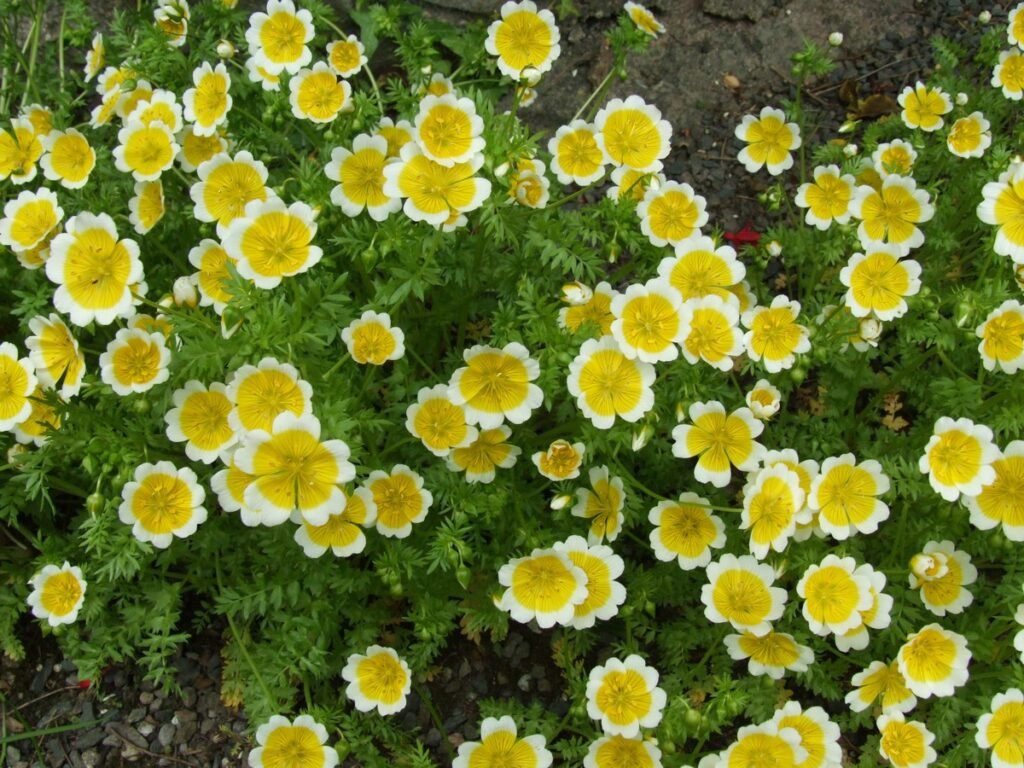
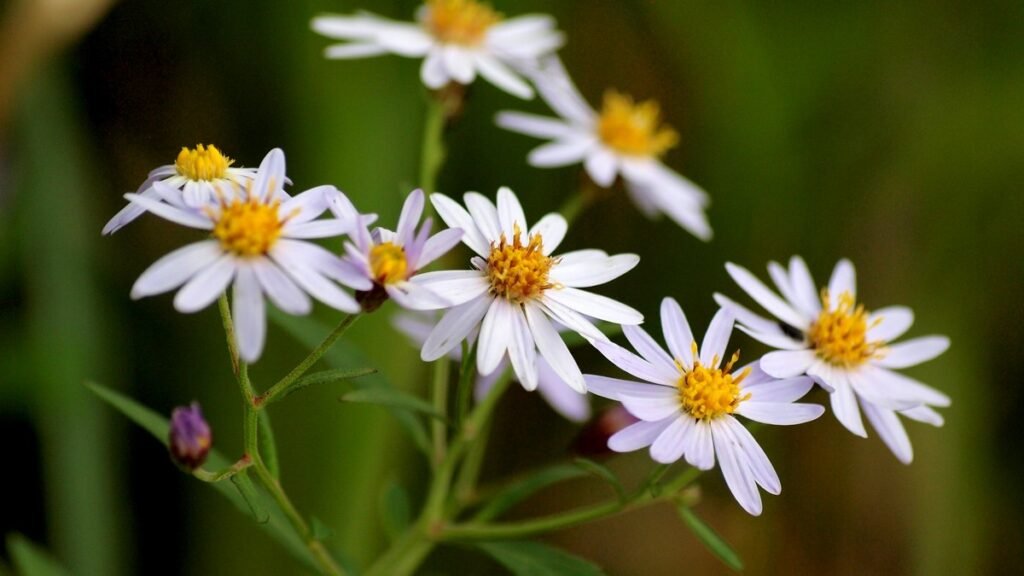
When I think of wildflowers, I imagine a field of colorful, delicate flowers swaying in the breeze. Wildflowers are often considered beautiful and desirable, but what makes a plant a wildflower?
Wildflowers are native plants that grow naturally in a particular region without human intervention. They can be annuals, biennials, or perennials, and they often have showy flowers that attract pollinators like bees and butterflies. Wildflowers can be found in a variety of habitats, from meadows and prairies to forests and wetlands.
Characteristics of Weeds
On the other hand, weeds are often seen as unwanted and unsightly plants that invade gardens, lawns, and other areas. But what exactly makes a plant a weed?
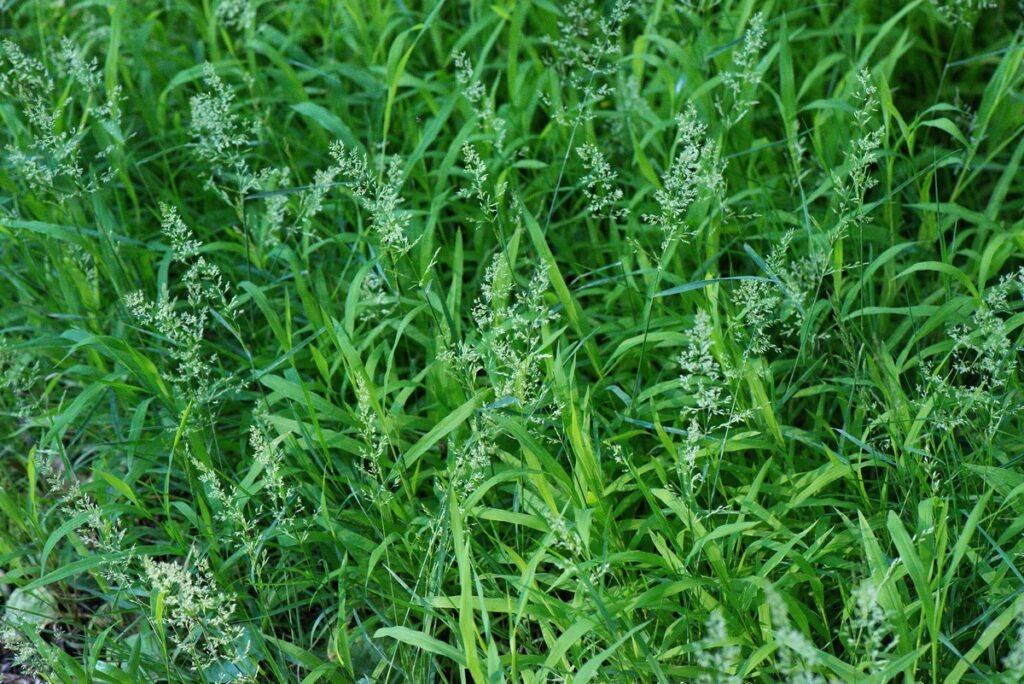
Weeds are defined as any plant that grows where it is not wanted. They can be native or non-native, and they are often able to adapt to a wide range of conditions. Weeds can be annuals, biennials, or perennials, and they often have a rapid growth rate and the ability to spread quickly through seeds or underground rhizomes.
Some common characteristics of weeds include:
- Fast growth rate
- Ability to grow in a variety of conditions
- Ability to spread quickly through seeds or rhizomes
- Tendency to outcompete other plants for resources
In conclusion, while wildflowers and weeds may share some similarities, they are fundamentally different types of plants. Wildflowers are native plants that grow naturally in a particular region and are often prized for their beauty and ability to attract pollinators. Weeds, on the other hand, are unwanted plants that can quickly spread and outcompete other plants for resources.
Pros and Cons of Wildflowers
Benefits of Wildflowers
I believe wildflowers are a beautiful addition to any landscape, but they also offer many benefits beyond their aesthetics. Here are some of the advantages of having wildflowers:
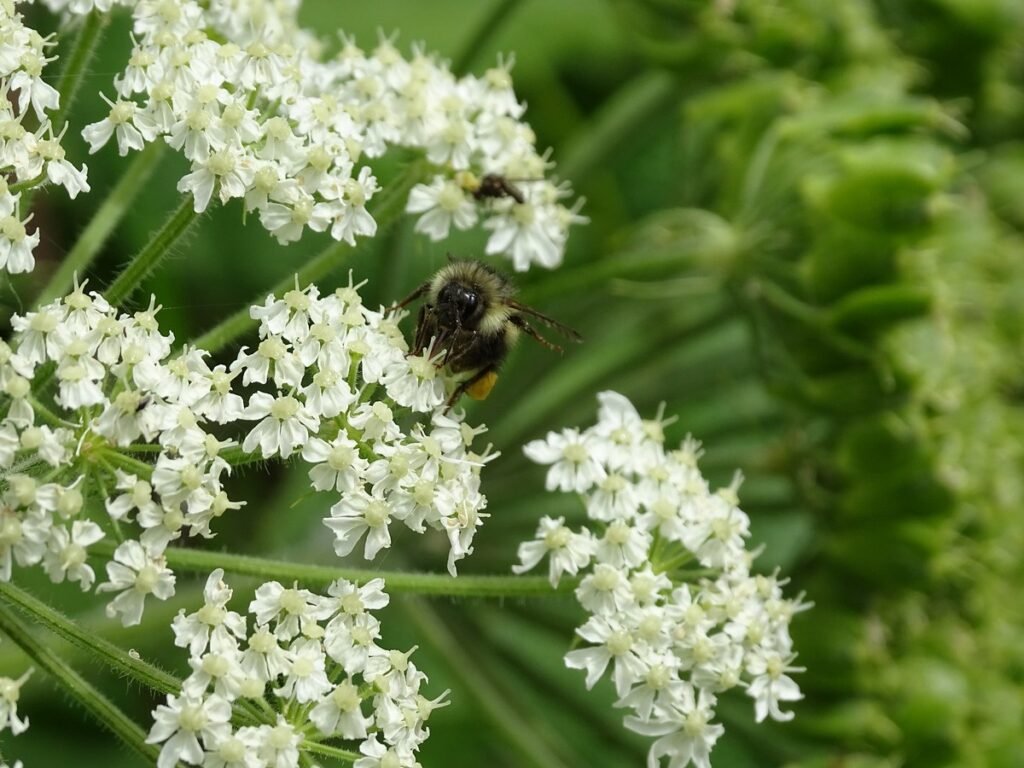
- Attract pollinators: Wildflowers are a great way to attract bees, butterflies, and other pollinators to your garden. They provide a source of food and habitat for these important creatures, which are essential for the health of our ecosystems.
- Low maintenance: Unlike many ornamental plants, wildflowers require little to no maintenance once established. They are adapted to their local environment and can thrive without much intervention.
- Soil health: Wildflowers can improve soil health by increasing organic matter and promoting beneficial microbial activity. They also help prevent erosion and reduce the need for chemical fertilizers.
- Biodiversity: Wildflowers are an important part of our natural heritage and can help preserve biodiversity by providing habitat for native species.
Disadvantages of Wildflowers
While I believe that wildflowers are generally a positive addition to any landscape, there are some potential downsides to consider:
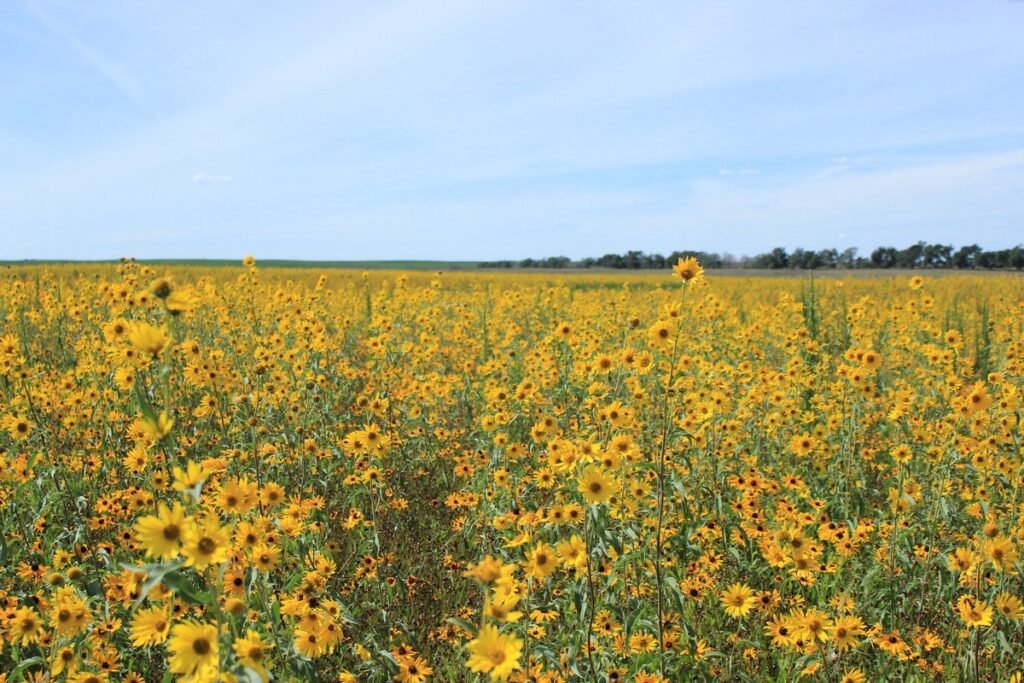
- Invasive species: Some wildflowers can become invasive if not properly managed. They can spread quickly and outcompete native species, which can have negative impacts on the local ecosystem.
- Unsuitable for some areas: Not all wildflowers are suitable for all areas. Some may require specific soil types or moisture levels, while others may not be able to tolerate extreme temperatures or other environmental conditions.
- Short blooming period: While wildflowers can be beautiful when in bloom, their blooms may only last for a short period of time. This can be a disadvantage if you’re looking for year-round color in your garden.
In conclusion, while wildflowers can offer many benefits, they may only be suitable for some situations. It’s important to carefully consider the pros and cons before adding them to your landscape.
Pros and Cons of Weeds
Benefits of Weeds
As I researched the topic of wildflowers and weeds, I discovered that weeds can have some benefits. Here are a few:
- Pollinators: Some weeds, like dandelions and clovers, are great sources of food for bees and butterflies. They provide nectar and pollen, which are essential for pollinators to survive and thrive.
- Soil Improvement: Weeds can help improve soil quality by adding organic matter and nutrients. Some weeds have deep roots that can break up compacted soil, allowing water and air to reach plant roots more easily.
- Erosion Control: Weeds can help prevent erosion by stabilizing soil with their roots. This is especially important in areas where there is little vegetation or where the soil is exposed to wind and water.
Disadvantages of Weeds
While there are some benefits to weeds, there are also some disadvantages to consider:
- Competition: Weeds can compete with other plants for resources like water, nutrients, and sunlight. This can lead to reduced growth and yield in crops and gardens.
- Allergies: Some weeds, like ragweed and goldenrod, can cause allergic reactions in people. This can lead to symptoms like sneezing, runny nose, and itchy eyes.
- Invasive Species: Some weeds can be invasive and take over an area, crowding out native plants and disrupting ecosystems. This can have a negative impact on biodiversity and the environment.
Overall, while weeds may have some benefits, it’s important to consider the potential drawbacks when deciding whether to allow them to grow or to remove them.
Are Wildflowers Weeds?
As a nature enthusiast, I often get asked if wildflowers are weeds. The answer to this question is not as straightforward as you might think. In this section, I will explore the differences between wildflowers and weeds and when wildflowers can become weeds.
Distinguishing Between Wildflowers and Weeds
Wildflowers are defined as any flowering plant that grows naturally in the wild. They are often admired for their beauty, and many people enjoy growing them in their gardens. Weeds, on the other hand, are plants that are considered undesirable or unwanted. They can be invasive and take over an area, choking out other plants.
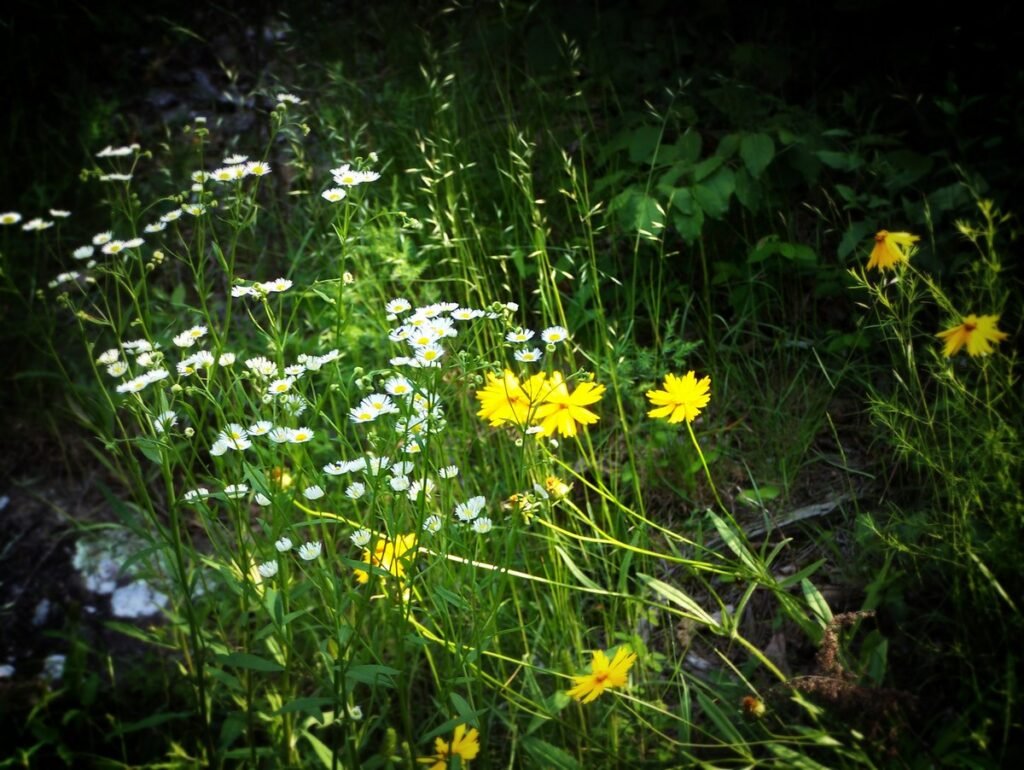
So, are wildflowers weeds? The answer is no. Wildflowers are not weeds. However, some wildflowers can be mistaken for weeds. For example, common milkweed has a weedy appearance but is actually a beautiful wildflower that is essential for monarch butterflies. It’s important to learn to distinguish between wildflowers and weeds to appreciate the beauty of wildflowers and prevent the spread of invasive weeds.
When Wildflowers Can Become Weeds
While wildflowers are not weeds, they can become weeds in certain situations. For example, if a wildflower species is introduced to an area where it is not native, it can become invasive and take over the area, competing with native plants. This is why it’s essential only to grow native wildflowers in your garden and avoid planting non-native species that can become invasive.
Another situation where wildflowers can become weeds is when they are allowed to grow unchecked. While wildflowers are beautiful, they can quickly take over an area if not properly managed. It’s important to keep wildflowers under control by cutting them back or removing them when necessary.
In conclusion, wildflowers are not weeds, but they can be mistaken for weeds. It’s important to learn to distinguish between wildflowers and weeds and only grow native species in your garden. Additionally, it’s important to manage wildflowers to prevent them from becoming invasive and taking over an area.

Cultivating Wildflowers
How to Grow Wildflowers
Growing wildflowers is easy and rewarding. Here are some steps to get you started:
- Choose a location: Wildflowers need plenty of sunlight, so choose a spot that gets at least 6 hours of direct sunlight per day. They also need well-draining soil, so avoid areas that are prone to standing water.
- Prepare the soil: Remove any weeds or grass from the area where you want to plant your wildflowers. Loosen the soil with a garden fork or tiller, and add compost or other organic matter to improve soil fertility.
- Plant the seeds: Scatter the seeds over the prepared area, following the instructions on the seed packet for spacing and depth. Lightly rake the soil to cover the seeds.
- Water and wait: Water the area lightly after planting, and keep the soil moist until the seedlings emerge. Once the plants are established, they will require less watering.
Learn more: How Long Does It Take for Wildflowers to Grow?
Tips for Maintaining Wildflowers
Once your wildflowers are growing, here are some tips to keep them healthy and looking their best:
- Water: Wildflowers generally don’t need a lot of water, but they do need consistent moisture. Water them deeply once a week if there is no rain.
- Fertilize: Wildflowers don’t need a lot of fertilizer, but a light application of a balanced fertilizer in the spring can help promote healthy growth.
- Deadhead: Removing spent flowers can help prolong the blooming period and prevent the plants from going to seed too quickly.
- Avoid pesticides: Wildflowers are important sources of food for bees and other pollinators, so avoid using pesticides or other chemicals that could harm them.
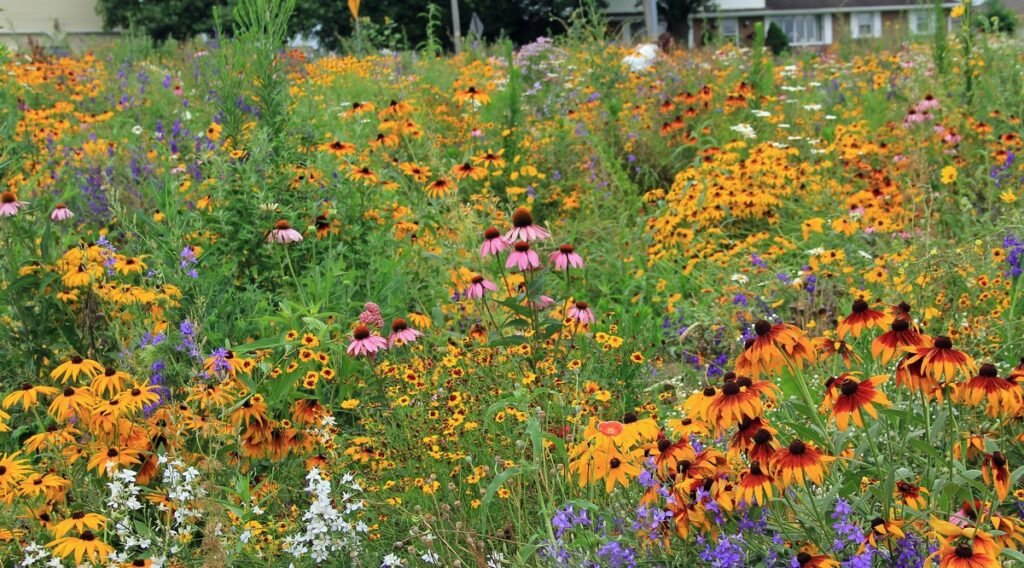
Following these simple steps, you can enjoy a beautiful and diverse display of wildflowers in your garden.
Controlling Weeds
How to Identify and Control Weeds
As a gardener, I know how frustrating it can be to have weeds take over your garden. Weeds are a common problem that can quickly get out of control if left unchecked. To control weeds, it’s important first to identify them. Weeds are any plant that grows where it’s not wanted and can be harmful to other plants in the area.
There are many different types of weeds, and each requires a different approach to control. Some common types of weeds include dandelions, crabgrass, and clover. To control weeds, I first remove any visible weeds by hand. This method is best for small areas or when dealing with a few isolated weeds. For larger areas, I use a hoe or cultivator to remove weeds.
Another effective way to control weeds is to use a weed killer. When using a weed killer, it’s important to choose the right product for the type of weed you’re dealing with. Read the label carefully and follow the instructions for application. Be sure to wear gloves and protective clothing when using weed killers.
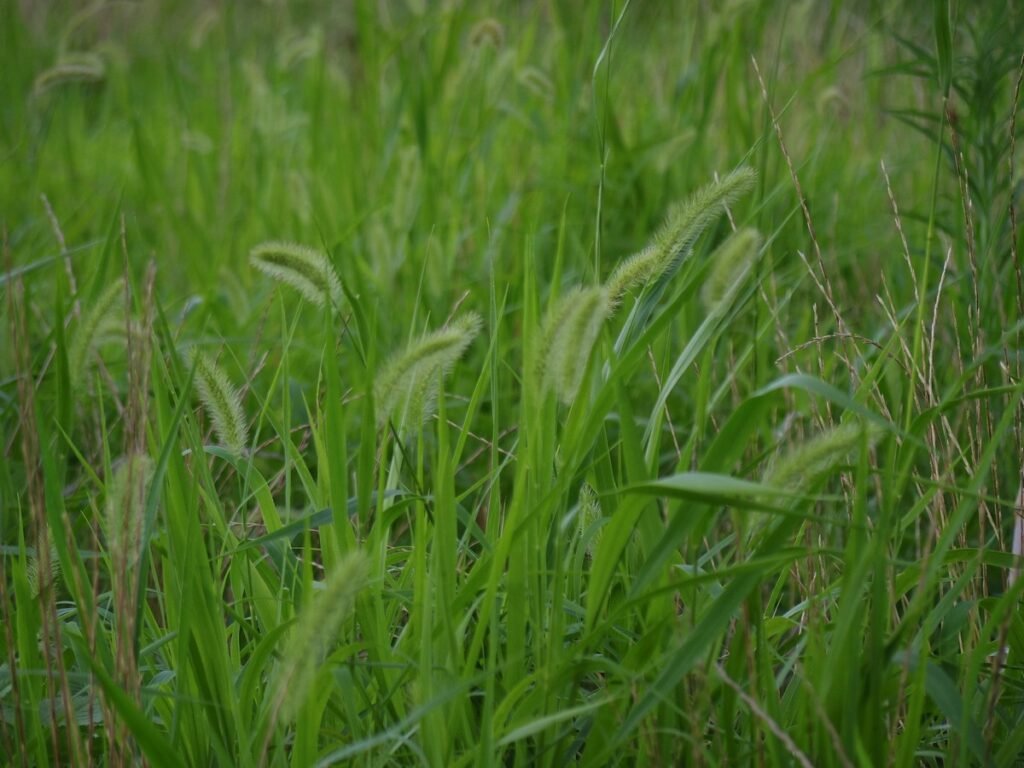
Tips for Preventing Weed Growth
Preventing weed growth is the best way to control weeds in your garden. Here are some tips to help prevent weed growth:
- Mulch: Mulching around plants can help prevent weeds from taking root. Use a layer of mulch that is at least two inches deep.
- Plant densely: Planting densely can help prevent weeds from taking root by shading the soil and preventing sunlight from reaching the weeds.
- Water properly: Watering properly can help prevent weed growth by encouraging healthy plant growth. Be sure to water deeply and infrequently.
- Pull weeds early: Pulling weeds early can prevent them from spreading and taking root. Be sure to remove the entire root system when pulling weeds.
By following these tips, I’ve been able to keep weeds under control in my garden. Remember, preventing weed growth is the best way to control weeds.