
As a nature enthusiast and avid gardener, I’ve often wondered about the difference between wildflowers that are perennials and those that are annuals. While both types of wildflowers are beautiful and can add color and texture to any garden, understanding the difference can help you make informed decisions about which flowers to plant and how to care for them.
Perennial wildflowers live for more than two years, while annual wildflowers complete their life cycle in just one growing season. Perennials tend to have deeper roots and can survive harsh winter conditions, while annuals typically have shallower roots and require replanting each year. Knowing which type of wildflower you have can help you determine the best planting location and care routine, as well as help you plan for the long-term health and beauty of your garden.
Perennials vs. Annuals
What are Perennials?
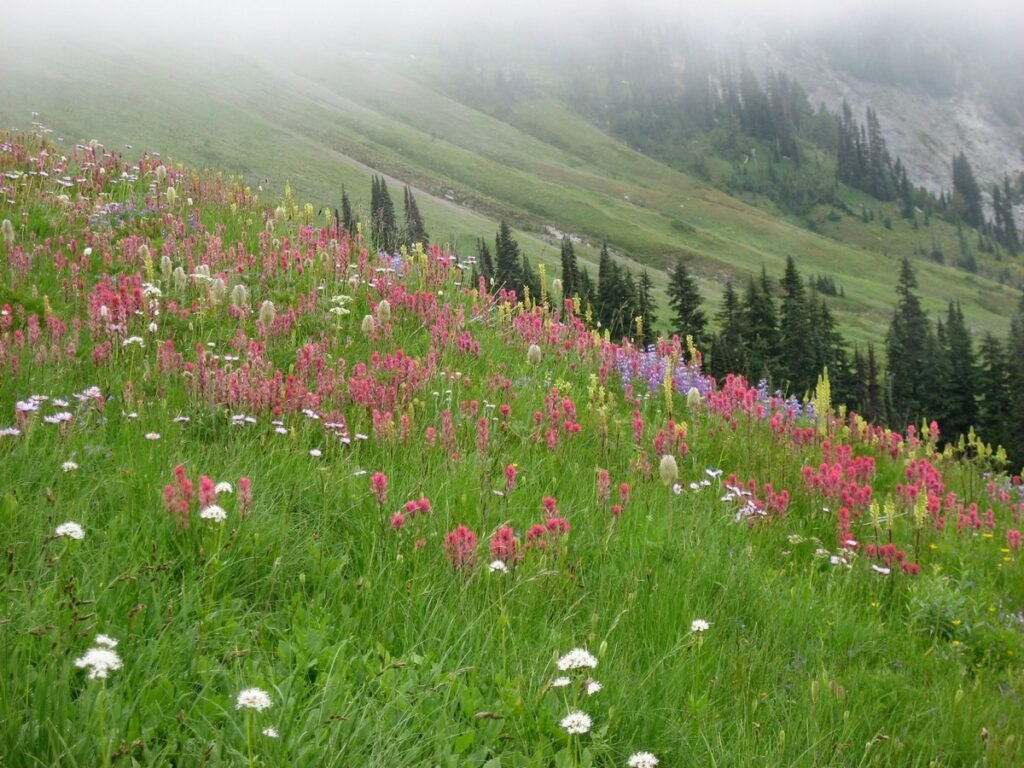
Perennials are plants that live for more than two years. They grow from the same roots every year and typically bloom for a short period each year. These plants are known for their hardiness and ability to survive harsh weather conditions. They also tend to have deeper roots than annuals, which allows them to obtain nutrients and water from deeper in the soil.
Some common perennial wildflowers include black-eyed Susan, coneflower, and phlox. These plants are often used in landscaping because they require less maintenance than annuals and can provide color and beauty year after year.
What are Annuals?
Annuals are plants that complete their life cycle in one growing season. They grow from seed, bloom, and produce seeds, all in the same year. Unlike perennials, annuals do not come back year after year. They are typically planted in the spring and bloom throughout the summer and fall.
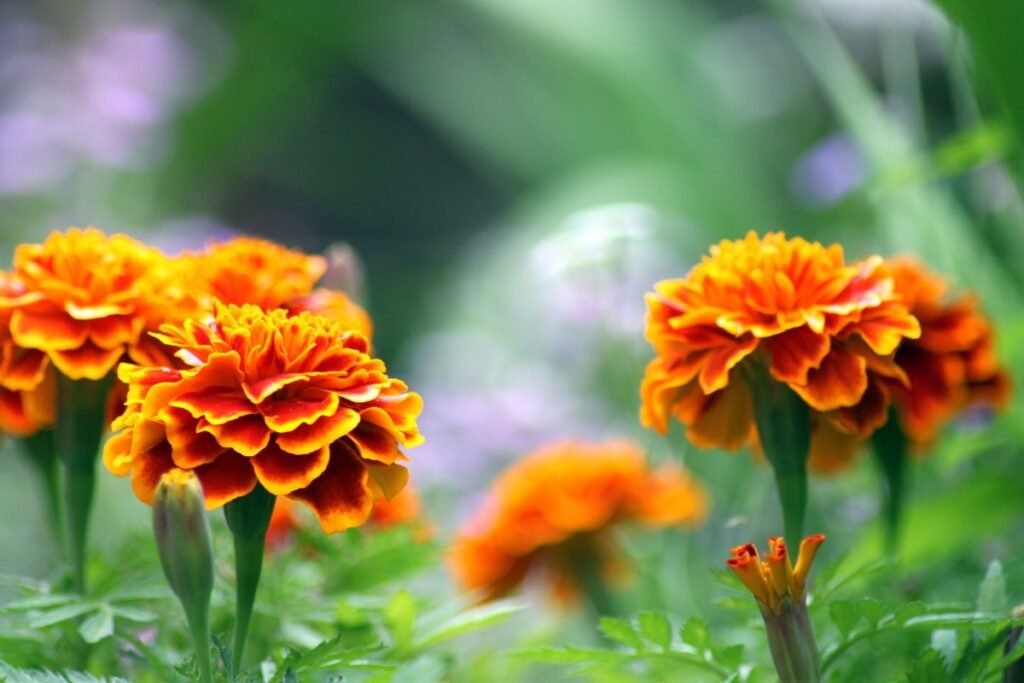
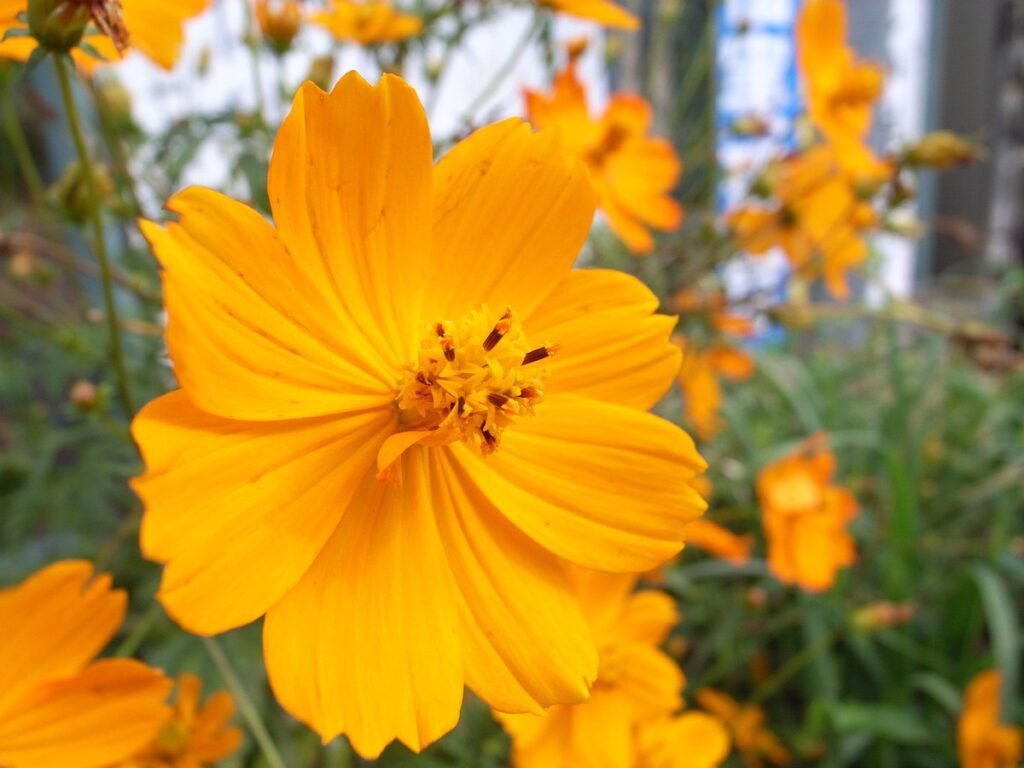
Some common annual wildflowers include cosmos, marigolds, and zinnias. These plants are often used in gardens and containers because they provide bright colors and a variety of textures.
In summary, perennials are plants that live for more than two years and bloom for a short period each year. Annuals, on the other hand, complete their life cycle in one growing season and do not come back year after year. Both types of plants have their advantages, and choosing which to plant depends on personal preference and the desired effect.
Wildflowers
Are Wildflowers Perennials?
Wildflowers can be either perennials, annuals, or biennials. Perennial wildflowers are plants that live for more than two years, and they bloom year after year. They are an excellent option for gardeners who want to plant flowers that will come back every year. Some popular perennial wildflowers include coneflowers, black-eyed susans, and lupines.

Are Wildflowers Annuals?
Annual wildflowers are plants that complete their life cycle in one growing season. They grow from seed, bloom, and produce seeds in the same year. After the growing season is over, the plant dies. Some popular annual wildflowers include poppies, cosmos, and zinnias.
Are Biennial Wildflowers?
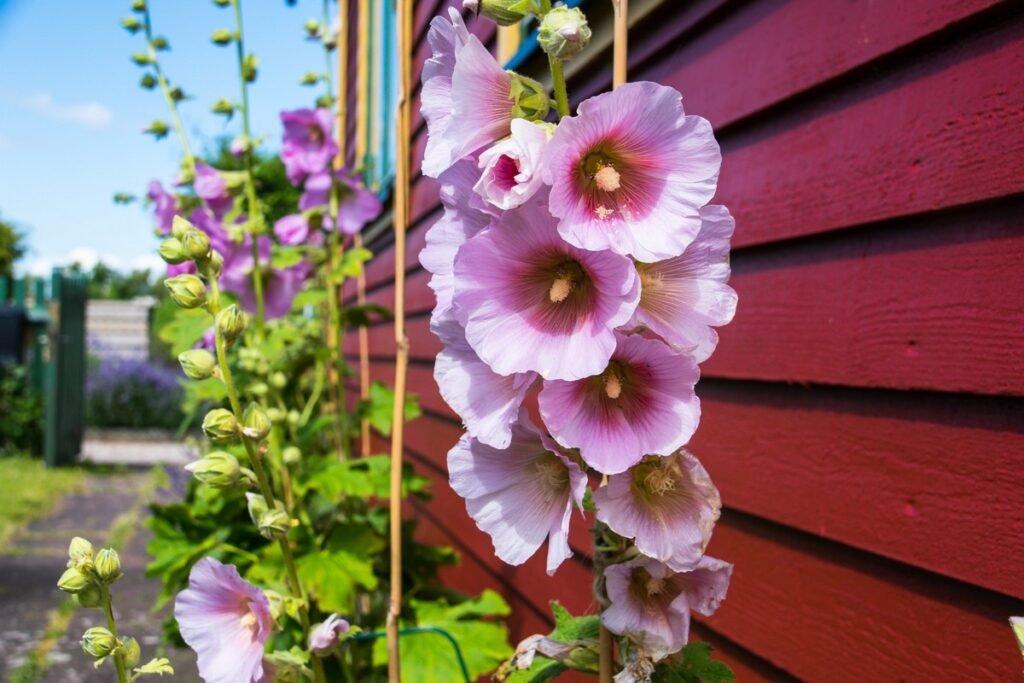
Biennial wildflowers are plants that complete their life cycle in two growing seasons. In the first year, they grow leaves and store energy in their roots. In the second year, they use that energy to produce flowers and seeds before dying. Some popular biennial wildflowers include foxgloves, hollyhocks, and sweet williams.
In conclusion, whether you choose perennial, annual, or biennial wildflowers, they are all beautiful additions to any garden. Each type has its own unique characteristics and benefits, so it’s up to you to decide which one is right for your garden.
The Names of Perennial Wildflowers
As I researched the topic of wildflowers, I discovered that there are many different types of perennial wildflowers. Perennial wildflowers are plants that live for more than two years, and they can come back year after year.
Learn more: How Long Does It Take for Wildflowers to Grow?
Here are some examples of perennial wildflowers and their common names:
- Black-eyed Susan: This flower is also known as Rudbeckia hirta. It has yellow petals with a dark brown center, and it blooms from July to September.
- Coneflower: The coneflower (Echinacea purpurea) has pink or purple petals that surround a spiky center. It blooms from June to August.
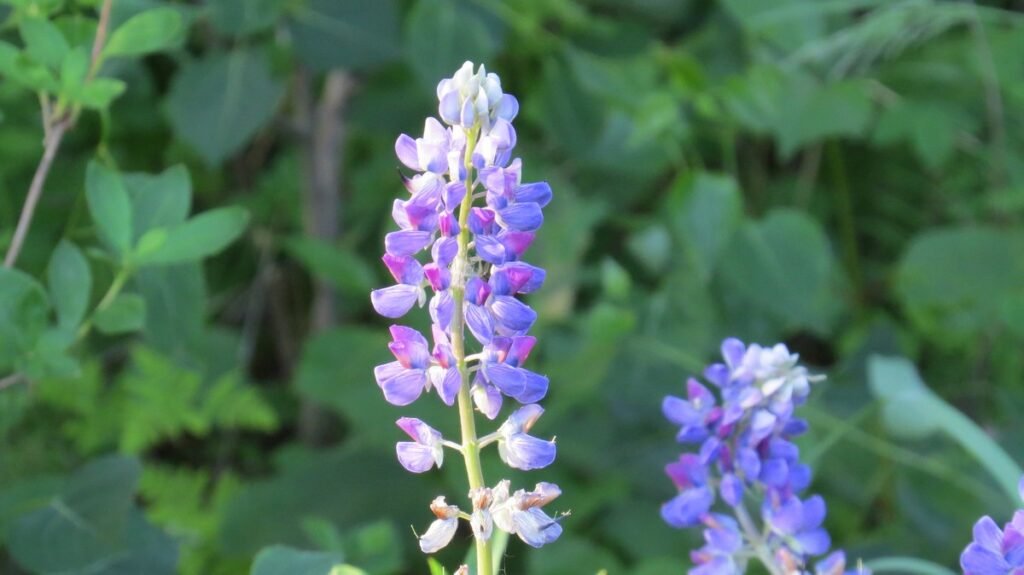
- Lupine: Lupines (Lupinus spp.) are tall, spiky flowers that come in a range of colors, including blue, pink, and purple. They bloom from May to July.
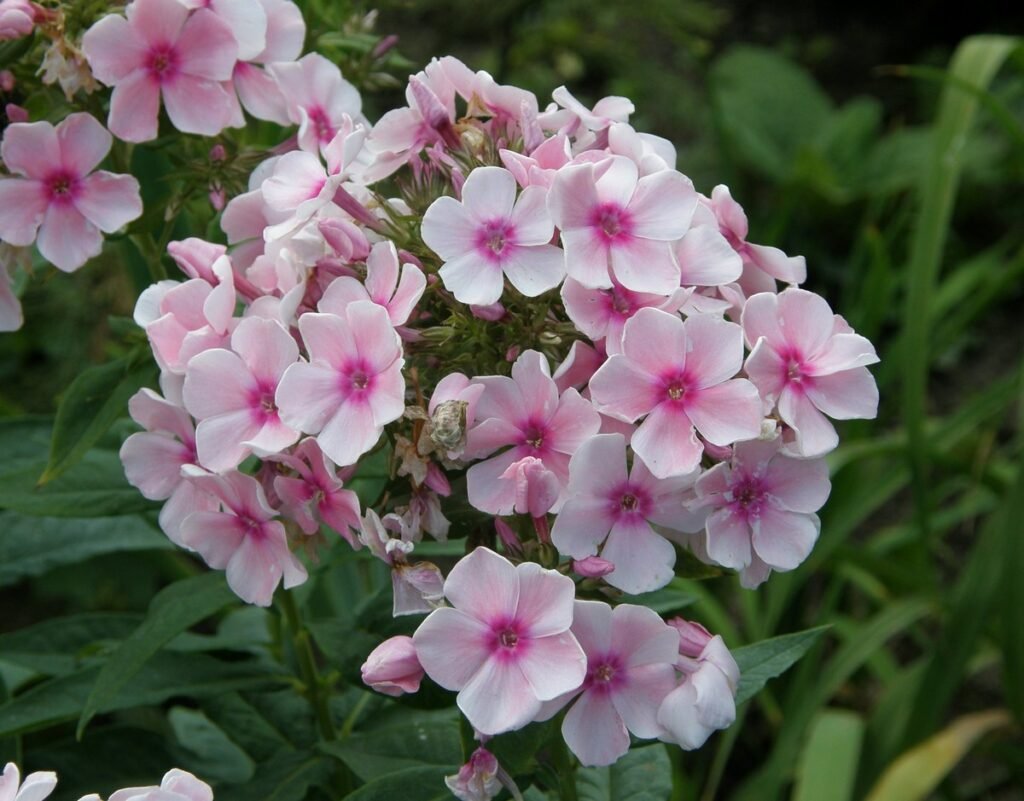
- Phlox: Phlox (Phlox spp.) are low-growing flowers that come in shades of pink, purple, and white. They bloom from May to September.
- Yarrow: Yarrow (Achillea millefolium) has clusters of small white or yellow flowers. It blooms from June to September.
These are just a few examples of the many types of perennial wildflowers that you might see growing in fields, meadows, and gardens. They are all beautiful in their own way, and they can add color and interest to any landscape.
The Names of Wildflowers Annuals
As I was researching wildflowers, I found that there are many different types of annual wildflowers. Annuals are plants that complete their life cycle in one growing season. They grow from seed, bloom, produce seeds, and die all in one year. Here are some of the most common annual wildflowers and their names:
- California Poppy: This wildflower is native to California and is the state flower. It has bright orange, cup-shaped flowers and grows up to 12 inches tall.
- Cosmos: Cosmos are tall, slender plants that can grow up to 6 feet tall. They have daisy-like flowers in shades of pink, white, and red.
- Marigold: Marigolds are a popular garden plant and also grow wild in many areas. They have bright yellow or orange flowers and can grow up to 2 feet tall.
- Zinnia: Zinnias are another popular garden plant that also grow wild. They have large, brightly colored flowers in shades of red, pink, orange, yellow, and white.
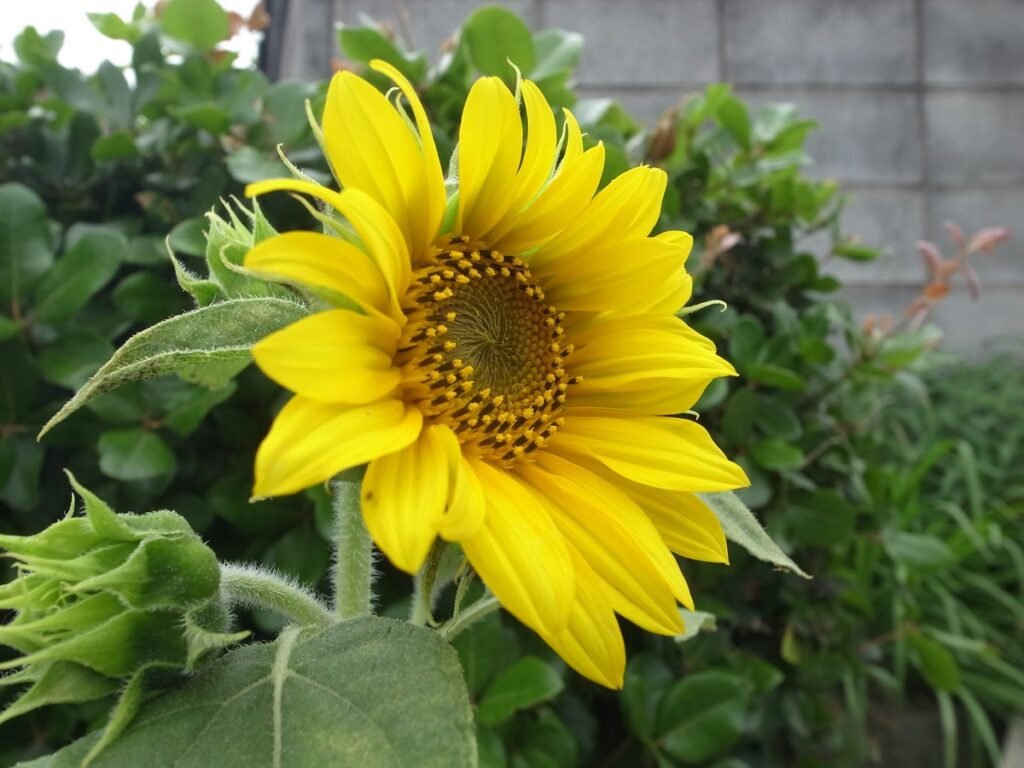
- Sunflower: Sunflowers are known for their large, yellow flowers and can grow up to 10 feet tall. They are often grown for their seeds, which are used in bird feeders and as a snack for humans.
Related: What Do Wildflower Seeds Look Like? A Guide to Identifying Them Easily
These are just a few examples of the many different types of annual wildflowers. They are a great addition to any garden or natural area and can provide a burst of color and beauty.
The Names of Biennial Wildflowers
As I was researching wildflowers, I came across a group of plants that caught my attention: biennials. Biennial wildflowers are plants that complete their life cycle in two years. In their first year, they grow vegetatively, producing leaves, stems, and roots. In their second year, they flower, produce seeds, and die.
Here are a few biennial wildflowers that I found particularly interesting:
- Foxglove (Digitalis purpurea): This plant produces tall spikes of bell-shaped flowers in shades of pink, purple, and white. It’s a popular garden plant that also grows wild in wooded areas and along roadsides. Foxglove is toxic if ingested, so it’s important to keep it away from children and pets.
- Honesty (Lunaria annua): Also known as silver dollar plant, this biennial wildflower produces clusters of purple or white flowers in the spring. After the flowers fade, the plant produces silvery seedpods that are often used in dried flower arrangements.
- Sweet William (Dianthus barbatus): This plant produces clusters of fragrant flowers in shades of pink, red, and white. It’s a popular garden plant that also grows wild in meadows and along roadsides. Sweet William is a great choice for attracting butterflies and bees to your garden.
- Black-eyed Susan (Rudbeckia hirta): This plant produces bright yellow flowers with dark centers in the summer. It’s a popular garden plant that also grows wild in fields and along roadsides. Black-eyed Susan is a great choice for attracting pollinators to your garden.
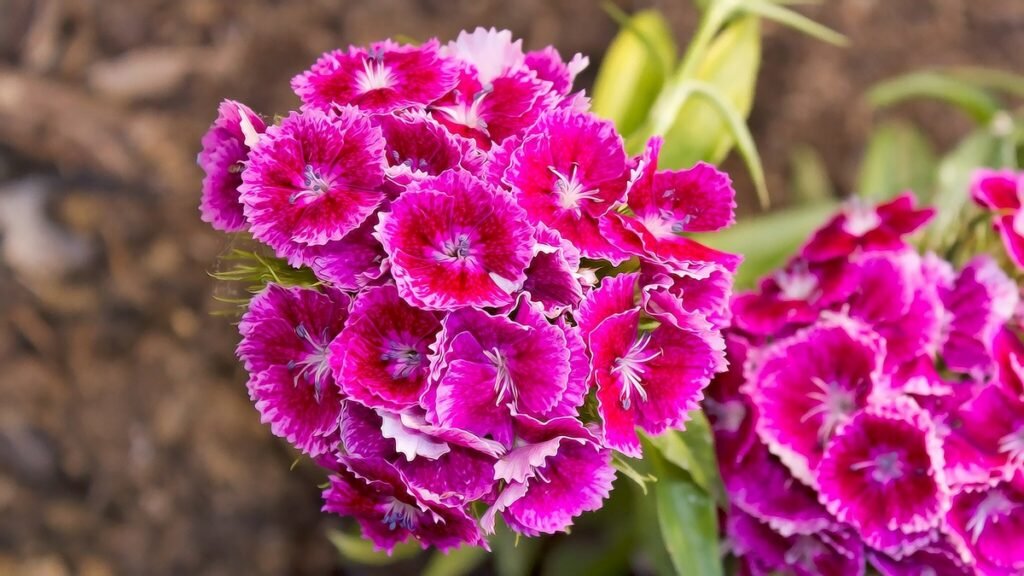
Overall, biennial wildflowers are a great addition to any garden or natural area. While they require a bit more patience than annuals or perennials, their unique life cycle and beautiful blooms make them well worth the wait.
What is the Best Type of Wildflower to Plant?
When it comes to planting wildflowers, there are a few things to consider. First, you’ll want to think about the climate and soil conditions in your area. Different wildflowers thrive in different environments, so it’s important to choose species that are well-suited to your location.
Another factor to consider is whether you want to plant annual or perennial wildflowers. Annuals, as the name suggests, only live for one growing season. Perennials, on the other hand, come back year after year.
If you’re looking for a low-maintenance option, perennials are the way to go. They require less work and often have deeper roots, making them more resistant to drought and other environmental stressors. Some popular perennial wildflowers include:
- Black-eyed Susan
- Coneflower
- Milkweed
- Wild indigo
- Goldenrod
Annuals, on the other hand, tend to have showier blooms and can provide a burst of color to your garden. They’re also a good option if you’re looking to attract pollinators like bees and butterflies. Some popular annual wildflowers include:
- California poppy
- Cosmos
- Sunflower
- Zinnia
- Marigold
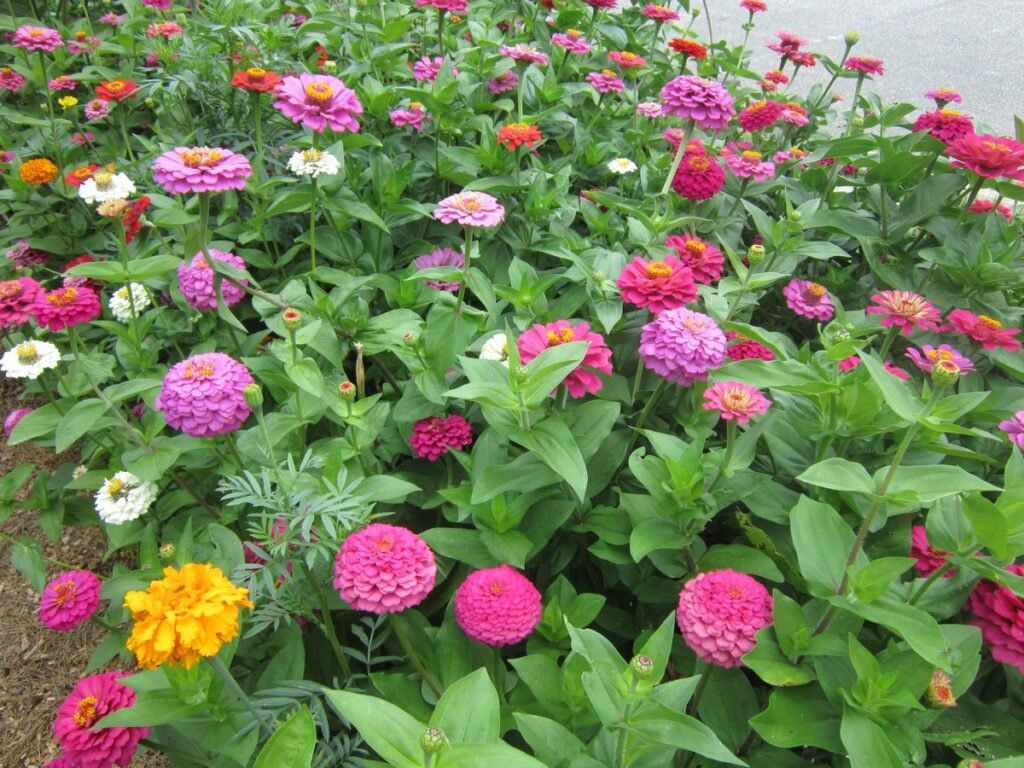
Ultimately, the best type of wildflower to plant depends on your personal preferences and the conditions in your garden. If you’re not sure where to start, consider consulting with a local gardening expert or doing some research online to find the species that will work best for you.