
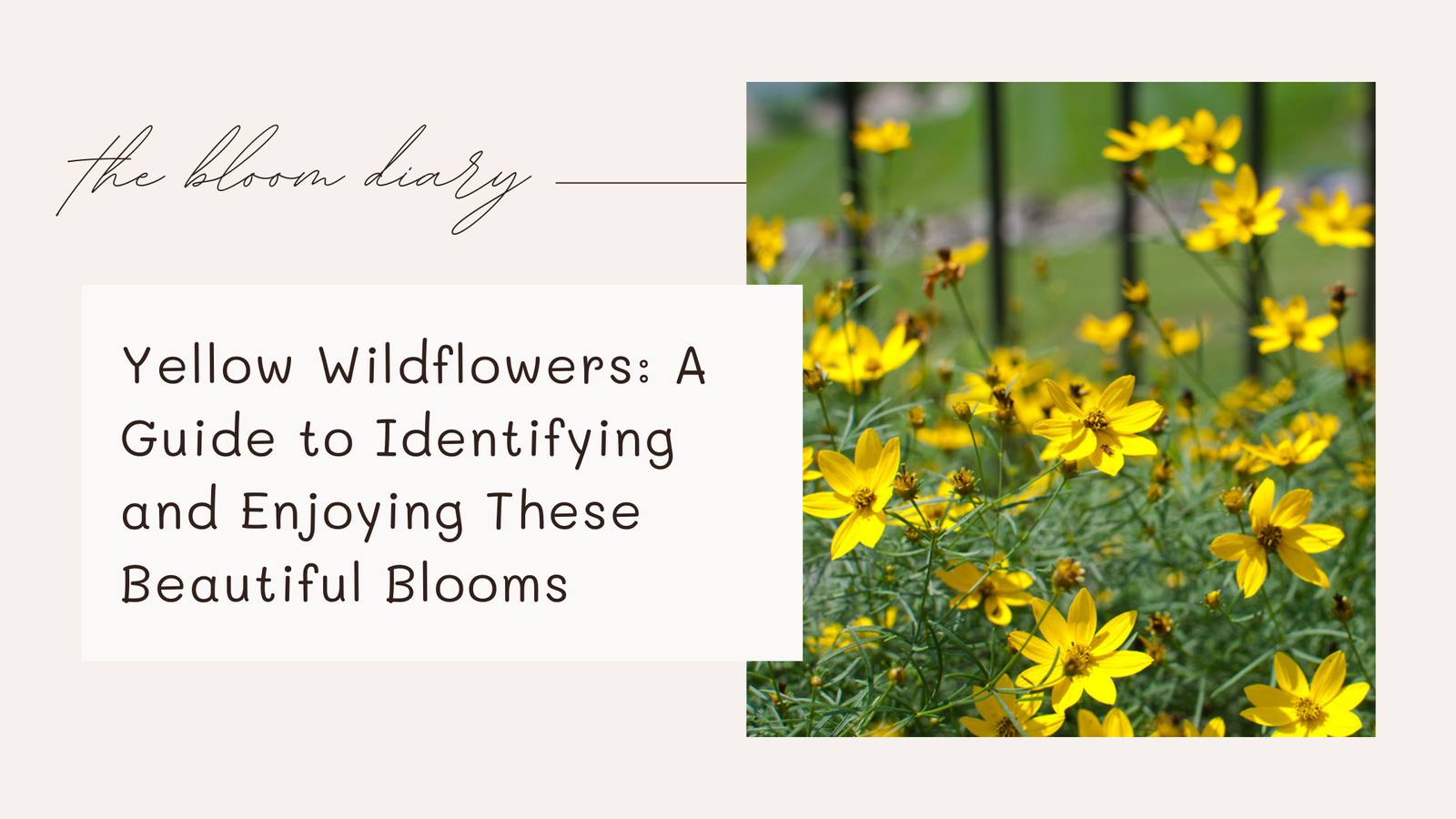
Yellow wildflowers are a beautiful and vibrant addition to any landscape. As a nature enthusiast, I have always been fascinated by the variety of yellow wildflowers that can be found in different parts of the world. From tall yellow wildflowers to small yellow wildflowers, there is no shortage of options when it comes to identifying and appreciating these stunning blooms.
In this article, I will provide an overview of yellow wildflowers, including the different types that exist and their cultural significance. Whether you are an avid gardener or simply enjoy taking walks in nature, this article will help you to better understand and appreciate the beauty of these wildflowers. So, let’s dive in!
Key Takeaways
- Yellow wildflowers come in many different types and sizes and can be found in various parts of the world.
- These blooms have cultural significance and symbolism in many different cultures.
- Learning more about yellow wildflowers can help you to better appreciate their beauty and diversity.
Overview of Yellow Wildflowers
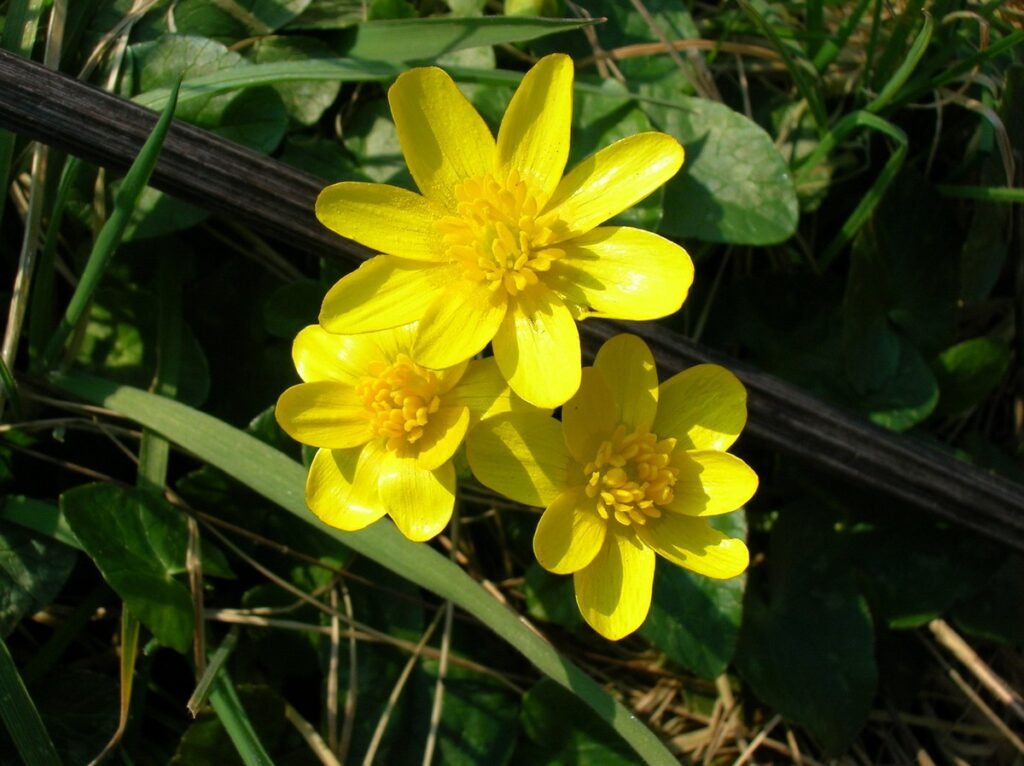
Yellow wildflowers are a beautiful and important part of many ecosystems. As a nature enthusiast, I have always been fascinated by these stunning blooms. In this section, I will provide an overview of yellow wildflowers, including their importance in ecosystems and geographical distribution.
Importance in Ecosystem
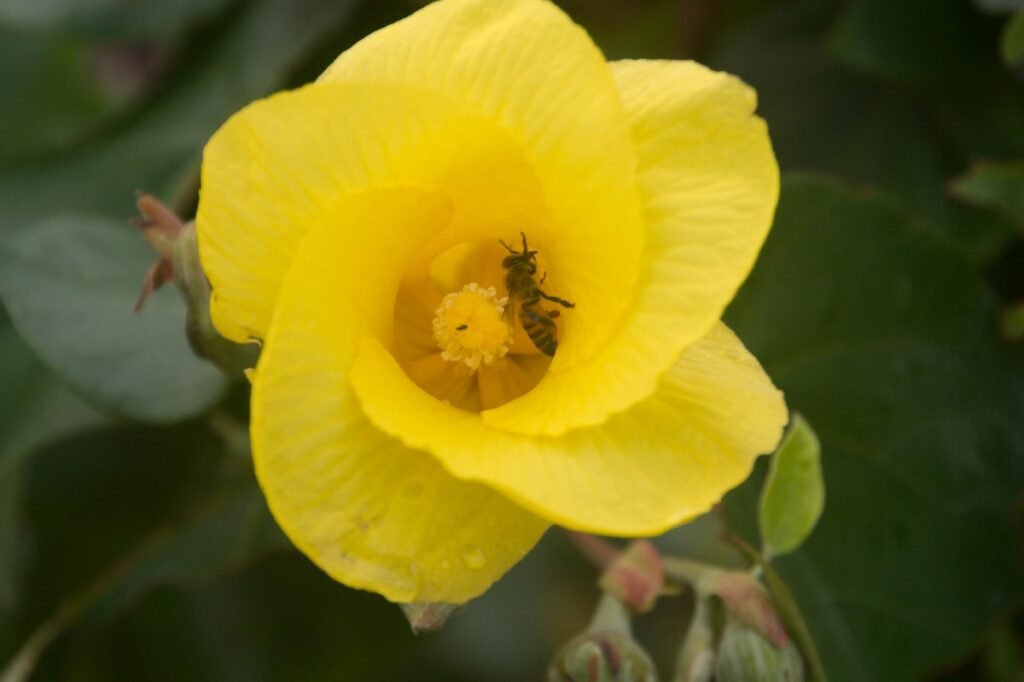
Yellow wildflowers play a crucial role in many ecosystems. They provide food and habitat for a wide variety of insects, birds, and other wildlife. Many species of bees, butterflies, and moths rely on yellow wildflowers for nectar and pollen, making them an essential food source for these important pollinators.
In addition to their ecological importance, yellow wildflowers are also valued for their medicinal properties. Some species are used in traditional medicine to treat a variety of ailments, including digestive issues, respiratory problems, and skin conditions.
Geographical Distribution
Yellow wildflowers can be found in a wide range of habitats, from meadows and prairies to woodlands and wetlands. They are particularly common in temperate regions, but can also be found in tropical and arctic regions.
Some of the most common species of yellow wildflowers include the Black-eyed Susan, the Goldenrod, and the Sunflower. These species are found throughout North America and are easily recognizable by their bright yellow petals and distinctive shapes.
Overall, yellow wildflowers are a beautiful and important part of many ecosystems. Whether you’re a nature lover or simply appreciate the beauty of these stunning blooms, there’s no denying the important role they play in our world.
Types of Yellow Wildflowers
As I wander through fields and forests, I am always struck by the vibrant hues of yellow wildflowers. Here are some of my favorite types of yellow wildflowers that I have come across:
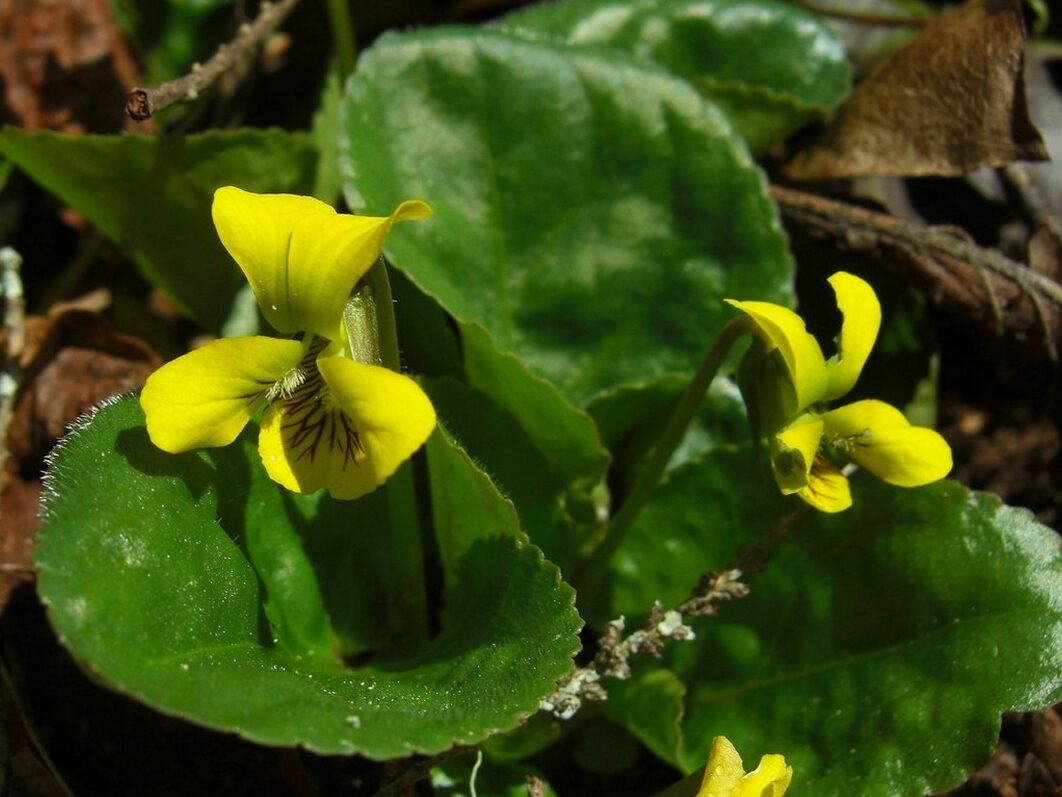
Round Leaf Violet (Viola rotundifolia)
The Round Leaf Violet is a delicate and charming wildflower that is native to North America. Its small yellow flowers bloom in early spring, and its round leaves add a touch of green to the forest floor. This wildflower is often found in moist, shaded areas, and it is a favorite among hikers and nature lovers.
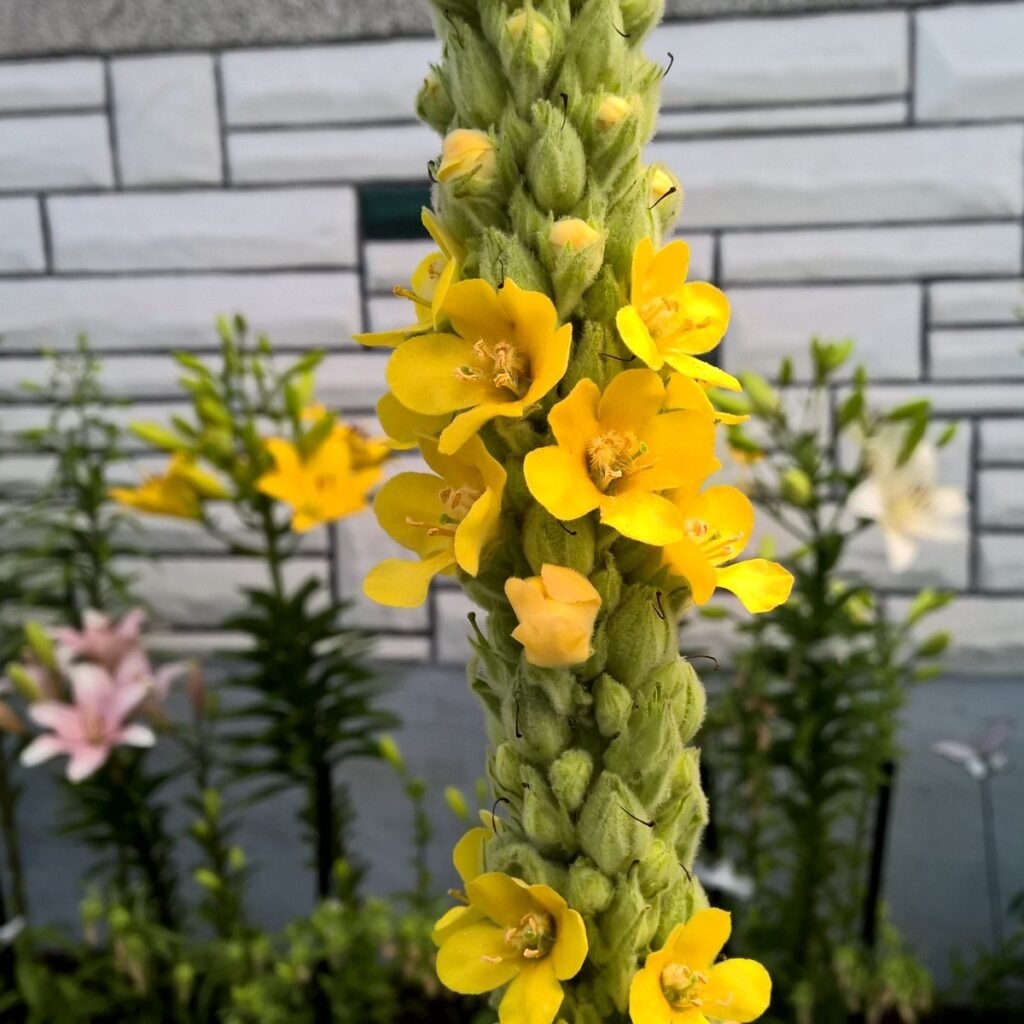
Common Mullein (Verbascum thapsus)
The Common Mullein is a tall and stately wildflower that can grow up to six feet tall. Its bright yellow flowers bloom in mid-summer, and they are a favorite of bees and other pollinators. This wildflower is often found along roadsides and in disturbed areas, and it has been used for centuries for its medicinal properties.
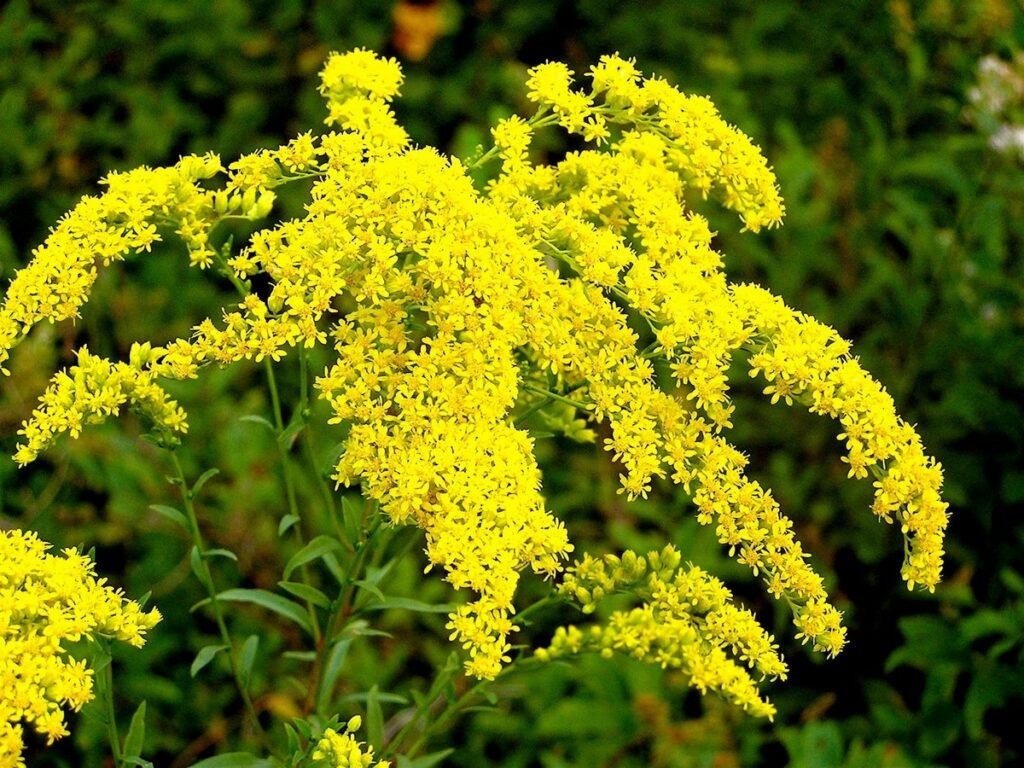
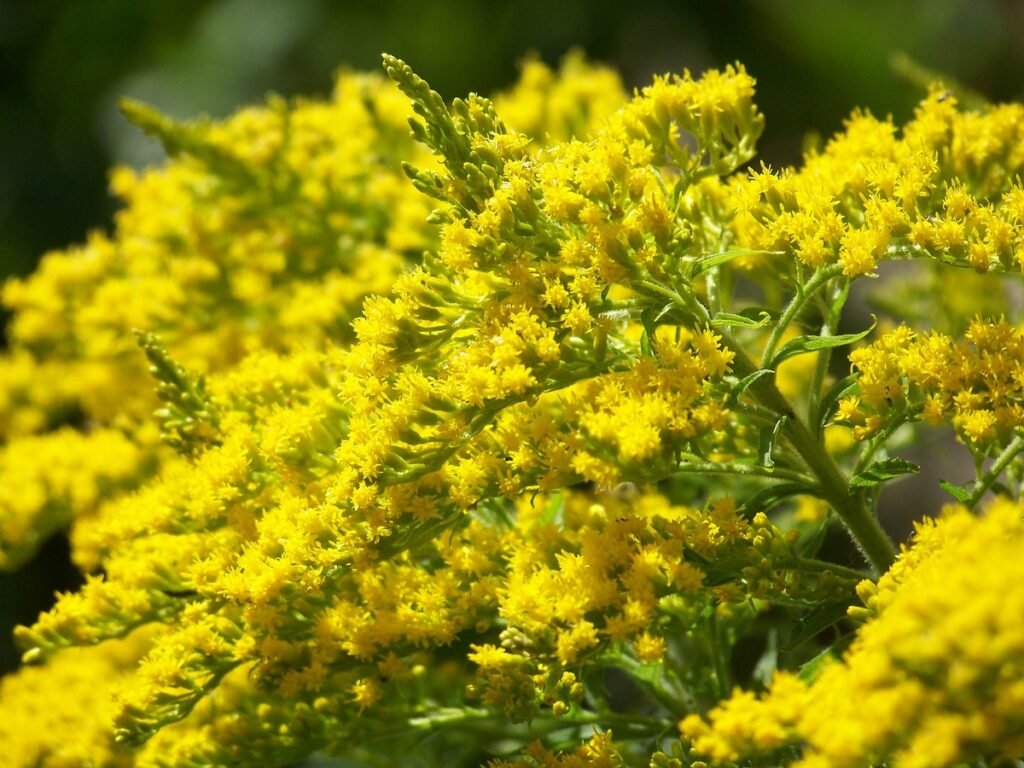
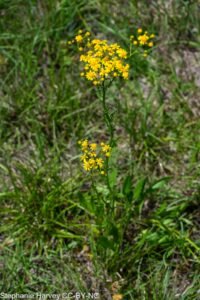
Goldenrod
Goldenrod is a beautiful and ubiquitous wildflower that is found throughout North America. Its bright yellow flowers bloom in late summer and fall, and they are a favorite of butterflies and other insects. Goldenrod is often used in herbal medicine, and it is a symbol of good luck and fortune in many cultures.
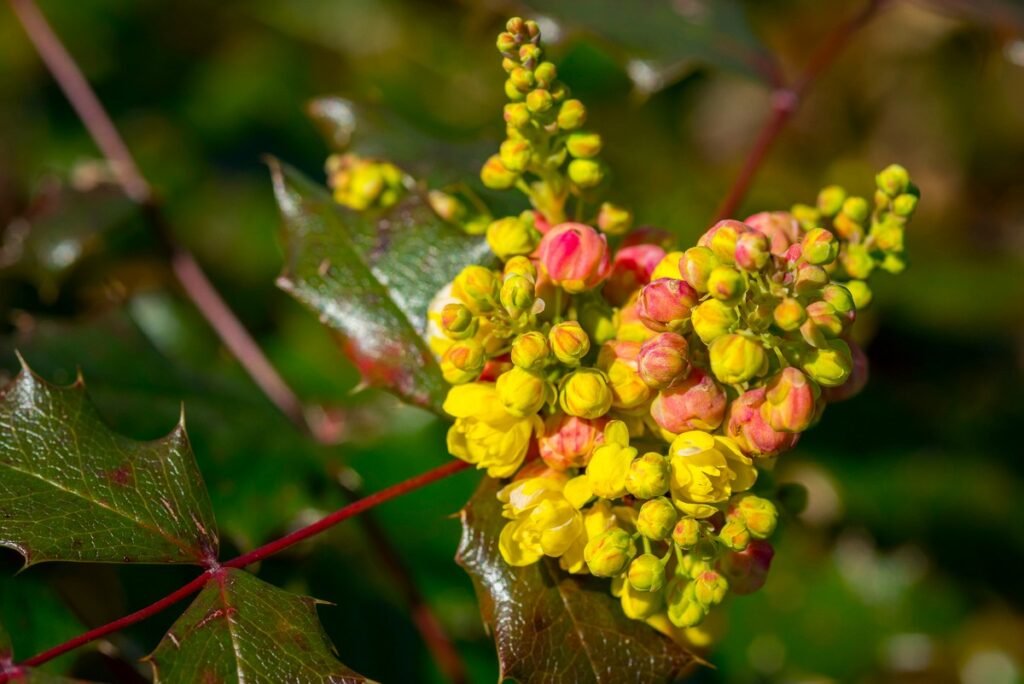
Oregon grape (Mahonia aquifoulium)
The Oregon grape is a unique and striking wildflower that is native to the Pacific Northwest. Its bright yellow flowers bloom in early spring, and they are followed by clusters of blue berries that are a favorite of birds and other wildlife. This wildflower is often found in shaded areas, and it is prized for its medicinal properties.
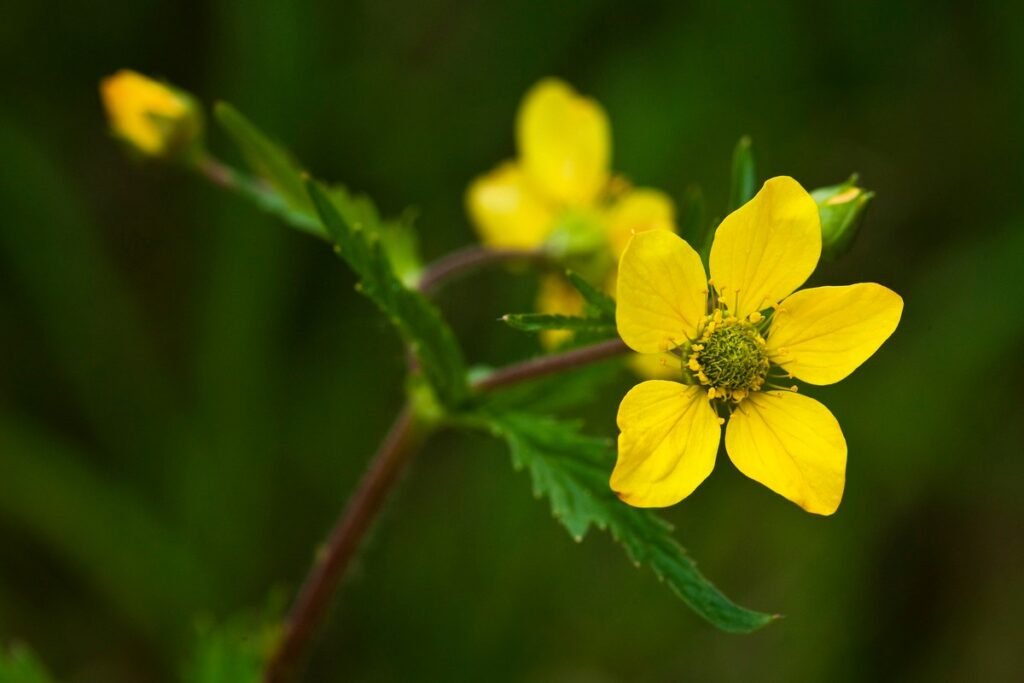
Large-leaf Avens (Geum macrophyllum)
The Large-leaf Avens is a beautiful and distinctive wildflower that is native to North America. Its bright yellow flowers bloom in early summer, and its large leaves add a touch of green to the forest floor. This wildflower is often found in moist, shaded areas, and it is a favorite of hikers and nature lovers.
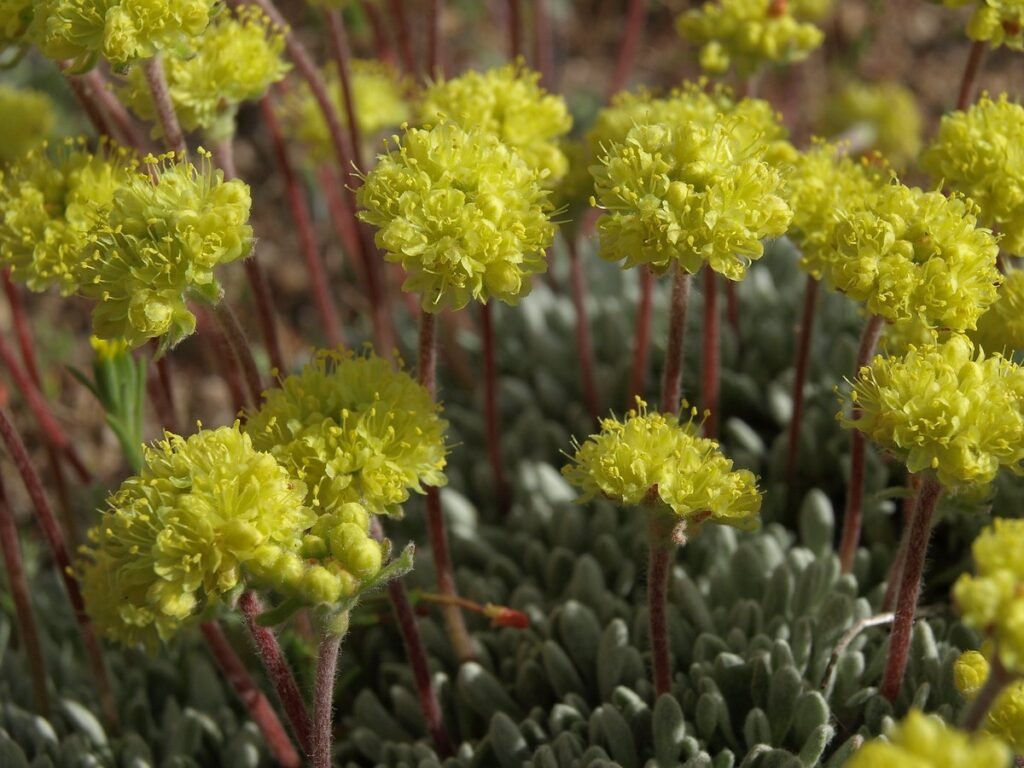
Douglas Buckwheat (Eriogonum douglasii)
The Douglas Buckwheat is a charming and unique wildflower that is native to the western United States. Its small yellow flowers bloom in mid-summer, and its delicate leaves add a touch of green to the arid landscape. This wildflower is often found in rocky areas, and it is a favorite of hikers and nature lovers.
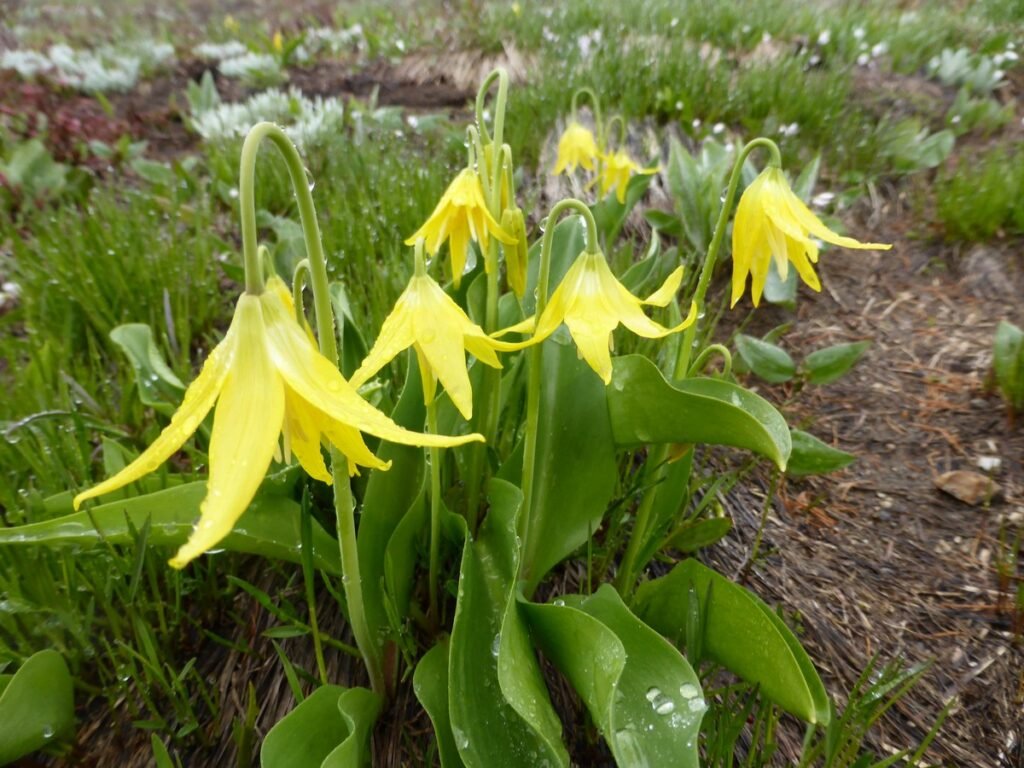
Glacier Lily (Erythronium grandiflorum)
The Glacier Lily is a beautiful and delicate wildflower that is native to the western United States. Its bright yellow flowers bloom in early spring, and they are often the first wildflowers to appear after the snow melts. This wildflower is often found in alpine areas, and it is a favorite of hikers and nature lovers.
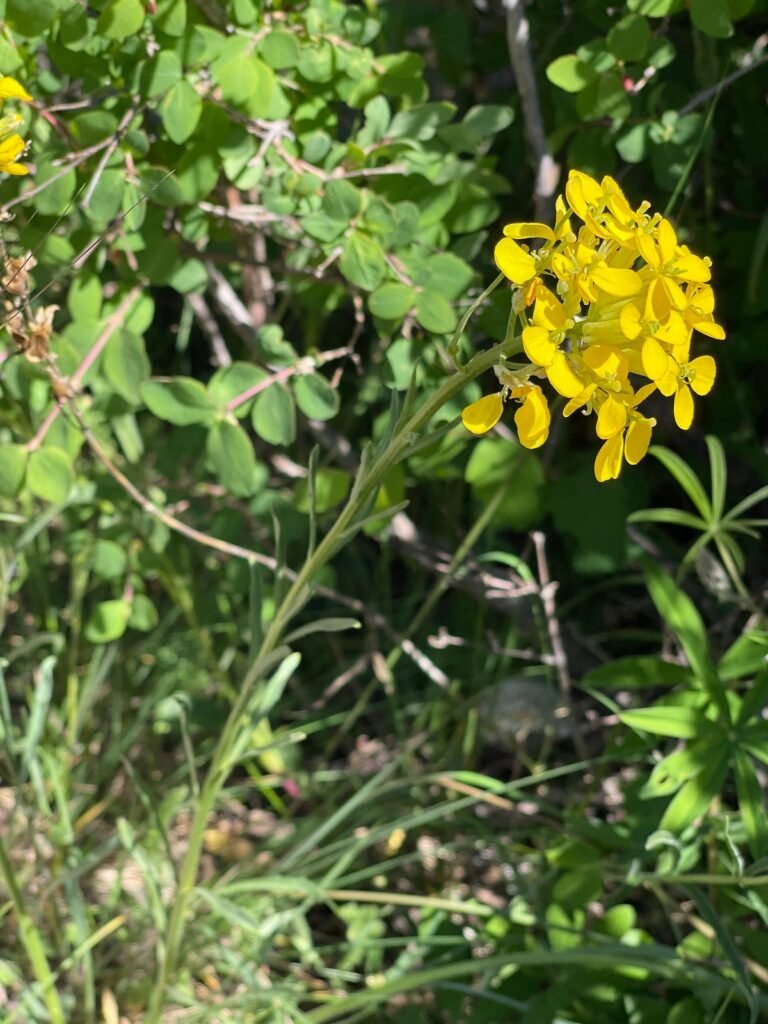
Western Wallflower (Erysimum capitatum)
The Western Wallflower is a beautiful and distinctive wildflower that is native to western North America. Its bright yellow flowers bloom in mid-spring, and they are a favorite of bees and other pollinators. This wildflower is often found in rocky areas, and it is a favorite of hikers and nature lovers.
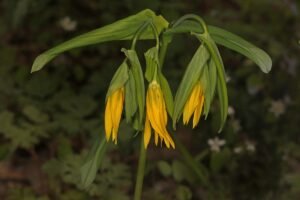
Yellow Bells
Yellow Bells is a charming and unique wildflower that is native to the southwestern United States. Its bright yellow flowers bloom in mid-summer, and they are a favorite of hummingbirds and other pollinators. This wildflower is often found in arid areas, and it is a favorite of hikers and nature lovers.
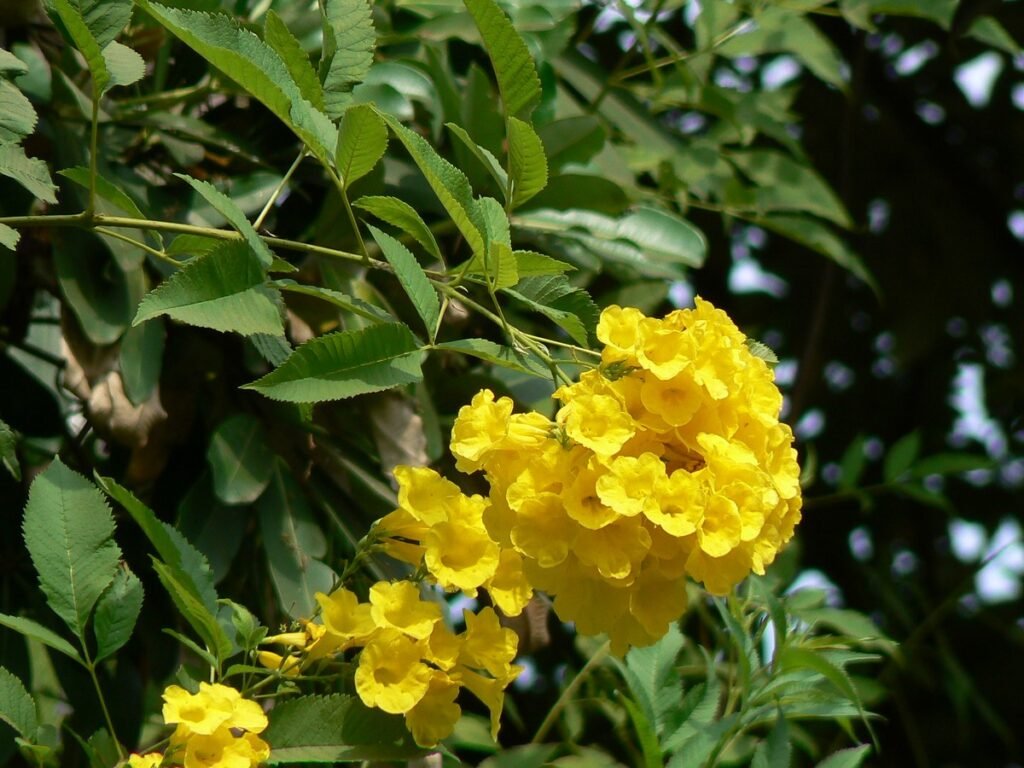
Streamside Arnica
Streamside Arnica is a beautiful yellow wildflower that grows near streams and wet areas. It has a bright yellow, daisy-like flower head with a dark center. The leaves are hairy and can be up to 6 inches long. Streamside Arnica is also known as Arnica lanceolata.
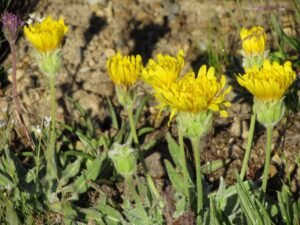
Sticky Arnica
Sticky Arnica is another type of yellow wildflower that is commonly found in the western United States. It has a bright yellow flower head with a sticky texture. The leaves are also sticky and have a strong odor when crushed. Sticky Arnica is also known as Arnica viscosa.
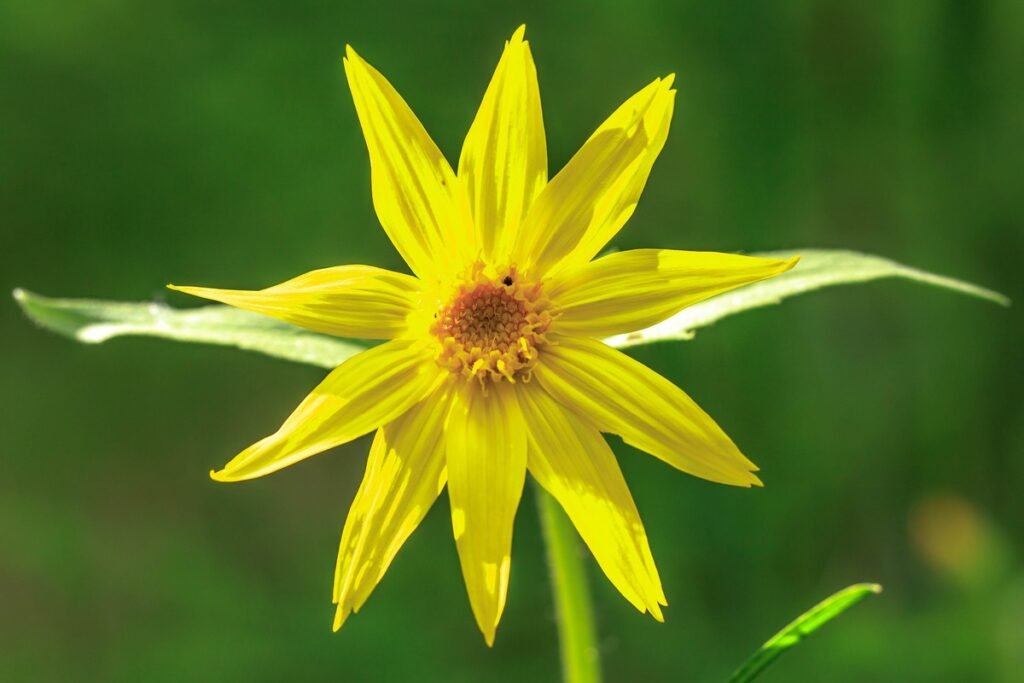
Columbia Gorge Arnica
Columbia Gorge Arnica is a yellow wildflower that is found in the Columbia River Gorge area of Oregon and Washington. It has a bright yellow flower head with long, narrow leaves. Columbia Gorge Arnica is also known as Arnica sororia.
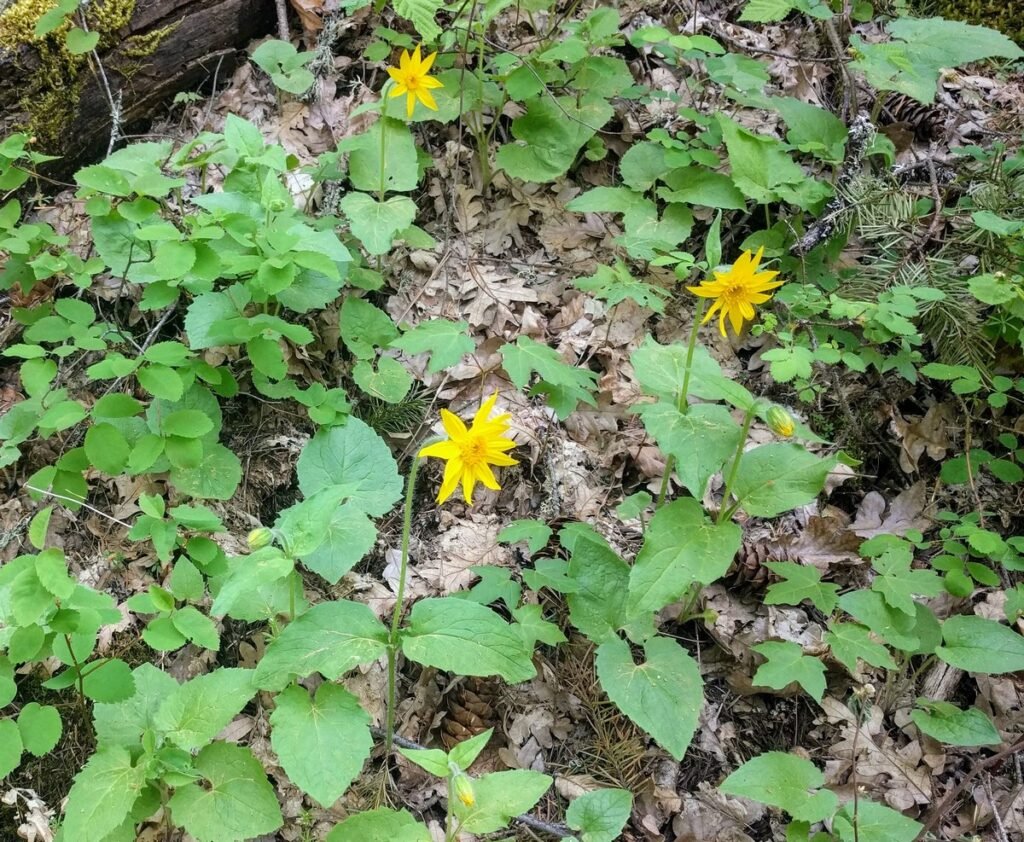
Cinquefoil
Cinquefoil is a type of yellow wildflower that can be found in meadows and open areas. It has a bright yellow flower head with five petals, hence the name “cinquefoil,” which means “five leaves” in French. The leaves are also divided into five leaflets.
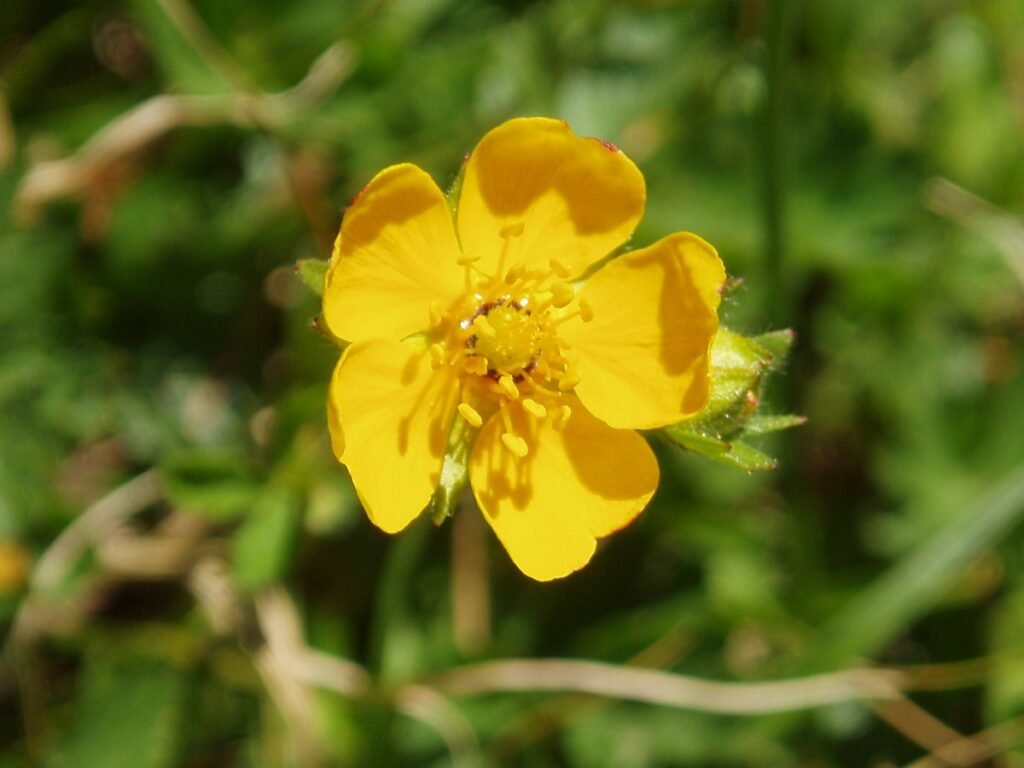
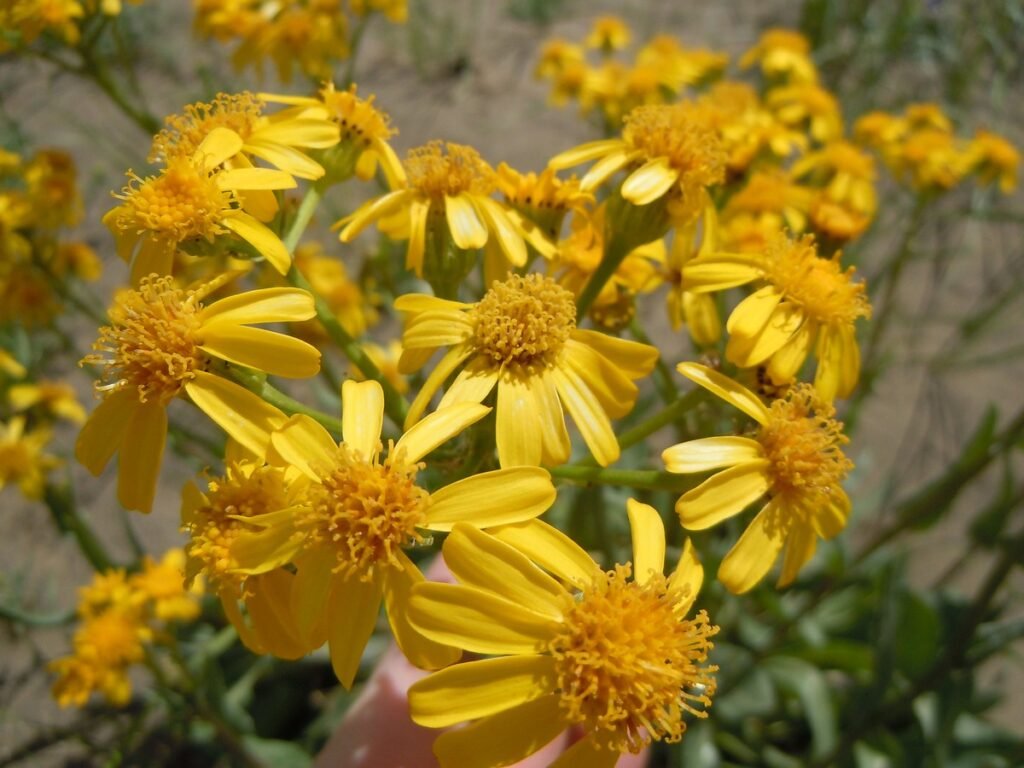
Western Groundsel
Western Groundsel is a yellow wildflower that is commonly found in the western United States. It has a bright yellow flower head with long, narrow leaves. Western Groundsel is also known as Senecio integerrimus.
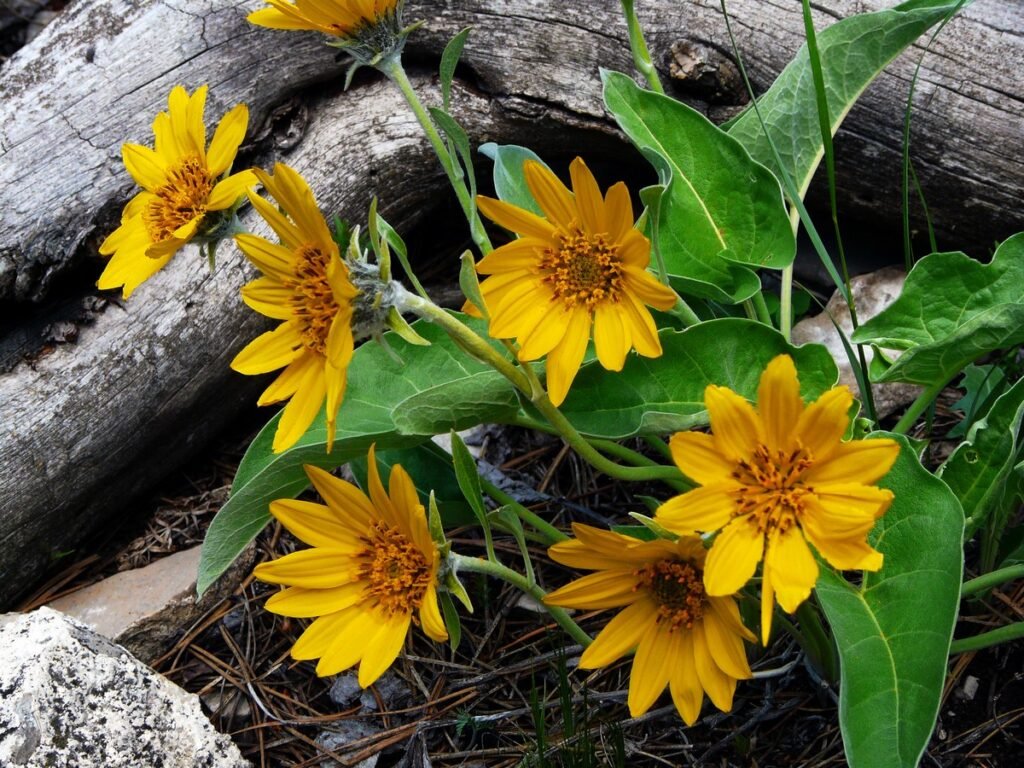
Balsamroot
Balsamroot is a type of yellow wildflower that is found in the western United States. It has a large, yellow flower head that can be up to 4 inches wide. The leaves are also large and can be up to 12 inches long. Balsamroot is also known as Balsamorhiza sagittata.
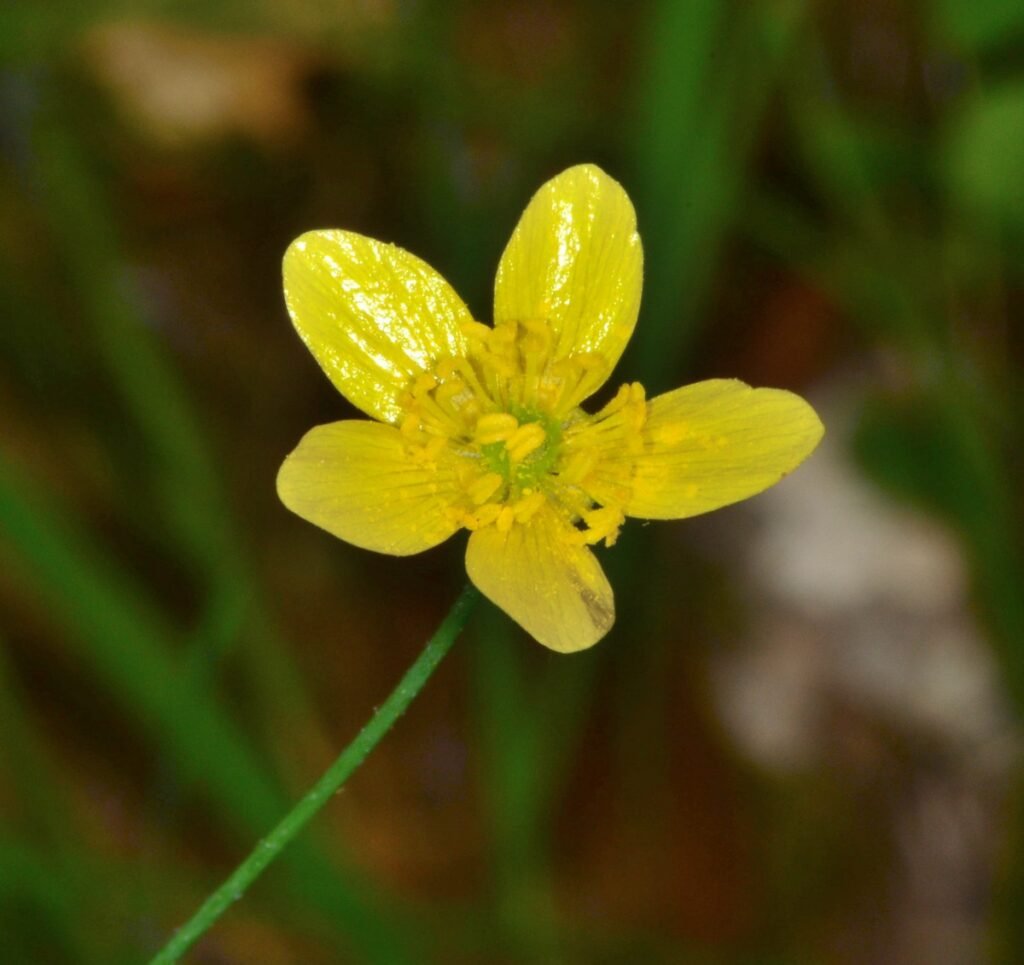
Western Buttercup
Western Buttercup is a yellow wildflower that is found in meadows and open areas. It has a bright yellow flower head with shiny, waxy petals. The leaves are also shiny and waxy. Western Buttercup is also known as Ranunculus occidentalis.
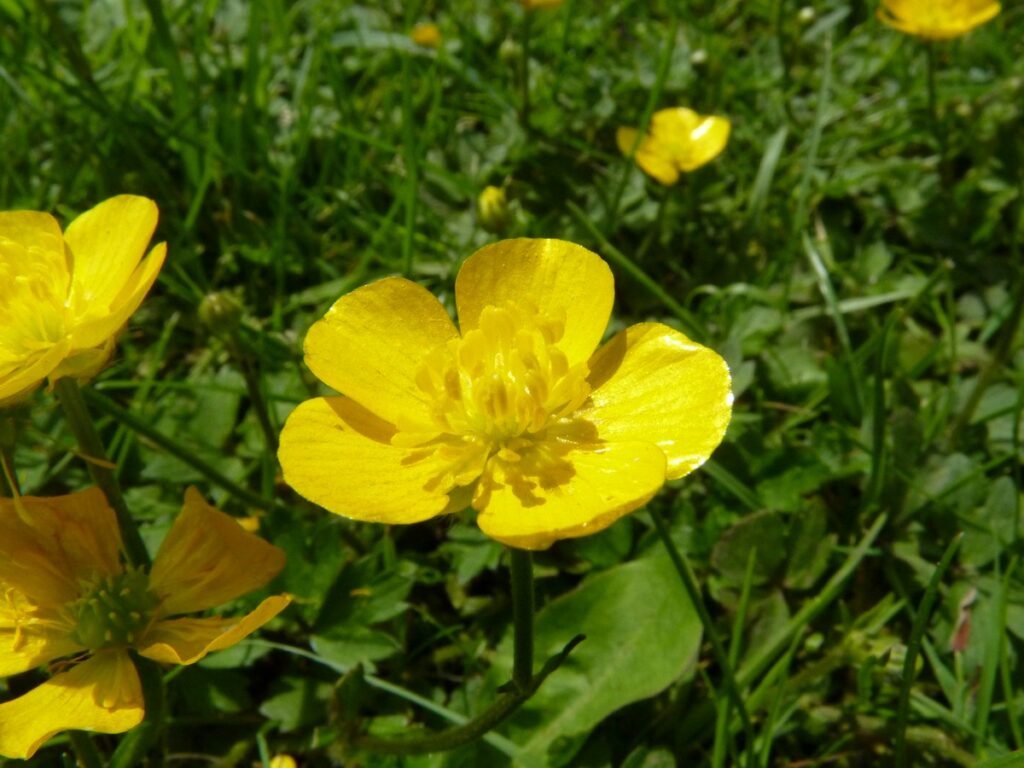
Creeping Buttercup
Creeping Buttercup is a yellow wildflower that is commonly found in wet areas. It has a bright yellow flower head with shiny, waxy petals. The leaves are also shiny and waxy. Creeping Buttercup is also known as Ranunculus repens.
Chickweed Monkey Flower
Chickweed Monkey Flower is a yellow wildflower that is found in wet areas. It has a bright yellow flower head with a monkey-like face in the center. The leaves are also hairy and can be up to 3 inches long. Chickweed Monkey Flower is also known as Mimulus alsinoides.
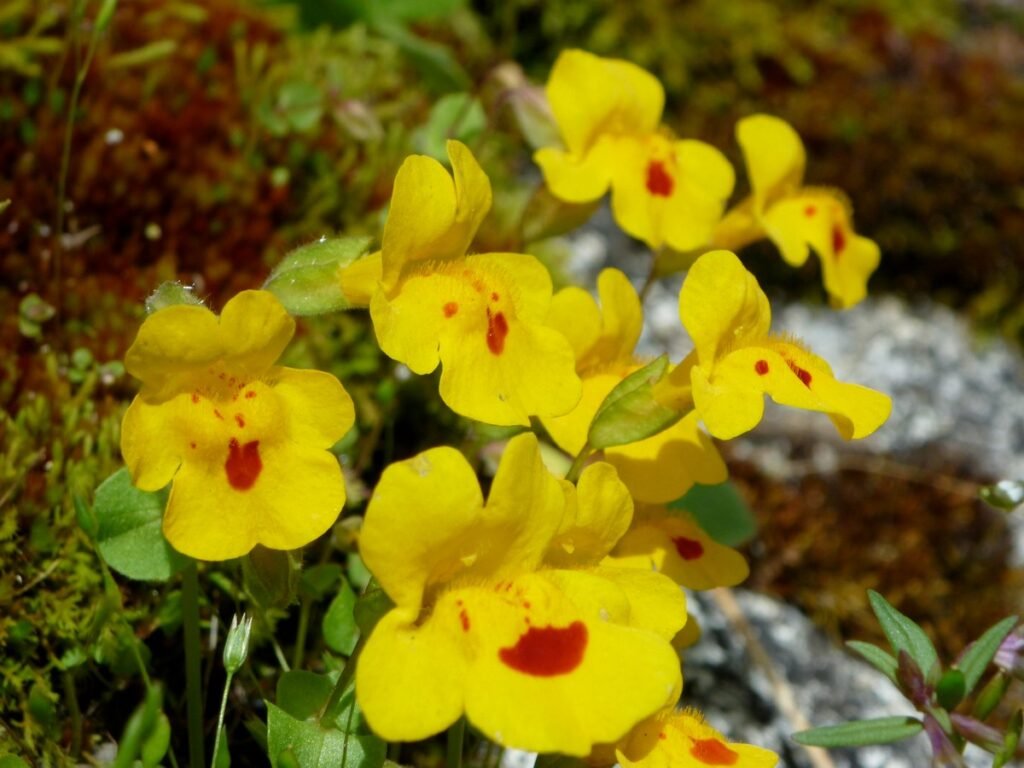
Common Monkey Flower
Common Monkey Flower is a yellow wildflower that is found in wet areas. It has a bright yellow flower head with a monkey-like face in the center. The leaves are also hairy and can be up to 6 inches long. Common Monkey Flower is also known as Mimulus guttatus.
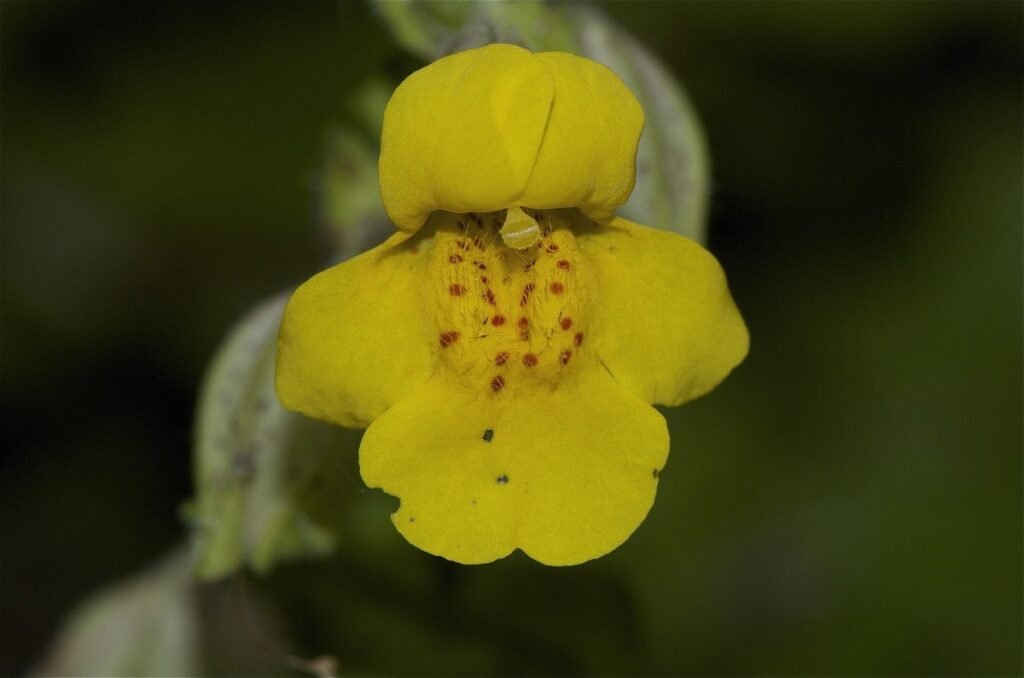
Monkey Flower
The Monkey Flower is a beautiful yellow wildflower that is native to North America. It is also known as the Mimulus guttatus and is a member of the snapdragon family. The Monkey Flower is a small plant that grows up to 2 feet tall. It has bright yellow flowers that bloom from late spring to early fall.
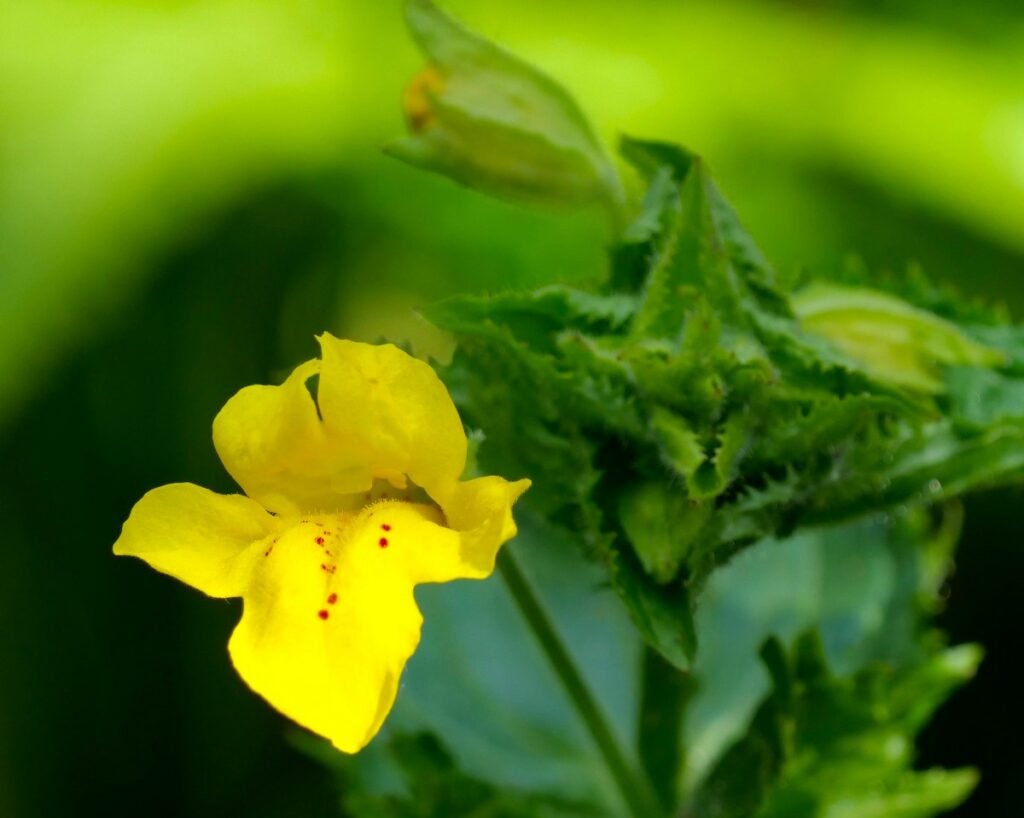
Hood River Milkvetch
The Hood River Milkvetch is a rare and endangered yellow wildflower that is found in the Pacific Northwest. It is a member of the legume family and has small yellow flowers that bloom in the spring. The Hood River Milkvetch grows up to 2 feet tall and is found in dry, rocky areas.
Gold Star
The Gold Star is a beautiful yellow wildflower that is native to North America. It is a member of the aster family and has bright yellow flowers that bloom from late spring to early fall. The Gold Star grows up to 3 feet tall and is found in meadows, prairies, and along roadsides.
Sticky Cinquefoil
The Sticky Cinquefoil is a common yellow wildflower that is found throughout North America. It is a member of the rose family and has small yellow flowers that bloom from late spring to early fall. The Sticky Cinquefoil grows up to 2 feet tall and is found in meadows, prairies, and along roadsides.
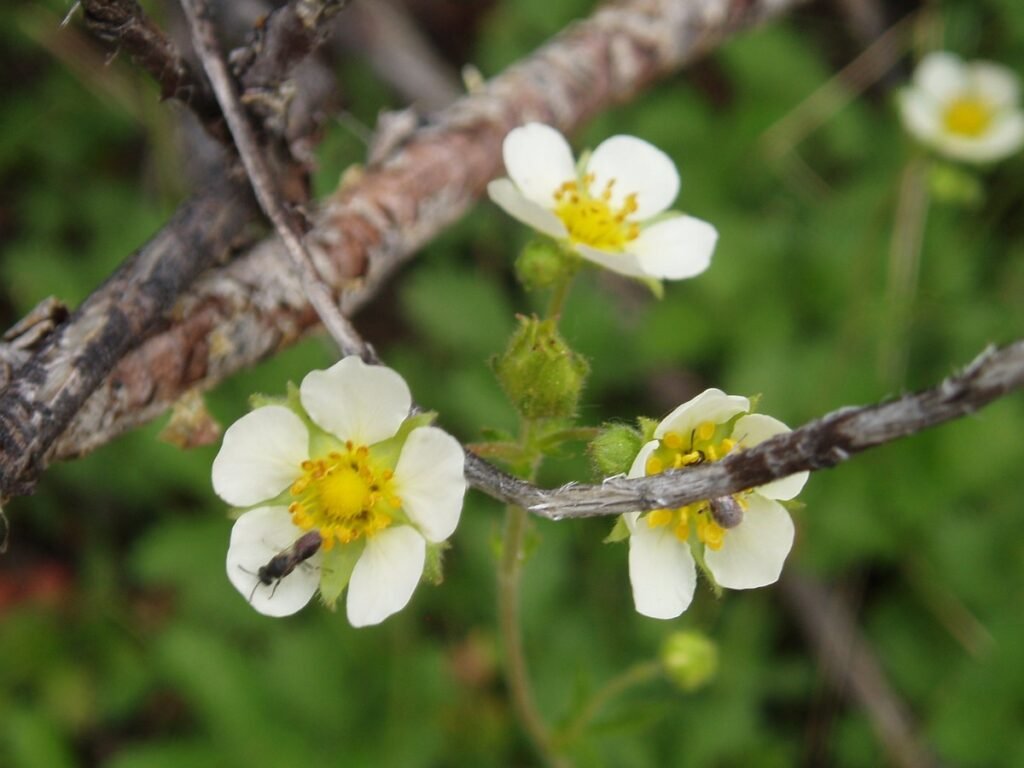
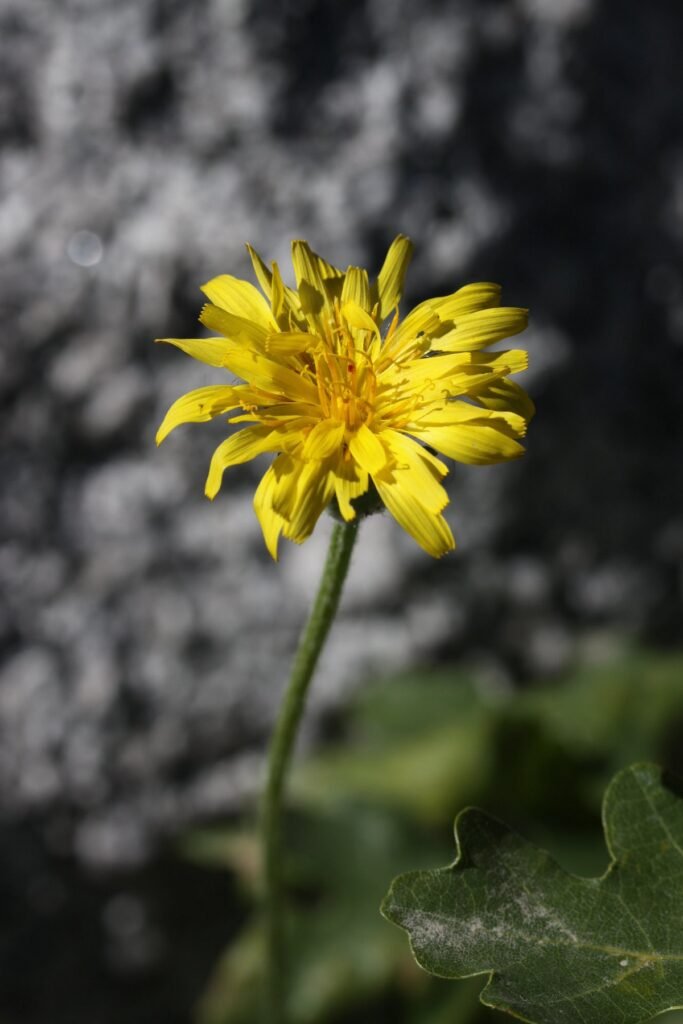
Agoseris
The Agoseris is a unique yellow wildflower that is native to North America. It is also known as the Mountain Dandelion and is a member of the aster family. The Agoseris has bright yellow flowers that bloom in the spring and summer. It grows up to 2 feet tall and is found in rocky areas and meadows.
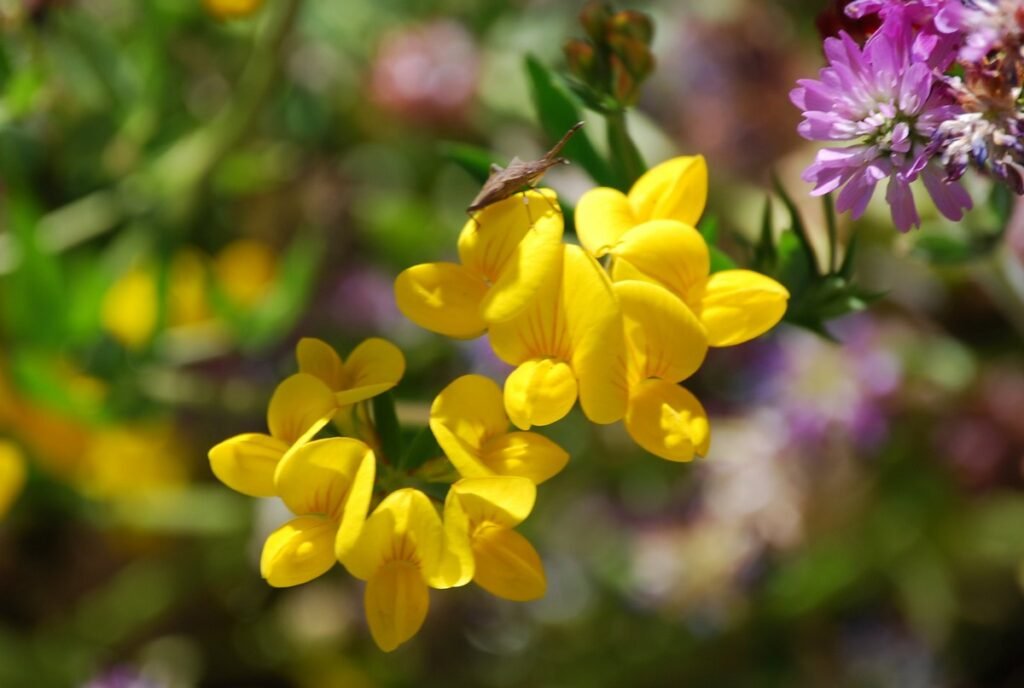
Scotch Broom
The Scotch Broom is an invasive yellow wildflower that is native to Europe. It is a member of the pea family and has bright yellow flowers that bloom in the spring and summer. The Scotch Broom grows up to 10 feet tall and is found in disturbed areas such as roadsides and fields.
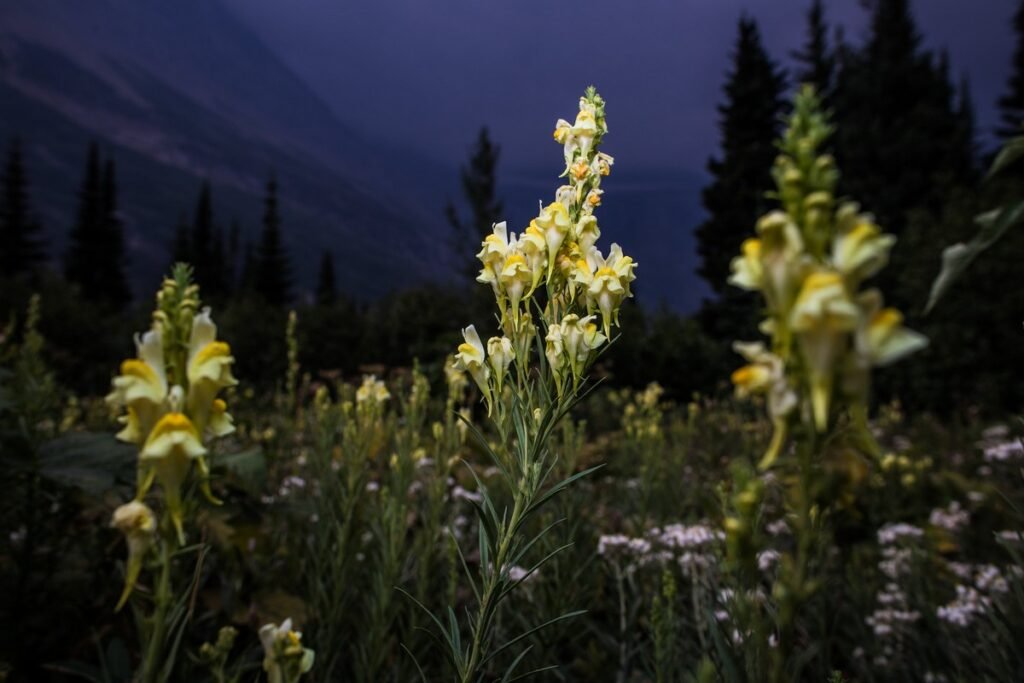
Dalmation Toadflax
The Dalmation Toadflax is an invasive yellow wildflower that is native to Europe. It is a member of the snapdragon family and has bright yellow flowers that bloom from late spring to early fall. The Dalmation Toadflax grows up to 3 feet tall and is found in disturbed areas such as roadsides and fields.
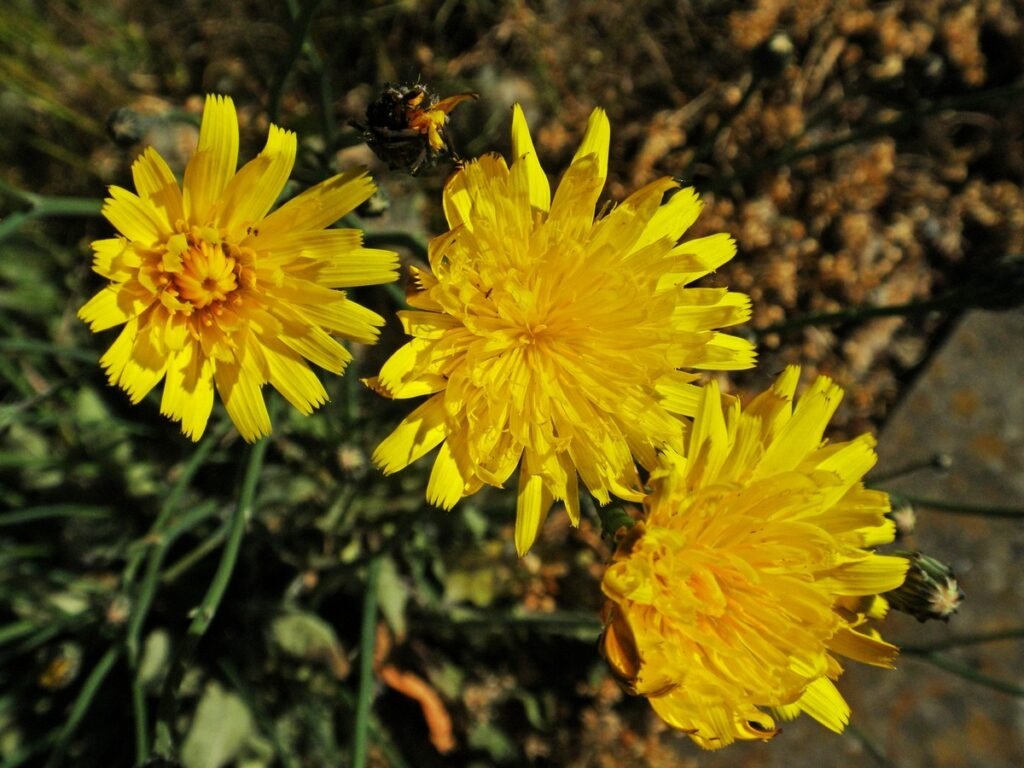
Hawkweed
The Hawkweed is a common yellow wildflower that is found throughout North America. It is a member of the aster family and has bright yellow flowers that bloom from late spring to early fall. The Hawkweed grows up to 2 feet tall and is found in meadows, prairies, and along roadsides.
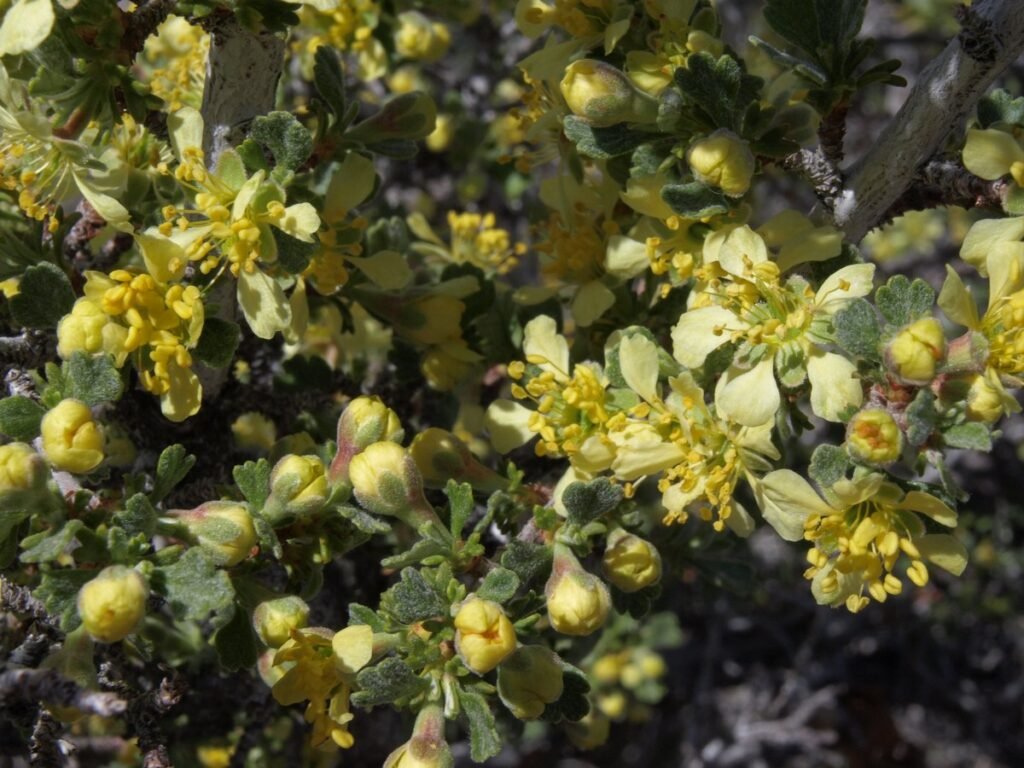
Antelope Bitterbrush
The Antelope Bitterbrush is a unique yellow wildflower that is native to North America. It is a member of the pea family and has small yellow flowers that bloom in the spring. The Antelope Bitterbrush grows up to 6 feet tall and is found in dry, rocky areas.
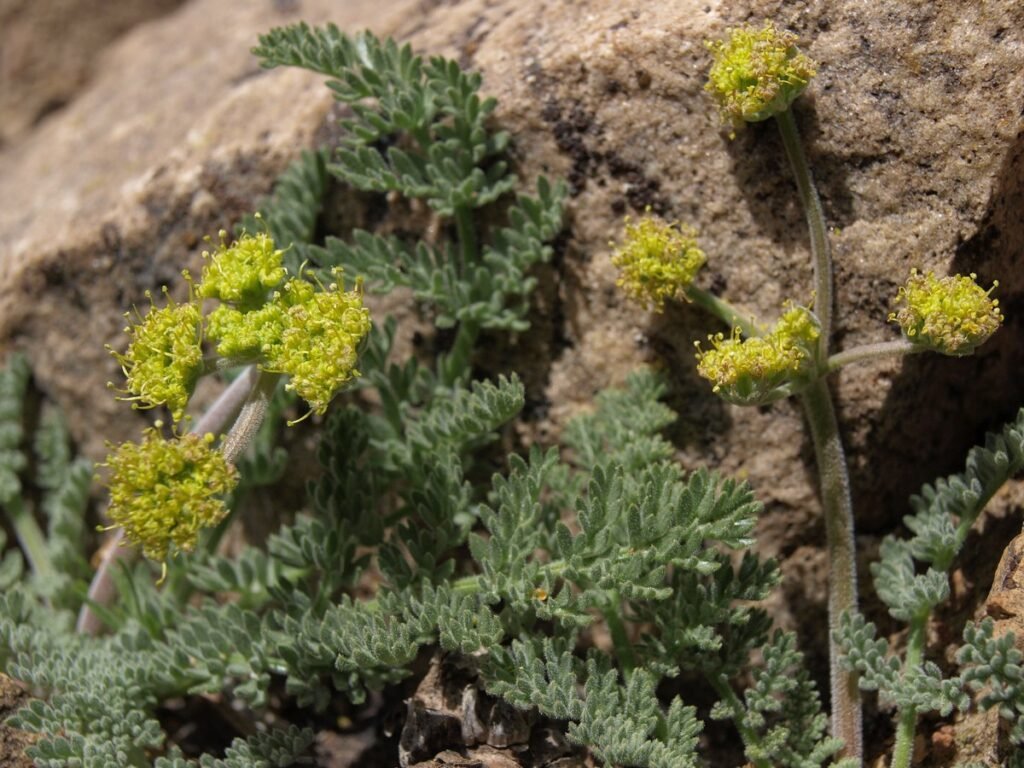
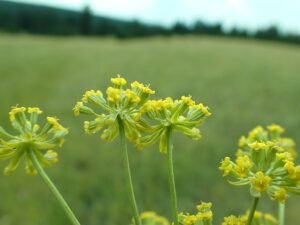
Desert Parsley
The Desert Parsley is a beautiful yellow wildflower that is native to North America. It is a member of the carrot family and has bright yellow flowers that bloom in the spring. The Desert Parsley grows up to 2 feet tall and is found in dry, rocky areas.
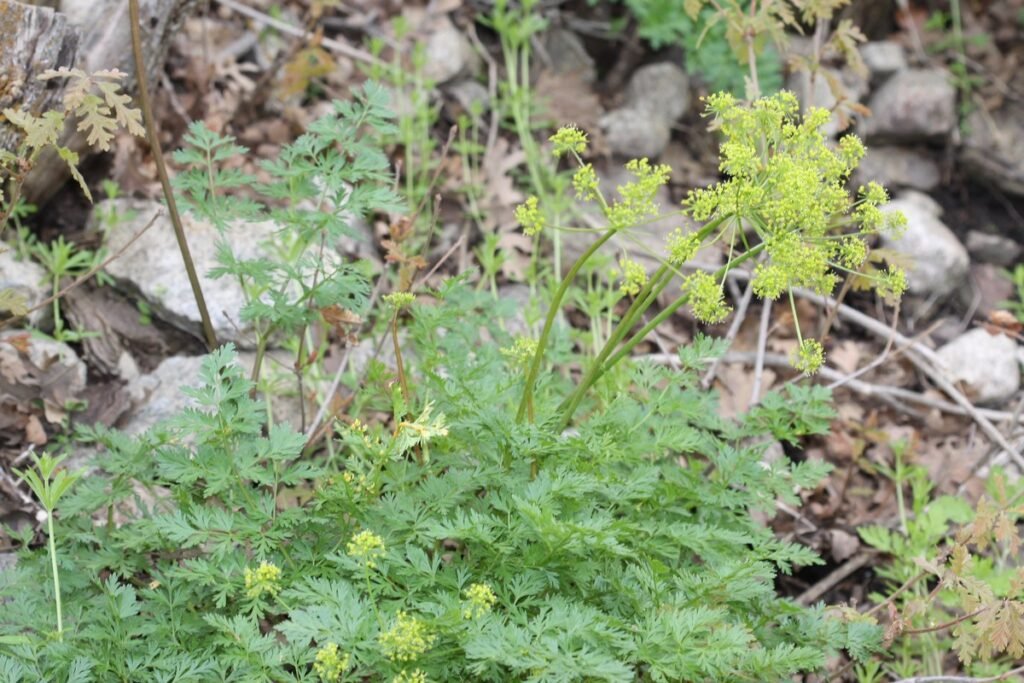
Fern-leaf Desert Parsley (Lomatium dissectum)
The Fern-leaf Desert Parsley is a unique yellow wildflower that is native to North America. It is a member of the carrot family and has small yellow flowers that bloom in the spring. The Fern-leaf Desert Parsley grows up to 2 feet tall and is found in dry, rocky areas.
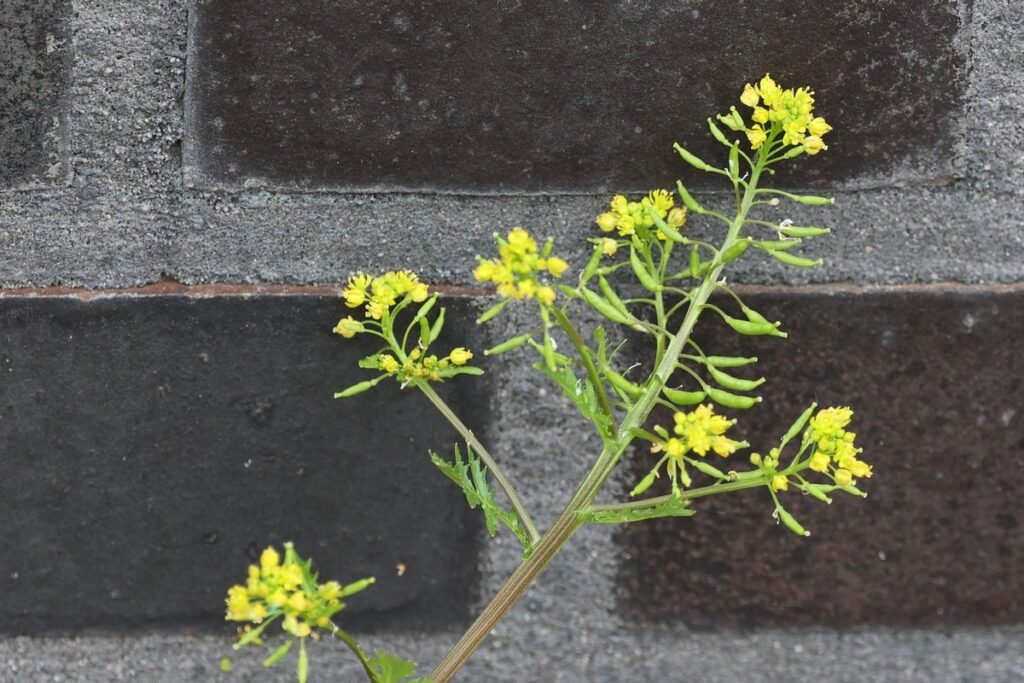
Marsh Yellowcress (Rorippa palustris)
The Marsh Yellowcress is a common yellow wildflower that is found throughout North America. It is a member of the mustard family and has bright yellow flowers that bloom from late spring to early fall. The Marsh Yellowcress grows up to 2 feet tall and is found in wet areas such as marshes and along streams.
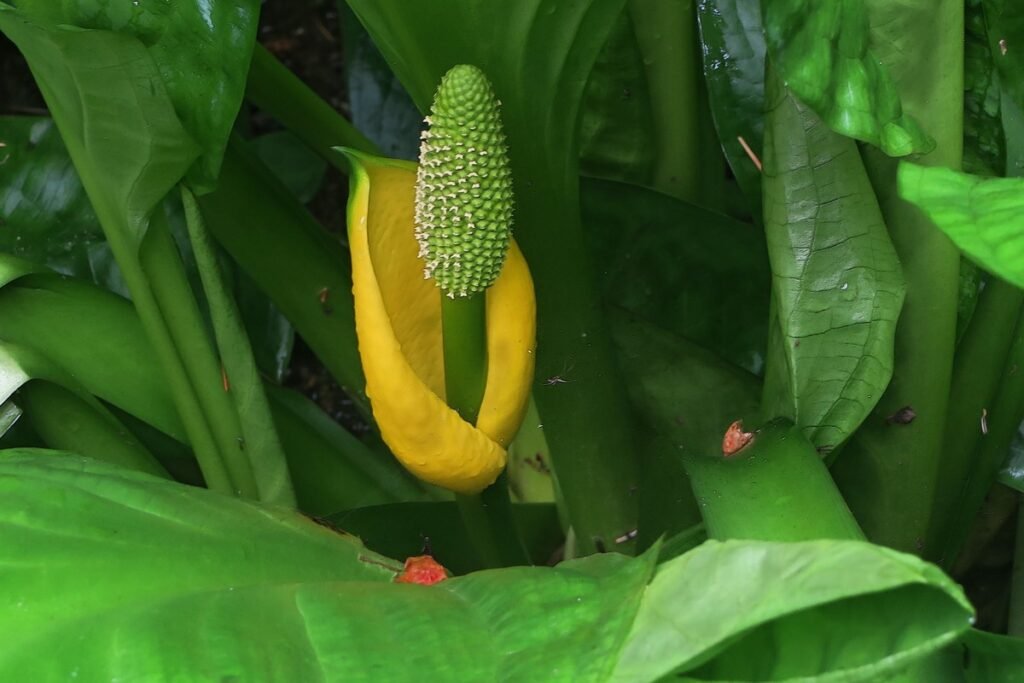
Skunk Cabbage
Skunk Cabbage (Lysichiton americanus) is a unique yellow wildflower that grows in wetlands and swampy areas. It gets its name from the unpleasant odor it emits, which is similar to that of a skunk. The plant produces a large yellow flower that can grow up to a foot in length and is surrounded by a bright green leaf-like structure called a spathe.
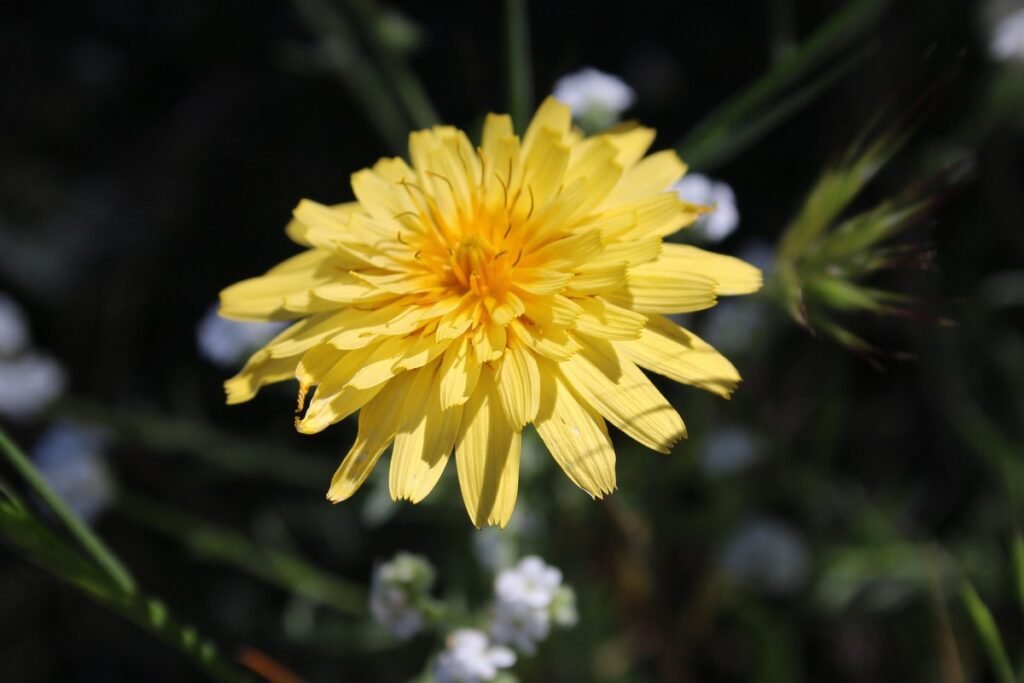
Annual Agoseris
Annual Agoseris (Agoseris heterophylla) is a small yellow wildflower that blooms in the spring. It grows in dry, rocky areas and has a bright yellow flower head that resembles a dandelion. The plant is relatively short, growing only up to about six inches in height.
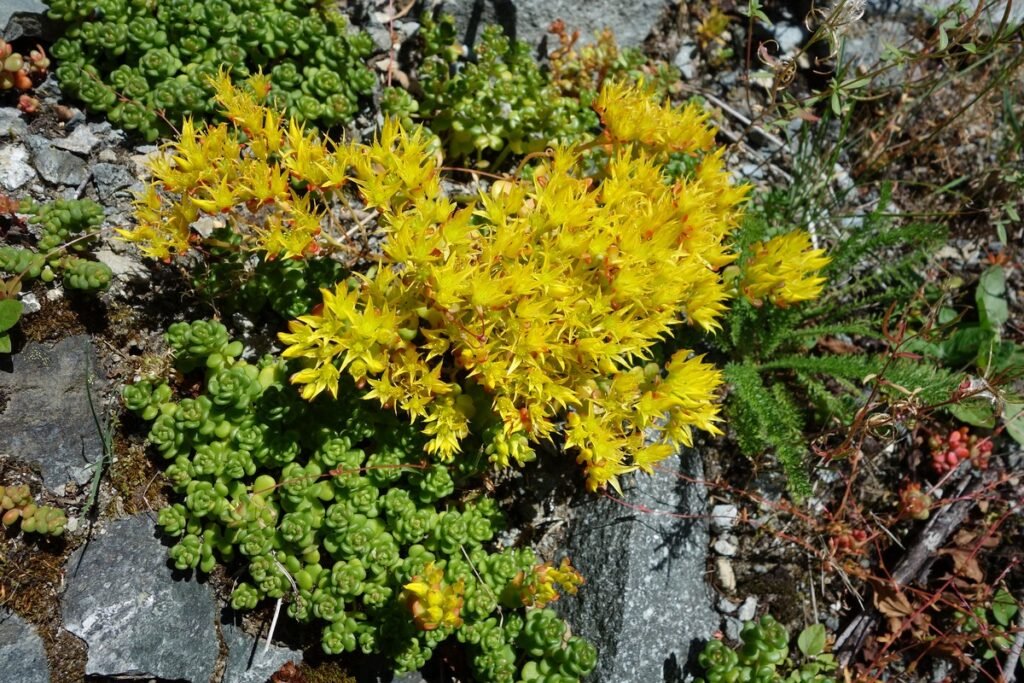
Cascades Stonecrop
Cascades Stonecrop (Sedum obtusatum) is a succulent yellow wildflower that grows in rocky areas and cliffs. It has small, star-shaped yellow flowers that bloom in the summer and fall. The plant is low-growing and forms a dense mat of foliage.
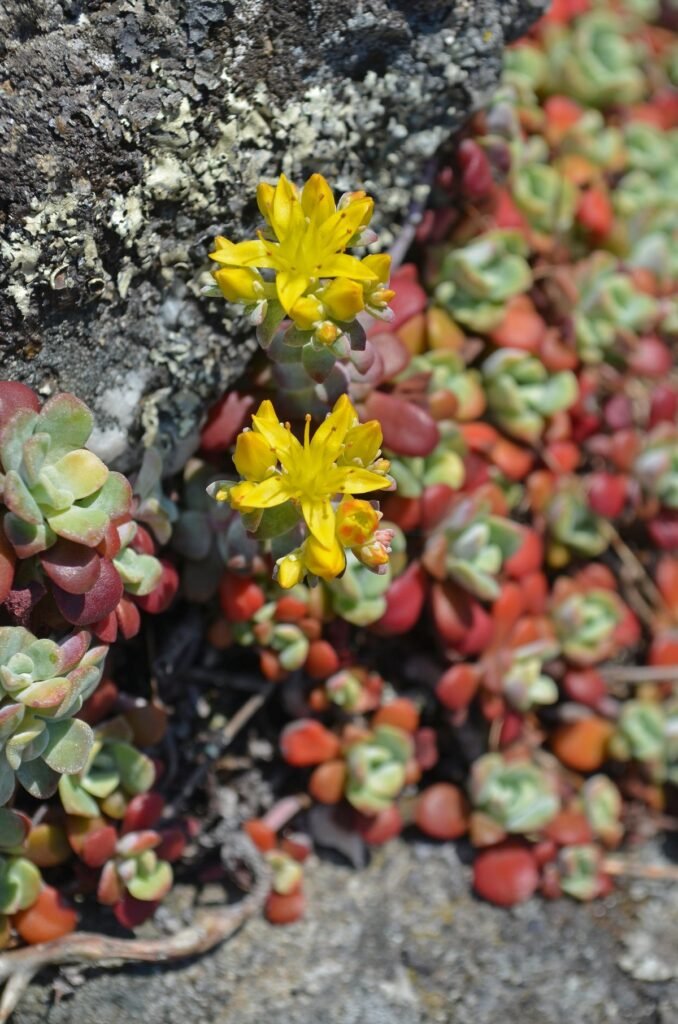
Broadleaf Stonecrop
Broadleaf Stonecrop (Sedum spathulifolium) is another type of succulent yellow wildflower that grows in rocky areas and cliffs. It has bright yellow flowers that bloom in the summer and fall. The plant has thick, fleshy leaves that are shaped like spatulas.
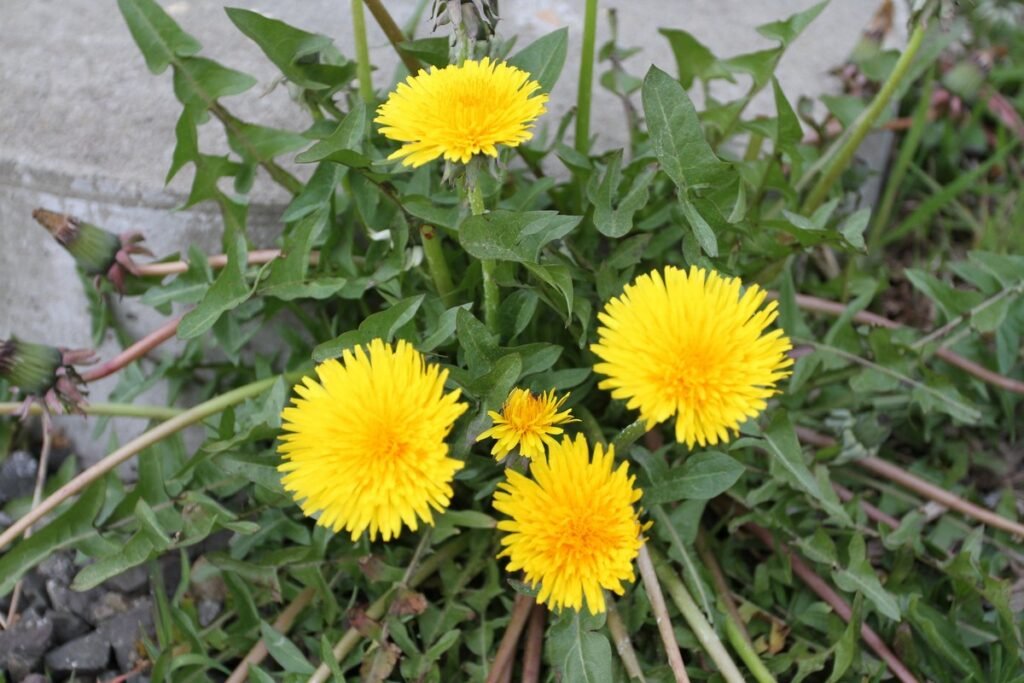
Dandelion (Taraxacum officinale)
Dandelion (Taraxacum officinale) is a common yellow wildflower that grows in lawns, fields, and meadows. It has a bright yellow flower head that turns into a white puffball when it goes to seed. The plant is considered a weed by many people but is also used in herbal medicine and as a food source.
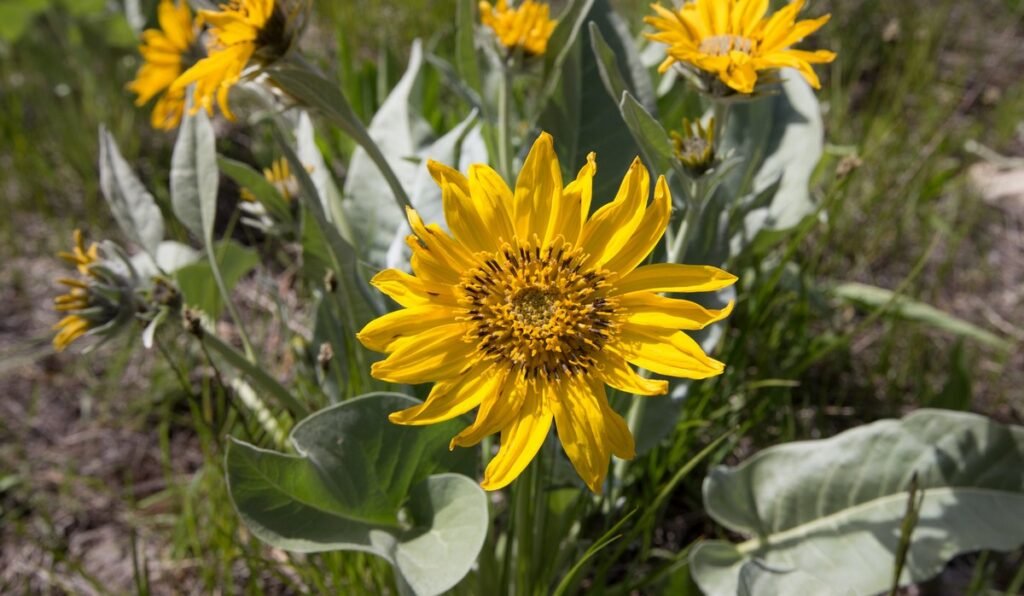
Balsam Root
Balsam Root (Balsamorhiza sagittata) is a tall yellow wildflower that grows in dry, open areas. It has large, yellow flowers that bloom in the spring and summer. The plant can grow up to six feet tall and has leaves that are shaped like arrows.
Towering Lousewort (Pedicularis bracteosa)
Towering Lousewort (Pedicularis bracteosa) is a tall yellow wildflower that grows in moist, shady areas. It has yellow flowers that bloom in the summer and fall. The plant can grow up to three feet tall and has leaves that are finely divided.

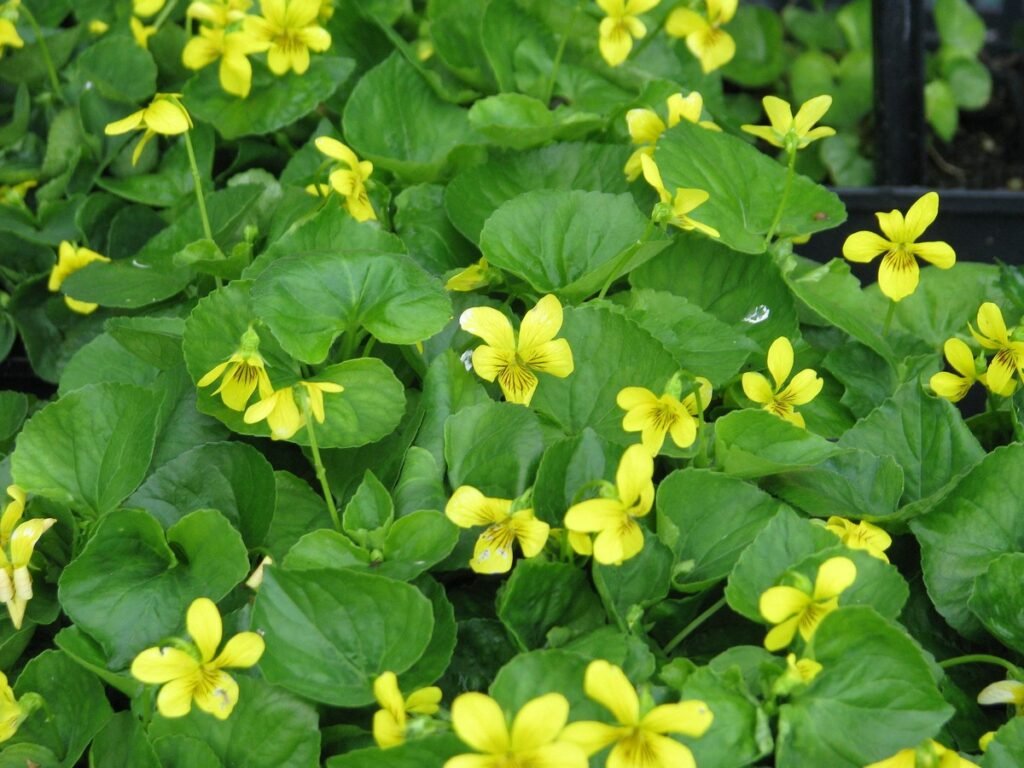
Wood Violet
Wood Violet (Viola glabella) is a small yellow wildflower that grows in forests and woodlands. It has delicate, yellow flowers that bloom in the spring. The plant has heart-shaped leaves and can grow up to eight inches tall.
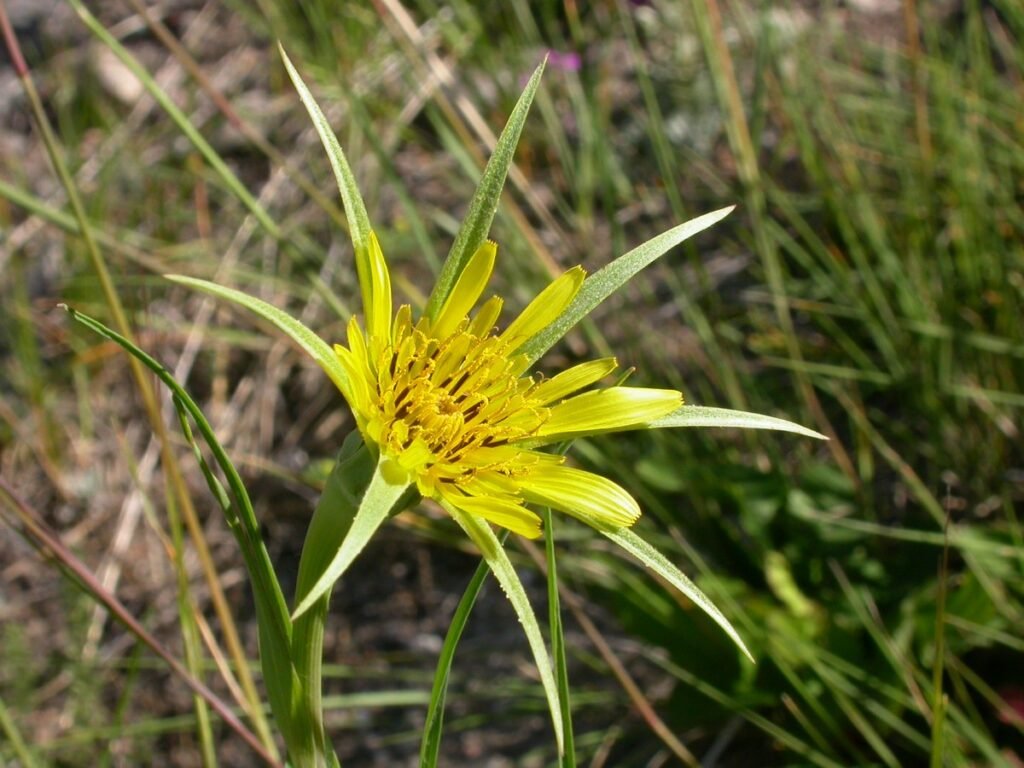
Yellow Salsify
Yellow Salsify (Tragopogon dubius) is a tall yellow wildflower that grows in fields and meadows. It has large, yellow flowers that bloom in the summer. The plant can grow up to three feet tall and has leaves that are long and narrow.
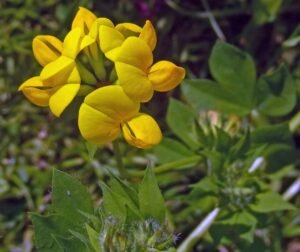
Bog Deervetch
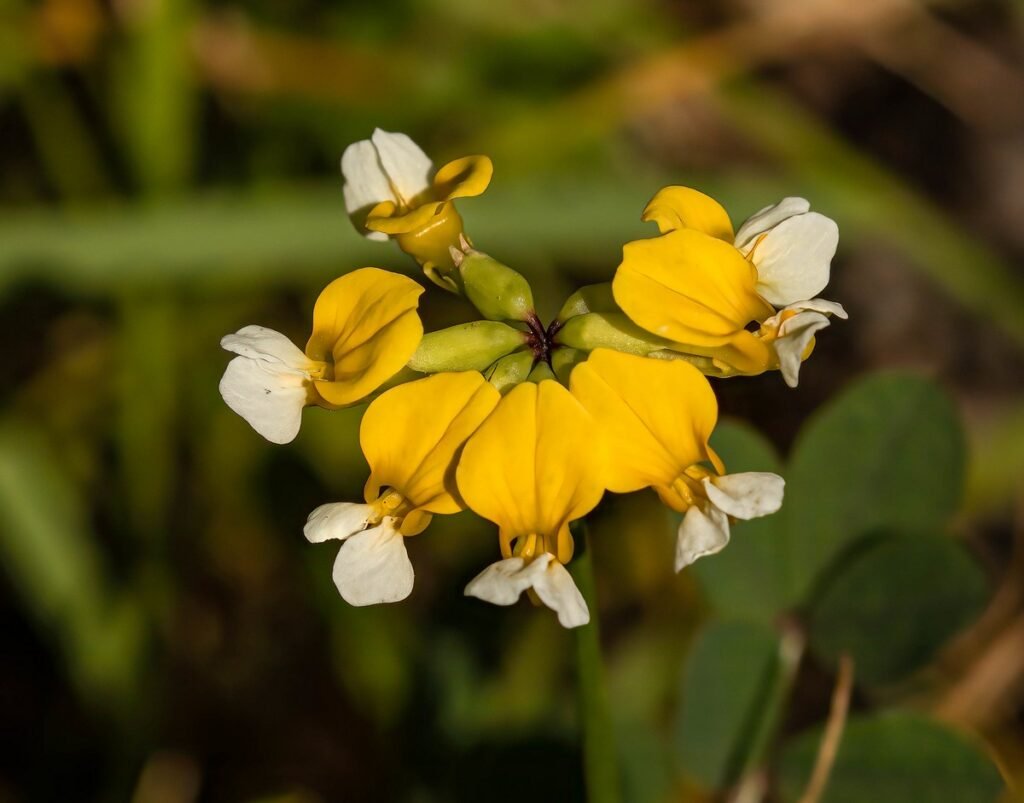
Bog Deervetch, also known as Lotus pinnatus, is a perennial plant with yellow flowers that bloom from May to August. It grows up to 2 feet tall and is commonly found in wetlands, meadows, and along roadsides. The flowers are pea-like and have a sweet fragrance. Bog Deervetch is an important source of nectar for bees and other pollinators.
Tall Silvercrown
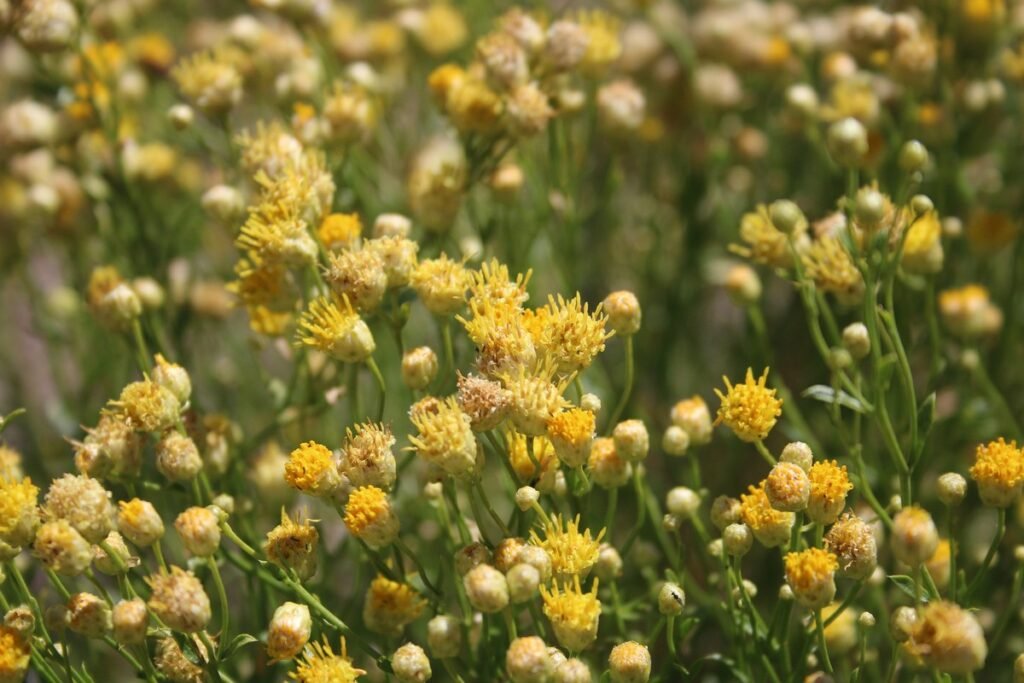
Tall Silvercrown, also known as Acamptopappus sphaerocephalus, is a tall perennial plant that grows up to 6 feet tall. It has yellow flowers that bloom from July to September and is commonly found in dry, rocky areas. The flowers are small and clustered at the top of the plant. Tall Silvercrown is a good source of food for wildlife, including birds and small mammals.
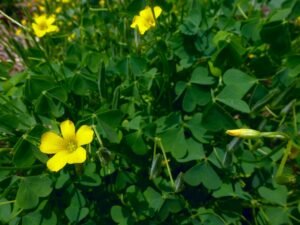
Yellow Oxalis
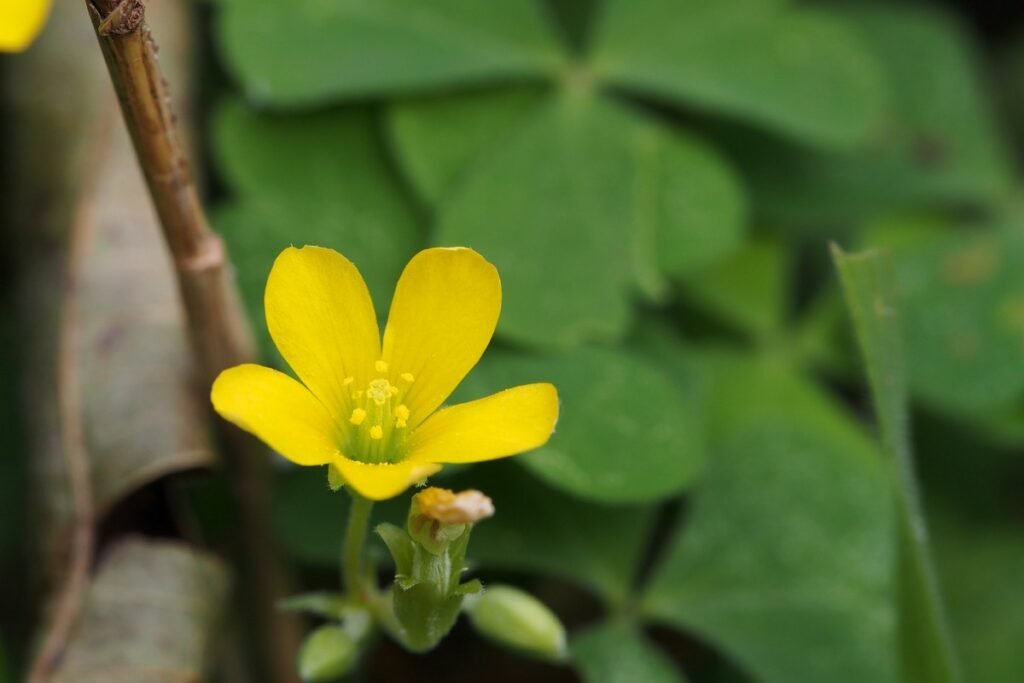
Yellow Oxalis, also known as Oxalis stricta, is a low-growing annual plant with yellow flowers that bloom from May to September. It grows up to 1 foot tall and is commonly found in lawns, gardens, and along roadsides. The flowers are small and have five petals. Yellow Oxalis is often considered a weed, but it can be used as a groundcover in landscaping.
Cinquefoil
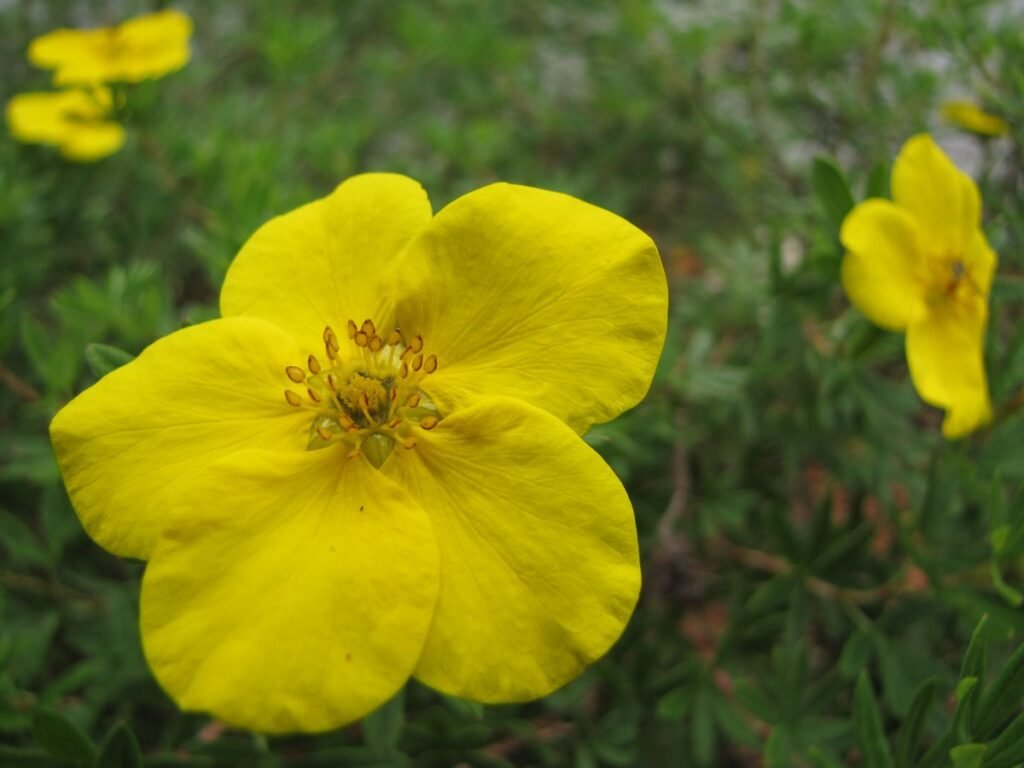
Cinquefoil, also known as Potentilla spp., is a perennial plant with yellow flowers that bloom from May to August. It grows up to 3 feet tall and is commonly found in meadows, woodlands, and along roadsides. The flowers are small and have five petals. Cinquefoil is an important source of food for wildlife, including deer and rabbits.
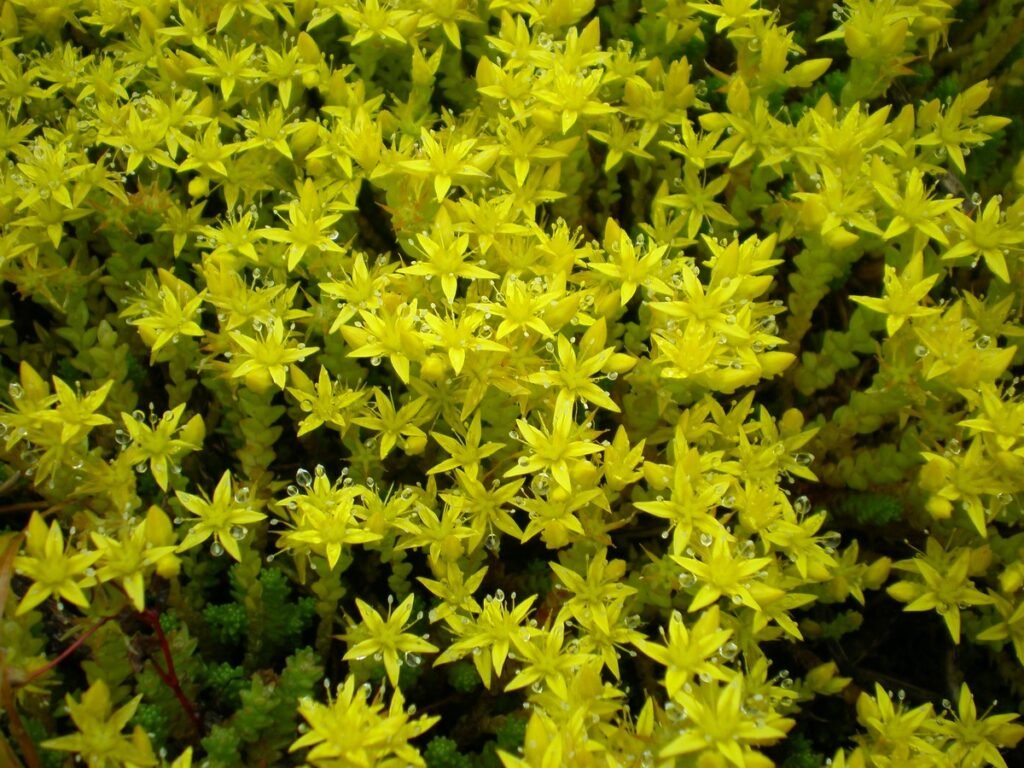
Stonecrop
Stonecrop, also known as Sedum spp., is a low-growing perennial plant with yellow flowers that bloom from June to August. It grows up to 1 foot tall and is commonly found in rocky areas, gardens, and along roadsides. The flowers are star-shaped and clustered at the top of the plant. Stonecrop is often used in landscaping as a groundcover or in rock gardens.
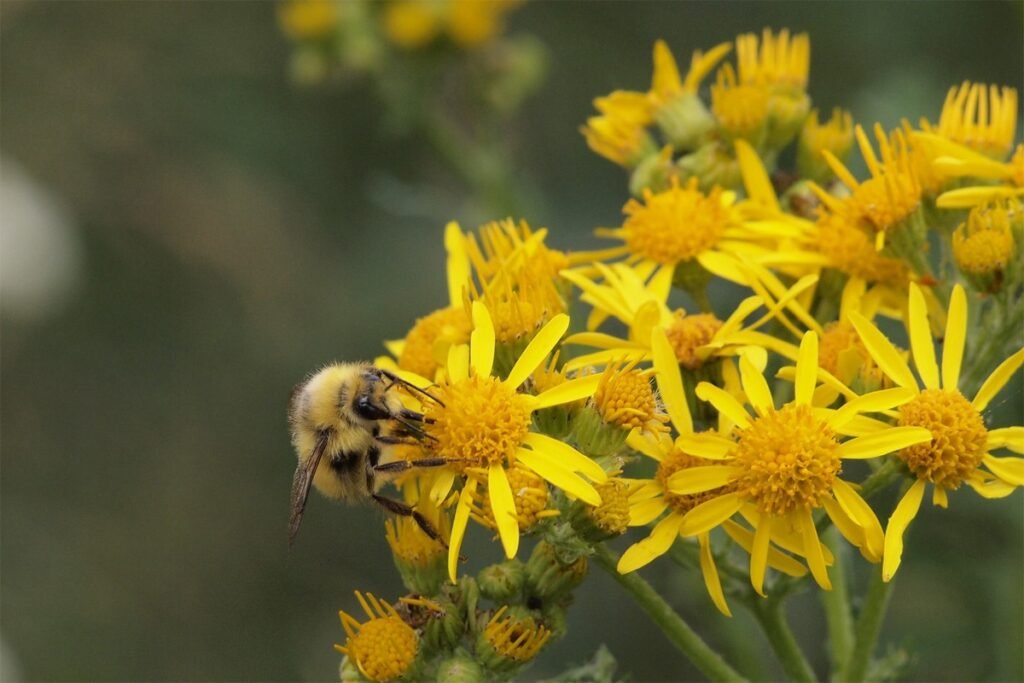
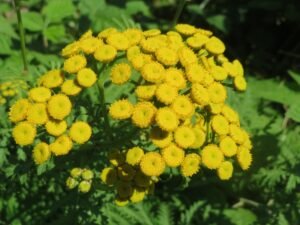
Tansy Ragwort
Tansy Ragwort, also known as Senecio jacobaea, is a biennial plant with yellow flowers that bloom from July to September. It grows up to 3 feet tall and is commonly found in meadows, pastures, and along roadsides. The flowers are small and clustered at the top of the plant. Tansy Ragwort is toxic to livestock and can cause liver damage if ingested.
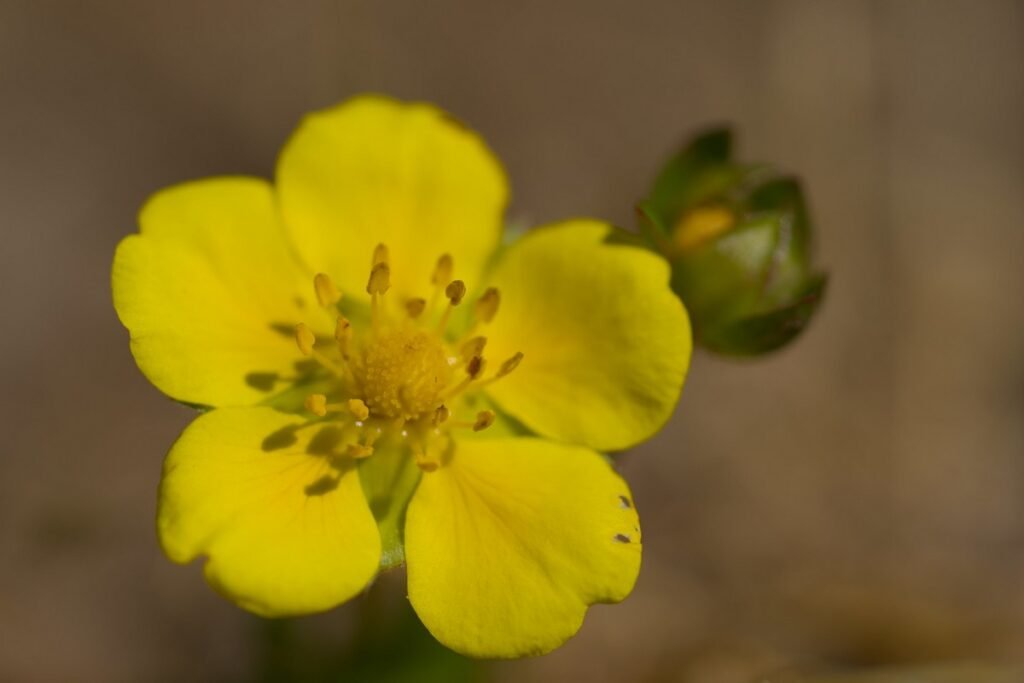
Shrubby Cinquefoil
Scrubby Cinquefoil, also known as Potentilla fruticosa, is a low-growing shrub with yellow flowers that bloom from June to August. It grows up to 3 feet tall and is commonly found in dry, rocky areas. The flowers are small and have five petals. Scrubby Cinquefoil is often used in landscaping as a groundcover or in rock gardens.
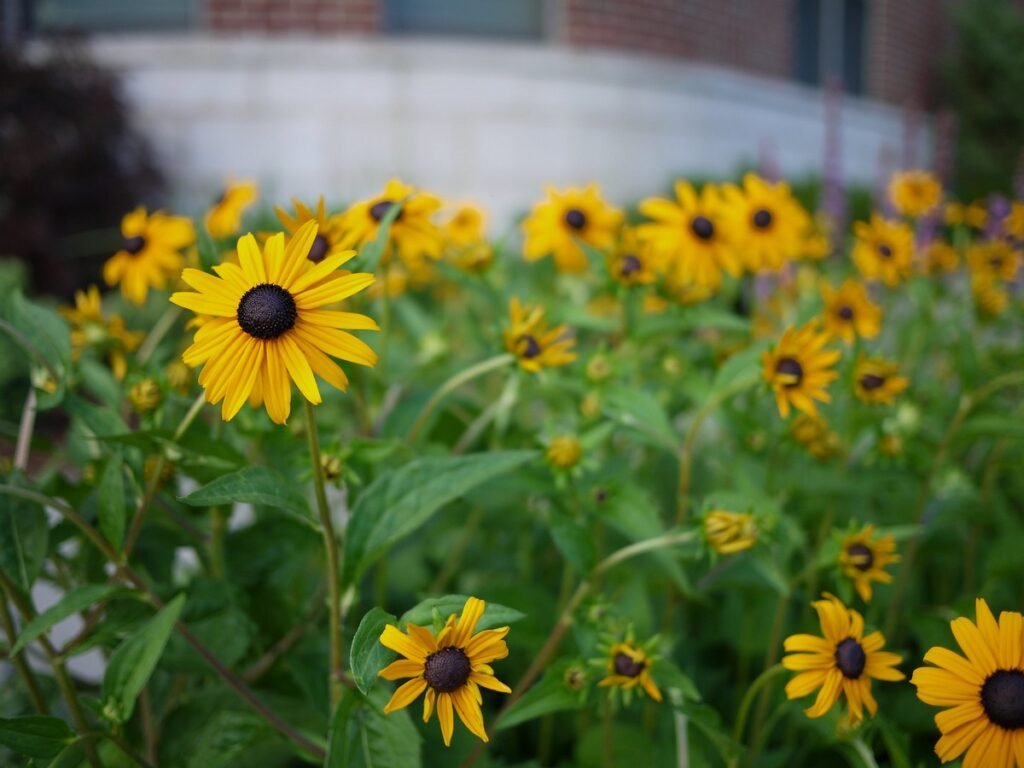
Black-eyed Susan
Black-eyed Susan, also known as Rudbeckia hirta, is a perennial plant with yellow flowers that bloom from June to September. It grows up to 3 feet tall and is commonly found in meadows, gardens, and along roadsides. The flowers are daisy-like and have a dark brown center. Black-eyed Susan is an important source of food for wildlife, including birds and small mammals.
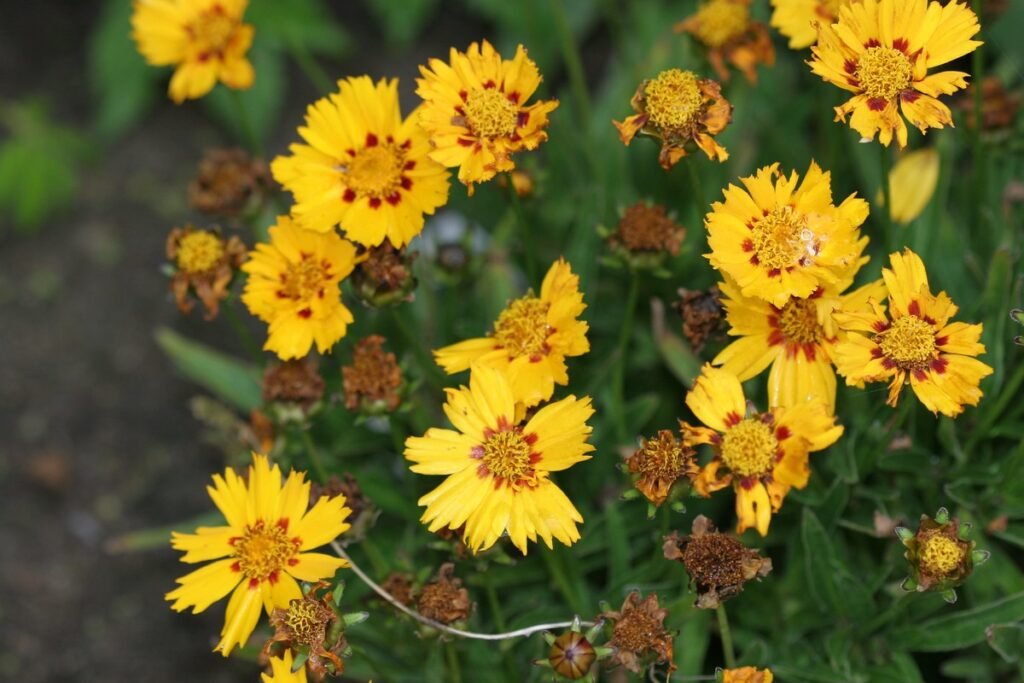
Coreopsis lanceolata (Lanceleaf Coreopsis)
Coreopsis lanceolata, also known as Lanceleaf Coreopsis, is a perennial plant with yellow flowers that bloom from May to September. It grows up to 2 feet tall and is commonly found in meadows, prairies, and along roadsides. The flowers are daisy-like and have a dark brown center. Lanceleaf Coreopsis is often used in landscaping as a groundcover or in wildflower gardens.
Other yellow wildflowers
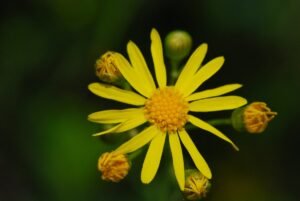
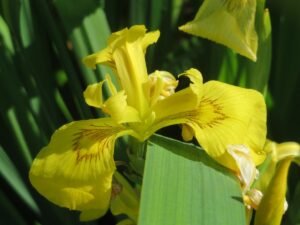
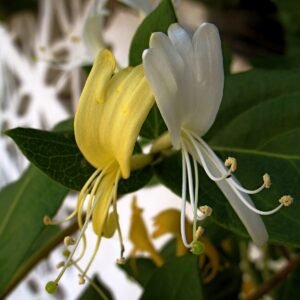
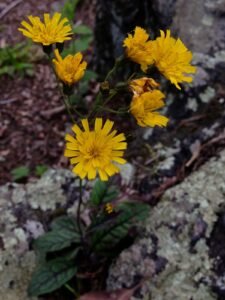
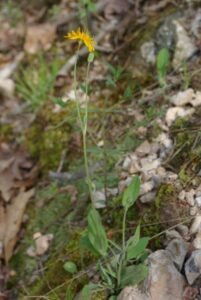
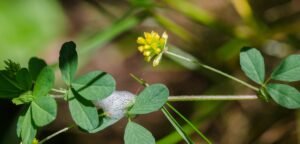
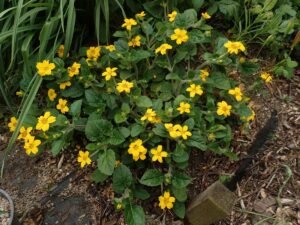
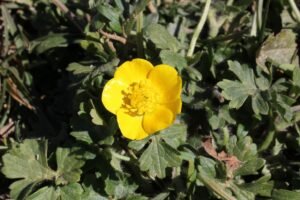
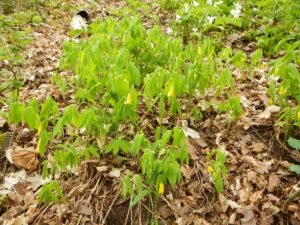
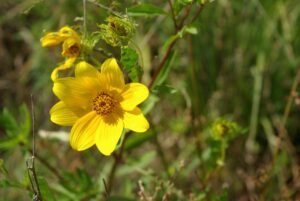
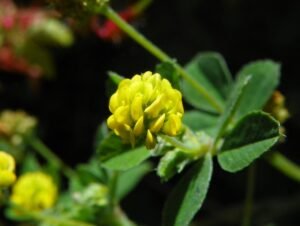
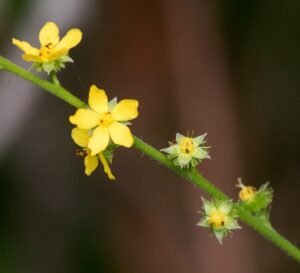
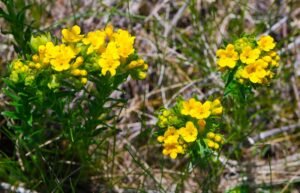
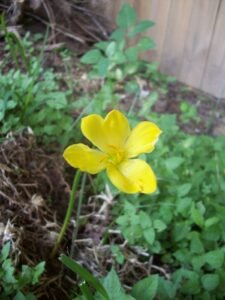
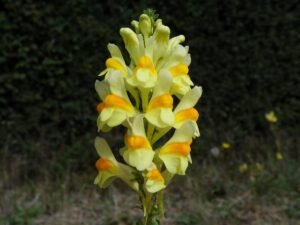
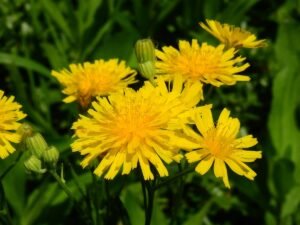
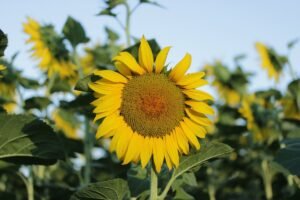
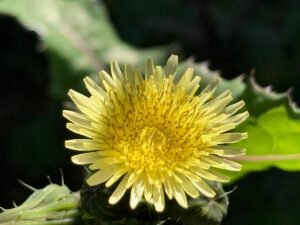

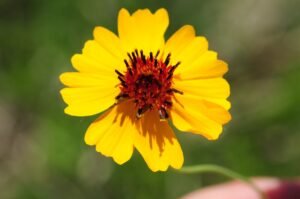
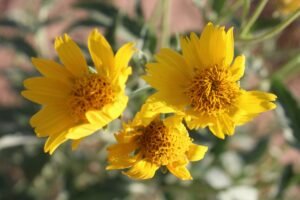

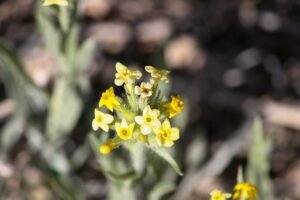
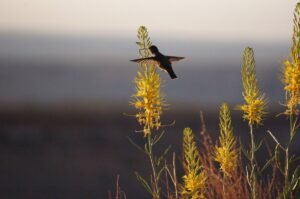

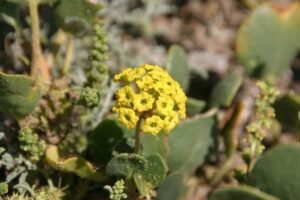
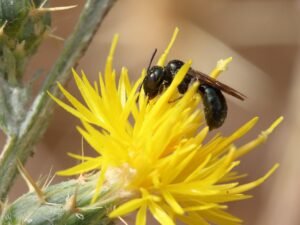
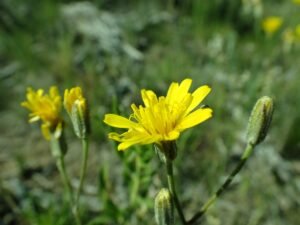
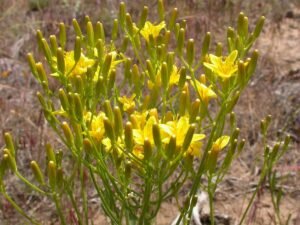
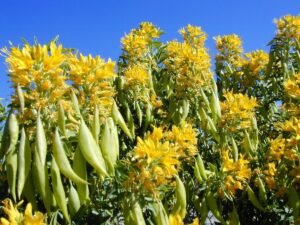
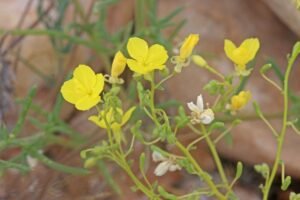

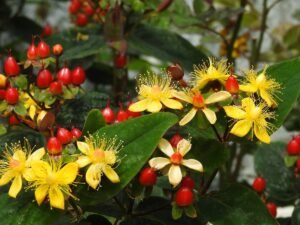
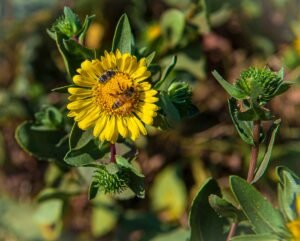
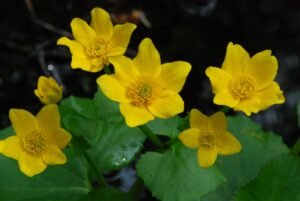
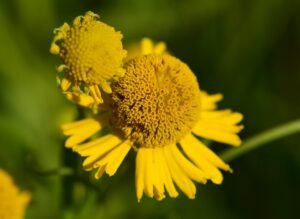
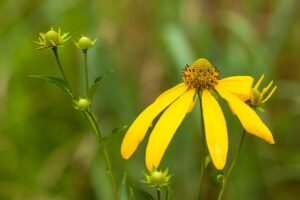
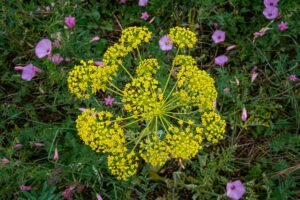
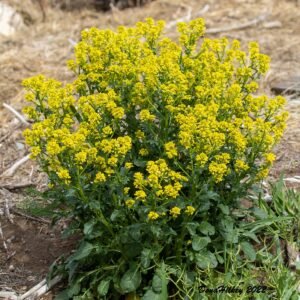
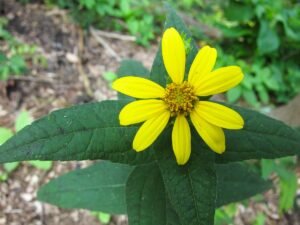
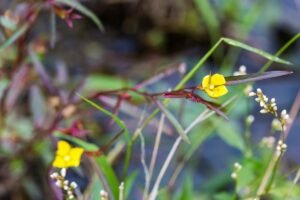
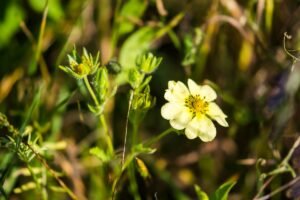
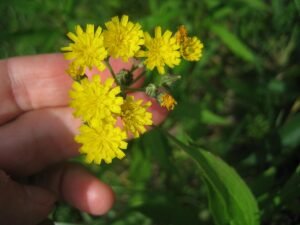
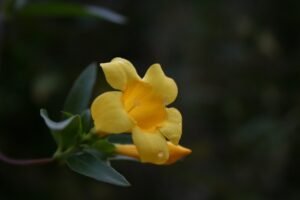
As you can see, there are many different types of yellow wildflowers to discover and enjoy. Whether you are a hiker, a nature lover, or just someone who appreciates the beauty of the natural world, these wildflowers are sure to delight and inspire you.
Symbolism and Cultural Significance of Yellow Wildflowers
Symbolism in Various Cultures
Yellow wildflowers have been used as symbols in various cultures around the world. In ancient Egypt, yellow flowers were associated with the sun and were used in religious ceremonies. In China, yellow flowers represent happiness and good luck. In Native American culture, yellow flowers symbolize friendship and joy.
Use in Art and Literature
Yellow wildflowers have also been featured in art and literature. Vincent van Gogh famously painted a series of sunflowers, which are a type of yellow wildflower. In literature, yellow flowers have been used as symbols of hope and renewal. For example, in “The Great Gatsby,” the character Daisy is associated with the color yellow, which represents hope and new beginnings.
Yellow wildflowers are also popular in modern-day flower arrangements and are often used in weddings and other celebratory events. Their bright color and cheerful appearance make them a popular choice for decoration.
In conclusion, yellow wildflowers have a rich cultural significance and have been used as symbols of various emotions and ideas throughout history. Whether used in art, literature, or everyday life, they bring joy and happiness to those who encounter them.
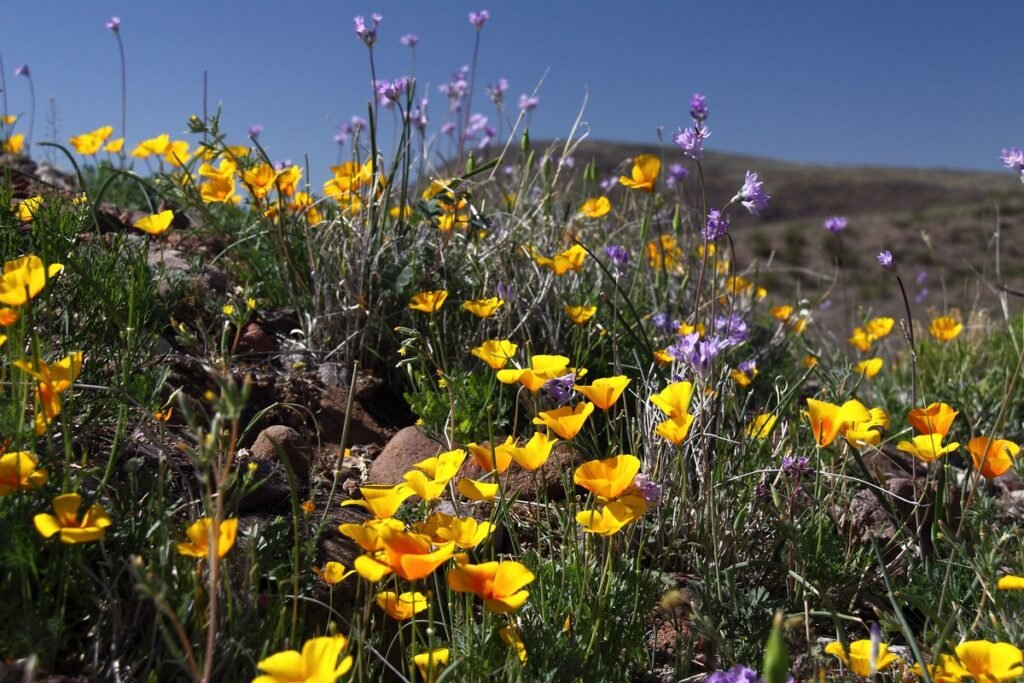
Conservation of Yellow Wildflowers
Threats and Challenges
As someone who loves yellow wildflowers, I am concerned about the threats and challenges they face. One of the biggest threats is habitat loss due to urbanization, agriculture, and other human activities. Climate change is also affecting the distribution and blooming times of many yellow wildflowers. Invasive species and overgrazing by livestock can also harm native yellow wildflowers.
Conservation Efforts
Thankfully, there are many conservation efforts underway to protect yellow wildflowers. Some organizations are working to restore degraded habitats and protect important areas through land conservation. Others are conducting research to better understand the ecology of yellow wildflowers and develop strategies to help them adapt to changing conditions. Citizen science initiatives are also helping to monitor yellow wildflower populations and raise awareness about their importance.
In addition to these efforts, there are things that individuals can do to help conserve yellow wildflowers. Planting native wildflowers in gardens and other green spaces can provide important habitat for pollinators and other wildlife. Avoiding the use of pesticides and herbicides can also help protect yellow wildflowers and their associated ecosystems. Finally, learning about and appreciating yellow wildflowers can help raise awareness about their importance and inspire others to take action to protect them.
Overall, there is much to be done to conserve yellow wildflowers, but with continued effort and dedication, we can help ensure that these beautiful and important plants continue to thrive for generations to come.