
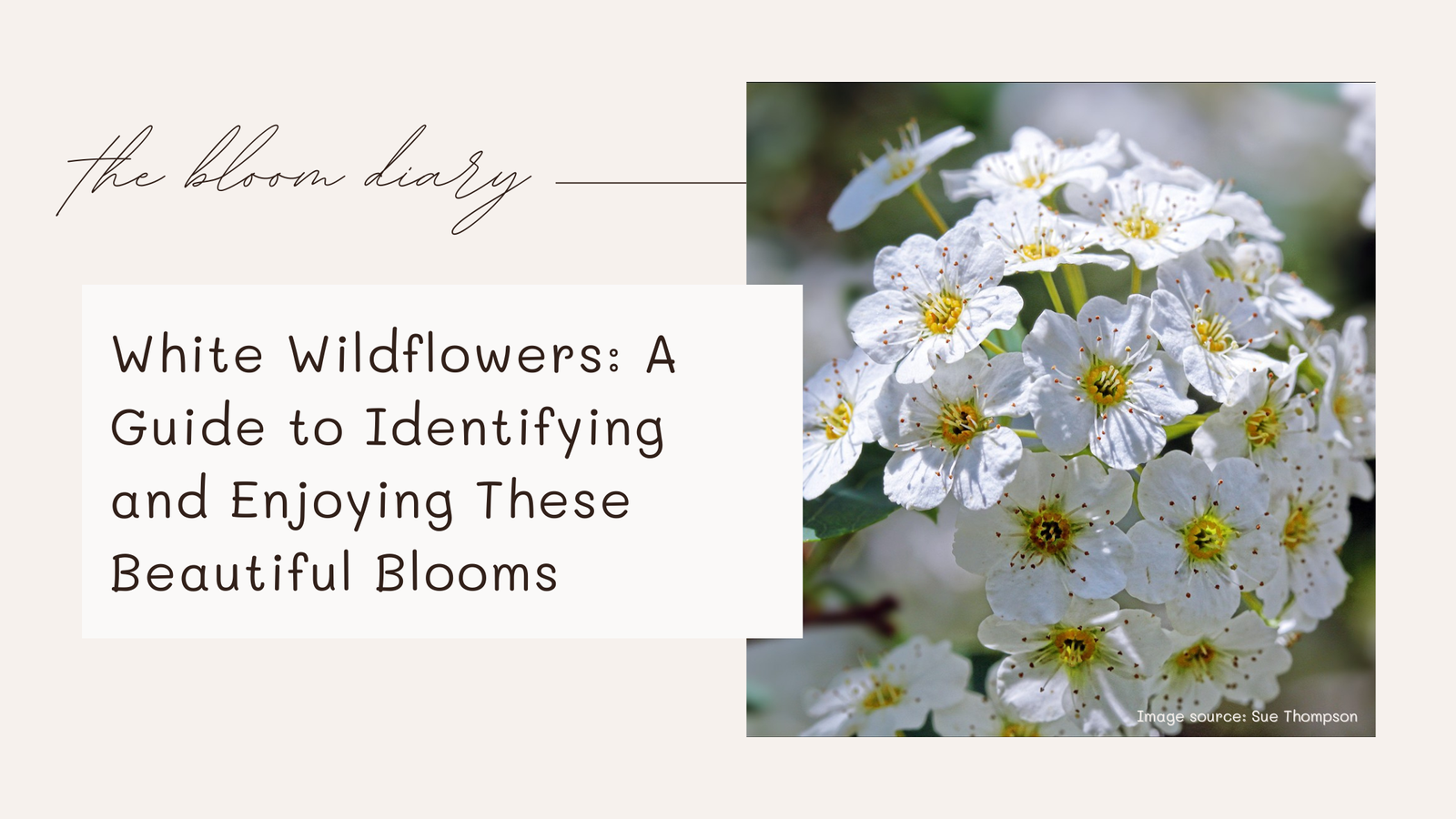
As I walk through the fields and forests, I am always struck by the beauty of white wildflowers. There is something about their delicate petals and pure white color that draws me in and fills me with a sense of peace and tranquility. Whether they are growing in a small patch by the side of the road or covering entire hillsides, these flowers always manage to capture my attention and leave me feeling inspired.
There are many different types of white wildflowers, each with their own unique characterbloom in mid-summeristics and qualities. Some are tall and stately, while others are small and delicate. Some have a sweet fragrance, while others are scentless. But no matter what their individual traits may be, they all share a common beauty that is truly breathtaking. In this article, I will explore some of the most common types of white wildflowers, as well as their symbolism and significance in various cultures and traditions.
Key Takeaways
- White wildflowers are a beautiful and inspiring sight in nature.
- There are many different types of white wildflowers, each with their own unique qualities.
- White wildflowers have special symbolism and significance in various cultures and traditions.
The Beauty of White Wildflowers
As I walk through the meadows and fields, I can’t help but be captivated by the beauty of white wildflowers. Their delicate petals and sweet fragrance are a true delight to behold. In this section, I will share some of my favorite white wildflowers and their unique characteristics.
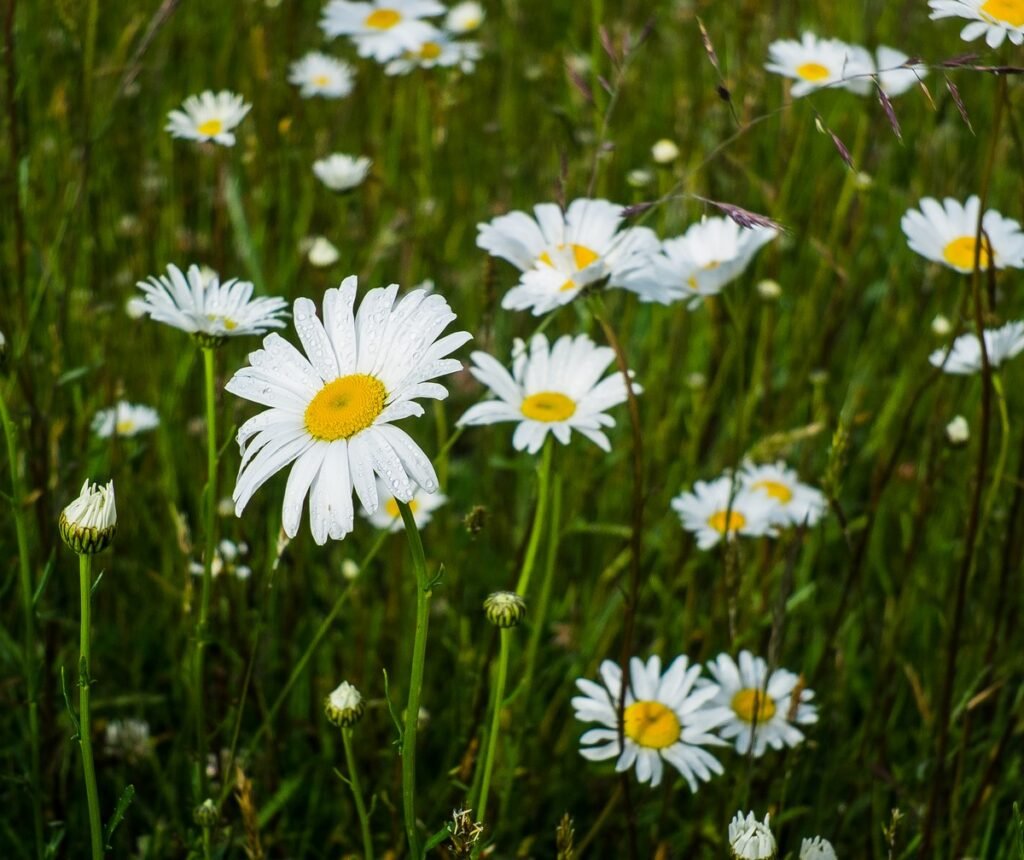
One of the most common white wildflowers is the Daisy. This cheerful flower with its yellow center and white petals can be found in fields, meadows, and even along roadsides. Its scientific name is Bellis perennis, and it blooms from spring to fall.
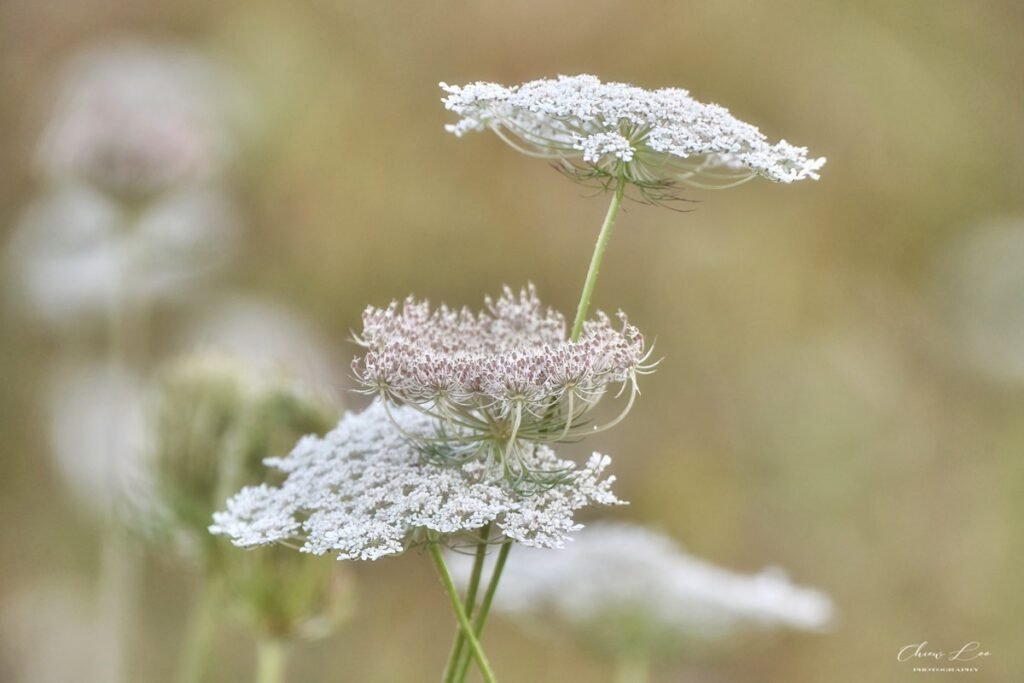
Another beautiful white wildflower is the Queen Anne’s Lace. This flower is also known as Wild Carrot and has delicate lacy white flowers that bloom in clusters. It is a biennial plant, which means it takes two years to complete its life cycle.
The Star of Bethlehem is another stunning white wildflower that blooms in the spring. Its scientific name is Ornithogalum umbellatum, and it has star-shaped flowers that open up in the morning and close at night. This flower is native to Europe but has been introduced to other parts of the world.
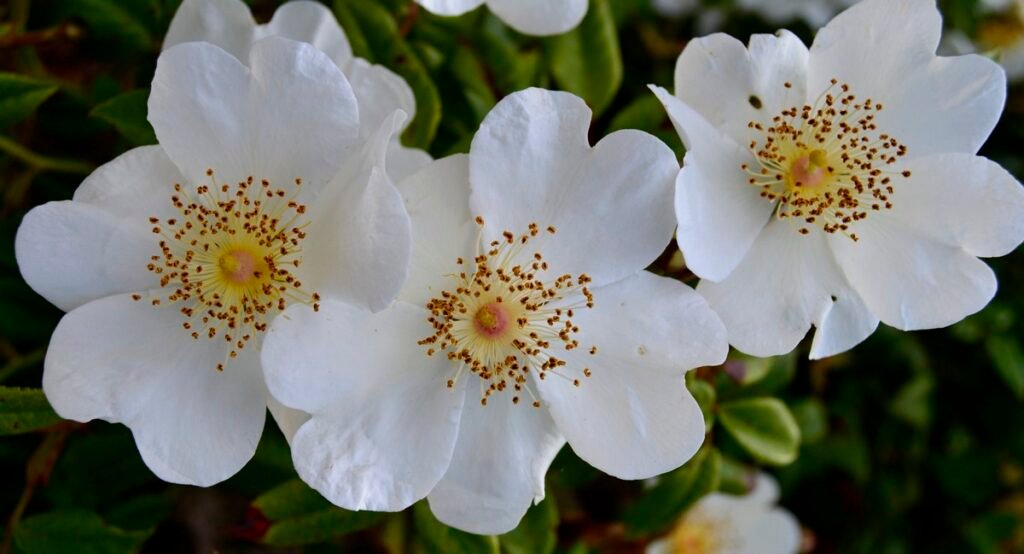
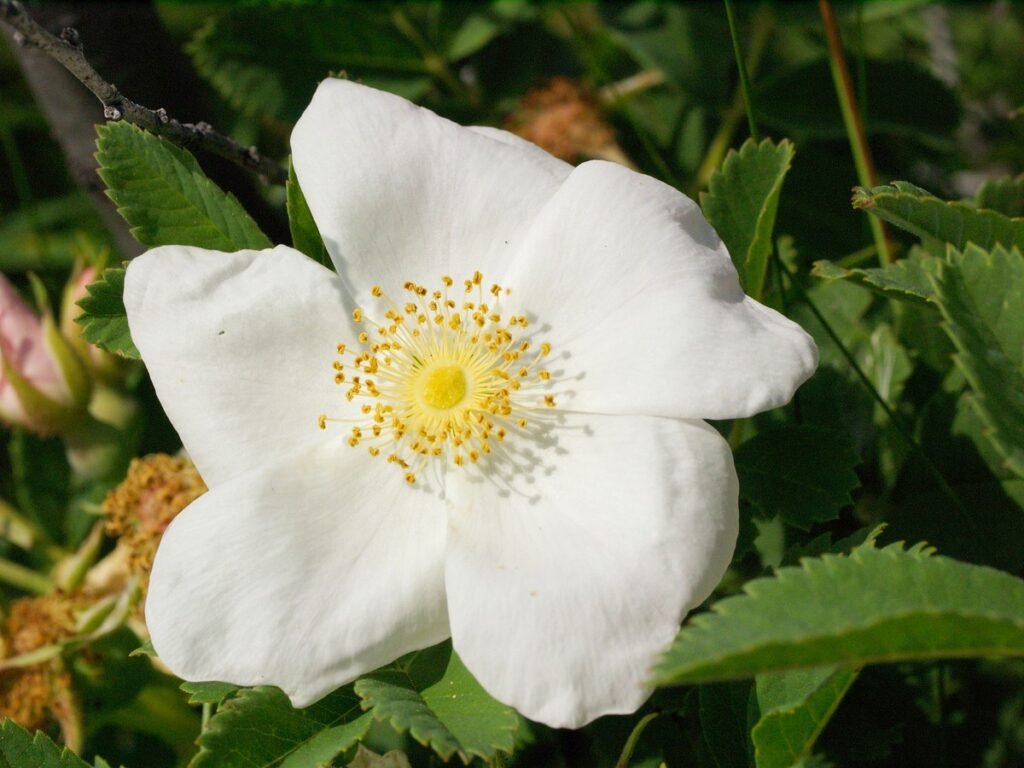
The Wild Rose is a lovely white wildflower that grows on shrubs and climbs up trees. Its scientific name is Rosa acicularis, and it blooms in late spring to early summer. The Wild Rose has a sweet fragrance and is often used in perfumes and cosmetics.
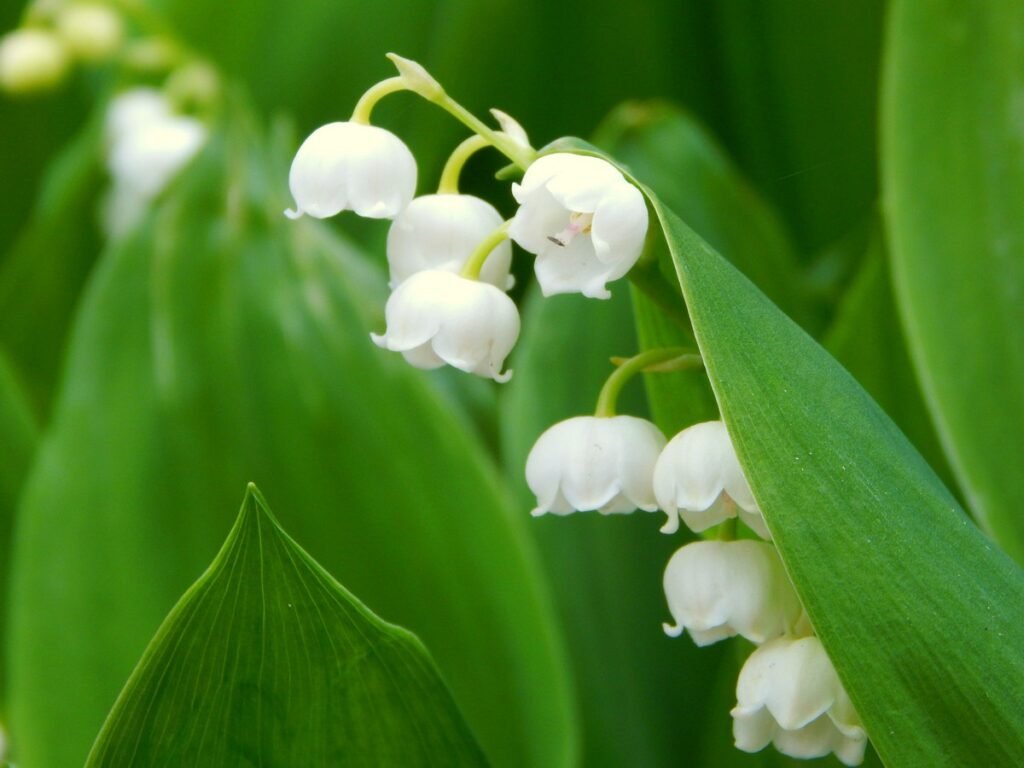
Finally, the Lily of the Valley is a delicate white wildflower that blooms in the spring. Its scientific name is Convallaria majalis, and it has tiny bell-shaped flowers that hang from a stem. This flower is often used in wedding bouquets and symbolizes purity and innocence.
In conclusion, white wildflowers are a true wonder of nature. They come in all shapes and sizes, and each one has its unique beauty. Whether you are walking through a meadow or enjoying a garden, take the time to appreciate the beauty of these stunning flowers.
Types of White Wildflowers
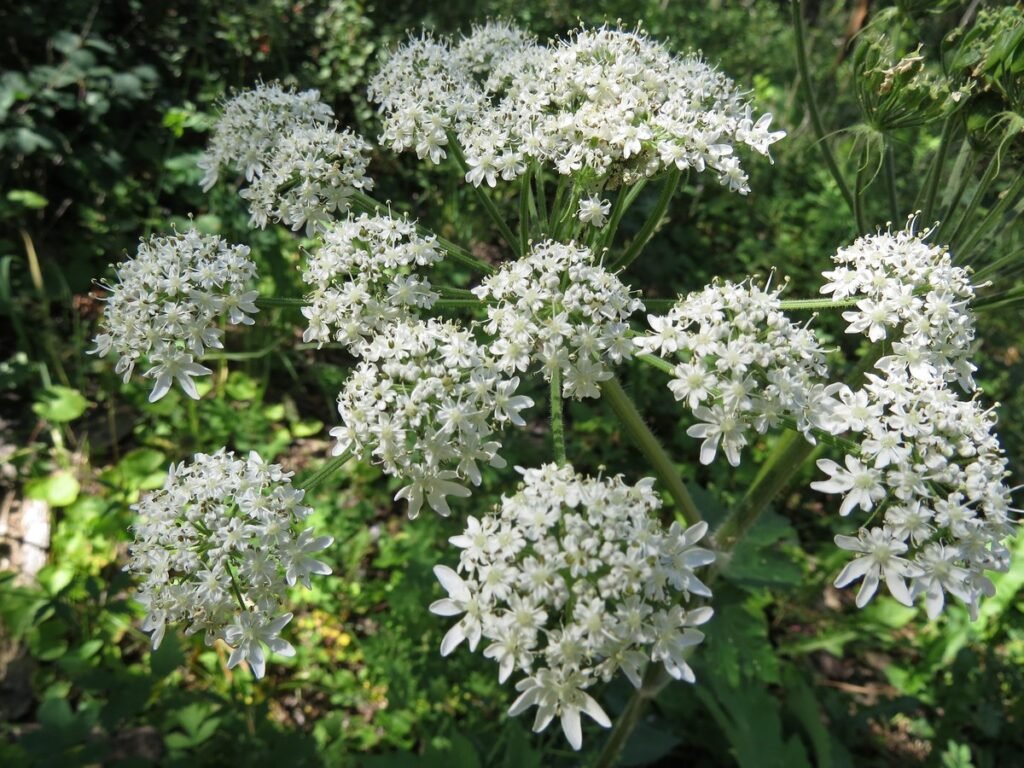
Cow Parsnip (Heracleum maximum)
Cow Parsnip is a tall, robust plant that can grow up to 10 feet tall. It has large, umbrella-shaped clusters of white flowers that bloom in late spring and early summer. The leaves are also quite large and can grow up to 2 feet wide. Cow Parsnip prefers moist, rich soil and can often be found growing in wooded areas or along streams.
- USDA Plant Zones: 2-8
- Life Cycle: Perennial
- Sun Needs: Full Sun to Partial Shade
- Bloom Time: Late Spring to Early Summer
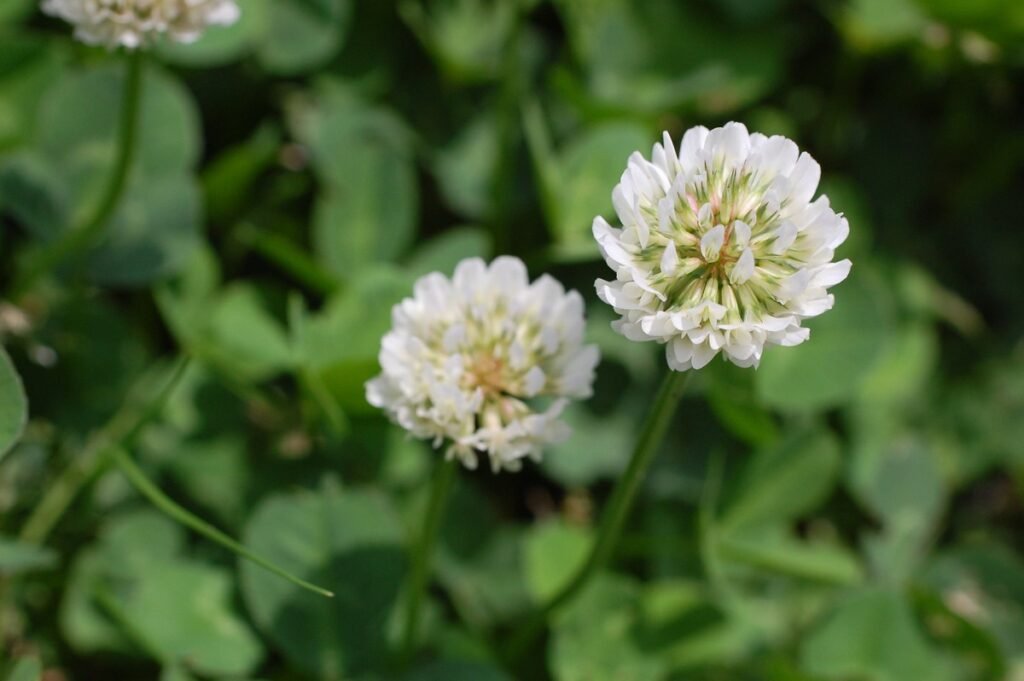
White Clover (Trifolium repens)
White Clover is a common, low-growing plant that is often found in lawns and fields. It has small, white, ball-shaped flowers that bloom from late spring through early fall. The leaves are trifoliate, with each leaflet being oval-shaped and having a white V-shaped mark. White Clover is an important source of nectar for bees and other pollinators.
- USDA Plant Zones: 3-10
- Life Cycle: Perennial
- Sun Needs: Full Sun to Partial Shade
- Bloom Time: Late Spring to Early Fall
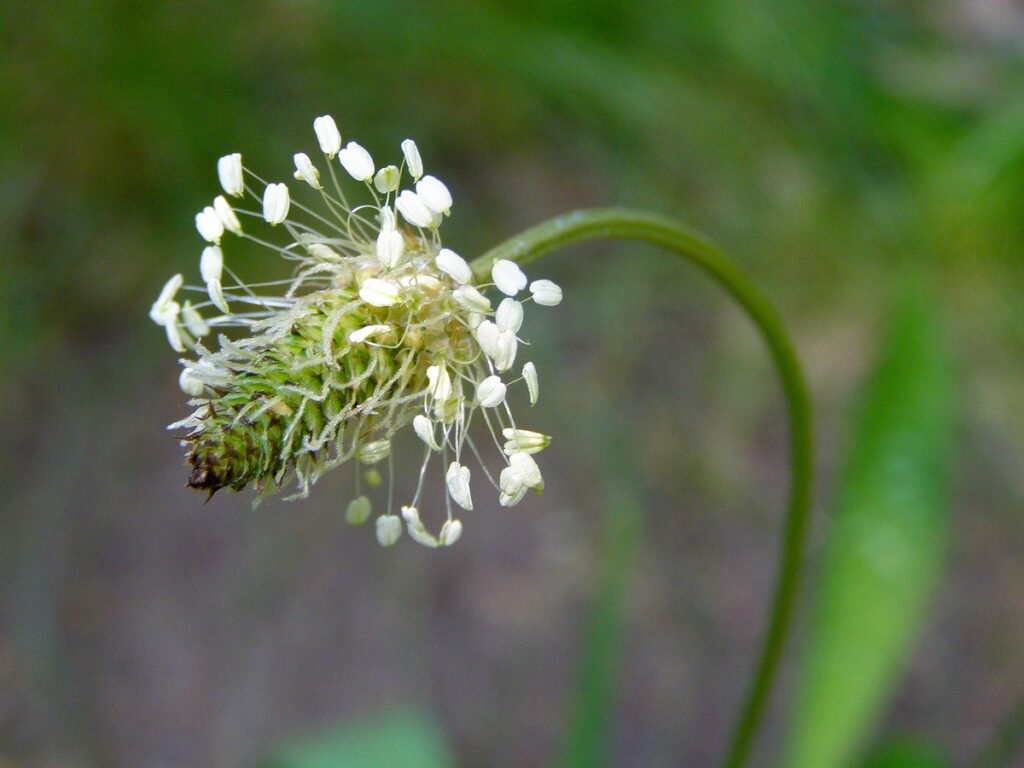
English Plantain (Plantago lanceolata)
English Plantain is a small, low-growing plant that is often considered a weed. It has small, white flowers that bloom in late spring and early summer. The leaves are lance-shaped and have prominent veins. English Plantain can grow in a wide range of soil types and is often found in disturbed areas such as roadsides and fields.
- USDA Plant Zones: 3-9
- Life Cycle: Perennial
- Sun Needs: Full Sun to Partial Shade
- Bloom Time: Late Spring to Early Autumn
Anemone
Anemones are a group of plants that includes several species with white flowers. They are typically small, low-growing plants that bloom in early spring. The flowers have 5-7 petals and are often tinged with pink or blue. Anemones prefer moist, well-drained soil and can often be found growing in wooded areas.
- USDA Plant Zones: 7-10 (Anemone coronaria)
- Life Cycle: Perennial
- Sun Needs: Full Sun to Partial Shade
- Bloom Time: Spring
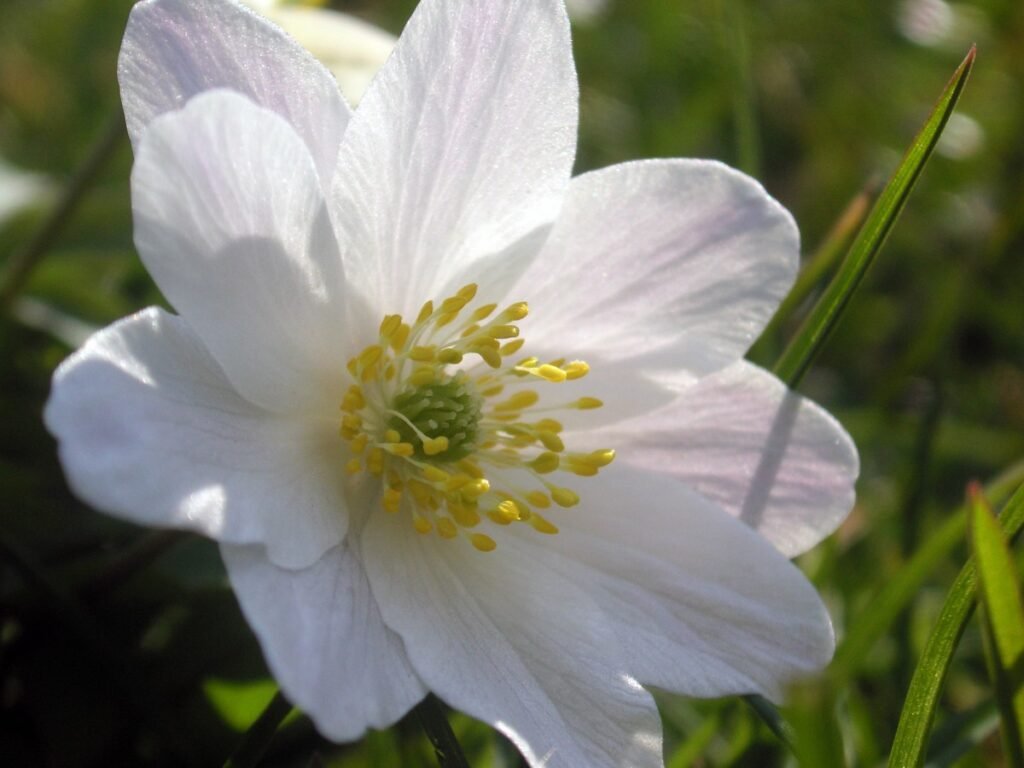
Wild Strawberry (Fragaria vesca)
Wild Strawberry is a low-growing plant that produces small, sweet, edible fruit. It has white flowers that bloom in late spring and early summer. The leaves are trifoliate and have toothed edges. Wild Strawberry prefers well-drained soil and can often be found growing in meadows and along woodland edges.
- USDA Plant Zones: 3-9
- Life Cycle: Perennial
- Sun Needs: Full Sun to Part Shade
- Bloom Time: Late Spring to Early Summer
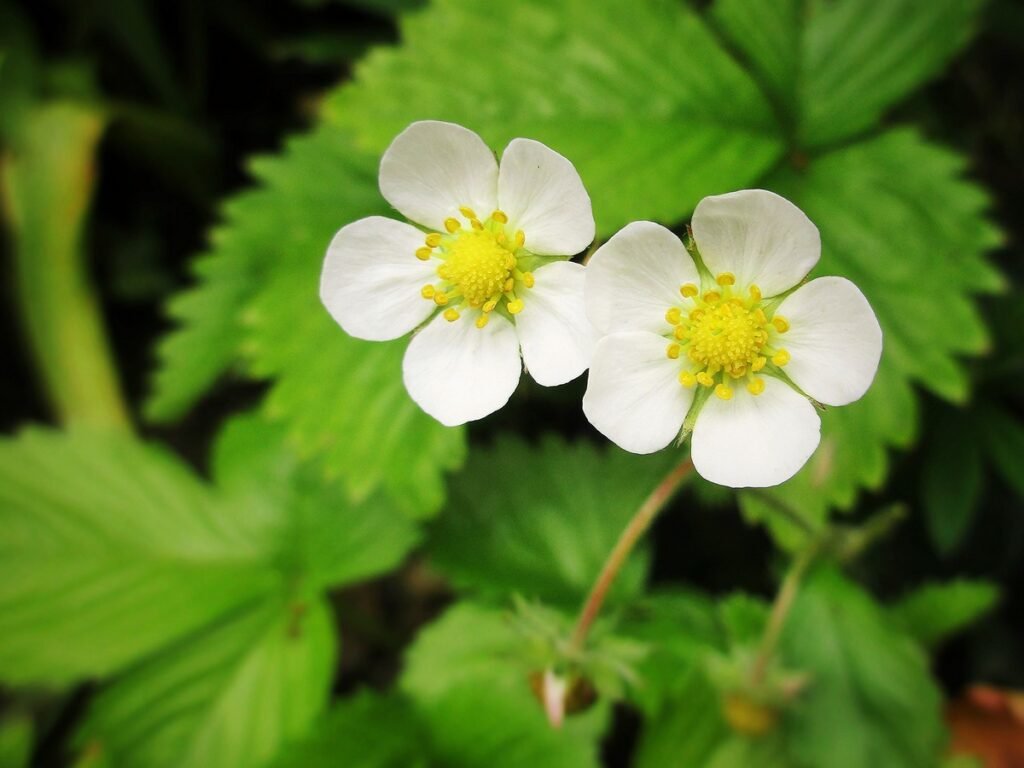
Yarrow (Achillea millefolium)
Yarrow is a tall, herbaceous plant that can grow up to 3 feet tall. It has clusters of small, white flowers that bloom in mid-summer. The leaves are finely divided and have a feathery appearance. Yarrow prefers well-drained soil and can often be found growing in open fields and meadows.
- USDA Plant Zones: 3-9
- Life Cycle: Perennial
- Sun Needs: Full Sun
- Bloom Time: Late Spring to Early Fall
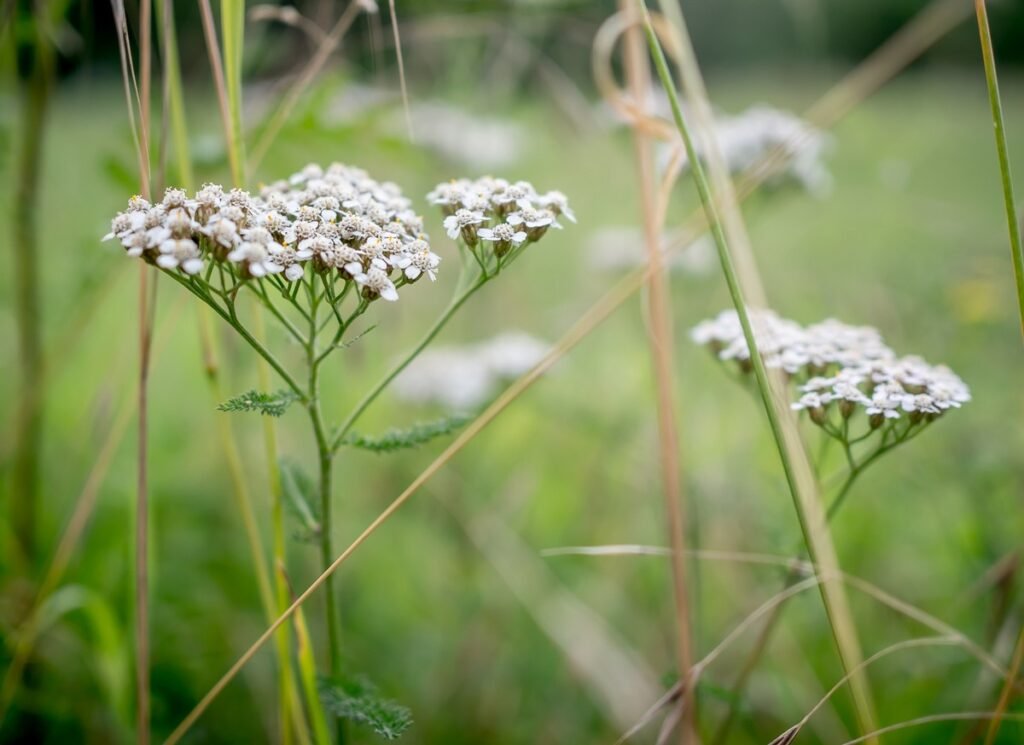
Catnip (Nepeta cataria)
Catnip is a small, low-growing plant that is often grown as an ornamental or medicinal herb. It has small, white flowers that bloom in mid-summer. The leaves are fragrant and have a slightly fuzzy texture. Catnip prefers well-drained soil and can often be found growing in sunny areas.
- USDA Plant Zones: 3-9
- Life Cycle: Perennial
- Sun Needs: Full Sun to Partial Shade
- Bloom Time: Late Spring to Early Fall
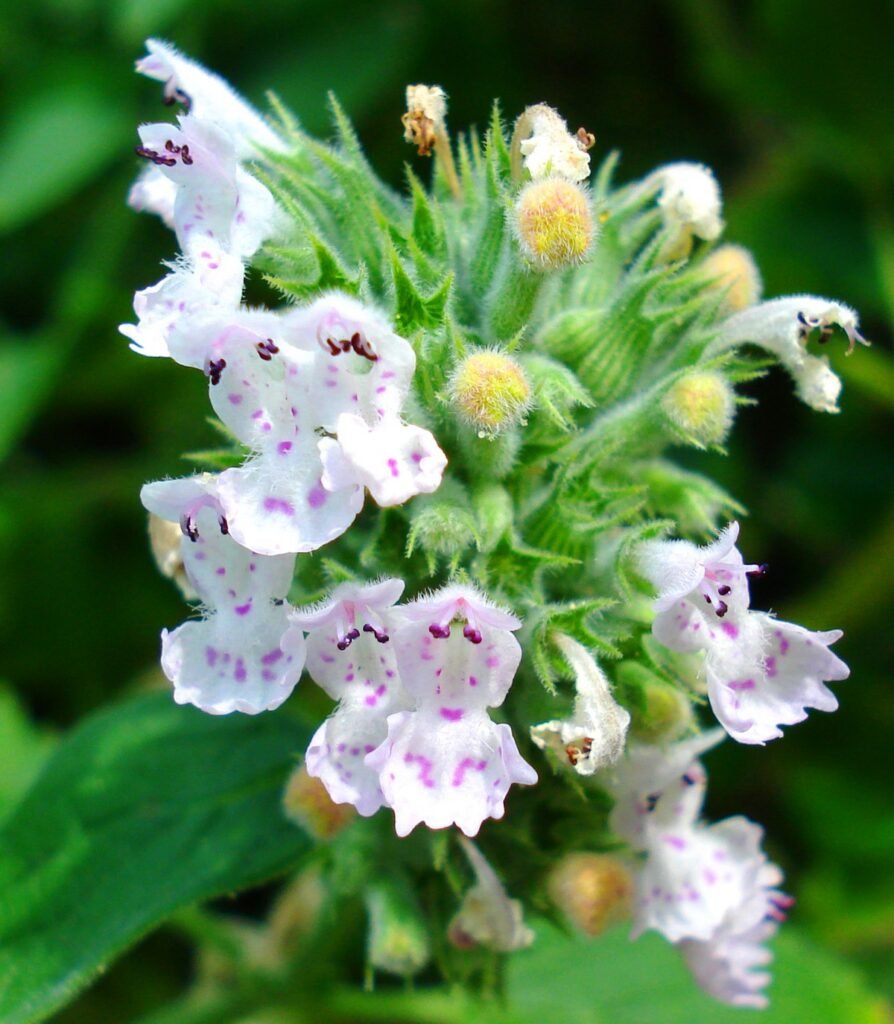
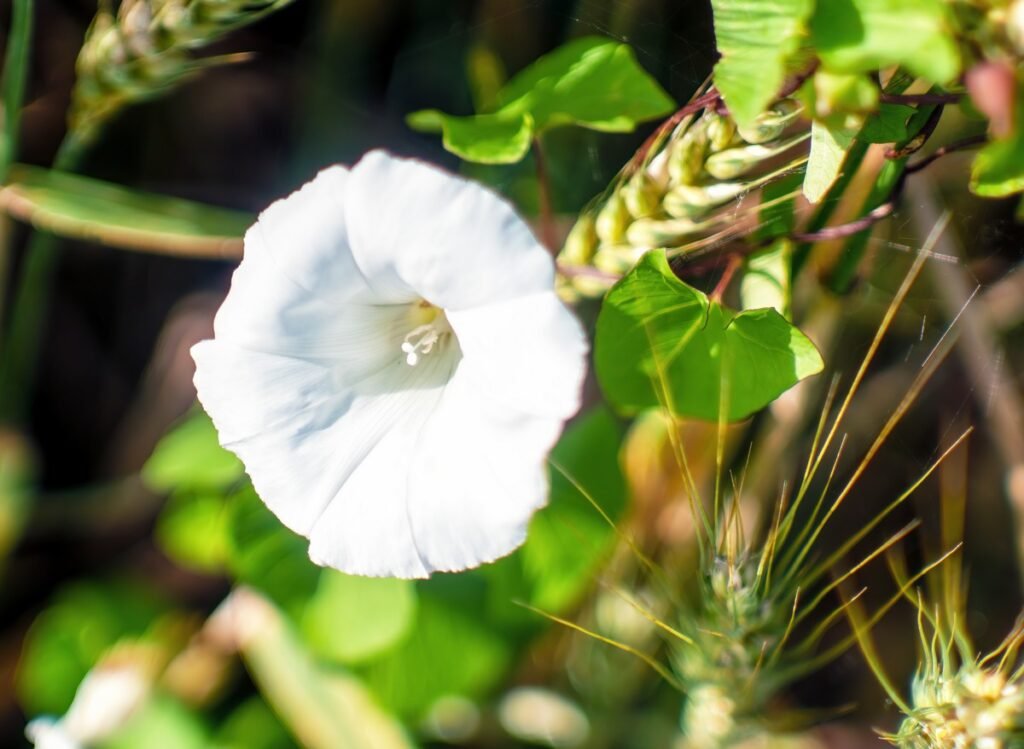
Hedge Bindweed (Calystegia sepium)
Hedge Bindweed is a climbing vine that can grow up to 10 feet tall. It has white, trumpet-shaped flowers that bloom in mid-summer. The leaves are heart-shaped and have a pointed tip. Hedge Bindweed prefers moist, well-drained soil and can often be found growing along fences and in hedgerows.
- USDA Plant Zones: 3-9
- Life Cycle: Perennial
- Sun Needs: Full Sun to Partial Shade
- BloomTime: Summer to Early Autumn
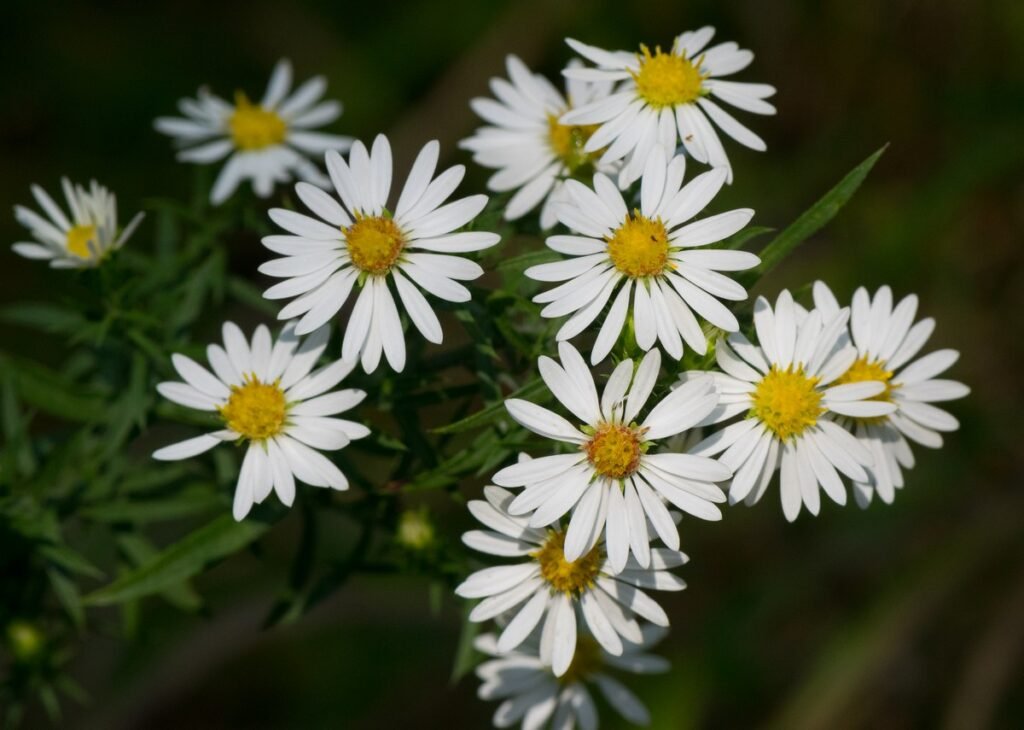
Aster
Asters are a group of plants that includes several species with white flowers. They are typically tall, herbaceous plants that bloom in late summer and early fall. The flowers have a daisy-like appearance and are often tinged with pink or blue. Asters prefer well-drained soil and can often be found growing in open fields and meadows.
- USDA Plant Zones: Varies by species, but most asters can be found in zones 3-9.
- Life Cycle: Perennial
- Sun Needs: Full Sun to Partial Shade
- Bloom Time: Late Summer to Fall
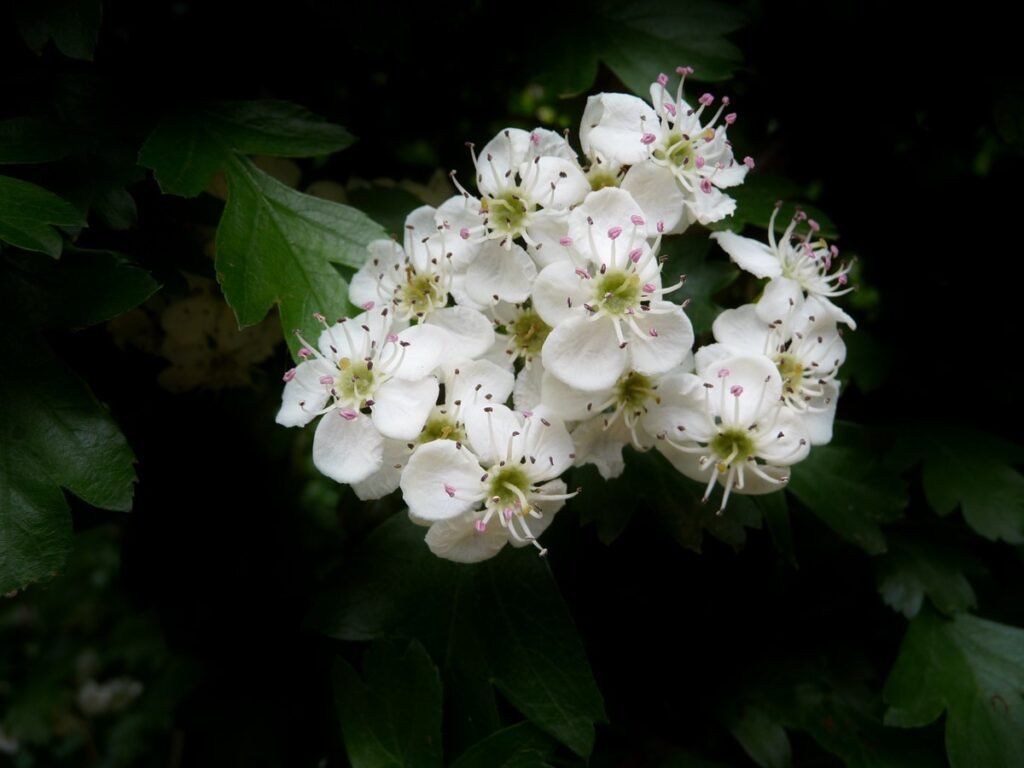
Blackberry
Blackberry is a thorny shrub that produces edible fruit. It has white flowers that bloom in late spring and early summer. The leaves are divided into 3-5 leaflets and have toothed edges. Blackberry prefers well-drained soil and can often be found growing in sunny areas.
- USDA Plant Zones: Varies by species, but most blackberry varieties can be found in zones 3-9.
- Life Cycle: Perennial
- Sun Needs: Full Sun to Partial Shade
- Bloom Time: Spring to Early Summer
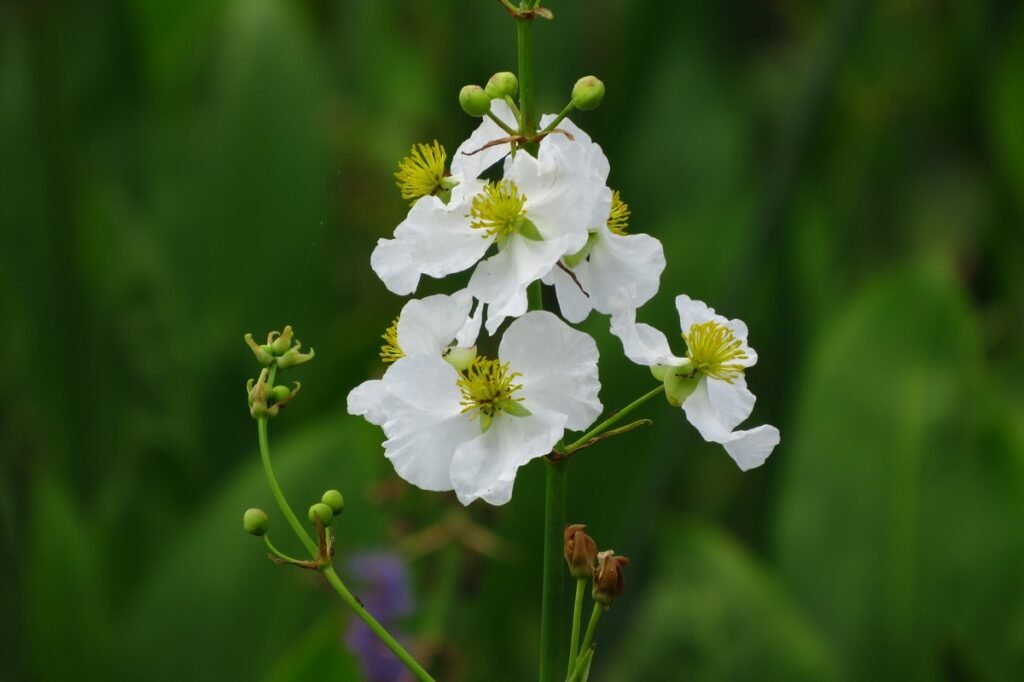
Arrowhead
Arrowhead is a small, aquatic plant that grows in shallow water. It has white, arrow-shaped leaves and small, white flowers that bloom in mid-summer. Arrowhead prefers wet soil and can often be found growing in ponds and streams.
- USDA Plant Zones: Varies by species, but most Arrowhead varieties can be found in zones 3-11.
- Life Cycle: Perennial
- Sun Needs: Full Sun to Partial Shade
- Bloom Time: Summer to Early Fall
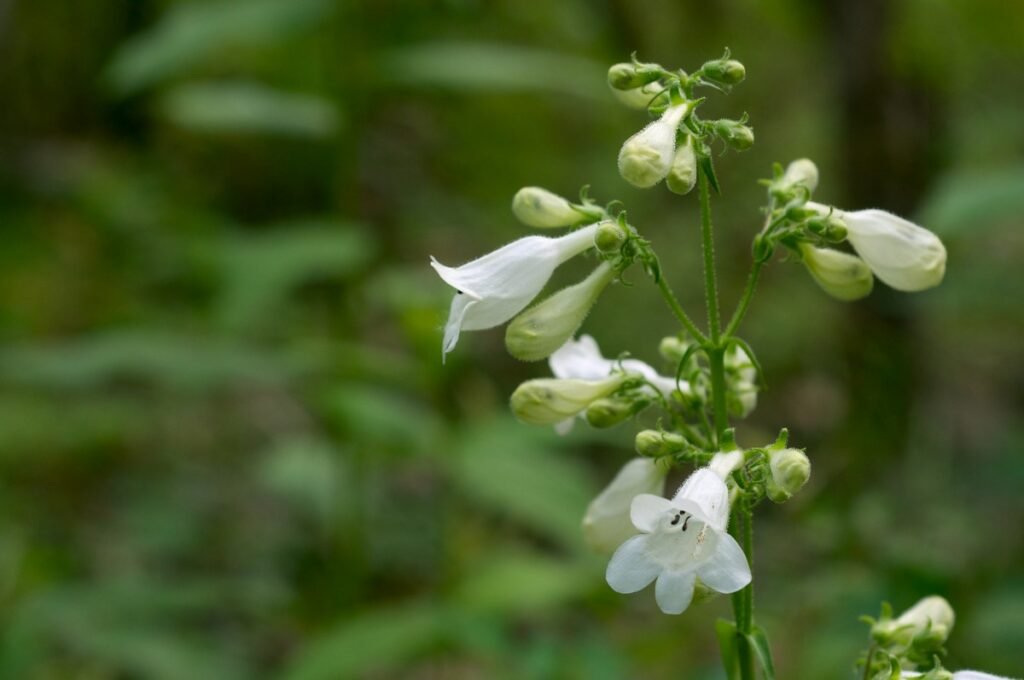
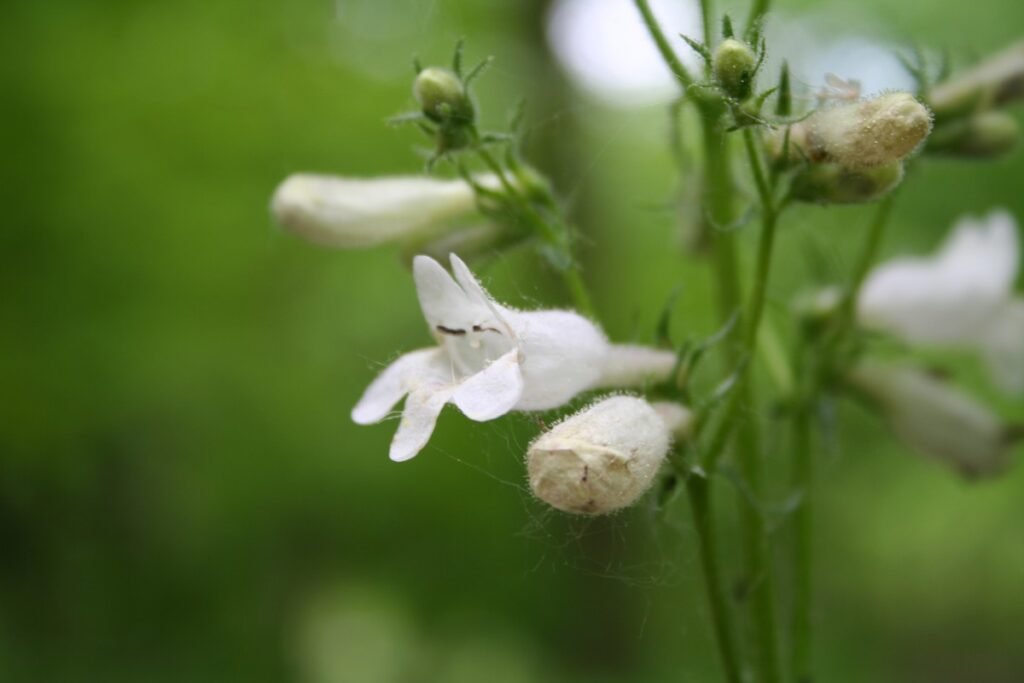
White beardtongue
White beardtongue is a tall, herbaceous plant that can grow up to 4 feet tall. It has clusters of white, tubular flowers that bloom in mid-summer. The leaves are lance-shaped and have a slightly fuzzy texture. White beardtongue prefers well-drained soil and can often be found growing in open fields and meadows.
- USDA Plant Zones: 3-8
- Life Cycle: Perennial
- Sun Needs: Full Sun to Partial Shade
- Bloom Time: Late Spring to Early Summer
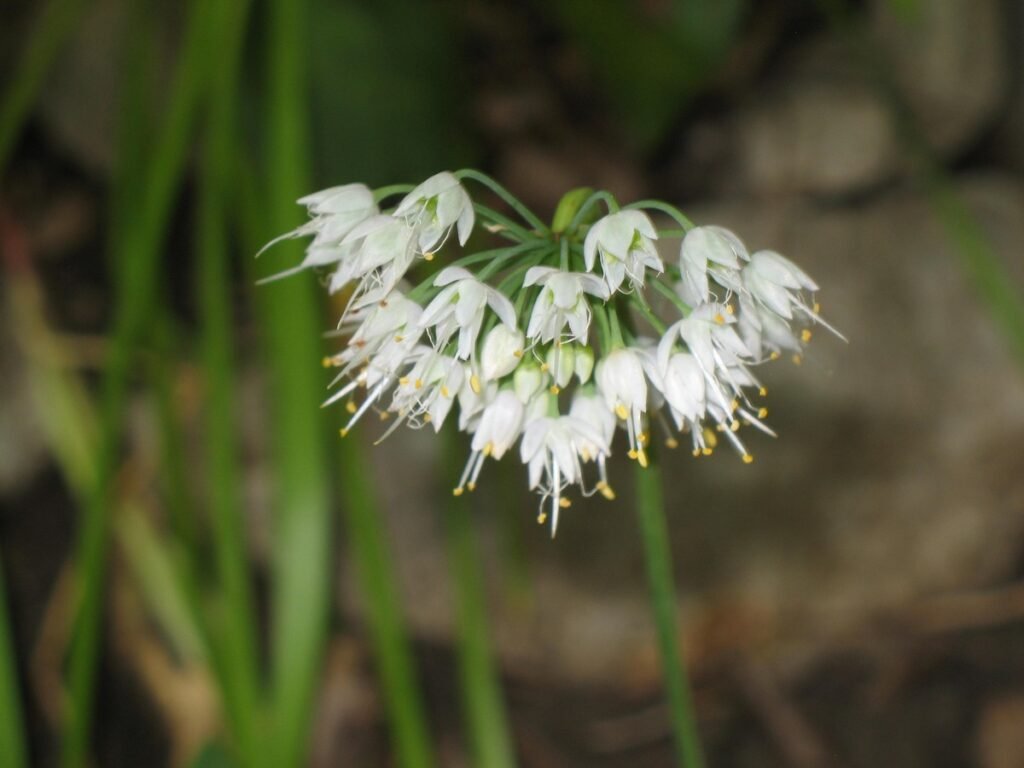
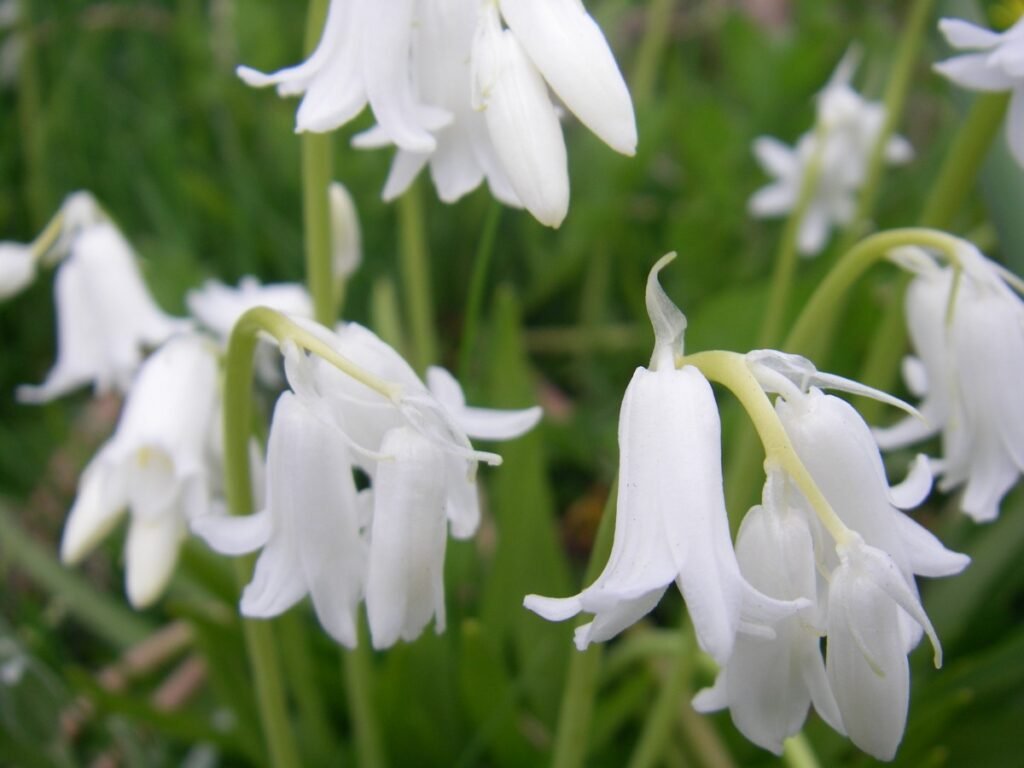
Allium cernuum
Allium cernuum, also known as nodding onion, is a small, bulbous plant that produces clusters of white, bell-shaped flowers that bloom in mid-summer. The leaves are thin and grass-like. Allium cernuum prefers well-drained soil and can often be found growing in rocky areas and prairies.
- USDA Plant Zones: 3-8
- Life Cycle: Perennial
- Sun Needs: Full Sun to Part Shade
- BloomTime: Late Spring to Early Summer
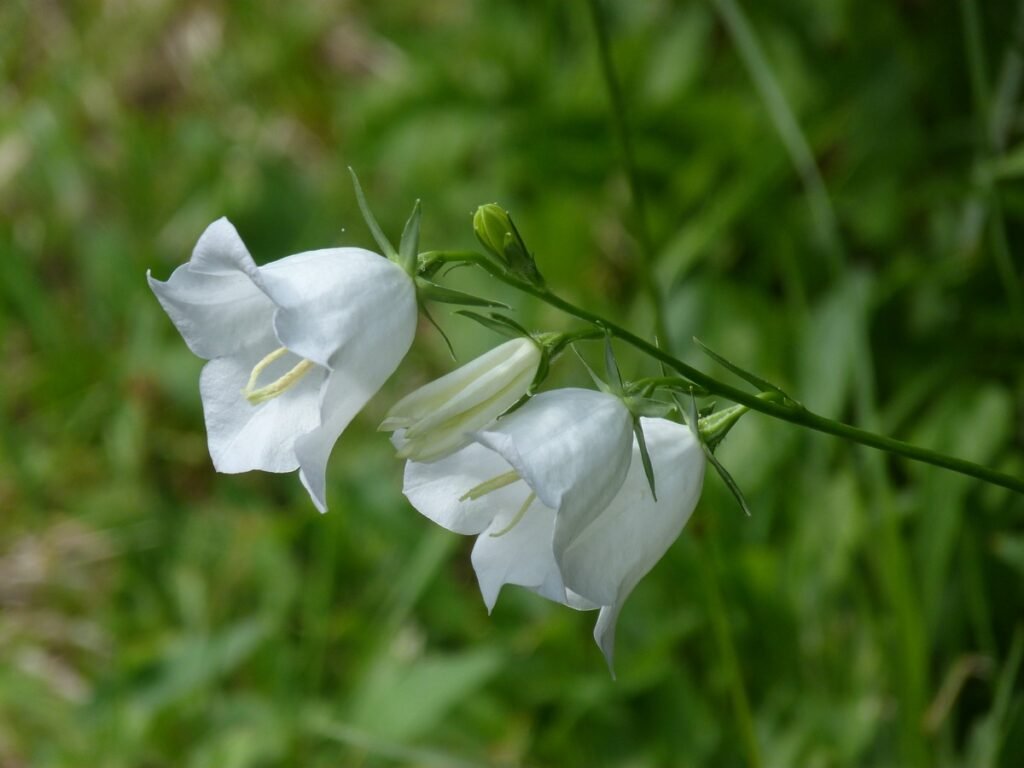
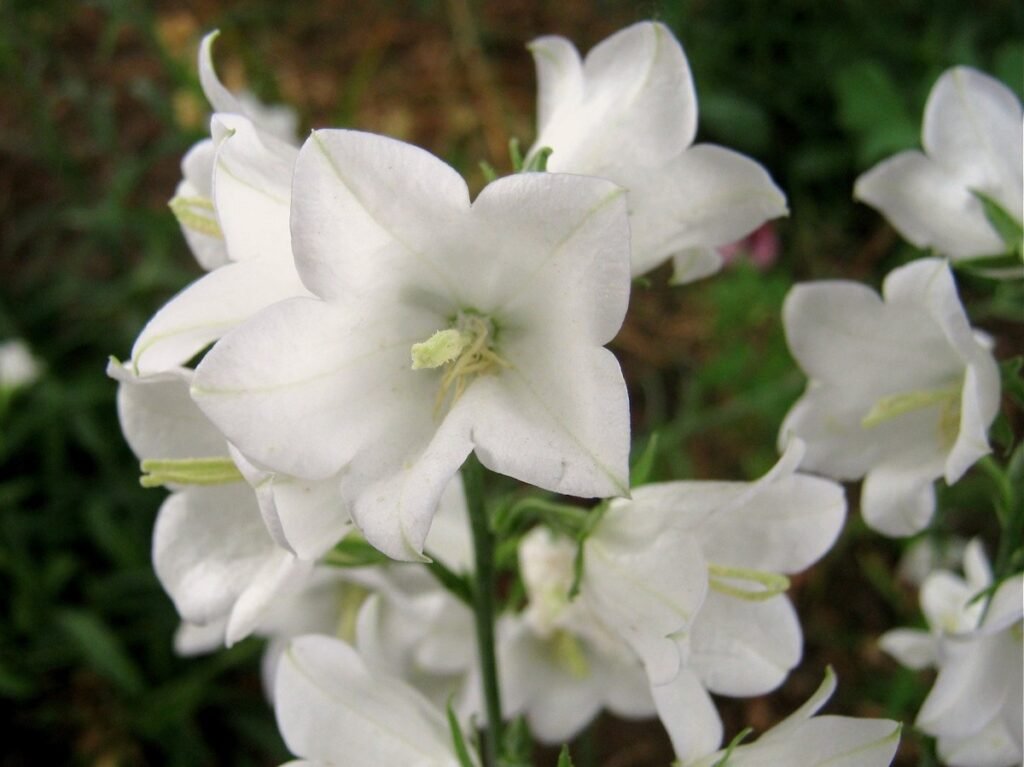
White bellflower
One of my favorite types of white wildflowers is the White Bellflower. These delicate flowers are bell-shaped and have five petals that are fused together at the base. The flowers grow on slender stems that can reach up to three feet tall, and the leaves are long and narrow with pointed tips.
White Bellflowers are commonly found in meadows, fields, and along forest edges. They prefer moist, well-drained soil and partial shade. They bloom from late spring to early summer and are known to attract bees, butterflies, and hummingbirds.
- USDA Plant Zones: 3-8
- Life Cycle: Perennial
- Sun Needs: Full Sun to Partial Shade
- BloomTime: Late Spring to Early Summer
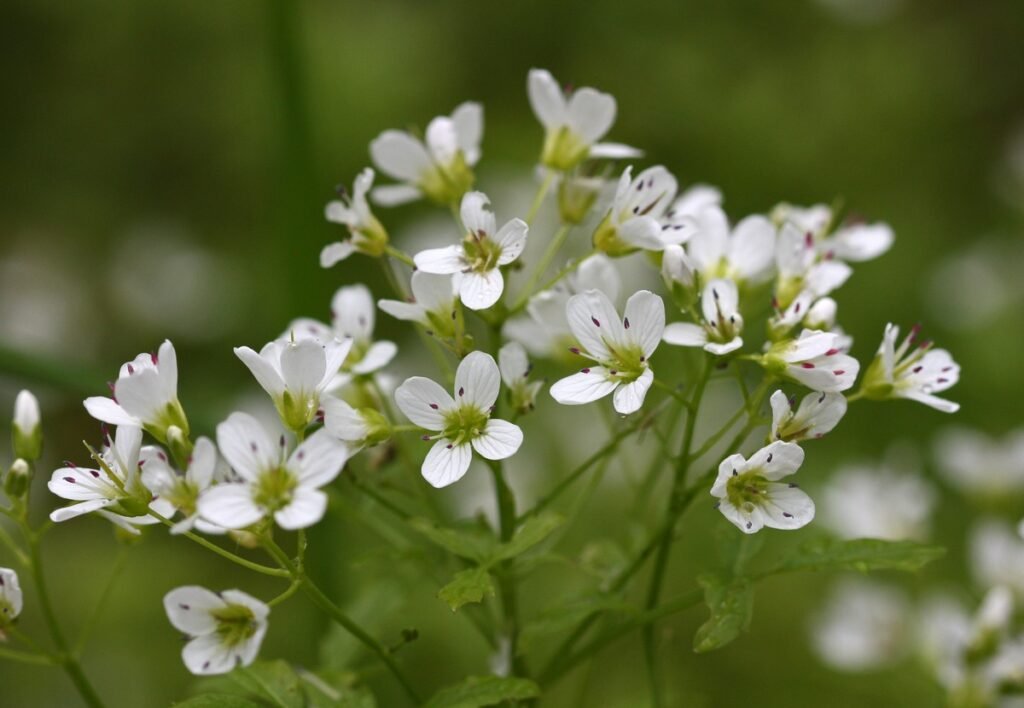
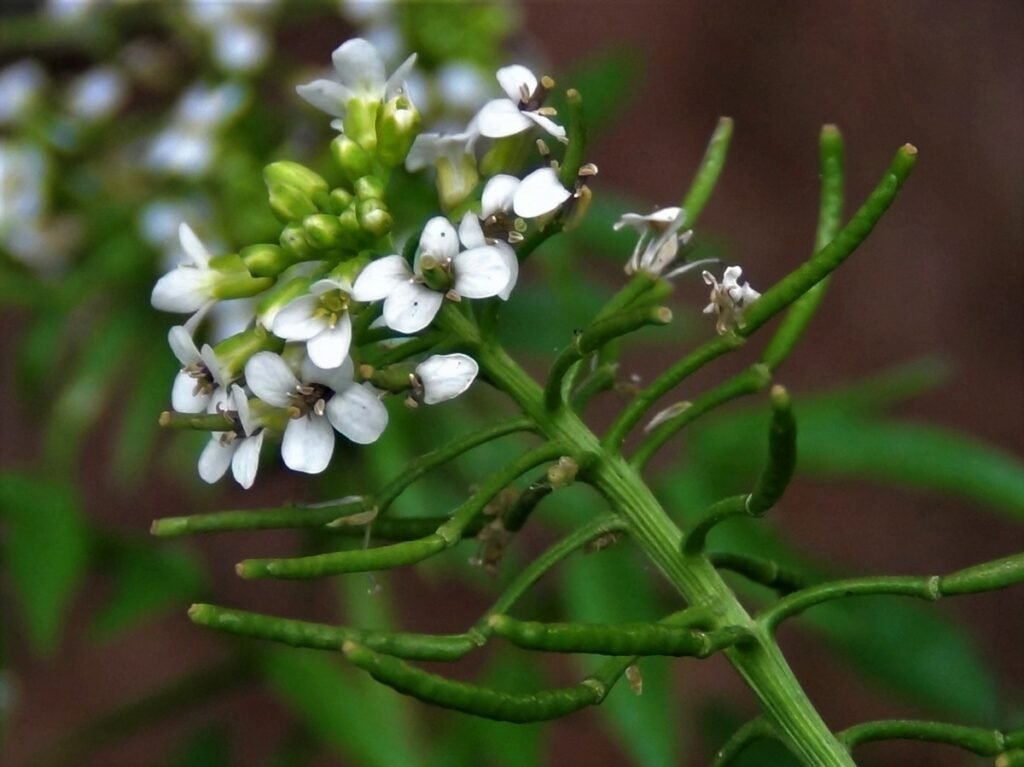
Bittercress
Bittercress, also known as Cardamine hirsuta, is a small, annual plant that grows up to 20 cm tall. It has white flowers with four petals and six stamens. Bittercress is commonly found in damp areas such as riverbanks, ditches, and wet meadows.
- USDA Plant Zones: Varies by species, but most Bittercress varieties can be found in zones 3-9.
- Life Cycle: Annual or Biennial
- Sun Needs: Part Shade to Full Shade
- BloomTime: Spring to Early Summer
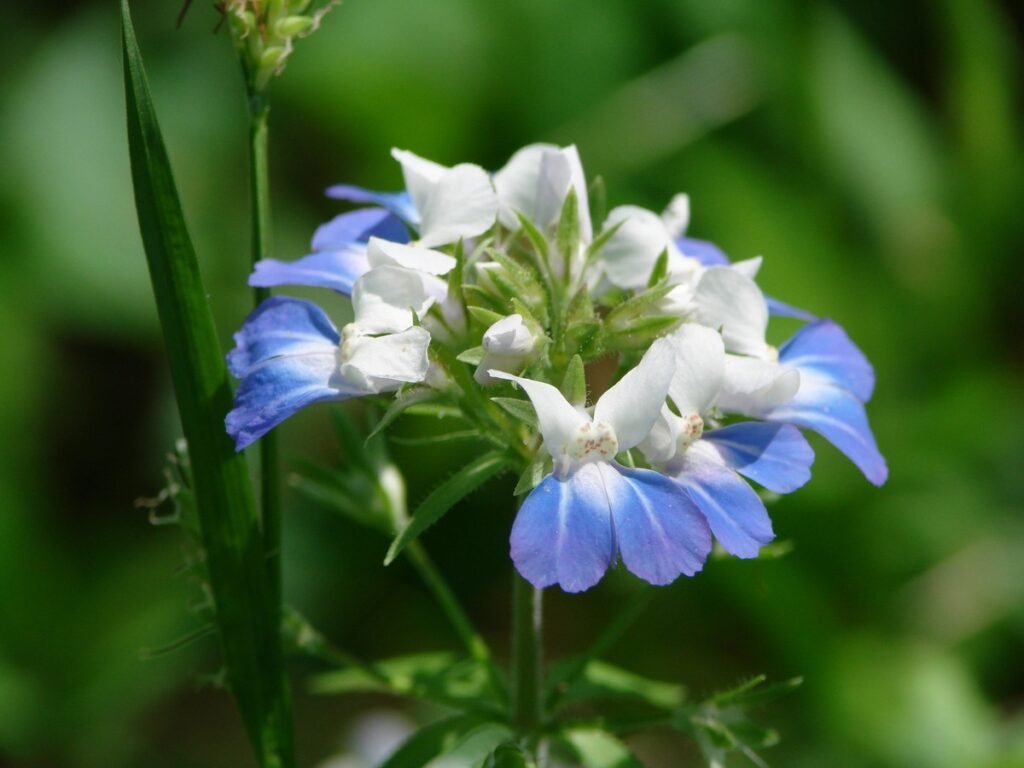
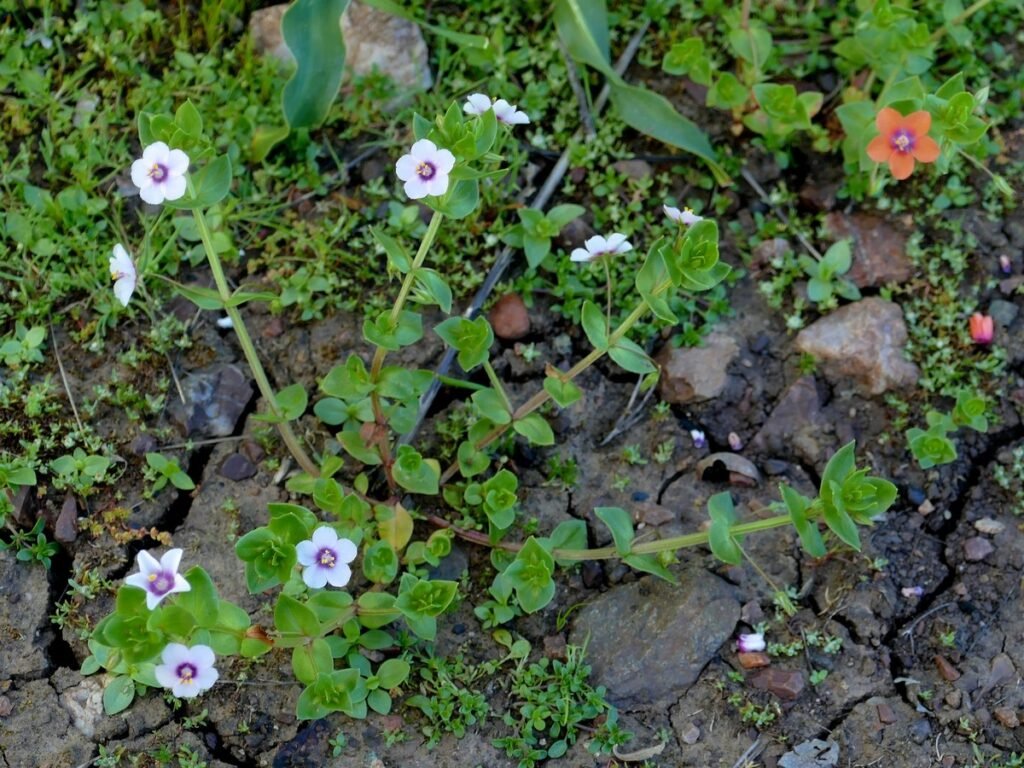
Blue Eyed Mary
Blue Eyed Mary, or Collinsia verna, is a small annual plant that grows up to 30 cm tall. It has white flowers with purple-blue markings on the lower lip. White Blue Eyed Mary is commonly found in open woods, fields, and meadows.
- USDA Plant Zones: Varies by species, but most Blue Eyed Mary varieties can be found in zones 5-9.
- Life Cycle: Annual or Perennial, depending on the species
- Sun Needs: Part Shade to Full Shade
- BloomTime: Spring to Early Summer
Bugbane
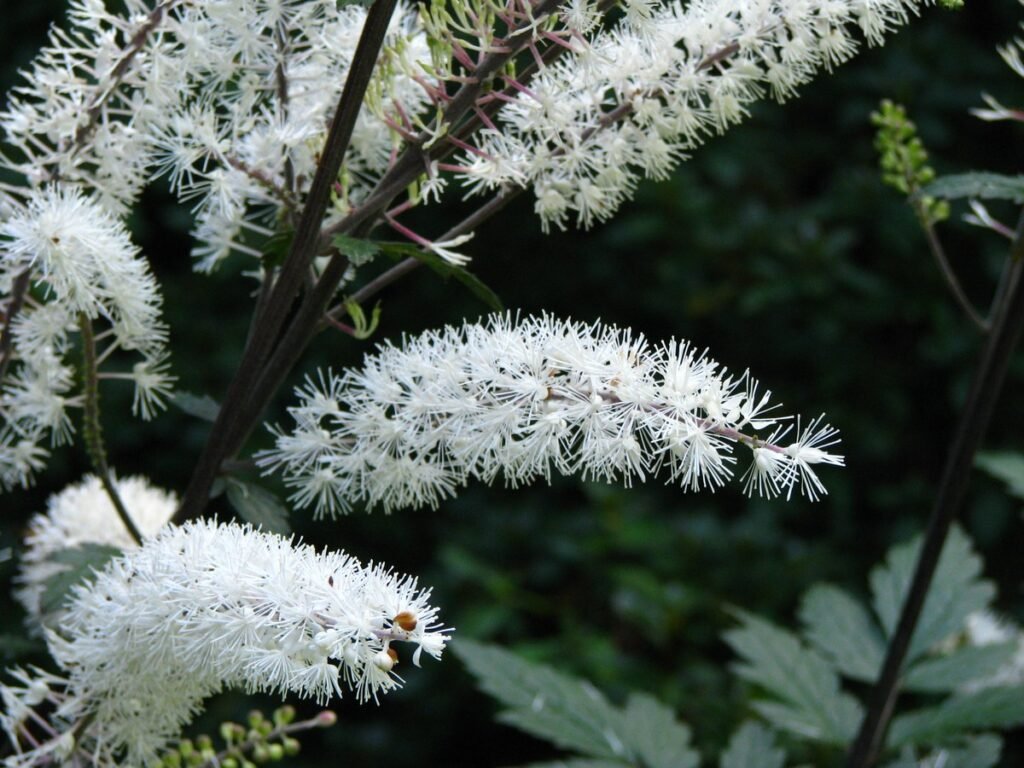
Bugbane, or Cimicifuga racemosa, is a tall perennial plant that grows up to 2 meters tall. It has white flowers with long, thin petals that bloom in late summer. Bugbane is commonly found in moist woods and meadows.
- USDA Plant Zones: Varies by species, but most Bugbane varieties can be found in zones 3-9.
- Life Cycle: Perennial
- Sun Needs: Part Shade to Full Shade
- BloomTime: Late Summer to Fall
Bundleflower (Desmanthus illinoensis)
Bundleflower, or Desmanthus illinoensis, is a tall, perennial plant that grows up to 1.5 meters tall. It has white flowers that bloom in late summer. Bundleflower is commonly found in prairies, savannas, and open woods.
- USDA Plant Zones: 3-9
- Life Cycle: Perennial
- Sun Needs: Full Sun
- BloomTime: Summer

Elderberry
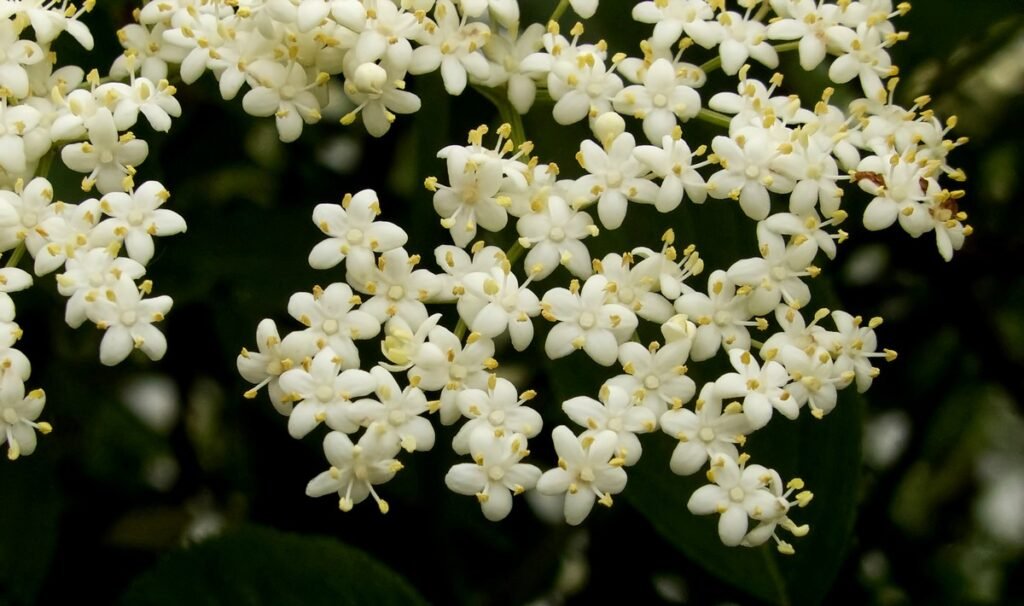
Elderberry, or Sambucus canadensis, is a shrub that grows up to 5 meters tall. It has white flowers that bloom in early summer, followed by black berries in the fall. Elderberry is commonly found in wetlands, along streams, and in open woods.
- USDA Plant Zones: Varies by species, but most Elderberry varieties can be found in zones 3-9.
- Life Cycle: Perennial
- Sun Needs: Full Sun to Partial Shade
- BloomTime: Late Spring to Early Summer
Actaea rubra
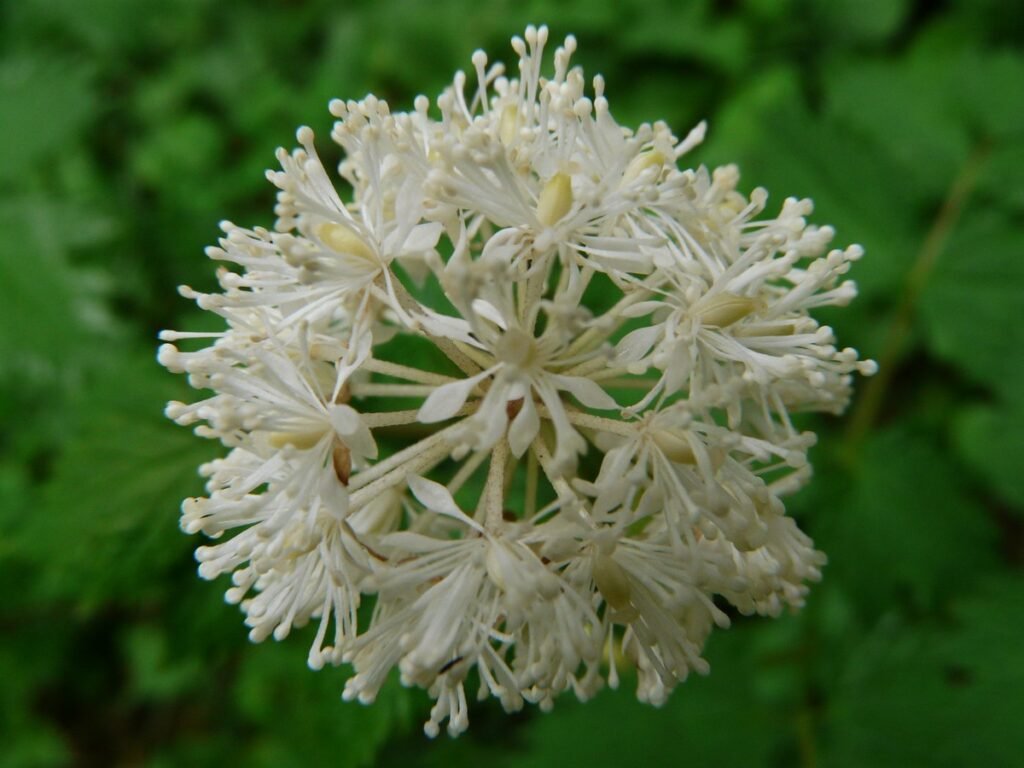
Actaea rubra, also known as Red Baneberry, is a perennial plant that grows up to 1 meter tall. It has white flowers that bloom in late spring, followed by red berries in the fall. Actaea rubra is commonly found in moist woods and meadows.
- USDA Plant Zones: 3-7
- Life Cycle: Perennial
- Sun Needs: Part Shade to Full Shade
- BloomTime: Late Spring to Early Summer
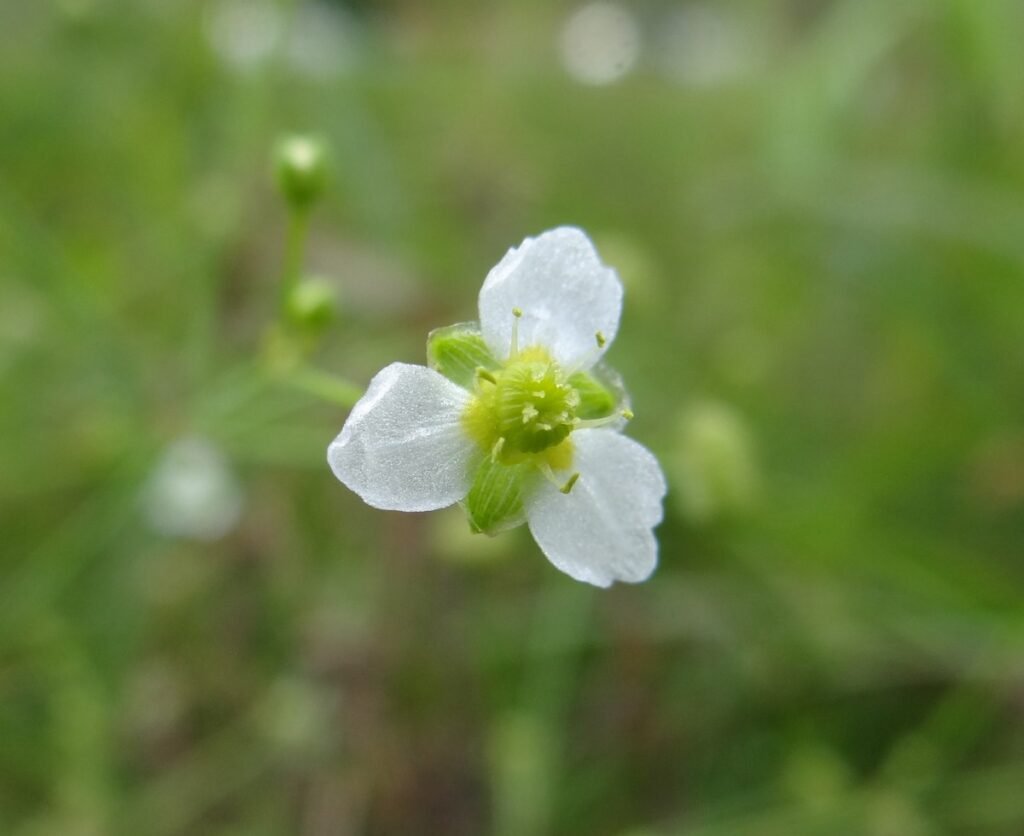
Alisma triviale
Alisma triviale, also known as Water Plantain, is a perennial plant that grows up to 1 meter tall. It has white flowers that bloom in late spring and early summer. Alisma triviale is commonly found in wetlands, along streams, and in shallow water.
- USDA Plant Zones: 3-8
- Life Cycle: Perennial
- Sun Needs: Full Sun to Part Shade
- BloomTime: Summer to Early Fall
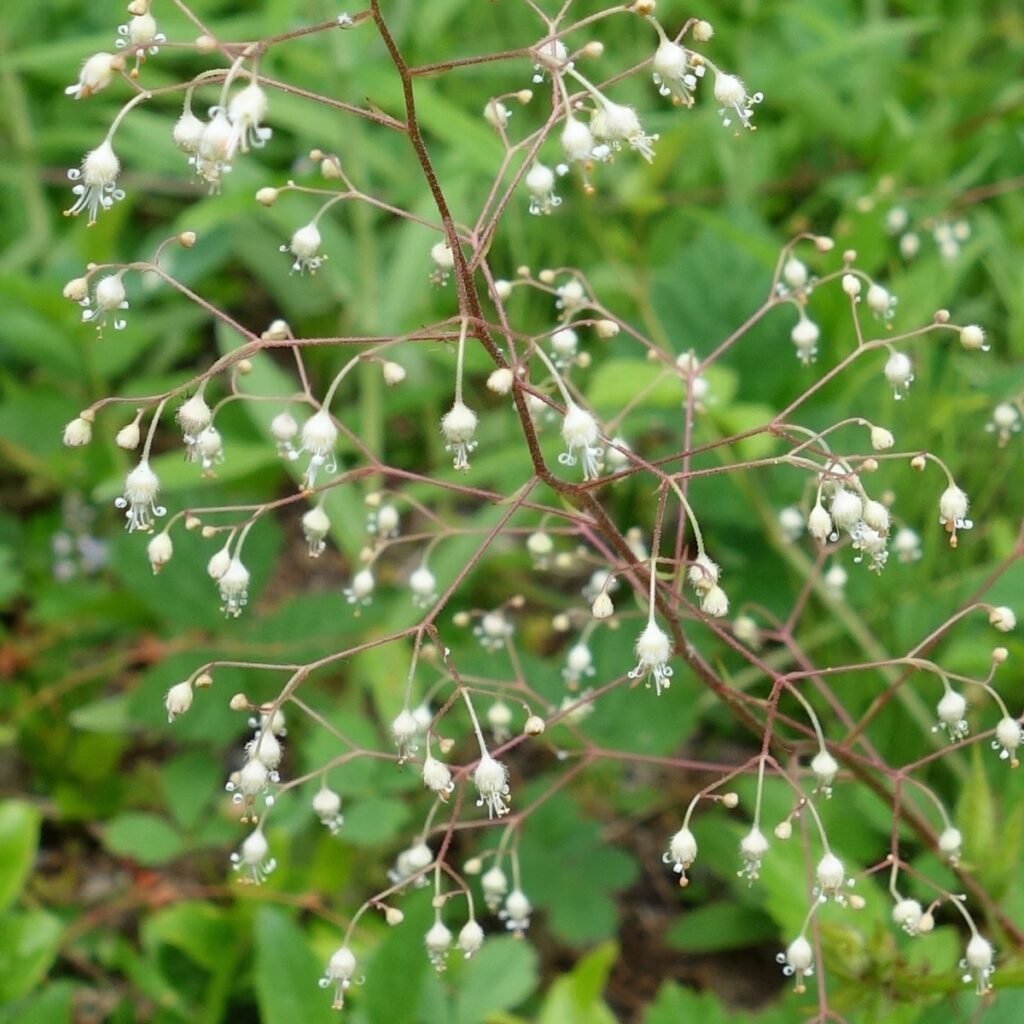
Alumroot
Alumroot, or Heuchera americana, is a perennial plant that grows up to 60 cm tall. It has white flowers that bloom in early summer. Alumroot is commonly found in dry woods and rocky slopes.
- USDA Plant Zones: 3-8
- Life Cycle: Perennial
- Sun Needs: Part Shade to Full Shade
- BloomTime: Late Spring to Early Summer
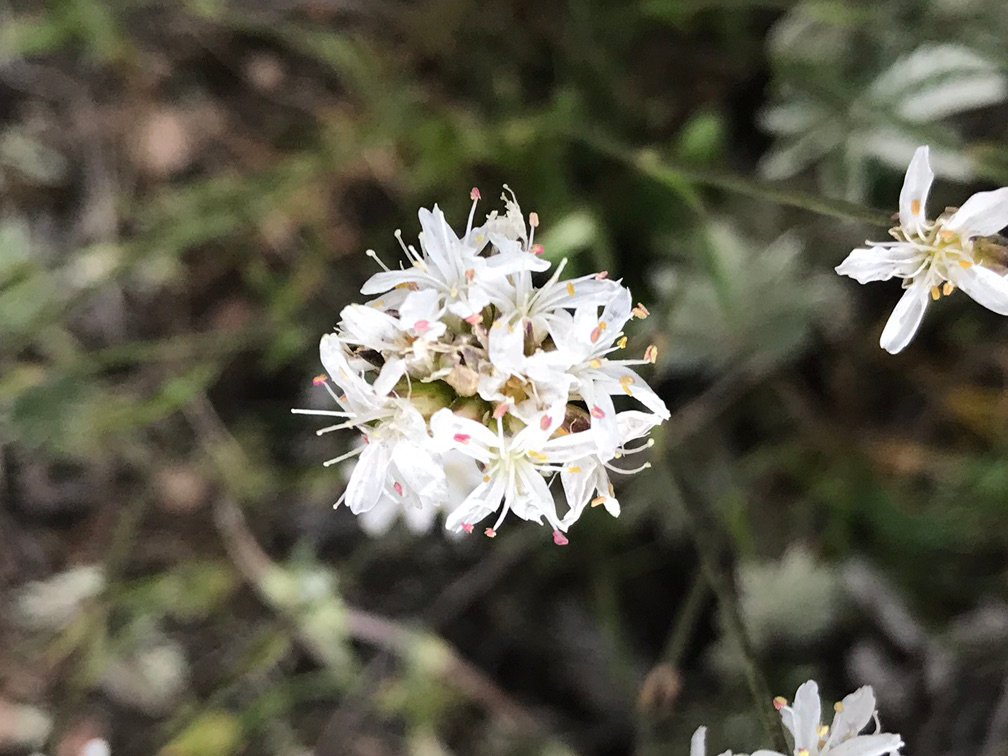
Ball Head Sandwort
Ball Head Sandwort, or Eremogone congesta, is a small perennial plant that grows up to 20 cm tall. It has white flowers that bloom in late spring and early summer. Ball Head Sandwort is commonly found in dry, rocky areas.
- USDA Plant Zones: 3-10
- Life Cycle: Perennial
- Sun Needs: Full Sun to Partial Shade
- BloomTime: Spring to Early Summer
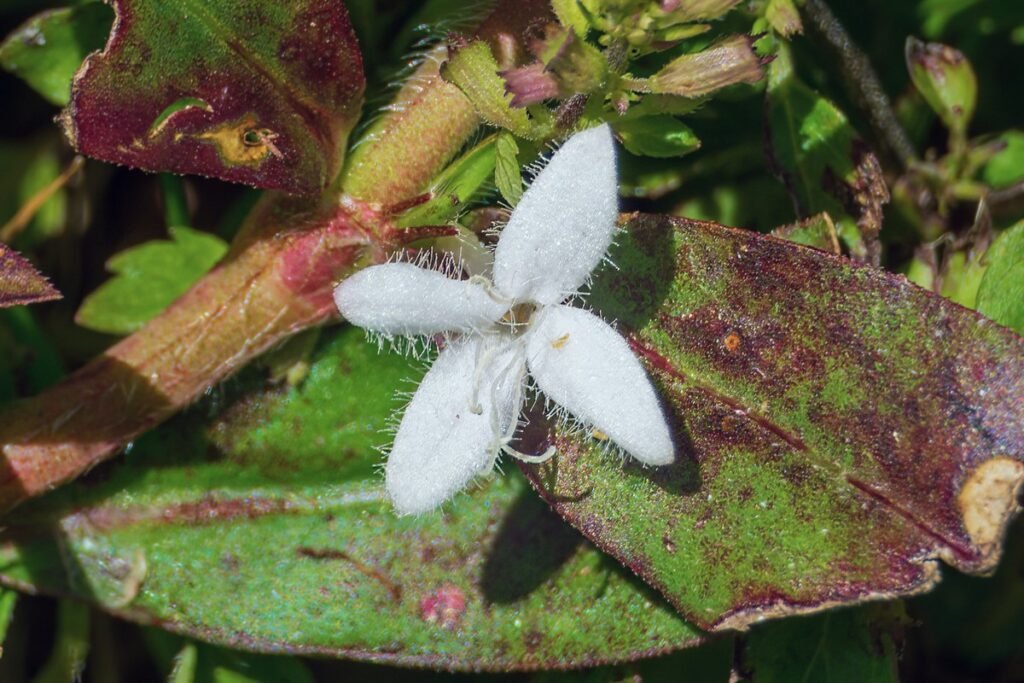
Buttonweed
Buttonweed, or Diodia teres, is a small annual plant that grows up to 30 cm tall. It has white flowers that bloom in late summer and early fall. Buttonweed is commonly found in open woods, fields, and meadows.
- USDA Plant Zones: 7-11
- Life Cycle: Annual
- Sun Needs: Full Sun to Partial Shade
- BloomTime: Summer to Fall
Queen Anne’s Lace (Daucus carota)
Queen Anne’s Lace, or Daucus carota, is a biennial plant that grows up to 1 meter tall. It has white flowers that bloom in late spring and early summer. Queen Anne’s Lace is commonly found in open fields and along roadsides.
- USDA Plant Zones: 3-9
- Life Cycle: Biennial
- Sun Needs: Full Sun
- BloomTime: Summer to Fall
Oxeye Daisy (Leucanthemum vulgare)
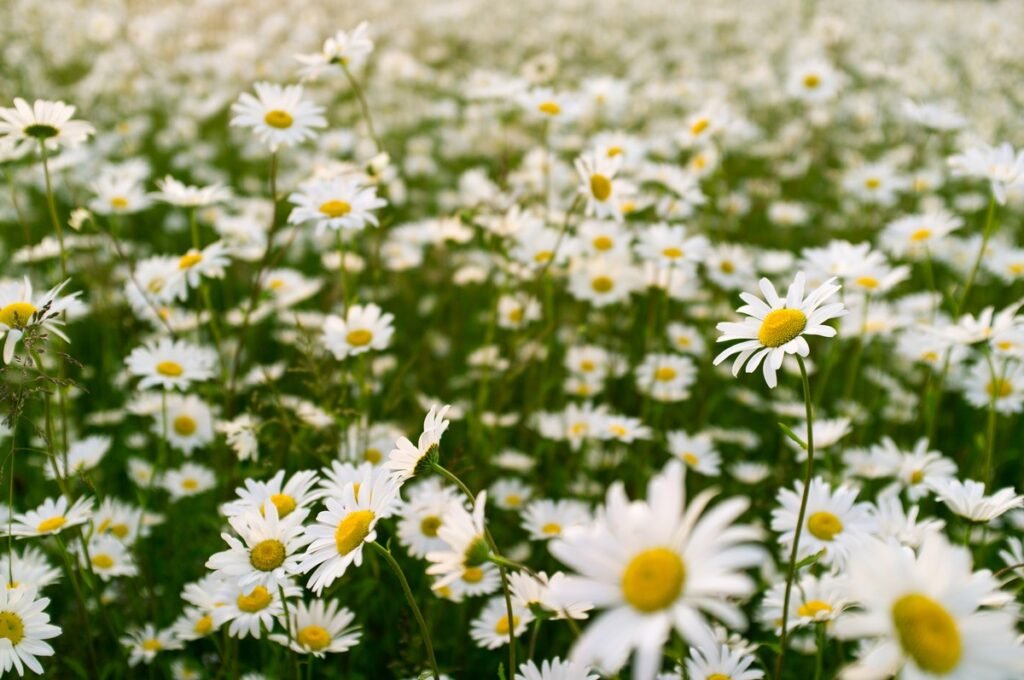
Oxeye Daisy, or Leucanthemum vulgare, is a perennial plant that grows up to 60 cm tall. It has white flowers with yellow centers that bloom in late spring and early summer. Oxeye Daisy is commonly found in open fields and along roadsides.
- USDA Plant Zones: 3-8
- Life Cycle: Perennial
- Sun Needs: Full Sun
- BloomTime: Late Spring to Early Fall
Lily-of-the-Valley (Convallaria majalis)
Lily-of-the-Valley, or Convallaria majalis, is a perennial plant that grows up to 30 cm tall. It has white, bell-shaped flowers that bloom in late spring. Lily-of-the-Valley is commonly found in moist woods and along streams.
- USDA Plant Zones: 2-7
- Life Cycle: Perennial
- Sun Needs: Part Shade to Full Shade
- BloomTime: Spring
Daisy (Bellis perennis)
Daisy, or Bellis perennis, is a perennial plant that grows up to 15 cm tall. It has white flowers with yellow centers that bloom in late spring and early summer. Daisy is commonly found in lawns, meadows, and along roadsides.
- USDA Plant Zones: 4-8
- Life Cycle: Perennial
- Sun Needs: Full Sun to Part Shade
- BloomTime: Spring to Fall
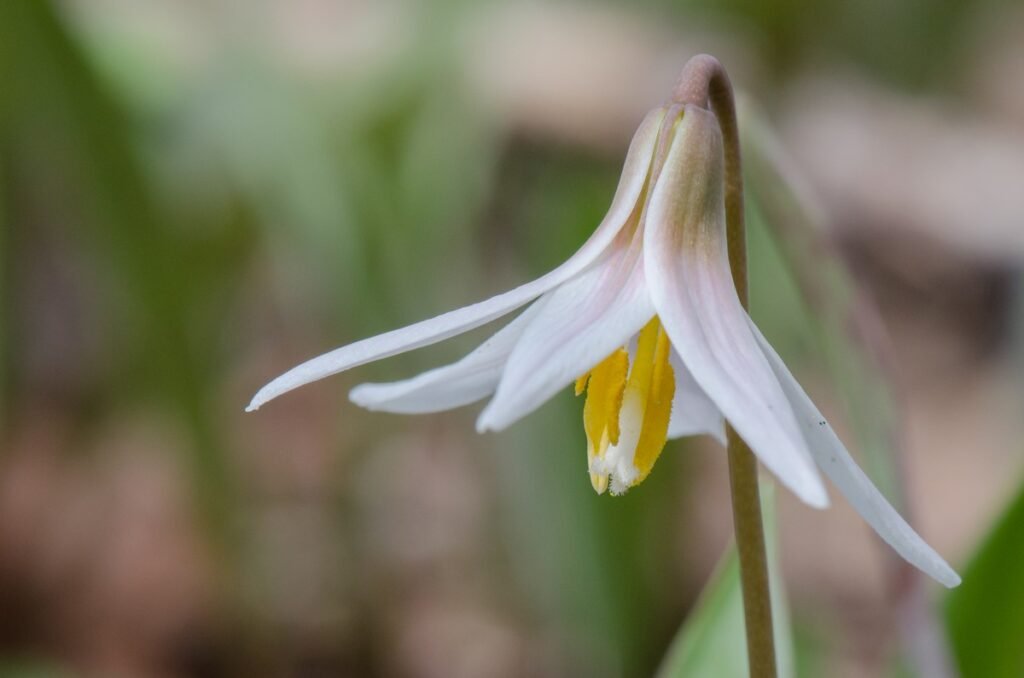
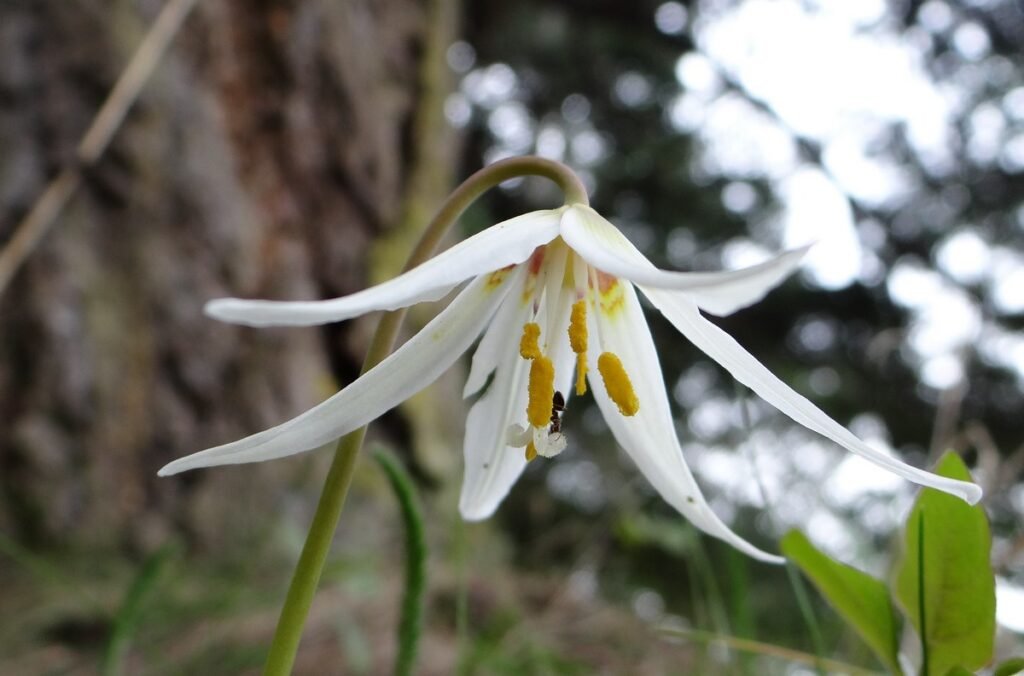
White Trout Lily (Erythronium albidum)
White Trout Lily, or Erythronium albidum, is a perennial plant that grows up to 25 cm tall. It has white, bell-shaped flowers that bloom in early spring. White Trout Lily is commonly found in moist woods and along streams.
- USDA Plant Zones: 4-7
- Life Cycle: Perennial
- Sun Needs: Part Shade to Full Shade
- BloomTime: Early Spring
White Violets (Viola spp.)
White violets are delicate and charming wildflowers that bloom in early spring. They grow in clusters and can be found in wooded areas and along streams. The petals are white and the leaves are heart-shaped. White violets are an important source of nectar for early-season pollinators such as bees and butterflies.
- USDA Plant Zones: Varies by species, but most Viola varieties can be found in zones 3-9.
- Life Cycle: Perennial
- Sun Needs: Part Shade to Full Shade
- BloomTime: Spring to Early Summer

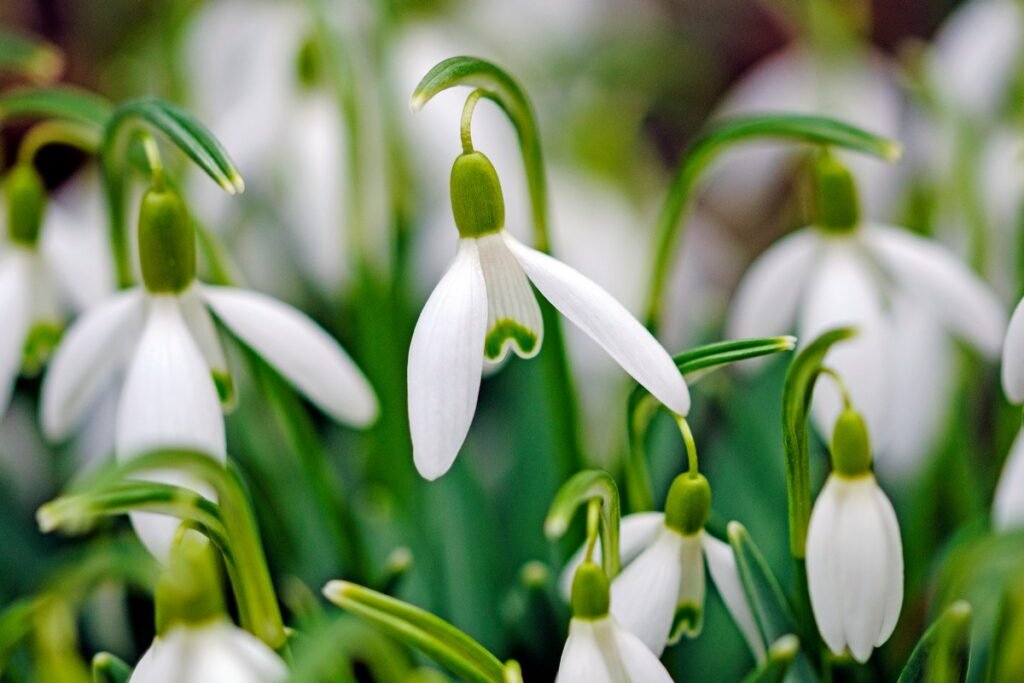
Snowdrop (Galanthus nivalis)
Snowdrops are small, bell-shaped flowers that bloom in late winter or early spring. They are often one of the first flowers to bloom after the winter snow melts. Snowdrops prefer moist, well-drained soil and can be found in woodland areas. They are a favorite of bees and other early-season pollinators.
- USDA Plant Zones: 3-7
- Life Cycle: Perennial
- Sun Needs: Part Shade to Full Shade
- BloomTime: Late Winter to Early Spring
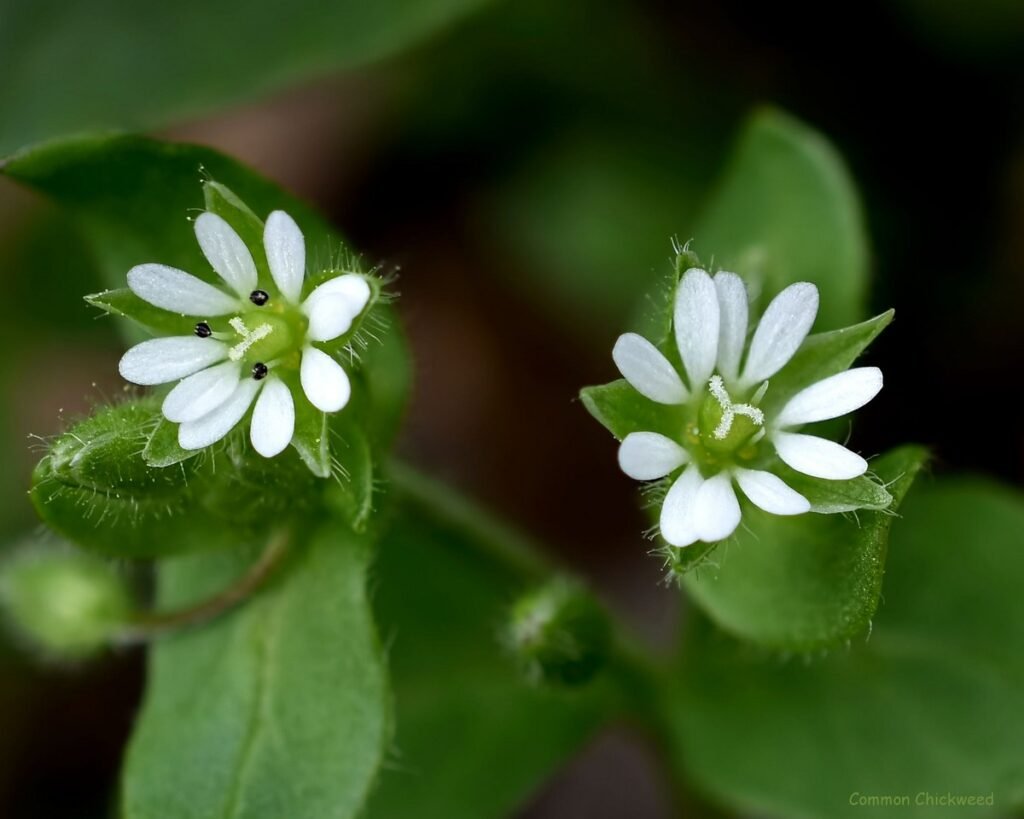
Common Chickweed (Stellaria media)
Common chickweed is a low-growing, spreading plant with tiny white flowers that bloom in spring and summer. It grows in a variety of habitats, including lawns, gardens, and fields. Chickweed is edible and has been used in salads and soups for centuries. It is also an important food source for many small animals and insects.
- USDA Plant Zones: 3-11
- Life Cycle: Annual
- Sun Needs: Part Shade to Full Sun
- BloomTime: Spring to Fall
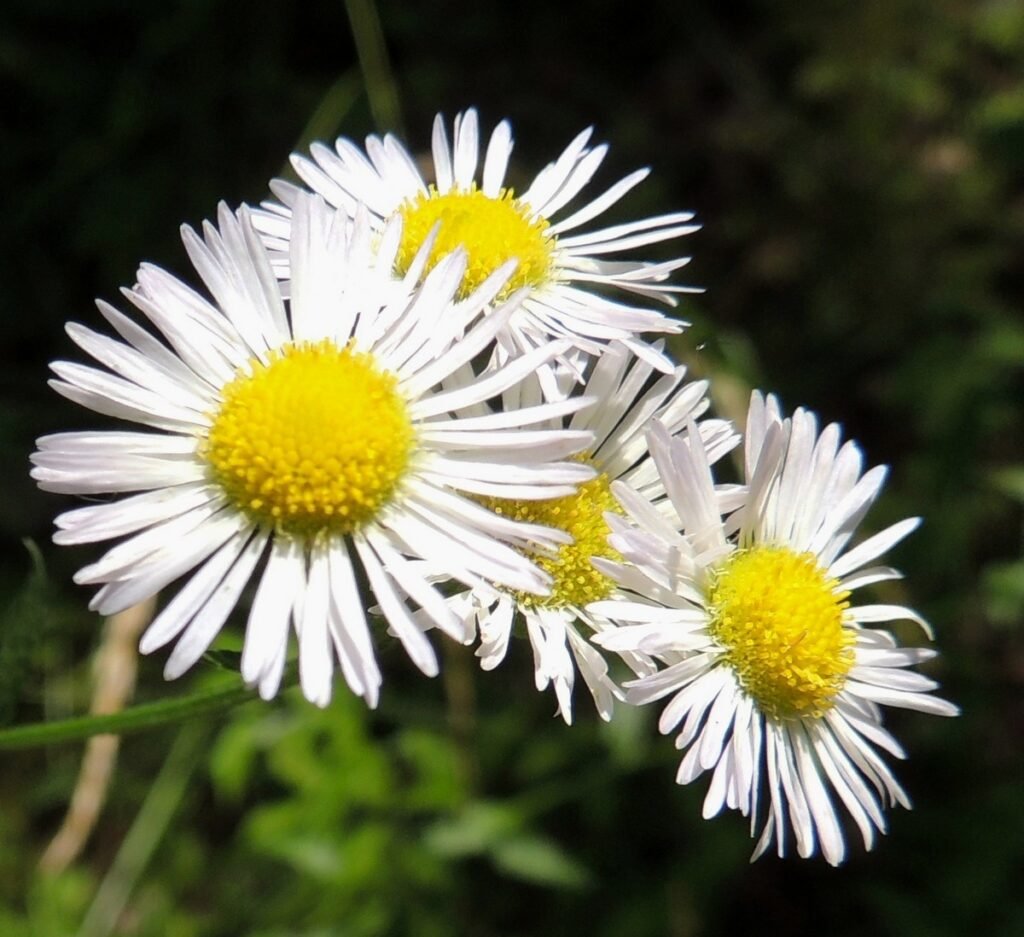
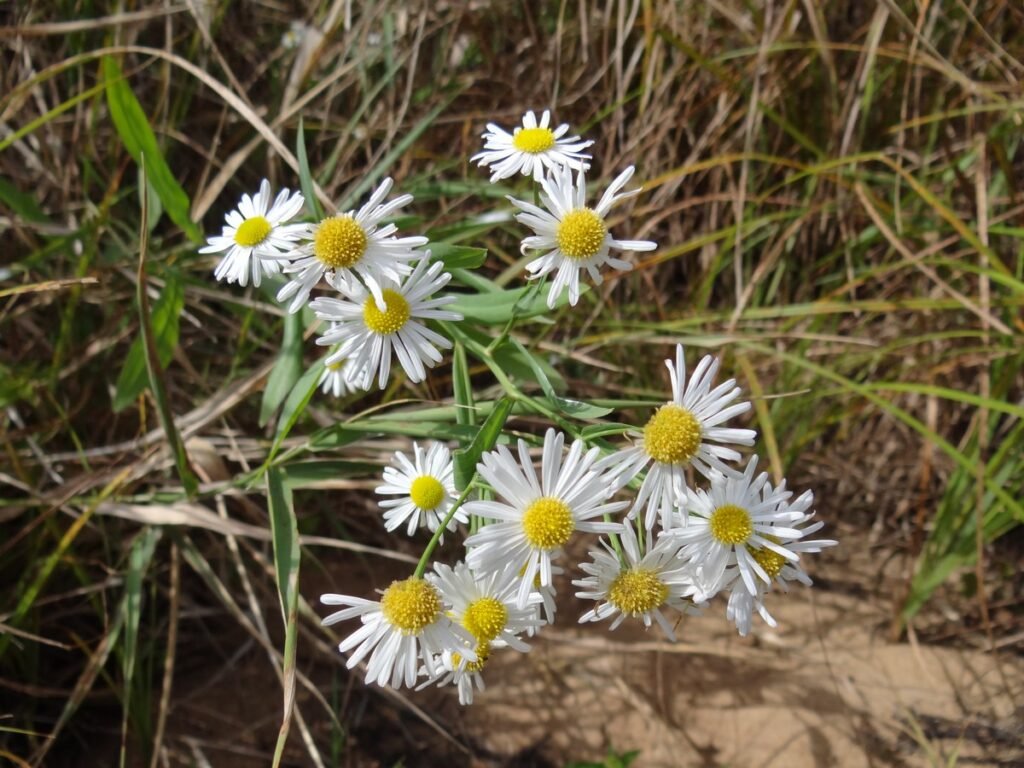
Fleabane (Erigeron annuus)
Fleabane is a tall, daisy-like flower that blooms in late spring and early summer. It can be found in meadows, fields, and along roadsides. Fleabane is an important source of nectar for bees and butterflies.
- USDA Plant Zones: 3-9
- Life Cycle: Annual
- Sun Needs: Full Sun to Part Shade
- BloomTime: Late Spring to Fall
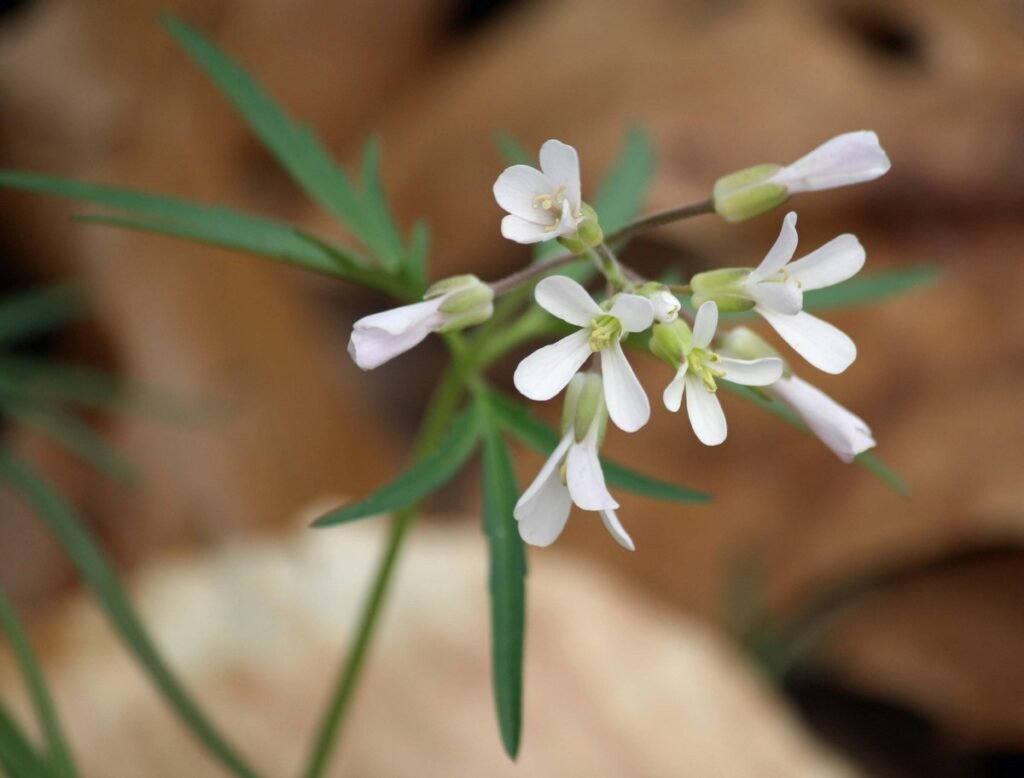
Cut-leaved Toothwort
Cut-leaved toothwort is a delicate, early-blooming wildflower that can be found in woodland areas. It has small white flowers that bloom in early spring. The leaves are deeply cut and toothed, giving the plant its name. Cut-leaved toothwort is an important early-season food source for bees and other pollinators.
- USDA Plant Zones: 4-8
- Life Cycle: Perennial
- Sun Needs: Part Shade to Full Shade
- BloomTime: Early to Mid-Spring
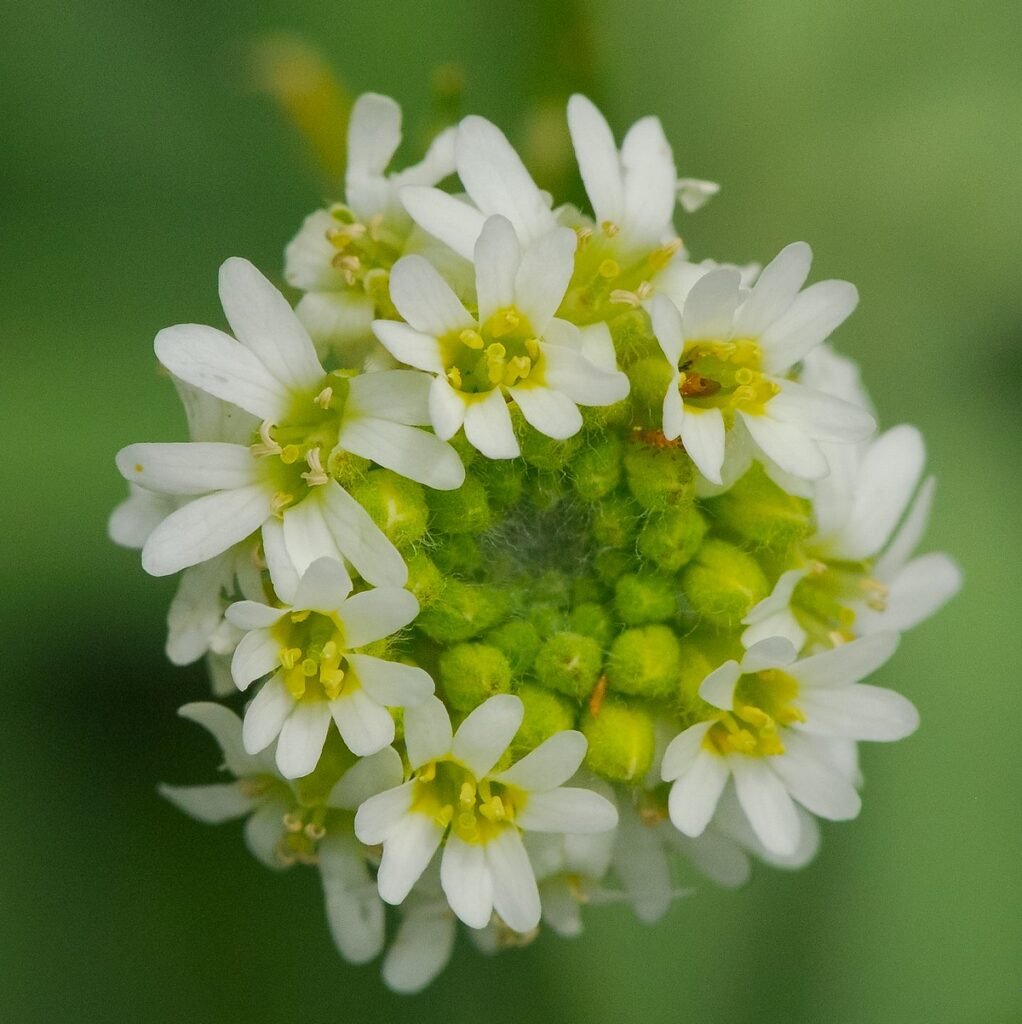
Hoary Alyssum (Berteroa incana)
Hoary alyssum is a small, spreading plant with tiny white flowers that bloom in late spring and early summer. It grows in a variety of habitats, including roadsides, fields, and gardens. Hoary alyssum is an invasive species and can quickly outcompete native plants. It is important to control its spread to protect local ecosystems.
- USDA Plant Zones: 3-9
- Life Cycle: Annual or Biennial
- Sun Needs: Full Sun to Part Shade
- BloomTime: Late Spring to Early Summer
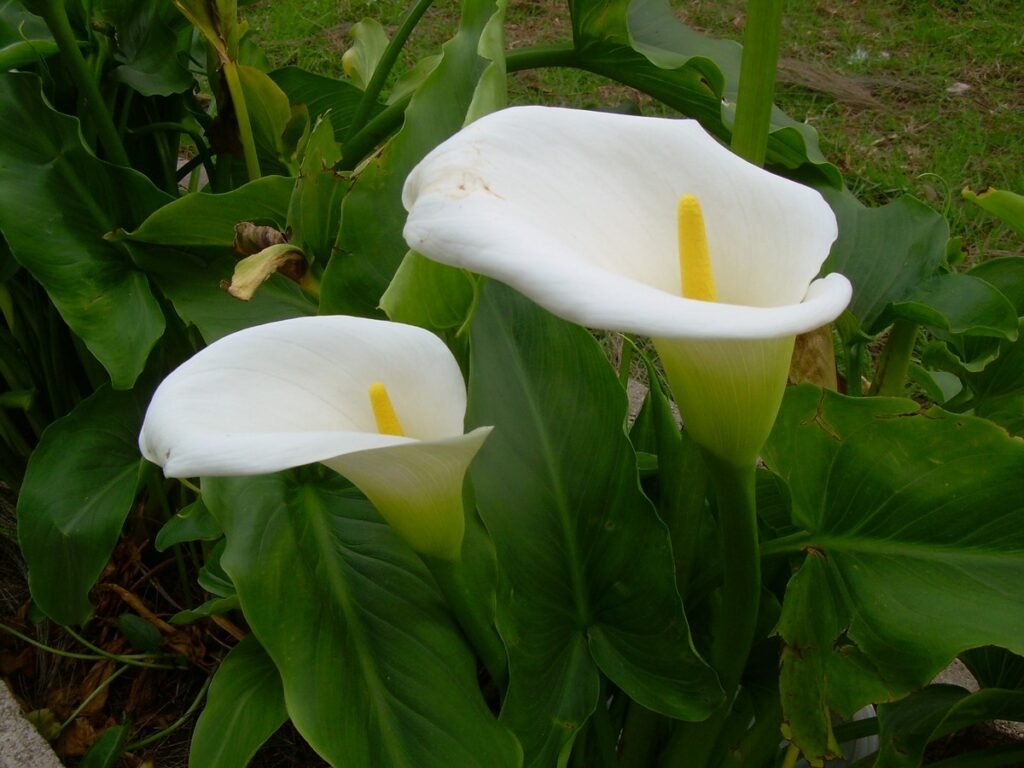
Wild Calla (Calla palustris)
Wild calla is a striking, white-flowered plant that grows in wetlands and along streams. It blooms in late spring and early summer and has large, showy flowers. Wild calla is an important food source for many aquatic insects and small animals.
- USDA Plant Zones: 2-7
- Life Cycle: Perennial
- Sun Needs: Part Shade to Full Sun
- BloomTime: Late Spring to Early Summer
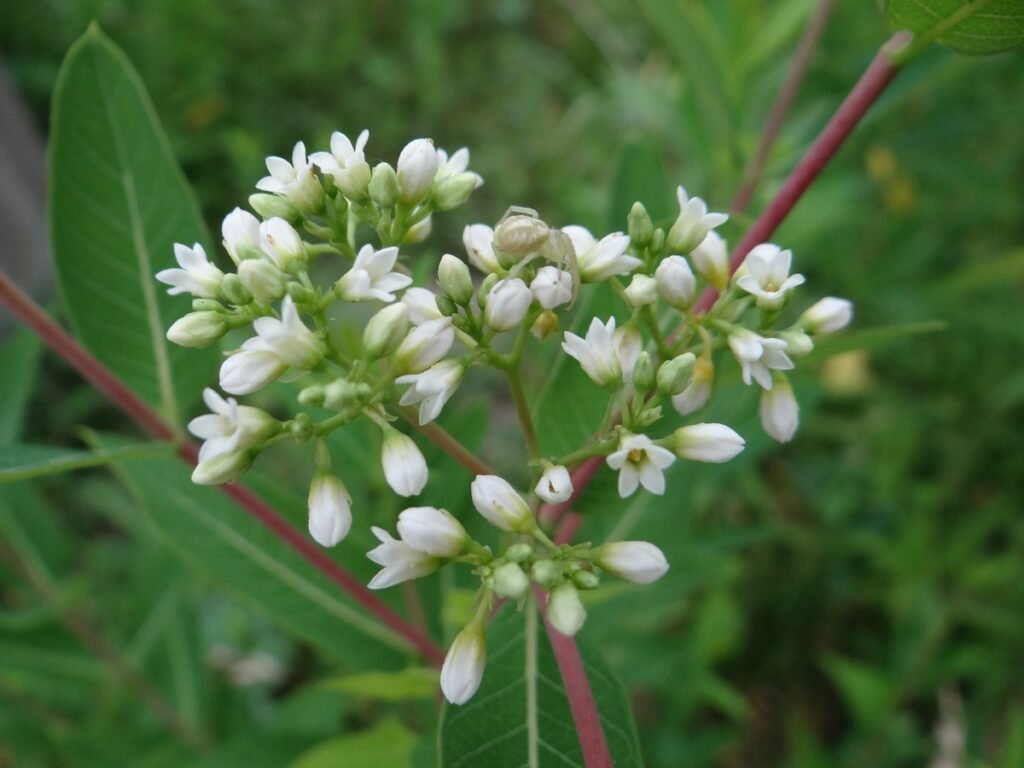
Indian Hemp (Apocynum cannabinum)
Indian hemp is a tall, showy plant with clusters of white flowers that bloom in late summer. It grows in a variety of habitats, including meadows and fields. Indian hemp is an important source of nectar for bees and butterflies.
- USDA Plant Zones: 3-9
- Life Cycle: Perennial
- Sun Needs: Full Sun to Part Shade
- BloomTime: Summer
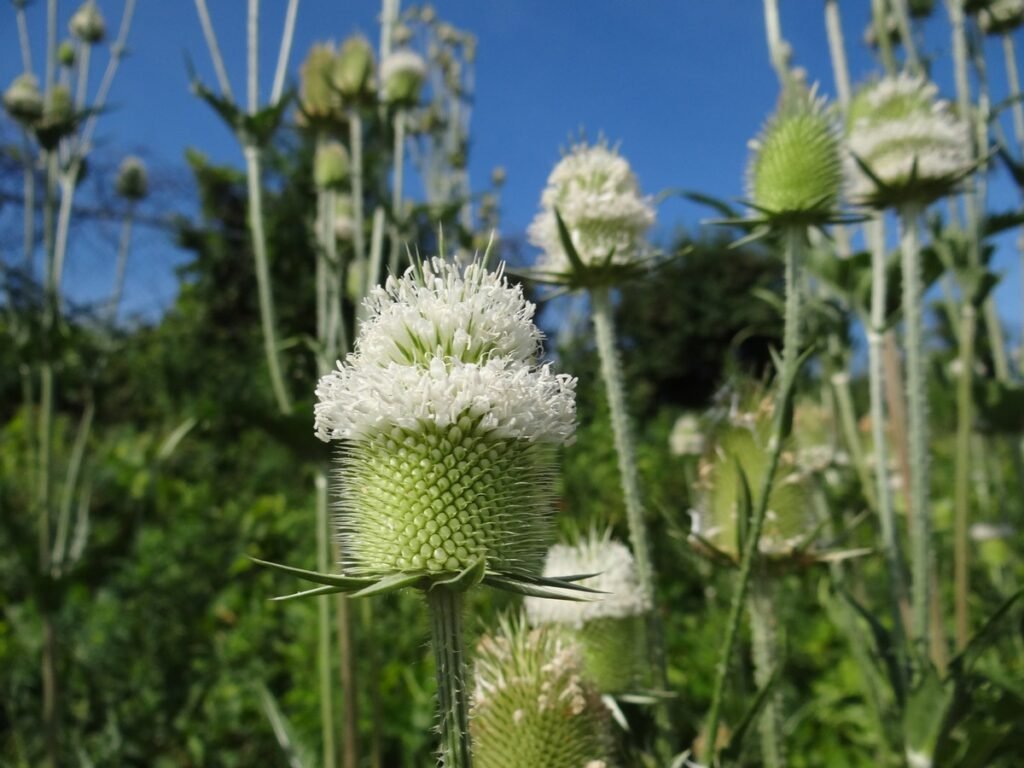
Cut-leaved Teasel (Dipsacus laciniatus)
Cut-leaved teasel is a tall, spiky plant with white or purple flowers that bloom in mid-summer. It grows in meadows and along roadsides. Cut-leaved teasel is an important food source for many birds and small animals.
- USDA Plant Zones: 4-9
- Life Cycle: Biennial
- Sun Needs: Full Sun to Part Shade
- BloomTime: Summer to Fall
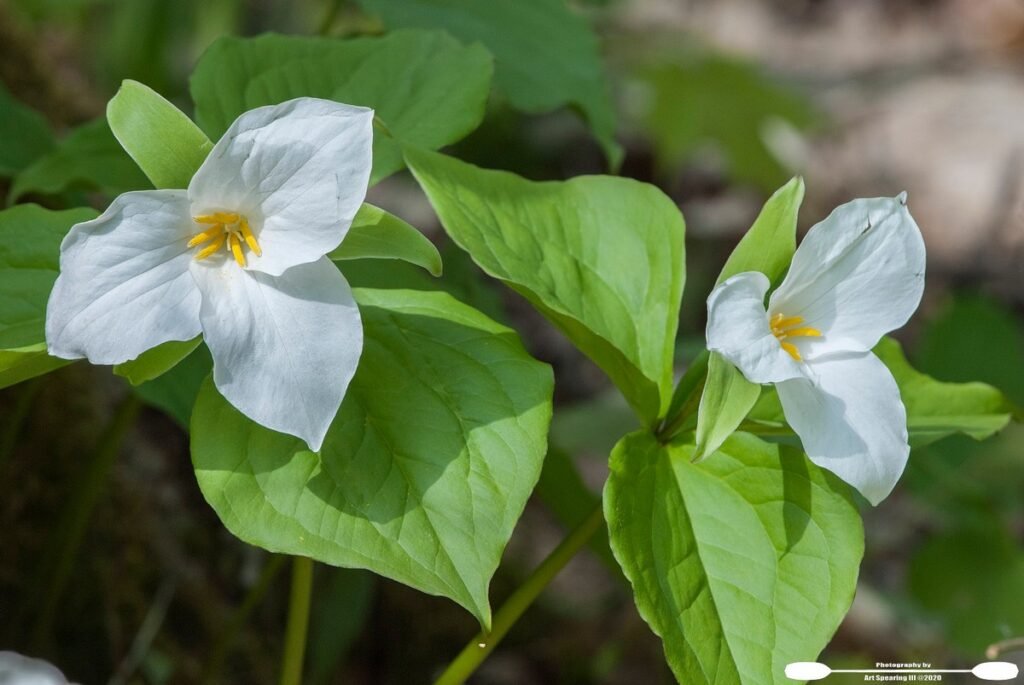
Large-flowered Trillium (Trillium grandiflorum)
Large-flowered trillium is a beautiful, white-flowered plant that grows in woodland areas. It blooms in early spring and has large, showy flowers. Large-flowered trillium is an important food source for many woodland animals and insects.
- USDA Plant Zones: 4-9
- Life Cycle: Perennial
- Sun Needs: Part Shade to Full Shade
- BloomTime: Late Spring to Early Summer
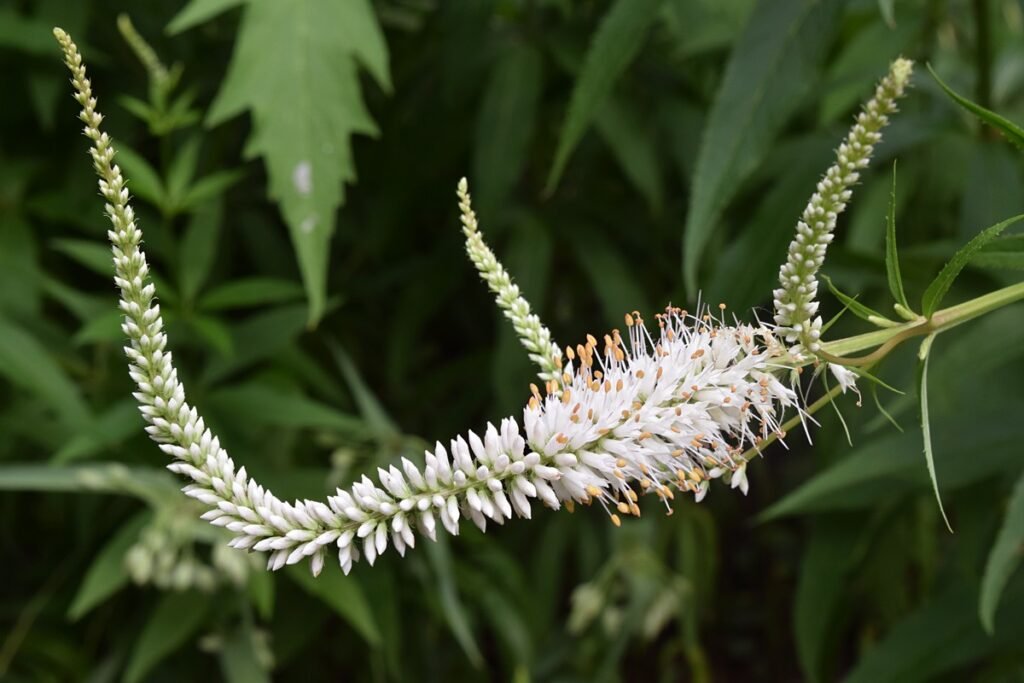
Culver’s Root
Culver’s root is a tall, showy plant with white flowers that bloom in mid-summer. It grows in meadows and along streams. Culver’s root is an important source of nectar for bees and butterflies.
- USDA Plant Zones: 3-8
- Life Cycle: Perennial
- Sun Needs: Full Sun to Part Shade
- BloomTime: Summer
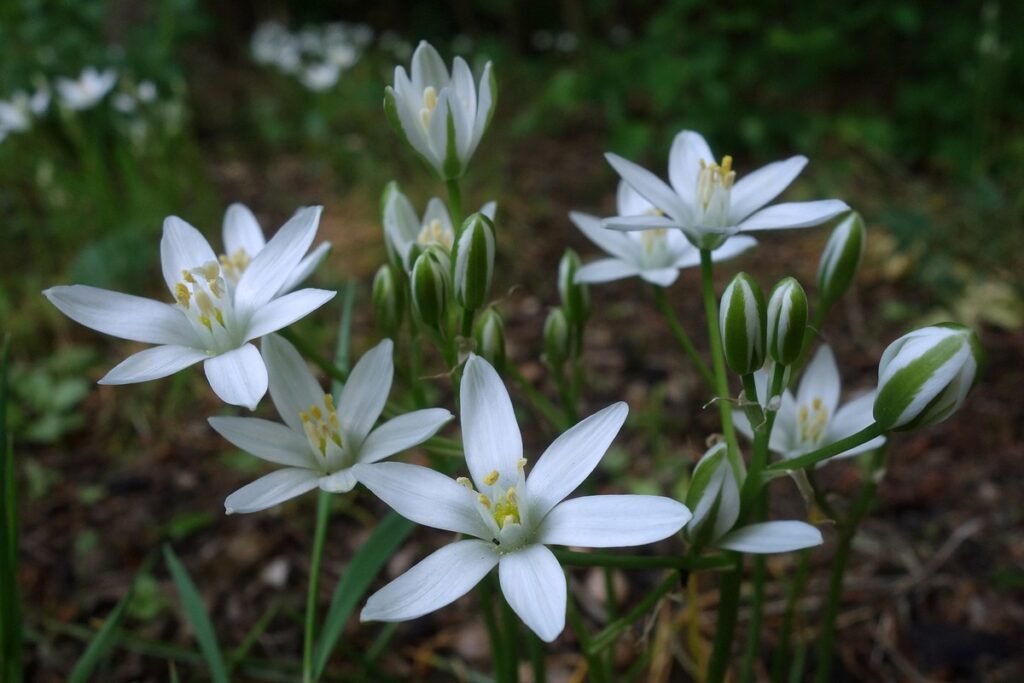
Star of bethlehem
Star flower is a low-growing plant with delicate, star-shaped flowers that bloom in late spring and early summer. It grows in woodland areas and prefers moist, well-drained soil. Star flower is an important food source for many woodland animals and insects.
- USDA Plant Zones: 2-8
- Life Cycle: Perennial
- Sun Needs: Part Shade to Full Shade
- BloomTime: Late Spring to Early Summer
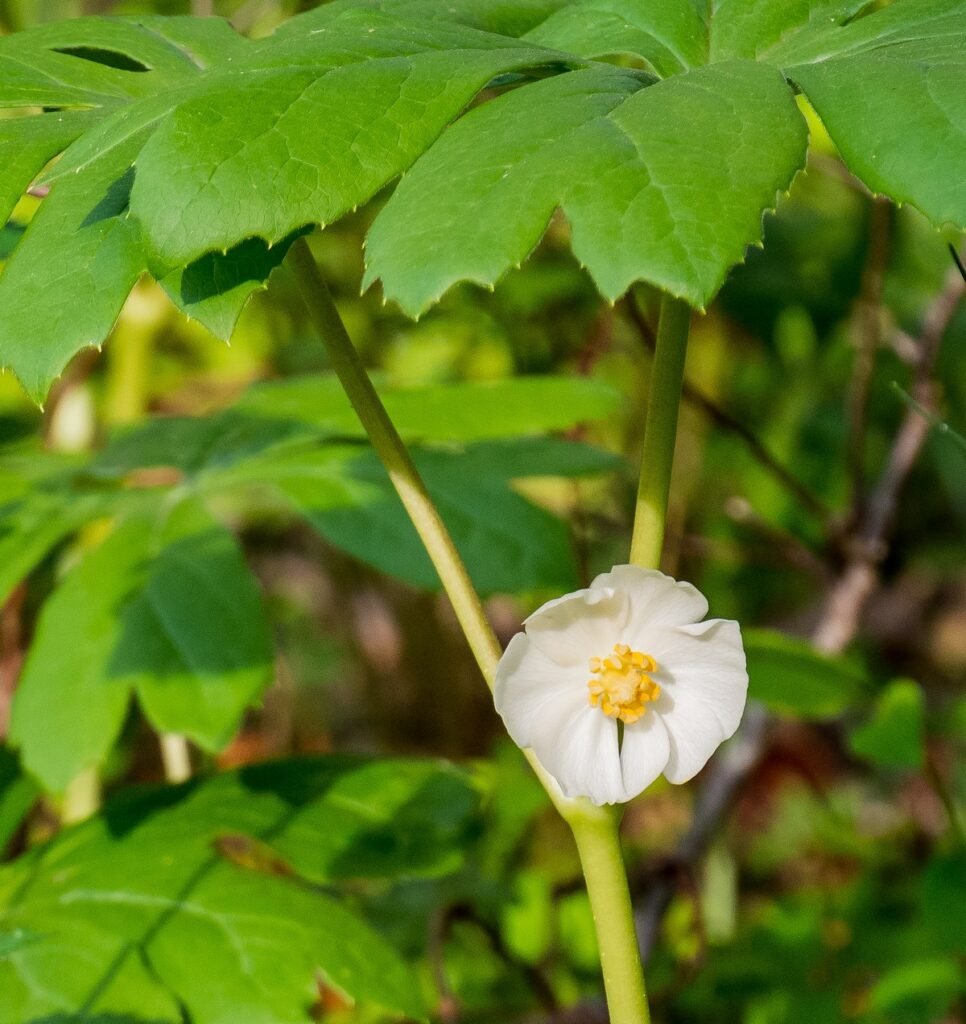
Mayapple
Mayapple is a unique, umbrella-like plant with a single white flower that blooms in late spring. It grows in woodland areas and prefers moist, well-drained soil. Mayapple is an important food source for many woodland animals and insects.
- USDA Plant Zones: 4-8
- Life Cycle: Perennial
- Sun Needs: Part Shade to Full Shade
- BloomTime: Spring
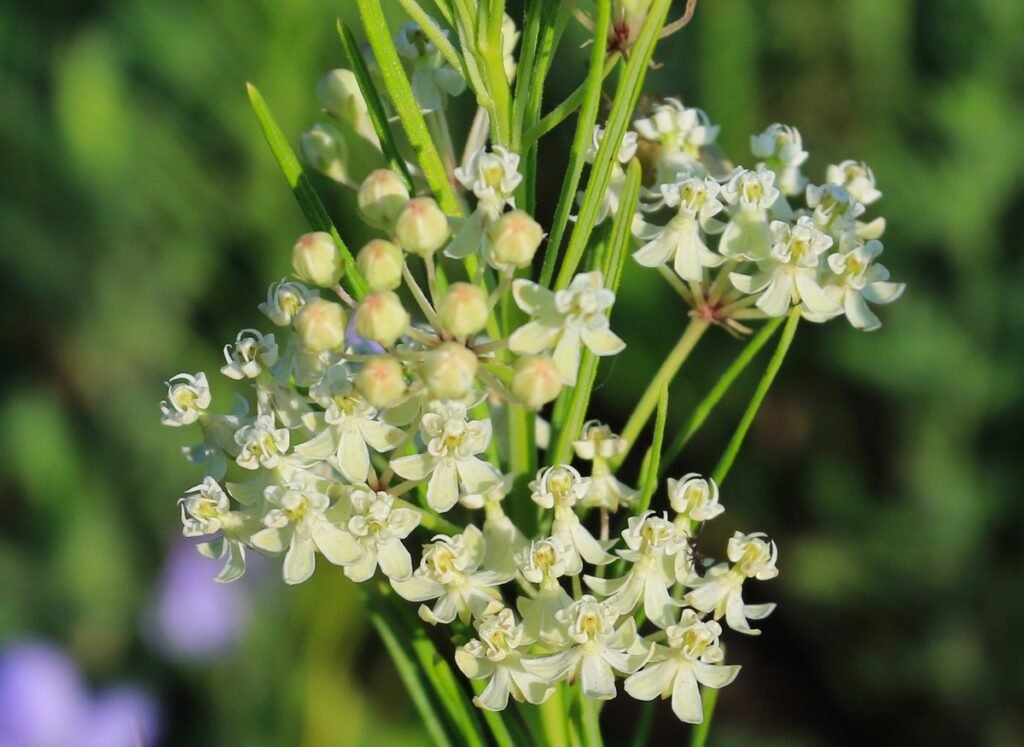
Whorled Milkweed
Whorled milkweed is a tall, showy plant with clusters of white flowers that bloom in mid-summer. It grows in meadows and along roadsides. Whorled milkweed is an important food source for monarch butterflies.
- USDA Plant Zones: 3-9
- Life Cycle: Perennial
- Sun Needs: Full Sun
- BloomTime: Summer
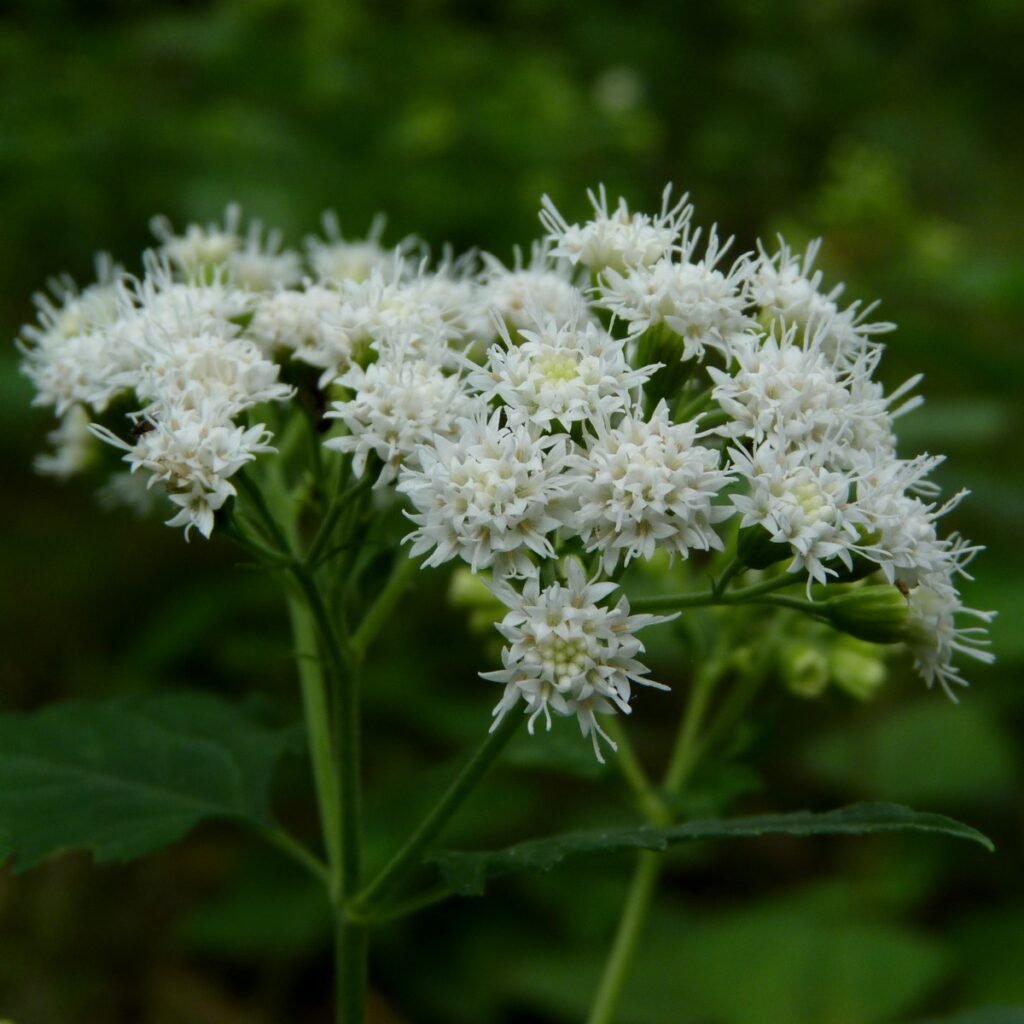
White Snakeroot
White snakeroot is a tall, showy plant with clusters of white flowers that bloom in late summer and early fall. It grows in woodland areas and prefers moist, well-drained soil. White snakeroot is an important food source for many woodland animals and insects.
- USDA Plant Zones: 3-8
- Life Cycle: Perennial
- Sun Needs: Part Shade to Full Shade
- BloomTime: Late Summer to Early Fall
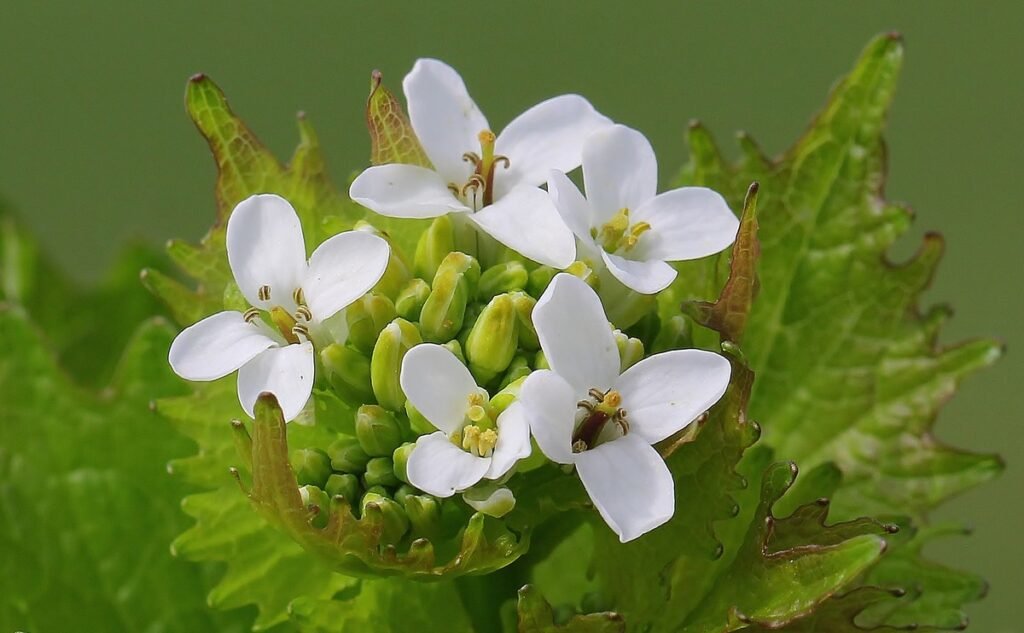
Garlic Mustard
Garlic mustard is a tall, invasive plant with clusters of white flowers that bloom in late spring and early summer. It grows in a variety of habitats, including woodlands and fields. Garlic mustard is an important food source for many insects and small animals.
- USDA Plant Zones: 3-9
- Life Cycle: Biennial
- Sun Needs: Part Shade to Full Shade
- BloomTime: Spring to Early Summer
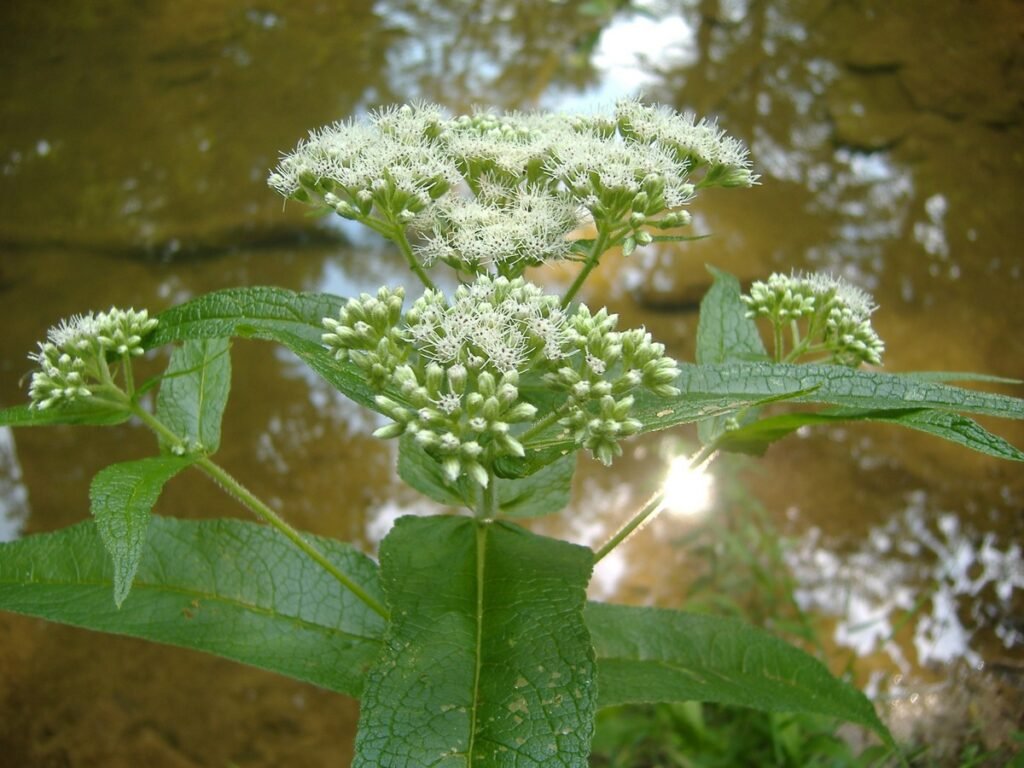
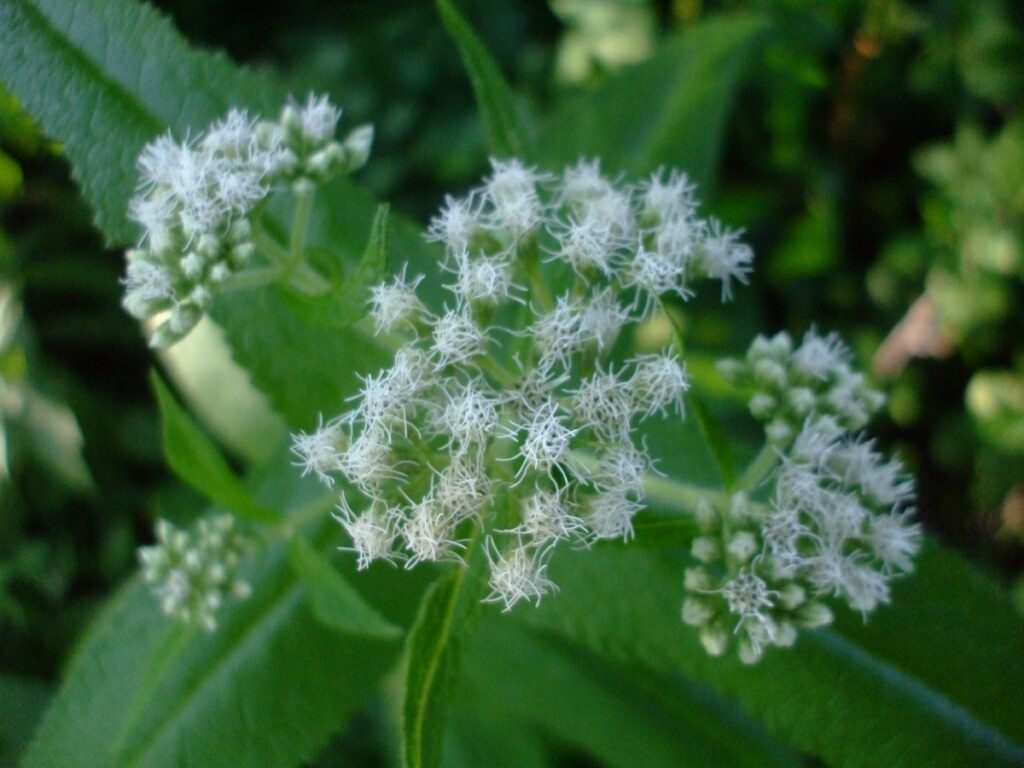
Boneset
Boneset (Eupatorium perfoliatum) is a native wildflower that is commonly found in wetlands, meadows, and along streams. This plant is known for its clusters of small, white flowers that bloom from mid-summer to early fall. The flowers are arranged in flat-topped clusters and are surrounded by a ring of white bracts. The leaves of boneset are opposite, toothed, and are joined at their base, giving the appearance of a single, perforated leaf. This plant grows up to 4 feet tall and prefers moist soils.
- USDA Plant Zones: 3-9
- Life Cycle: Perennial
- Sun Needs: Full Sun to Part Shade
- BloomTime: Late Summer to Fall
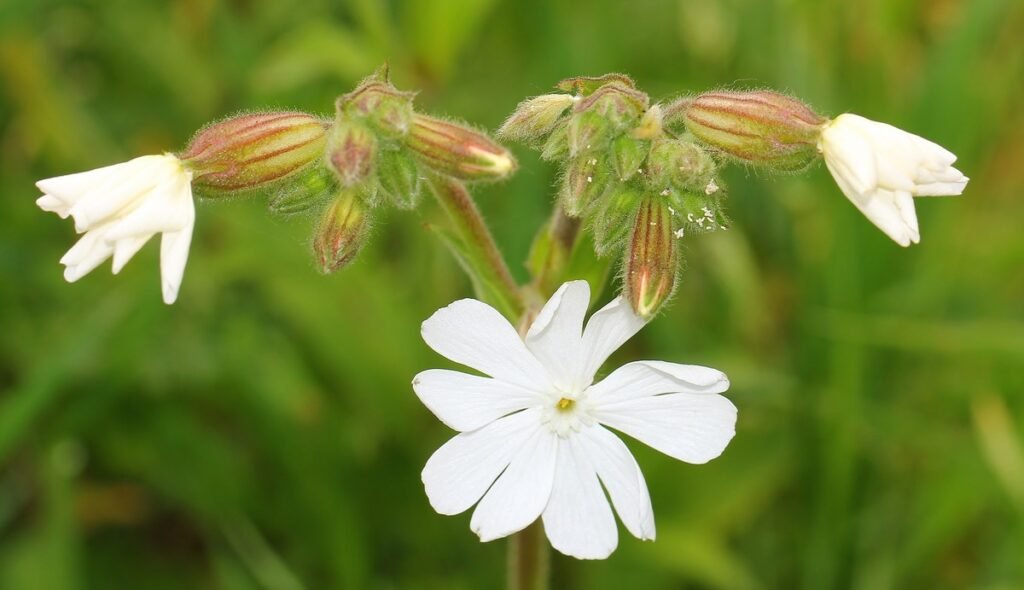
White Campion (Silene latifolia)
White Campion (Silene latifolia) is a common wildflower that can be found in fields, meadows, and along roadsides. This plant produces small, white flowers that bloom from late spring to early fall. The flowers are arranged in clusters at the end of the stem and are surrounded by a green calyx. The leaves of white campion are lance-shaped and are arranged in opposite pairs. This plant grows up to 3 feet tall and prefers well-drained soils.
- USDA Plant Zones: 3-9
- Life Cycle: Biennial or Short-lived Perennial
- Sun Needs: Full Sun to Part Shade
- BloomTime: Late Spring to Early Fall
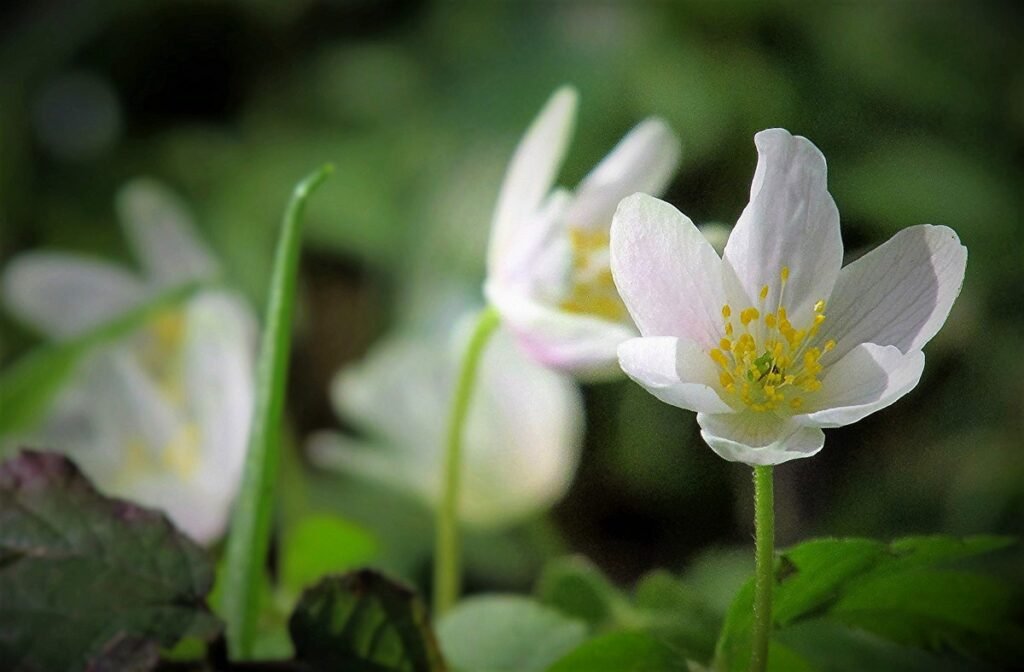
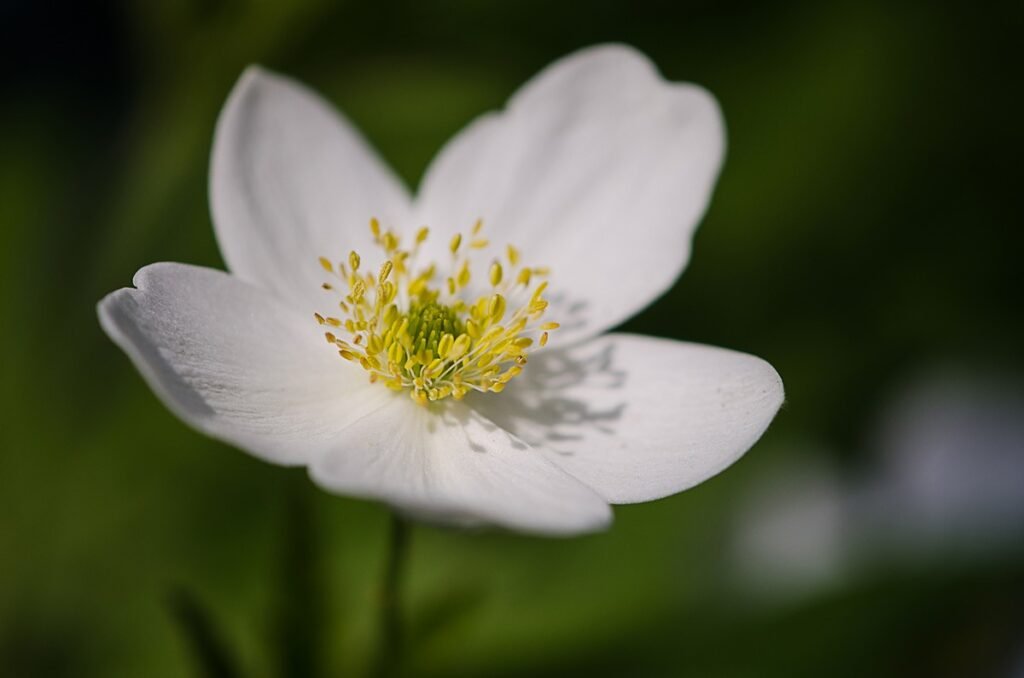
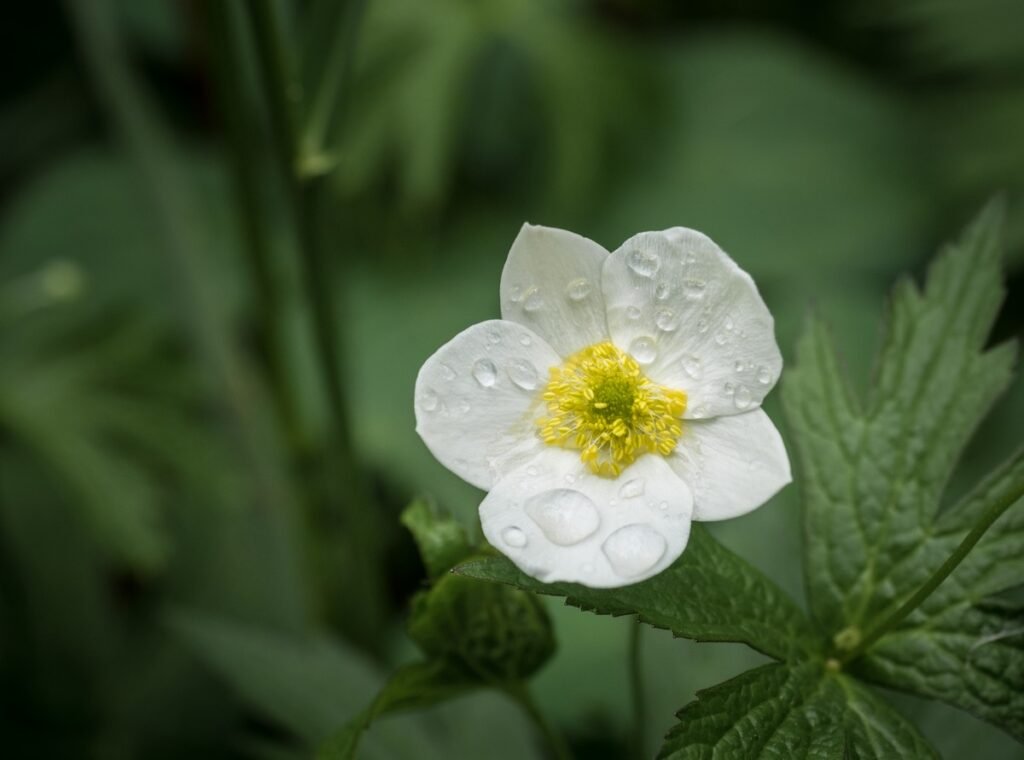
Wood Anemone (Anemone nemorosa)
Wood Anemone (Anemone nemorosa) is a delicate wildflower that is found in woodlands and shady areas. This plant produces small, white flowers that bloom in early spring. The flowers are solitary, with 5-7 petal-like sepals and a ring of yellow stamens in the center. The leaves of wood anemone are deeply lobed and are arranged in a rosette at the base of the stem. This plant grows up to 8 inches tall and prefers moist, well-drained soils.
- USDA Plant Zones: 3-9
- Life Cycle: Perennial
- Sun Needs: Part Shade to Full Shade
- BloomTime: Early Spring to Late Spring
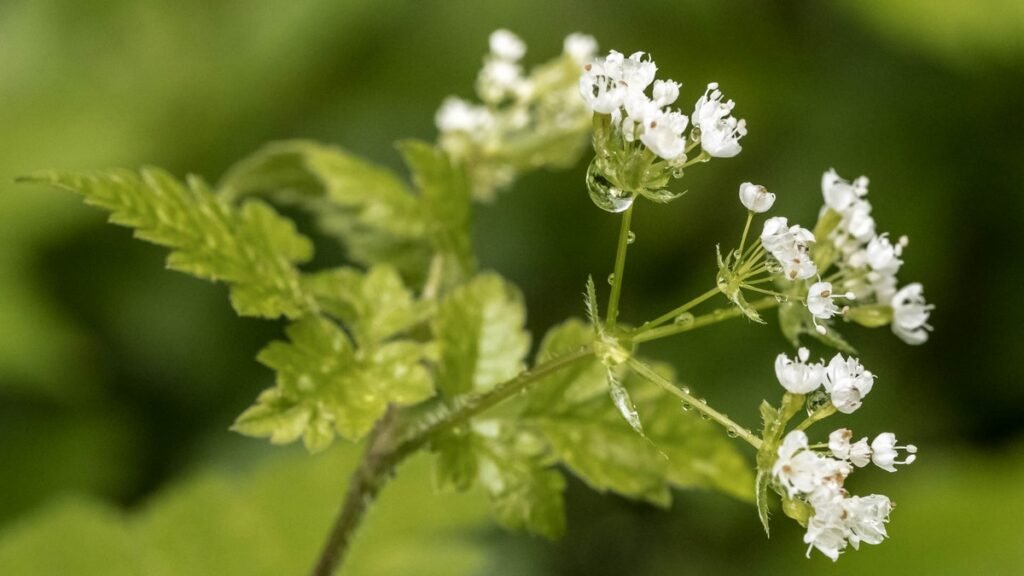
Sweet Cicely (Osmorhiza claytonii)
Sweet Cicely (Osmorhiza claytonii) is a native wildflower that is found in woodlands and along stream banks. This plant produces small, white flowers that bloom in late spring. The flowers are arranged in umbels and are surrounded by a ring of small, white bracts. The leaves of sweet cicely are finely divided and aromatic, with a licorice-like scent. This plant grows up to 3 feet tall and prefers moist soils.
- USDA Plant Zones: 4-9
- Life Cycle: Perennial
- Sun Needs: Part Shade to Full Shade
- BloomTime: Late Spring to Early Summer
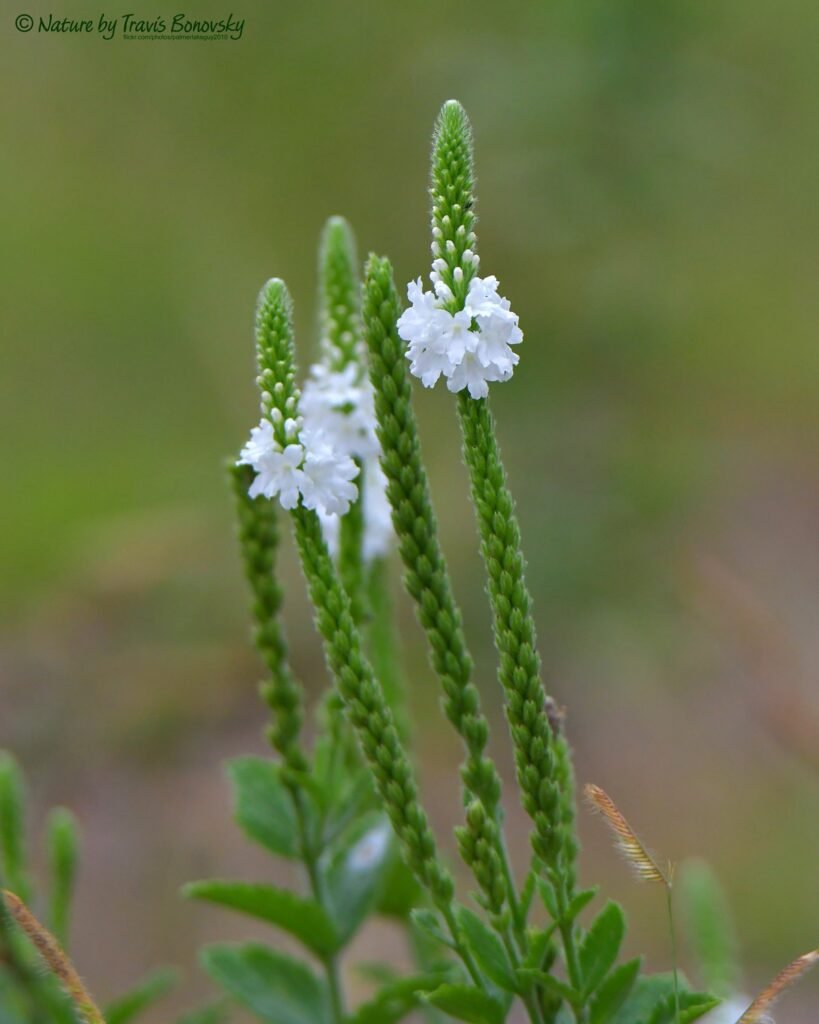
White Vervain (Verbena urticifolia)
White Vervain (Verbena urticifolia) is a native wildflower that is found in prairies, meadows, and along roadsides. This plant produces small, white flowers that bloom from mid-summer to early fall. The flowers are arranged in spikes and are surrounded by a ring of small, white bracts. The leaves of white vervain are opposite, toothed, and are arranged along the stem. This plant grows up to 4 feet tall and prefers well-drained soils.
- USDA Plant Zones: 3-9
- Life Cycle: Perennial
- Sun Needs: Full Sun to Part Shade
- BloomTime: Late Spring to Early Fall
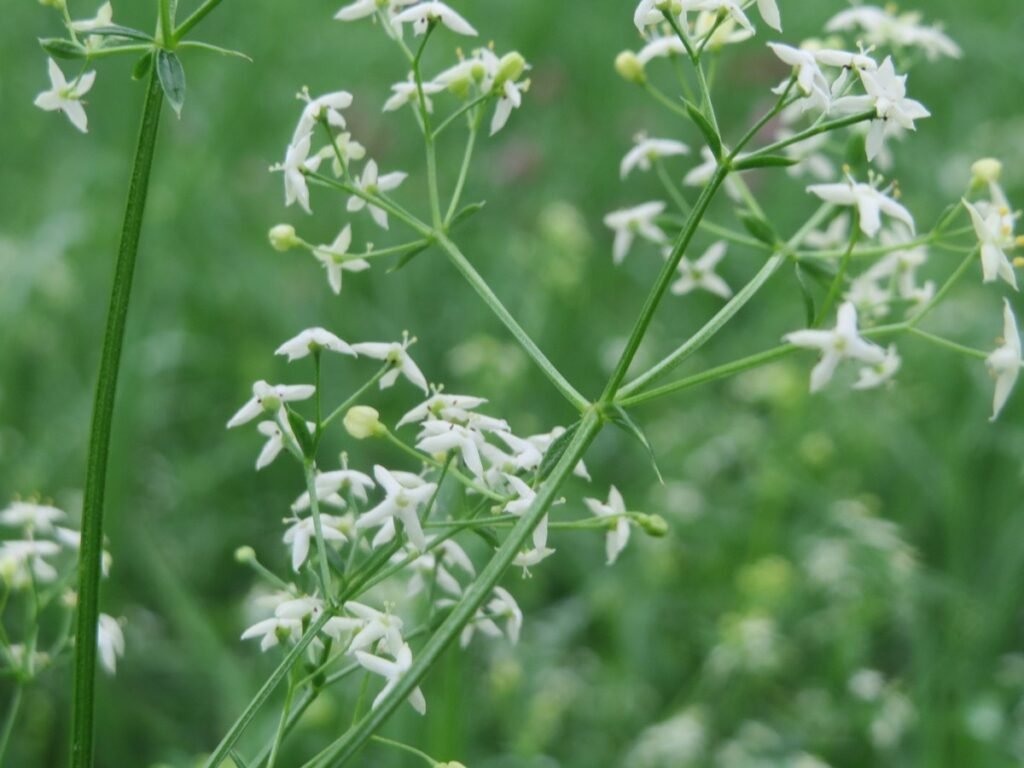
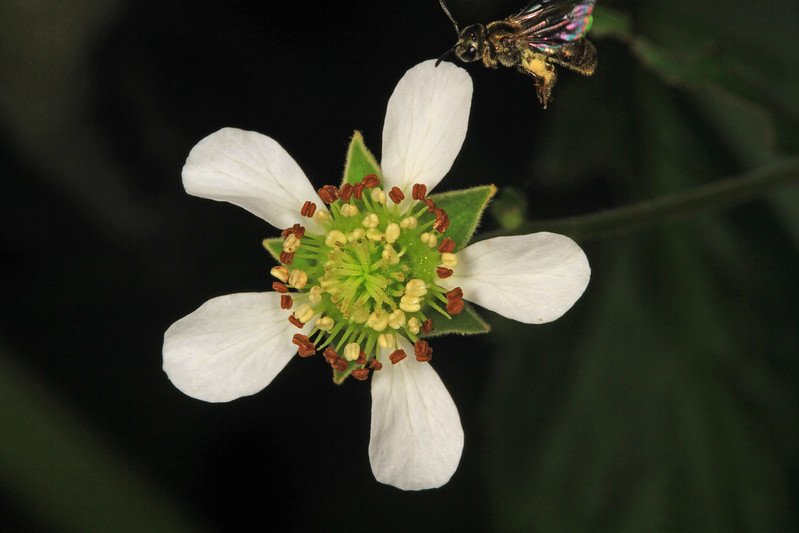
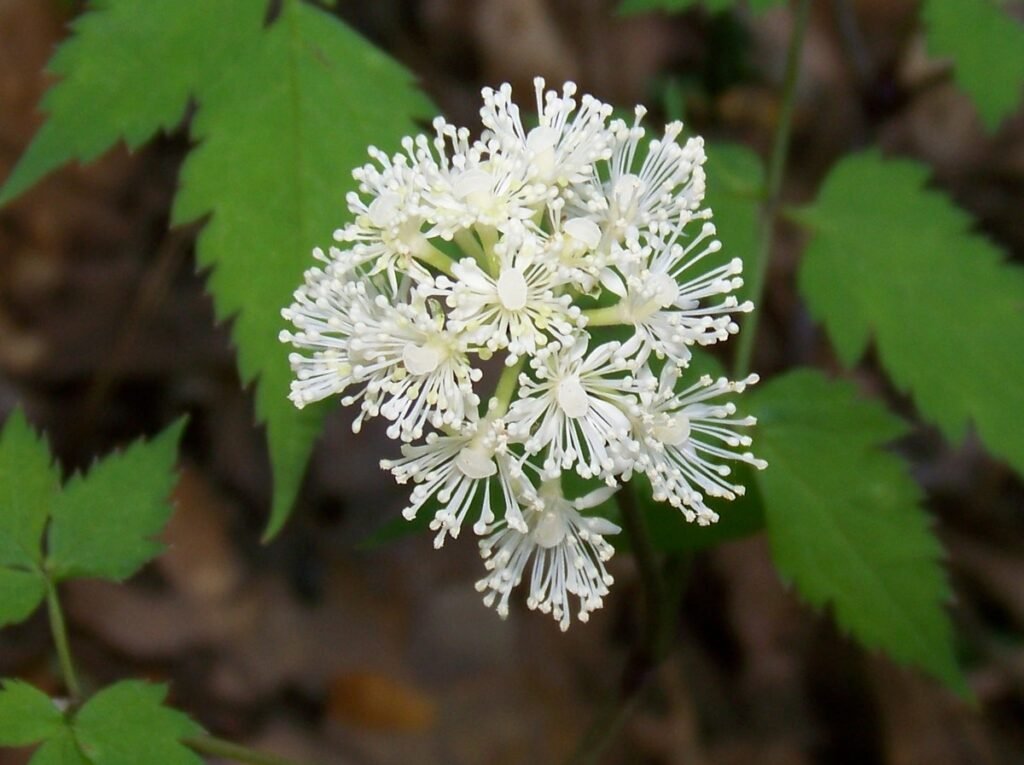
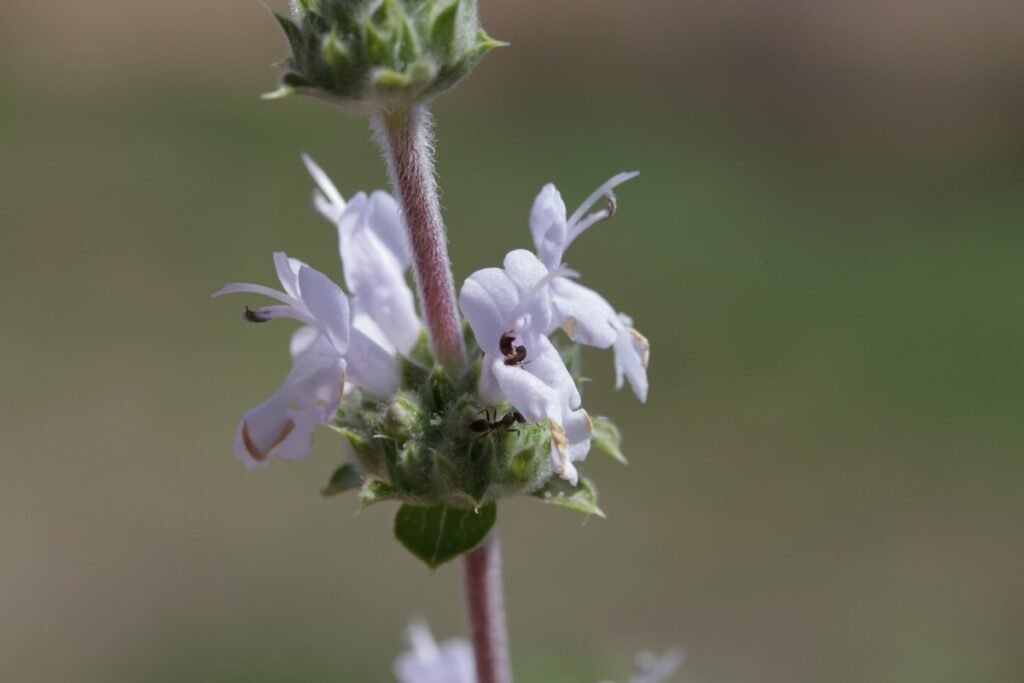
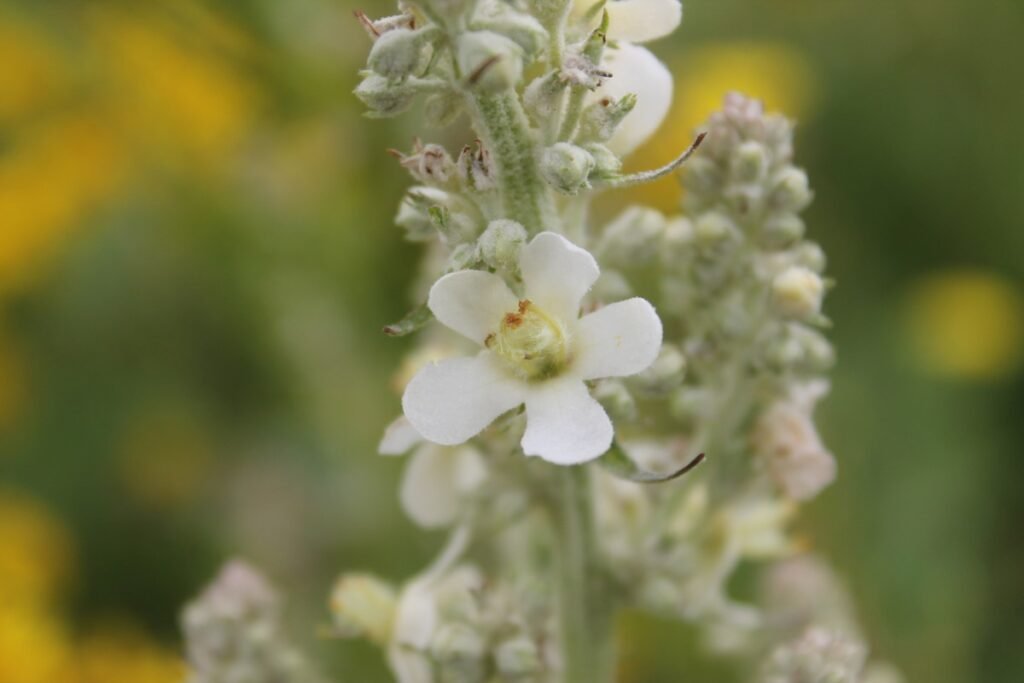
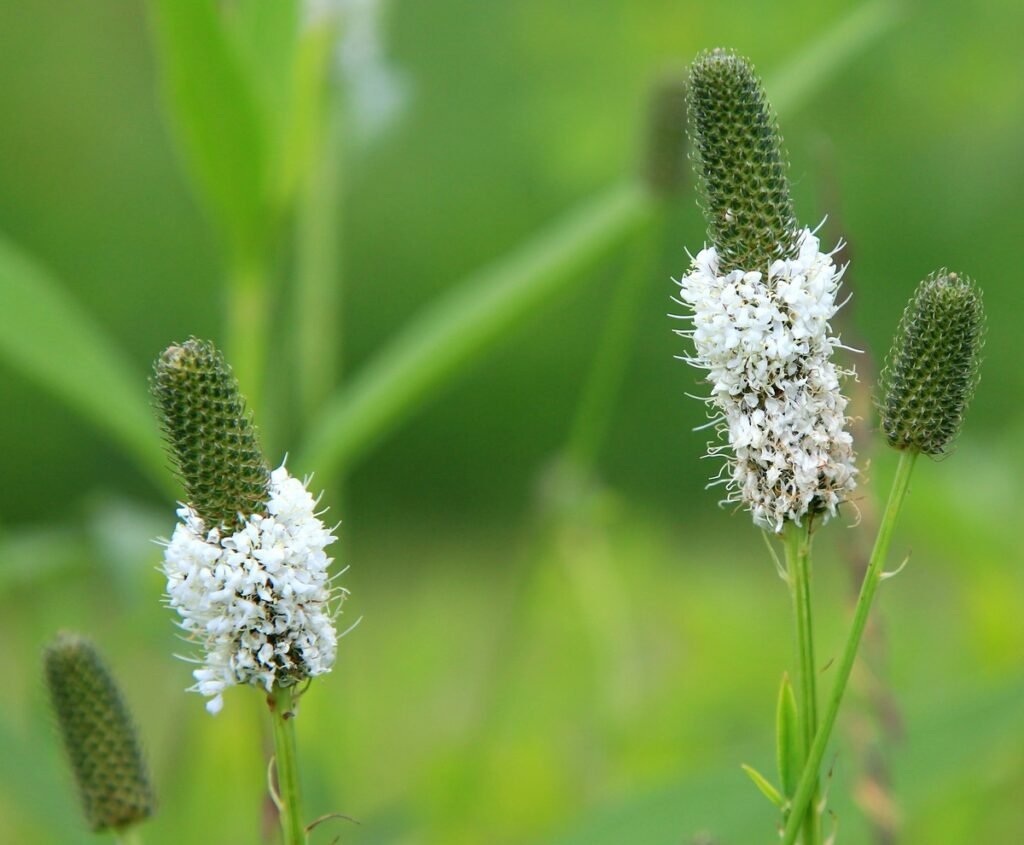
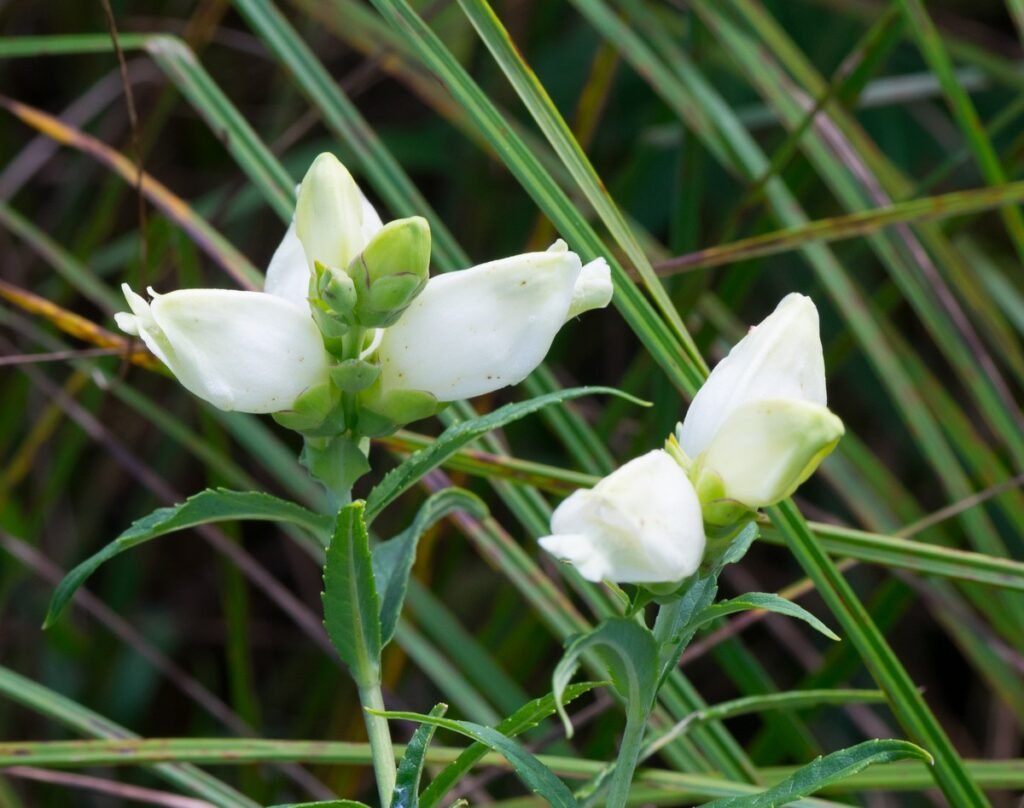
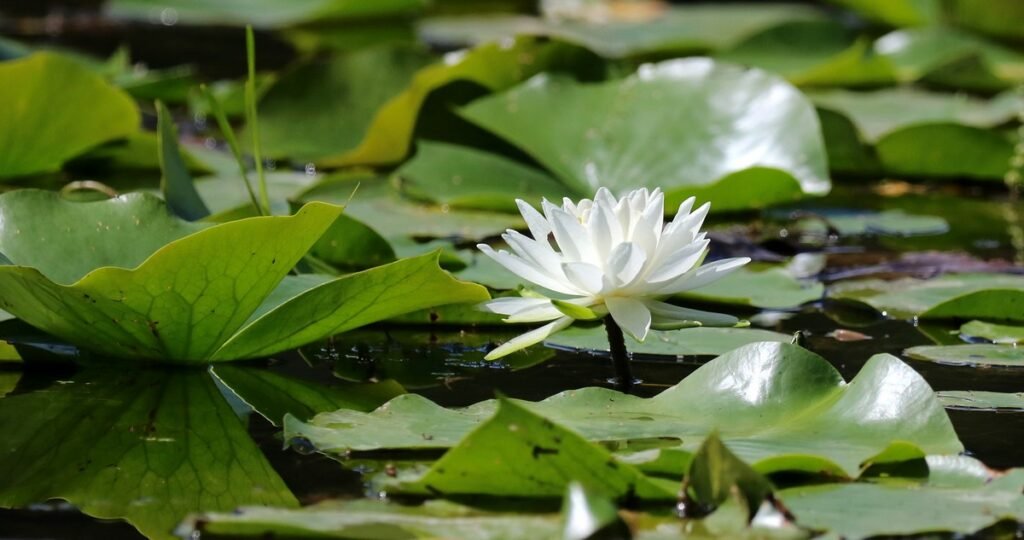
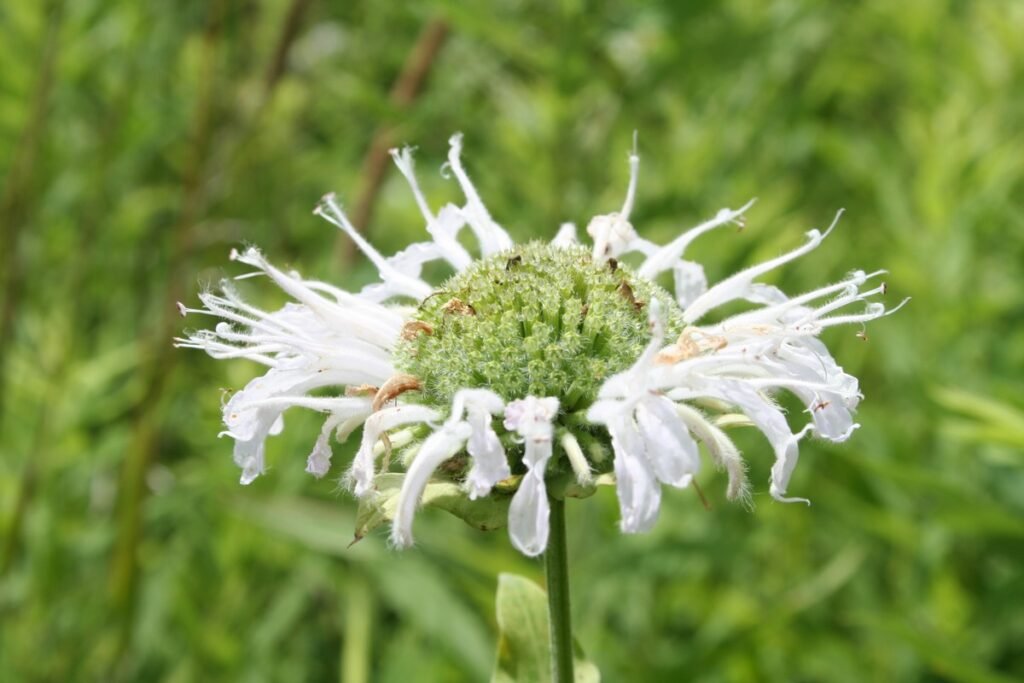
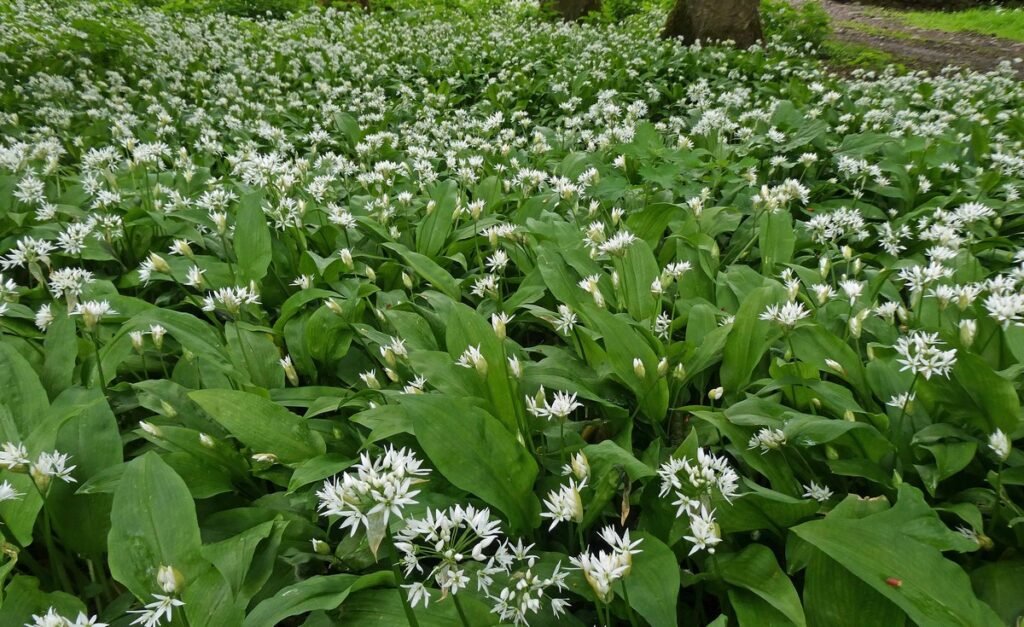
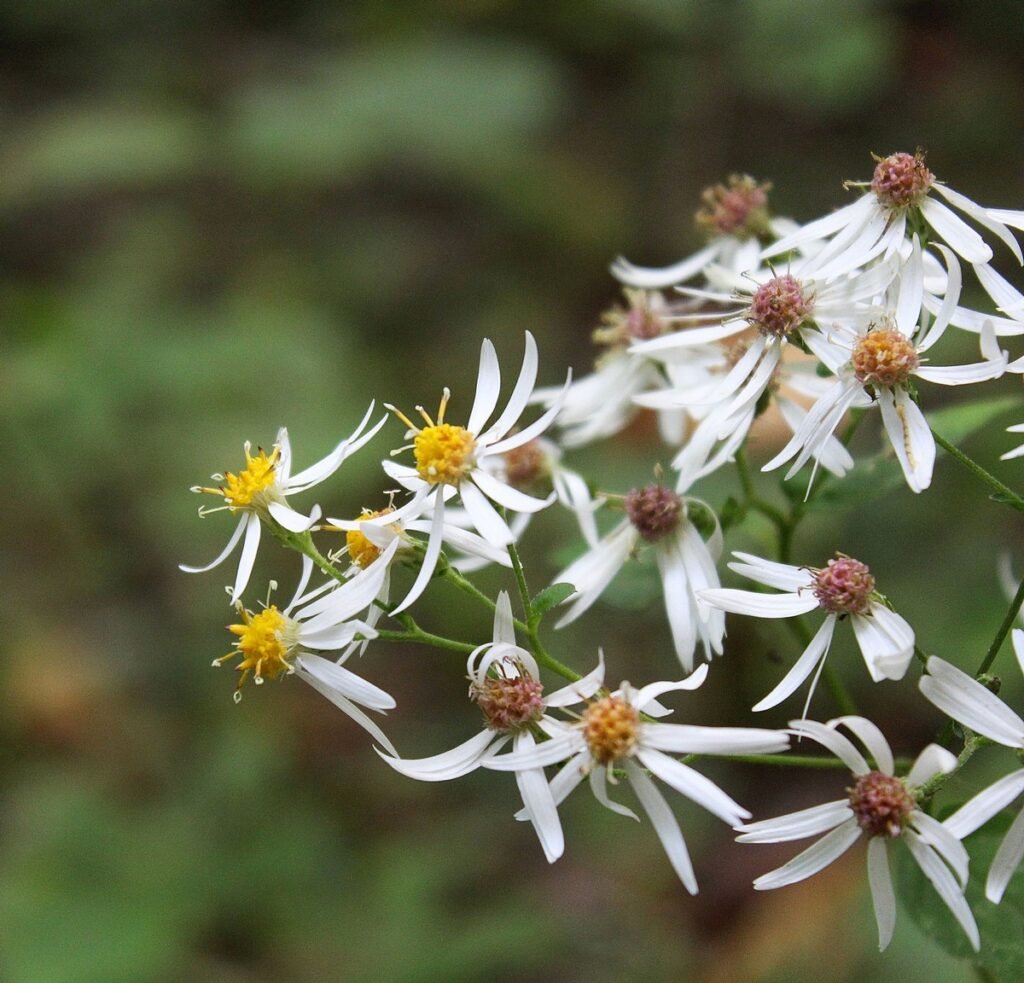
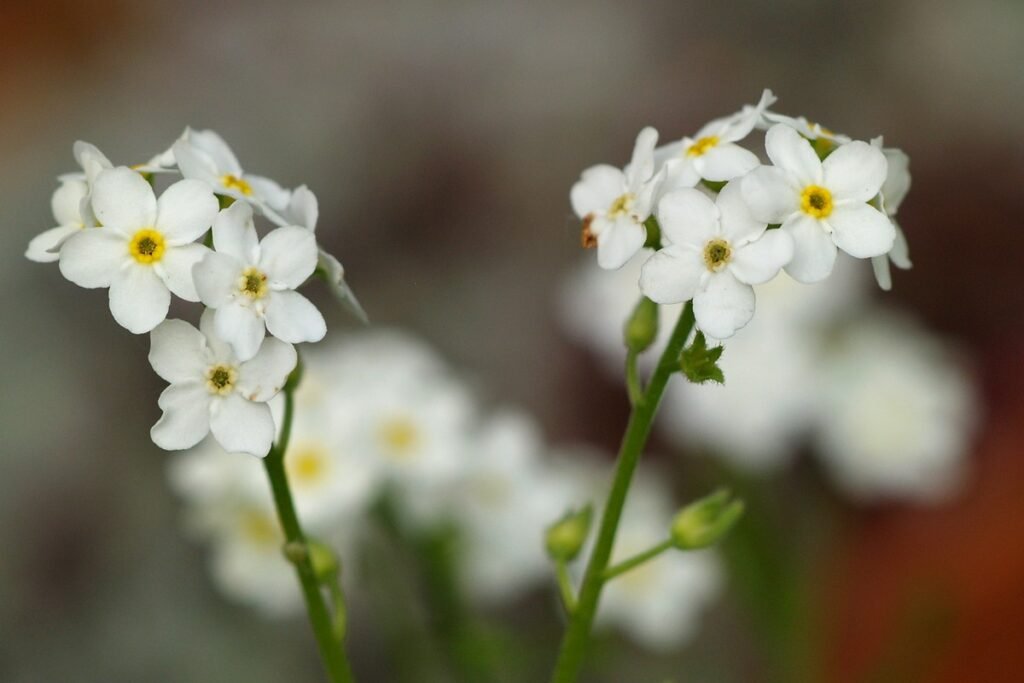
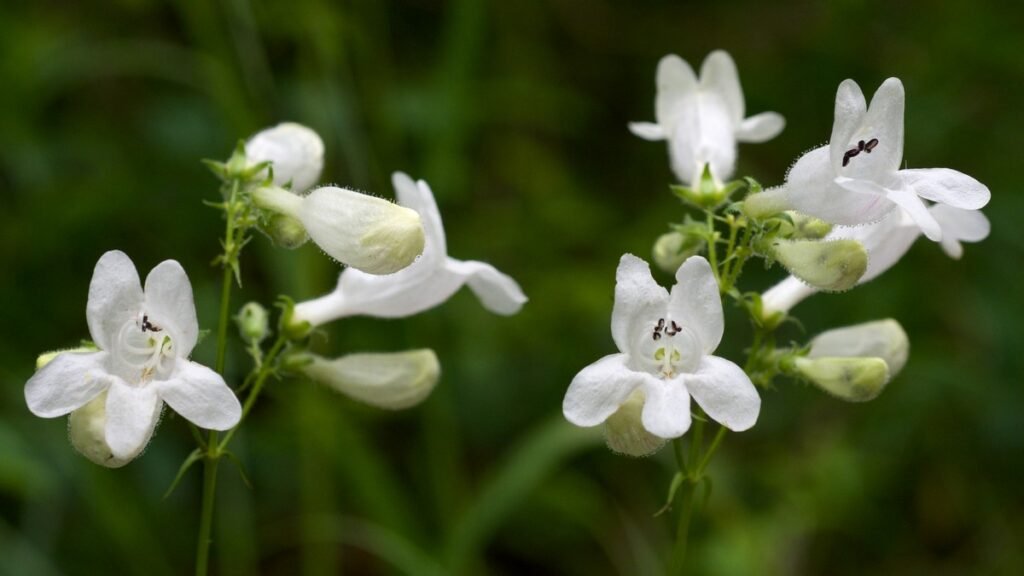
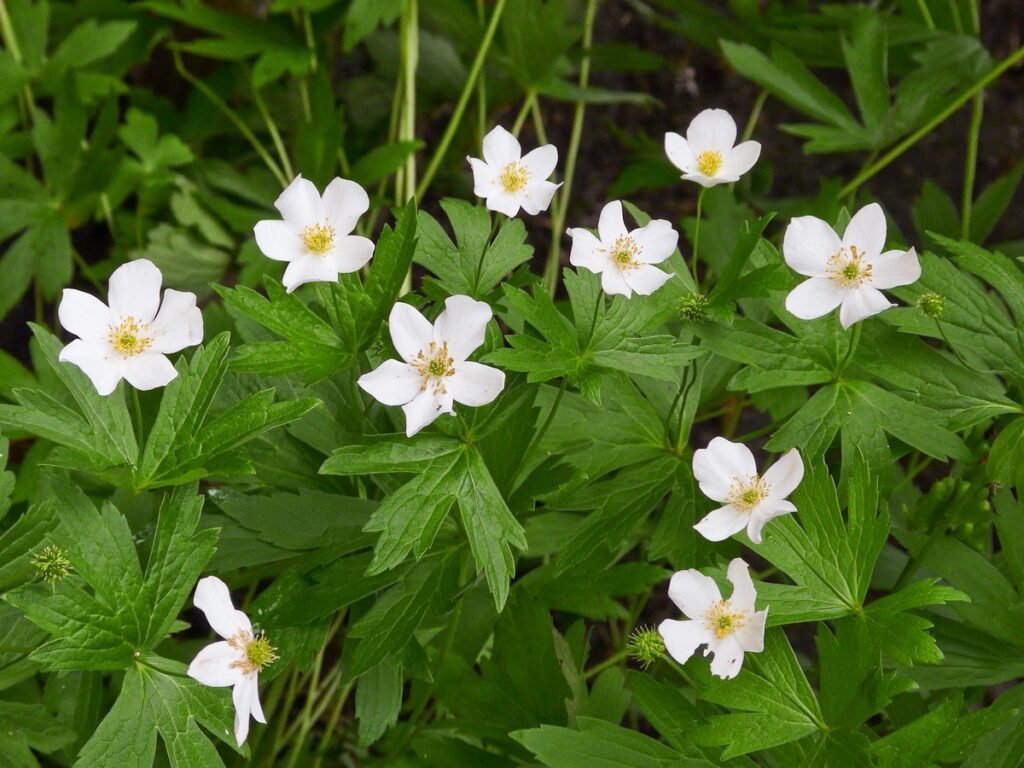
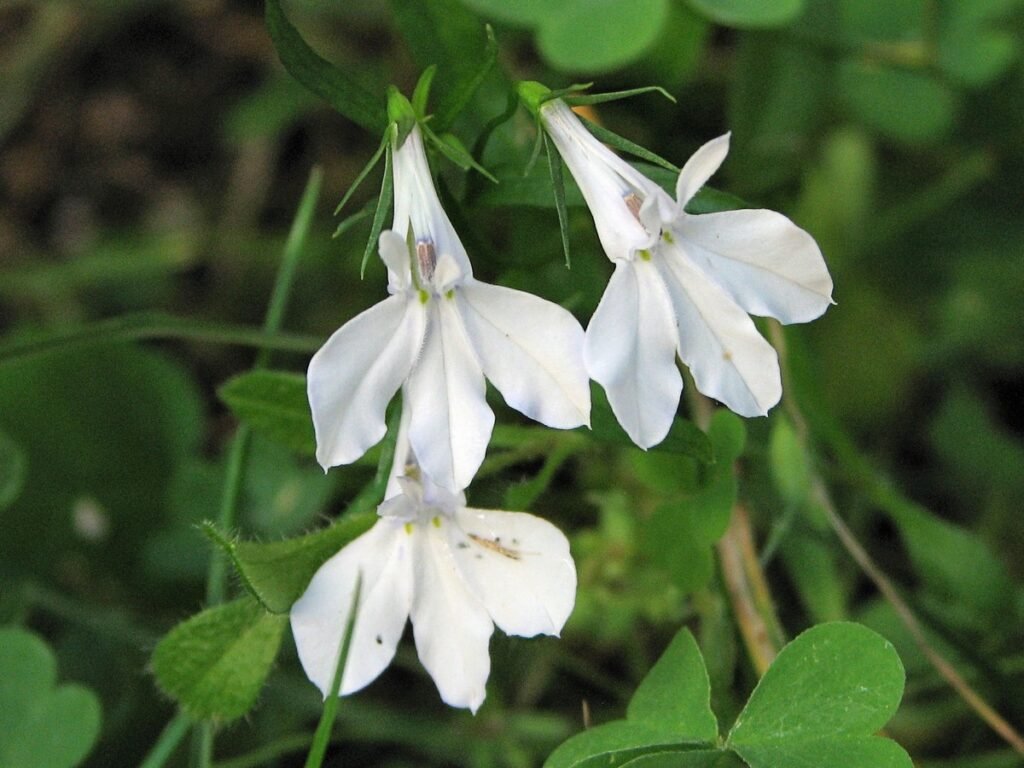
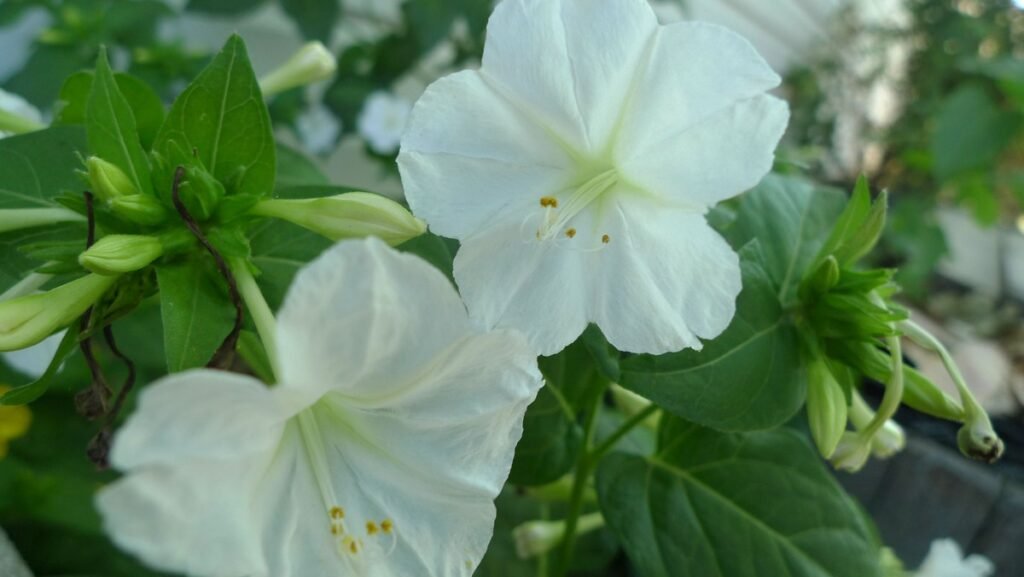
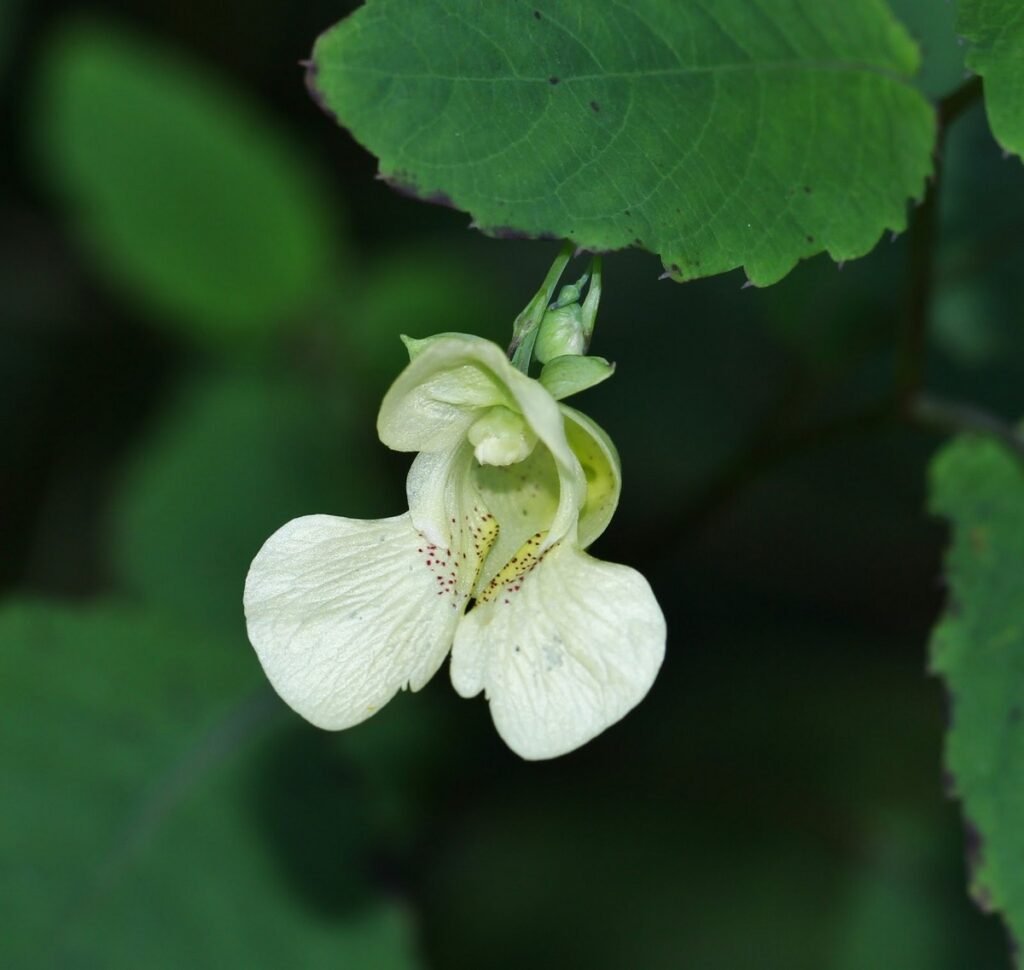
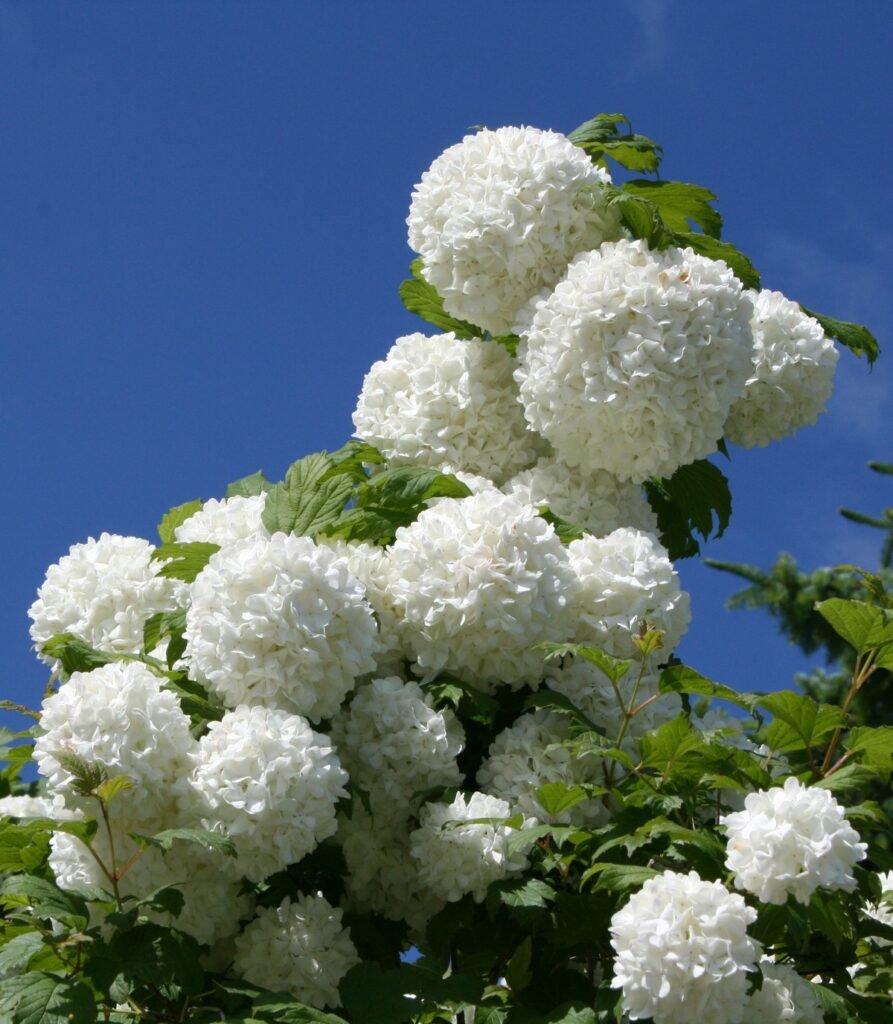
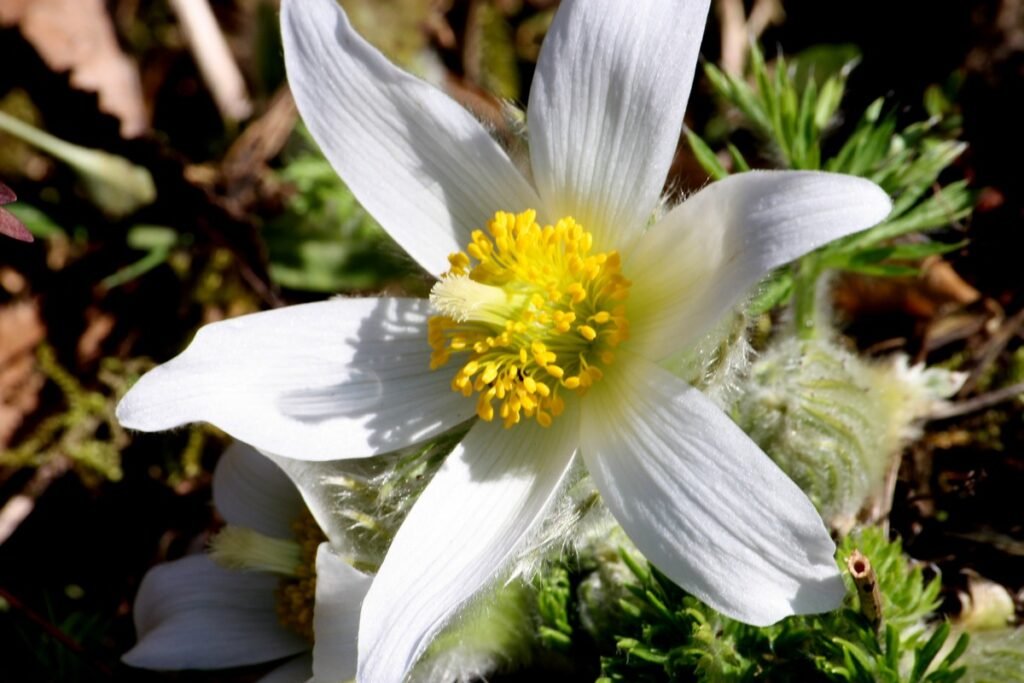
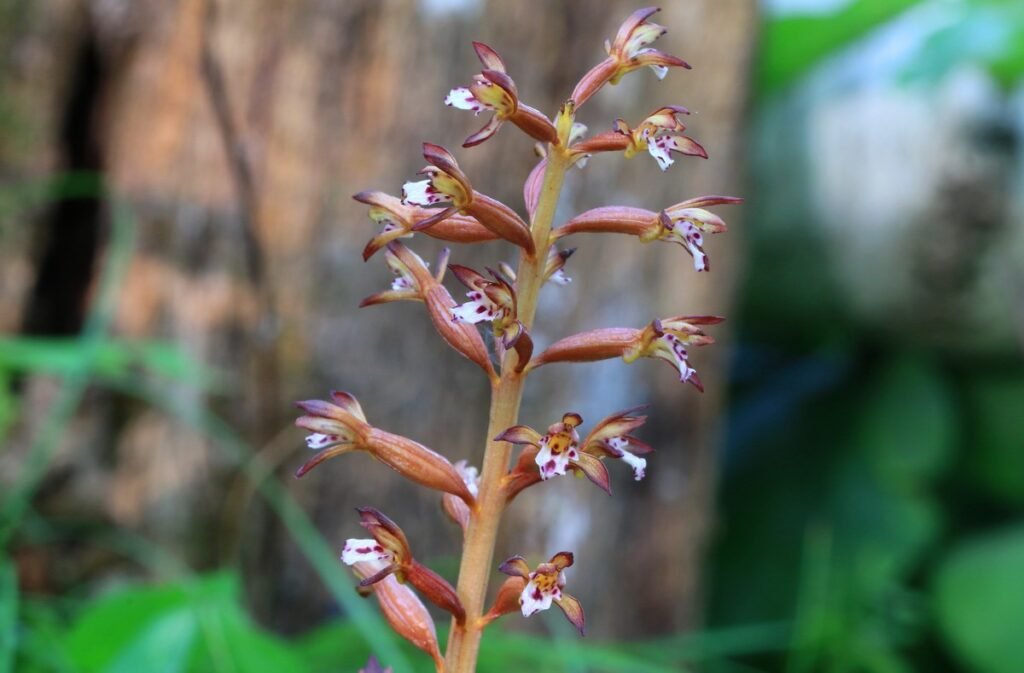
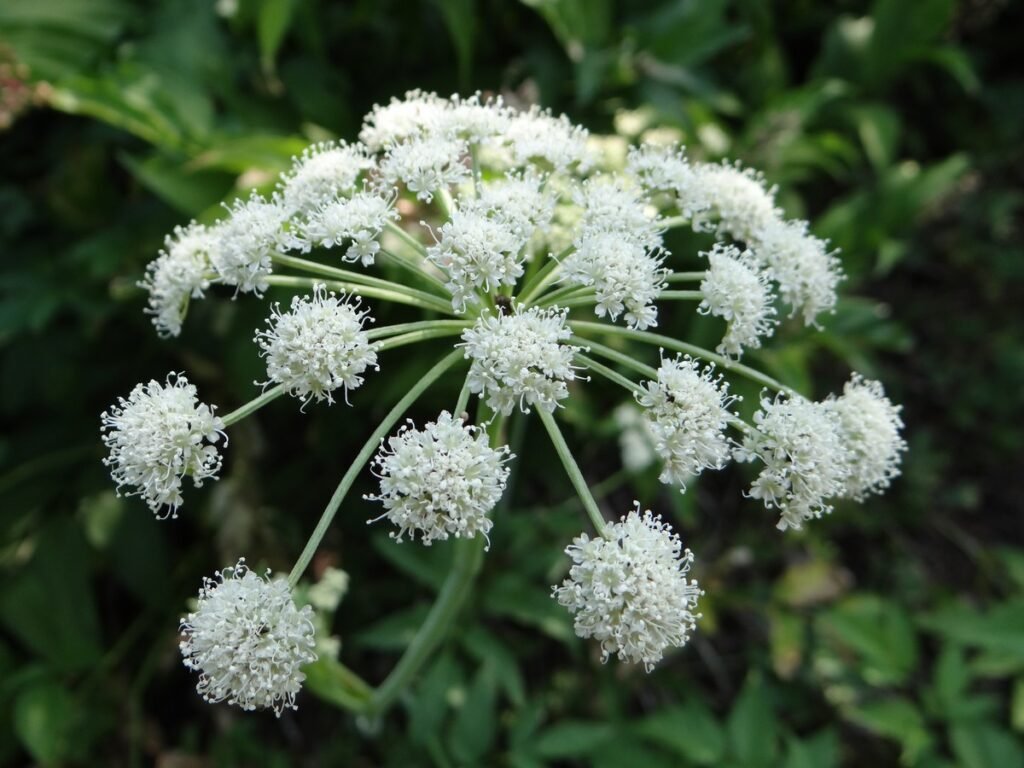
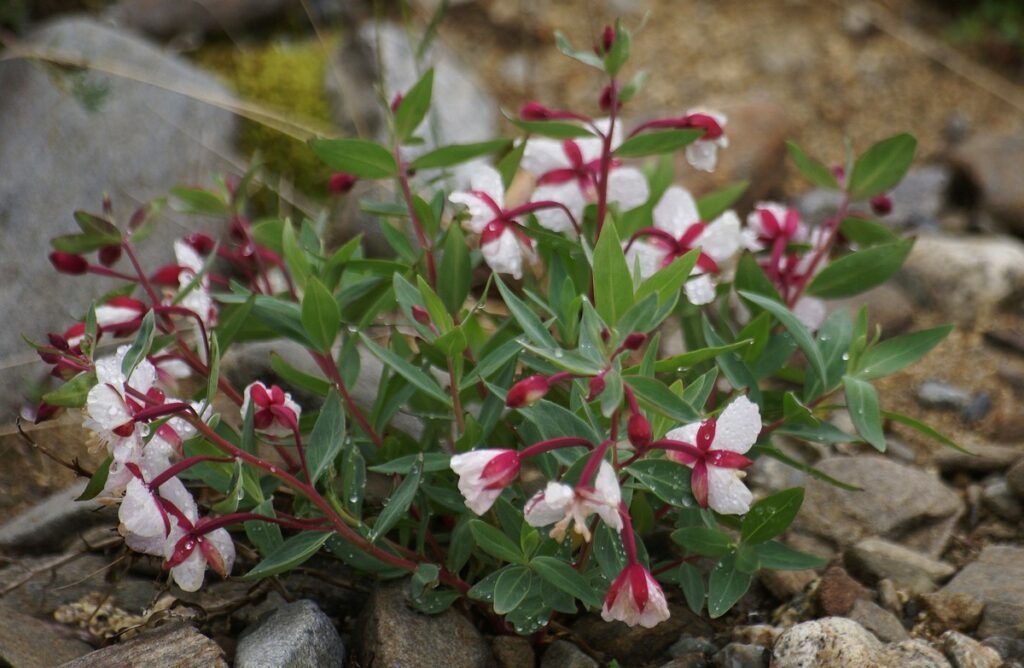
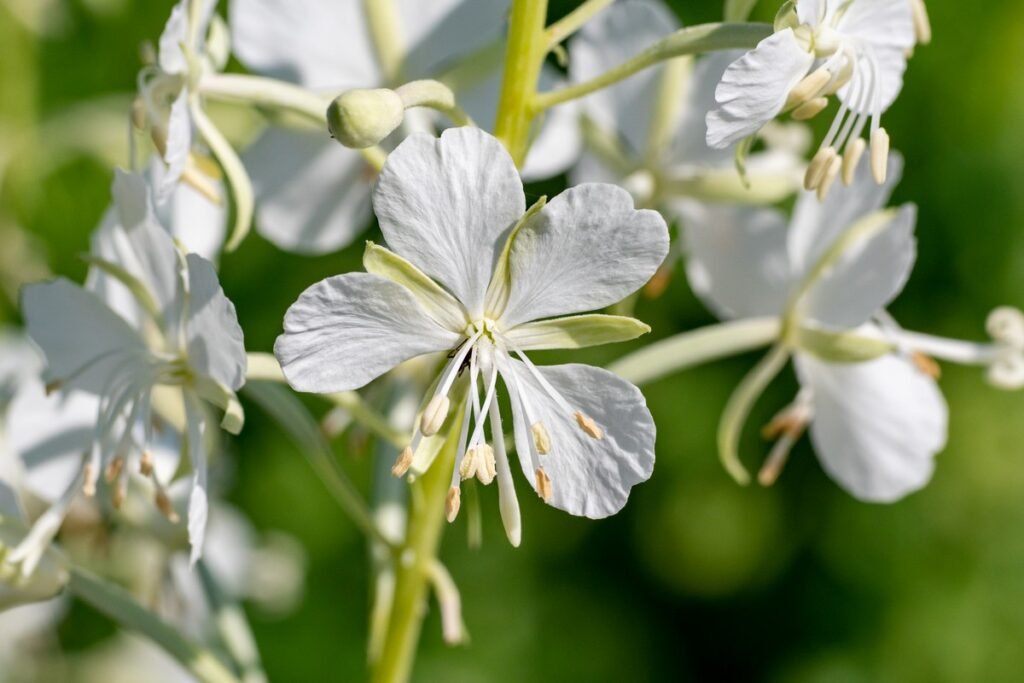
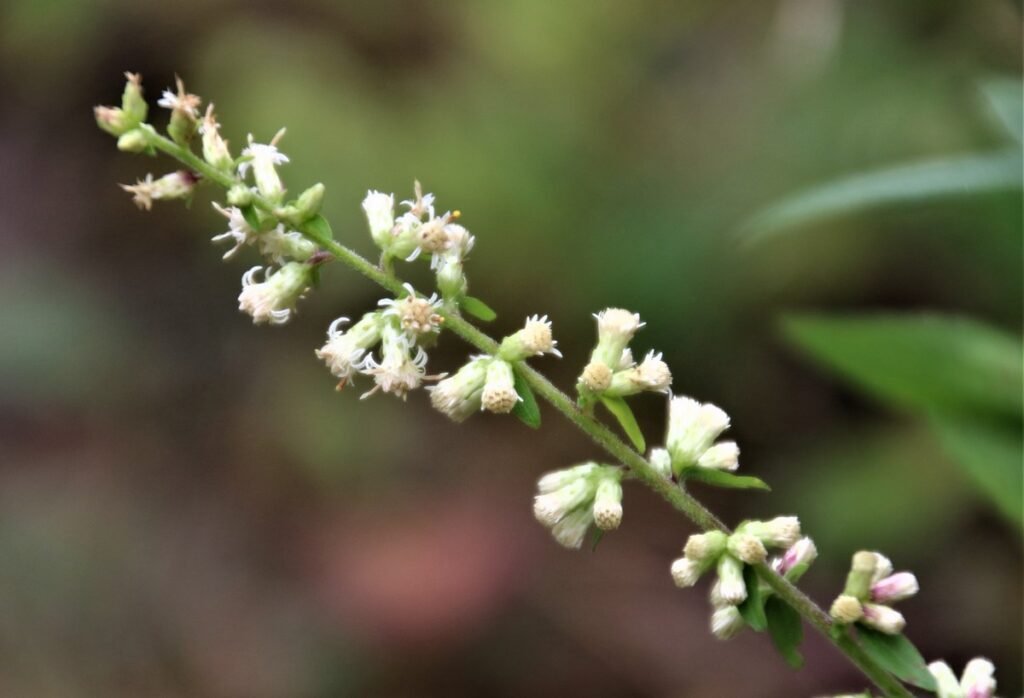
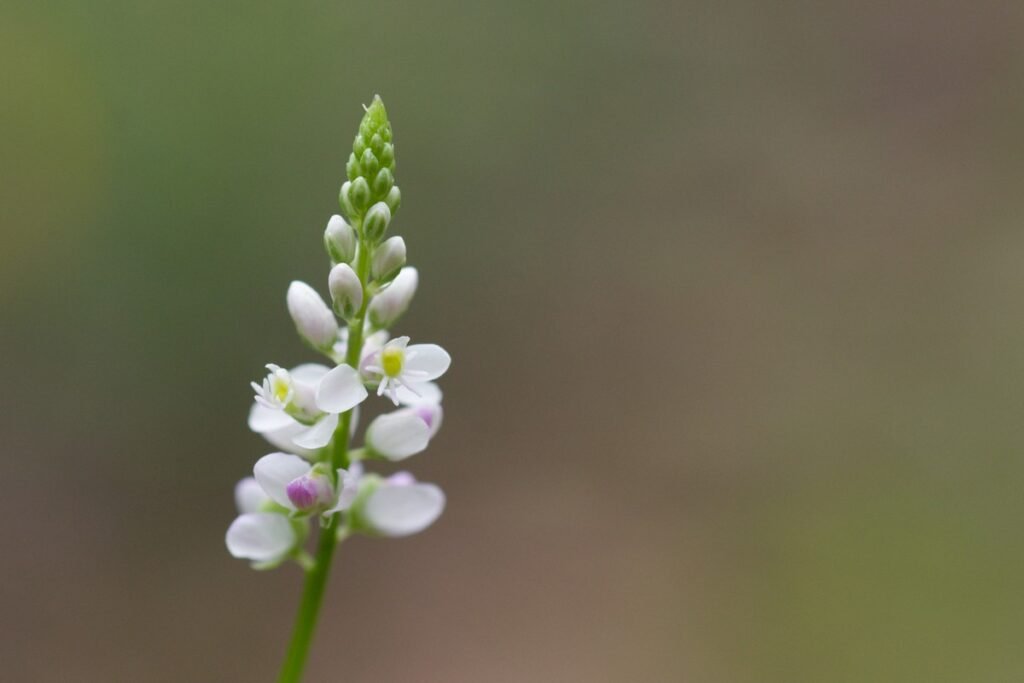
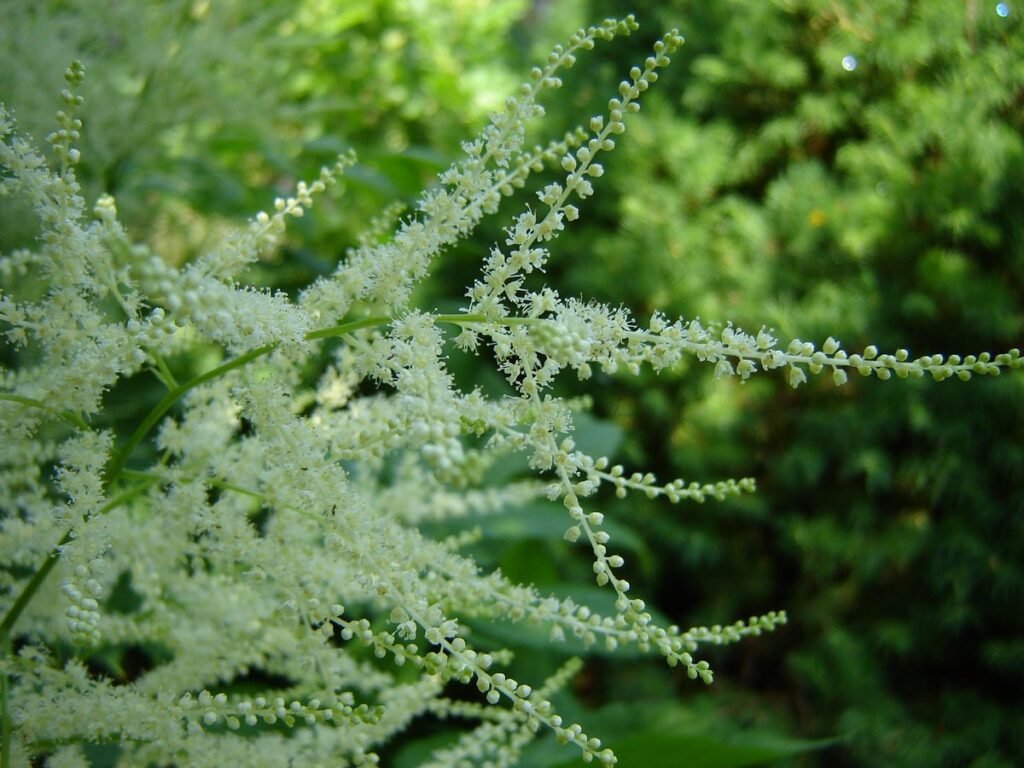
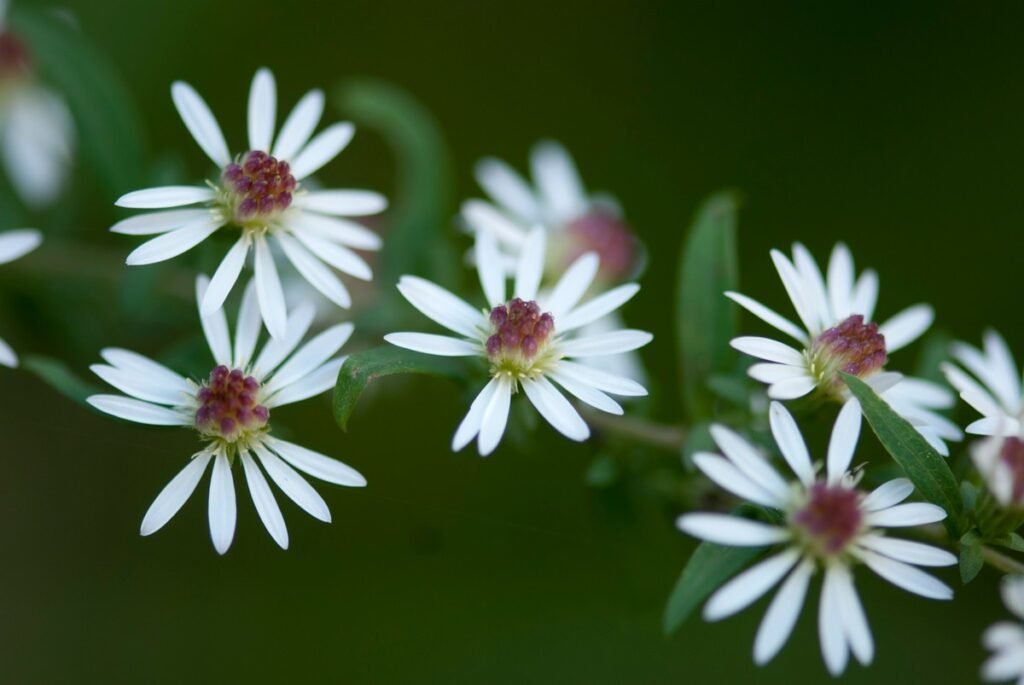
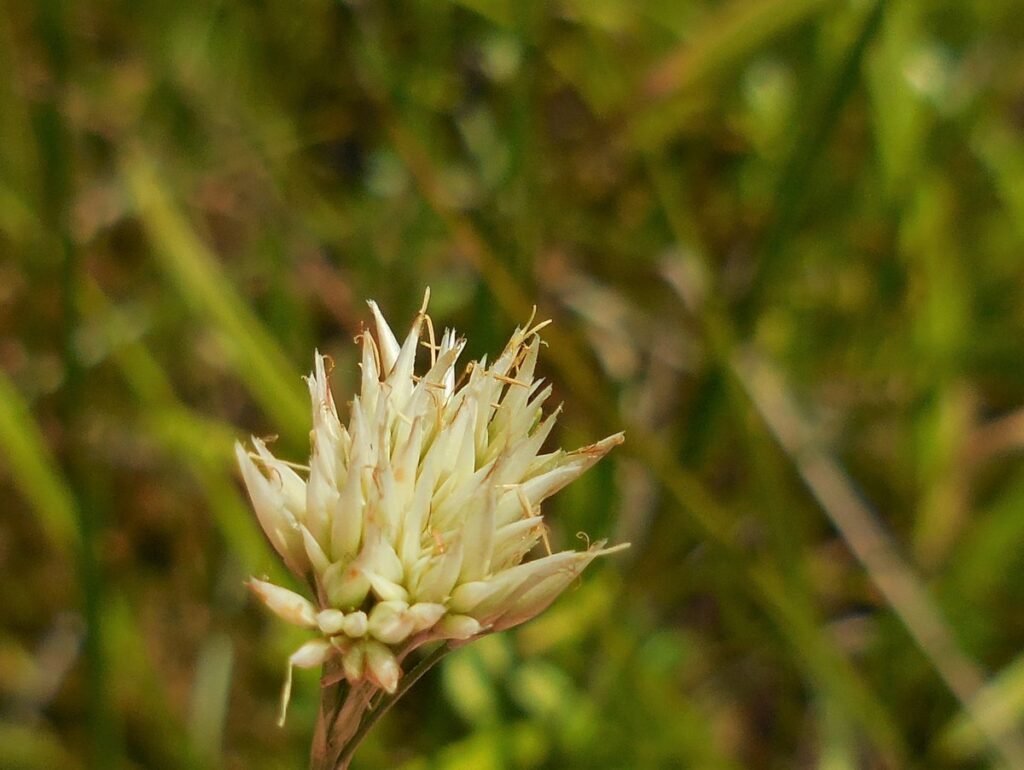
Another white wildflowers




Symbolism and Significance of White Wildflowers
White wildflowers have long been featured in various artworks, literature, and poetry throughout history. They are often associated with purity, innocence, and new beginnings. In different cultures, they have different symbolic meanings, but they are generally regarded as a symbol of hope, peace, and spirituality.
In art and literature, white wildflowers have been used to evoke a sense of purity, innocence, and beauty. They are often featured in paintings, sculptures, and other forms of art to represent the beauty of nature. In poetry, they are often used as a metaphor for the purity of love or the beauty of life.
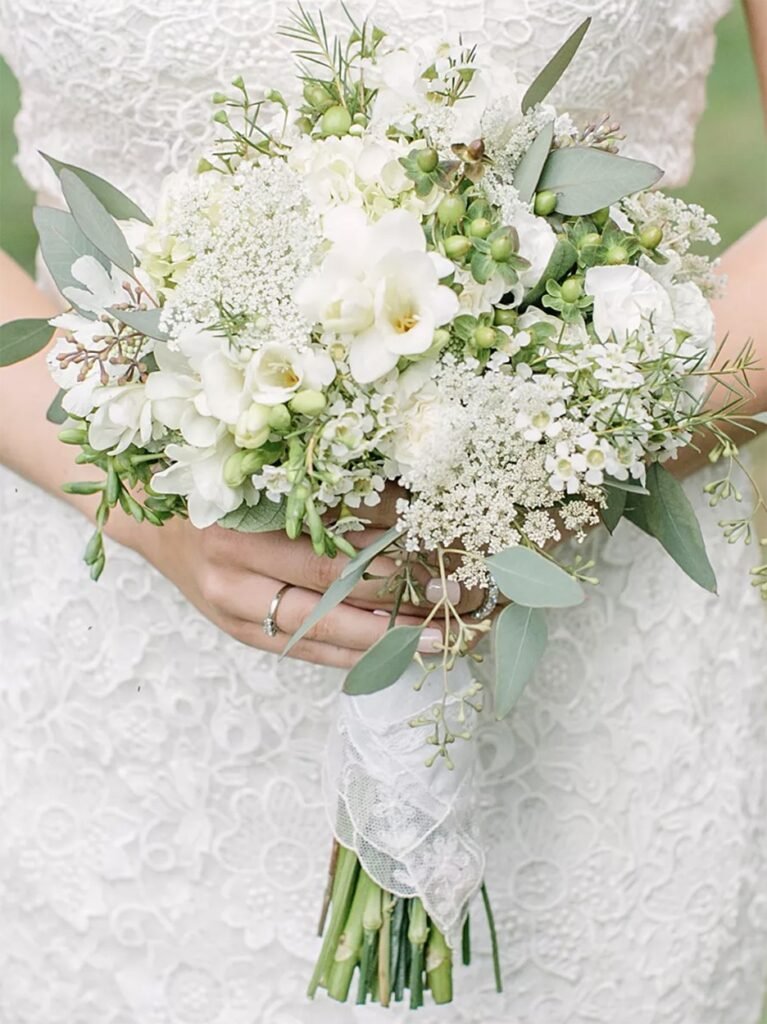
In floral arrangements, white wildflowers are often used for weddings and other special occasions. They are a popular choice for bridal bouquets, centerpieces, and other decorations because they represent purity and new beginnings. They are also a popular choice for sympathy arrangements because they represent peace and hope.
White wildflowers also have traditional medicinal uses in different cultures. Some of them were historically used for their healing properties and rituals. For example, the white yarrow was used by Native Americans for its antiseptic and pain-relieving properties. The white camomile was used by ancient Egyptians for its calming and soothing properties.
In conclusion, white wildflowers have many symbolic and cultural significances. They are a beautiful and meaningful addition to any artwork, literature, or floral arrangement. They have been used for centuries for their healing properties and are still used today in traditional medicine.
Famous White Wildflower Gardens
Visiting gardens filled with white wildflowers is a great way to appreciate the beauty of nature. Here are some famous gardens that are known for their stunning displays of white wildflowers:
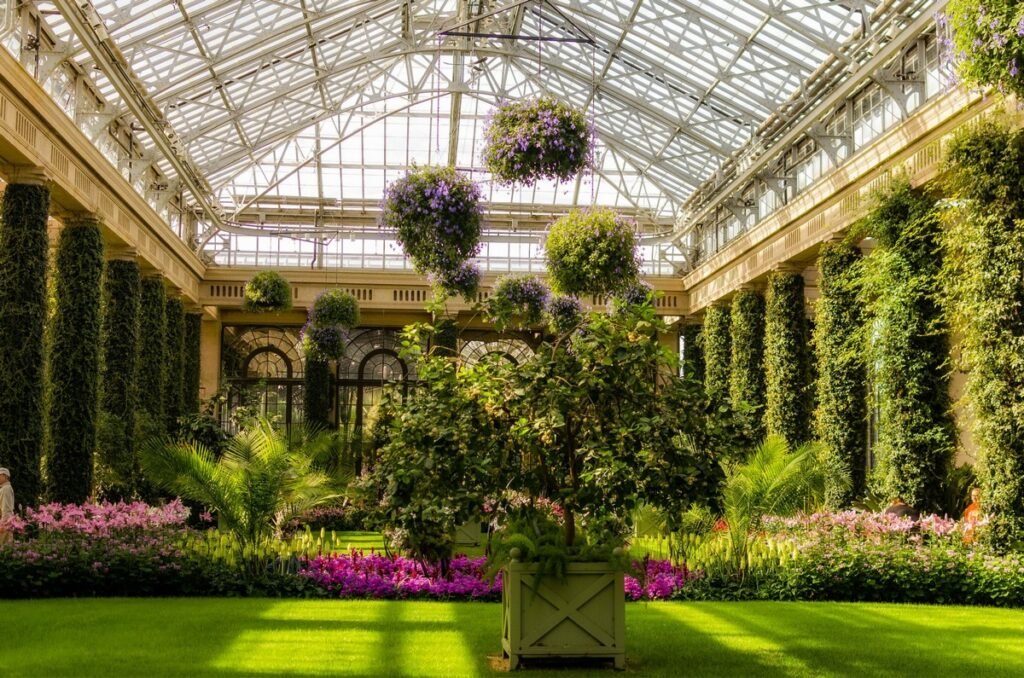
Longwood Gardens
Located in Pennsylvania, Longwood Gardens is a botanical garden that features over 1,000 acres of gardens, woodlands, and meadows. The garden has a wide variety of white wildflowers, including white coneflowers, white phlox, and white asters. The garden also has a conservatory that features tropical white orchids.
Butchart Gardens
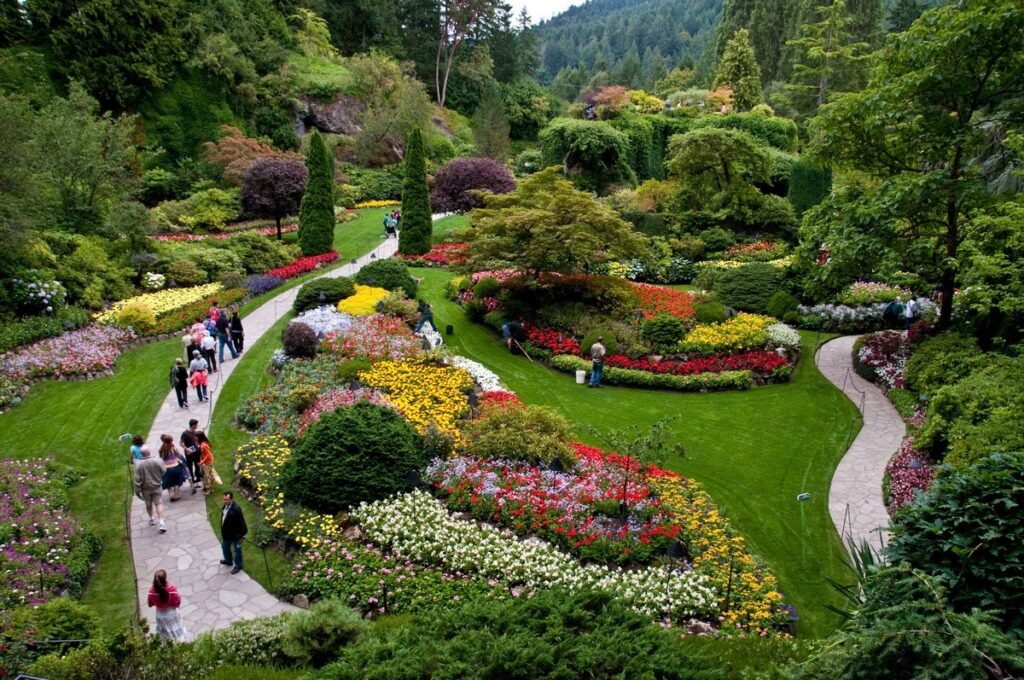
Butchart Gardens is located in Victoria, British Columbia and is known for its stunning displays of flowers. The garden has a variety of white wildflowers, including white tulips, white daffodils, and white hyacinths. The garden also has a rose garden that features white roses.
Keukenhof Gardens
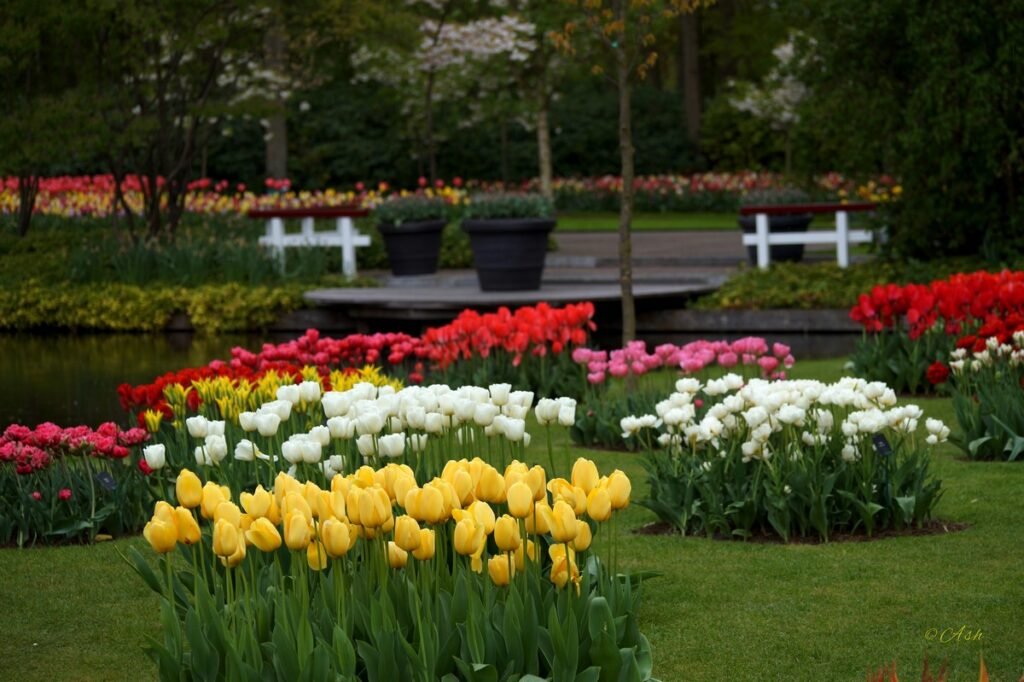
Located in Lisse, Netherlands, Keukenhof Gardens is known for its beautiful displays of tulips. The garden has over 7 million bulbs planted each year, including many white tulips. The garden also has a variety of other white wildflowers, including white daffodils and white hyacinths.
The White Garden at Sissinghurst Castle
The White Garden at Sissinghurst Castle in Kent, England is a famous garden that features only white flowers. The garden has a variety of white wildflowers, including white lupines, white peonies, and white roses. The garden is designed to be in bloom from May to September.
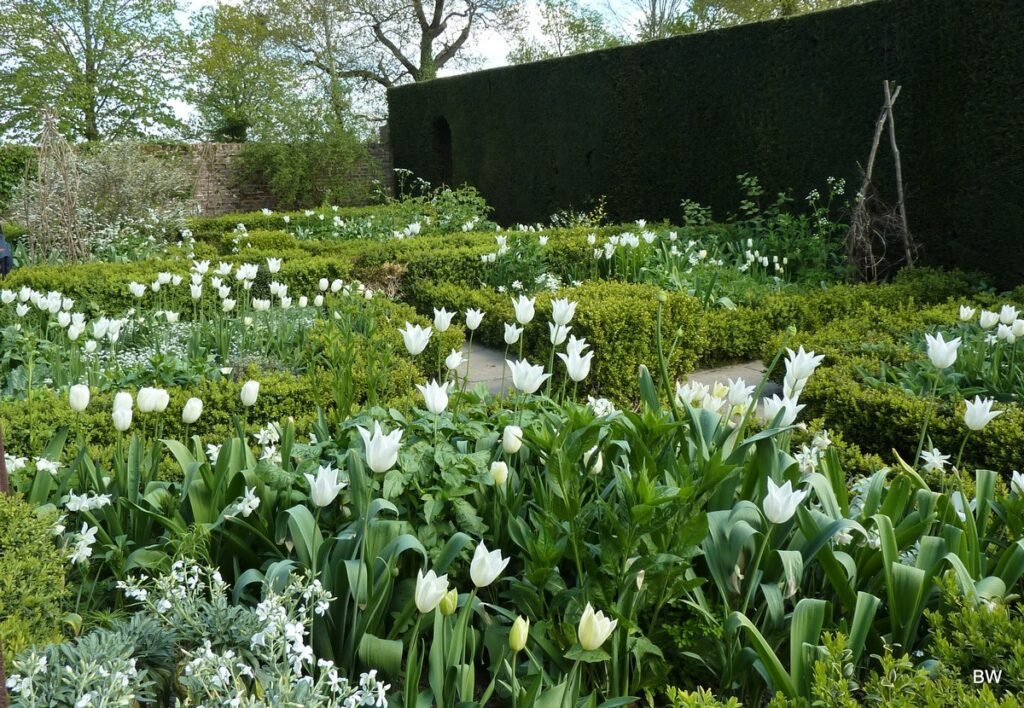
Visiting these famous gardens is a great way to see a variety of white wildflowers in bloom. Whether you are a nature lover or just looking for a peaceful place to relax, these gardens are sure to impress.
Conclusion
As I conclude this article about white wildflowers, I am reminded of the beauty and significance of these delicate plants. White wildflowers are not only visually stunning but also play a vital role in the ecosystem.
Throughout this post, we have discussed various aspects of white wildflowers, including identification, names, and types. We have also explored the importance of these plants in nature and culture.
White wildflowers are often associated with purity, innocence, and new beginnings. They are commonly found in fields, woodlands, and gardens. Some of the most common white wildflowers include daisies, lilies, and chamomile.
Growing white wildflowers in your garden can attract pollinators and provide a serene and peaceful atmosphere. These plants also have medicinal properties and can be used to treat various ailments.
In conclusion, I encourage you to appreciate and grow white wildflowers. These plants are not only beautiful but also essential to the environment. Let us do our part in preserving and supporting these delicate and valuable plants.