
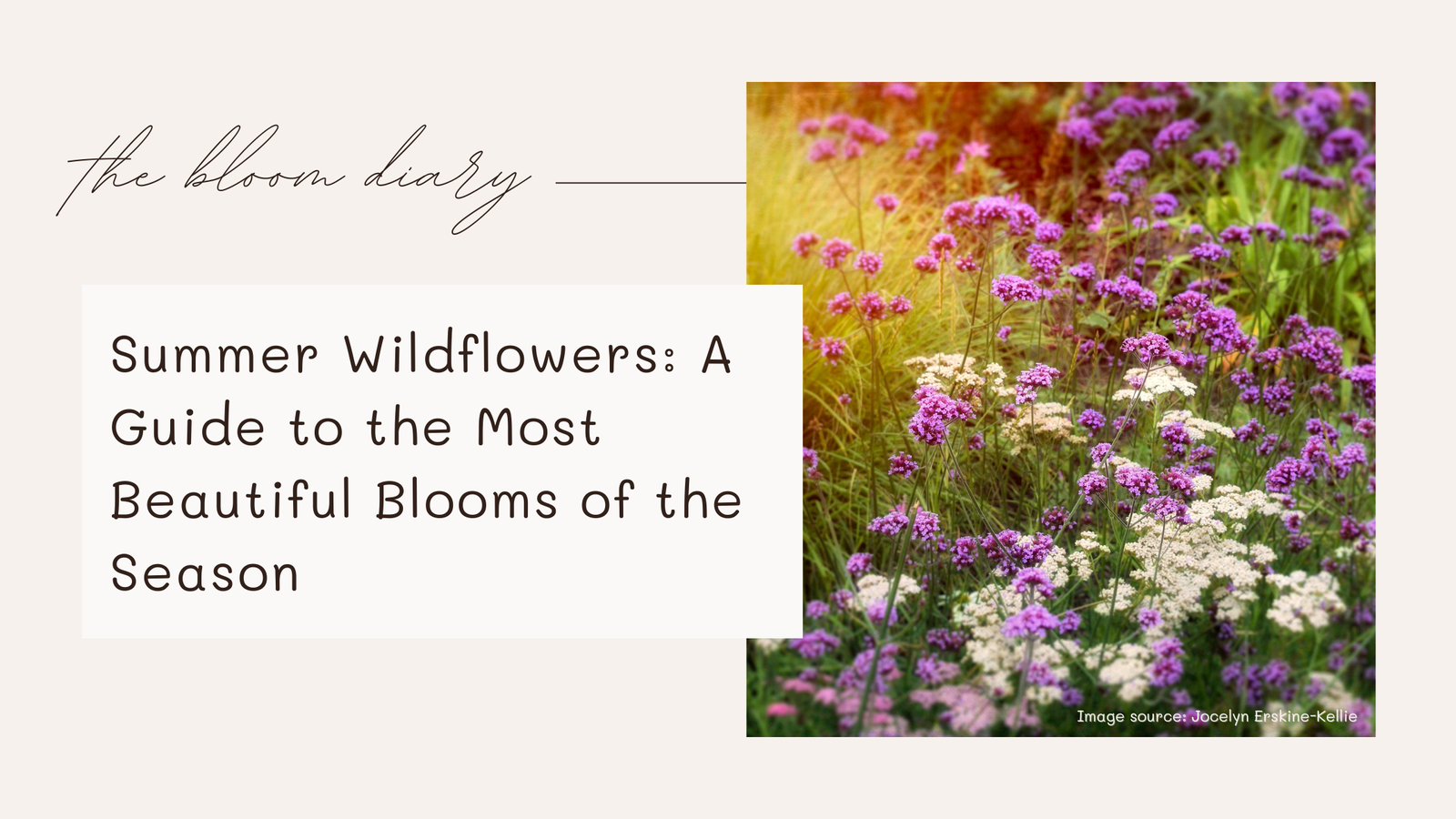
As I take a stroll through the countryside during the summer months, I can’t help but be captivated by the vibrant colors and fragrances of the wildflowers that surround me. These beautiful blooms are a true testament to the beauty of nature and the changing seasons. From the delicate petals of the daisy to the bold and bright hues of the sunflower, summer wildflowers are a sight to behold.
One of the most fascinating things about summer wildflowers is their ability to thrive in even the harshest of conditions. From dry, rocky terrain to lush, green fields, these hardy plants can be found in a variety of environments. They are a true symbol of resilience and perseverance, and a reminder that even the smallest things in nature can have a profound impact on our world. So, whether you’re an avid gardener or simply a lover of the great outdoors, take some time this summer to appreciate the beauty and wonder of wildflowers.
What are Summer Wildflowers?
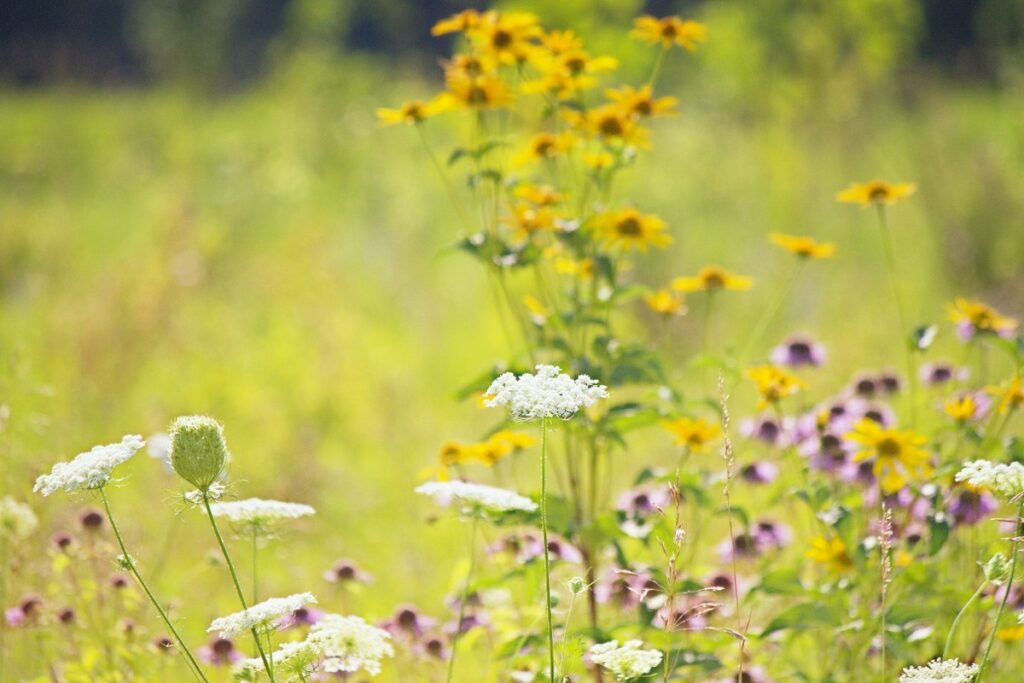
Summer wildflowers are a diverse group of plants that bloom during the warmest season of the year. These flowers are an essential part of the natural ecosystem, contributing to biodiversity, providing food and habitat for insects, birds, and other wildlife, and adding beauty to landscapes during the summer season.
During the summer, the warm weather and longer daylight hours create ideal conditions for wildflowers to grow and thrive. These flowers come in a wide range of colors, shapes, and sizes, and can be found in a variety of habitats, including meadows, fields, forests, and wetlands.
Some of the most common summer wildflowers include sunflowers, black-eyed Susans, coneflowers, asters, and goldenrods. These flowers are known for their vibrant colors and unique shapes, and they are often used in gardens and landscaping to add color and interest to outdoor spaces.
In addition to their aesthetic value, summer wildflowers play an important role in the natural ecosystem. They provide food and shelter for a variety of insects, including bees, butterflies, and moths, which are essential for pollinating other plants. They also provide habitat for birds and other wildlife, helping to maintain biodiversity in the ecosystem.
Overall, summer wildflowers are an important and beautiful part of the natural world. Whether you are a gardener, a nature enthusiast, or simply someone who enjoys the beauty of the outdoors, these flowers are sure to bring joy and inspiration during the summer season.
Popular Summer Wildflowers
Bishop’s Flower
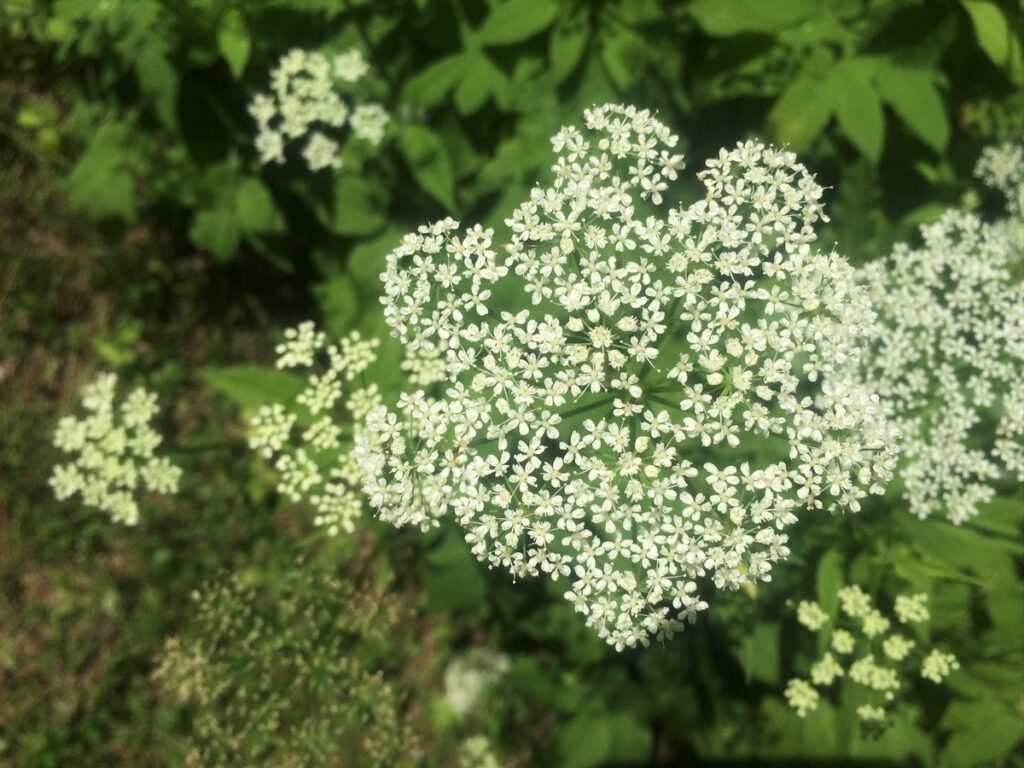
Bishop’s Flower, also known as Ammi majus, is a beautiful white wildflower that blooms all summer long. It grows up to 3 feet tall and prefers full sun to partial shade. Bishop’s Flower is a great addition to any garden as it attracts a variety of pollinators, including bees and butterflies. It is also deer-resistant and easy to grow. USDA zones 3-9.
Borage
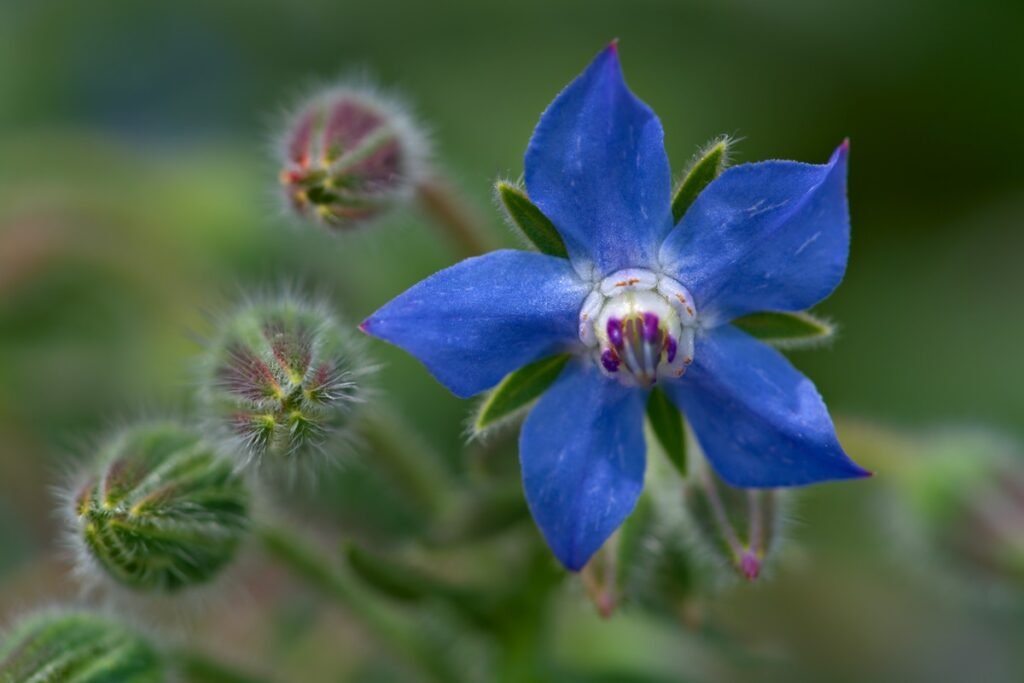
Borage, also called Borago officinalis, is a stunning blue wildflower that blooms from early summer to fall. It grows up to 2 feet tall and prefers full sun. Borage is not only visually appealing but also edible. Its leaves and flowers are used in salads and teas. It attracts bees and other pollinators, making it a great addition to any garden. USDA zones 6-10.
Pot Marigold ‘Pacific Beauty’
Pot Marigold ‘Pacific Beauty’ Mix, also known as Calendula officinalis, is a colorful wildflower that blooms all summer long. It grows up to 2 feet tall and prefers full sun to partial shade. Pot Marigold ‘Pacific Beauty’ Mix is not only visually appealing but also has medicinal properties. Its petals are used in ointments and creams to soothe skin irritations. It attracts bees and other pollinators, making it a great addition to any garden. USDA zones 2-11.

China Aster Single
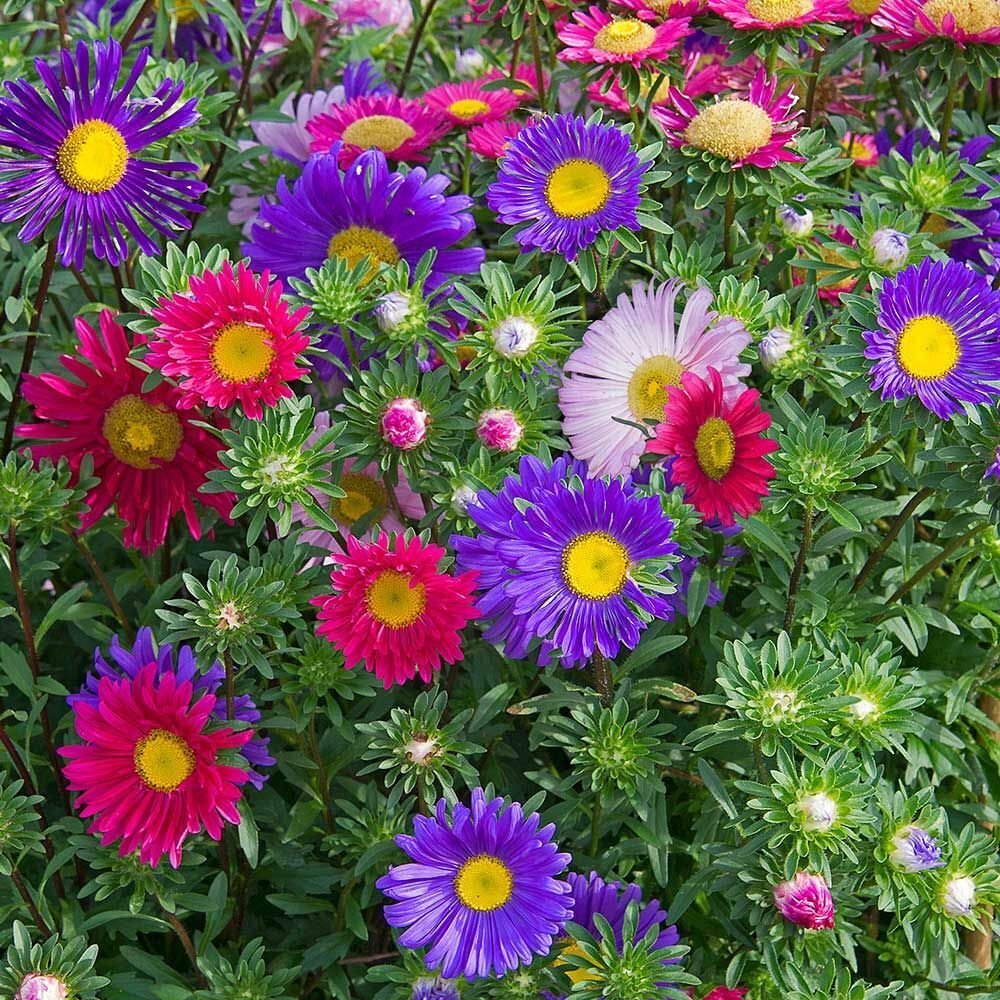
China Aster Single Mix, also called Callistephus chinensis, is a lovely wildflower that blooms from mid-summer to fall. It grows up to 3 feet tall and prefers full sun. China Aster Single Mix comes in a variety of colors, including pink, purple, blue, and white. It attracts bees and butterflies, making it a great addition to any garden. USDA zones 3-10.
Cornflower or Bachelor Button
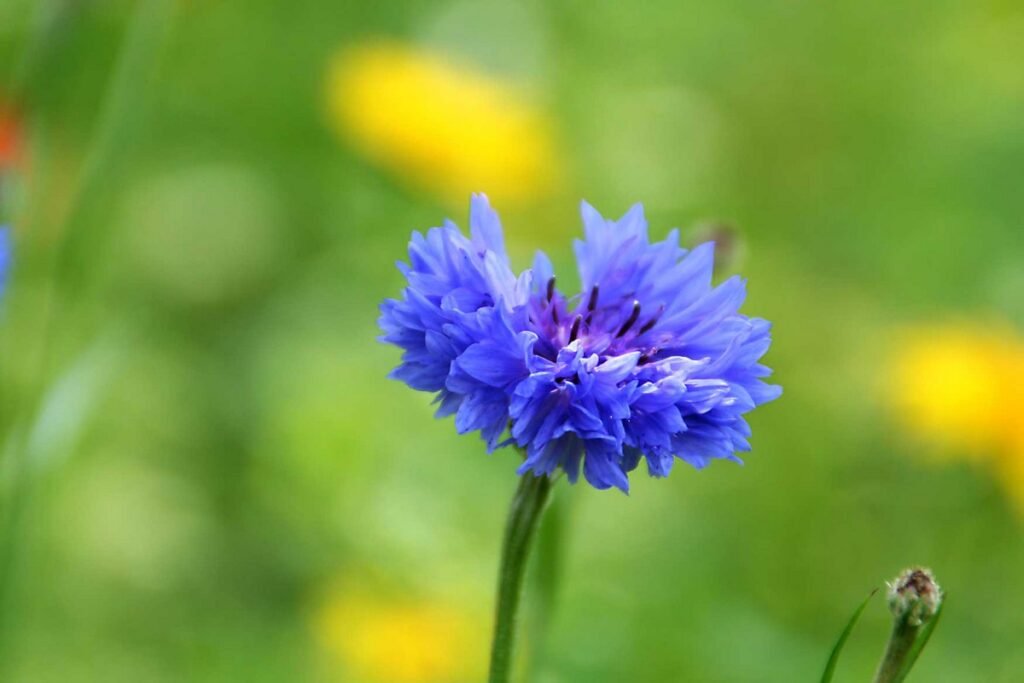
Cornflower or Bachelor Button, also known as Centaurea cyanus, is a charming blue wildflower that blooms from early summer to fall. It grows up to 3 feet tall and prefers full sun. Cornflower or Bachelor Button is easy to grow and attracts bees and butterflies. It is also deer-resistant, making it a great addition to any garden. USDA zones 2-11.
Partridge Pea
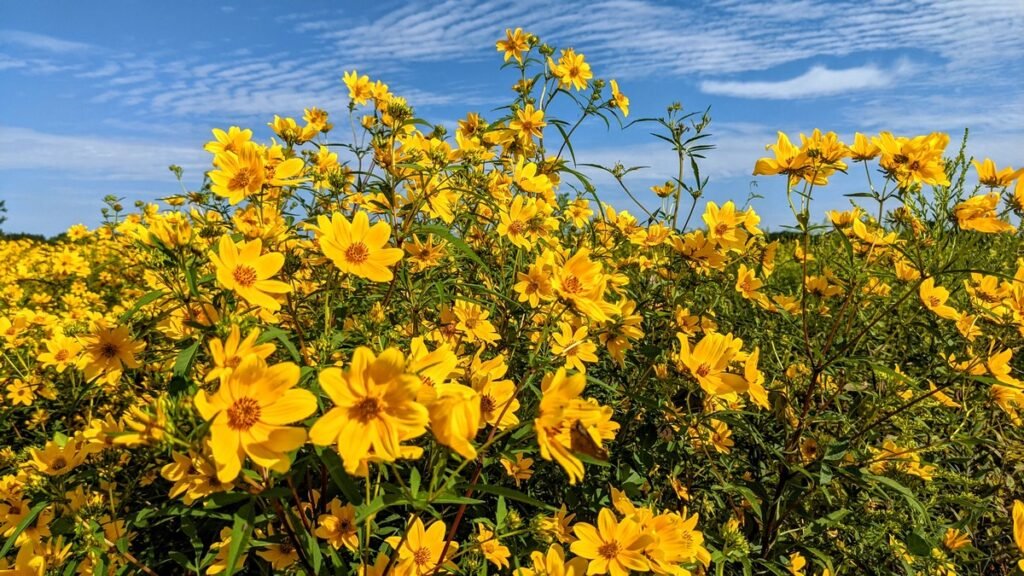
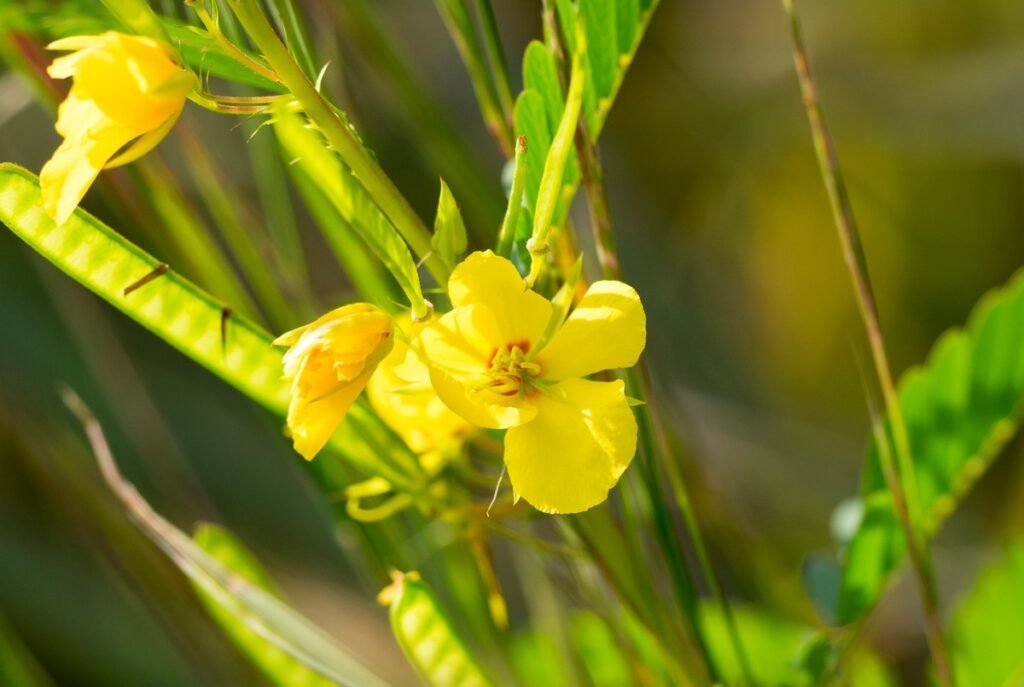
Partridge Pea, also called Chamaecrista fasciculata, is a beautiful yellow wildflower that blooms from mid-summer to fall. It grows up to 3 feet tall and prefers full sun. Partridge Pea is a great addition to any garden as it attracts a variety of pollinators, including bees and butterflies. It is also a host plant for the Cloudless Sulphur butterfly. USDA zones 4-9.
Siberian Wallflower
Siberian Wallflower, also known as Erysimum x allionii, is a vibrant orange wildflower that blooms from early summer to fall. It grows up to 2 feet tall and prefers full sun. Siberian Wallflower is easy to grow and attracts bees and butterflies. It is also deer-resistant, making it a great addition to any garden. USDA zones 4-9.
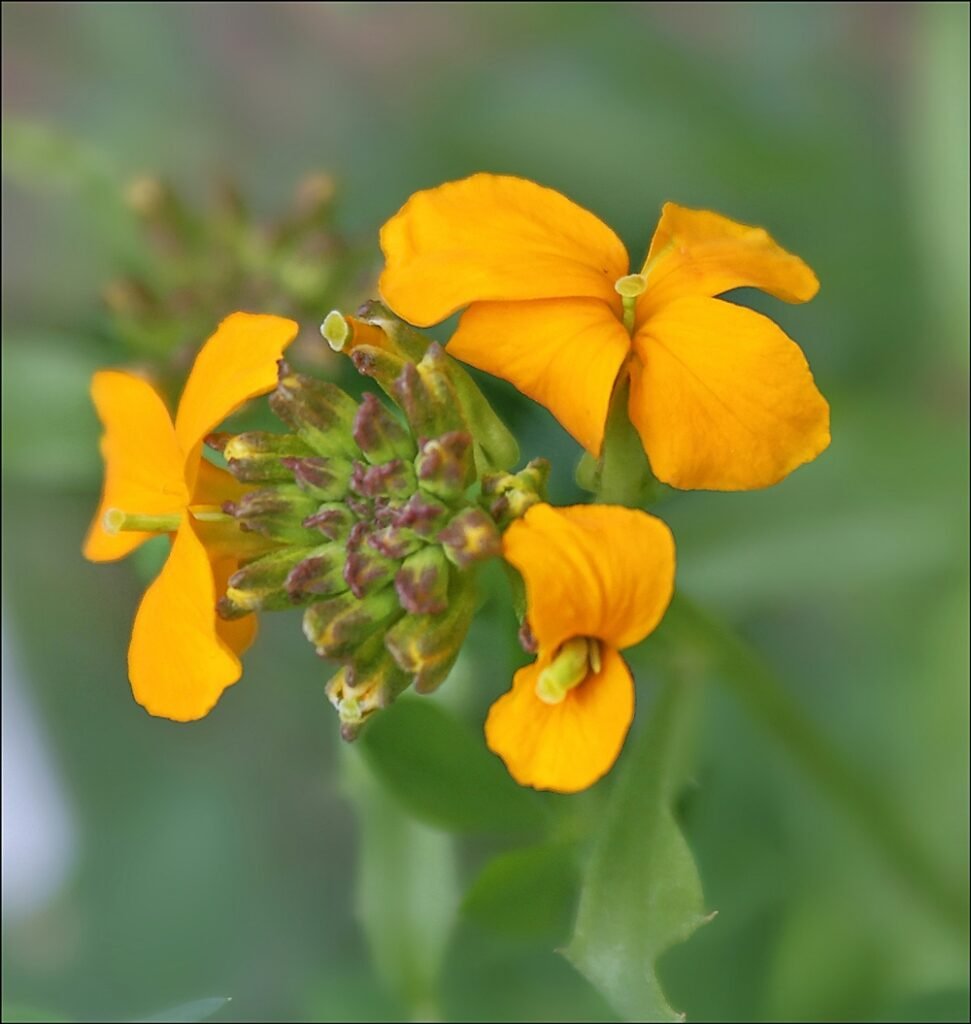
Garland Daisy
Garland Daisy, also called Chrysanthemum coronarium, is a lovely white wildflower that blooms from mid-summer to fall. It grows up to 2 feet tall and prefers full sun. Garland Daisy is not only visually appealing but also edible. Its leaves are used in salads and soups. It attracts bees and butterflies, making it a great addition to any garden. USDA zones 2-11.

Lance-Leaf Coreopsis
Lance-Leaf Coreopsis, also known as Coreopsis lanceolata, is a beautiful yellow wildflower that blooms from early summer to fall. It grows up to 2 feet tall and prefers full sun. Lance-Leaf Coreopsis is easy to grow and attracts bees and butterflies. It is also deer-resistant, making it a great addition to any garden. USDA zones 3-9.
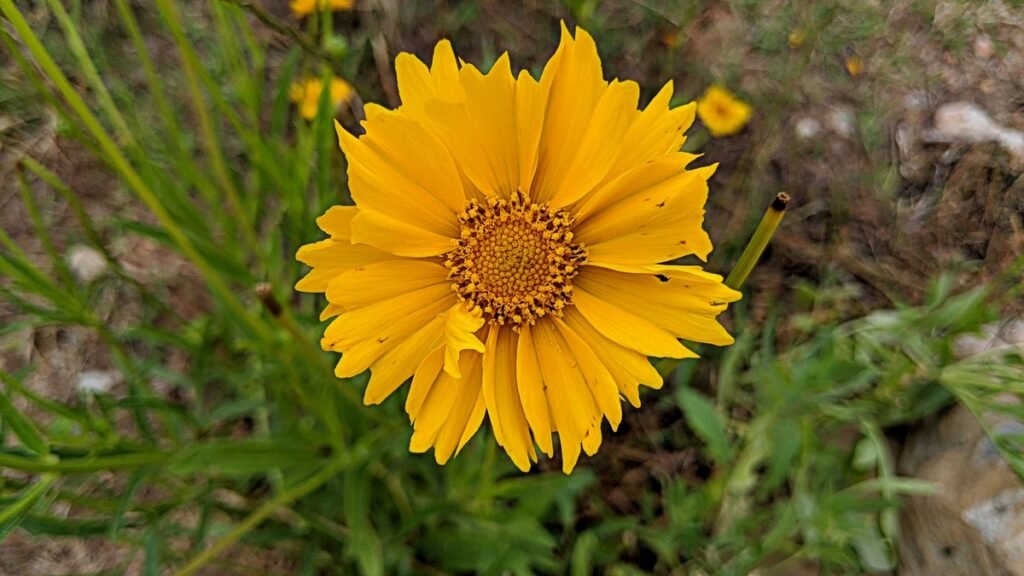
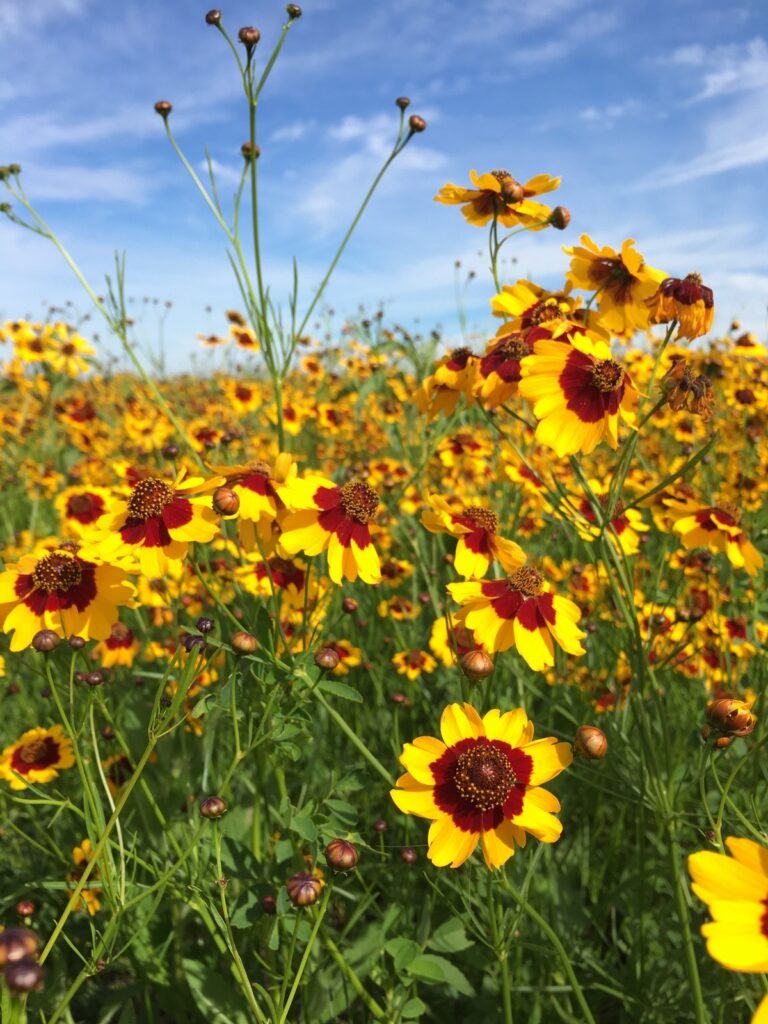
Plains Coreopsis
Plains Coreopsis, also called Coreopsis tinctoria, is a stunning yellow and red wildflower that blooms from early summer to fall. It grows up to 3 feet tall and prefers full sun. Plains Coreopsis is easy to grow and attracts bees and butterflies. It is also deer-resistant, making it a great addition to any garden. USDA zones 3-9.
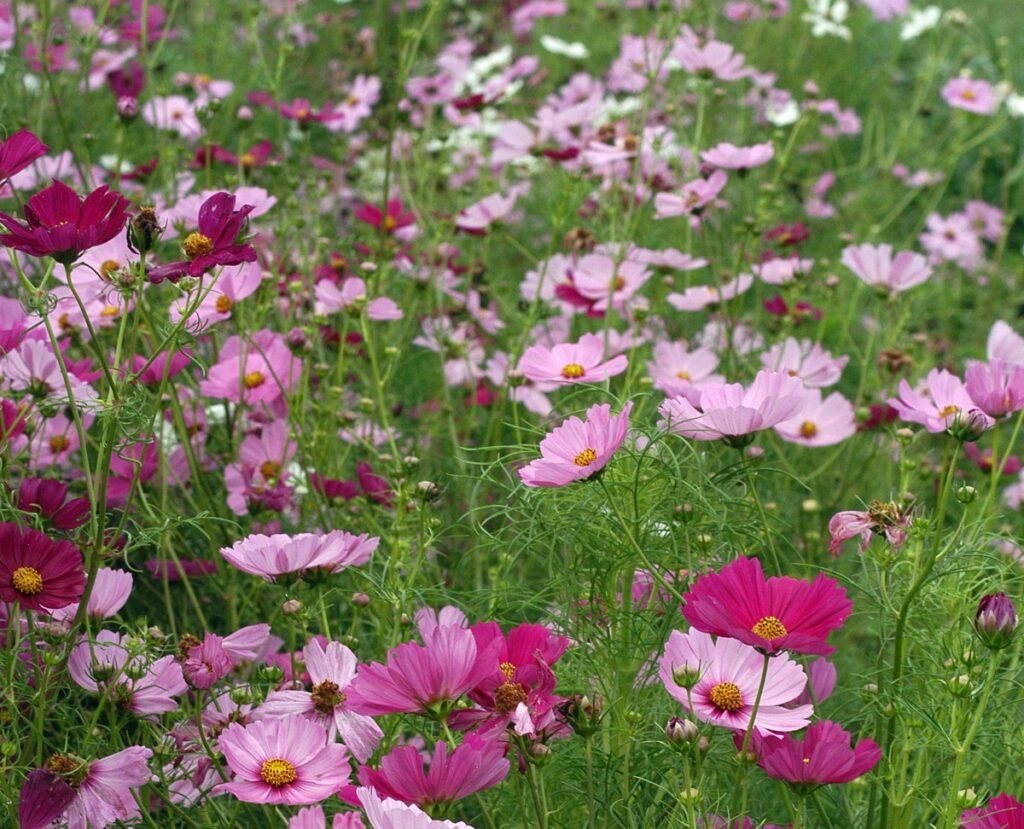
Cosmos ‘Sensation’
Cosmos ‘Sensation’ Mix, also known as Cosmos bipinnatus, is a colorful wildflower that blooms from mid-summer to fall. It grows up to 5 feet tall and prefers full sun. Cosmos ‘Sensation’ Mix comes in a variety of colors, including pink, white, and red. It attracts bees and butterflies
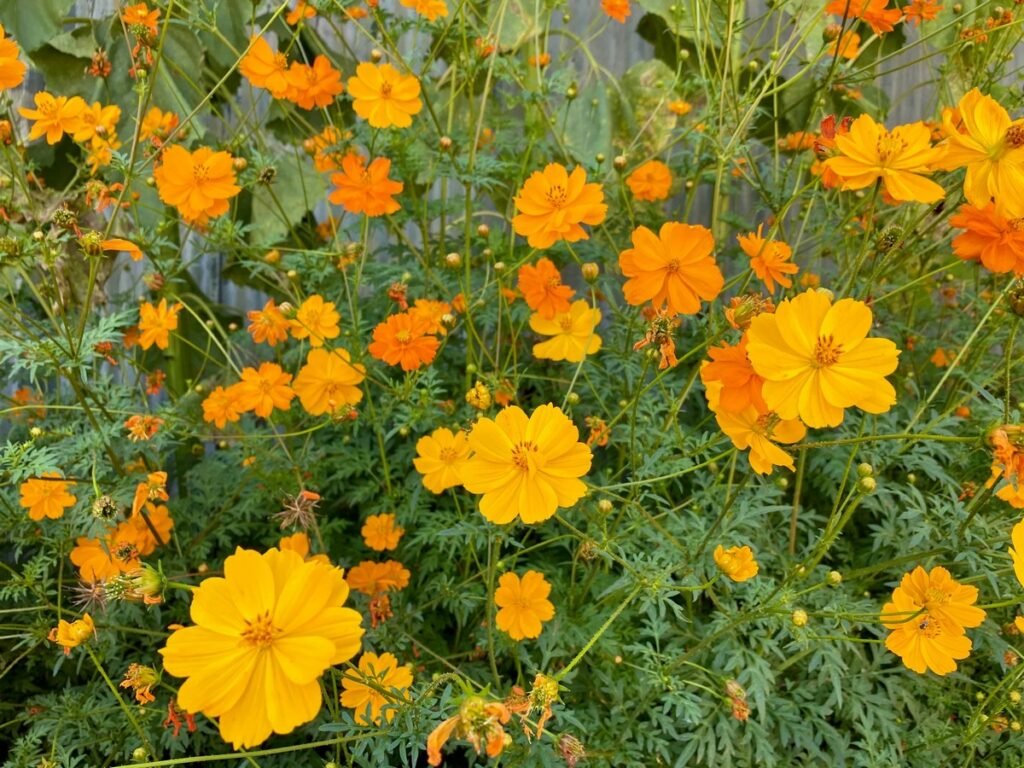
Sulphur Cosmos ‘Bright Lights’
Sulphur Cosmos ‘Bright Lights’ is a popular summer wildflower that blooms all summer long. It has bright yellow, orange, and red flowers that are sure to catch your eye. This wildflower grows up to 3 feet tall and prefers well-drained soil. It’s a great addition to any garden and attracts bees and butterflies. Sulphur Cosmos ‘Bright Lights’ is hardy in USDA zones 3-10.
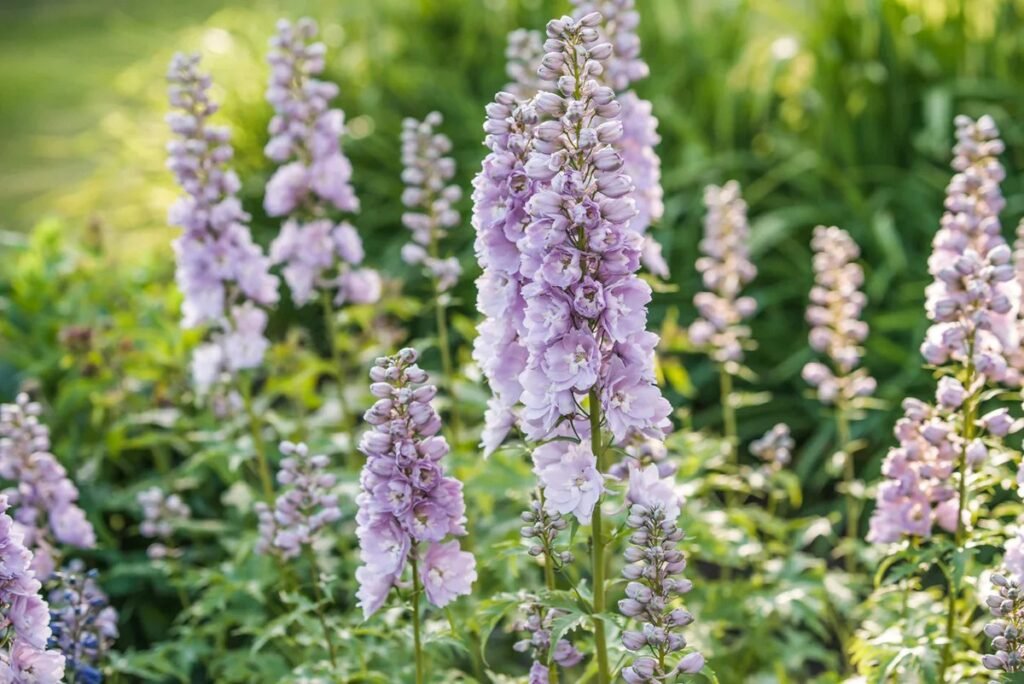
Rocket Larkspur
Rocket Larkspur is a tall and elegant summer wildflower that can reach up to 6 feet in height. It has beautiful spikes of blue, pink, and purple flowers that bloom in the summer. This wildflower prefers full sun and well-drained soil. Rocket Larkspur attracts hummingbirds and butterflies and is hardy in USDA zones 3-9.
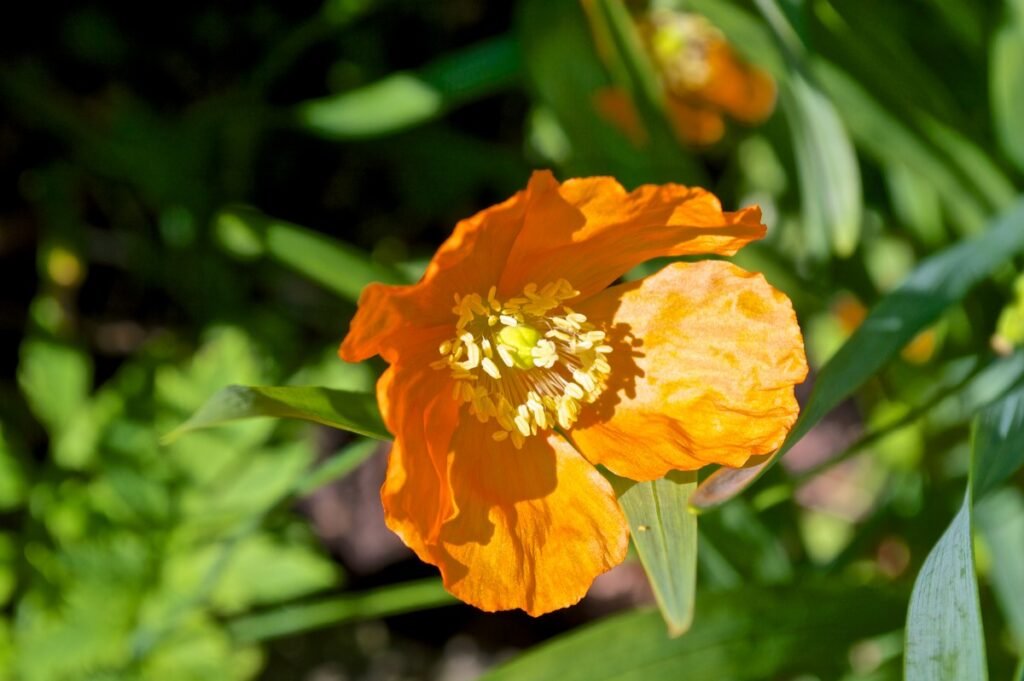
California Poppy
California Poppy is a stunning summer wildflower that is known for its bright orange flowers. It grows up to 12 inches tall and prefers full sun and well-drained soil. California Poppy is hardy in USDA zones 8-10 and attracts bees and butterflies.
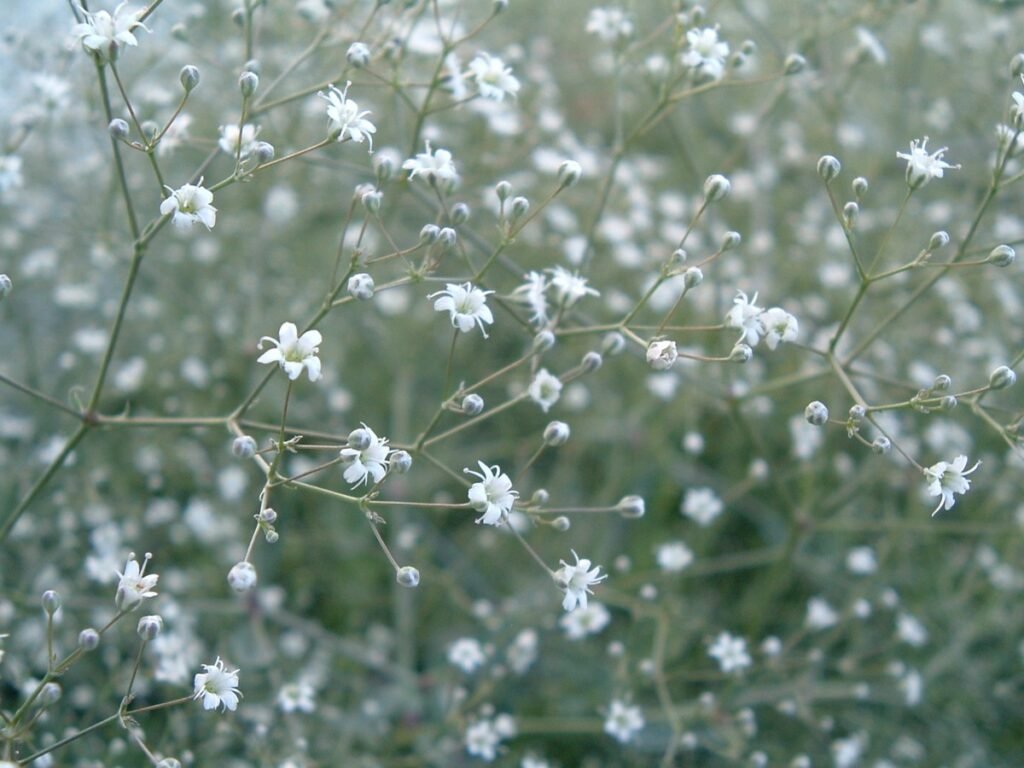
Baby’s Breath
Baby’s Breath is a delicate summer wildflower that has small white flowers that bloom in the summer. It grows up to 2 feet tall and prefers full sun and well-drained soil. Baby’s Breath is hardy in USDA zones 3-9 and attracts bees and butterflies.
Wild Sunflower
Wild Sunflower is a tall and striking summer wildflower that can reach up to 10 feet in height. It has bright yellow flowers that bloom in the summer and prefers full sun and well-drained soil. Wild Sunflower attracts bees and butterflies and is hardy in USDA zones 3-10.

Early Sunflower
Early Sunflower is a beautiful summer wildflower that has bright yellow flowers that bloom in the early summer. It grows up to 6 feet tall and prefers full sun and well-drained soil. Early Sunflower attracts bees and butterflies and is hardy in USDA zones 3-9.
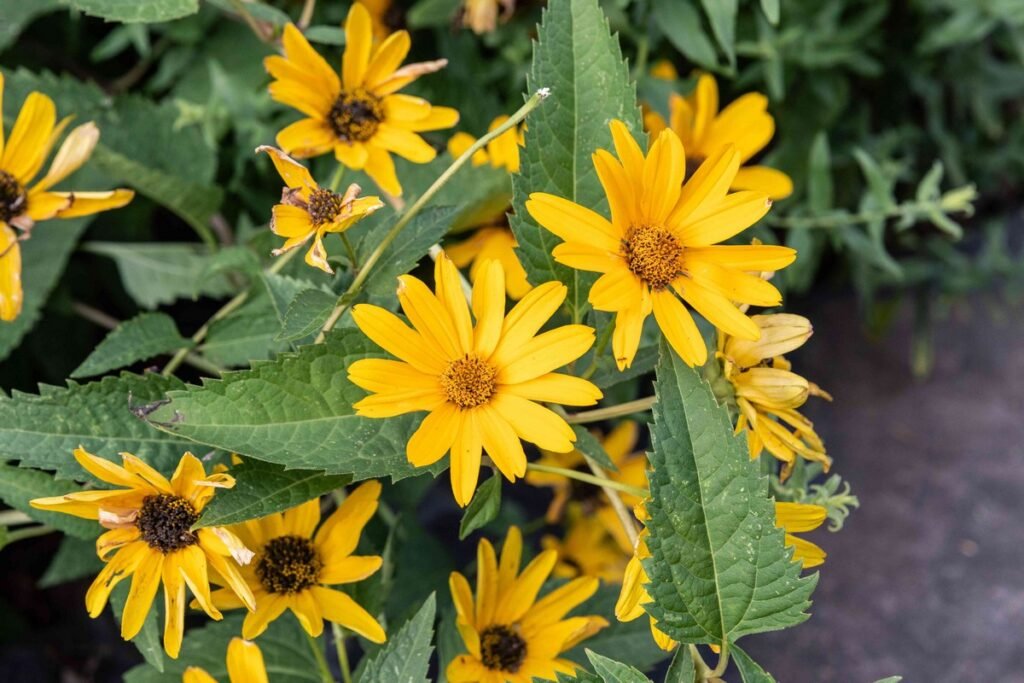
Rose Mallow
Rose Mallow is a stunning summer wildflower that has large pink, red, or white flowers that bloom in the summer. It grows up to 8 feet tall and prefers full sun and moist soil. Rose Mallow attracts hummingbirds and butterflies and is hardy in USDA zones 4-9.
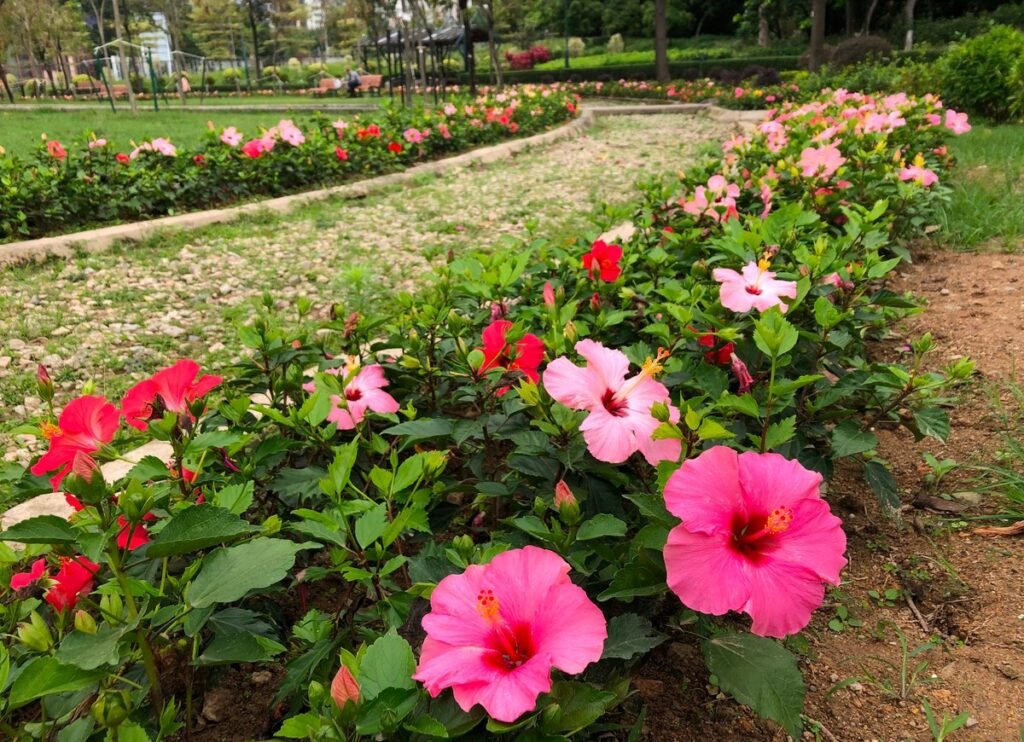
Sweet Alyssum
Sweet Alyssum is a fragrant summer wildflower that has small white or pink flowers that bloom in the summer. It grows up to 1 foot tall and prefers full sun and well-drained soil. Sweet Alyssum attracts bees and butterflies and is hardy in USDA zones 5-9.
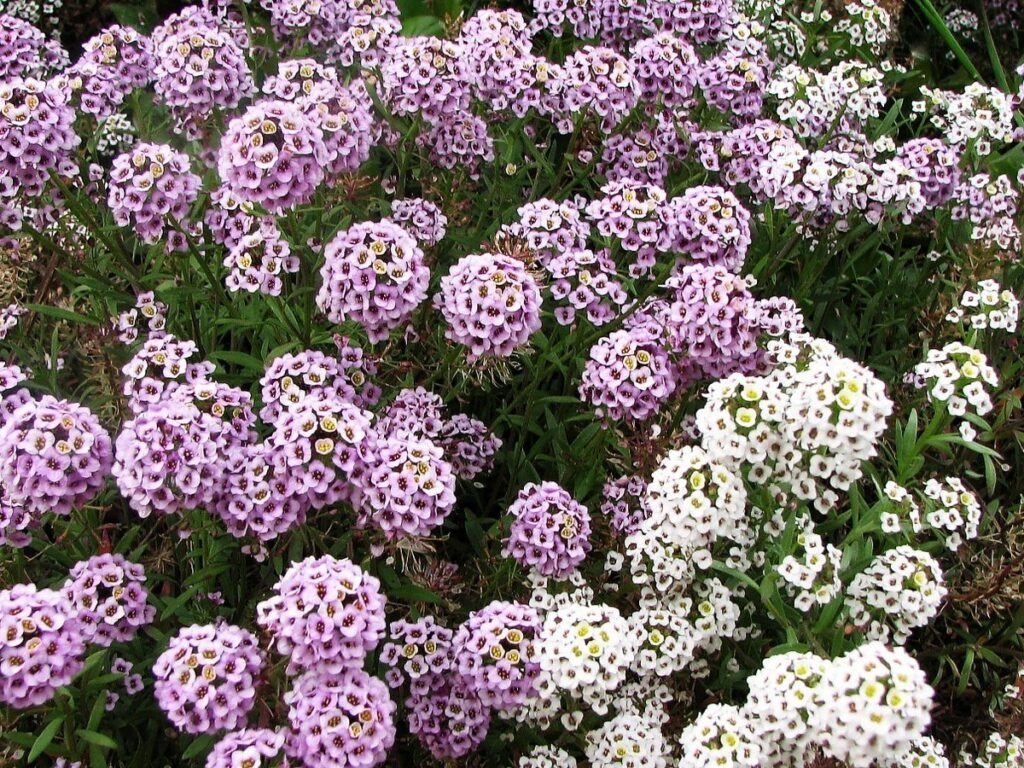
Four O’Clock
Four O’Clock is a colorful summer wildflower that has red, pink, yellow, or white flowers that bloom in the late afternoon. It grows up to 4 feet tall and prefers full sun and well-drained soil. Four O’Clock attracts hummingbirds and butterflies and is hardy in USDA zones 4-9.
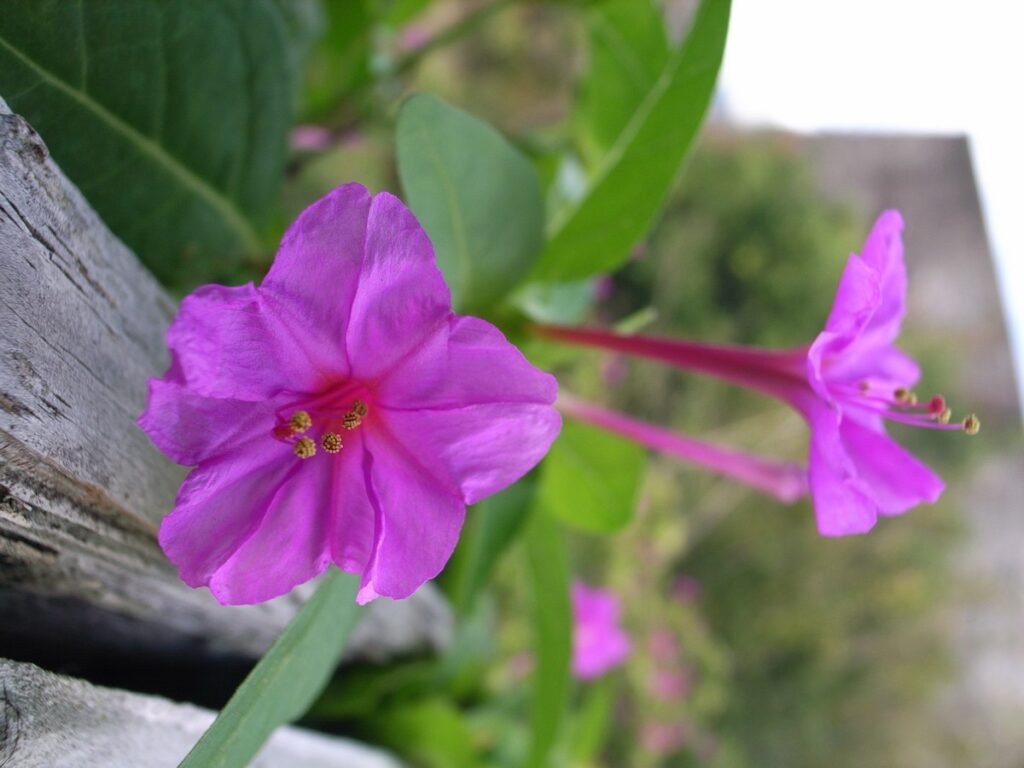
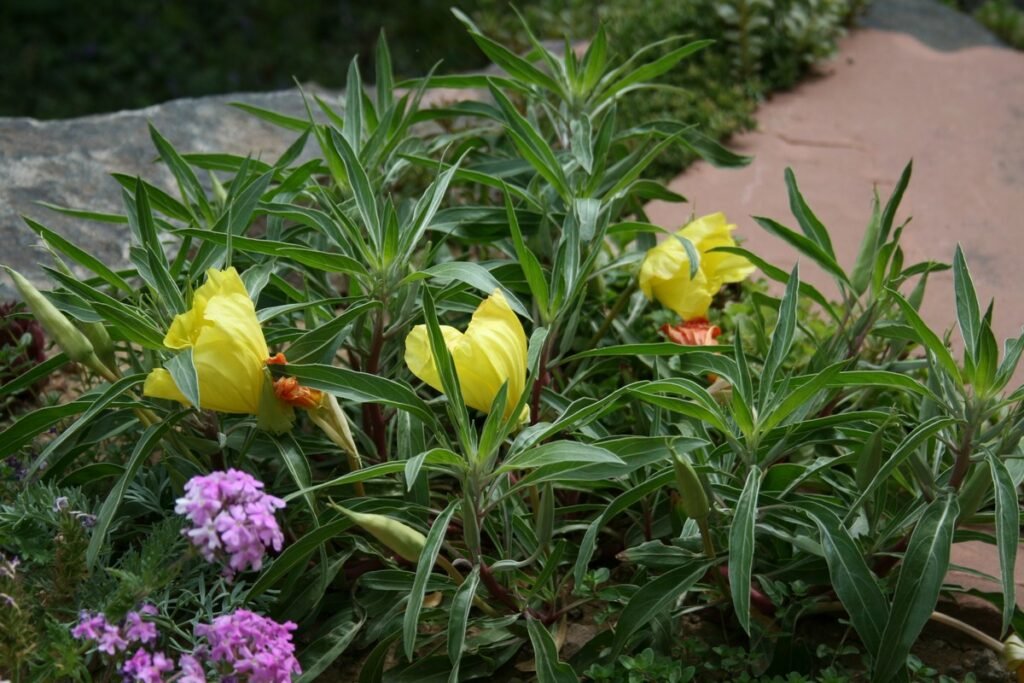
Missouri Primrose
Missouri Primrose is a cheerful summer wildflower that has bright yellow flowers that bloom in the summer. It grows up to 2 feet tall and prefers full sun and well-drained soil. Missouri Primrose attracts bees and butterflies and is hardy in USDA zones 5-9.
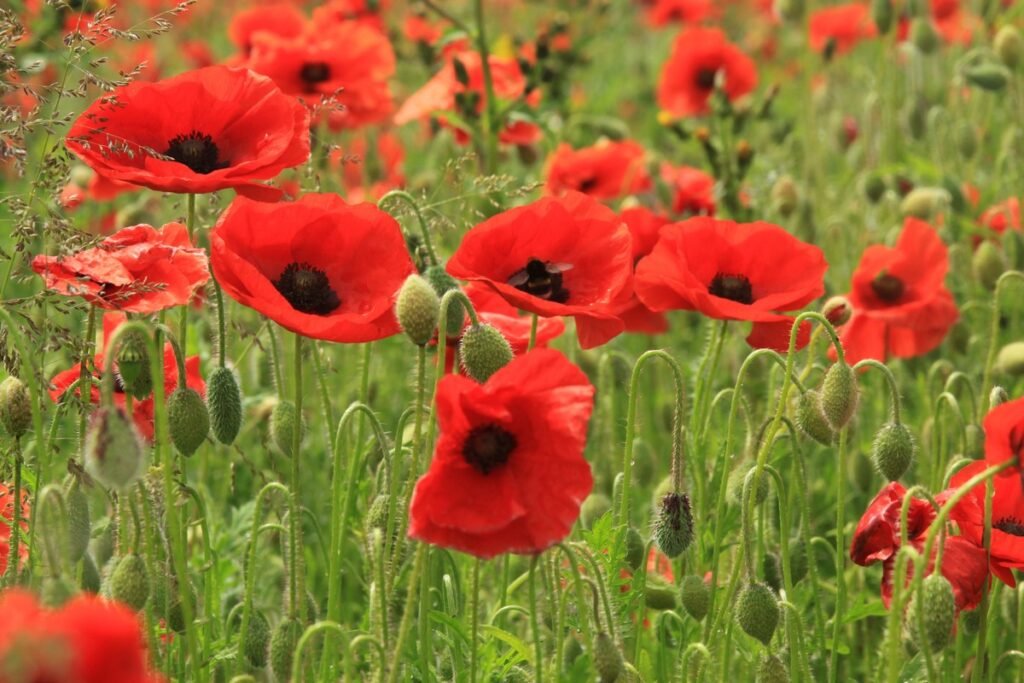
Red Poppy
Red Poppy is a classic summer wildflower that has bright red flowers that bloom in the summer. It grows up to 3 feet tall and prefers full sun and well-drained soil. Red Poppy attracts bees and butterflies and is hardy in USDA zones 3-9.
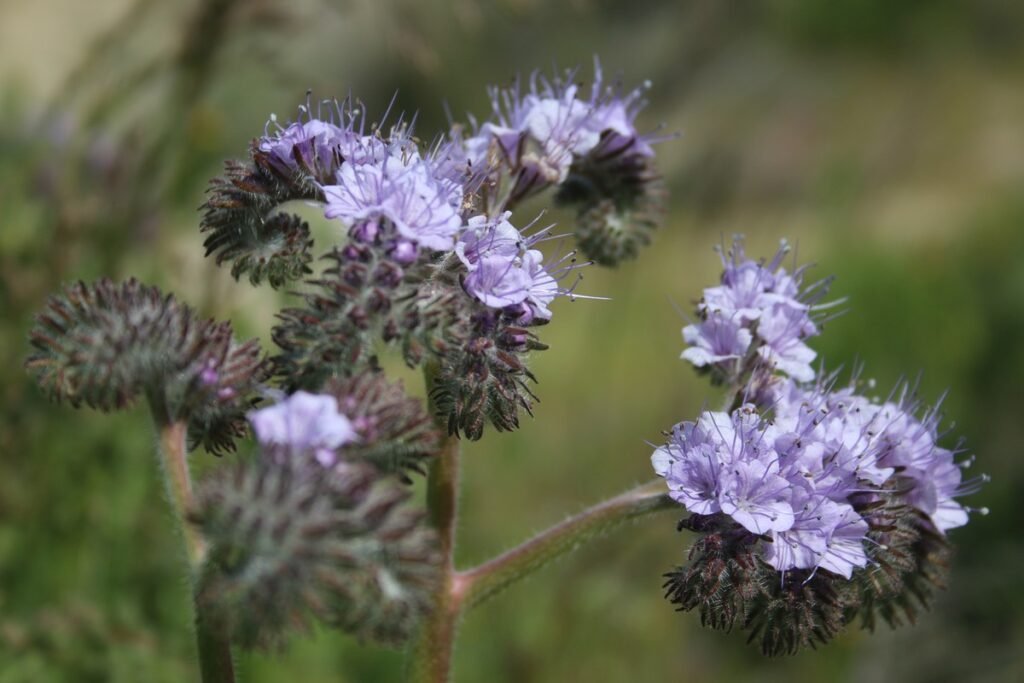
Lacy Phacelia
Lacy Phacelia is a delicate summer wildflower that has lavender-blue flowers that bloom in the summer. It grows up to 2 feet tall and prefers full sun and well-drained soil. Lacy Phacelia attracts bees and butterflies and is hardy in USDA zones 3-10.
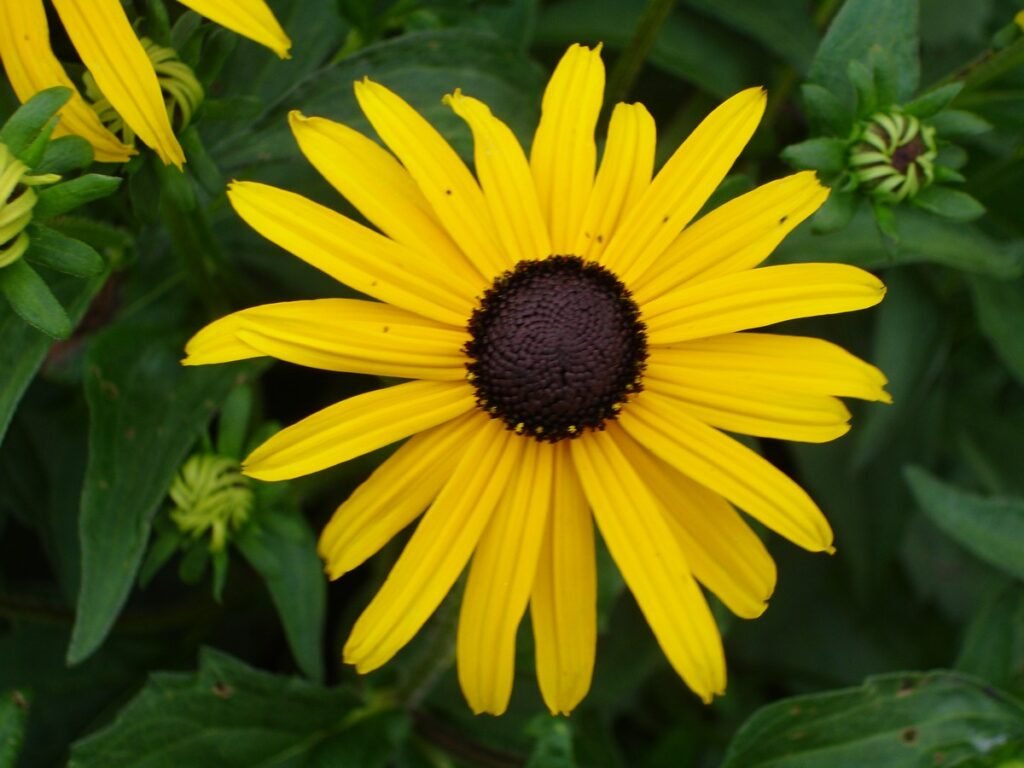
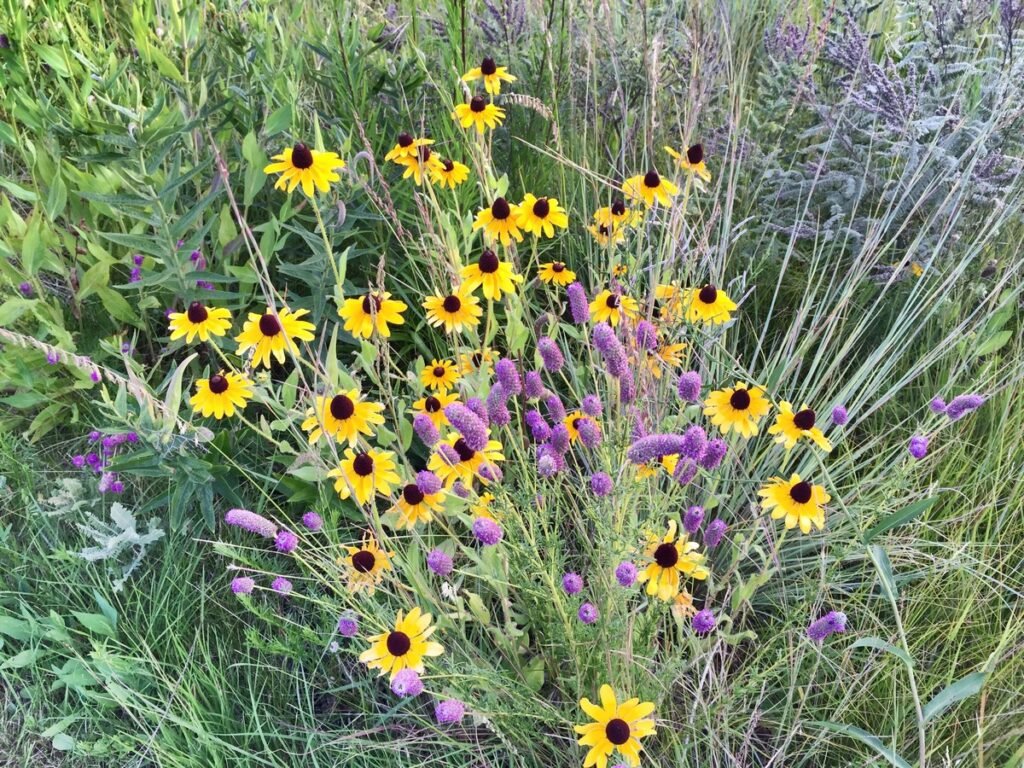
Black-eyed Susan
Black-eyed Susan is a popular summer wildflower that has bright yellow flowers with dark centers that bloom in the summer. It grows up to 3 feet tall and prefers full sun and well-drained soil. Black-eyed Susan attracts bees and butterflies and is hardy in USDA zones 3-9.
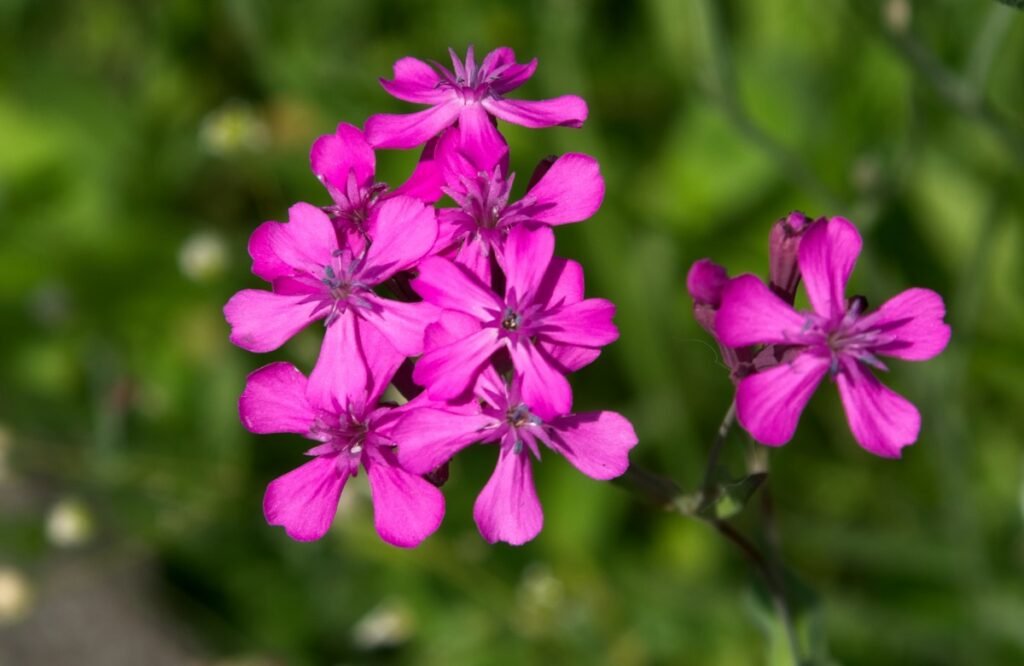
None-So-Pretty or Catchfly
This wildflower is a member of the carnation family and is native to North America. The plant grows up to 2 feet tall and has bright red flowers that bloom from early summer to late fall. The leaves are narrow and the stem is covered in fine hairs. None-So-Pretty prefers well-drained soil and full sun. This wildflower is a popular choice for rock gardens and attracts butterflies and hummingbirds. USDA zones 3-9.
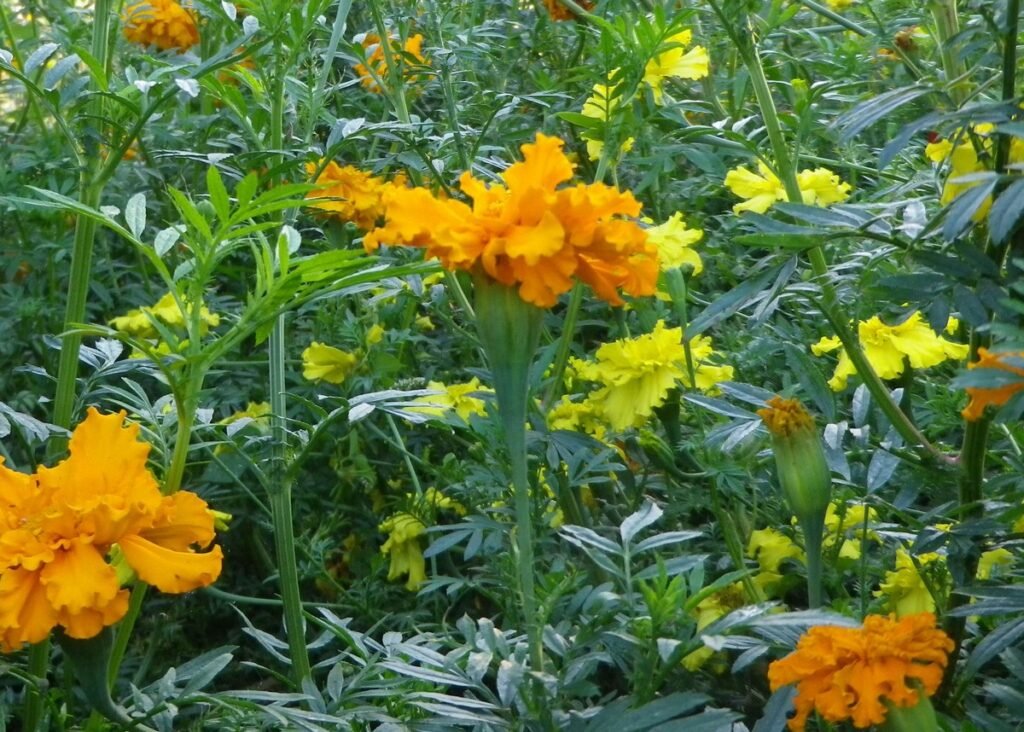
African Marigold ‘Crackerjack’
This is a popular summer wildflower that is native to Africa. It grows up to 3 feet tall and has large, bright yellow or orange flowers that bloom from early summer to frost. The leaves are dark green and fern-like. African Marigold ‘Crackerjack’ prefers well-drained soil and full sun. This wildflower is often used as a border plant and attracts bees and butterflies. USDA zones 9-11.
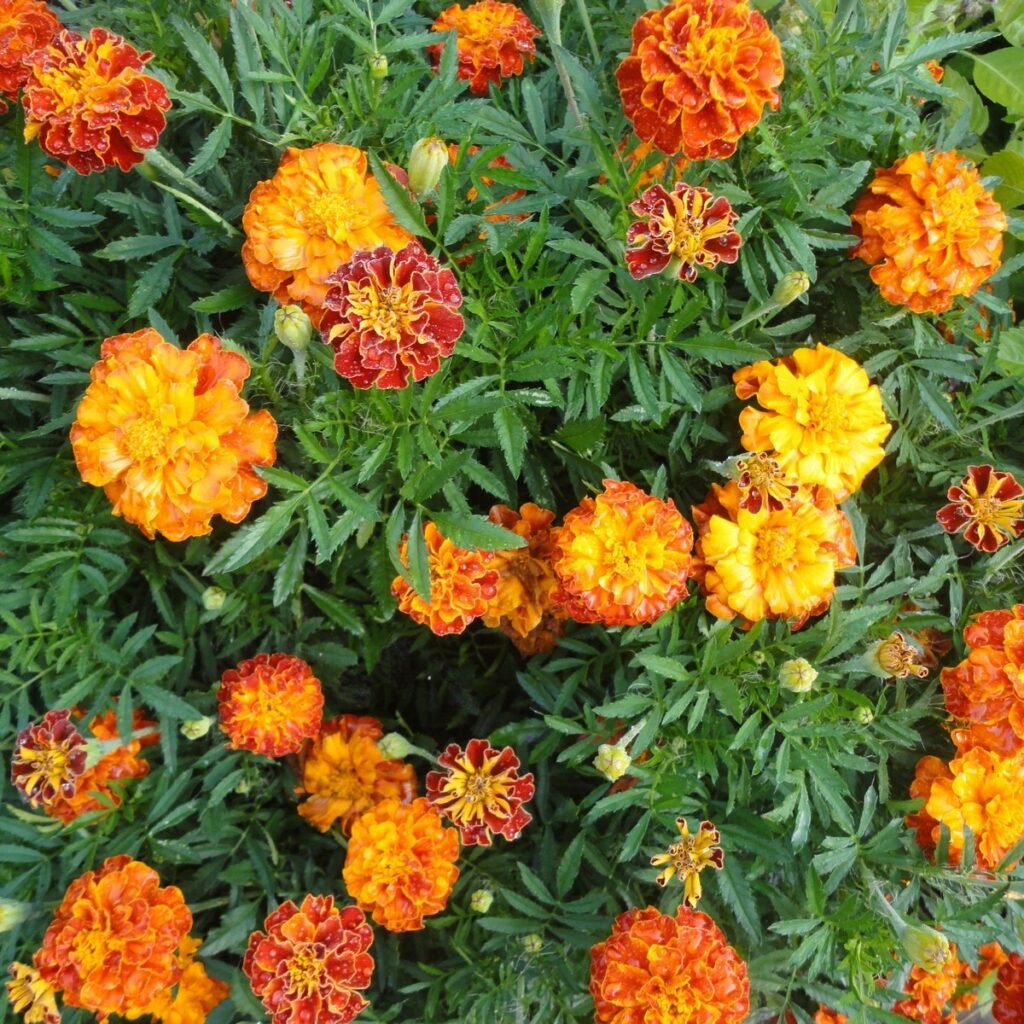
French Marigold ‘Sparky’
This summer wildflower is a member of the sunflower family and is native to Mexico and Central America. It grows up to 1 foot tall and has small, brightly colored flowers that bloom from early summer to frost. The leaves are dark green and fern-like. French Marigold ‘Sparky’ prefers well-drained soil and full sun. This wildflower is often used as a bedding plant and attracts bees and butterflies. USDA zones 2-11.
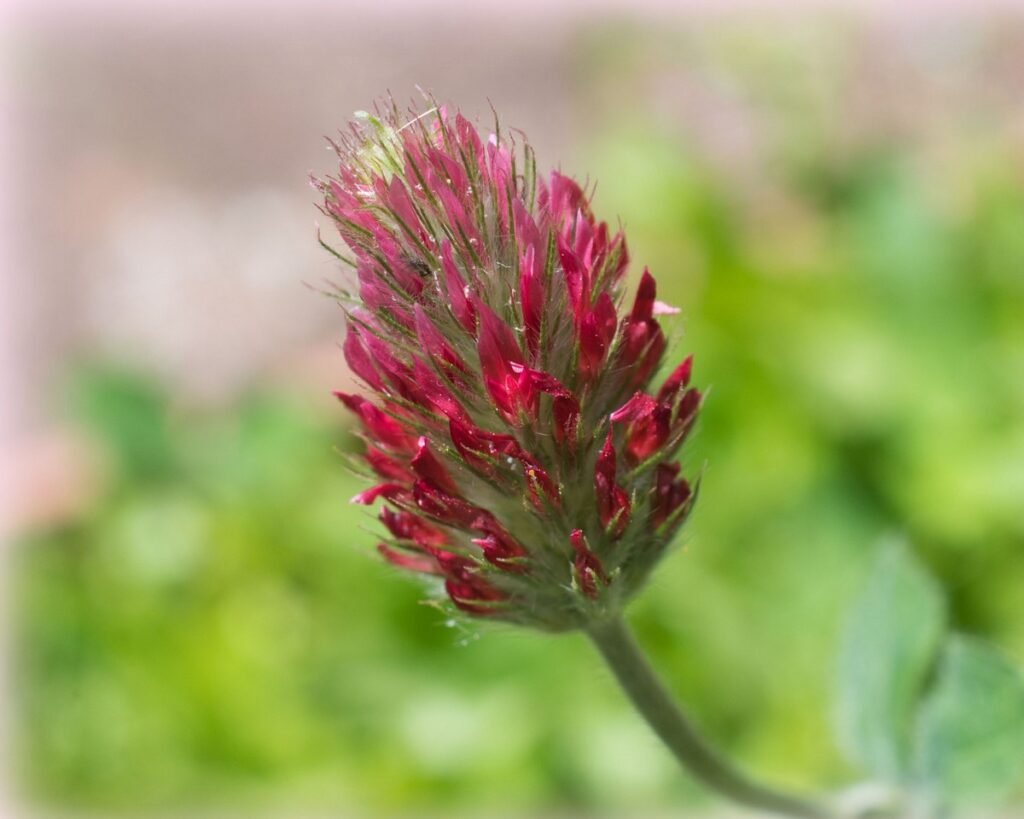
Crimson Clover
This is a popular summer wildflower that is native to Europe and Asia. It grows up to 2 feet tall and has bright red flowers that bloom from early summer to late fall. The leaves are green and the stem is covered in fine hairs. Crimson Clover prefers well-drained soil and full sun. This wildflower is often used as a cover crop and attracts bees and butterflies. USDA zones 3-10.
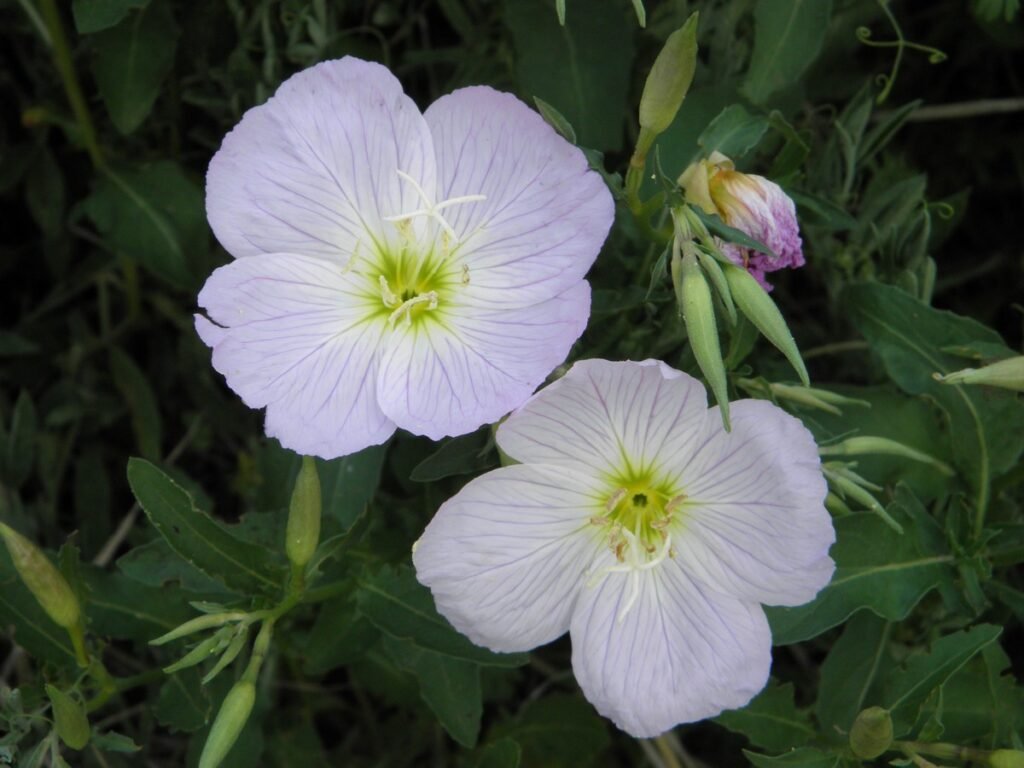
Showy Evening Primrose
This is a popular summer wildflower that is native to North America. It grows up to 3 feet tall and has large, white or pink flowers that bloom from early summer to late fall. The leaves are green and the stem is covered in fine hairs. Showy Evening Primrose prefers well-drained soil and full sun. This wildflower is often used as a border plant and attracts bees and moths. USDA zones 4-8.
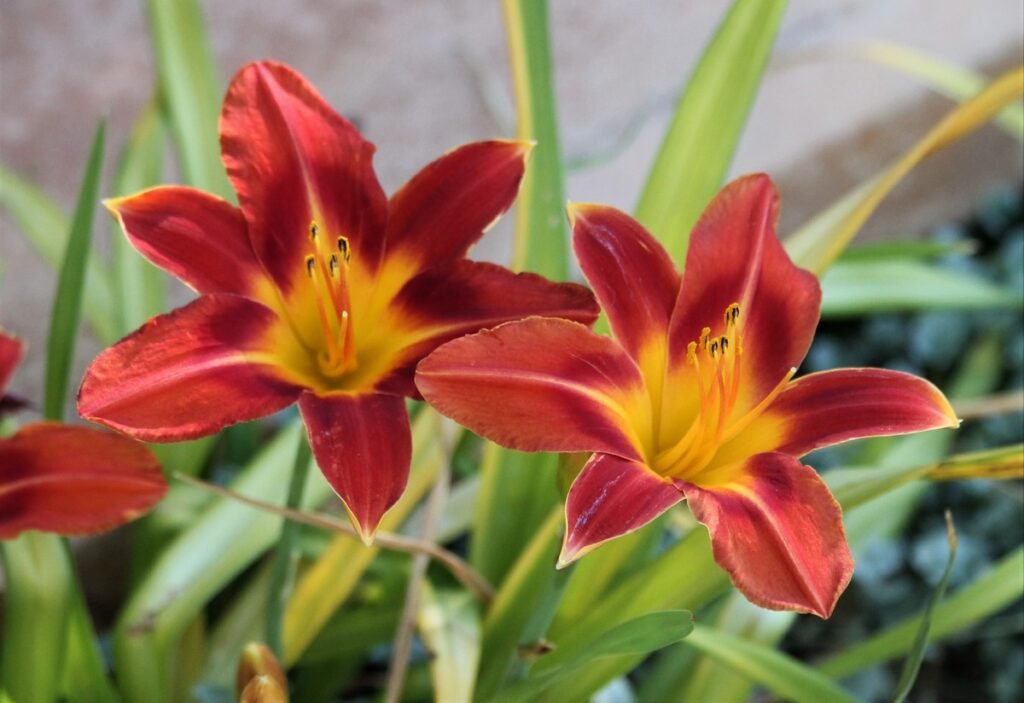
Daylilies
This summer wildflower is a member of the lily family and is native to Asia. It grows up to 4 feet tall and has large, brightly colored flowers that bloom from early summer to late fall. The leaves are green and the stem is covered in fine hairs. Daylilies prefer well-drained soil and full sun. This wildflower is often used as a border plant and attracts bees and butterflies. USDA zones 3-9.
How to Grow Summer Wildflowers
Planting Time to Bloom Right Summer
When it comes to growing summer wildflowers, timing is everything. Planting them at the right time ensures that they will bloom during the summer months. The best time to plant summer wildflowers is in the early spring, just after the last frost. This allows the seeds to establish themselves before the heat of summer sets in.
Choosing the Right Soil
Summer wildflowers thrive in well-drained soil that is rich in organic matter. They prefer slightly acidic to neutral soil with a pH of 6.0 to 7.0. If your soil is heavy clay or compacted, it’s best to amend it with compost or sand to improve drainage.
Watering Needs
Summer wildflowers require regular watering, especially during dry spells. However, it’s important not to overwater them, as this can lead to root rot and other problems. Water deeply once a week, or more often during hot, dry weather.
Sunlight Requirements
Most summer wildflowers require full sun to thrive. They need at least 6 hours of direct sunlight per day. If you have a shady garden, choose wildflowers that can tolerate partial shade, such as Black-eyed Susan or Columbine.
Suitable Growing Conditions
Summer wildflowers are adapted to a wide range of growing conditions, from hot, dry deserts to cool, moist meadows. To mimic their natural habitats, choose wildflowers that are native to your region. They will be better adapted to the local climate and soil conditions.
Planting and Maintenance Tips
To grow summer wildflowers, start by selecting high-quality seeds from a reputable supplier. Sow the seeds directly into the soil, following the instructions on the seed packet. Keep the soil moist until the seeds germinate, which can take anywhere from a few days to a few weeks.
Once the seedlings emerge, thin them out to prevent overcrowding. Water them regularly and fertilize them with a balanced fertilizer every 4-6 weeks. Watch out for pests such as aphids and caterpillars, and treat them promptly if necessary.
Landscaping Ideas
Summer wildflowers are perfect for adding color and texture to any garden. They can be used in meadows, flower beds, borders, or as accents in existing garden designs. Consider planting them with other native plants to create a naturalistic look.
Some popular summer wildflowers include Coneflower, Black-eyed Susan, and Butterfly Weed. These plants attract pollinators such as bees and butterflies, making them a valuable addition to any garden.