
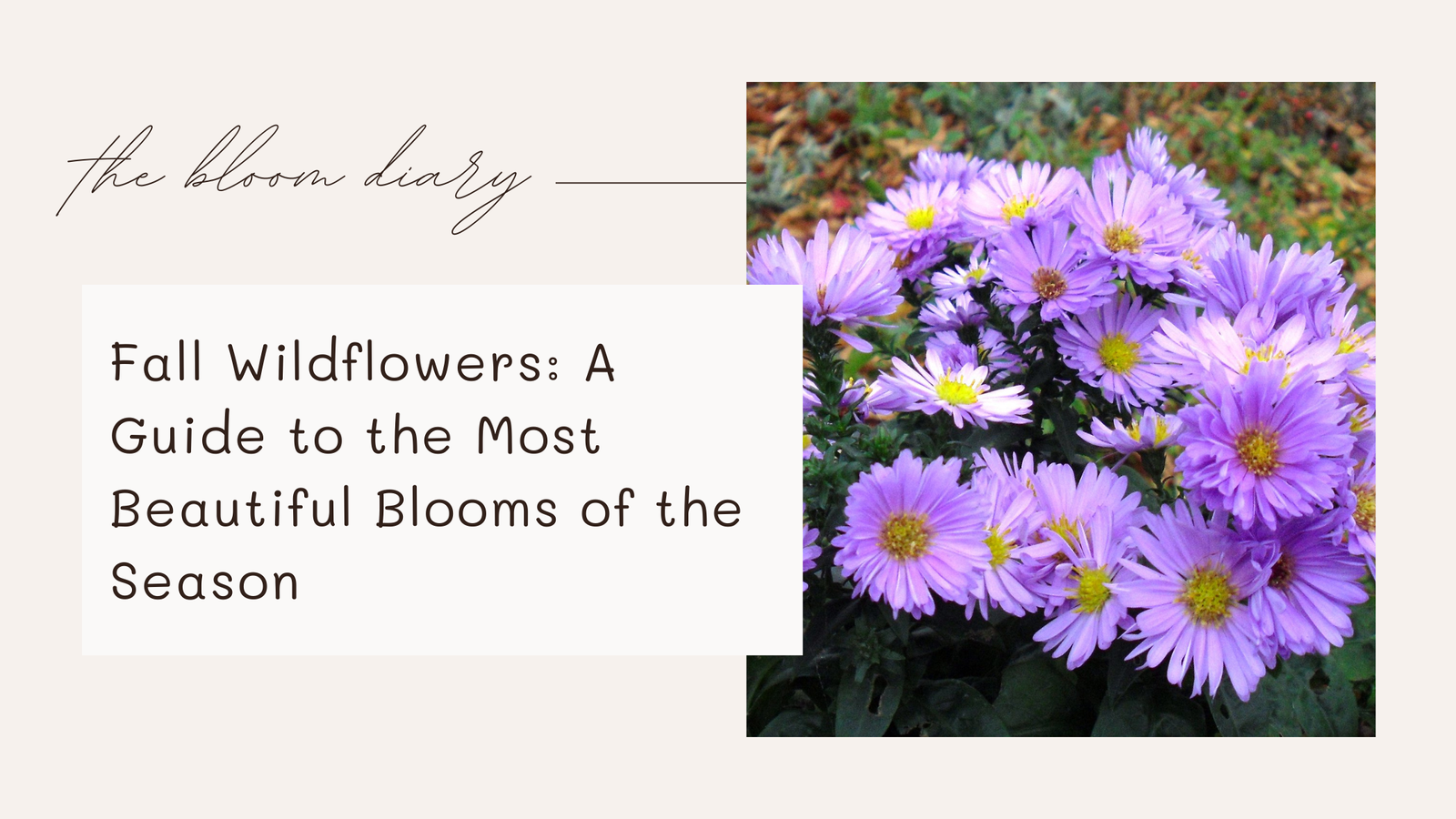
Fall is a beautiful season, and one of the most delightful aspects of it is the abundance of wildflowers that bloom during this time. As someone who loves nature and spending time outdoors, I am always excited to see the fields and meadows filled with fall wildflowers. They add a splash of color to the landscape, and their delicate beauty is truly enchanting.
Fall wildflowers come in a wide variety of shapes and colors, and they are a joy to behold. From the bright yellow of the goldenrod to the deep purple of the New England aster, there is something for everyone to enjoy. These flowers are not just pretty to look at, they also play an important role in the ecosystem. They provide nectar for pollinators, and their seeds are an important food source for birds and other wildlife. In this article, I will explore some of the most common fall wildflowers, their characteristics, and where you can find them.
Understanding Fall Wildflowers
As a lover of nature, I have always been fascinated by the beauty of fall wildflowers. These flowers are a delightful sight to behold, with their vibrant colors and unique shapes. In this section, I will share my knowledge and experience about fall wildflowers.
Fall wildflowers, also known as autumn wildflowers, are a diverse group of plants that bloom during the fall season. These flowers are hardy and can withstand the cooler temperatures that come with the changing season. Some popular fall wildflowers include asters, goldenrods, and sunflowers.
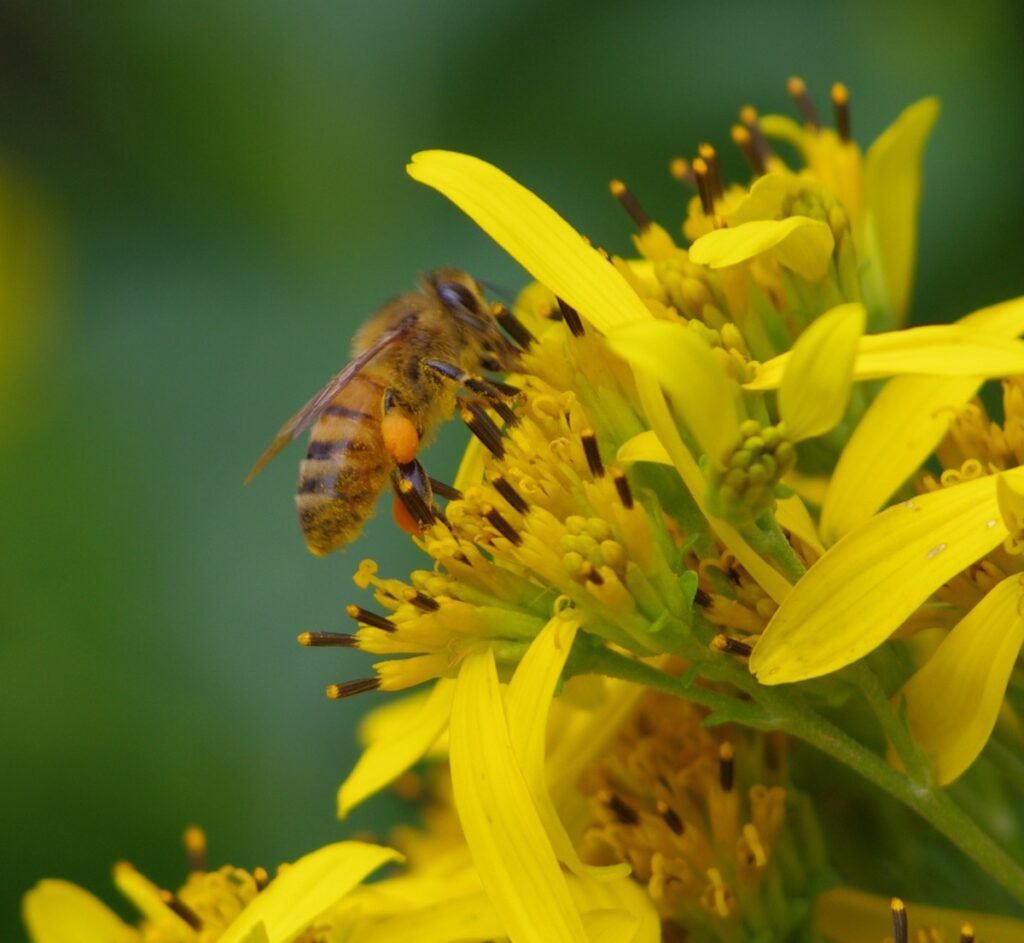
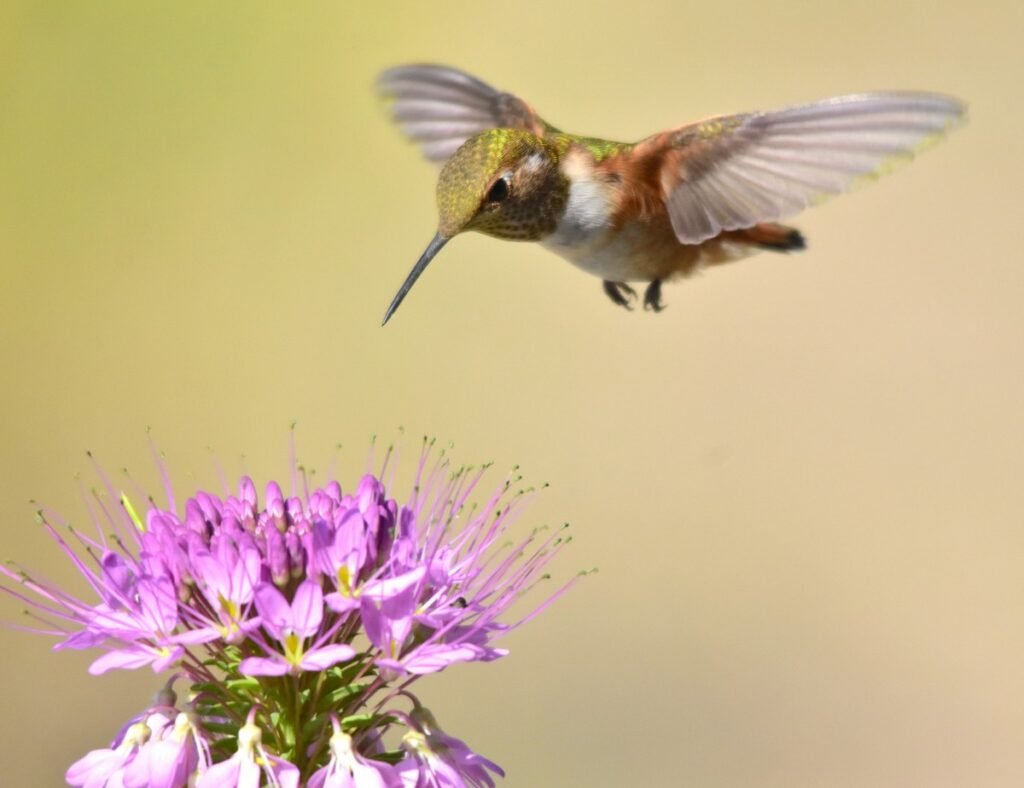
One of the unique features of fall wildflowers is their ability to attract pollinators such as bees, butterflies, and hummingbirds. These flowers provide a valuable food source for these insects and birds as they prepare for the upcoming winter months.
In addition to their aesthetic appeal and ecological importance, fall wildflowers also have medicinal properties. For example, echinacea, a popular fall wildflower, is used to boost the immune system and treat colds and flu.
When planting fall wildflowers, it is important to choose species that are native to your region. Native fall wildflowers are adapted to the local climate and soil conditions, making them easier to grow and maintain. Some popular fall blooming native perennials include coneflowers, black-eyed susans, and milkweeds.
In conclusion, fall wildflowers are a beautiful and important part of the natural world. By understanding their unique features and planting them in our gardens, we can help support local ecosystems and enjoy their beauty for years to come.
Key Characteristics of Fall Wildflowers
Color Variations
Fall wildflowers come in a range of colors, from deep purples and blues to bright yellows and oranges. Some common colors for fall wildflowers include:
- Purple: A popular color for fall wildflowers, including asters, ironweeds, and blazing stars.
- Blue: Many fall wildflowers have blue blooms, such as blue sage, blue lobelia, and blue mistflower.
- Yellow: Goldenrod, sunflowers, and tickseed are just a few of the yellow fall wildflowers.
- Orange: Orange coneflowers, butterfly weed, and orange milkweed are some of the orange wildflowers you might see in the fall.
Size and Shape
Fall wildflowers come in a variety of shapes and sizes, from tall and spiky to short and bushy. Some common shapes and sizes for fall wildflowers include:
- Tall and spiky: Some fall wildflowers, such as ironweed and blazing star, can grow up to six feet tall and have tall, spiky blooms.
- Short and bushy: Other fall wildflowers, such as goldenrod and asters, are shorter and bushier, with clusters of small flowers.
- Rounded and full: Some fall wildflowers, such as sunflowers and black-eyed susans, have large, rounded blooms that are full of petals.
Habitat and Growing Conditions
Fall wildflowers can grow in a variety of habitats and conditions, but most prefer full sun and well-drained soil. Some common habitats and growing conditions for fall wildflowers include:
- Meadows and prairies: Many fall wildflowers, such as goldenrod and asters, grow naturally in meadows and prairies.
- Woodlands and forests: Some fall wildflowers, such as blue cohosh and jack-in-the-pulpit, prefer shady woodland areas.
- Wetlands and marshes: Other fall wildflowers, such as cardinal flower and marsh marigold, can grow in wetland areas.
Overall, fall wildflowers are a beautiful and diverse group of plants that can add color and interest to any garden or landscape.
Popular Fall Wildflowers
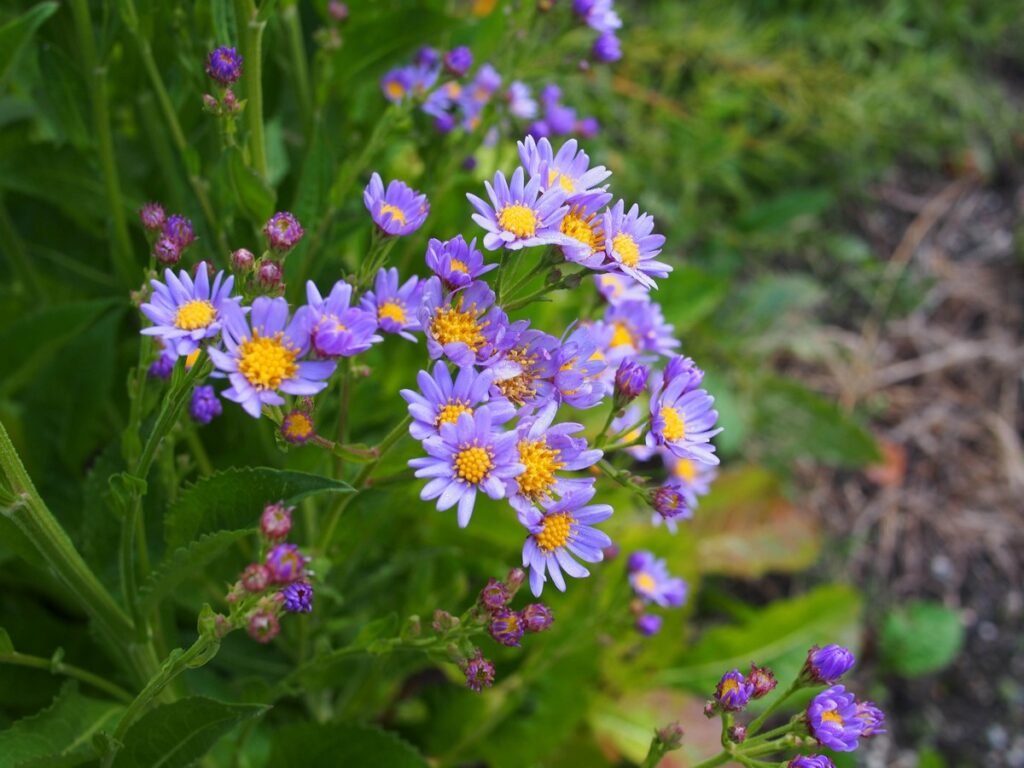
Asters (Aster spp.)
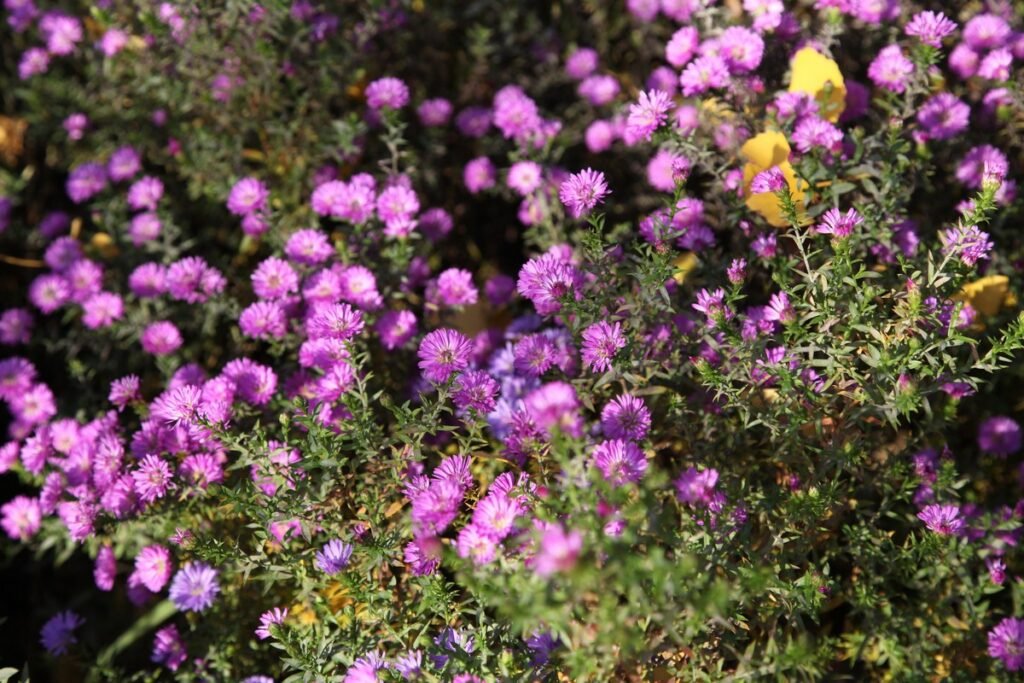
Asters are a diverse group of wildflowers known for their captivating daisy-like blooms. With a wide range of species and colors, they add a burst of vibrancy to fall landscapes. Asters attract pollinators and provide a stunning display of colors, including shades of purple, pink, blue, and white.
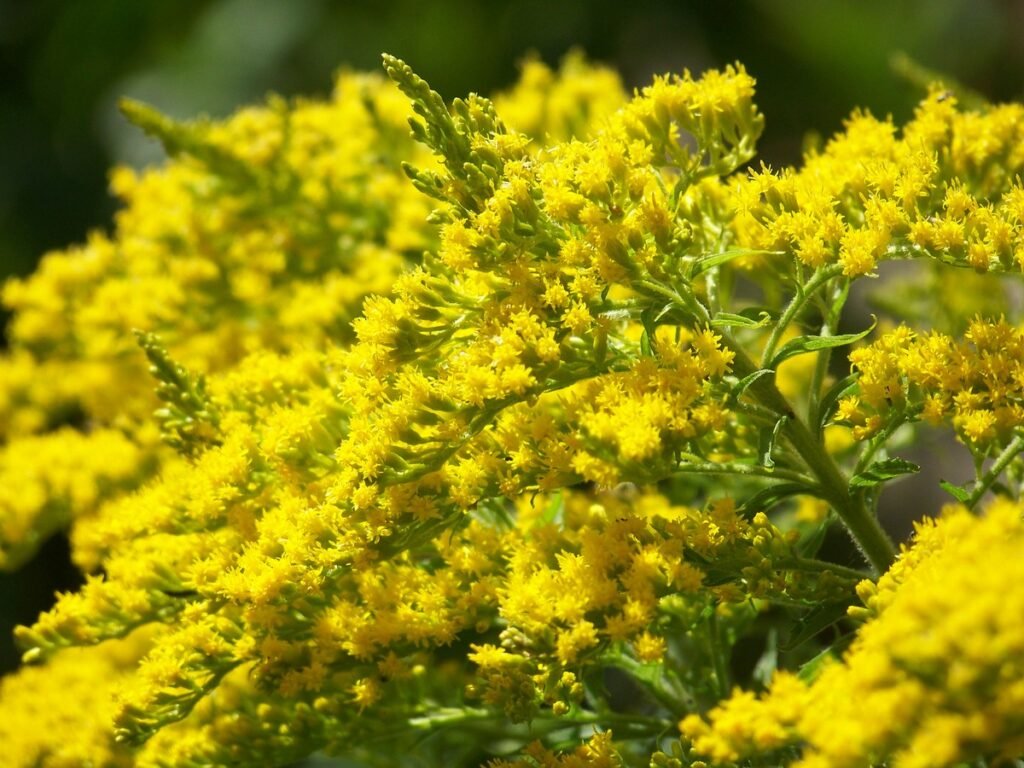
Goldenrods (Solidago spp.)
Goldenrods are tall, striking wildflowers that light up the autumn landscape with their vibrant yellow blooms. Contrary to popular belief, they are not the cause of seasonal allergies. Goldenrods provide essential nectar for pollinators and are a symbol of late summer and fall.
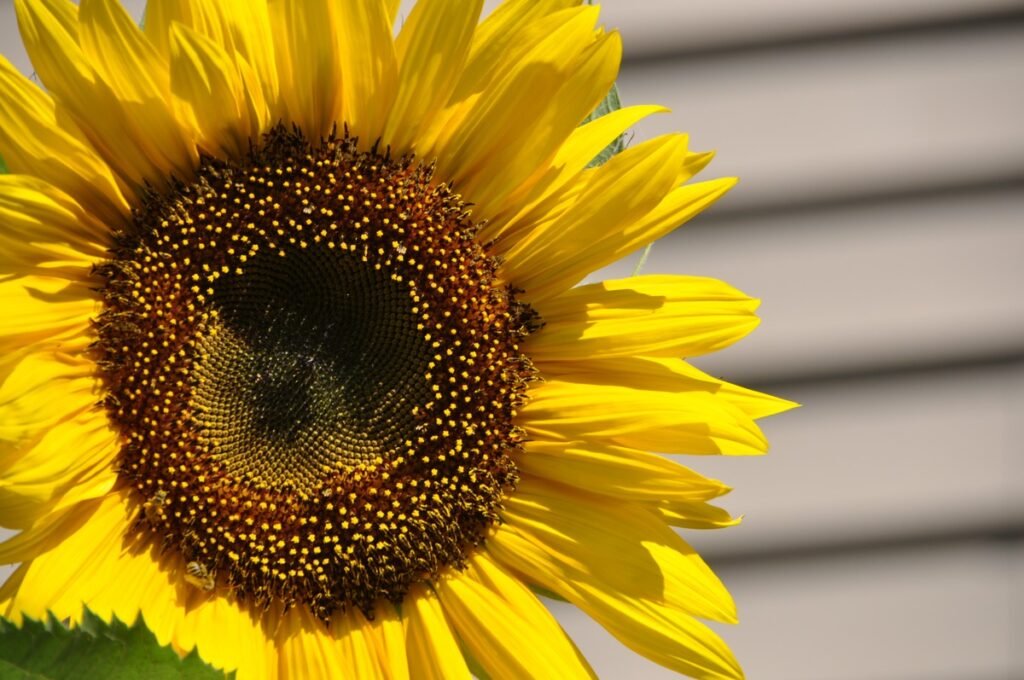
Sunflowers (Helianthus spp.)
Sunflowers are iconic wildflowers known for their large, radiant blooms that resemble the sun. These cheerful flowers bring a touch of joy to fall gardens and landscapes. Sunflowers attract pollinators, and their seeds are a valuable food source for birds and wildlife.
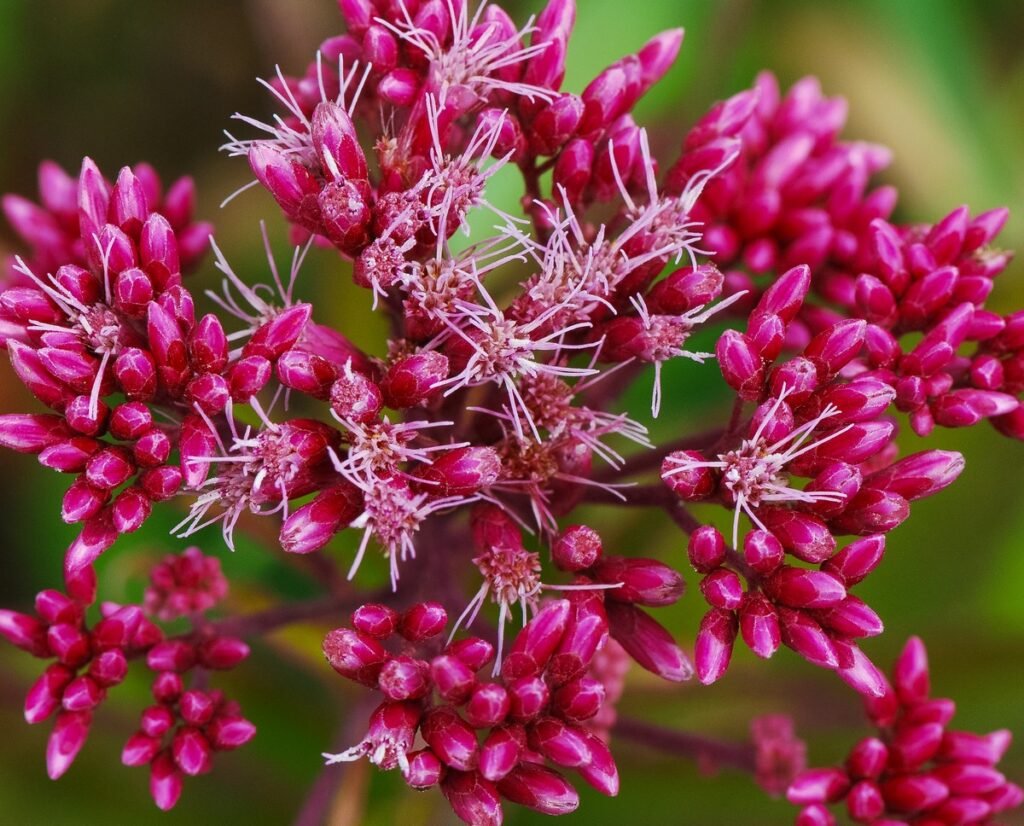
Joe-Pye Weed (Eutrochium spp.)
Joe-Pye Weed is a tall and elegant wildflower that commands attention with its clusters of pink or purplish flowers. It blooms in late summer to fall and attracts butterflies and bees with its abundant nectar. Joe-Pye Weed adds height and beauty to meadows, gardens, and natural areas.
New England Aster (Symphyotrichum novae-angliae)
The New England Aster is a native wildflower that displays stunning purple, pink, or blue flowers. It blooms in the fall, providing a valuable nectar source for butterflies and bees during their migration. This aster species is known for its hardiness and ability to thrive in a variety of growing conditions.
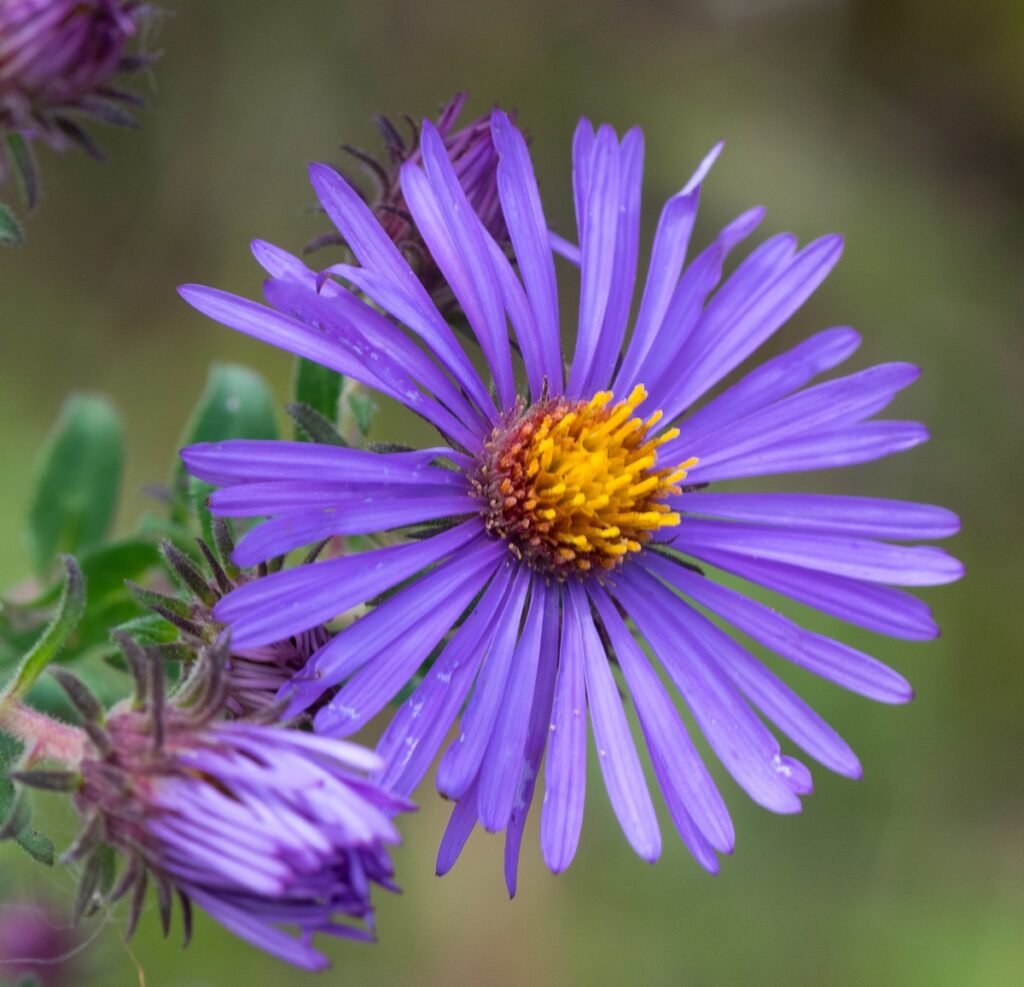
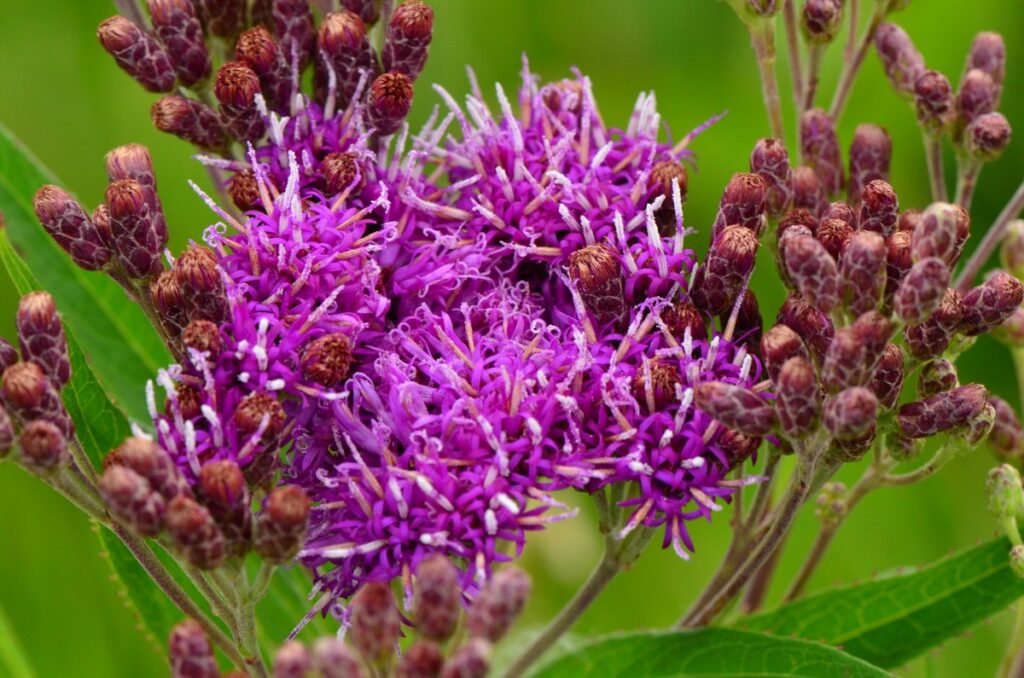
Ironweed (Vernonia spp.)
Ironweed is a tall and robust wildflower that showcases clusters of deep purple flowers. Blooming in late summer to fall, it adds a touch of drama and rich color to gardens and meadows. Ironweed attracts a plethora of pollinators and is favored by butterflies.
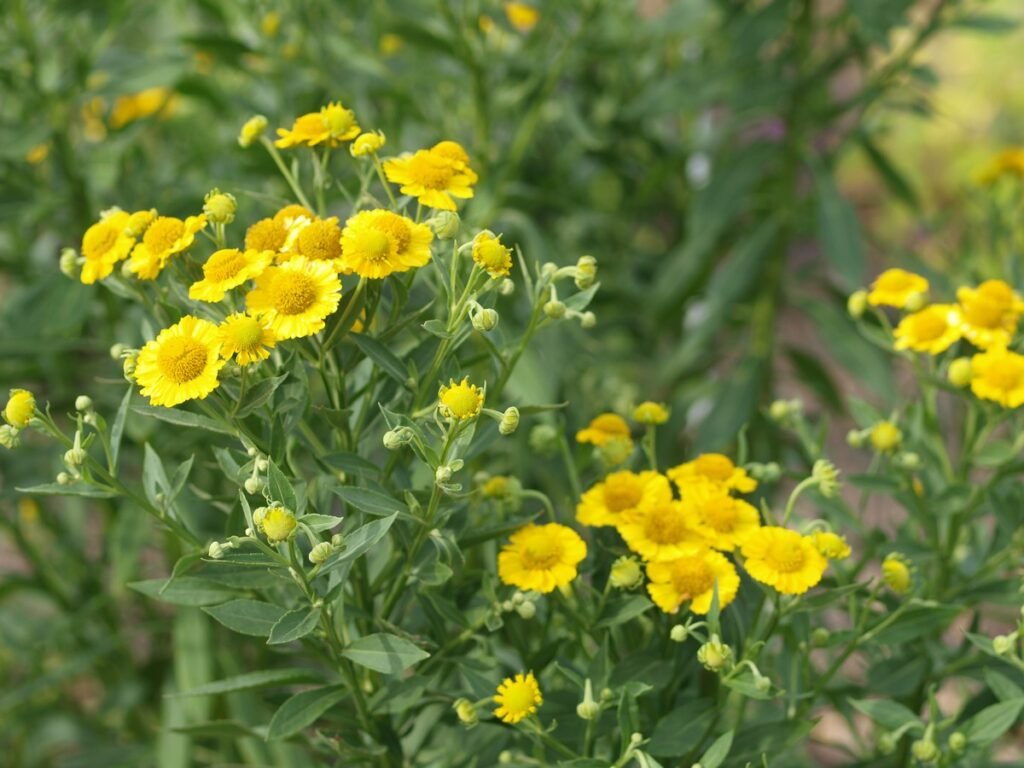
Sneezeweed (Helenium autumnale)
Sneezeweed, also known as Helenium autumnale, is a fall-blooming wildflower with striking blooms in shades of yellow, orange, and red. It adds a burst of color to fall landscapes and attracts butterflies and bees with its nectar-filled flowers.
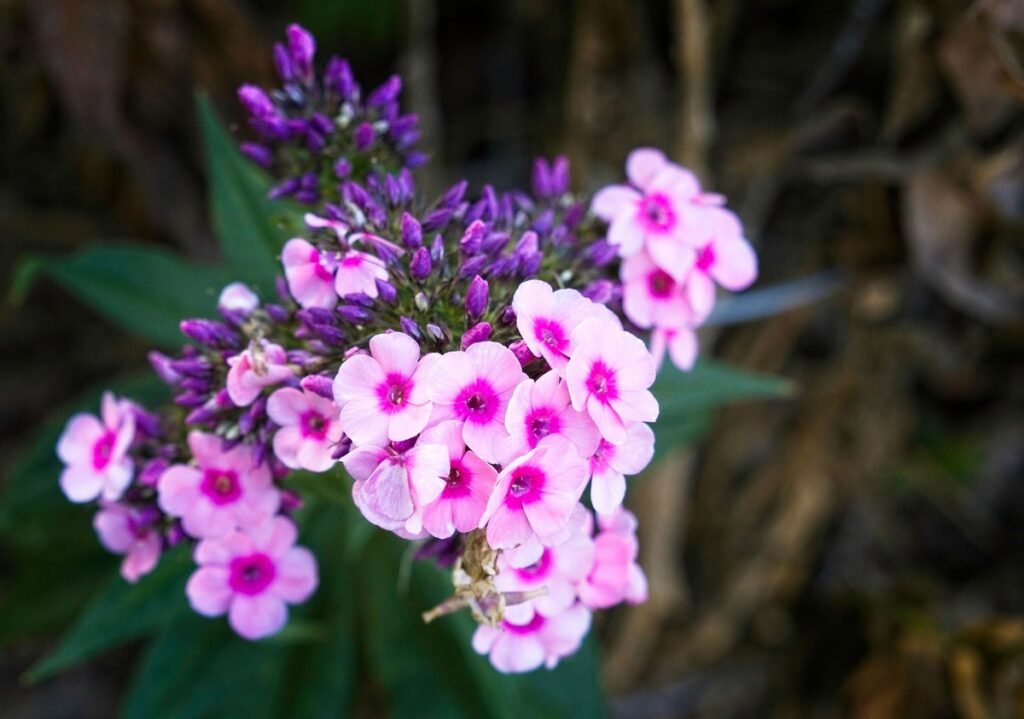
Fall Phlox (Phlox paniculata)
Fall Phlox is a perennial wildflower that graces gardens with its showy clusters of fragrant flowers in shades of pink, purple, and white. It blooms in late summer and into fall, filling the air with a delightful fragrance and attracting butterflies and hummingbirds.
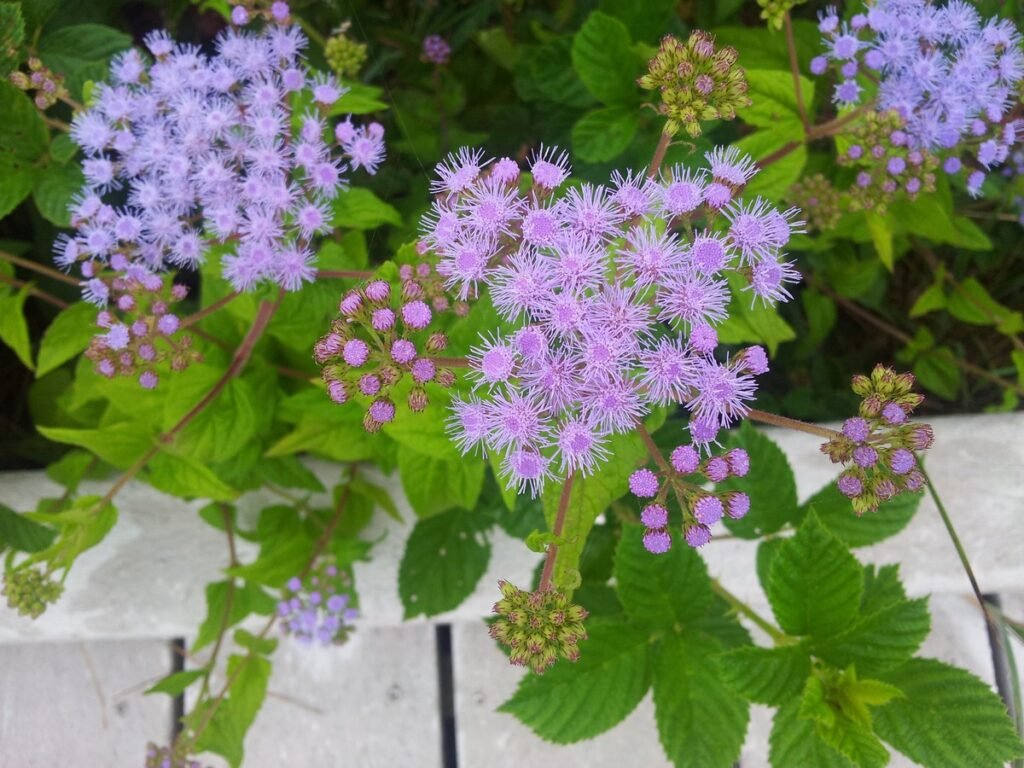
Blue Mistflower (Conoclinium coelestinum)
Blue Mistflower is a native wildflower that produces clusters of small, powder-blue flowers. Blooming in the fall, it is a favorite among butterflies, attracting them to its nectar-rich blooms. Blue Mistflower adds a touch of delicate blue to gardens and natural areas.
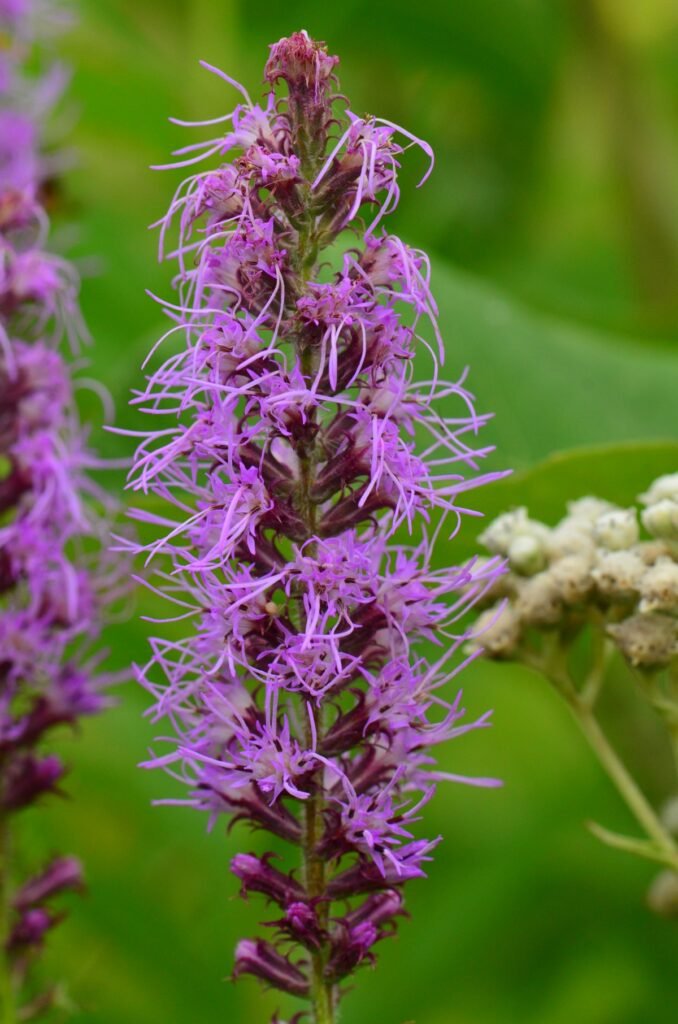
Prairie Blazing Star (Liatris pycnostachya)
Prairie Blazing Star is a tall and elegant wildflower that produces stunning spikes of vibrant purple flowers. Native to prairies and meadows, it blooms in the fall and attracts a myriad of pollinators, including butterflies and bees. Its striking appearance and ecological value make it a popular choice for adding height and color to fall landscapes.
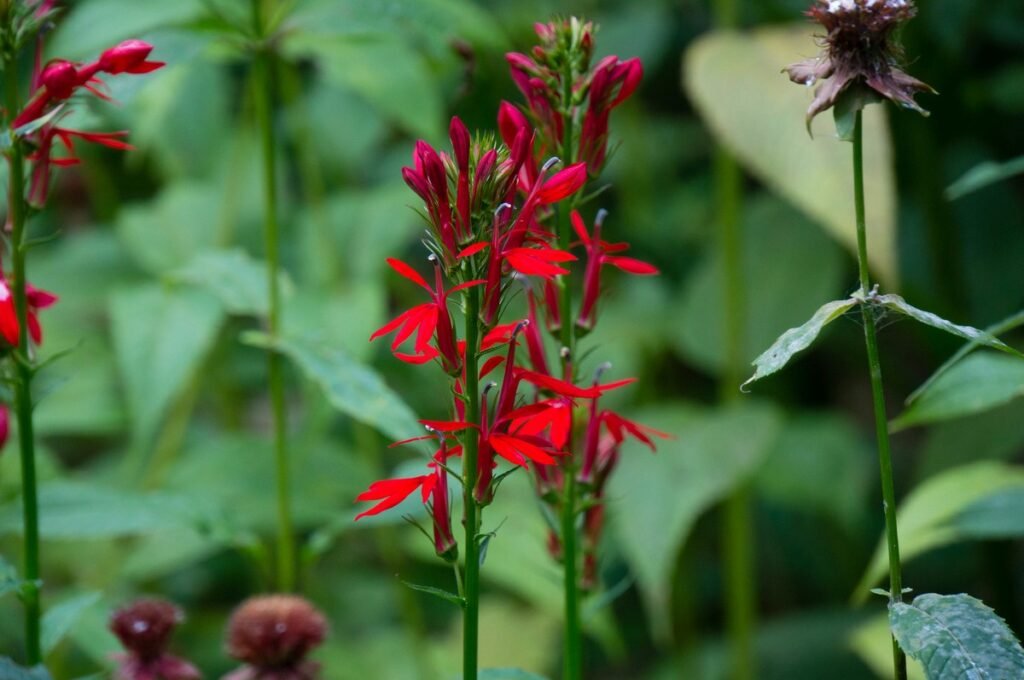
Cardinal Flower (Lobelia cardinalis)
Cardinal Flower is a captivating wildflower with vibrant red blooms that instantly catch the eye. Native to North America, it thrives in wet habitats such as stream banks and wet meadows. Its tubular flowers attract hummingbirds and butterflies, creating a lively and colorful display in fall gardens.
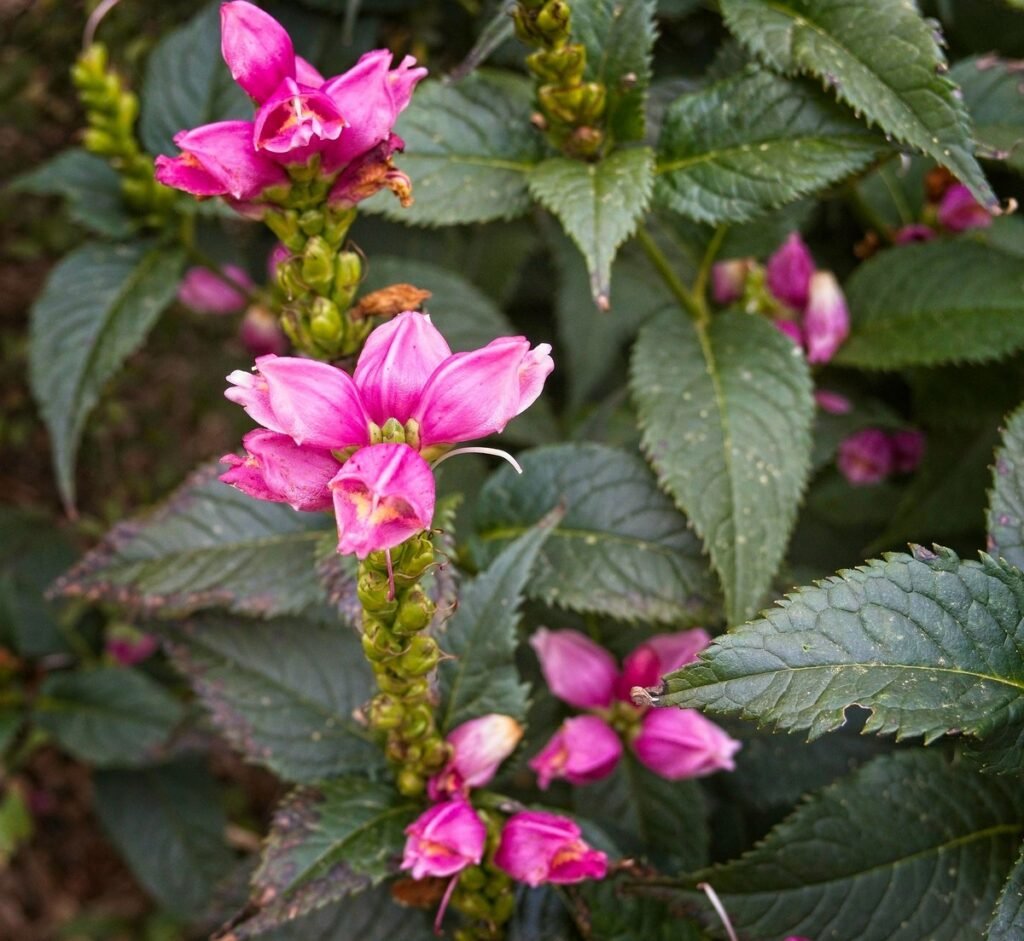
Turtlehead (Chelone spp.)
Turtlehead is a unique wildflower that gets its name from the shape of its flowers, which resemble the head of a turtle. With shades of pink or white, the flowers bloom in late summer to fall. Turtlehead prefers moist or wet areas and attracts pollinators like bees and butterflies.
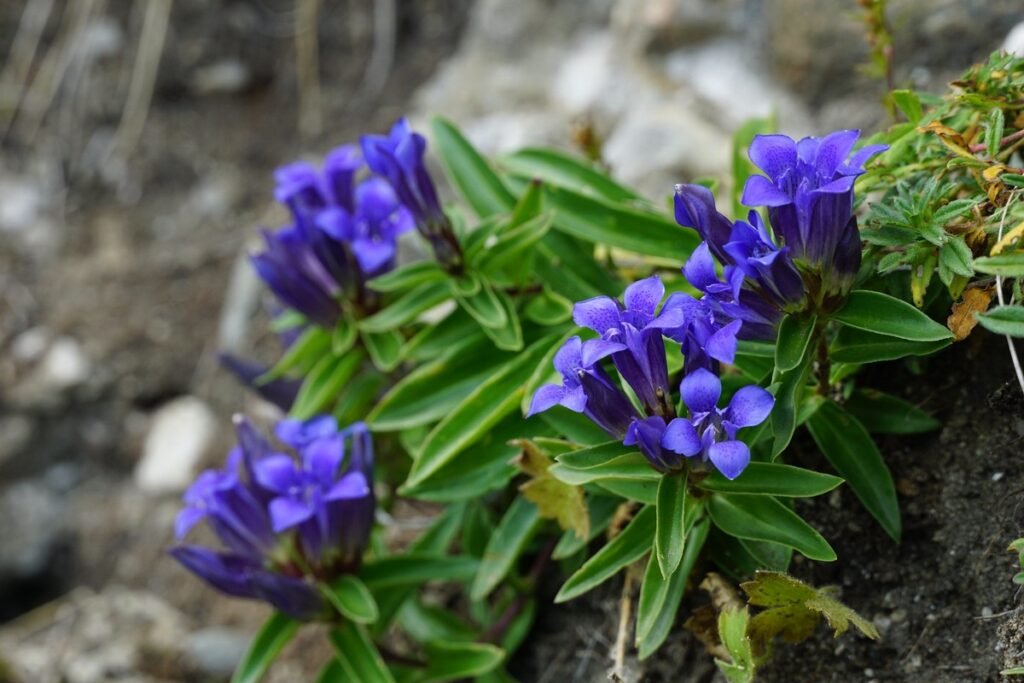
Gentian (Gentiana spp.)
Gentians are exquisite wildflowers that come in various species, each with its own unique characteristics. They typically feature showy, trumpet-shaped flowers in shades of blue, purple, or yellow. Blooming in the fall, these wildflowers add a touch of elegance and allure to gardens and natural areas.
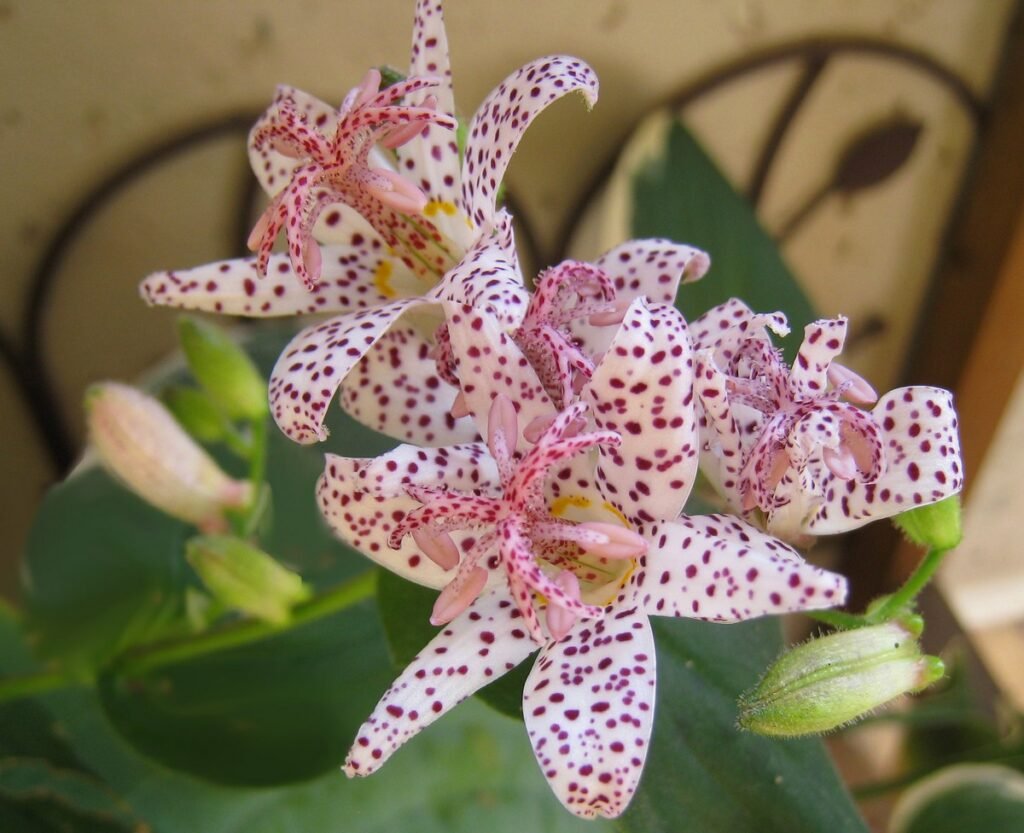
Toad Lily (Tricyrtis spp.)
Toad Lilies are fascinating wildflowers that bloom in late summer to fall, adding a touch of enchantment to shaded gardens. They showcase orchid-like flowers with speckled petals in shades of white, pink, or purple. Toad Lilies thrive in moist, well-draining soils and attract pollinators like bees and butterflies.
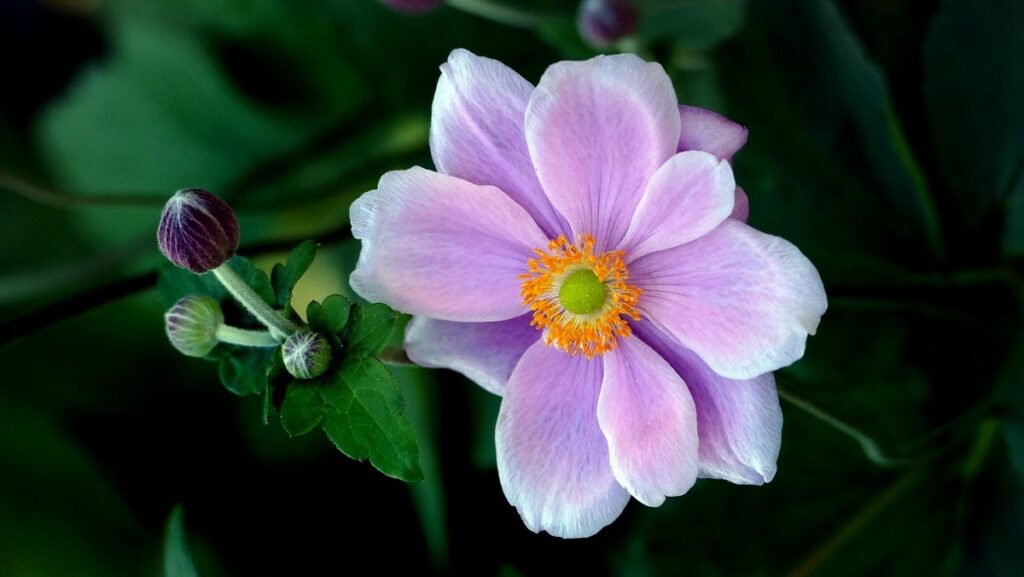
Japanese Anemone (Anemone hupehensis)
Japanese Anemone is a graceful wildflower that produces beautiful, single or double flowers in shades of pink or white. Blooming in late summer to fall, it adds elegance and charm to gardens. Japanese Anemones are known for their ability to thrive in partial shade and attract pollinators.
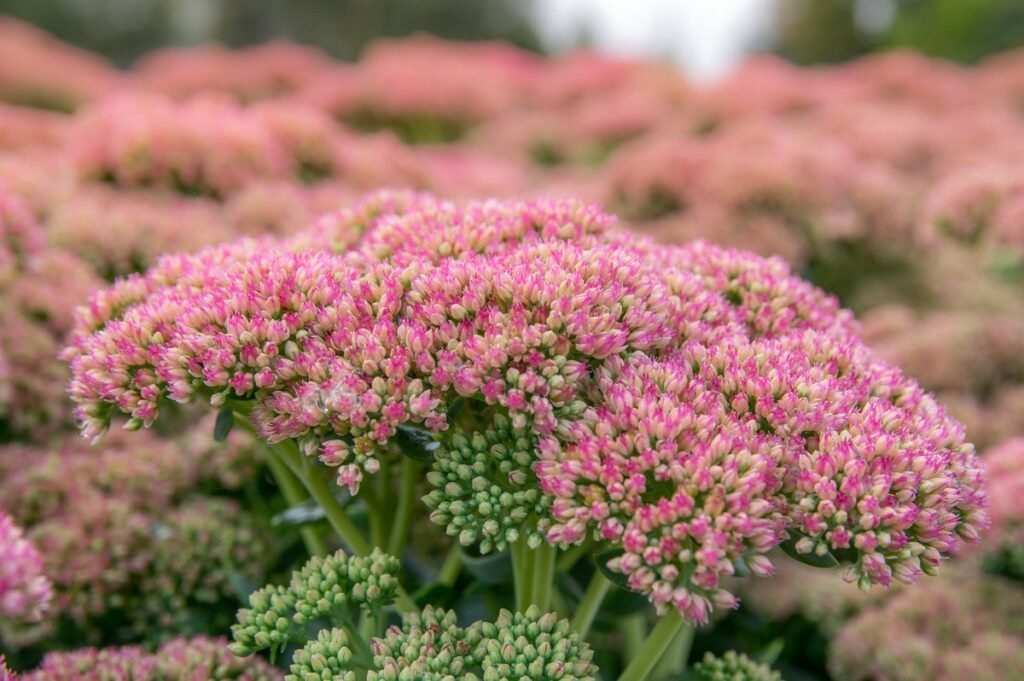
Autumn Joy Sedum (Hylotelephium ‘Herbstfreude’)
Autumn Joy Sedum is a popular fall-blooming perennial that features clusters of star-shaped flowers in shades of pink or rusty red. This drought-tolerant plant adds texture and interest to gardens, and its blooms persist well into fall, attracting pollinators and providing a rich source of nectar.
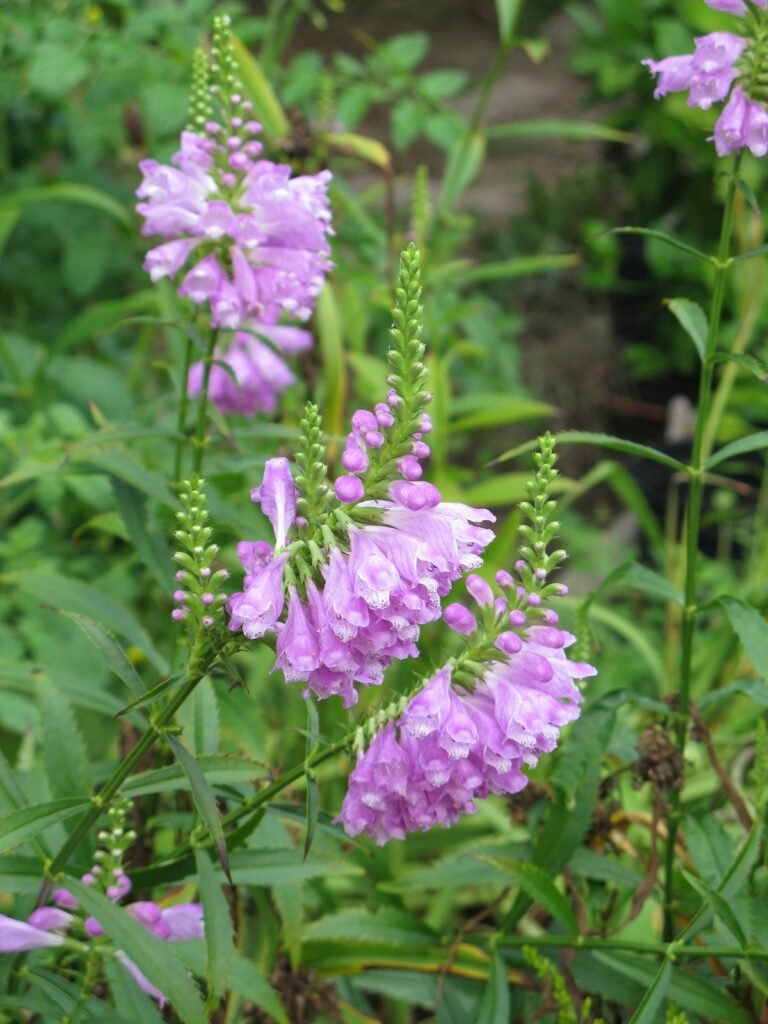
Obedient Plant (Physostegia virginiana)
Obedient Plant is a charming wildflower with clusters of tubular flowers in shades of pink or white. Blooming in late summer to fall, it is named for its unique ability to hold its flowers in various positions when touched. Obedient Plant attracts pollinators and adds a playful element to gardens.
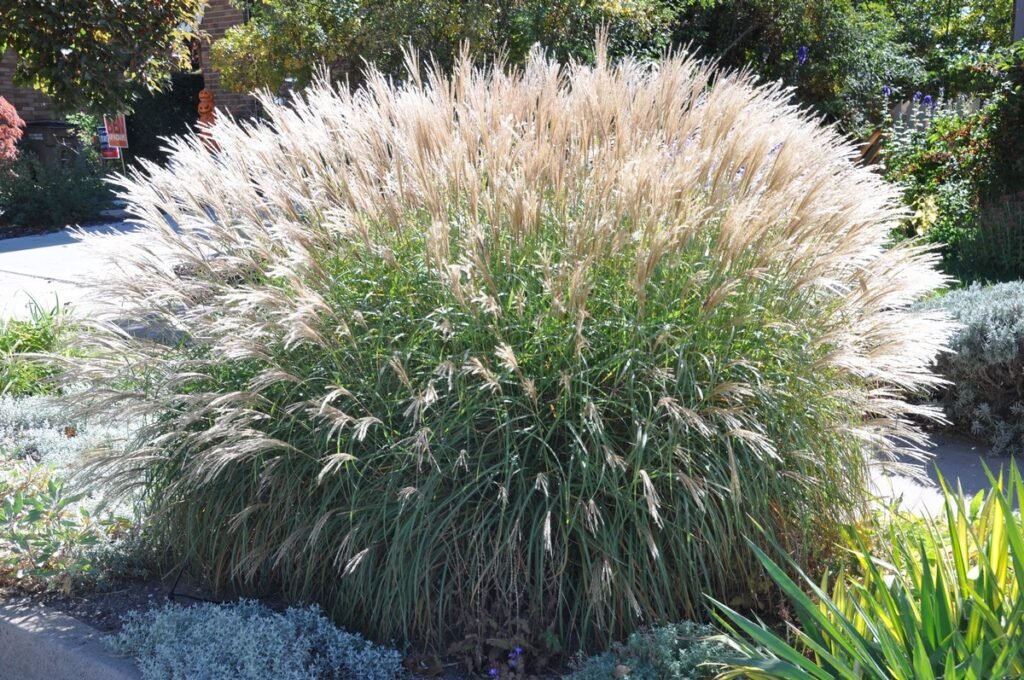
Japanese Silver Grass (Miscanthus sinensis)
Japanese Silver Grass is an ornamental grass that blooms in late summer to fall, adding texture and movement to gardens. With its gracefully arching blades and feathery plumes in shades of white, pink, or copper, it creates a mesmerizing display. Japanese Silver Grass is a versatile plant that adds a touch of elegance to fall landscapes.
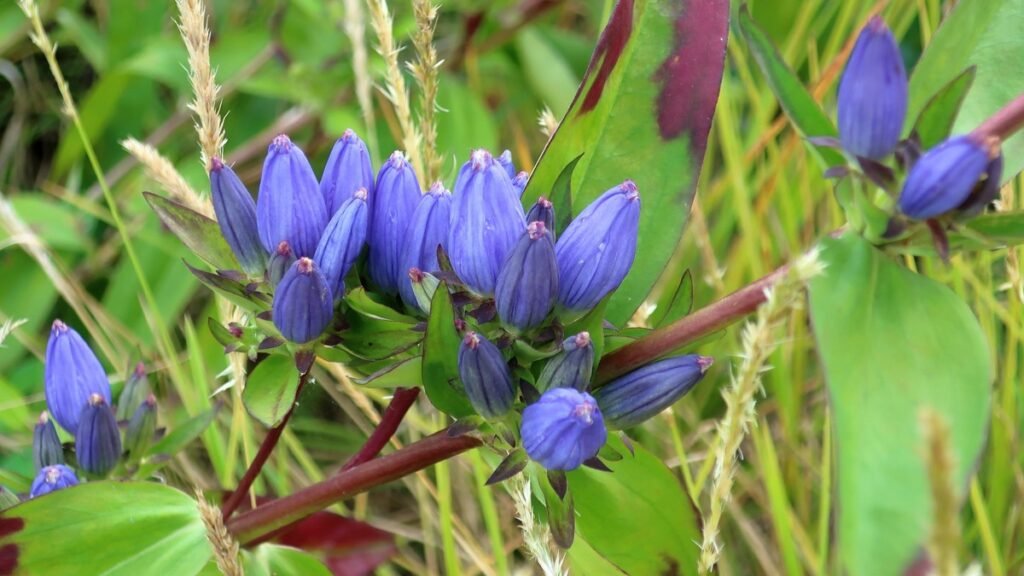
Bottle Gentian (Gentiana andrewsii)
The Bottle Gentian is a captivating wildflower with deep blue, bell-shaped blooms that remain closed at the top, resembling tiny bottles. Native to North America, this perennial plant thrives in moist meadows and attracts pollinators with its nectar-rich flowers. Its unique appearance and stunning blue color make it a standout addition to fall gardens.
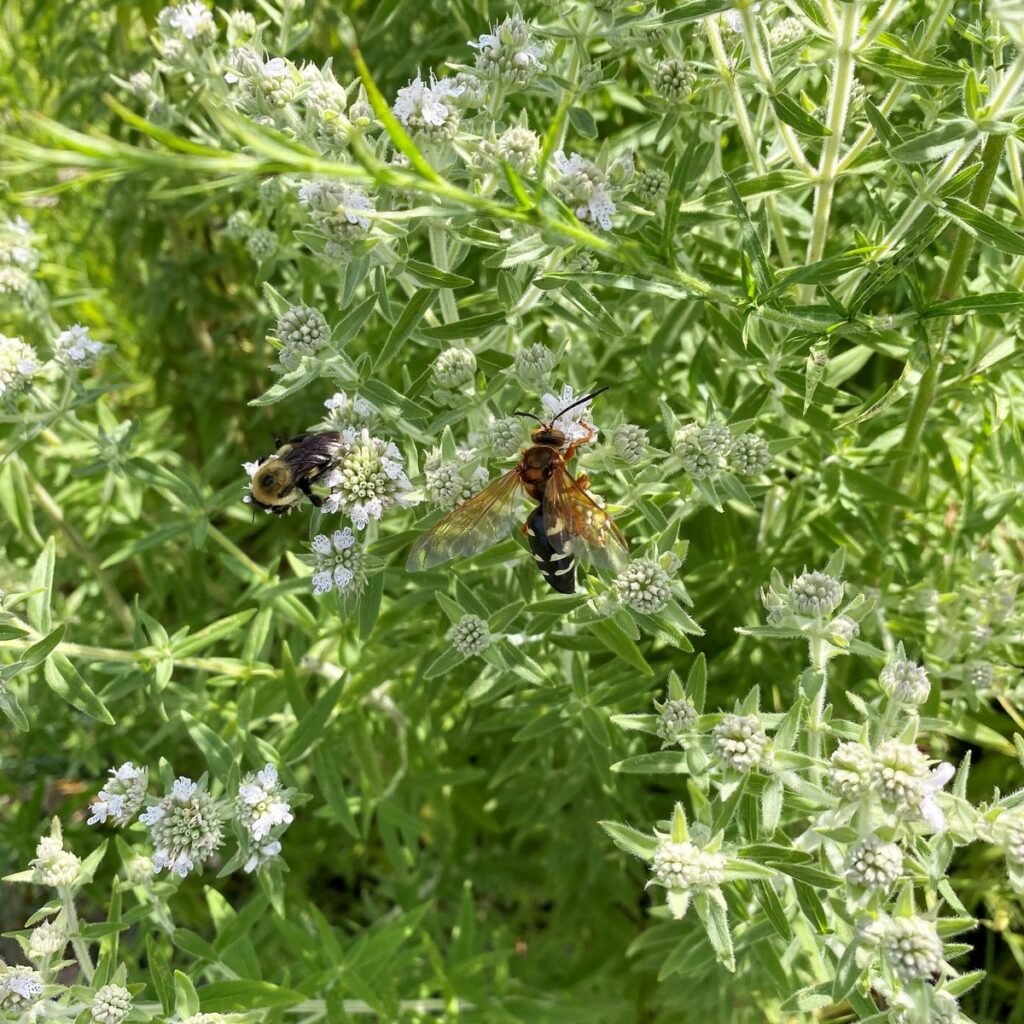
Hairy Mountain Mint (Pycnanthemum pilosum)
Hairy Mountain Mint is a delightful wildflower that releases a refreshing minty fragrance when brushed against. Native to North America, it displays clusters of small, white flowers with a touch of lavender. It thrives in sunny areas and attracts a variety of pollinators, including bees and butterflies, making it a perfect choice for fall gardens.
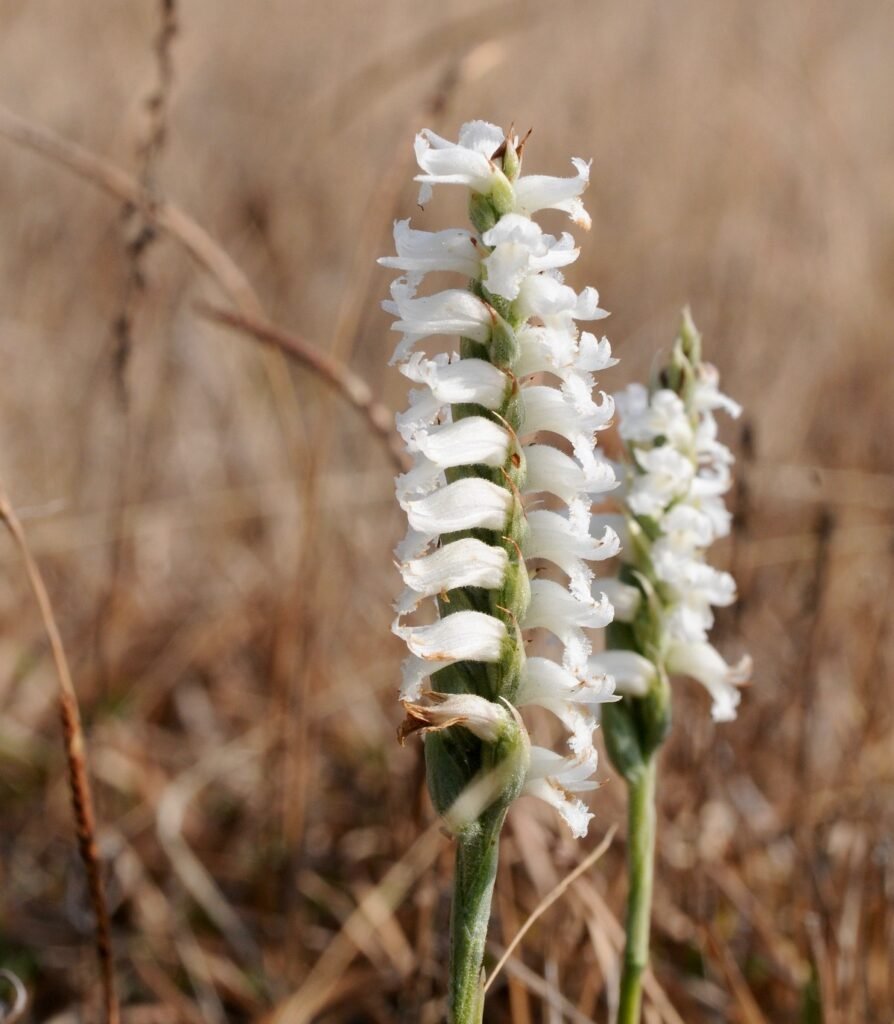
Nodding Ladies’ Tresses (Spiranthes cernua)
Nodding Ladies’ Tresses is a graceful orchid-like wildflower that showcases small, white flowers arranged in spiraling clusters. Native to North America, it can be found in wet meadows, marshes, and other moist habitats. Its delicate beauty and sweet fragrance attract pollinators, and its nodding blooms add an elegant touch to fall landscapes.
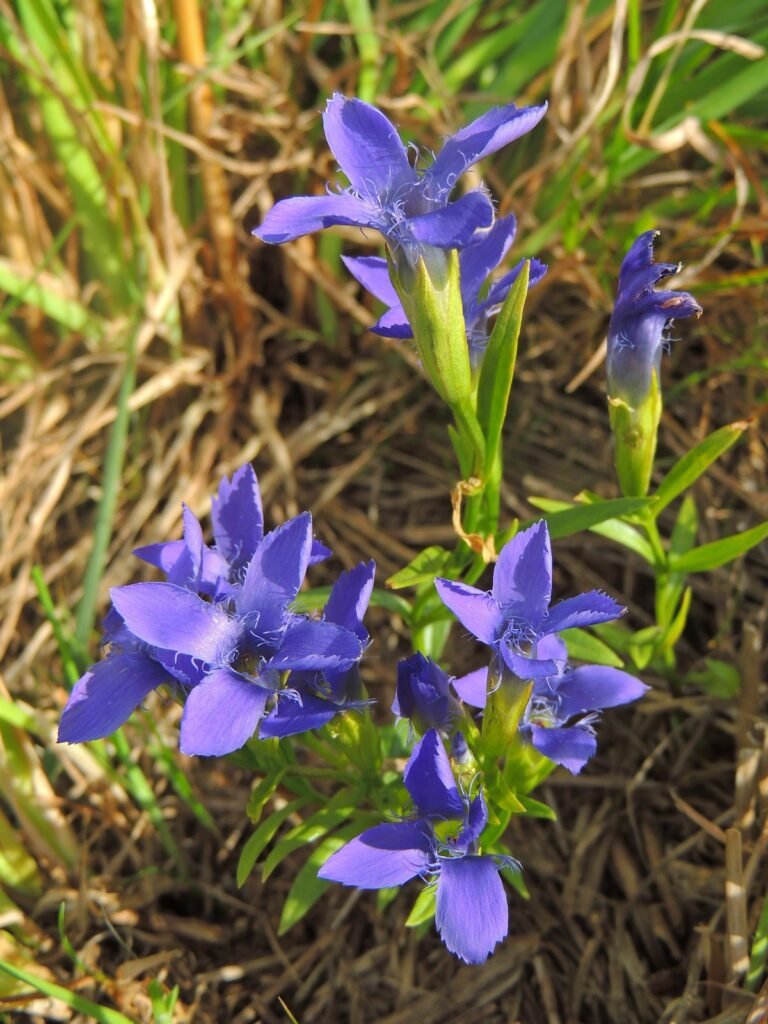
Fringed Gentian (Gentianopsis crinita)
The Fringed Gentian is a charming wildflower that features vibrant blue, trumpet-shaped flowers with delicate fringed edges. Native to North America, it thrives in moist prairies, meadows, and open woodlands. This perennial plant blooms in the fall, attracting pollinators and offering a stunning display of color to late-season landscapes.
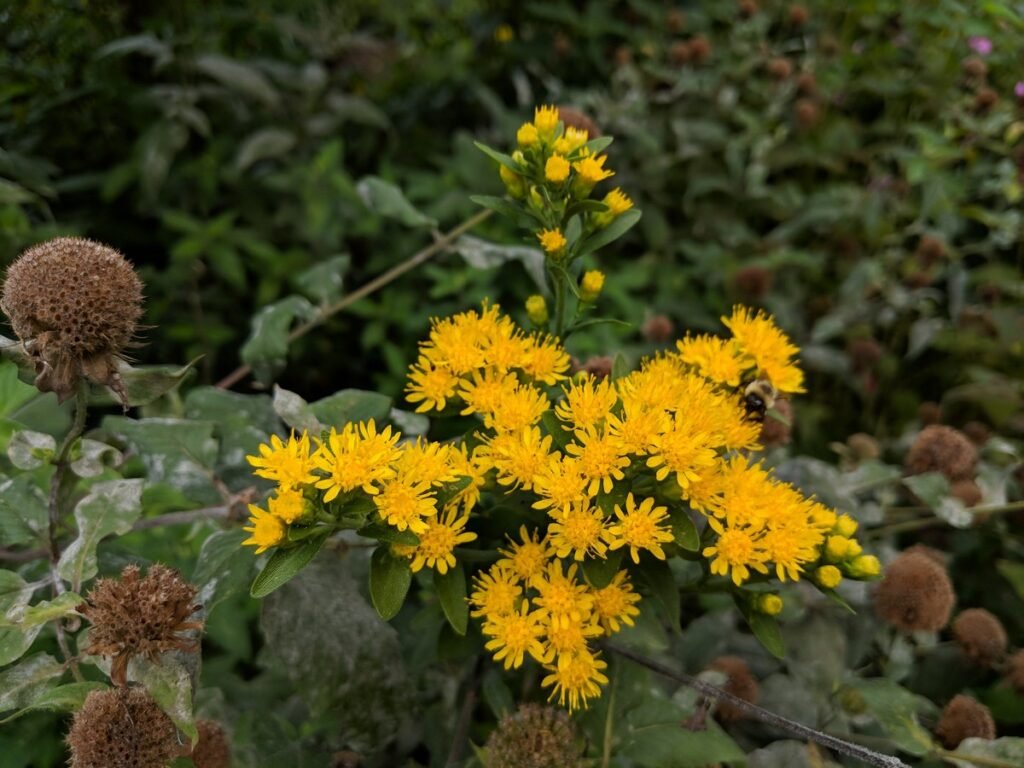
Showy Goldenrod (Solidago speciosa)
Showy Goldenrod is a show-stopping wildflower known for its tall spikes of bright yellow flowers. Native to North America, it blooms in the fall, providing an abundant nectar source for pollinators. Its vibrant display and ability to thrive in a variety of soil types make it a popular choice for adding color and attracting wildlife to gardens and natural areas.
Planting and Caring for Fall Wildflowers
Choosing the Right Location
When planting fall wildflowers, it’s essential to choose the right location. These flowers typically require full sun, so it’s best to select a spot that receives at least six hours of direct sunlight per day. Additionally, the soil should be well-draining and fertile. If your soil is not ideal, consider amending it with compost or other organic matter to improve its quality.
Water and Fertilizer Needs
Fall wildflowers require moderate watering, typically once or twice a week, depending on the weather conditions. It’s best to water them deeply rather than frequently to encourage root growth. As for fertilization, it’s best to avoid using chemical fertilizers and instead opt for organic options. Applying a layer of compost or mulch around the base of the plants can help provide the necessary nutrients.
Pruning and Maintenance
To ensure your fall wildflowers thrive throughout the season, regular maintenance is essential. Deadheading spent blooms can help encourage new growth and prolong blooming. Additionally, removing any diseased or damaged foliage can help prevent the spread of disease. Lastly, it’s crucial to keep an eye out for any pests or diseases that may affect your plants and address them promptly.
When planting fall wildflowers, consider companion planting to enhance their beauty and provide additional benefits. For example, planting milkweed alongside fall wildflowers can attract monarch butterflies, while planting garlic or chives can help deter pests. By following these tips, you can enjoy a beautiful display of fall wildflowers throughout the autumn season.
Conclusion
As I wrap up my article on fall wildflowers, I am reminded of the beauty and diversity of nature. Fall wildflowers are a testament to the resilience and adaptability of plants in changing seasons. They provide a source of food for pollinators and add color to the landscape.
I hope this article has been informative and helpful in identifying some of the most common fall wildflowers. From the delicate asters to the bold goldenrods, each species has its unique characteristics and benefits.
As I researched this topic, I discovered that fall wildflowers are not just pretty to look at, but they also have practical uses. Many fall blooming native perennials can be used for medicinal purposes or as natural dyes.
I encourage you to take a closer look at the fall wildflowers in your area and appreciate their beauty and value. Whether you are a nature lover or just looking for a way to add some color to your garden, there is a fall wildflower for everyone.
So, get outside and enjoy the autumn wildflowers while they last!