
Planting wildflower seeds in winter may seem counterintuitive, but it can actually be a great time to get started on your garden. As a gardening enthusiast, I have found that planting wildflower seeds during the winter months can yield great results. In fact, many wildflower species require a period of cold weather in order to germinate properly.
One of the benefits of planting wildflower seeds in winter is that it can save you time and effort in the spring. By sowing the seeds in the winter, you can get a head start on the growing season and avoid the rush of planting in the spring. Additionally, many wildflower species are hardy and can withstand the cold weather, making them an ideal choice for winter planting.
Overall, planting wildflower seeds in winter can be a rewarding and beneficial experience. With a little bit of planning and preparation, you can create a beautiful and vibrant garden that will thrive throughout the growing season. So why not give it a try and see what kind of results you can achieve?
Why Plant Wildflower Seeds in Winter
As a gardener, I love to see my garden in full bloom. And what better way to achieve that than by planting wildflower seeds in winter? Here are some reasons why I think it’s a great idea:
- Less competition from weeds: During winter, most weeds are dormant, which means that your wildflower seeds will have less competition for nutrients and space. This can lead to healthier and more robust plants.
- Natural stratification: Many wildflower seeds require a period of cold temperatures to germinate. Planting them in winter allows them to naturally stratify, which means they’ll be more likely to sprout in the spring.
- Early blooms: By planting wildflower seeds in winter, you can enjoy early blooms in the spring. This can be a great way to add some color to your garden after a long, dreary winter.
- Cost-effective: Wildflower seeds are often less expensive than buying mature plants. By planting seeds in the winter, you can save money and still enjoy a beautiful garden.
- Eco-friendly: Planting wildflowers can be a great way to support local pollinators, such as bees and butterflies. By planting seeds in the winter, you’re helping to provide habitat and food for these important creatures.
In conclusion, planting wildflower seeds in winter can be a great way to achieve a beautiful and eco-friendly garden. With less competition from weeds, natural stratification, early blooms, and cost savings, it’s definitely worth considering.
Preparing for Winter Wildflower Planting
Choosing the Right Wildflower Seeds
As I prepare for winter wildflower planting, it’s important to choose the right seeds for the job. I like to choose a mix of wildflowers that will bloom throughout the spring and summer, providing a beautiful and diverse display of colors. Some of my favorite wildflowers to plant in the winter include:
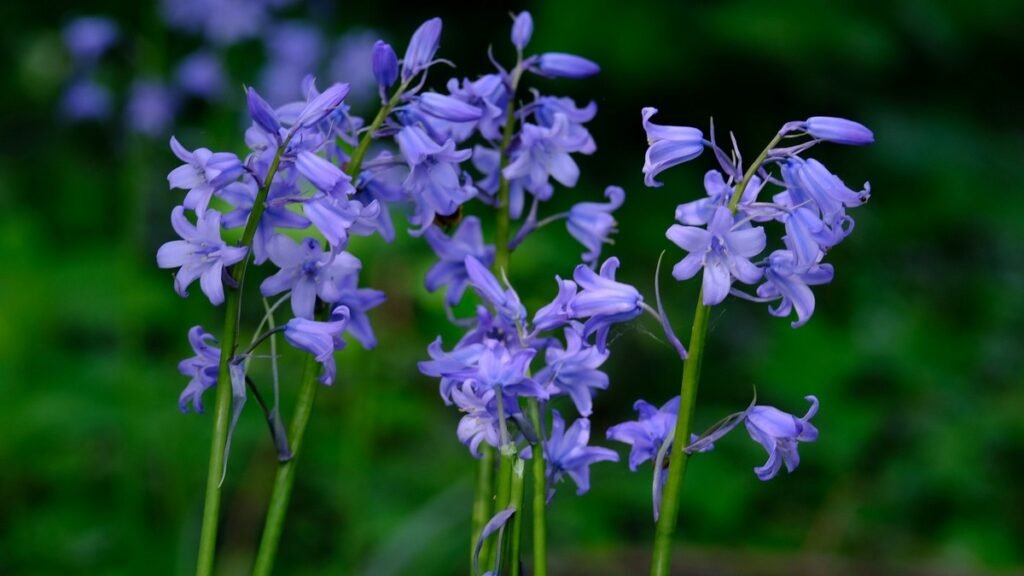
- Bluebells
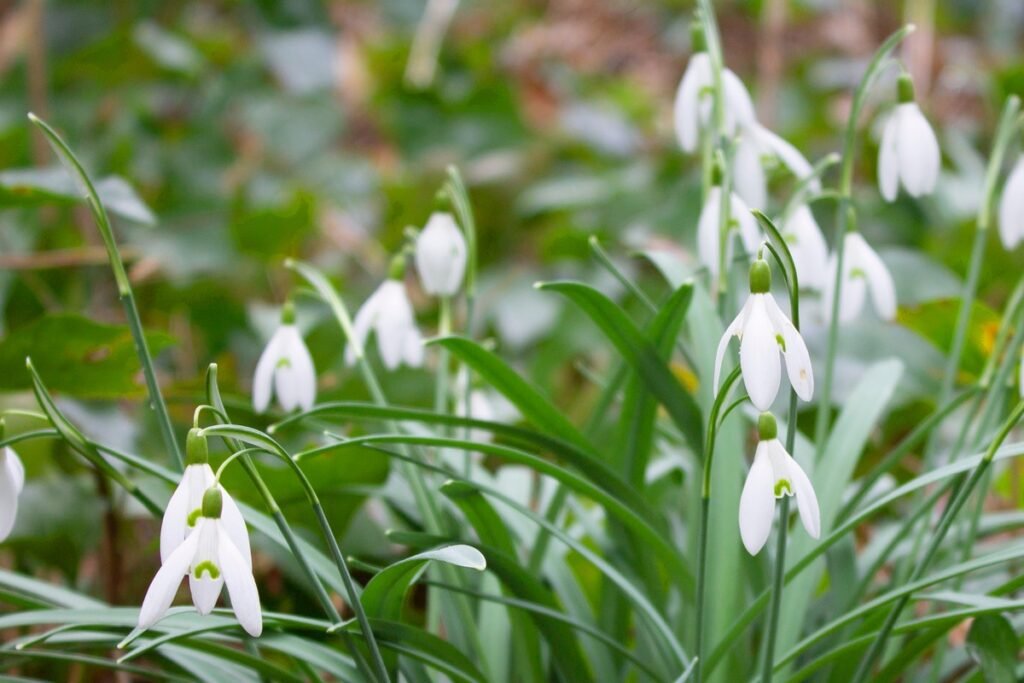
- Snowdrops
- Crocuses
- Daffodils
- Tulips
When selecting wildflower seeds, I always make sure to choose varieties that are native to my region. This ensures that they will thrive in the local climate and soil conditions.
Learn more: When to Plant Wildflower Seeds in Texas: A Guide
Preparing the Soil
Before planting my wildflower seeds, I make sure to prepare the soil properly. This involves removing any weeds or debris from the planting area and loosening the soil to a depth of about 6 inches. I also like to add a layer of compost or organic matter to the soil to help improve its fertility and structure.
Related: Skip the Tilling: How to Plant Wildflowers Hassle-Free
Planting the Seeds
Once the soil is prepared, it’s time to plant the wildflower seeds. I like to scatter the seeds evenly over the planting area, making sure to cover the seeds with a thin layer of soil. It’s important to water the seeds regularly, especially during dry periods, to help them establish strong roots.
Overall, planting wildflower seeds in the winter is a great way to add color and beauty to your garden throughout the spring and summer. By choosing the right seeds, preparing the soil properly, and planting the seeds correctly, you can create a stunning display of wildflowers that will delight you and your neighbors for months to come.
Related: Can You Just Throw Wildflower Seeds? Tips and Tricks
Caring for Winter Wildflowers
When planting wildflower seeds in winter, it’s important to take proper care of them to ensure they grow into healthy plants. Here are some tips on how to care for your winter wildflowers.
Watering and Fertilizing
I make sure to water my winter wildflowers regularly, especially during dry spells. I also fertilize them every few weeks with a balanced fertilizer to help them grow strong and healthy.
Protecting from Frost and Snow
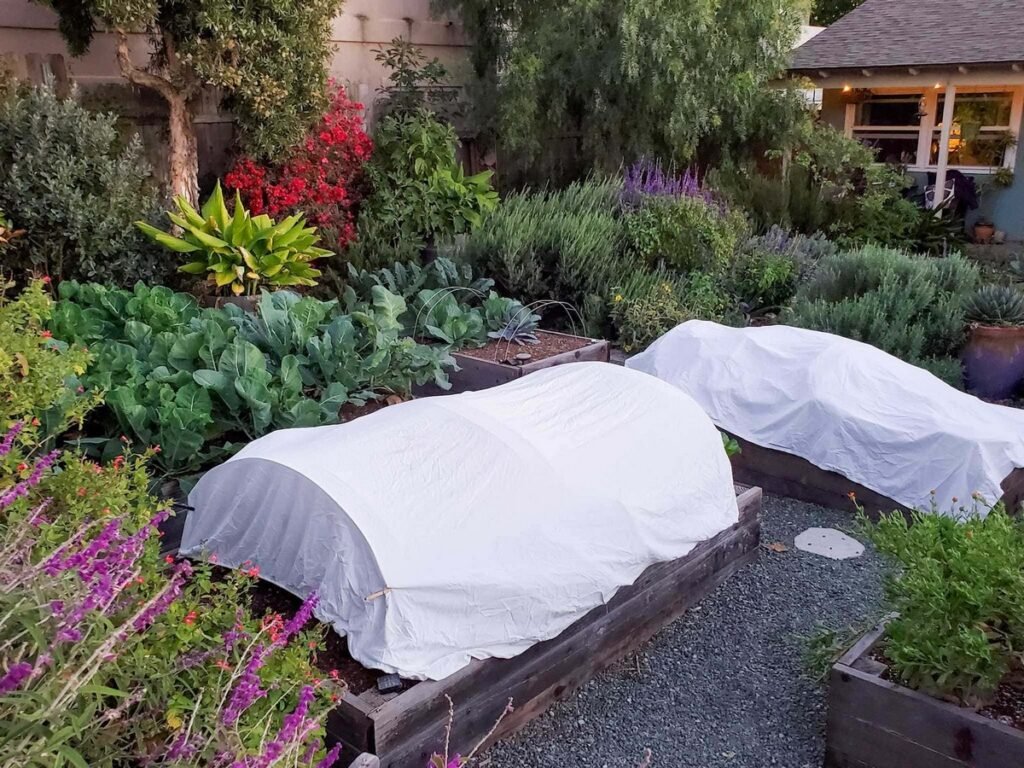
I cover my winter wildflowers with a layer of mulch to protect them from frost and snow. This helps to insulate the soil and keep the plants warm during cold weather. I also cover them with a cloth or blanket during particularly cold nights.
Managing Weeds and Pests
I keep my winter wildflower beds weed-free by pulling any weeds that sprout up. I also keep an eye out for pests like aphids and caterpillars, and remove them by hand or with an organic pesticide if necessary.
Overall, caring for winter wildflowers requires regular watering and fertilizing, protection from frost and snow, and managing weeds and pests. By following these tips, you can help your winter wildflowers grow into healthy and vibrant plants.
| Tip | Description |
| Watering | Regularly water your winter wildflowers, especially during dry spells. |
| Fertilizing | Fertilize your winter wildflowers every few weeks with a balanced fertilizer. |
| Protecting | Cover your winter wildflowers with mulch and a cloth or blanket during cold weather. |
| Managing | Keep your winter wildflower beds weed-free and remove pests by hand or with an organic pesticide. |
Benefits of Winter Wildflower Planting
Planting wildflower seeds in winter may seem counterintuitive, but it actually has several benefits. As someone who enjoys gardening, I have found that winter planting can be a great way to get a head start on the growing season and produce beautiful blooms come spring and summer.
Here are some of the benefits of planting wildflower seeds in winter:
- Increased germination rates: Many wildflower species require a period of cold stratification, or exposure to cold temperatures, in order to germinate. Planting in winter allows for this natural process to occur, resulting in higher germination rates.
- Less competition from weeds: By planting in winter, you can get a head start on weeds that typically emerge in the spring. This gives your wildflowers a better chance at establishing themselves before having to compete with other plants for resources.
- Earlier blooms: Planting in winter can result in earlier blooms come spring and summer. This is because the seeds have already had time to germinate and establish themselves, giving them a head start on the growing season.
- Less watering required: Winter planting often requires less watering than spring or summer planting. This is because the soil is typically cooler and retains moisture better, reducing the need for frequent watering.
Overall, planting wildflower seeds in winter can be a great way to get a head start on the growing season and produce beautiful blooms come spring and summer. So why not give it a try?