
Planting wildflowers is a wonderful way to add natural beauty and diversity to any outdoor space. As someone who loves gardening and nature, I find planting wildflowers to be a fulfilling and rewarding experience. However, it can be challenging to know where to start, especially if you’re new to gardening or planting wildflowers.
In this article, I’ll share some tips and tricks for planting wildflower seeds successfully. Whether you’re planting in a large meadow or a small garden bed, these tips will help you create a beautiful and thriving wildflower garden. With a little bit of planning and patience, you can enjoy a stunning display of colorful blooms that will attract pollinators and other wildlife to your outdoor space.
How to Choose Wildflower Mixes
When selecting wildflower mixes for planting, there are a few factors to consider. Here are some tips to help you choose the right wildflower mix:
- Consider your region: Different wildflower mixes are designed for different regions. Make sure to choose a mix that is appropriate for your climate and soil type. You can consult with a local nursery or gardening center to find out which wildflowers will thrive in your area.
- Choose a mix based on your purpose: Are you planting wildflowers to attract pollinators or for aesthetic purposes? Different mixes will have different flower colors and types, so choose a mix that aligns with your goals.
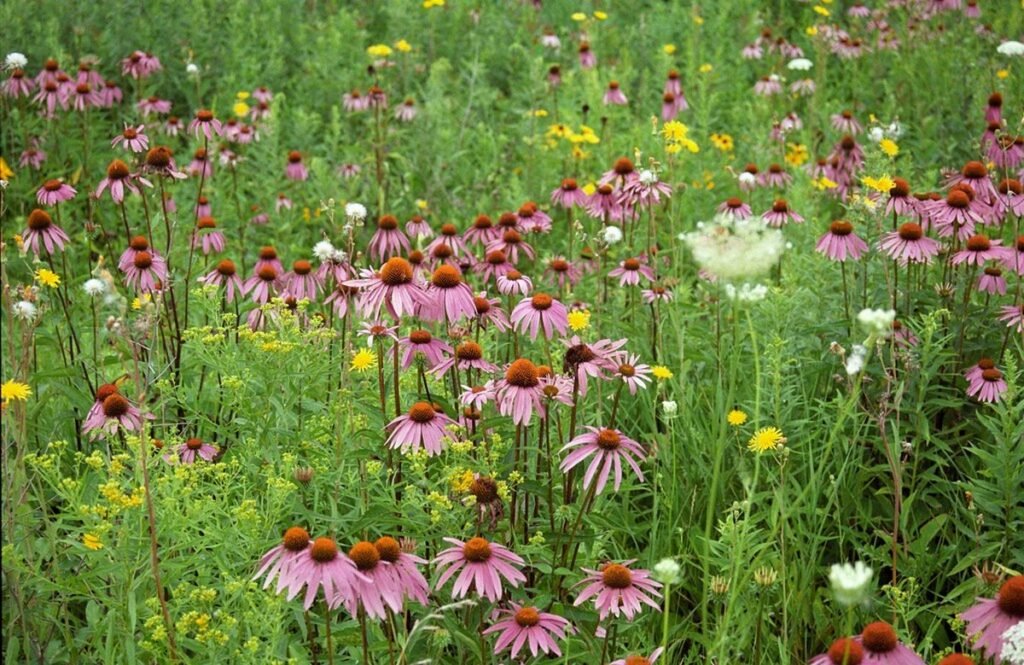
- Look for native species: Native wildflowers are adapted to the local climate and soil conditions, making them more likely to thrive. Look for mixes that contain a high percentage of native species.
- Consider bloom time: Some wildflower mixes will bloom all at once, while others will bloom throughout the season. Consider when you want your wildflowers to bloom, and choose a mix accordingly.
- Read the label: Make sure to read the label carefully to find out what species are included in the mix, as well as any special planting instructions.
By keeping these factors in mind, you can choose a wildflower mix that will thrive in your garden and provide beauty and habitat for pollinators.
Determining the Best Time to Plant Wildflower Seeds
When it comes to planting wildflower seeds, timing is everything. Planting at the right time ensures that the seeds will have the best chance of germinating and growing into healthy plants. In my experience, the best time to plant wildflower seeds is in the spring or fall.
In the spring, the soil is starting to warm up, and the days are getting longer. This provides the perfect conditions for seed germination. I recommend planting wildflower seeds in the spring after the last frost has passed. This will vary depending on your location, so be sure to check the local weather forecast.
Fall is also an excellent time to plant wildflower seeds. The cooler temperatures and increased rainfall create ideal conditions for seed germination. I usually plant wildflower seeds in the fall, around mid-September to early October. Again, this may vary depending on your location, so it’s important to check the local weather forecast.
It’s important to note that the timing of planting wildflower seeds can vary depending on the specific type of wildflower you’re planting. Some wildflowers require a cold period to break dormancy, while others require specific temperatures or moisture levels. Be sure to do your research and follow the specific instructions for the type of wildflower seeds you’re planting.
In conclusion, determining the best time to plant wildflower seeds is crucial for successful germination and growth. Spring and fall are generally the best times to plant, but it’s important to do your research and follow specific instructions for the type of wildflower seeds you’re planting.
Preparing Your Garden for Wildflowers
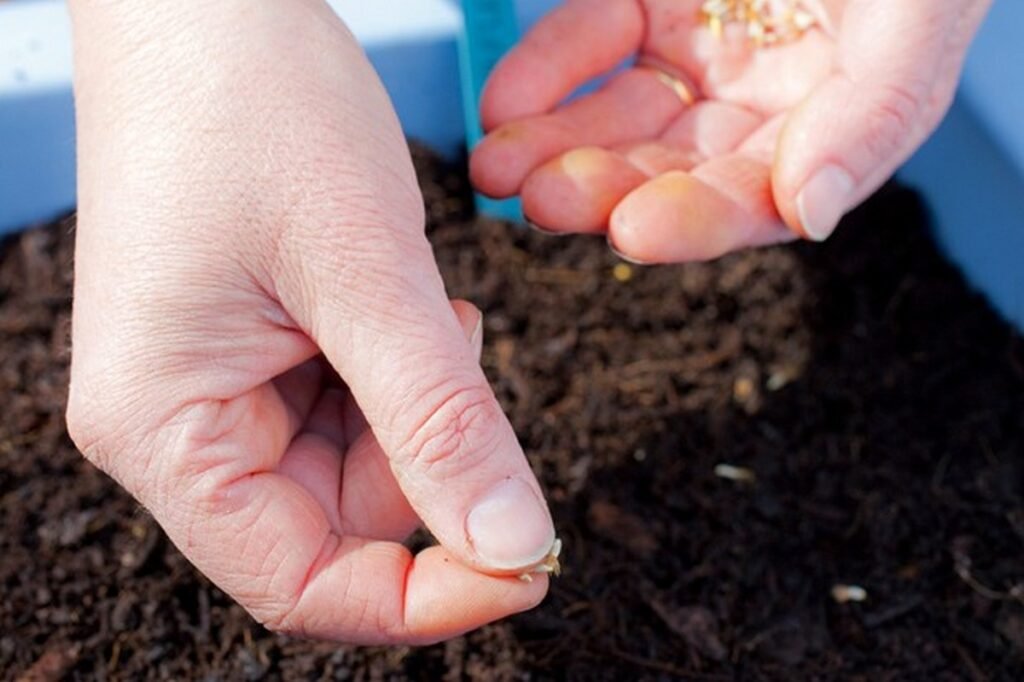
Step 1: Pick a Sunny Location
I always start by selecting a spot in my garden that gets plenty of sunlight. Wildflowers love the sun, so it’s important to choose a location that gets at least six hours of direct sunlight each day. If you’re not sure where to plant your wildflowers, spend some time observing your garden to see where the sun shines the most.
Step 2: Clear the Ground
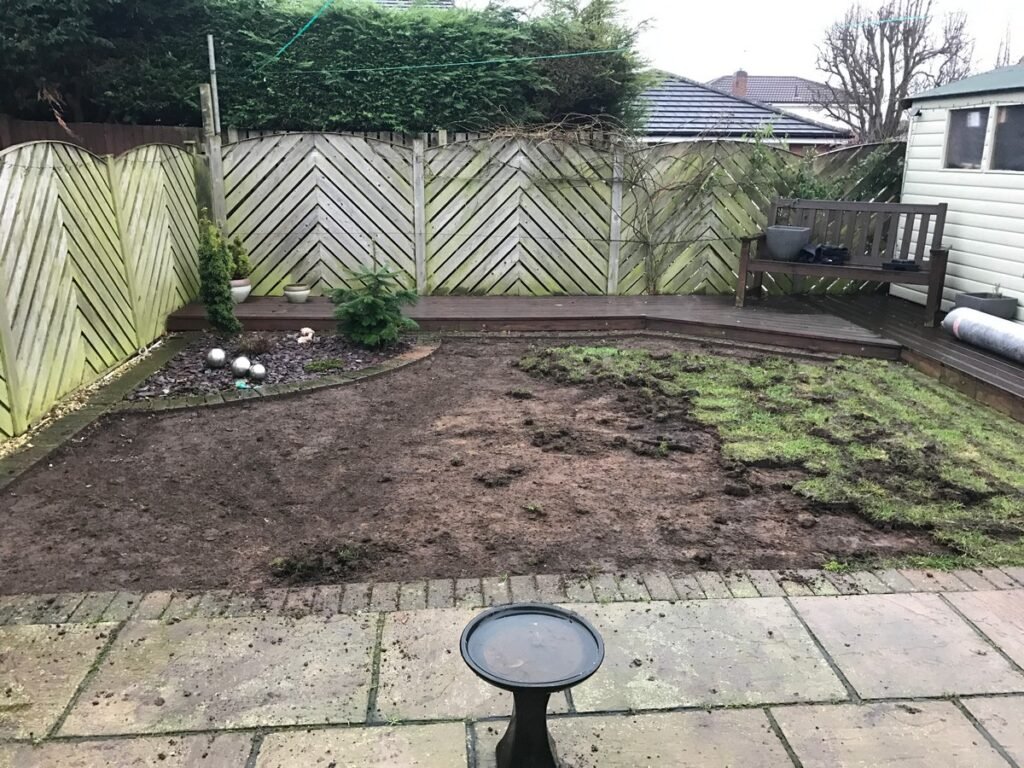
Before planting your wildflower seeds, it’s important to clear the ground of any debris, weeds, or rocks. I like to use a hoe or a rake to remove any weeds or grass from the area. This will give your wildflowers the best chance to grow and thrive.
Related: Skip the Tilling: How to Plant Wildflowers Hassle-Free
Step 3: Amend the Soil
Once you’ve cleared the ground, it’s time to amend the soil. Wildflowers prefer well-draining soil that is rich in organic matter. I like to add compost or aged manure to the soil to improve its quality. You can also add sand or perlite to improve drainage, especially if your soil is heavy or clay-like.
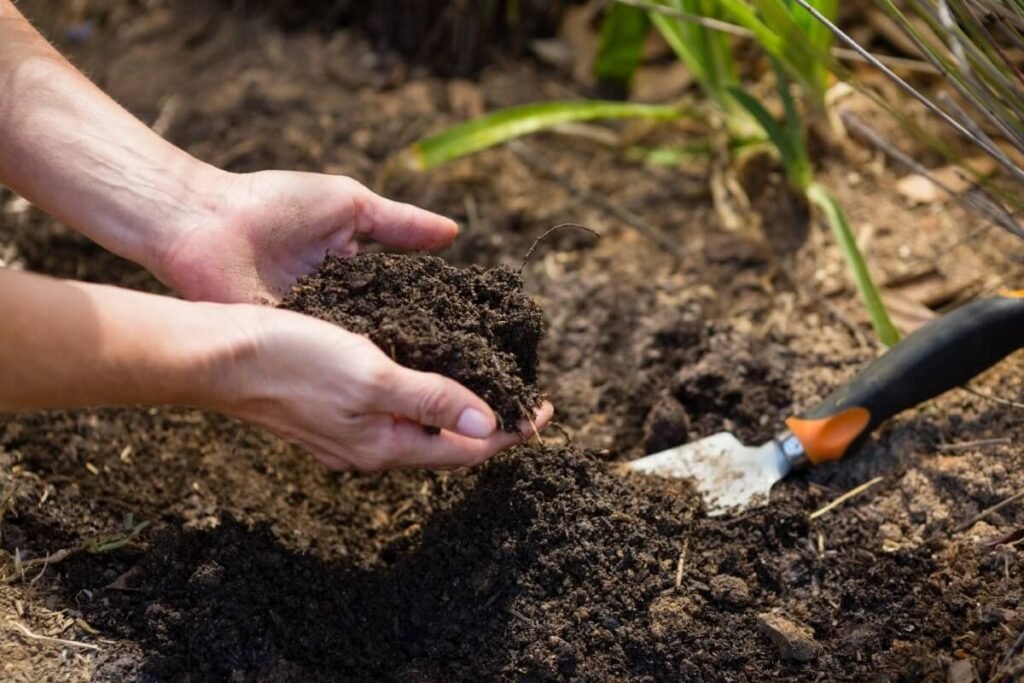
After amending the soil, it’s important to rake it smooth and level. This will make it easier to plant your wildflower seeds and ensure that they are evenly distributed.
By following these three simple steps, you’ll be well on your way to planting a beautiful wildflower garden. Remember to water your seeds regularly and be patient – it may take a few weeks for your wildflowers to sprout, but the wait will be worth it!
How to Plant Wildflower Seeds
How Much Seed Do You Need?
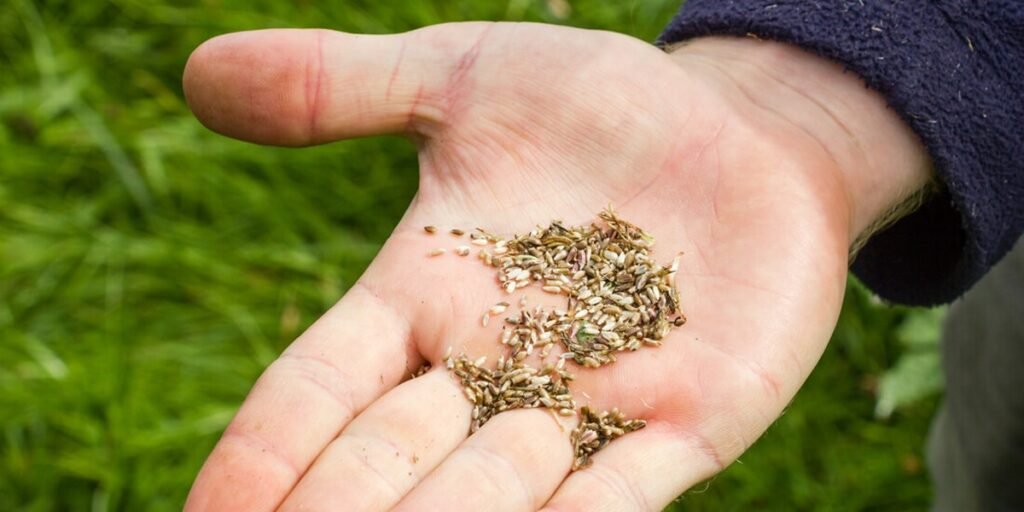
Before you start planting wildflower seeds, you need to determine how much seed you need. The amount of seed you need depends on the size of the area you want to cover. As a general rule of thumb, you will need about 1-2 ounces of seed per 100 square feet. If you want a denser wildflower meadow, you can use up to 4 ounces of seed per 100 square feet.
Wildflower Seed Application Rates
Once you have determined how much seed you need, you can start spreading the seed. The recommended seed application rate varies depending on the type of wildflower seed you are using. Most wildflower seed mixes will have a recommended application rate on the package.
Methods for Scattering Seeds: Seed Spreader or Hand
You can scatter the seeds by hand or use a seed spreader. If you are working with a small area, scattering the seed by hand is a good option. It gives you more control over where the seed is going. However, if you are working with a larger area, using a seed spreader can save you time and effort.
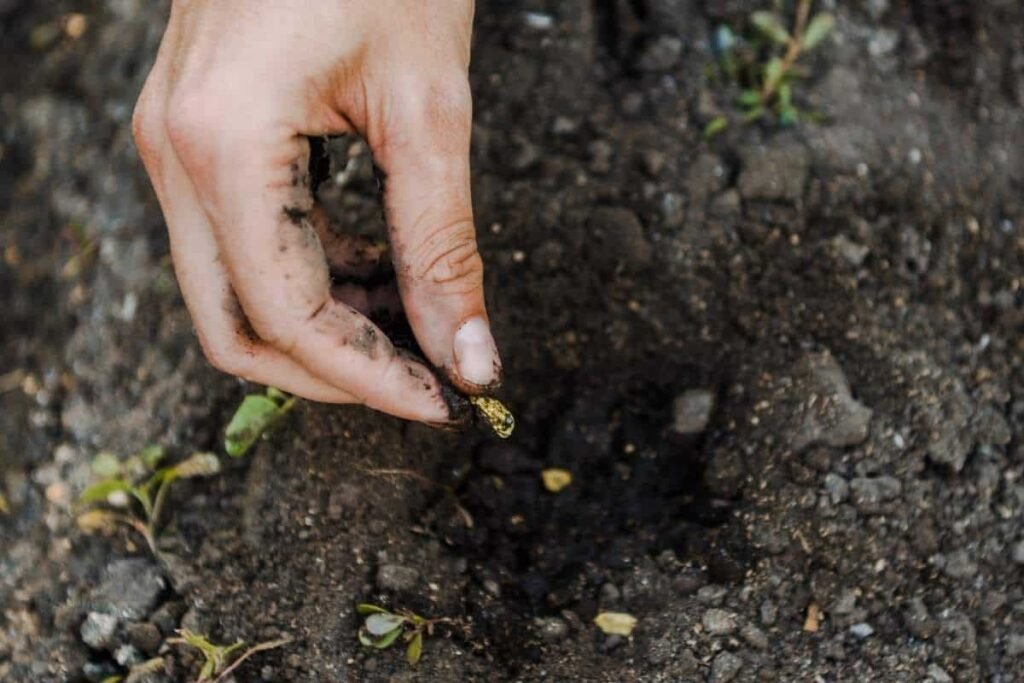
Importance of Compressing Seeds Into the Soil
After you have scattered the seed, it is important to compress the seeds into the soil. You can use a lawn roller or gently walk over the area to press the seeds into the soil. This will help the seeds make good contact with the soil, which is essential for successful germination.
Remember, planting wildflower seeds is an easy and fun way to add color and beauty to your garden or landscape. With a little bit of planning and preparation, you can create a beautiful wildflower meadow that will attract bees, butterflies, and other pollinators.
Caring for Your Wildflowers
Proper Watering Techniques
I recommend watering your wildflowers deeply and infrequently. This means giving them a good soaking once a week rather than a light watering every day. This encourages the roots to grow deep into the soil, making the plants more drought-tolerant. Be sure to water early in the day to allow the leaves to dry before nightfall, as wet leaves can lead to fungal diseases.
Reseeding for Continuous Growth
To ensure that your wildflowers continue to bloom year after year, it’s important to reseed them regularly. I suggest scattering seeds in the fall or early spring, depending on the climate in your area. This will give the seeds time to establish before the hot summer months. Be sure to choose a spot with plenty of sunlight and well-draining soil.
Dealing with Pests and Diseases in Your Wildflowers
Wildflowers are generally hardy plants, but they can still fall victim to pests and diseases. If you notice any signs of infestation or disease, act quickly to prevent it from spreading. I recommend using natural remedies such as neem oil or insecticidal soap rather than harsh chemicals. You can also try companion planting with herbs such as basil or marigolds to repel pests.
Remember, wildflowers are meant to be enjoyed and appreciated for their natural beauty. With a little care and attention, your wildflower garden can thrive for years to come.
Maintaining Your Wildflower Planting
Maintaining Your Meadow During the Growing Season
Once your wildflowers have started growing, it’s important to keep an eye on them and make sure they are healthy. Here are some tips for maintaining your meadow during the growing season:
- Watering: Wildflowers are typically drought-tolerant, but they still need water to thrive. If you are experiencing a dry spell, you may need to water your meadow to keep it healthy.
- Fertilizing: Wildflowers don’t require much fertilizer, but you can give them a boost with a light application of a low-nitrogen fertilizer.
- Deadheading: To encourage your wildflowers to keep blooming, it’s a good idea to deadhead them regularly. This means removing the spent blooms before they have a chance to go to seed.
Controlling Weeds Among Your Wildflowers
Weeds can quickly take over a wildflower meadow, so keeping them under control is important. Here are some tips for controlling weeds among your wildflowers:
- Hand weeding: The most effective way to control weeds is to pull them out by hand. This is especially important in the early stages of your meadow’s growth.
- Mulching: Adding a layer of mulch around your wildflowers can help suppress weeds and retain moisture.
- Herbicides: If you have a large area to maintain, you may want to consider using an herbicide. However, it’s important to choose a product that is safe for your wildflowers and follow the instructions carefully.
Adding More Wildflowers to an Existing Meadow
If you want to add more wildflowers to your meadow, there are a few things to keep in mind:
- Timing: The best time to plant wildflowers is in the fall or early spring when the soil is cool and moist.
- Seed selection: Choose seeds that are appropriate for your region and soil type.
- Preparation: Before planting, make sure the area is clear of weeds and debris.
Maintaining Your Meadow After the Growing Season
Once the growing season is over, it’s time to prepare your meadow for the winter. Here are some tips for maintaining your meadow after the growing season:
- Mowing: Mow your meadow to a height of 4-6 inches to prevent the buildup of thatch.
- Seed collection: If you want to collect seeds for next year, wait until the seed heads have dried out and then shake them into a container.
- Cleanup: Remove any debris from your meadow to prevent pests and diseases from overwintering.
That’s it! With a little bit of maintenance, your wildflower meadow can provide a beautiful and natural habitat for years to come.
When to Expect Your Planted Wildflowers to Bloom?
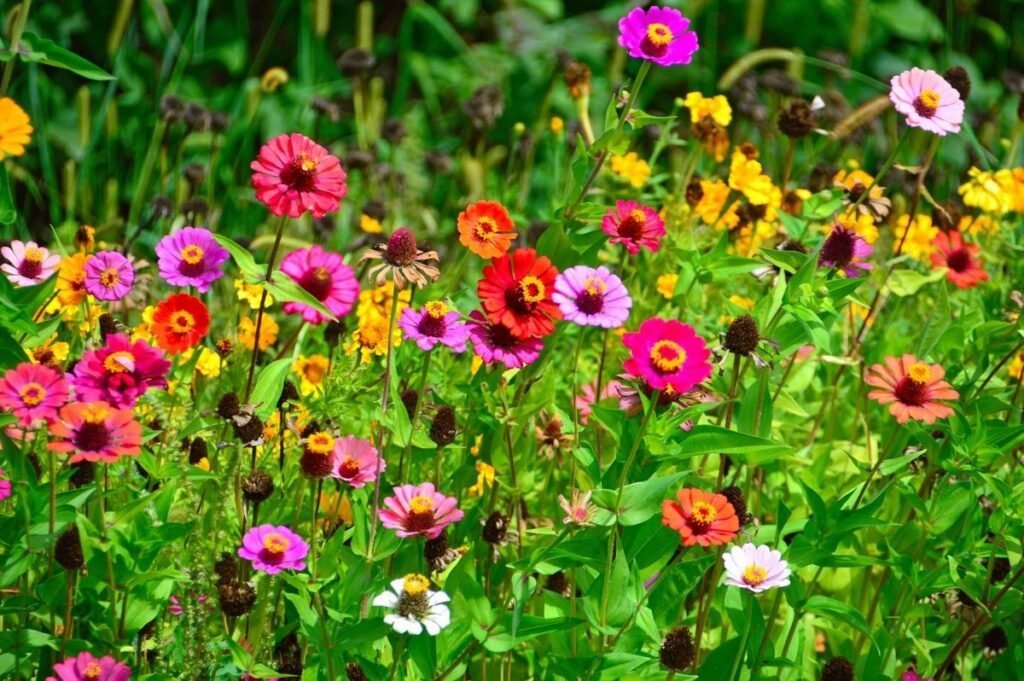
After planting wildflower seeds, you may be eager to see them bloom. The time it takes for your wildflowers to bloom can vary depending on the species you planted and the conditions they are growing in.
Generally, most wildflowers will begin to bloom within 6-12 weeks after planting. However, some species may take longer to establish themselves and bloom. It’s important to be patient and continue to care for your wildflowers even if you don’t see blooms right away.
If you’re unsure about when to expect your wildflowers to bloom, you can refer to the seed packet or do some research on the specific species you planted. This can give you a better idea of what to expect and when.
In addition to the species you planted, the growing conditions can also affect when your wildflowers bloom. Factors such as temperature, sunlight, water, and soil quality can all impact the growth and blooming of your wildflowers.
To ensure your wildflowers bloom at their best, make sure they are getting enough sunlight, water, and nutrients. Regularly check the soil moisture and adjust watering as needed. Additionally, consider adding fertilizer or compost to the soil to provide extra nutrients for your wildflowers.
Overall, the time it takes for your wildflowers to bloom can vary, but with patience and proper care, you can enjoy a beautiful display of colorful blooms in your garden.
Selecting the Ideal Wildflower Seed for Your Planting
Popular Wildflower Seed Mixes and Regional Varieties
When selecting wildflower seeds, it’s important to consider the climate and soil conditions of your region. Many seed companies offer pre-made wildflower mixes that are tailored to specific regions. These mixes often include a variety of wildflowers that are native to the area and will thrive in the local climate.
Some popular wildflower seed mixes include:
- Butterfly Garden Mix: This mix is designed to attract butterflies and includes flowers such as butterfly weed, black-eyed Susan, and purple coneflower.
- Pollinator Mix: This mix is designed to attract bees, butterflies, and other pollinators and includes flowers such as sunflowers, asters, and wild indigo.
- Shade Mix: This mix is designed for areas with partial to full shade and includes flowers such as columbine, bleeding heart, and wild ginger.
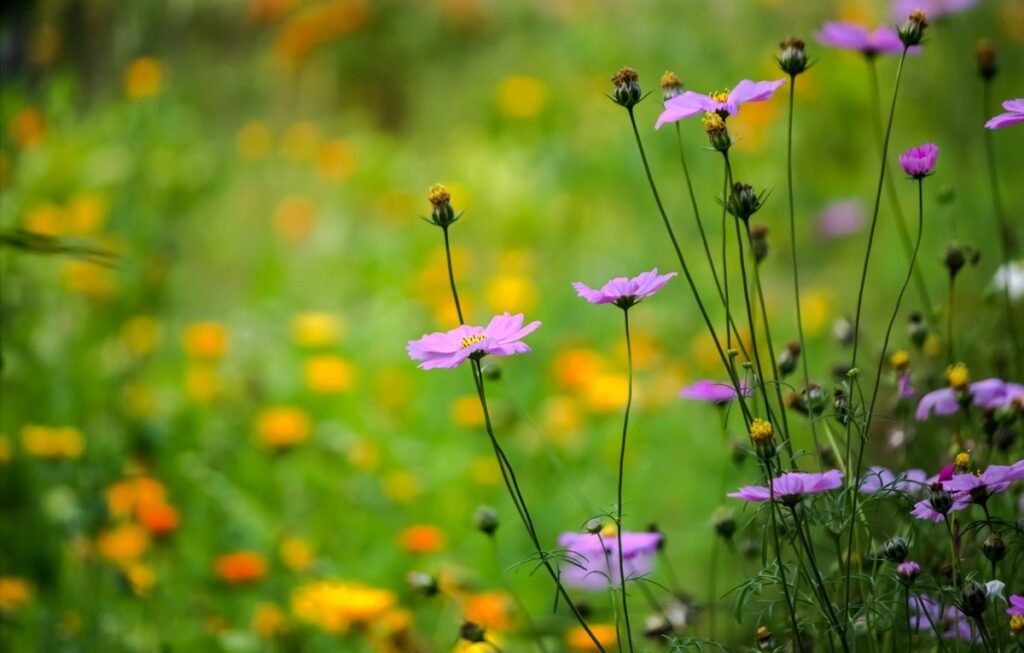
If you prefer to plant individual species of wildflowers, it’s important to research which ones will thrive in your region. Some regional varieties of wildflowers include:
- California Poppies: These bright orange flowers are native to California and thrive in hot, dry climates.
- Bluebonnets: These beautiful blue flowers are native to Texas and thrive in warm, sunny climates.
- Black-Eyed Susans: These cheerful yellow flowers are native to the eastern United States and thrive in a variety of soil types.
Learn more: When to Plant Wildflower Seeds in Texas
How to Plant Specific Wildflower Species Individually
When planting individual species of wildflowers, it’s important to follow the specific planting instructions for each type of seed. Some general tips for planting wildflower seeds include:
- Prepare the soil: Wildflowers prefer well-draining soil that is free of weeds. Remove any weeds or grass from the planting area and loosen the soil with a garden fork.
- Sow the seeds: Scatter the seeds evenly over the planting area and lightly press them into the soil. Cover the seeds with a thin layer of soil or compost.
- Water regularly: Keep the soil moist but only waterlogged once the seeds germinate. After the plants have been established, water them deeply once a week.
Remember, wildflowers are hardy and adaptable plants that require little maintenance once established. By selecting the right seeds and following proper planting techniques, you can enjoy a beautiful wildflower garden for years to come.
Answering Your Planting Questions
Is it Better to Leave Wildflower Seeds Covered or Uncovered?
When it comes to planting wildflower seeds, many gardeners wonder whether it is better to leave the seeds covered or uncovered. The answer is that it depends on the specific type of wildflower seed you are planting.
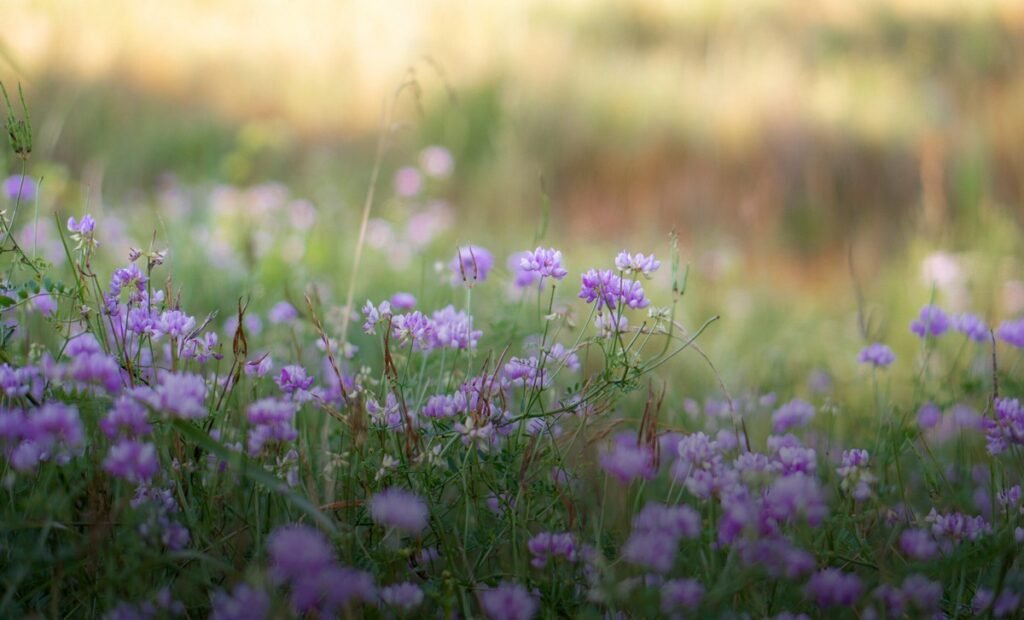
Some wildflower seeds require light to germinate, so it’s best to leave them uncovered. Other seeds need to be covered with soil to germinate properly. As a general rule of thumb, small seeds should be left uncovered, while larger seeds should be covered with a thin layer of soil.
Do Birds and Wildlife Consume Wildflower Seeds?
Yes, birds and other wildlife may consume wildflower seeds that have been planted. To prevent this from happening, you can cover the seeds with a layer of mulch or netting. Alternatively, you can plant the seeds in a location that is less accessible to wildlife.
Wildflowers vs. Weeds: How to Tell the Difference
One of the challenges of planting wildflowers is distinguishing them from weeds. The best way to tell the difference is by examining the leaves of the plant. Wildflowers typically have more complex leaves with a variety of shapes and textures. Weeds, on the other hand, often have simpler leaves and may be more uniform in appearance.
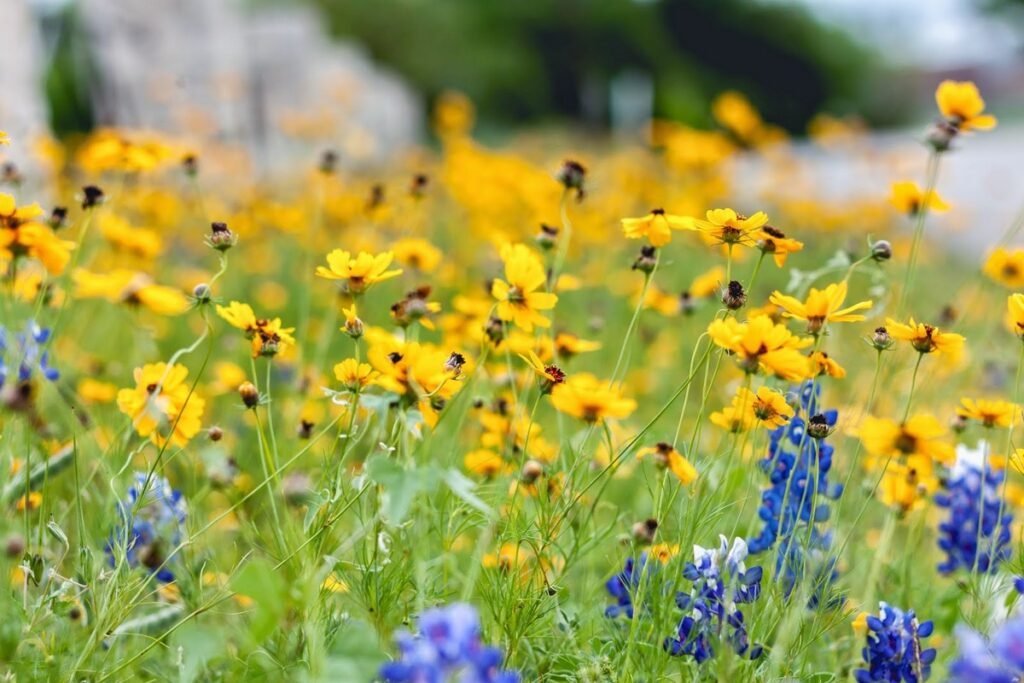
Another way to tell the difference is by examining the flowers themselves. Wildflowers typically have bright, colorful flowers that are attractive to pollinators. Weeds, on the other hand, may have small, dull flowers or no flowers at all.
In conclusion, planting wildflower seeds can be a fun and rewarding experience. By following these tips and answering these common questions, you can ensure that your wildflower garden thrives.