
As a nature enthusiast, I often find myself wondering when wildflowers will bloom. It’s a magical time of year when the landscape comes alive with vibrant colors and sweet fragrances. However, the timing of wildflower blooms varies depending on a variety of factors, making it difficult to predict exactly when they will appear.
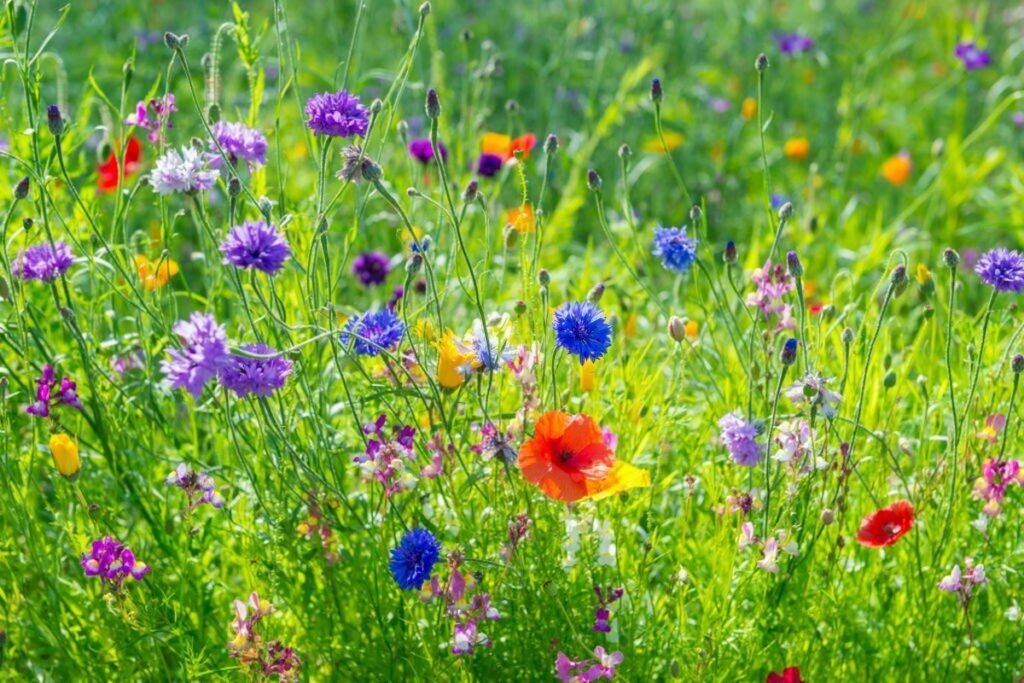
One of the most important factors that affect wildflower bloom time is the climate. Different species of wildflowers have adapted to specific temperature and moisture conditions, and their blooms will coincide with the weather patterns of their particular region. Additionally, the timing of spring and the length of the growing season can also impact when wildflowers will bloom. In some areas, the first blooms may appear as early as February or March, while in others, they may not arrive until late May or early June.
Flowering Times of Common Wildflower Species
Annuals
As a wildflower enthusiast, I have observed that most annual wildflowers bloom between April and July. Some common annual wildflower species and their flowering times are:
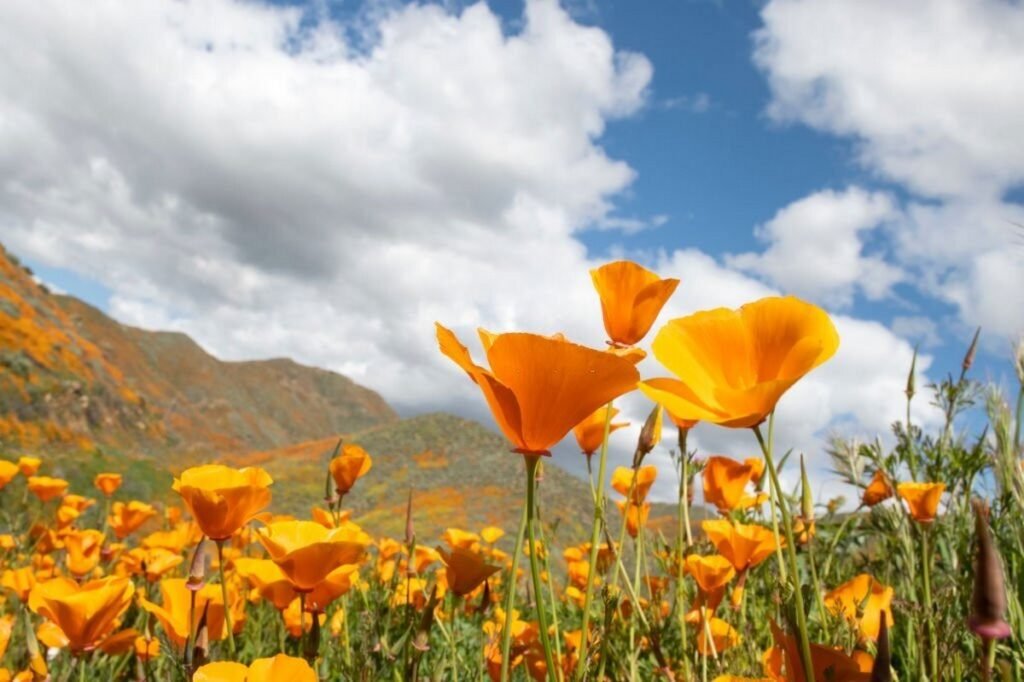
- California Poppy (Eschscholzia californica): April to August
- Indian Blanket (Gaillardia pulchella): May to July
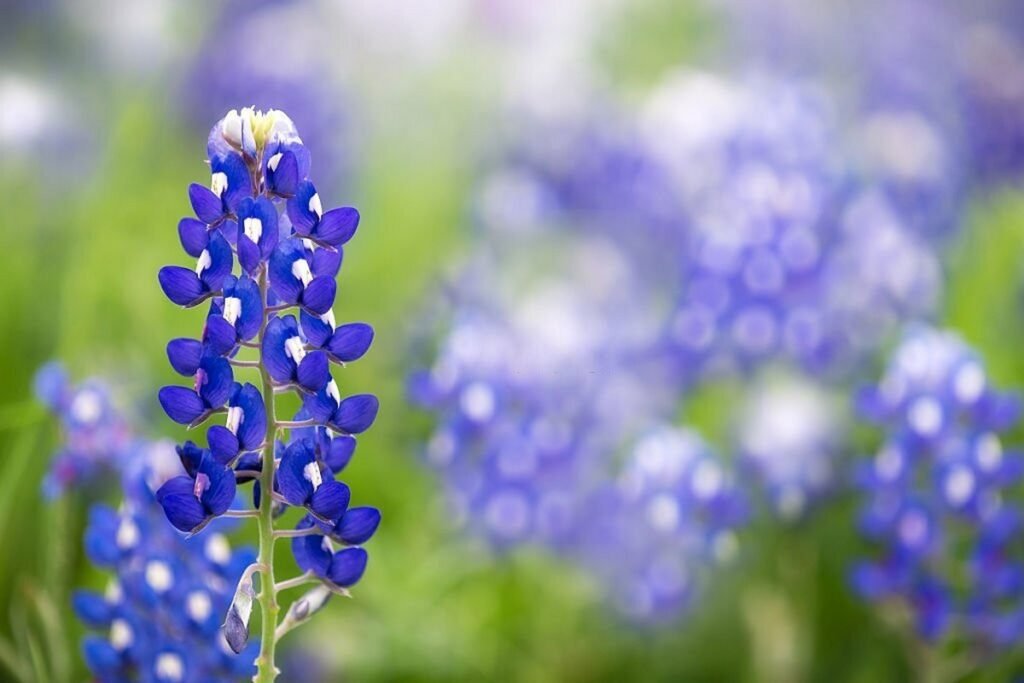
- Bluebonnet (Lupinus texensis): March to May
- Cornflower (Centaurea cyanus): May to August
- Cosmos (Cosmos bipinnatus): June to October
Biennials
Biennial wildflowers generally take two years to complete their life cycle. During the first year, they grow leaves, and in the second year, they flower. Some common biennial wildflower species and their flowering times are:
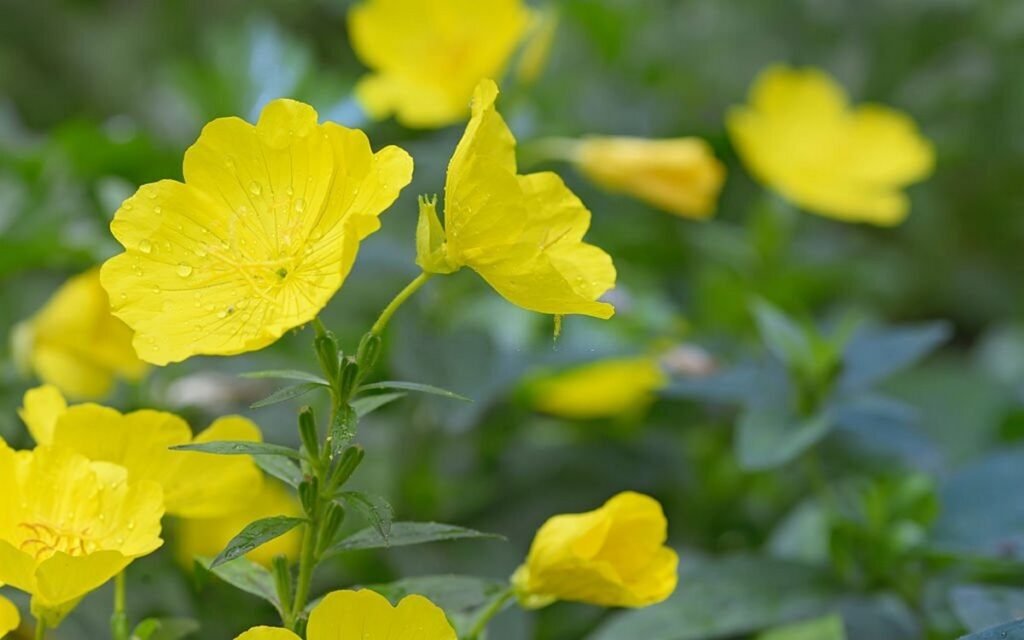
- Evening Primrose (Oenothera biennis): June to August
- Foxglove (Digitalis purpurea): June to August
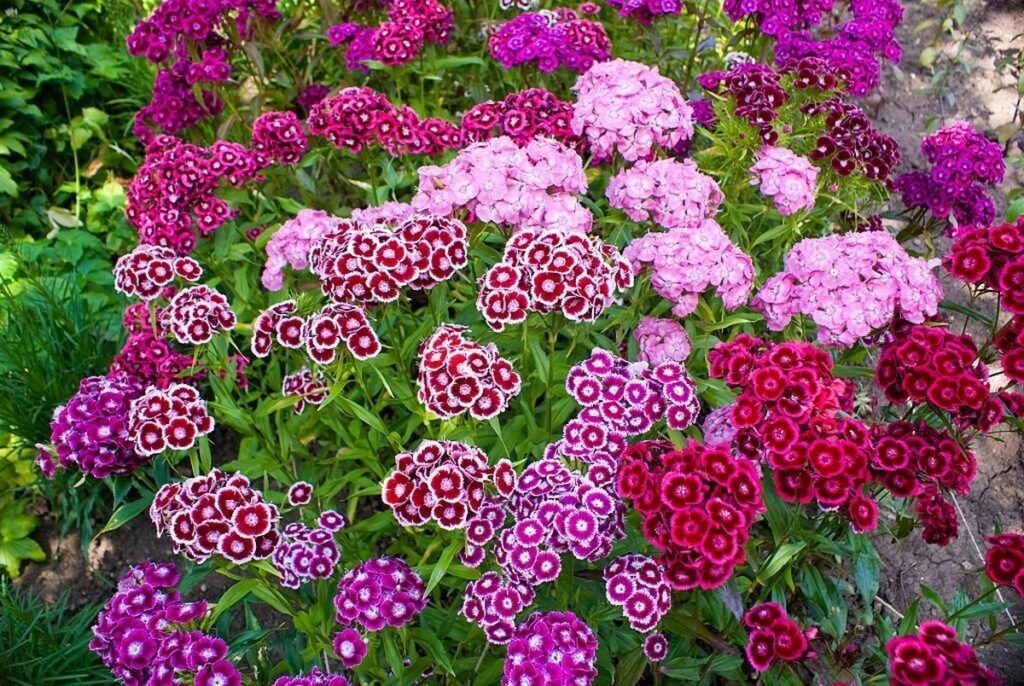
- Sweet William (Dianthus barbatus): May to July
Perennials
Perennial wildflowers are known for their long life span, and they bloom year after year. Some common perennial wildflower species and their flowering times are:
- Black-Eyed Susan (Rudbeckia hirta): June to September
- Coneflower (Echinacea purpurea): July to September
- Goldenrod (Solidago spp.): August to October
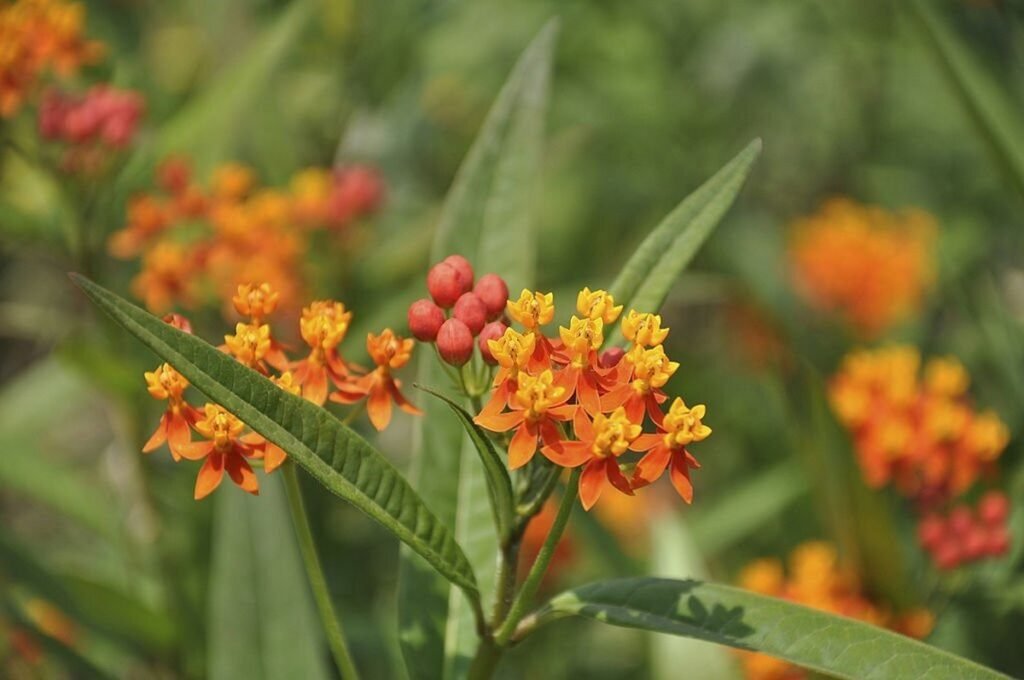
- Milkweed (Asclepias spp.): June to August
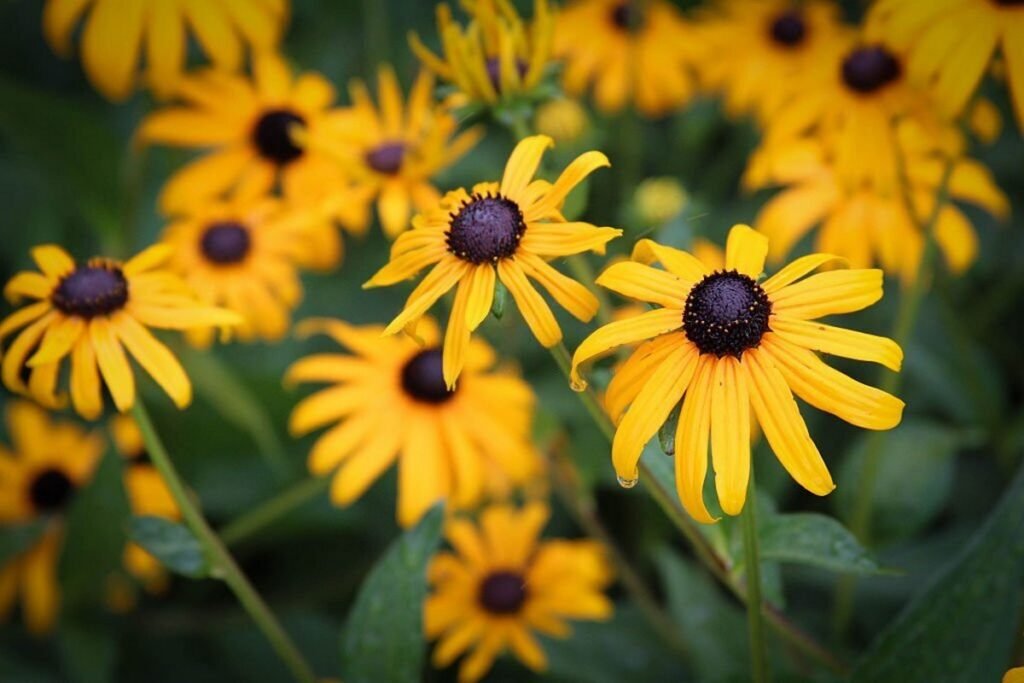
Some species bloom early as April or May
Some species of wildflowers bloom as early as April or May, even before the trees have leaves. These early bloomers include:
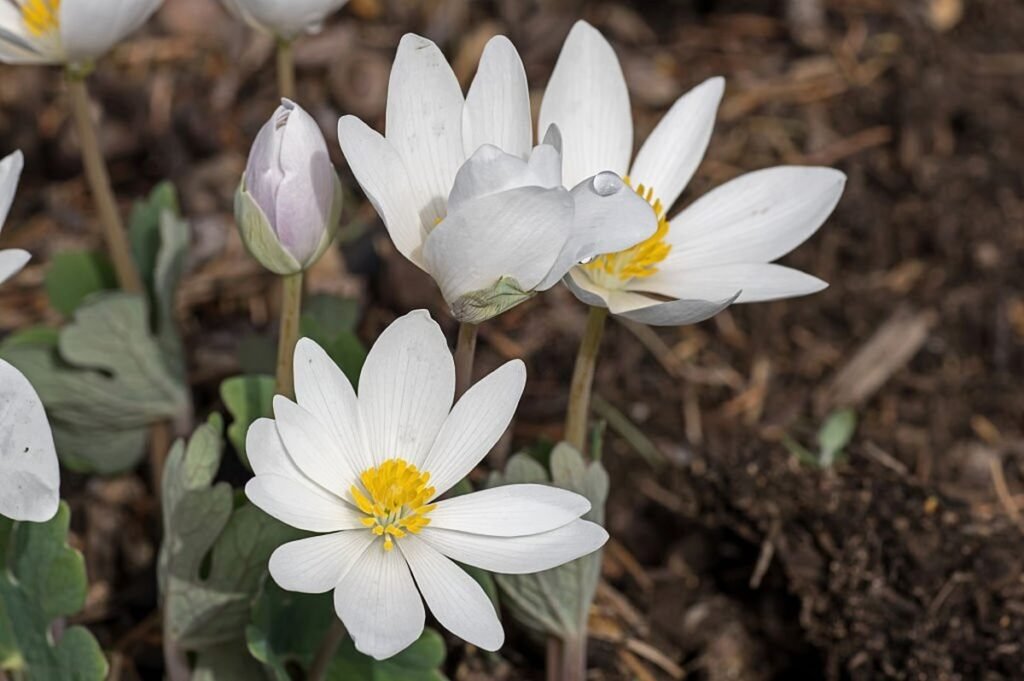
- Bloodroot (Sanguinaria canadensis)
- Hepatica (Hepatica nobilis)
- Dutchman’s Breeches (Dicentra cucullaria)
- Trout Lily (Erythronium americanum)
Others bloom in June and July
June and July are the peak months for wildflower blooms. Some of the common species that bloom during this time are:
- Butterfly Weed (Asclepias tuberosa)
- Black-Eyed Susan (Rudbeckia hirta)
- Coneflower (Echinacea purpurea)
- Wild Indigo (Baptisia australis)
Certain species bloom late in the summer and into the fall
As summer comes to an end, some wildflowers continue to bloom until the fall. Some of the common species that bloom late in the summer and into the fall are:
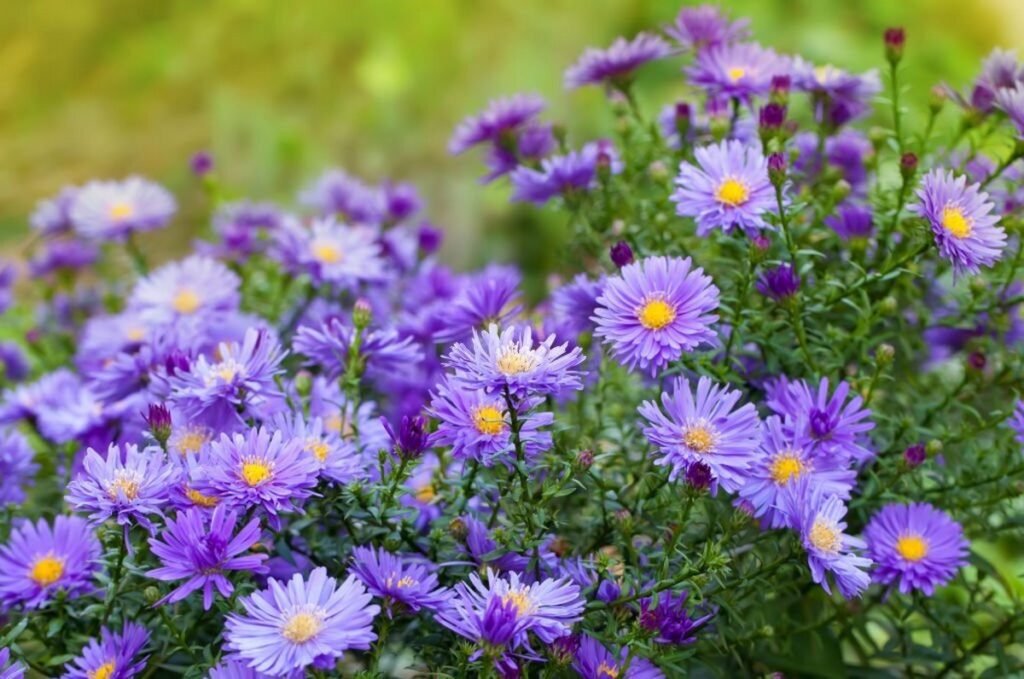
- Asters (Aster spp.)
- Goldenrod (Solidago spp.)
- Ironweed (Vernonia spp.)
- Joe Pye Weed (Eutrochium spp.)
As a wildflower enthusiast, I find it fascinating to observe the different flowering times of wildflowers. This information can be helpful when planning a wildflower garden or when taking a hike in the great outdoors.
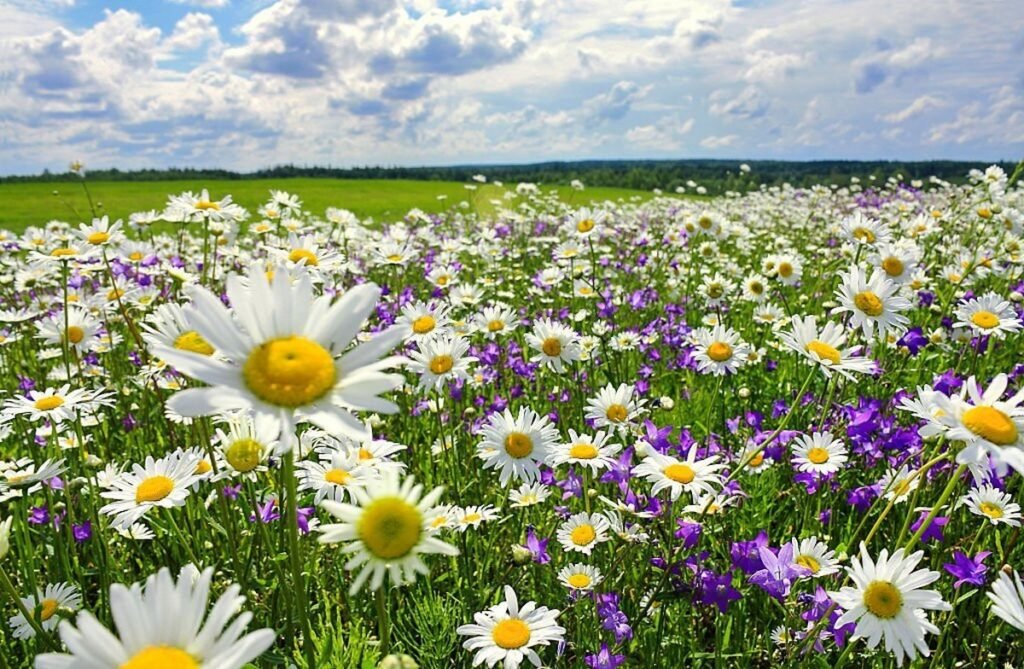
Instead of Focusing on the Month, Take the Season into Consideration
When it comes to wildflowers, many people focus on the month in which they bloom. However, it’s important to remember that blooming times can vary depending on several factors, including the location, weather, and altitude. Instead of solely focusing on the month, it’s important to take the season into consideration.
For example, in the spring months, wildflowers in lower elevations will start to bloom first, while those in higher elevations may not bloom until later in the season. Similarly, in the fall months, wildflowers in higher elevations may start to bloom first, while those in lower elevations may not bloom until later in the season.
It’s also important to consider the weather patterns in your area. If there has been a particularly wet season, wildflowers may bloom earlier than usual. If there has been a drought, wildflowers may bloom later than usual or not at all.
Another factor to consider is the type of wildflower. Some wildflowers, such as bluebonnets, have a very short blooming period, while others, such as Indian paintbrush, may bloom for several months.
Overall, when trying to determine when wildflowers will bloom, it’s important to take the season, location, weather, and type of wildflowers into consideration. By doing so, you’ll have a better chance of seeing these beautiful blooms in their prime.
Forcing Early Wildflower Blooms
As a wildflower enthusiast, I am always eager to see the first blooms of the season. However, depending on the weather and other factors, wildflowers may not bloom until later in the season. Fortunately, there are a few techniques that can be used to force early wildflower blooms.
One effective method is to start the seeds indoors before transplanting them outside. This can be done by planting the seeds in small pots or containers filled with a high-quality potting mix. The pots should be kept in a warm, well-lit area, such as a sunny windowsill. Once the seeds have sprouted and the plants have developed a few sets of leaves, they can be transplanted outside.
Another way to encourage early blooms is by using a cold stratification process. This involves exposing the seeds to a period of cold temperatures, which mimics the natural winter conditions that many wildflowers require to germinate. To do this, the seeds can be placed in a plastic bag with a damp paper towel and stored in the refrigerator for several weeks. After the cold period, the seeds can be planted outside in the desired location.
It is important to note that not all wildflowers can be forced to bloom early. Some species have specific environmental requirements, such as a certain number of hours of sunlight or a specific soil pH level. It is important to research the specific needs of each type of wildflower before attempting to force early blooms.
In conclusion, while it may not be possible to force all wildflowers to bloom early, starting seeds indoors or using a cold stratification process can be effective methods for encouraging early blooms. By using these techniques, wildflower enthusiasts can enjoy the beauty of these delicate blooms even earlier in the season.
Growing Conditions Affect Wildflower Bloom Time
As a wildflower enthusiast, I have learned that various factors influence the blooming time of wildflowers. The most significant factor is the growing conditions. Here are some of the growing conditions that affect wildflower bloom time.
Temperature: Wildflowers are sensitive to temperature changes. The blooming time of wildflowers varies depending on the temperature of their habitat. Some wildflowers bloom early in the spring when the temperature is still cool, while others bloom later in the summer when the temperature is warmer.
Moisture: The amount of moisture in the soil also affects the blooming time of wildflowers. Some wildflowers require a lot of moisture to bloom, while others can tolerate dry conditions. If the soil is too dry, the wildflowers may not bloom at all.
Sunlight: Wildflowers need sunlight to grow and bloom. The amount of sunlight they receive can affect their blooming time. Some wildflowers require full sun to bloom, while others can tolerate partial shade.
Soil pH: The pH level of the soil can also affect the blooming time of wildflowers. Some wildflowers prefer acidic soil, while others prefer alkaline soil. If the soil pH is not suitable for the wildflower, it may not bloom.
Soil Nutrients: The nutrients in the soil can also affect the blooming time of wildflowers. Some wildflowers require a lot of nutrients to bloom, while others can tolerate poor soil conditions. If the soil is deficient in nutrients, the wildflowers may not bloom.
In conclusion, the growing conditions of wildflowers play a crucial role in their blooming time. By understanding these factors, we can better predict when wildflowers will bloom and plan our wildflower viewing trips accordingly.
Duration of Wildflower Blooms
When it comes to wildflowers, their blooming duration can vary greatly depending on the species, climate, and location. As someone who loves to observe wildflowers, I have learned a few things about how to prolong their blooms. Here are some tips that have worked for me:
Tips for Prolonging Wildflower Blooms
- Deadheading: Deadheading is the process of removing dead flowers from a plant. Doing this can help prolong the blooming period by encouraging the plant to produce more flowers. When deadheading, make sure to cut the stem just above the first set of healthy leaves.
- Watering: Wildflowers need water to thrive, so it’s important to make sure they are getting enough. However, overwatering can be just as harmful as underwatering. To ensure the right amount of water, check the soil regularly and water only when it feels dry to the touch.
- Mulching: Mulching can help keep the soil moist and cool, which can be beneficial for wildflowers. A layer of organic matter, such as leaves or grass clippings, can also help suppress weeds and provide nutrients to the soil.
- Fertilizing: Fertilizing can help promote healthy growth and prolong the blooming period. However, it’s important to use the right type and amount of fertilizer. A slow-release fertilizer is usually best, and it should be applied in the spring when the plants are actively growing.
- Choosing the Right Plants: When selecting wildflowers for your garden, choose species that are known to have long blooming periods. Some examples include black-eyed Susans, coneflowers, and coreopsis.
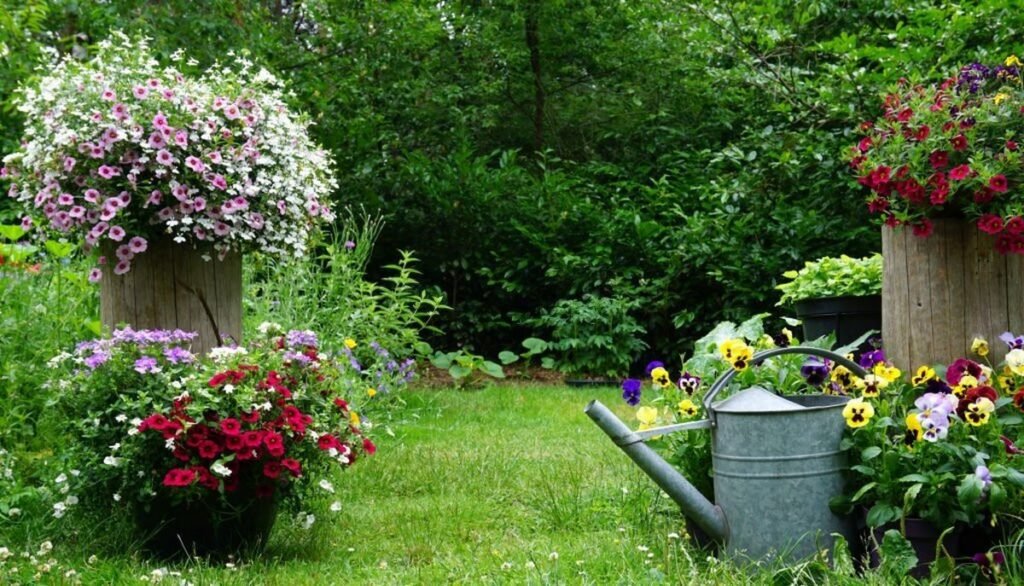
By following these tips, I have been able to prolong the blooming period of many of my favorite wildflowers. Remember, every plant is different, so it’s important to pay attention to the specific needs of each species.
Do Wildflowers Bloom Throughout the Summer?
As a wildflower enthusiast, I am often asked if wildflowers bloom throughout the summer. The answer is not a simple one, as it depends on the species of wildflowers and the climate of the region.
Some wildflowers, such as the Indian Blanket and the Black-eyed Susan, can bloom from late spring through early fall, providing a colorful display of blooms throughout the summer months. Other species, however, have a shorter blooming period and may only bloom for a few weeks during the summer.
It’s important to note that the blooming period of wildflowers can also be affected by weather conditions. A dry summer can cause some species to bloom earlier or for a shorter period of time, while a wet summer can extend the blooming period of others.
If you’re interested in seeing wildflowers throughout the summer, it’s important to research the species that are native to your area and their typical blooming periods. You can also visit local parks or nature preserves to see wildflowers in their natural habitat.
In summary, while some wildflowers do bloom throughout the summer, it’s important to research the species and consider the climate conditions in your area to determine when and where to see them in bloom.
How Frequently Do Wildflowers Bloom in a Year?
Wildflowers are known for their vibrant colors and unique beauty. They are a common sight in many fields, meadows, and gardens during spring and summer. As a nature enthusiast, I have always been curious about how frequently wildflowers bloom in a year. After researching and observing various species of wildflowers, I have discovered some interesting facts.
Most wildflowers bloom once a year, usually during the spring or summer months. However, some species may bloom twice or even three times a year, depending on the climate and growing conditions. For example, the California poppy can bloom twice a year, once in the spring and again in the fall.
The frequency of wildflower blooms also varies depending on the species. Some wildflowers, such as the bluebonnet, may only bloom for a few weeks, while others, such as the Indian Paintbrush, may bloom for several months. Additionally, some wildflowers may only bloom in certain regions or climates, while others can be found in various parts of the world.
It is important to note that the frequency of wildflower blooms can also be affected by human activities such as land development, deforestation, and climate change. Therefore, it is essential to protect and preserve natural habitats to ensure the continued growth and blooming of wildflowers.
In conclusion, the frequency of wildflower blooms varies depending on the species, climate, and growing conditions. While most wildflowers bloom once a year, some may bloom twice or even three times. As a nature enthusiast, I find it fascinating to observe the different blooming patterns and colors of wildflowers in their natural habitats.
Timeframe for Wildflower Blooms from Planting
When Will the Wildflowers Begin to Bloom?
As someone who has planted wildflowers before, I know how exciting it is to see the first blooms appear. Depending on the type of wildflowers you have planted, the timeframe for blooms can vary. In general, wildflowers will begin to bloom 4-6 weeks after planting. This timeframe can be affected by factors such as climate, soil conditions, and the specific type of wildflower.

Which Wildflower Blooms First?
If you’re eager to see blooms as soon as possible, you might wonder which wildflower typically blooms first. In my experience, the answer to this question can vary depending on the region and the specific wildflowers being planted. However, some common wildflowers that tend to bloom early include:
- Bluebells
- Crocuses
- Daffodils
- Snowdrops
When Will My Wildflower Patch Reach Full Bloom?
Seeing your wildflower patch in full bloom is beautiful, but it can take some patience. Most wildflowers will reach full bloom 8-10 weeks after planting. However, some wildflowers may take longer or shorter depending on the factors mentioned earlier.

Do Perennial Wildflowers Have an Impact on the Bloom?
Perennial wildflowers are a popular choice for those who want to create a long-lasting wildflower garden. But do they have an impact on the bloom timeframe? In my experience, perennial wildflowers can take longer to fully bloom than annual wildflowers. However, once they do bloom, they typically continue to do so for several years.
Overall, the timeframe for wildflower blooms from planting can vary depending on several factors. However, with patience and proper care, you can enjoy a beautiful wildflower garden that will brighten up your space for years to come.
Common Questions About Wildflower Blooms
How to Weed a Wildflower Patch?
Weeding a wildflower patch can be tricky as you don’t want to accidentally pull out any wildflowers. The best way to weed a wildflower patch is to carefully inspect the plants and remove any weeds by hand. If you’re unsure if a plant is a weed or a wildflower, wait until it blooms before removing it.
How Can I Best Identify My Seedlings?
Identifying seedlings can be challenging, but you can do a few things to make it easier. First, take note of the shape and color of the leaves. Also, pay attention to the location where you planted the seeds. This can give you a clue as to what type of wildflower it might be. Finally, consider using a plant identification app or consulting a guidebook to help you identify your seedlings.
Is It Possible to Collect and Store Wildflower Seeds for the Next Year?
Yes, collecting and storing wildflower seeds for the next year is possible. Simply wait until the flowers have dried out and the seeds have matured, then collect them and store them in a cool, dry place. Be sure to label the seeds with the flower’s name and the collected date.
Is It Advisable to Cut Wildflowers for Arrangements?
Cutting wildflowers for arrangements can be a great way to enjoy their beauty indoors, but it’s important to do so responsibly. Only cut a few flowers from each plant, and never cut the entire plant. Also, be sure to cut the flowers in the early morning or late evening when the plant is most hydrated.
Is It Necessary to Plant Wildflower Seeds During Spring?
While spring is the most common time to plant wildflower seeds, it’s not the only time. In fact, some wildflowers prefer to be planted in the fall. Be sure to check the planting instructions for the specific type of wildflower you want to grow.
How Can I Prepare for Next Year’s Wildflowers?
To prepare for next year’s wildflowers, start by clearing the area where you want to plant. Once the area is clear, loosen the soil and add any necessary amendments. Then, plant your seeds according to the instructions on the packet. Finally, water the area regularly and be patient. Wildflowers can take some time to establish, but the wait is worth it.