
I’ve always been fascinated by the beauty of wildflowers. Their vibrant colors and delicate petals make them a sight to behold. And what’s even more amazing is that you can grow them just about anywhere, even in your own backyard. But can you just throw wildflower seeds and hope for the best? That’s what I set out to discover.
As someone who loves gardening but doesn’t have a lot of time or space, I was intrigued by the idea of simply tossing some seeds into the ground and watching them grow. But I also wanted to make sure that I was doing it right. After all, wildflowers are a delicate ecosystem, and I didn’t want to do anything to harm them. So I did some research and talked to some experts to find out if it really is as easy as it sounds.
How to Plant Wildflower Seeds Successfully
Timing is Key: When to Plant Wildflower Seeds
I recommend planting wildflower seeds in the spring or fall. In the spring, wait until the soil is warm and has dried out a bit. In the fall, plant your seeds after the first frost. Avoid planting in the summer, as the heat can be too intense for the seeds to germinate.
Choosing the Right Location for Wildflower Seeds
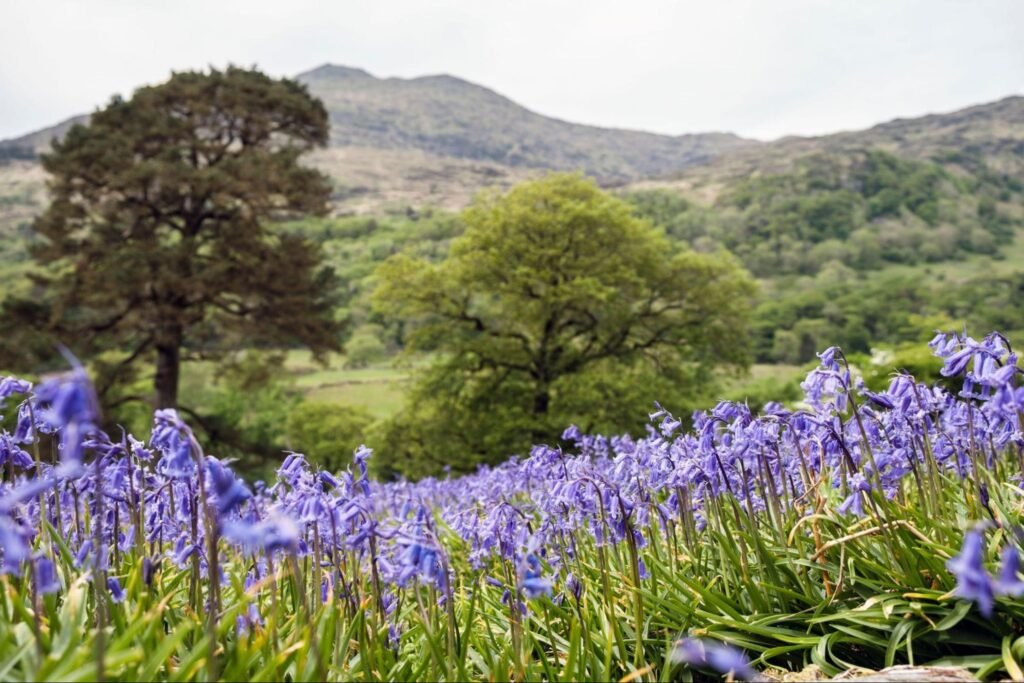
When choosing a location for your wildflower seeds, make sure it gets plenty of sunlight. Most wildflowers need at least six hours of sunlight per day. Also, make sure the area has good drainage, as wildflowers don’t like to sit in water.
Preparing the Soil for Wildflower Seeds
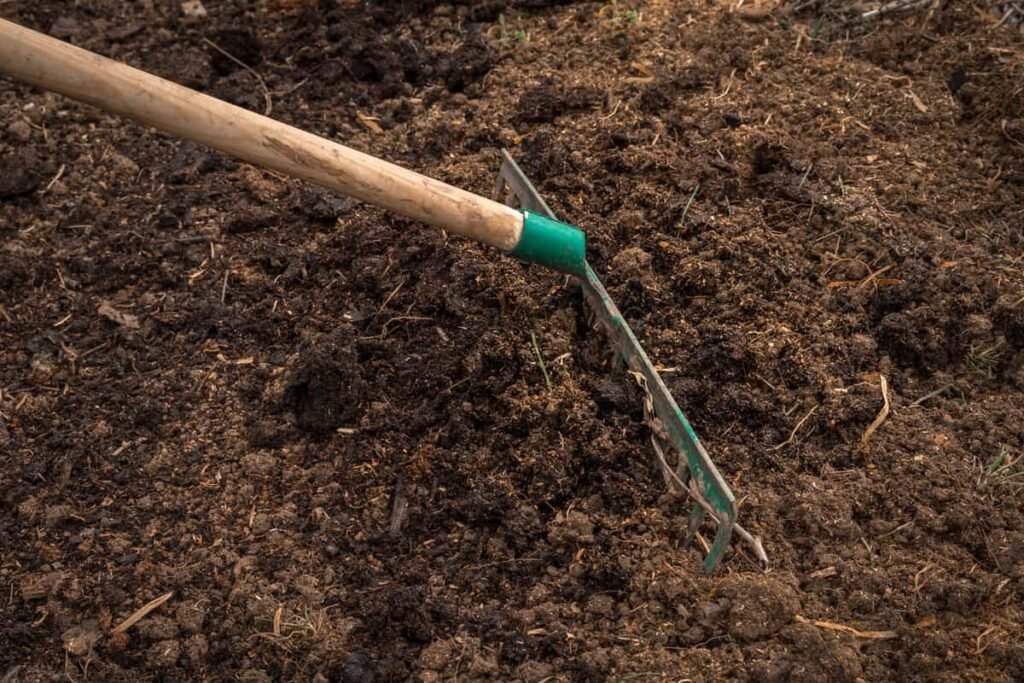
Before planting your wildflower seeds, loosen the soil to a depth of about six inches. Remove any weeds or debris from the area. If the soil is poor, add some compost or other organic matter to improve it.

Evenly Distributing Wildflower Seeds
To ensure the even distribution of your wildflower seeds, mix them with some sand or vermiculite. This will help you see where you’ve already planted and where you still need to plant.
Tamping Down Wildflower Seeds
After you’ve planted your wildflower seeds, gently tamp down the soil with a rake or your feet. This will help the seeds make good contact with the soil and improve their chances of germinating.
Planting Wildflower Seeds: Do’s and Don’ts
Do plant your wildflower seeds at the recommended depth. Most wildflower seeds should be planted about 1/8 to 1/4 inch deep.
Don’t plant your wildflower seeds too close together. Most wildflowers need about six inches of space between plants.
Do water your wildflower seeds after planting. Keep the soil moist but not waterlogged until the seeds have germinated.
Don’t fertilize your wildflowers. Most wildflowers don’t need fertilizer and can actually be harmed by it.
Where Can You Plant Wildflower Seeds?
Wildflower seeds can be planted in a variety of locations, including gardens, meadows, and along roadsides. Just make sure the location gets plenty of sunlight and has good drainage.
Related: Planting Wildflowers in Grass: A Beginner’s Guide
By following these simple steps, you can successfully plant wildflower seeds and enjoy a beautiful display of flowers in your yard or garden.
When is the Best Time to Plant Wildflower Seeds?
As someone who has planted wildflower seeds before, I can tell you that timing is everything. If you want your wildflowers to thrive, you need to plant them at the right time.
In general, the best time to plant wildflower seeds is in the fall, between September and November. This gives the seeds enough time to establish themselves before winter sets in. However, if you miss the fall planting window, you can also plant wildflower seeds in the spring, between March and May.
Related: Plant Wildflower Seeds in Winter: A Guide to Year-Round Blooms
It’s important to note that the timing can vary depending on your location and climate. For example, if you live in a warmer climate, you may be able to plant wildflower seeds earlier in the spring or later in the fall. On the other hand, if you live in a colder climate, you may need to wait until later in the fall to plant your seeds.
Another factor to consider is the type of wildflower seeds you’re planting. Some wildflowers prefer cooler temperatures, while others thrive in warmer weather. Be sure to research the specific needs of the wildflowers you’re planting to ensure you’re planting them at the right time.
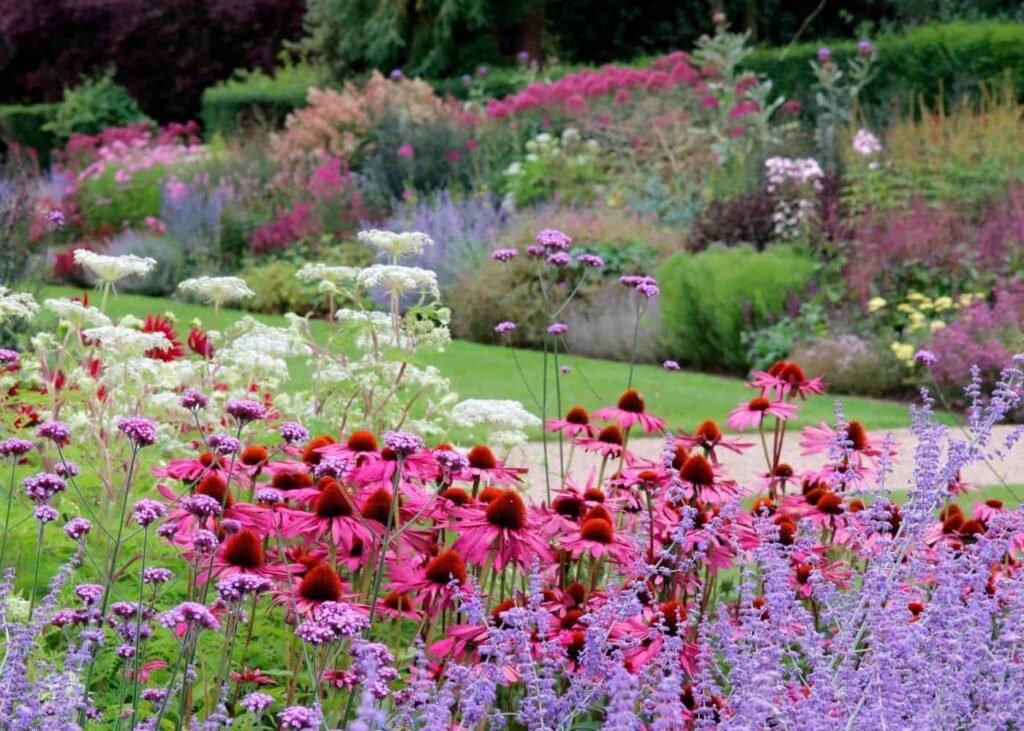
In summary, the best time to plant wildflower seeds is in the fall or spring, depending on your location and the type of wildflowers you’re planting. By planting at the right time, you’ll give your wildflowers the best chance of thriving and adding beauty to your garden or landscape.